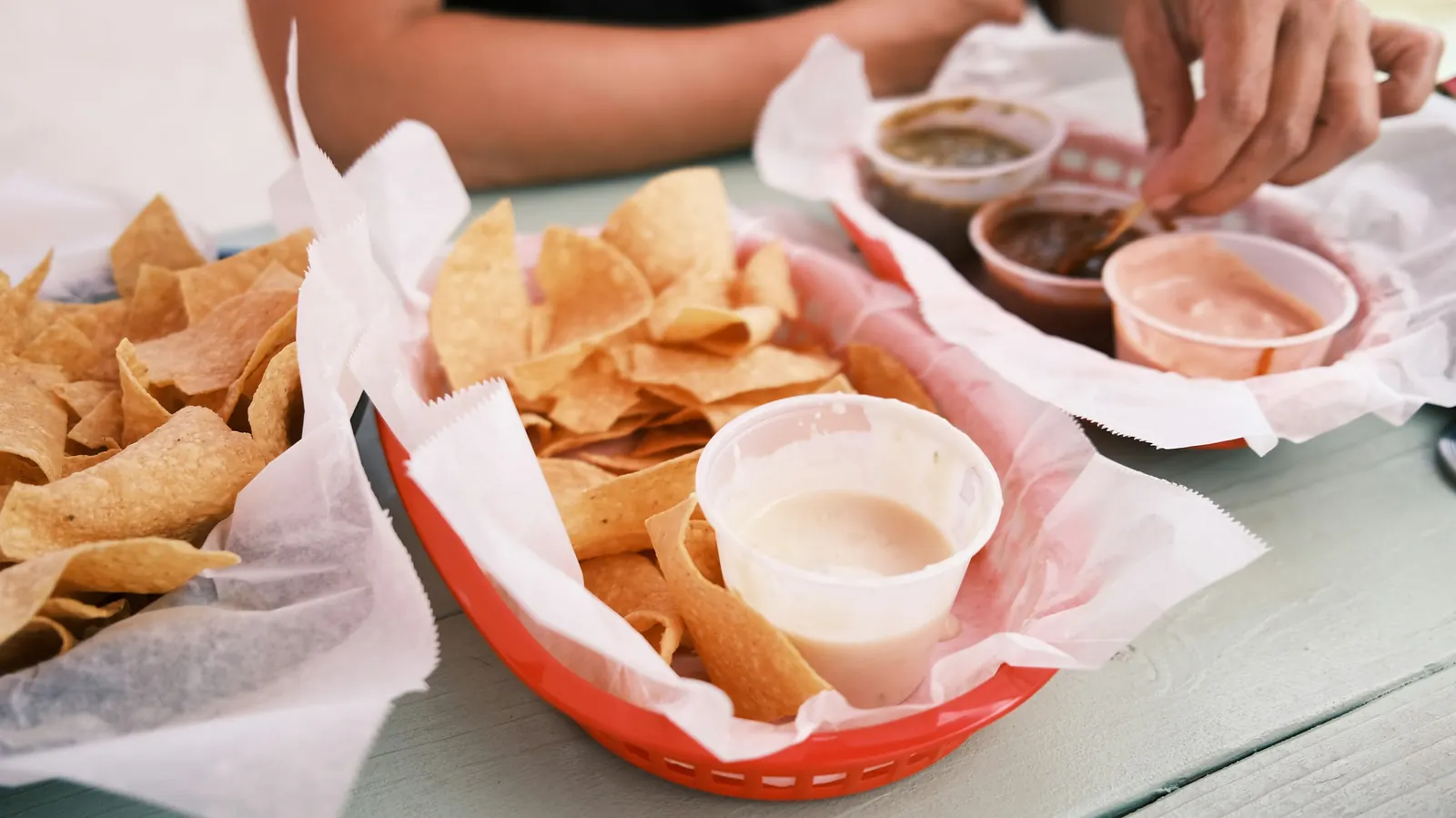
Two bowls arrive with the chips. One red, one green. Nobody tells you which is which, and the usual assumption — that green means mild, or that red means mild, depending on who you ask — is wrong in both directions.
Here is what actually separates them.
The short answer
Salsa roja is built on tomatoes and red chiles. Salsa verde is built on tomatillos, which are a different fruit entirely, not unripe tomatoes. Roja tastes rounder and slightly sweet; verde tastes tart and bright. Neither is reliably hotter — heat comes from which chile the kitchen used, not from the color.
The heat myth
Start here, because it is the reason most people guess wrong.
Color tells you the base, not the heat. A salsa roja made with dried guajillo is mild and earthy. A salsa roja made with chile de árbol will take your head off. A salsa verde with a couple of jalapeños is gentle; the same salsa with serranos is not.
The chile is a separate variable from the fruit. Any combination is possible, and kitchens vary enormously. If you need to know, the only reliable method is to ask which of the two on your table is the hotter one — a question every server at a Mexican restaurant answers several times a shift.
Salsa roja
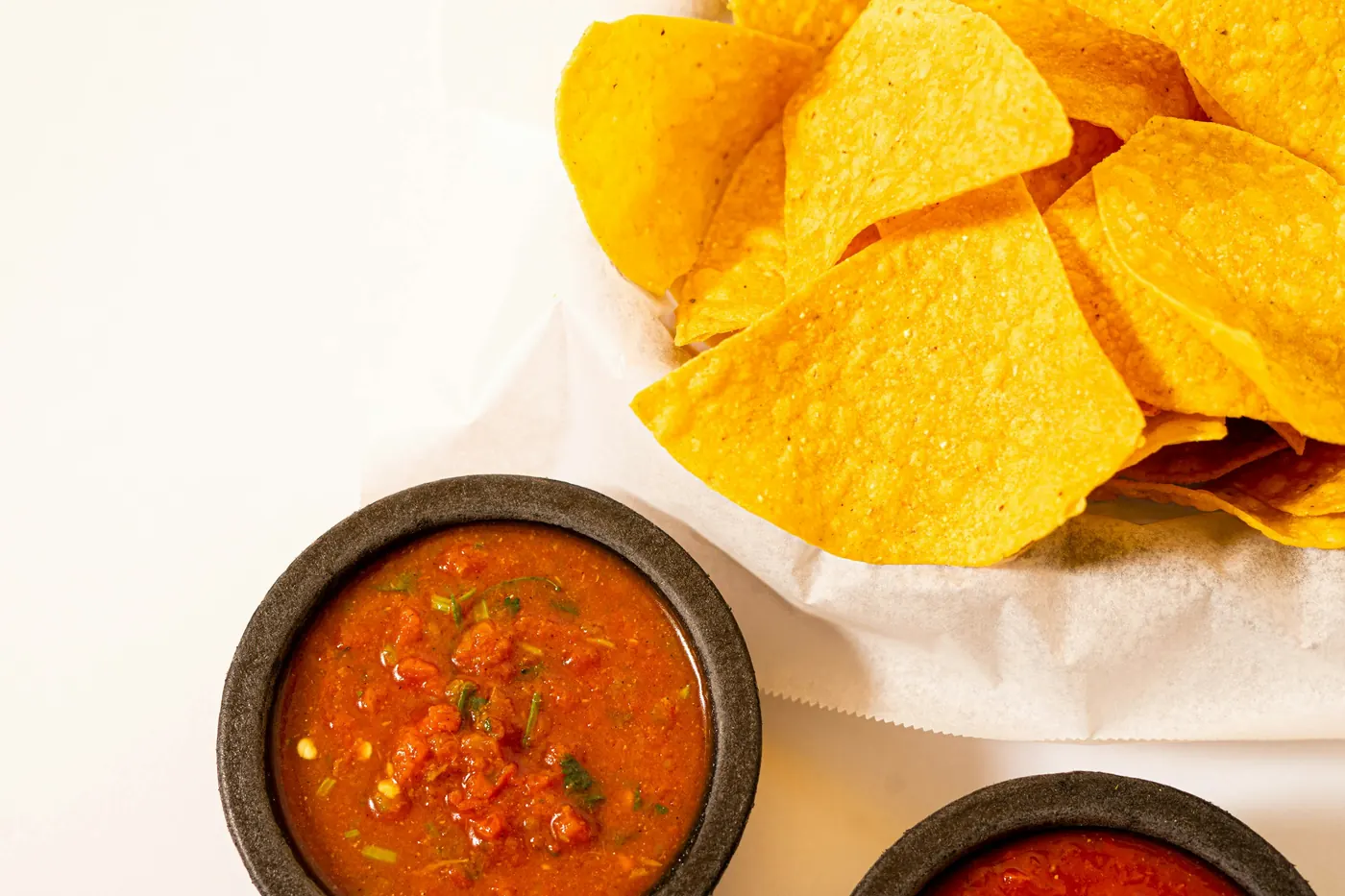
Red salsa is tomato and chile, in some proportion, with onion, garlic, salt and usually cilantro.
Beyond that it splits by technique. A salsa cruda is blended raw and tastes fresh and sharp. A salsa asada or tatemada is made from ingredients charred first on a comal, which is what produces that smoky, slightly bitter depth you get at good taquerías. Same ingredients, completely different result.
Dried-chile salsas are a third category. Guajillo, ancho and chile de árbol are rehydrated and blended, and the result is darker, thicker and more concentrated — closer to a sauce than a salsa.
Salsa verde and the tomatillo
The green one is where most of the confusion lives, because people assume a tomatillo is a green tomato. It is not.
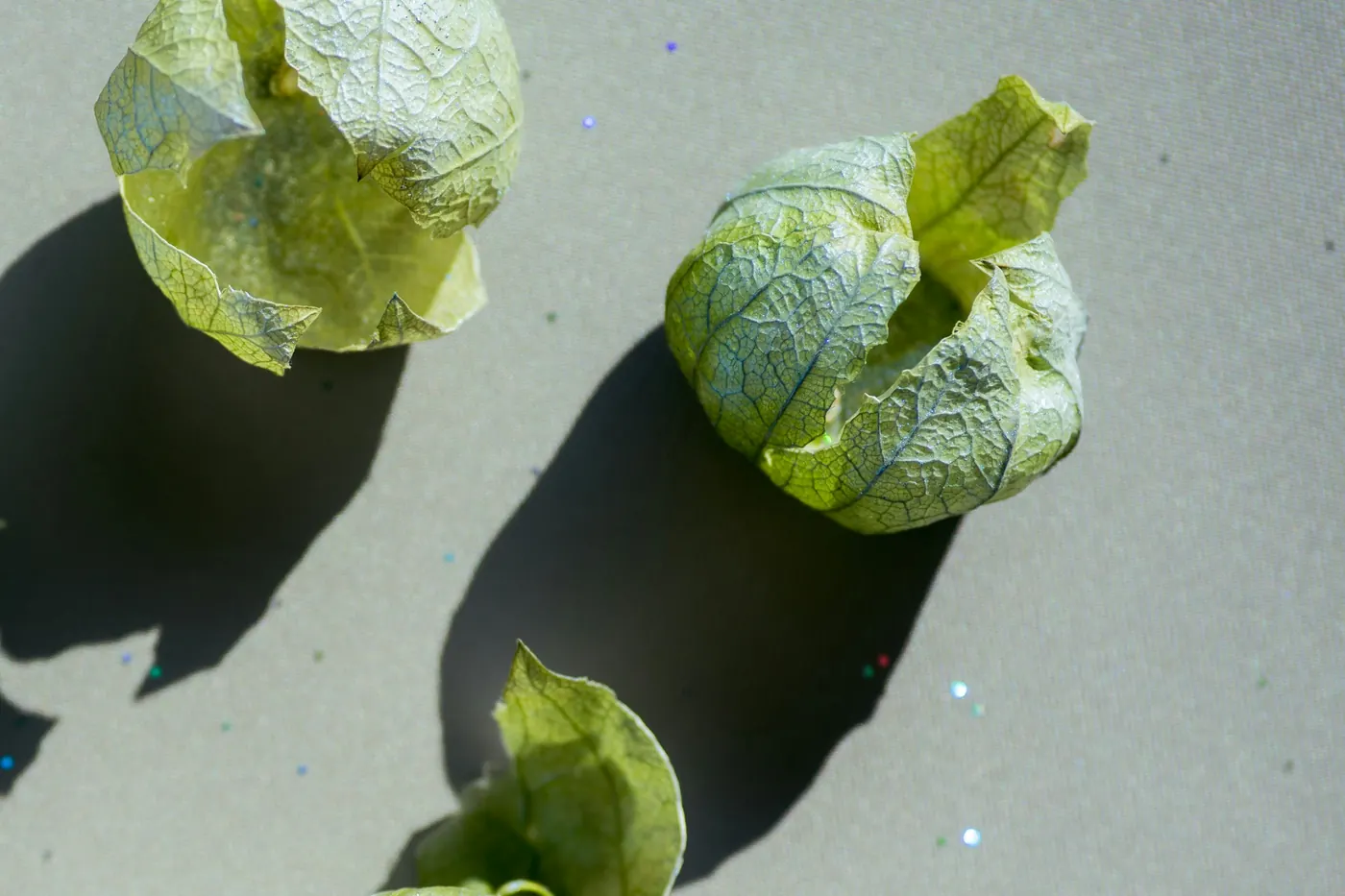
The tomatillo is Physalis philadelphica, a member of the nightshade family and a relative of the ground cherry. As the NC State Extension plant record sets out, it grows inside a papery husk — the calyx — which is where names like husk tomato and Mexican groundcherry come from.
Peel the husk and the fruit underneath is firm, sticky to the touch and sharply acidic. That acidity is the whole point of salsa verde: it cuts fat and resets the palate in a way tomato cannot.
Like roja, verde can be raw or cooked. Raw tomatillo salsa is aggressive and bright. Boiled or roasted tomatillos turn softer, sweeter and a duller olive green, which is why a restaurant’s verde is often mellower than you expect.
Side by side
| Salsa roja | Salsa verde | |
|---|---|---|
| Base | Tomato, sometimes dried chile | Tomatillo |
| Flavor | Round, savory, faintly sweet | Tart, bright, acidic |
| Body | Often thicker | Often looser and glossier |
| Heat | Depends on the chile | Depends on the chile |
| Good with | Beef, grilled meat, eggs | Pork, chicken, fried food, cheese |
| Cooked version | Smoky and deeper | Softer and less sharp |
The pairing column is the useful part. Verde’s acidity works against fat — which is why it belongs on carnitas, on anything fried, and on cheese. Roja’s sweetness suits charred beef.
Pico de gallo is not the same thing
Pico de gallo turns up in the same bowls and gets called salsa, but it is a different preparation.
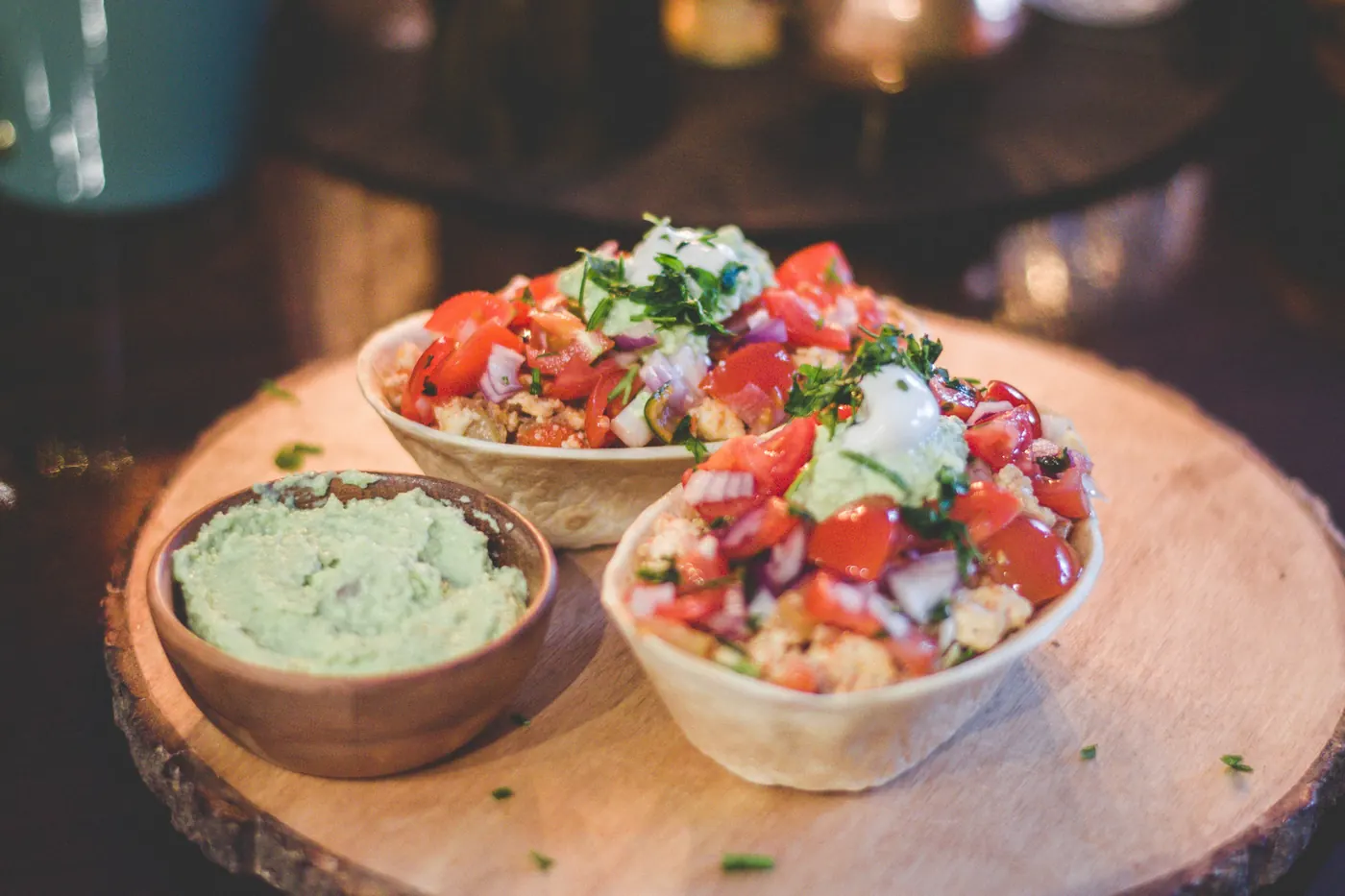
It is chopped, not blended: diced tomato, white onion, cilantro, jalapeño and lime, mixed raw. Nothing is cooked and nothing is pureed, so it stays chunky and drains liquid as it sits. The proper name is salsa fresca or salsa cruda picada.
Practically, this matters because pico behaves differently on a plate. It sits on top of things rather than coating them, and it adds crunch and water rather than sauce. That is why it goes on fajitas and tacos rather than into them.
Ground, not blended
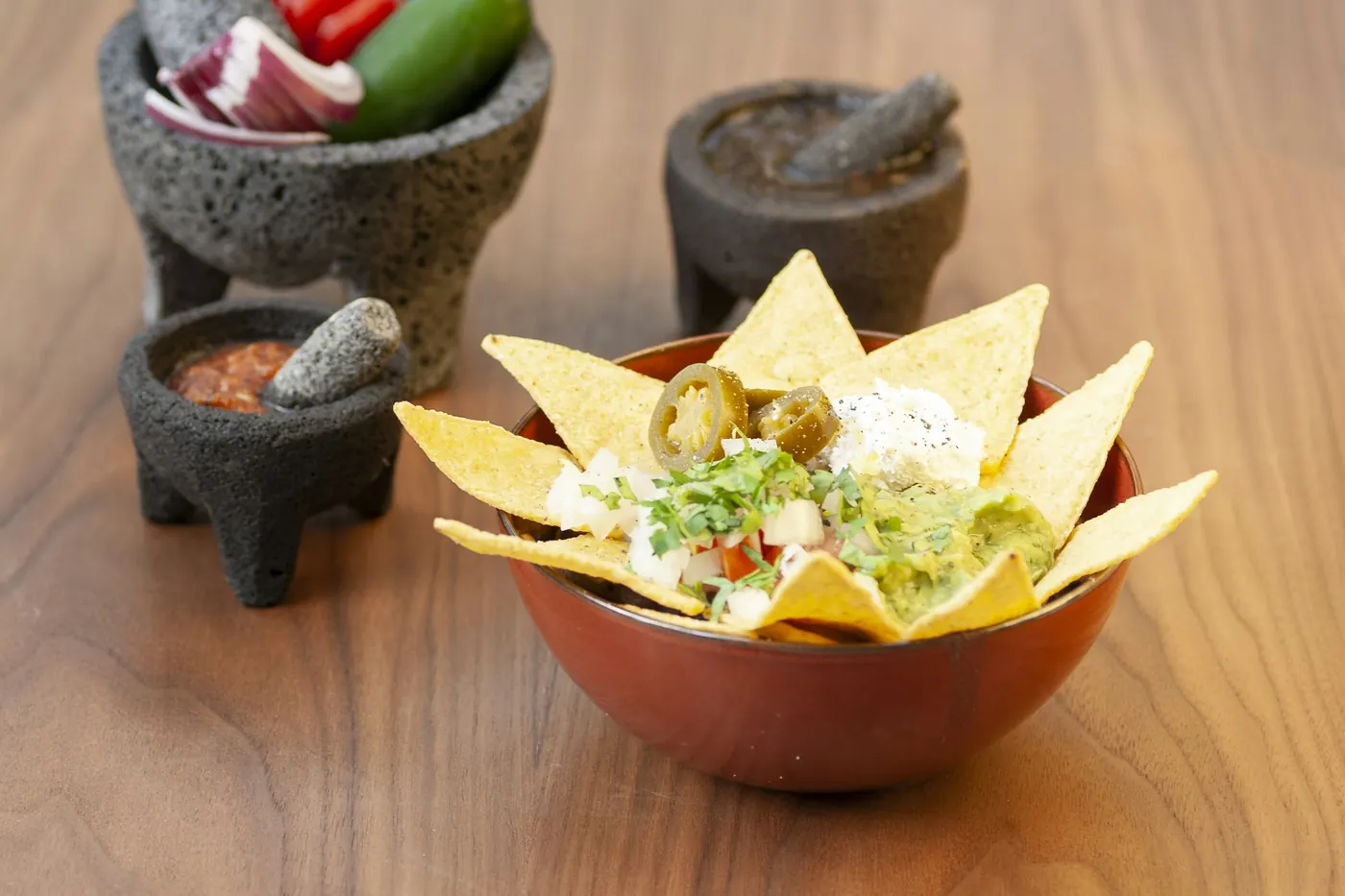
If a salsa arrives in a rough stone bowl, that is a molcajete, and it may well have been made in one.
Grinding in volcanic stone crushes cell walls rather than slicing them, which releases oils differently and leaves an uneven texture that a blender cannot reproduce. The result is thicker, and you can see the individual bits of chile and onion.
It is not a gimmick, but it is not a guarantee either — plenty of good salsa comes out of a blender.
Table salsa is not enchilada sauce
Worth separating, because both come in red and green.
Table salsas are condiments: mostly raw or lightly cooked, thin, served cold or at room temperature, added by you. Enchilada sauces are cooked, thickened and often built on rehydrated dried chiles or cream, and they are poured over a dish in the kitchen.
They share a color scheme and very little else. Our guide to enchilada sauces covers the cooked side, including mole and the cream-based ones.
How this looks at Julia’s
Julia’s uses both colors across the menu, and the descriptions name them.
A tomatillo salsa comes with the taquitos de pollo, alongside queso fresco and sour cream — tart green against fried and creamy, which is the classic use. The chilaquiles at brunch are offered in red or green salsa, so the same dish goes two ways depending on which you choose.
Pico de gallo arrives with the fajitas, where it belongs: chopped, fresh, spooned on at the table as you build each one.
The genuinely hot items on the menu are labeled as such rather than hidden in a salsa — the roasted tomato-habanero sauce and the creamy jalapeño sauce say what they are. Our guide to mild dishes covers reading those labels.
Frequently asked questions
Is salsa verde hotter than salsa roja?
Not reliably. Heat depends on which chile the kitchen used, not on the color. Either can be mild or fierce. Ask which of the two on your table is hotter.
Are tomatillos unripe tomatoes?
No. They are a different plant in the nightshade family, grown inside a papery husk. They stay green when ripe and taste tart rather than sweet.
What is the difference between salsa and pico de gallo?
Pico de gallo is chopped and raw; most salsas are blended or cooked. Pico stays chunky and sits on top of food. Salsa coats it.
Why is some red salsa smoky?
Because the tomatoes, chiles, onion and garlic were charred on a comal before blending. That is a salsa asada, and the char is deliberate.
Which salsa goes with which food?
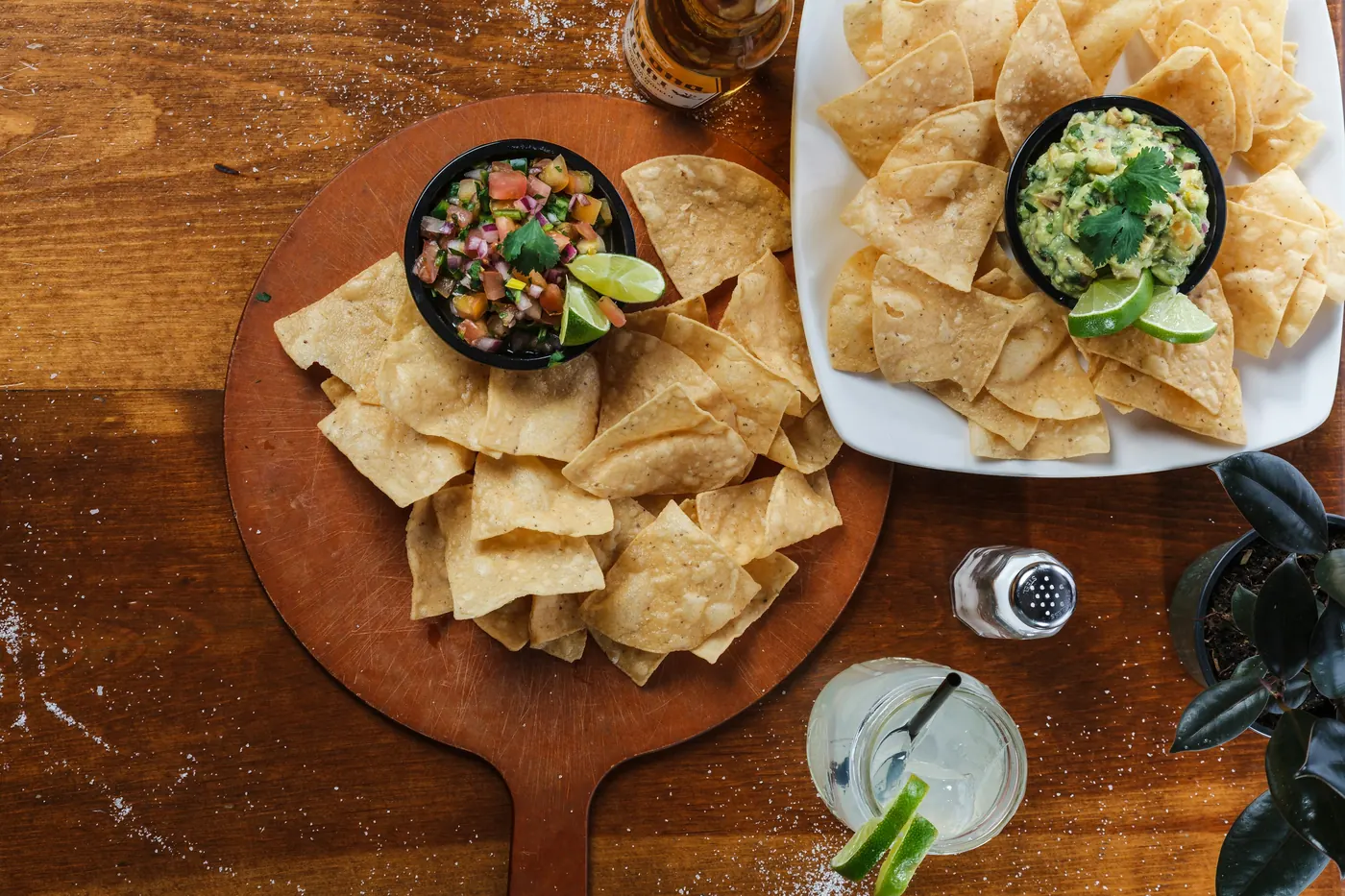
Verde suits pork, chicken, fried food and cheese, because its acidity cuts fat. Roja suits grilled beef and eggs. Both work with chips, which is why both are on the table.
The short version
Red is tomato, green is tomatillo, and the color says nothing about the heat. If you need to know how hot either is, ask — it varies by kitchen more than by anything else.
Julia’s names the salsa in each description on the full food menu, including which dishes come with tomatillo and which come with something hotter.