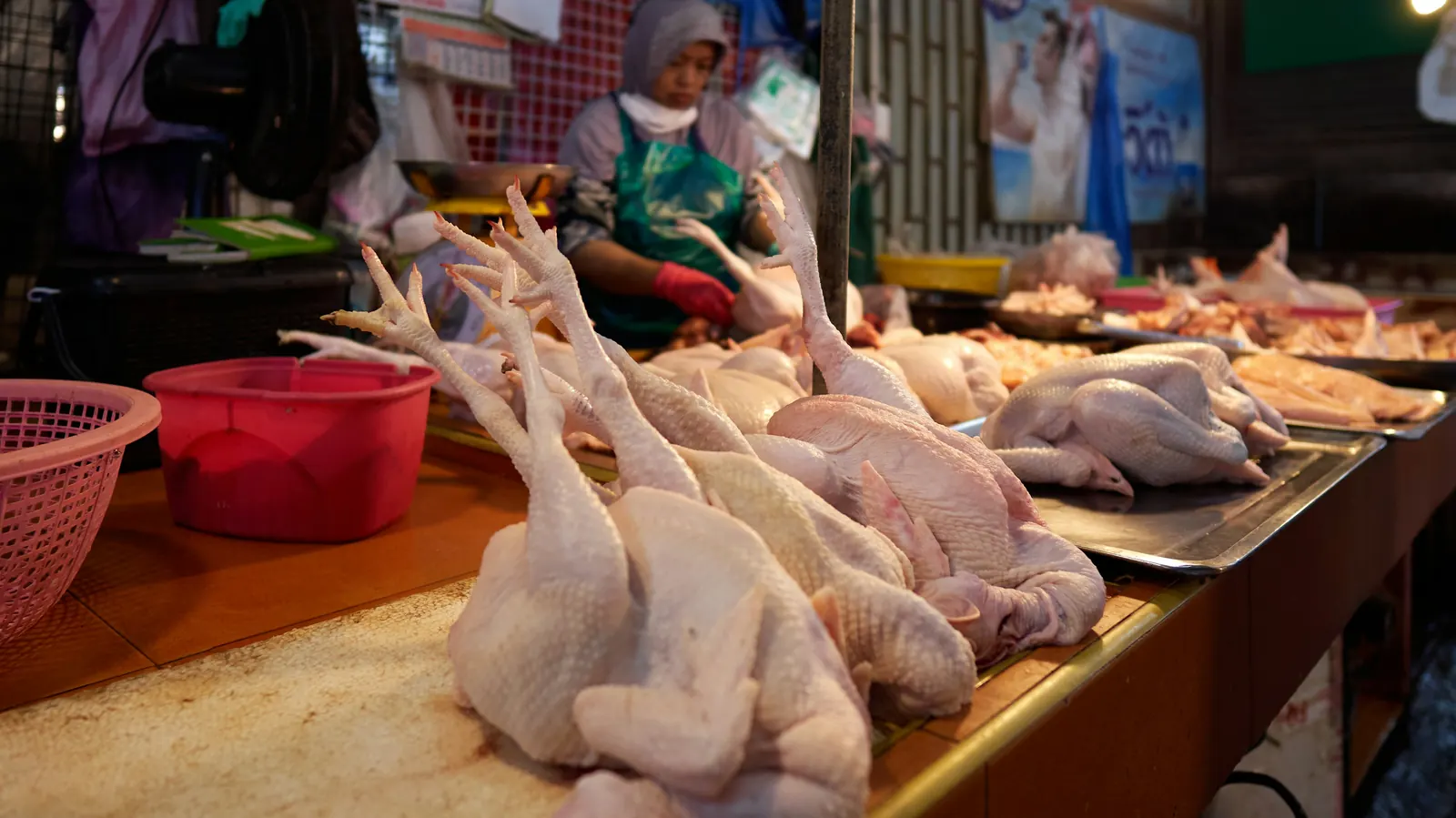
A whole chicken costs less per pound than the parts, and the bones make a stock that is worth having around for rice and for mole. What stops most home cooks from buying whole birds is the breakdown, and a big chef’s knife is an awkward tool for working around a hip socket.
Poultry is a narrow job. The bones are small, the joints are tight and the skin is slippery, so a short, firm blade and a secure handle count for more than the long flexible blade you would pick for trimming a pork loin. This guide stays on that job. For all-around picks, see our main boning knife guide, which uses different knives.
Julia’s earns a commission on purchases made through links on this page, at no cost to you. Recommendations are based on what a restaurant kitchen looks for, product specifications and the reviews we name. We have not used these knives ourselves.
Quick verdict: which knife to buy for chicken
For most cooks, buy the Wüsthof Classic 5-inch Boning Knife: it is short, narrow and curved, and Wüsthof names chicken as a use. On a tighter budget, the Mercer Millennia 6-inch Curved was Reviewed’s value pick. If whole birds are your main reason for buying, the triangular Shun Classic 4.5-inch Multi-Prep is the closest thing to a poultry specialist here.
Five poultry knives at a glance
Five of the eight knives, one for each kind of cook. Flex is only listed where the maker or listing states it, and several do not.
| Knife | Best for | Blade | Flex | Buy on Amazon |
|---|---|---|---|---|

Wüsthof Classic 5-inch Boning KnifeBest overall
|
Weekly whole chickens | 5-inch curved, forged | Not stated | View on Amazon |
| First boning knife | 6-inch curved, one-piece steel | Not stated | View on Amazon | |

Dexter-Russell Traditional 6-inch Curved Boning KnifeBest semi-stiff
|
Levering through joints | 6-inch curved, beech handle | Semi-stiff | View on Amazon |

Shun Classic 4.5-inch Asian Multi-Prep KnifeBest honesuki style
|
Thighs and whole birds, close work | 4.5-inch triangular, VG-MAX | Not stated | View on Amazon |

Masahiro 5.9-inch HonesukiTraditional honesuki
|
Traditional Japanese tool lovers | 5.9-inch triangular, rose wood | Stiff by shape; not stated | View on Amazon |
Product images from Amazon. Specifications are as stated by each maker or listing.
Our picks for the best boning knife chicken cooks can use
These eight knives go from a plain restaurant blade to Japanese specialists. Each entry says what the maker states about flex, because that is the detail most listings leave out, and each gives one honest reason to pass.
1. Wüsthof Classic 5-inch Boning Knife – Short, Curved and Built for Joints
Five inches is a useful length for a chicken. A bird is small, and most of the work happens in tight spots: the hip socket, the shoulder, the wishbone and the ribs along the breast. A short blade gets into those places without the tip wandering. Wüsthof’s listing names chicken directly, along with pork and beef, and describes a long, narrow curved blade that moves cleanly along the bones.
It is forged from one block of high-carbon stainless steel and tempered to 58 HRC, with a full tang and three rivets. Wüsthof makes it in Solingen, Germany, and backs it with a limited lifetime warranty. The maker does not state how much the blade flexes, so judge it as a firm, narrow knife and not a whippy one.
Our parent guide to boning knives lists the 6-inch version of this same line. We chose the 5-inch here on purpose, because the job on this page is small joints. America’s Test Kitchen reports that many of its testers preferred a shorter 5.5-inch blade for the control it gave on precise cuts, in a review of a different maker’s knife, and that reasoning applies to short blades generally.
Why we like it
- The listing names chicken as a use
- 5-inch blade suits small joints
- Forged, full tang, three rivets
- 58 HRC, per Wüsthof
- Limited lifetime warranty
Key specifications
| Model | 1040101414 |
|---|---|
| Blade length | 5 inches |
| Blade shape | Long, narrow, curved |
| Flex | Not stated |
| Steel | High-carbon stainless |
| Hardness or edge | 58 HRC |
| Handle | Synthetic, full tang, triple rivet |
| Made in | Germany (Solingen) |
Why we recommend it
This suits a cook who breaks down a whole chicken most weeks and wants one knife that will last. It is short enough for the joints, and long enough to run down a breastbone.
Skip it if you also trim whole pork shoulders or briskets. A 6-inch blade gives you more reach, and our main boning knife guide covers those.
Pros and cons
Pros
- Right size for a bird
- Durable forged build
- Long warranty
Cons
- Flex is not stated
- Short for large roasts
- More than the plain restaurant knives
2. Mercer Culinary Millennia 6-inch Curved Boning Knife – A Low-Risk Way to Start

This is the sensible first boning knife for someone who has been wrestling a chicken apart with a chef’s knife. Mercer’s listing says it is ideal for deboning chicken, ham and fish, and for trimming fat and sinew, which is an accurate description of the jobs most home cooks have in mind.
The blade is one-piece high-carbon Japanese steel, and the handle has textured finger points for a grip that holds when your hands are slippery. Reviewed picked this curved Millennia model as its best-value boning knife and wrote that “the curved design makes it very maneuverable and easy to control.” That review is the only independent opinion on this page that addresses this exact knife line and shape.
Mercer asks for hand washing, with warm water and mild soap, followed by a careful dry. It also warns against the dishwasher and against long soaks. That matters here, because a knife used on raw poultry gets washed straight away and often.
Why we like it
- Listing names deboning chicken
- Reviewed’s best-value pick
- Textured, non-slip handle
- Curved tip for working around bones
Key specifications
| Model | M23820 |
|---|---|
| Blade length | 6 inches |
| Blade shape | Curved |
| Flex | Not stated |
| Steel | High-carbon Japanese steel |
| Hardness or edge | Not stated |
| Handle | Textured synthetic |
| Made in | Not stated |
Why we recommend it
Choose it if you are not sure how often you will bone out a bird. Mercer says the series is meant for professional chefs and home cooks, and it is a plain working knife you can grow into.
Skip it if you want a blade that is forged or carries a long warranty statement. The listing does not state a warranty.
Pros and cons
Pros
- Independent praise for this model
- Non-slip grip
- Handles chicken, ham and fish
Cons
- Hand wash only
- Stamped, not forged
- Flex not stated
3. Dexter-Russell Traditional 6-inch Curved Boning Knife – Semi-Stiff with a Beech Handle
If you already know you want some spine in the blade, this is the plainest answer. Dexter-Russell’s listing says what it is in one line: a 6-inch, semi-stiff, curved, stain-free high-carbon steel blade with a beech handle. That semi-stiff rating is the reason it is on this page. Few listings here state flex at all.
Semi-stiff suits the part of the job where you press the tip into a joint and lever it apart. America’s Test Kitchen says a boning blade should bend enough to follow the bones but not so much that it becomes hard to control, and a semi-stiff blade sits on the firmer side of that line.
The traditional wood handle is the trade-off. Beech has a warm, simple feel, but it is not the textured, wet-grip material on the Mercer and Victorinox, so your grip depends more on dry hands. The listing is short and gives no care or origin details.
Why we like it
- Semi-stiff rating stated in the listing
- Curved blade for levering around joints
- Stain-free high-carbon steel
- Simple beech handle
Key specifications
| Model | 12741-6 (01445) |
|---|---|
| Blade length | 6 inches |
| Blade shape | Curved |
| Flex | Semi-stiff |
| Steel | Stain-free high-carbon steel |
| Hardness or edge | Not stated |
| Handle | Beech |
| Made in | Not stated |
Why we recommend it
This suits cooks who want a firm blade for pushing through thigh joints and who like a plain wooden handle. It is a traditional pattern from a long-established American cutlery maker.
Skip it if you want a handle that stays secure when wet, or if you would rather have a detailed spec sheet. The Fibrox and Millennia handles are built for wet work.
Pros and cons
Pros
- States its flex plainly
- Curved, firm profile
- Simple construction
Cons
- Wood handle needs more care
- Very short listing
- Sold by a third-party seller
4. Shun Classic 4.5-inch Asian Multi-Prep Knife – A Triangular Blade for Joints
This is the most chicken-specific shape on the page. Shun describes a triangular blade made for maneuvering around bones and between joints, which is the honesuki idea. Made In, in its explainer on the style, says a honesuki has a triangular blade, is rigid where Western boning knives flex, and is most often used to de-bone and break down poultry.
Shun does not call this knife a honesuki in its title, so we describe it as honesuki style. It has a VG-MAX core with 68 layers of Damascus cladding, a 16-degree edge and a D-shaped Pakkawood handle. Shun says it is handcrafted in Japan and supports the knife with free sharpening and honing.
At 4.5 inches it is the shortest pick here, which gives excellent control near the joints. Hard, thin Japanese edges can chip if you twist them against bone, so cut through the joint, not the bone, and leave the backbone to poultry shears or a heavier knife.
Why we like it
- Triangular blade for between joints
- VG-MAX core and 16-degree edge
- Free sharpening and honing, per Shun
- Short blade for close work
Key specifications
| Model | DM0749 |
|---|---|
| Blade length | 4.5 inches |
| Blade shape | Triangular |
| Flex | Not stated |
| Steel | VG-MAX core, Damascus cladding |
| Hardness or edge | 16-degree edge |
| Handle | D-shaped Pakkawood |
| Made in | Japan |
Why we recommend it
Choose it if chicken thighs and whole birds are most of what you bone, and you enjoy a fine knife. It also doubles as a small utility knife for trimming.
Skip it if you want one knife for everything. It is not meant for big roasts, and it asks for careful use near bone.
Pros and cons
Pros
- Shape made for poultry joints
- Sharp 16-degree edge
- Sharpening support from the maker
Cons
- Delicate near bone
- Short for large cuts
- A premium buy
5. Masahiro 5.9-inch Honesuki – A True Thick-Spined Poultry Knife
For a cook who wants the traditional tool, this is the real pattern, made in Seki in Gifu Prefecture, Japan’s well-known knife town. The listing calls it a triangle-type honesuki with a 150 mm blade, 2.5 mm thick, weighing 4.5 oz, with a full-tang construction and a natural rose wood handle.
The title calls the blade Japanese carbon steel, although the material line just says Japanese steel. Plan for carbon-steel care unless you learn otherwise: wash and dry it right after use, because carbon steel can rust. The stiff spine is what makes the shape useful, since you can use the heel to press and the point to find the joint.
Two doubts are worth knowing about. Made In notes that most honesuki are single-bevel, and this listing does not say how the edge is ground, so a left-handed cook should ask the seller before buying. It is also sold by an importer, so check the return terms.
Why we like it
- True triangular honesuki shape
- 2.5 mm spine for firm work
- Made in Seki, Japan
- Light at 4.5 oz, per the listing
Key specifications
| Model | Not stated |
|---|---|
| Blade length | 5.9 inches (150 mm) |
| Blade shape | Triangular |
| Flex | Stiff by shape; not stated |
| Steel | Japanese steel (title says carbon) |
| Hardness or edge | Not stated |
| Handle | Rose wood |
| Made in | Japan (Seki) |
Why we recommend it
This suits a home cook who breaks down birds often, likes traditional Japanese tools and does not mind drying a knife by hand every time.
Skip it if you tend to leave knives in the sink, or if you are left-handed and cannot confirm the bevel. Rust and a right-hand edge would both spoil the buy.
Pros and cons
Pros
- The classic poultry shape
- Firm spine
- Light in the hand
Cons
- Needs prompt drying
- Bevel not stated
- Sold by an importer
6. Victorinox Fibrox Pro 6-inch Boning Knife, Semi-Flexible – A Straight Blade and a Wet Grip

Raw chicken is slippery, and that makes the handle matter. This listing describes a straight, narrow, semi-flexible blade with a textured, slip-resistant Fibrox handle that is NSF approved. It is the middle ground between the firm picks above and the very flexible knife on our main boning knife page.
America’s Test Kitchen names a Victorinox Fibrox Pro boning knife among its best buys and says the textured handle is easy to hold when wet, though thicker than its testers preferred. That review covers flexible boning knives, and we cannot confirm it is this semi-flexible version, so we rely on it for the handle only.
The listing carries a warning worth knowing: the blade is marked with item number 5.6203.15 and not 47519 or 40519. That is the maker’s numbering and does not mean you have the wrong knife. Victorinox lists a lifetime guarantee against defects in material and workmanship. The lead offer comes from a third-party seller, not from Amazon itself.
Why we like it
- Slip-resistant Fibrox handle
- Semi-flexible, narrow, straight blade
- NSF-approved handle, per the listing
- Lifetime guarantee against defects
Key specifications
| Model | 47519 (blade marked 5.6203.15) |
|---|---|
| Blade length | 6 inches |
| Blade shape | Straight, narrow |
| Flex | Semi-flexible |
| Steel | Stainless |
| Hardness or edge | Not stated |
| Handle | Fibrox |
| Made in | Switzerland |
Why we recommend it
Choose this if you want an easy, grippy knife that follows the breastbone and also takes care of fish and pork trimming. It is a straightforward restaurant-style tool that fits a home kitchen well.
Skip it if you want a stiff blade for prying joints apart. A semi-flexible blade gives more than the Dexter or the honesuki picks.
Pros and cons
Pros
- Secure grip when wet
- Follows the bone well
- Long guarantee
Cons
- Handle may feel thick
- Not firm enough for prying
- Third-party seller at the time of writing
7. F. Dick ErgoGrip 5.9-inch Boning Knife – A German Butcher’s Knife

F. Dick is a German maker that supplies butchers, and this knife looks the part. The listing says the boning knife gives you control whether you are cutting up poultry or preparing steaks. It has a 5.9-inch blade at 56 HRC, a polished surface and a non-slip synthetic handle with a wide thumb rest and a finger guard.
That finger guard is worth a thought for a home cook. Fingers slide around on raw chicken skin, and a handle that stops the hand moving forward is a useful safety feature. The title also says the knife is NSF certified and made in Germany.
F. Dick describes 56 HRC as a compromise between edge life and easy resharpening, so it is softer than the Japanese picks here. A softer blade is less likely to chip near bone, but you will touch it up more often. The listing does not state flex, and F. Dick sells a separate Flex model, so read this one as the standard blade. The lead offer ships through Amazon Germany, so allow for longer shipping.
Why we like it
- Listing names cutting up poultry
- Finger guard and wide thumb rest
- 56 HRC for easy resharpening
- NSF certified, per the title
Key specifications
| Model | 82368152 |
|---|---|
| Blade length | 5.9 inches |
| Blade shape | Not stated |
| Flex | Not stated |
| Steel | Stainless |
| Hardness or edge | 56 HRC |
| Handle | Non-slip synthetic with guard |
| Made in | Germany |
Why we recommend it
This suits a cook who processes several birds at once, for a freezer run or a big family meal, and values a secure grip more than looks.
Skip it if you want a handsome knife for the block, or if you need it next week. The industrial styling and the import offer will not suit everyone.
Pros and cons
Pros
- Secure guarded handle
- Easy to resharpen
- Made in Germany
Cons
- Plain looks
- Needs touching up more often
- Offer ships from Amazon Germany
8. Global X 6-inch Curved Boning Knife – All-Steel and Easy to Keep Clean

Handles are where raw chicken residue tends to collect, so an all-steel knife has an obvious appeal here. This Global X has a seamless stainless steel handle, which the listing describes as helping comfort, balance and hygiene. The curved 6-inch blade has what the listing calls some added flexibility for trimming and navigating around bones and joints, and it names poultry among its uses.
The blade is Global’s Cromova 18 steel, hardened to 56 to 58 HRC, with a 10 to 15 degree edge, and it is handcrafted in Niigata, Japan. This is a newer line, and we read no independent review of it, so this pick rests on the maker’s details.
A smooth steel handle is not everyone’s favorite when hands are wet. Reviewed and America’s Test Kitchen both put weight on grip for this kind of knife, and America’s Test Kitchen prefers slender textured handles for wet or greasy meat. Hold one before buying if you can, or keep a dry towel close by.
Why we like it
- Seamless handle with no joints to clean
- Curved blade with some give
- Listing names poultry
- Made in Niigata, Japan
Key specifications
| Model | G-109 |
|---|---|
| Blade length | 6 inches |
| Blade shape | Curved |
| Flex | Some flexibility, per the listing |
| Steel | Cromova 18 |
| Hardness or edge | 56-58 HRC, 10-15 degree edge |
| Handle | Seamless stainless steel |
| Made in | Japan (Niigata) |
Why we recommend it
Choose it if easy cleanup after raw poultry is high on your list and you like the Global feel. It is a tidy choice for a kitchen that already has Global knives.
Skip it if you often work with greasy hands. A textured handle like the Fibrox or Millennia will feel more secure.
Pros and cons
Pros
- No handle seams to scrub
- Fine edge angle
- Curved for joints
Cons
- Smooth handle when wet
- Rests on maker details
- A premium buy
How to choose a knife for breaking down birds
Blade length
Between 4.5 and 6 inches is the useful range for chicken. Shorter blades make it easy to feel your way around a joint; longer ones make one clean stroke along the breastbone. If you only cook chicken, go short. If you also trim pork and beef, a 6-inch blade covers more.
Stiff, semi-stiff or flexible
America’s Test Kitchen says a blade should bend enough to follow bones without becoming hard to control. For chicken, firm blades are good for finding and opening joints, while a little give helps when you lift a breast off the keel bone. Makers use these words in their own ways, and many listings do not state flex, so treat the term as a guide and not a measurement.
Western or honesuki shape
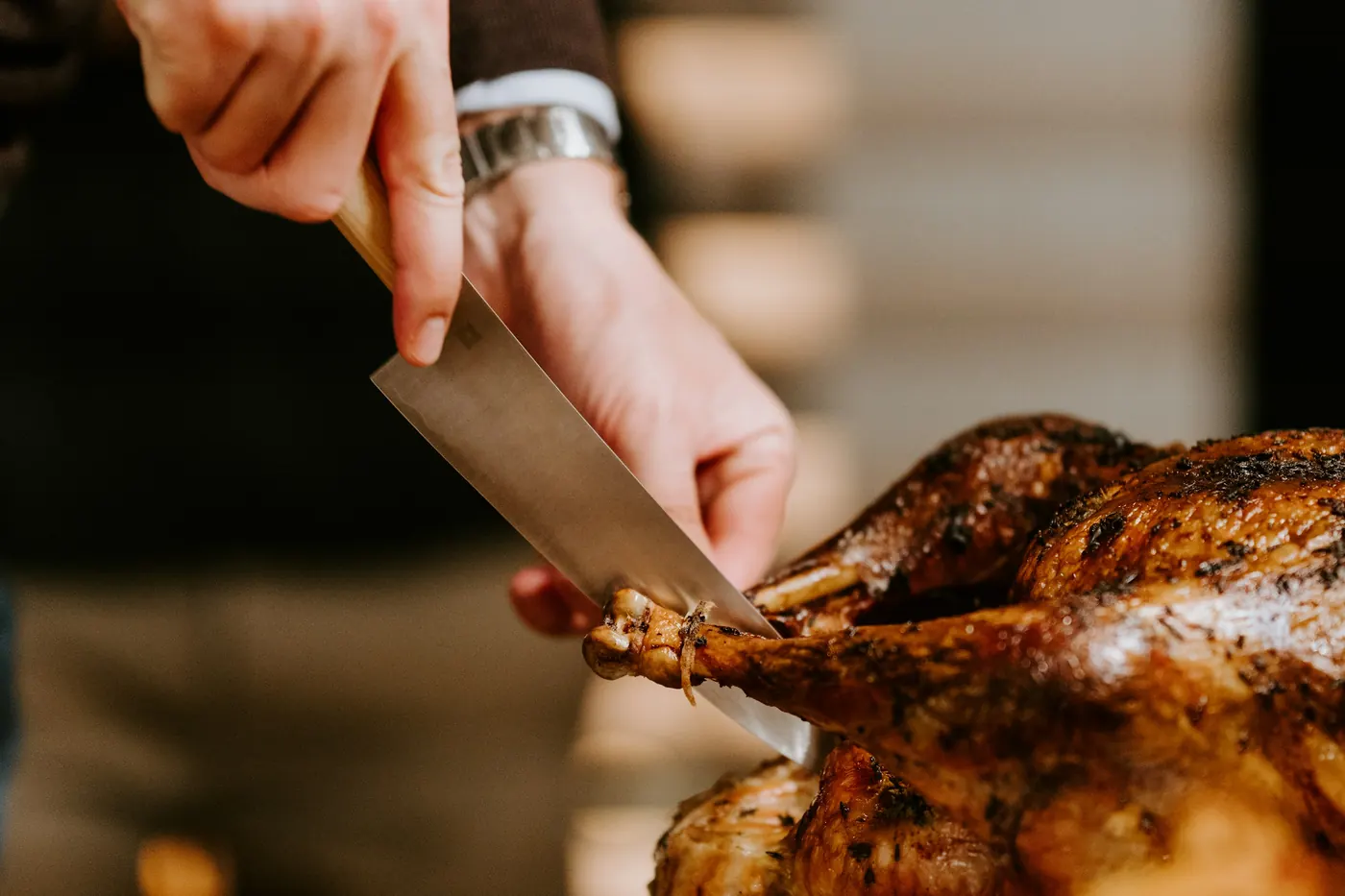
Western boning knives are long and narrow. According to Made In, a honesuki has a triangular, rigid blade and is mostly used on poultry, while a boning knife is more versatile with other meats. Buy a honesuki only if birds are the main event. Most are single-bevel, per Made In, which matters if you are left-handed.
The handle when it is wet
America’s Test Kitchen prefers slender handles with a textured, non-slip grip for wet or greasy meat. Raw chicken is exactly that. Finger guards help too, and smooth steel or polished wood asks more of you.
Care after raw poultry
Every knife here is safest washed by hand with hot, soapy water right after use. The FDA says to wash boards, dishes and utensils with hot soapy water after preparing each food item. Carbon steel also needs drying immediately. Keep a separate board for raw poultry; our guide to the best cutting board for meat can help.
How we picked these eight knives
We started with Amazon’s current stock, then narrowed to knives whose listing names poultry, or whose shape is made for it. We skipped every knife already on our main and value boning knife pages, with one exception: the Wüsthof is the 5-inch size of a 6-inch knife on the main page, chosen because shorter suits chicken. We read the America’s Test Kitchen boning knife review, Reviewed’s boning and fillet knife review and Made In’s honesuki explainer. Where no review addresses a knife, the pick rests on the listing and the maker’s details, and we say so. We have not used these knives ourselves, and we state no prices because they change.
Chicken boning knife questions, answered
Do I really need a boning knife to cut up a chicken?
No. A sharp chef’s knife and poultry shears will get it done. A boning knife makes the work tidier, because the narrow blade finds joints and follows bone, and you leave less meat on the carcass.
What size boning knife is best for chicken?
Five to six inches suits most cooks. Our top pick is 5 inches, and the honesuki-style Shun is 4.5.
Should a boning knife for chicken be stiff or flexible?
Firm blades suit joints; flexible ones suit trimming and following curved bones. Semi-stiff is a reasonable middle, and the Dexter-Russell here states it plainly.
Can a boning knife cut through chicken bones?
Do not ask it to. Cut through the joints, and use shears or a heavier knife for the backbone. Thin edges, particularly hard Japanese ones, can chip on bone.
Can I put these knives in the dishwasher?
Mercer warns against it for its knife, and hand washing is the safe habit for every knife here. Wash promptly after raw poultry and dry right away.
Our final pick for whole-chicken nights
Buy the Wüsthof Classic 5-inch if you want one knife for the job, the Mercer Millennia if you are still deciding how much you will do this, and a honesuki style if chicken is what you cook most. Then put the bird to work: roast it in a good roasting pan, or brown the pieces in a skillet for a sauce like those in our guide to mole.
And if tonight is not the night for butchery, see the menu or call to order.
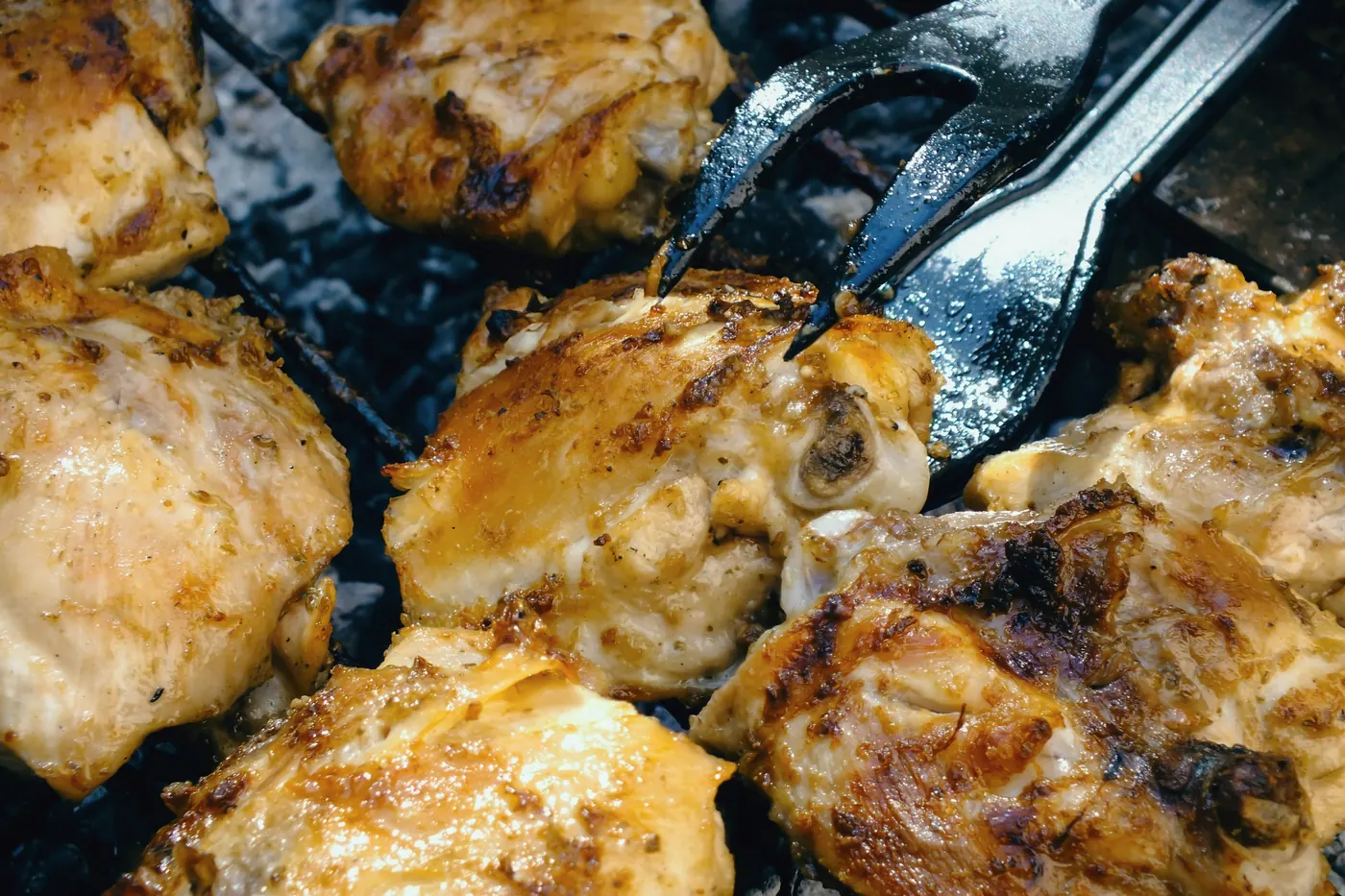
Whichever knife you buy, a sharp edge is the safer edge, so keep a knife sharpener nearby.