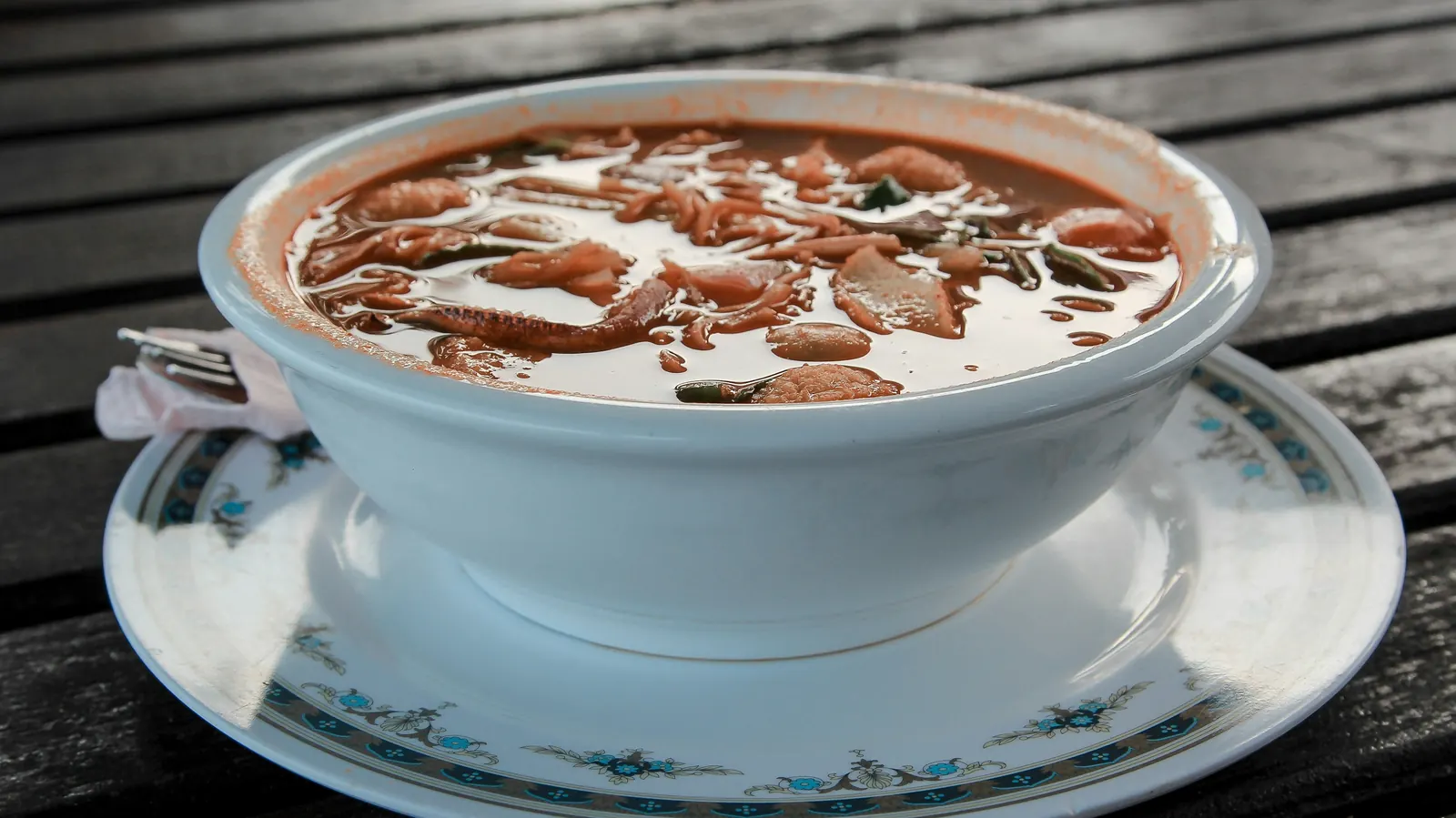
Beans arrive with almost every plate at a Mexican restaurant, and most people never think about which ones they got. They are the part of the meal that seems automatic.
They are not automatic. There are three common versions, they are genuinely different dishes, and which one lands next to your food is usually a decision the kitchen made on purpose.
The short answer
Charro beans are whole pinto beans in a thin broth, cooked with bacon, ham or chorizo — more soup than side. Refried beans are cooked pinto beans mashed and fried in fat until thick and smooth. Black beans are served whole and lightly seasoned, and are the lightest of the three. Charro beans almost always contain pork; refried beans often contain lard.
They all start the same
Dried beans, water, salt, time. What separates the three is entirely what happens after they are tender.
Pinto beans are the default in Texas and northern Mexico. The Texas Mexican food writer Adán Medrano, in his piece on pinto beans and Texas Mexican cooking, treats them as a staple of Mexican-American home kitchens rather than an afterthought — which is closer to how they function than “side dish” suggests.
Charro beans
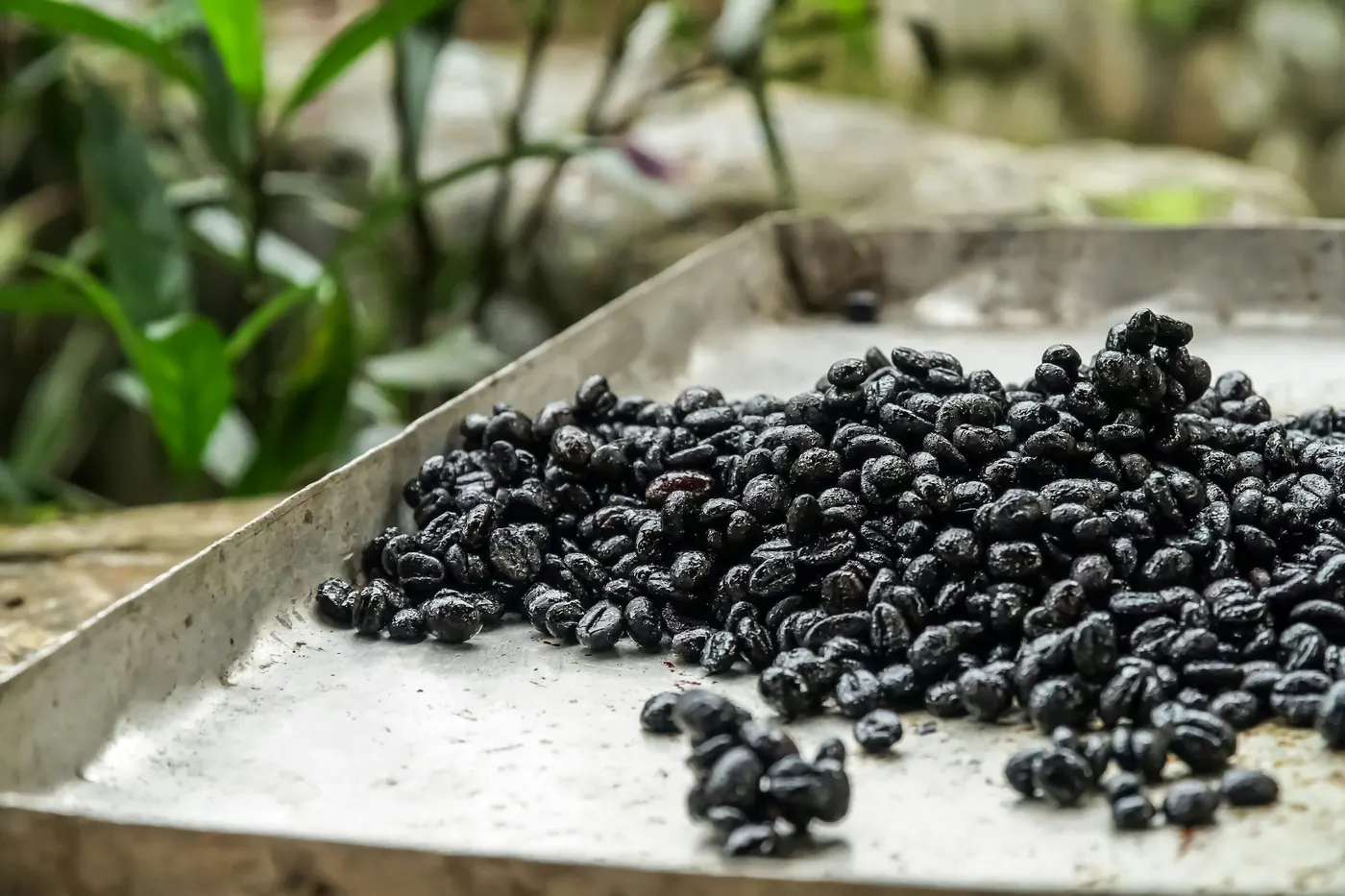
Frijoles charros are named for the charro — the Mexican horseman. It is cowboy food in the literal sense: beans cooked in a pot with whatever cured pork was on hand, out on ranches in northern Mexico.
They stay whole, and they stay in their broth. Bacon, ham or chorizo goes in, along with onion, garlic, tomato, chile and cilantro. The result is closer to a thin soup than a side, and it is often served in its own small bowl for exactly that reason.
They are also the most assertive of the three. If your plate came with charro beans, the beans have a flavor of their own competing with everything else.
The pork is not optional in the traditional version. If you do not eat pork, this is the one to ask about — a point our guide to vegetarian ordering covers in more detail.
Refried beans
The name is a mistranslation. Frijoles refritos means well-fried, not fried twice — re- here is an intensifier.
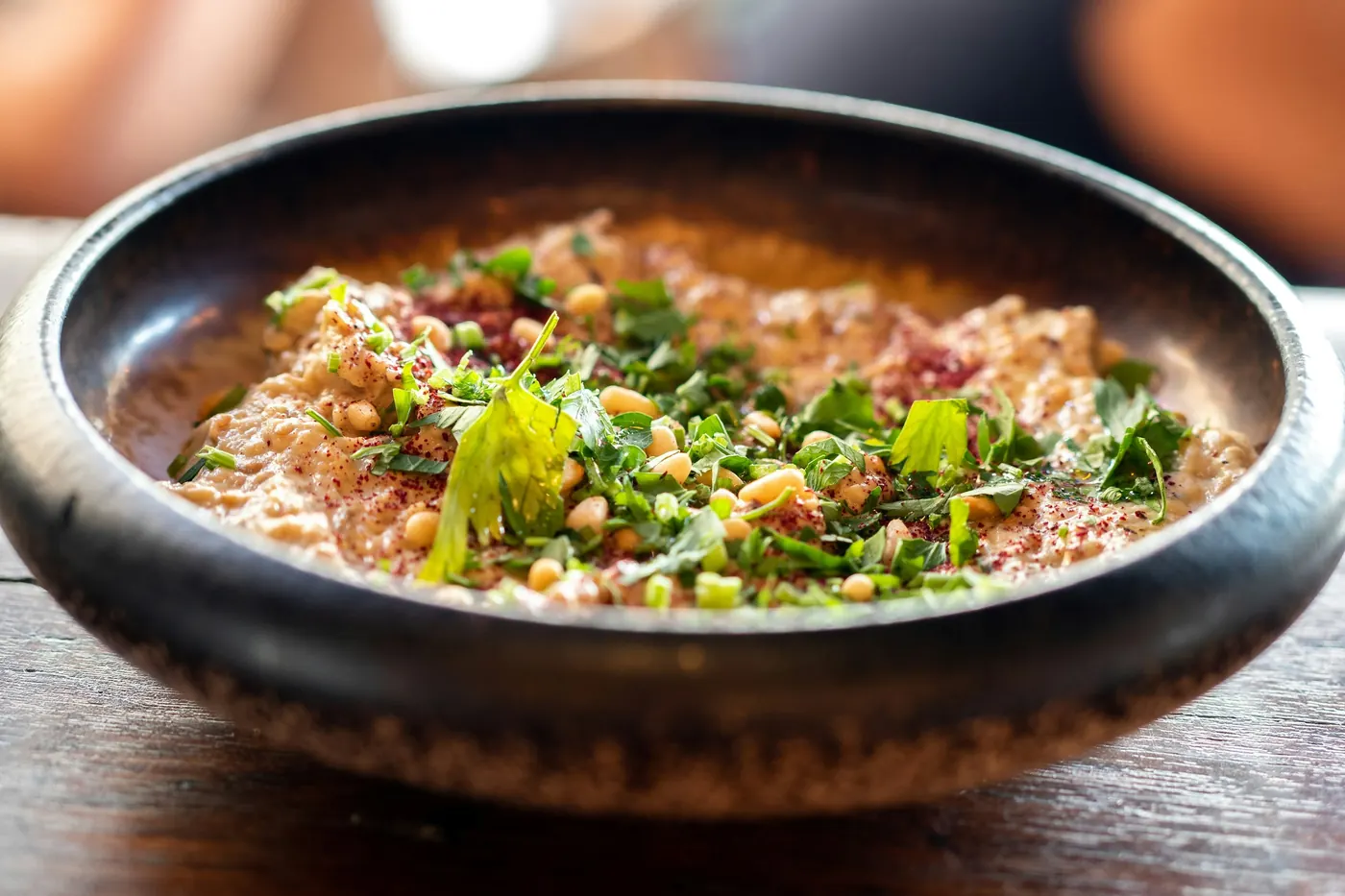
Cooked pinto beans are mashed and then fried in fat, stirred as they thicken, until they hold their shape on a plate. The mashing is often partial: many kitchens leave some beans whole for texture, and the smooth uniform version is more typical of a can than a pot.
The fat matters more than anything else. Traditionally it is lard, which is where the depth comes from. Many restaurants now use vegetable oil. You cannot tell by looking, and the difference in flavor is real.
Refried beans are the richest and most filling of the three, and the one that behaves like a component rather than a dish — they spread, they hold sauce, and they sit under other things.
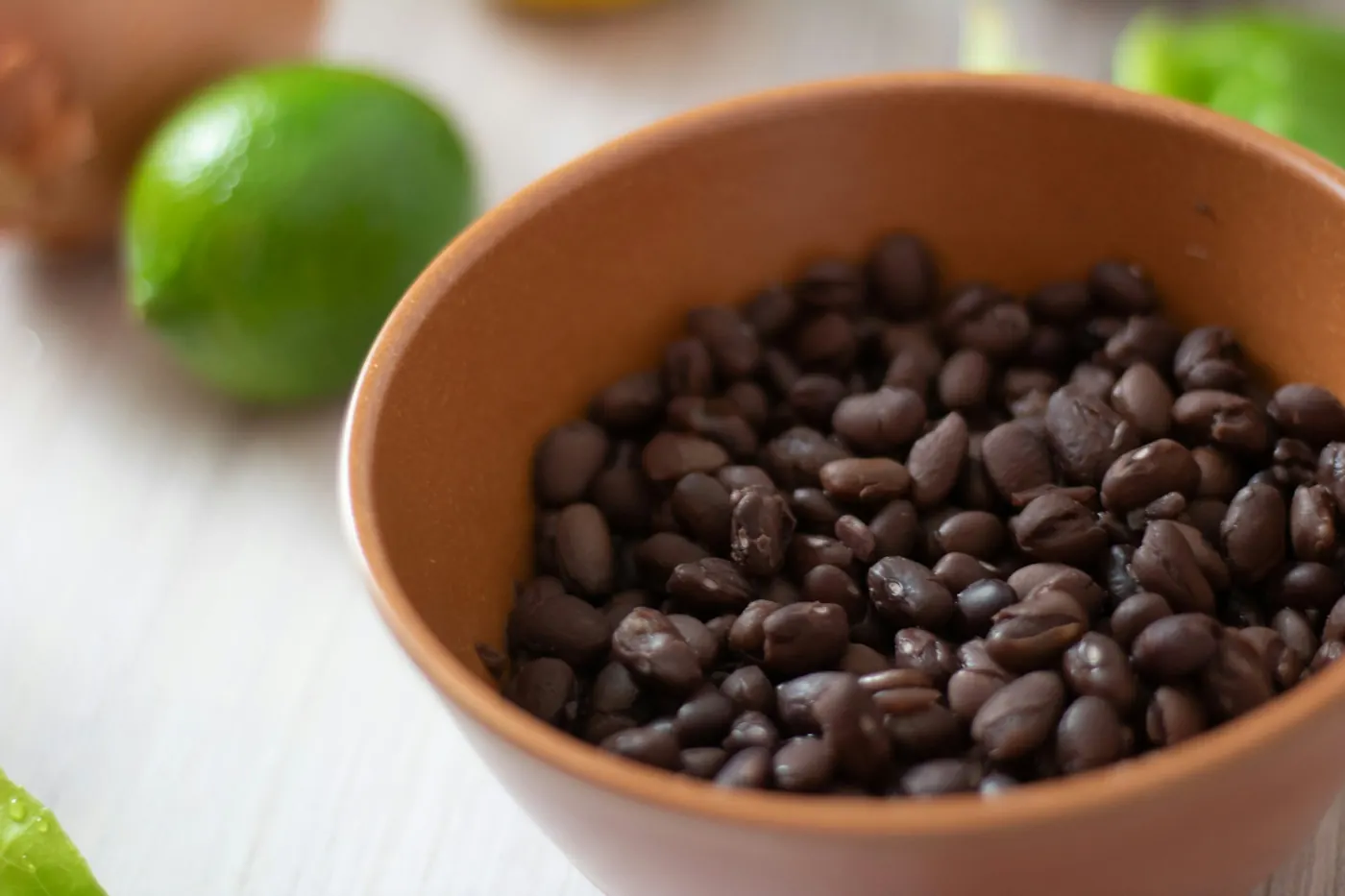
Black beans
Black beans are more common in southern Mexico than in the north, and they arrive on Tex-Mex plates mostly as the lighter alternative.
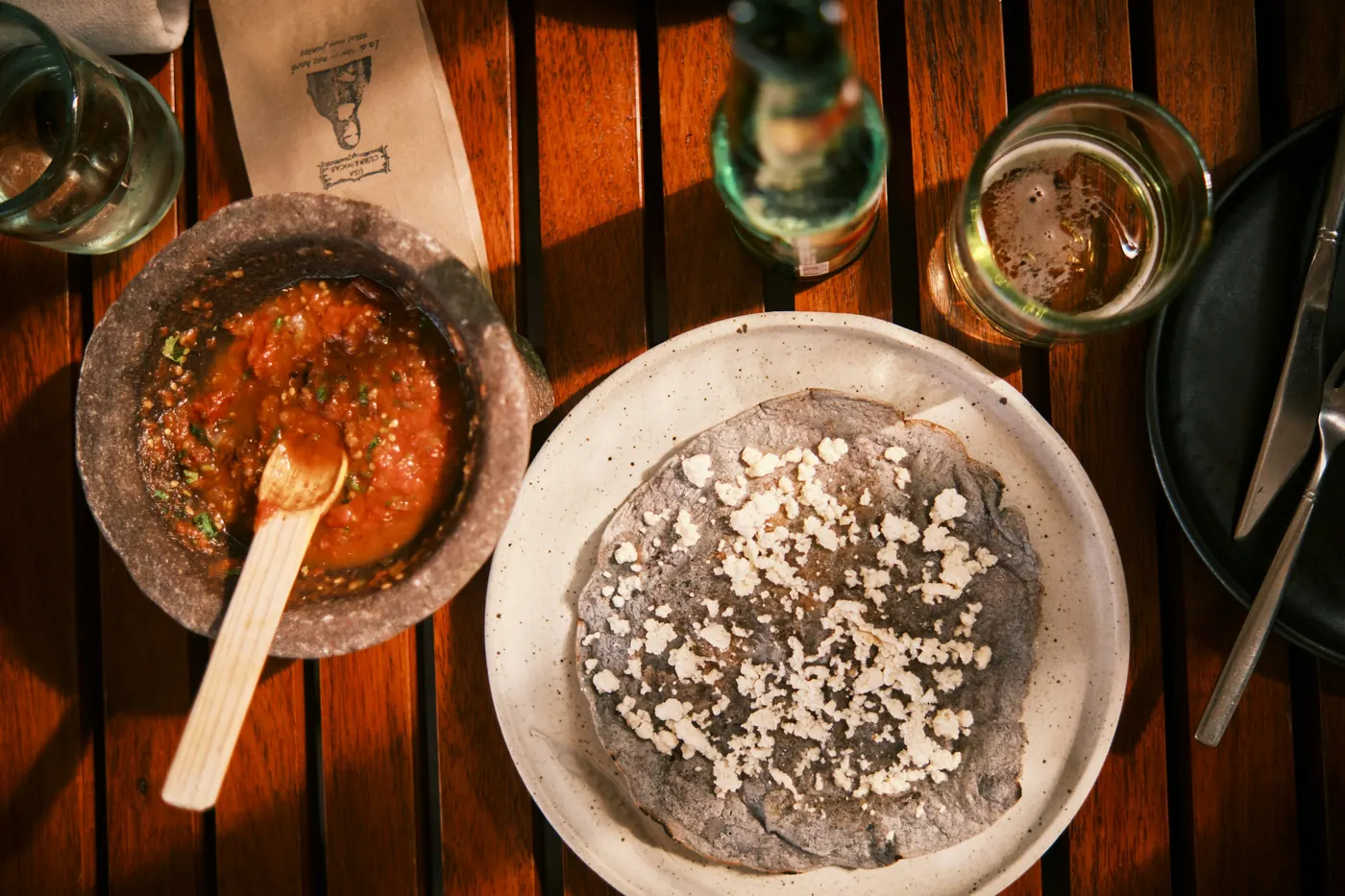
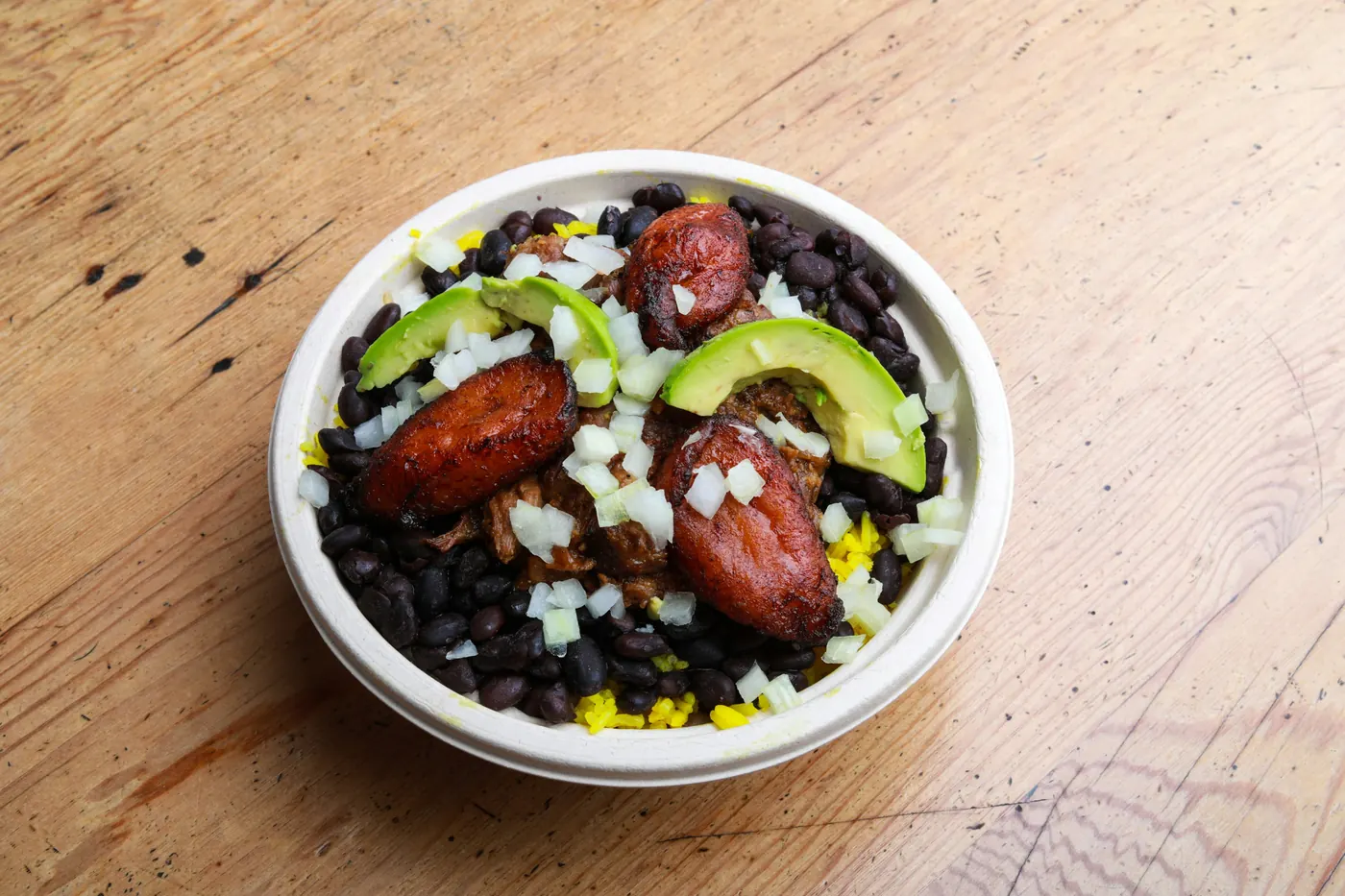
They are served whole, in a small amount of their own liquid, seasoned simply — onion, garlic, sometimes epazote. They are firmer than pintos, hold their shape, and taste cleaner and slightly sweeter.
Because they are usually cooked without pork and without a mash-and-fry step, they are the least heavy option and often the most straightforward one if you are avoiding meat. That is a tendency, not a guarantee.
Side by side
| Charro | Refried | Black | |
|---|---|---|---|
| Bean | Pinto | Usually pinto | Black |
| Texture | Whole, in broth | Mashed and thick | Whole, lightly wet |
| Contains pork? | Traditionally yes | Often, as lard | Usually not |
| Weight | Medium | Heaviest | Lightest |
| Eaten with | A spoon | A fork, or a tortilla | A fork or spoon |
| Suits | Grilled meat, fajitas | Enchiladas, combo plates | Seafood, vegetables |
Why you got the ones you got
On a well-built menu the beans are matched to the dish, and the logic runs by weight.
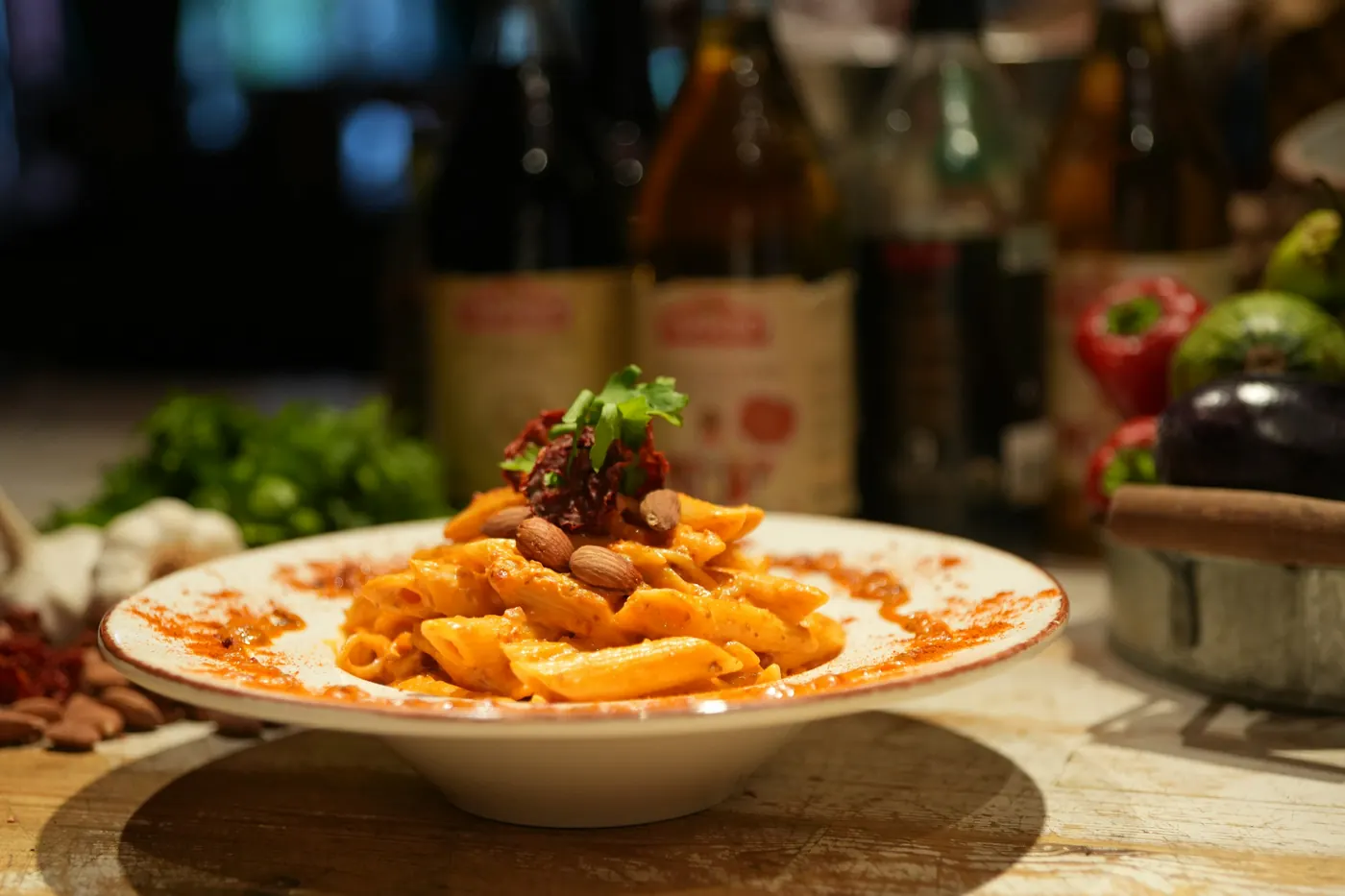
Rich, sauced dishes tend to come with refried beans and Mexican rice, which lean into the richness and give you something to mop with. Lighter or sharper dishes — seafood, vegetables, anything under a tart sauce — are more often paired with black beans and white rice, which stay out of the way.
Grilled plates go with charro beans, because a brothy bean with pork in it stands up to charred meat where a smooth refried bean would just sit there.
You can usually ask to swap, and most kitchens will if they have all three on. It is worth doing if you know the plate is going to be heavy.
How Julia’s assigns them
Julia’s follows that pattern closely enough that you can predict the plate from the description.
Charro beans come with the grilled and slow-cooked dishes: the fajitas, the mariachi steak, the chile relleno, the tamales, and the barbacoa at brunch. All of them are dishes where the beans need to hold their own.
Black beans come with the lighter enchiladas — spinach, veggie and camarón — alongside white or Mexican rice depending on the dish. Refried beans turn up with the pollo en mole and in the Nachos Tejanos, where a mashed bean is structurally necessary.
As anywhere, the charro beans are the ones to ask about if pork is a concern, since the dish is defined partly by it.
Frequently asked questions
What is the difference between charro beans and refried beans?
Charro beans are whole pinto beans in a broth with pork, eaten with a spoon. Refried beans are pinto beans mashed and fried in fat until thick. One is a soup, the other is a spread.
Are refried beans fried twice?
No. Refritos means well-fried. The re- is an intensifier in Spanish, not a repetition, so the name is a mistranslation that stuck.
Are charro beans vegetarian?
Almost never. Bacon, ham or chorizo is part of the traditional recipe. Ask before assuming, and ask about black beans as an alternative.
Which beans are the healthiest choice?
That depends on preparation rather than the bean, and it is a question for a dietitian rather than a menu. What can be said plainly is that black beans are usually served whole and unfried, and charro beans and refried beans usually involve pork fat.
Can I ask for different beans?
Usually yes, if the kitchen carries more than one kind. It is a routine request, particularly swapping charro or refried for whole black beans.
The short version
Charro is brothy and has pork in it. Refried is mashed, fried and rich. Black is whole and light. Which one arrives is normally matched to the dish, and you can usually ask to change it.
Julia’s names the beans in every plate description on the food menu, so you can see what is coming before you order.