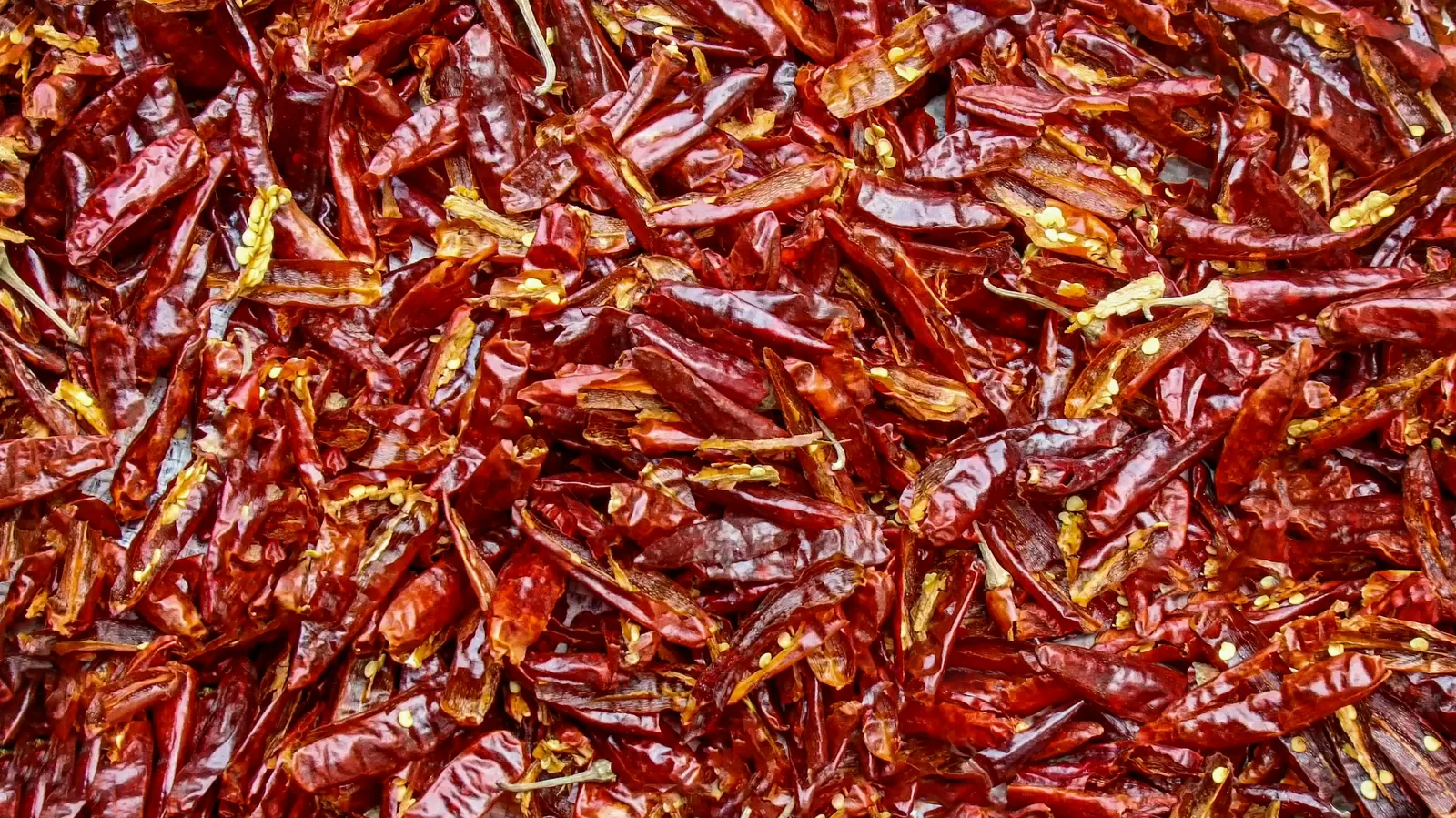
Ancho is the backbone of a lot of Mexican cooking: the sweet, dark, raisin-like chile behind mole, red enchilada sauce, chili con carne and slow braises. It is also the chile most likely to be missing when you need it, because many supermarkets carry ground spices but not whole dried pods. The good news is that ancho is a mild chile with a recognizable flavor, and several other chiles and powders get you most of the way there.
This guide explains what you are replacing, which substitute suits which dish, where each one falls short, and how to adjust a recipe when you swap. Every product below is a single chile or a spice whose Amazon listing states what it is made of, so you know exactly what goes into the pot.
Julia’s earns a commission on purchases made through links on this page, at no cost to you. Recommendations are based on what a Mexican restaurant kitchen looks for in dried chiles, the makers’ Amazon listings, and PepperScale’s chile guides, which we cite as we go.
Why people look for an ancho chile substitute
- No whole pods nearby. PepperScale’s ancho substitute guide makes the point plainly: few major grocers carry dried chiles, while many now carry a wide range of chili powders. That is the most common reason by far.
- The recipe wants powder, you have pods, or the other way round. A dry rub needs a ground chile; a mole needs whole pods you can toast and blend.
- Heat. Ancho is mild. Some cooks want a little more warmth; others are cooking for someone who wants none at all.
- Ingredients. Supermarket chili powder is usually a blend with garlic, salt and other spices. A single-chile product lets you decide what else goes in.
Before choosing, know what the ancho does. It is a dried poblano; PepperScale’s ancho guide describes it as dried red poblano with a rich, earthy-sweet flavor and subtle notes of raisin and coffee, and puts its heat at 1,000 to 1,500 Scoville heat units. Our guide to the poblano pepper covers the fresh form. So a good substitute brings sweetness and depth first, dark color second, and only gentle heat.
Quick answer: the swap to reach for first
If the recipe is a sauce, soup or rub, use pure ancho chile powder, such as Woodland Gourmet Ancho Chile Powder: it is the same chile, ground, with nothing added. If you need whole pods to toast and blend, use guajillo, which PepperScale calls the best ancho substitute; it is a little hotter and tangier. For mole and very dark sauces, pasilla is closer in color and depth. Use smoked paprika when heat must stay near zero, and chipotle powder only when you want smoke and do not mind more heat.
Five ancho substitutes, side by side
| Substitute | Best for | Heat | Ingredients (listing) | Buy on Amazon |
|---|---|---|---|---|

Woodland Gourmet Ancho Chile Powder, 20 ozBest overall
|
Sauces, chili, rubs | Mild to medium (listing) | 100% dried ancho chiles | View on Amazon |

Amazing Chiles & Spices Guajillo Chiles, 4 ozBest whole-pod swap
|
Enchilada sauce, pozole | Mild to medium (listing) | 100% natural chile peppers | View on Amazon |

1400s Spices Pasilla Negro Chiles, 1 lbBest for mole
|
Mole, dark sauces | 1,000 to 2,500 SHU (listing) | Chili pepper, nothing else added | View on Amazon |

McCormick Smoked Paprika, 1.75 ozMildest swap
|
Heat-shy cooks, color | Not stated; sweet peppers | Smoked, dried sweet peppers | View on Amazon |

Spiceology Chipotle Powder, 16 ozSmoky swap
|
Chili, rubs, braises | Hotter than ancho (PepperScale) | Ground smoked red jalapeños | View on Amazon |
Product images from Amazon. Ingredients and heat are as each listing states them. None of these listings gives an allergen statement, so check the package if that matters to you.
Five ancho chile substitute picks, from closest to furthest
The picks fall into three groups: ancho itself in ground form, other mild dried chiles that do the same job in a sauce, and pantry powders for when nothing else is in the house. A plain chili powder blend can stand in as a last resort; it is covered after the picks. The mulato, a darker cousin of the ancho, is a fine swap too, but the listings we checked did not state what was in the bag, so it is described further down rather than recommended.
1. Woodland Gourmet Ancho Chile Powder, 20 oz – The Same Chile, Ground
When the recipe asks for whole anchos and you only need their flavor in a sauce, the closest thing is ancho that has already been ground. PepperScale’s substitute guide lists ancho chili powder first for that reason. Woodland Gourmet’s listing says the brand has been a source of global ingredients since 1989, and describes this as ground dried poblano: “100% dried ancho chiles,” finely ground, with no artificial flavoring.
The listing describes the flavor as sweet, earthy and gently smoky, with hints of raisin, coffee and mild fruit, and gives a heat range of 500 to 4,000 Scoville units. That is wider than PepperScale’s 1,000 to 1,500 for whole anchos; chile heat varies with the crop, so treat any single figure as a guide.
What you lose is texture. A rehydrated pod blends into a thick purée that gives a sauce body; powder gives flavor and color but not much thickness. For a mole or a thick enchilada sauce, add a little more of whatever thickener the recipe already uses, such as tortilla, bread or nuts. The 20-ounce bag is large for a home kitchen, so decant a small jar for the shelf and keep the rest sealed and dark.
Why we like it
- Same chile as the recipe calls for
- Single ingredient, per the listing
- Works in sauces, rubs and soups without soaking
- Sold by the brand itself
Key specifications
| Form | Fine powder |
|---|---|
| Size | 20 oz bag |
| Ingredients | 100% dried ancho chiles (listing) |
| Heat (stated) | 500 to 4,000 SHU |
| Allergens | Not stated |
| Sold by | Woodland Gourmet |
Why we recommend it
Choose it if you cook chili, red sauces or rubs often and want true ancho flavor without hunting for whole pods.
Skip it if the recipe depends on toasting and blending whole chiles for body; a whole guajillo or pasilla below suits that better.
Pros and cons
Pros
- Exact flavor match
- Nothing added
- Easy to measure
Cons
- Very large bag
- No body in a sauce
- Ground chile loses aroma faster than pods
2. Amazing Chiles & Spices Guajillo Chiles, 4 oz – The Whole-Pod Swap
PepperScale’s ancho guide is direct about it: “The guajillo is your best ancho substitute.” It is easy to find in Mexican groceries, it toasts, soaks and blends the same way, and it gives a sauce a good red color. The difference is flavor and heat. PepperScale’s substitute guide puts guajillo at 2,500 to 5,000 Scoville units, a step above ancho, and describes its flavor as closer to the sweet tang of dried cranberries than to ancho’s raisin.
In practice that means a guajillo sauce is brighter, redder and a little tarter than an ancho one. Our guajillo vs ancho comparison goes through the differences in detail. Guajillo skins are tougher than ancho skins, so strain the sauce.
This 4-ounce bag is a sensible size to try the swap. The listing says the chiles are grown in Mexico and are “100% natural chile peppers” with no additives or preservatives, and labels them non-GMO and gluten-free. It describes the flavor as fruity and smoky with mild to medium heat.
Why we like it
- The substitute PepperScale names first for whole anchos
- Same prep as ancho: toast, soak, blend
- Single ingredient, per the listing
- Small resealable bag
Key specifications
| Chile | Guajillo |
|---|---|
| Form | Whole dried pods |
| Size | 4 oz |
| Ingredients | 100% natural chile peppers; no additives (listing) |
| Heat | 2,500 to 5,000 SHU (PepperScale) |
| Allergens | Not stated |
Why we recommend it
Choose it for red enchilada sauce, pozole, birria-style braises or salsas where ancho would be one of several chiles.
Skip it for a dark mole that leans on ancho’s sweetness; the pasilla below is closer there.
Pros and cons
Pros
- Bright red color
- Widely sold
- Still mild
Cons
- Less sweet than ancho
- Tough skins need straining
- Amazon-first brand; the listing is the main source
3. 1400s Spices Pasilla Negro Chiles, 1 lb – Dark Depth for Mole
Pasilla is the dried chilaca, and it sits next to ancho in most moles. PepperScale’s pasilla guide describes an earthy, sweet and fruity flavor and puts heat at 1,000 to 2,500 Scoville units, and says pasilla is “slightly hotter and earthier than the ancho pepper,” with the ancho the sweeter of the two. Its skin is darker than ancho’s, so a pasilla sauce comes out close to black rather than red-brown.
That makes pasilla the better swap where color and depth matter more than sweetness: mole negro, dark enchilada sauces, adobos. If the dish needs ancho’s sweetness, add a little more of the dried fruit, onion or tomato it already contains. One more practical note: PepperScale says pasillas and anchos are often mislabeled as each other in grocery stores, so check the shape. A pasilla is long and slim; an ancho is wide and heart-shaped.
The listing gives the same 1,000 to 2,500 range and states plainly “Chili Pepper And That’s It,” with nothing else added. A pound is a lot of pods; they keep for months sealed, but share the bag if you cook mole once a year.
Why we like it
- Close to ancho in heat and depth
- Single ingredient, stated on the listing
- Scoville range stated
- Whole pods to toast
Key specifications
| Chile | Pasilla negro (dried chilaca) |
|---|---|
| Form | Whole dried pods |
| Size | 1 lb |
| Ingredients | Chili pepper, nothing else added (listing) |
| Heat (stated) | 1,000 to 2,500 SHU |
| Allergens | Not stated |
Why we recommend it
Choose it for mole and dark, earthy sauces where ancho would add depth.
Skip it if you want a bright red sauce or only need a couple of pods; the bag is large and the color is very dark.
Pros and cons
Pros
- Deep color and earthiness
- Mild heat
- Nothing added
Cons
- Less sweet than ancho
- One-pound bag only
- Sold by a third-party seller
4. McCormick Smoked Paprika, 1.75 oz – Color and Sweetness Without Heat
PepperScale’s substitute guide pairs ancho powder with mild paprika as the easy grocery-store options, noting that paprika will taste sweeter than the earthy-sweet ancho. Paprika is made from sweet peppers, and McCormick’s listing says this one is “made from smoking and drying sweet peppers,” with a hint of smoke and a rich red color.
The smoke helps, because some anchos carry a gentle smoky note, and it keeps the dish from tasting flat. What paprika cannot give you is the raisin-and-coffee depth of a dried poblano. Use it where ancho is a supporting player: a rub, a pot of beans, a soup, or chili for someone who avoids heat. In a mole or an all-ancho sauce it is a stopgap, not a substitute.
This is a small supermarket jar sold by Amazon.com, which makes it the easiest pick to keep on hand.
Why we like it
- Very little heat
- Adds red color and a light smoke
- Single-ingredient description on the listing
- Sold by Amazon.com
Key specifications
| Form | Ground |
|---|---|
| Size | 1.75 oz jar |
| Ingredients | Smoked, dried sweet peppers (listing) |
| Heat | Not stated; made from sweet peppers |
| Allergens | Not stated |
| Sold by | Amazon.com |
Why we recommend it
Choose it for mild dishes, rubs and beans, or when cooking for children and guests who avoid heat.
Skip it for mole or any sauce where ancho is the main chile; it lacks the depth.
Pros and cons
Pros
- Easy to find
- Gentle
- Small jar stays fresh
Cons
- Sweeter, thinner flavor than ancho
- Smoke can dominate if overused
- No body in a sauce
5. Spiceology Chipotle Powder, 16 oz – Smoke With More Kick
Chipotle powder is PepperScale’s second suggestion, with a warning: it is smokier than ancho and hotter, at 2,500 to 8,000 Scoville units. Chipotle is a smoke-dried jalapeño, as our chipotle explainer describes, so it brings a different chile’s flavor. Where it works is in dishes that already like smoke: chili, barbecue rubs, braised beef, black beans.
The Spiceology listing says the powder “comes from smoked red jalapenos that are ground,” with a smoky hint, packed in the USA. It gives no heat figure, so start with about half the amount of ancho powder the recipe calls for and taste before adding more.
The 16-ounce tub is sized for busy kitchens. If you only want chipotle now and then, our chipotle in adobo substitute guide covers smaller bags.
Why we like it
- Single chile, ground, per the listing
- Adds smoke that ancho sometimes carries
- Sold by the maker
- Good for rubs and chili
Key specifications
| Form | Ground |
|---|---|
| Size | 16 oz |
| Ingredients | Ground smoked red jalapeños (listing) |
| Heat | 2,500 to 8,000 SHU for chipotle (PepperScale) |
| Allergens | Not stated |
| Sold by | Spiceology |
Why we recommend it
Choose it for chili, rubs and braises where a smoky edge is welcome.
Skip it for mild sauces or mole; the smoke and heat change the dish.
Pros and cons
Pros
- Strong flavor, so a little goes far
- Nothing else in it, per the listing
- Maker-sold
Cons
- Hotter than ancho
- Different flavor, not just more smoke
- Large tub
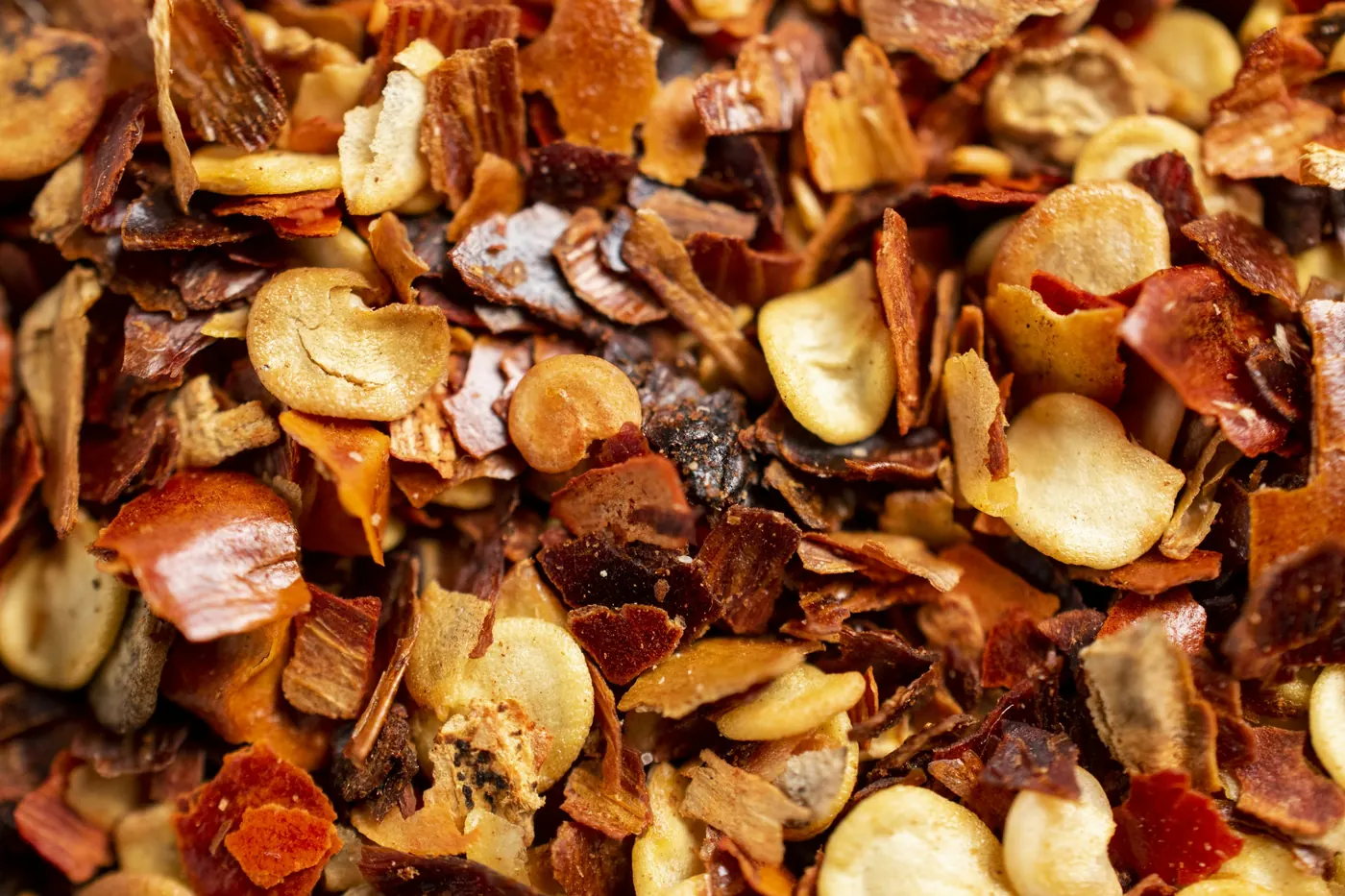
Chili powder: the last resort
Most kitchens already have a jar of chili powder, and in a pot of chili or beans it will do. Know what it is first: supermarket chili powder is usually a blend, not a single chile. McCormick’s listing for its dark chili powder, for example, describes “a robust blend of ripe peppers, garlic, salt and spices.” So it brings salt and seasonings along with the pepper.
Two adjustments make it work, offered here as general kitchen sense. Cut back the salt in the recipe until you have tasted, and cut back any cumin, garlic or oregano the recipe adds separately, since the blend may already carry them. In a mole, a clean red sauce or anything delicate, skip it; the extra seasonings show. Blends rarely itemize their “spices,” so check the jar if allergens matter to you.
The mulato: the closest swap we could not recommend a bag of
PepperScale’s ancho guide describes the mulato as a close relative of the ancho, a dried poblano of a slightly different variety that is left to ripen on the plant past red to a near brown, which gives it a richer, sweeter taste. Its substitute guide puts mulato heat at 2,500 to 3,000 Scoville units and describes the flavor as sweeter and earthier, close to licorice. In a mole, it is the most natural stand-in of all.
The catch is availability, which PepperScale also notes: ancho is usually the easiest of these chiles to find, so the mulato is rarely an “I need it now” option. The mulato listings we checked on Amazon did not state what was in the bag, so under our ingredient rule they are not picks. If you find mulatos at a Mexican grocery, use them one for one.
How much to use in place of one ancho
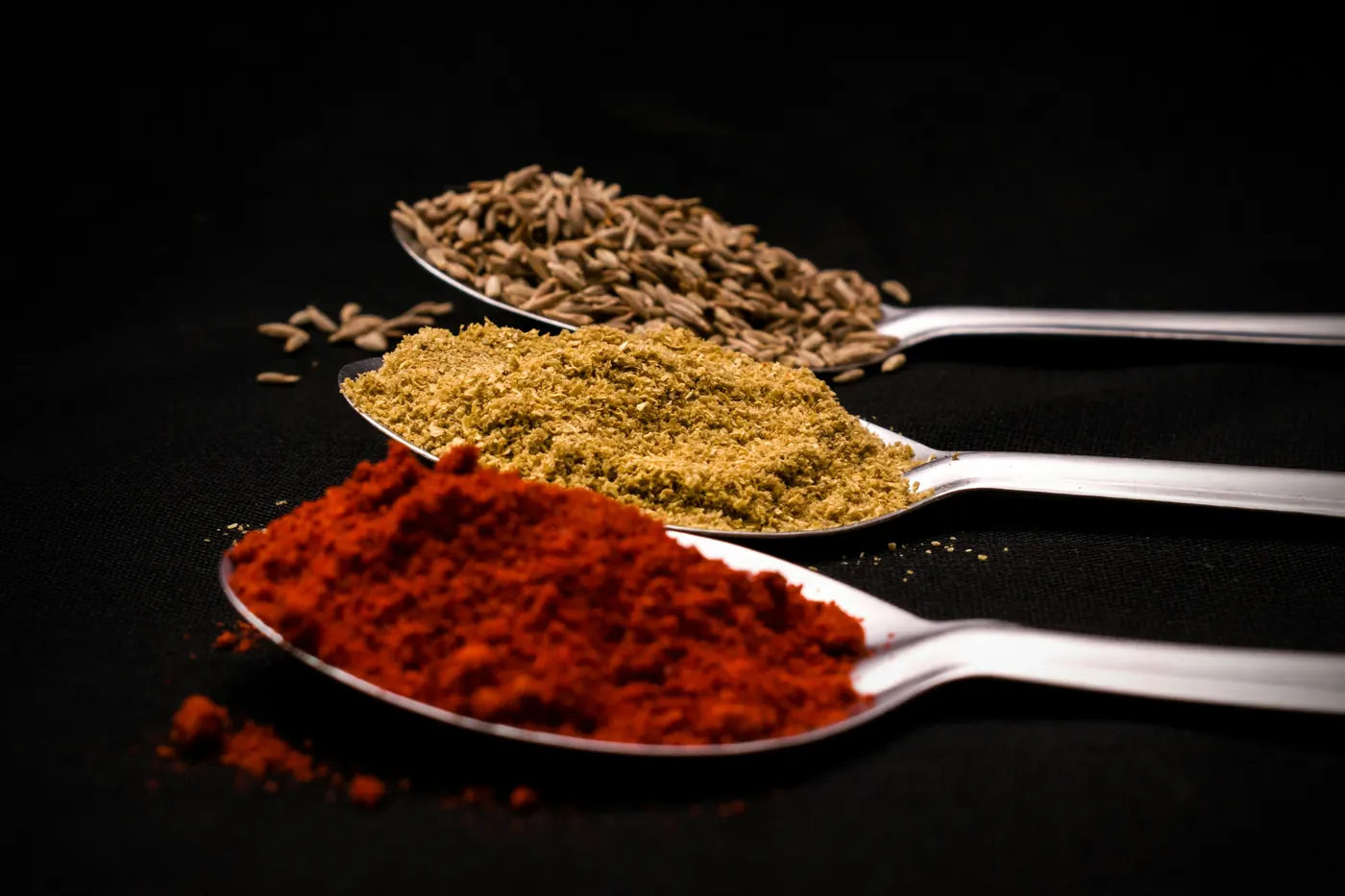
None of our sources gives exact conversions, so treat these as starting points from general kitchen practice and taste as you go. Heat varies from bag to bag, and an ancho is a large, fleshy pod, so smaller chiles go further by count than by weight.
| Substitute | For 1 whole ancho | What changes |
|---|---|---|
| Ancho powder | About 1 tablespoon | Same flavor, no body |
| Guajillo | 1 to 2 pods | Brighter, tangier, a little hotter |
| Pasilla | 1 to 2 pods | Darker, earthier, less sweet |
| Mulato | 1 pod | Darker and sweeter |
| Smoked paprika | About 2 teaspoons | Sweeter, smoky, almost no heat |
| Chipotle powder | About 1/2 teaspoon to start | Smoky and hotter |
| Chili powder blend | About 2 teaspoons | Adds salt, garlic and spices |
A useful trick when one substitute falls short is to combine two. Guajillo with a spoonful of ancho powder gives you both the body of a pod and ancho’s sweetness; smoked paprika with a pinch of chipotle powder gives smoke with a little bite. For the wider family of dried chiles, see our guide to Mexican chiles explained.
Which substitute for which dish
- Mole. Mulato if you can find it, then pasilla. The Woodland Gourmet listing calls ancho, pasilla and guajillo the classic trio behind many mole sauces, so more of the other two covers a missing ancho well.
- Red enchilada sauce. Guajillo, with a spoonful of ancho powder if you have it. Strain the sauce.
- Chili con carne. Ancho powder first; otherwise chili powder with less salt, or chipotle powder for a smoky pot.
- Rubs and marinades. Ancho powder, smoked paprika or chipotle powder. Whole pods need blending first.
- Soups and beans. Any of them; smoked paprika for mild pots.
Swaps to skip
PepperScale advises against fresh chiles such as poblano, Anaheim or New Mexico varieties as ancho substitutes, because, as it puts it, there are big flavor differences between dried chiles and fresh ones. Plain sweet paprika works but adds only color and sweetness. And very hot dried chiles such as árbol change a dish completely; ancho is about depth, not heat.
Ancho substitute questions, answered
What is the best substitute for ancho chiles?
For a sauce or rub, pure ancho powder, since it is the same chile. For whole pods, PepperScale names guajillo as the best ancho substitute; it is a little hotter and tangier.
Can I use chili powder instead of ancho chile powder?
In chili and beans, yes. Most chili powders are blends that include garlic, salt and other spices alongside the chile, so reduce the salt and other seasonings in the recipe to allow for them.
Is pasilla a good substitute for ancho?
Yes, especially in mole. PepperScale describes pasilla as slightly hotter and earthier than ancho, with ancho the sweeter of the two. Expect a darker sauce.
Is ancho the same as poblano?
An ancho is a dried poblano. Fresh poblanos are not a good substitute for anchos, because drying changes the flavor; see our poblano guide.
What if I need it to be milder than ancho?
Use smoked or sweet paprika. As general kitchen practice, removing the seeds and pale veins from a dried chile before soaking also tames it.
Picking your ancho stand-in
For most kitchens, the simplest fix is to keep a jar of pure ancho powder for sauces and rubs and a bag of guajillos for recipes that need whole pods. Add pasilla if you cook mole, and keep smoked paprika for the mild pots. When you are ready to stock the real thing, our guide to where to buy dried chiles online compares bags of ancho and its neighbors, what is guajillo explains the most useful substitute, and our pick of the best Mexican spices covers the rest of the shelf.
If you would rather someone else made the sauce, have a look at the menu or call to order.