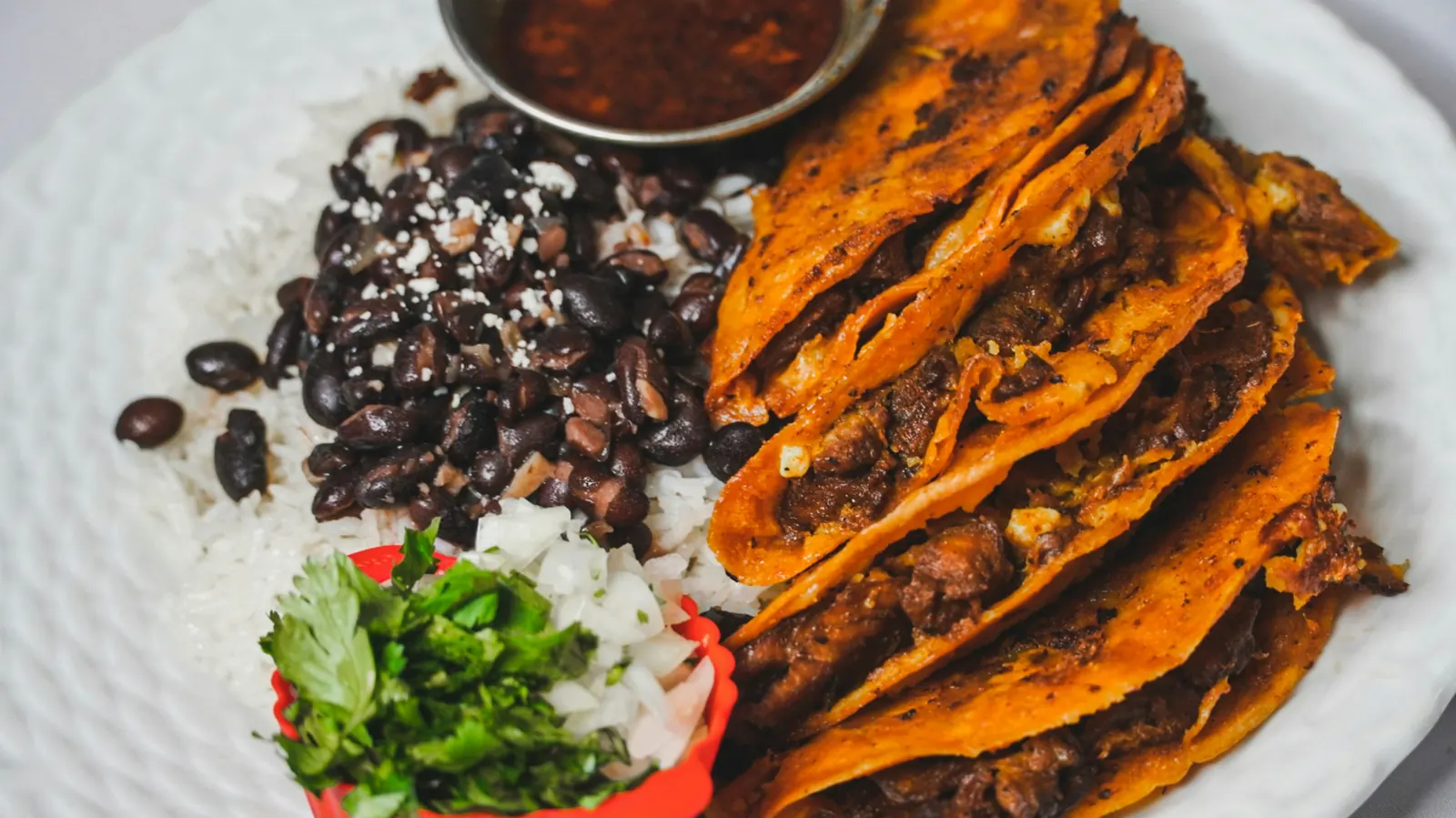
Order almost anything at a Mexican restaurant and two things arrive that you did not ask for. Rice on one side, beans on the other, every time.
The usual explanation is that together they make a complete protein. That is a half-truth, and the real answer is more interesting.
The short answer
Beans are indigenous to Mexico and thousands of years old, grown alongside corn and squash in the milpa system. Rice arrived with the Spanish in the sixteenth century. The pairing on your plate is about five hundred years old, not five thousand. They come together because they are cheap, filling, cook in volume, and hold well — not because of a nutritional rule.
The beans are the old half
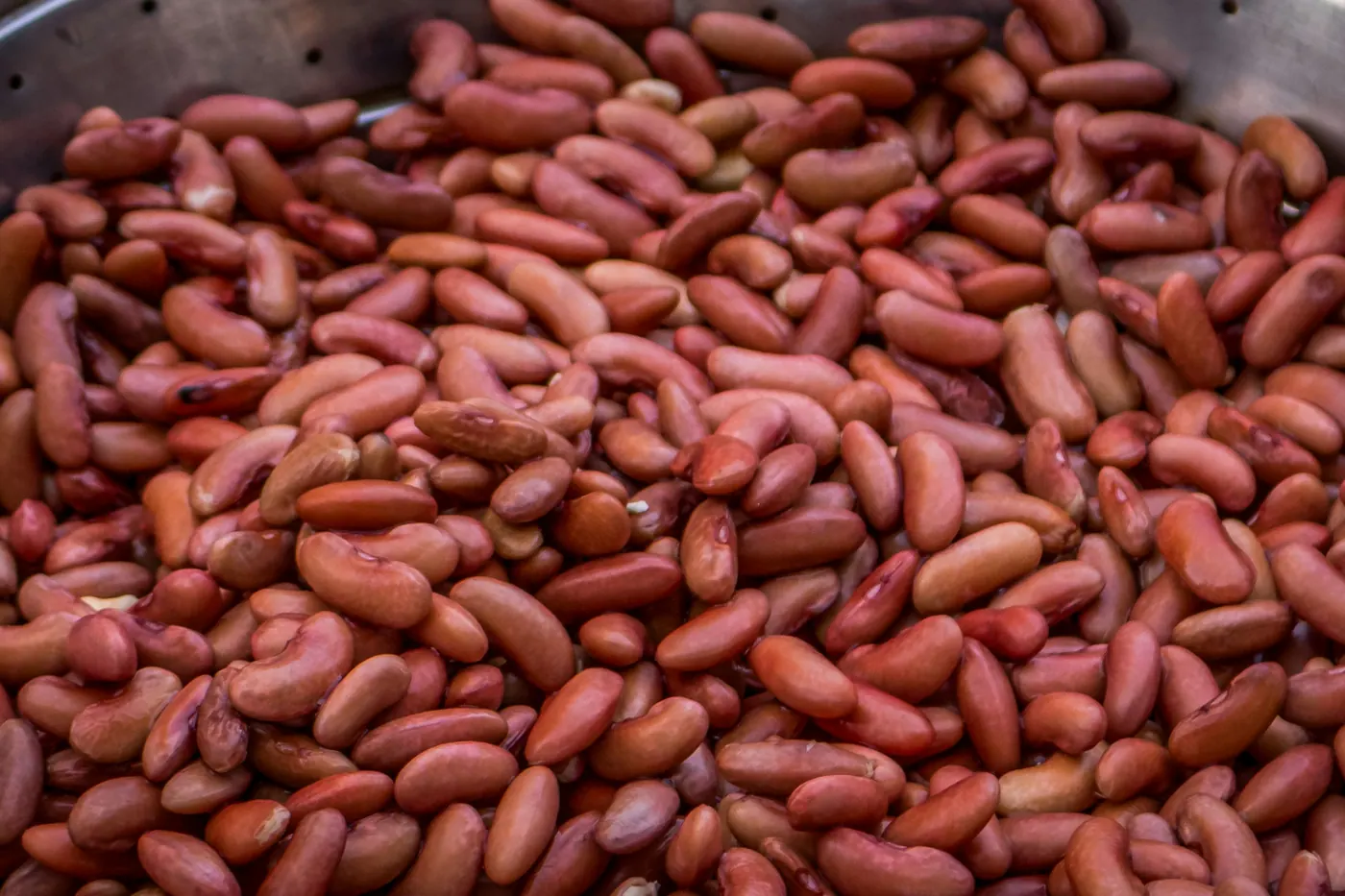
Beans were domesticated in Mesoamerica and have been grown there alongside corn for millennia, in a system that is genuinely elegant.
A review of the milpa in Frontiers in Agronomy, surveying agronomic research on the traditional polyculture system of Mesoamerica, describes it as a polyculture of maize, bean and squash associated with a great diversity of other crops and wild species.
The complementarity is physical before it is nutritional. The same review sets it out: the plants receive light at different heights, with maize the tallest and squash at ground level while beans climb the maize stalks — and the beans fix nitrogen.
Three crops, one field, each solving a problem for the others. The corn is a trellis, the beans fertilize, the squash shades out weeds.
The rice is the new half
Rice is not native to the Americas. It arrived with the Spanish and came ashore through Veracruz in the sixteenth century, where the humid coastal climate suited it.
So the plate in front of you is a colonial-era pairing rather than an ancient one. Beans had been eaten with corn for thousands of years; rice joined relatively recently and slotted into the same role.
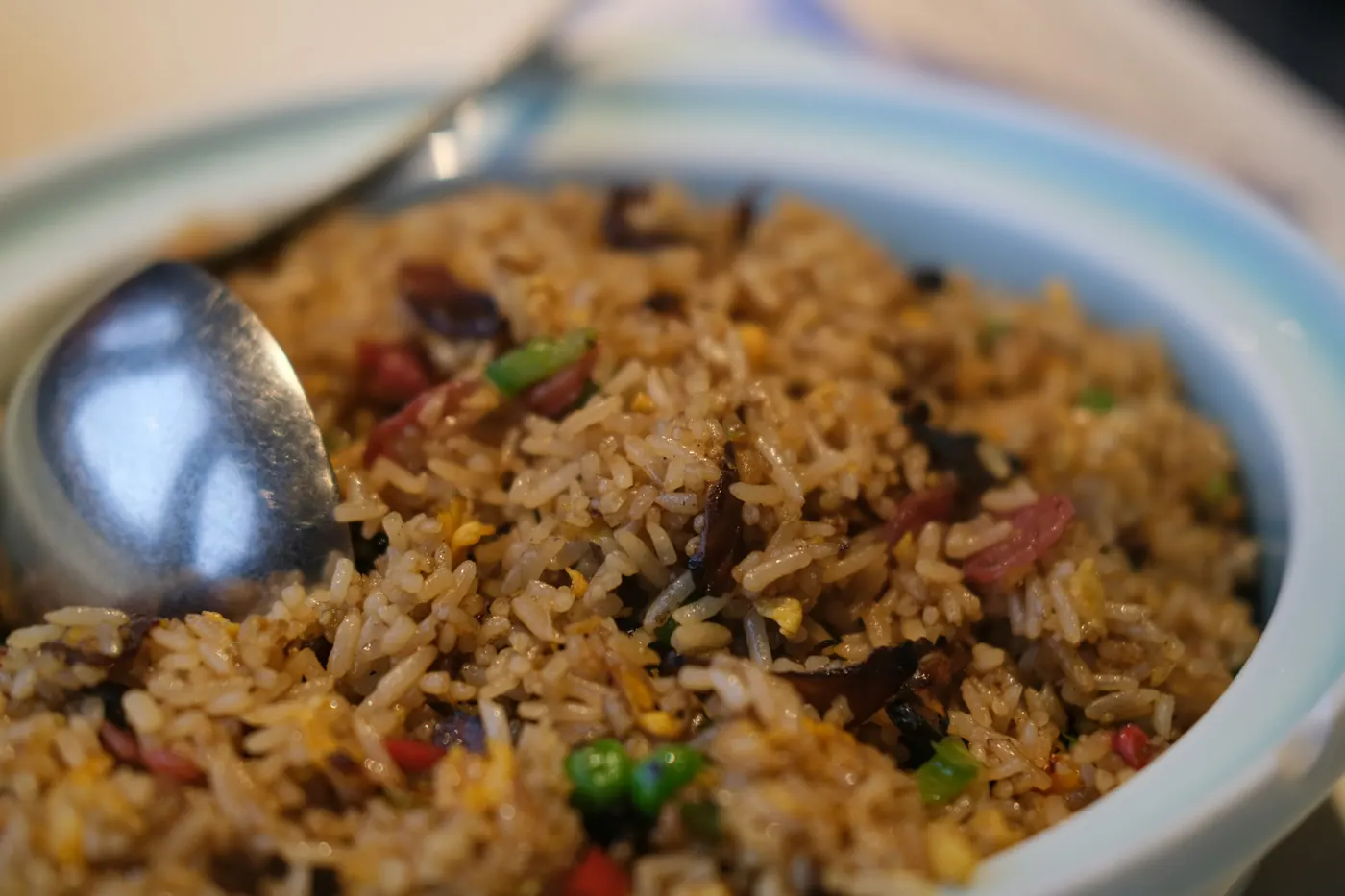
The rice is also not Spanish in style. Mexican rice is toasted in fat, then simmered in blended tomato, onion and garlic — which is where the orange color comes from, not saffron and not chili powder. Our rice guide untangles the naming.
About that complete protein
Worth handling carefully, because it is the answer everyone gives and it is not quite right.
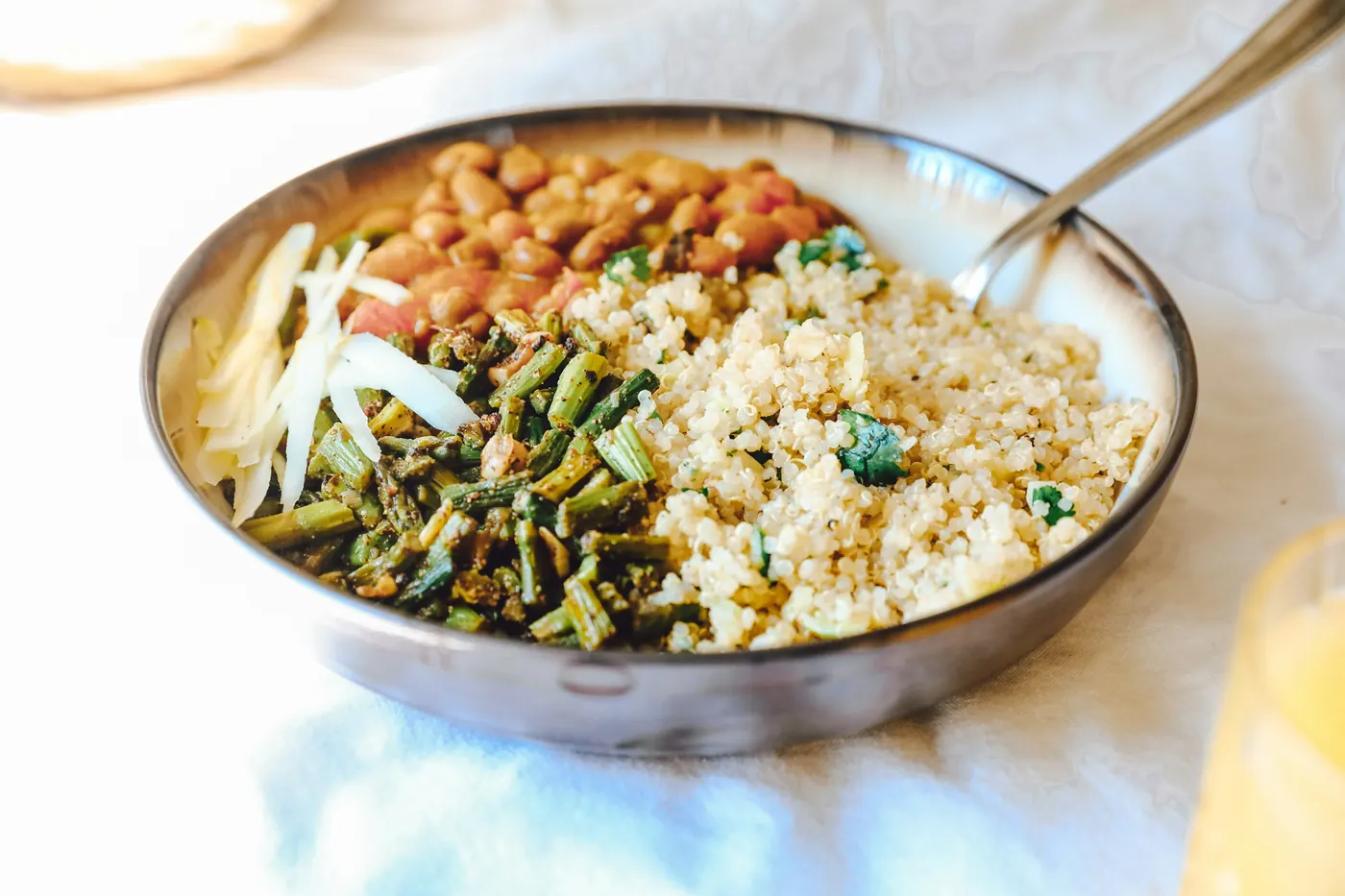
The underlying fact is real: beans are low in the amino acid methionine and corn is low in lysine, and each supplies what the other lacks. That is genuine complementarity, and the milpa review counts complementarity of nutritional intake among the system’s advantages.
What has been walked back is the stricter version — the idea that you must combine them at the same meal or the protein does not count. Nutrition guidance moved away from that decades ago. A varied diet across a day does the job.
Note also which pair the science is about. The classic complementarity is corn and beans, not rice and beans. Rice arrived fifteen centuries into that relationship.
So: nutritionally sensible, historically real, and not the reason a Texas kitchen puts both on your plate.
The actual reasons
| Reason | Why it matters to a kitchen |
|---|---|
| Cost | Both are inexpensive per portion and stretch a plate |
| Volume | Cooked once in quantity, portioned all service |
| Holding | Neither degrades over a few hours the way vegetables do |
| Consistency | Every plate looks the same leaving the pass |
| Sauce | Rice catches what runs off the main |
| Expectation | Diners now notice their absence more than their presence |
The last row is the strongest one. Rice and beans became standard because they worked, and now they are standard because leaving them off would read as something missing.
Which beans
Three forms turn up, and they are not interchangeable.
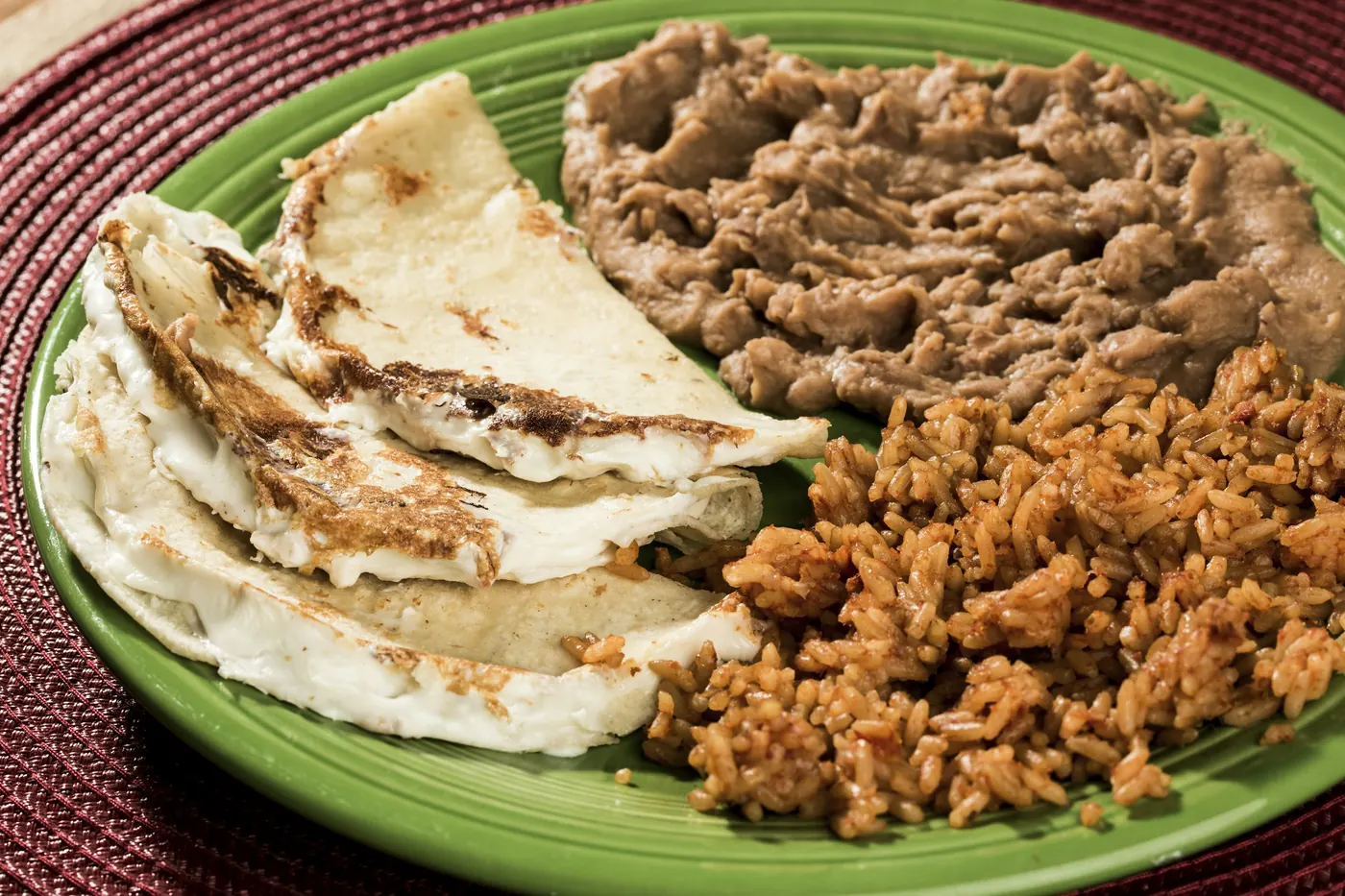
Frijoles de la olla are whole beans in their own broth, cooked with onion and often epazote. Soupy, plain, and the most traditional.
Refritos are those beans mashed and fried in fat. The name mistranslates — refritos means well-fried, not fried twice.
Charros are whole beans in a brothy soup with bacon, tomato, onion and chile. Substantial enough to be a dish rather than a side.
Our beans guide covers the differences in full, including the question worth asking if you avoid pork.
What this means when you order
Three practical consequences.
You rarely need a side. Most mains arrive with both already on the plate. Ordering extra usually produces more food than anyone wants, as our ordering guide notes.
They can usually be swapped. Kitchens that sauté vegetables for other dishes will generally substitute, which our guide to ordering around the starch covers.
The beans are worth asking about. Traditional refritos are cooked in lard, and charro beans usually contain bacon. That matters for vegetarian ordering more than anything else on the plate.
On Julia’s menu
Nearly every plate on Julia’s menu carries both, and the interesting part is that the combination changes by dish.
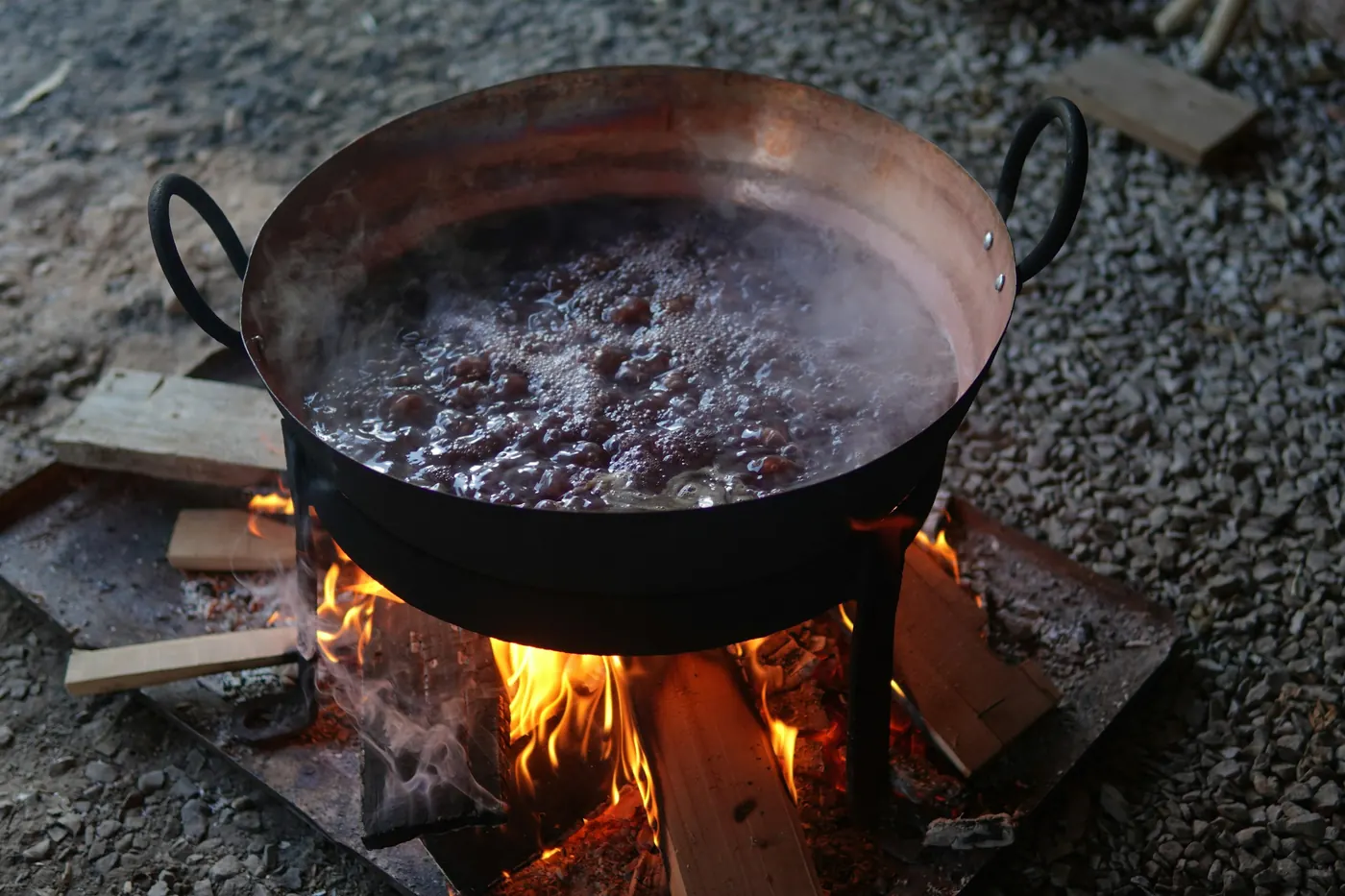
The chile relleno and the fajitas come with Mexican rice and charro beans. The pollo en mole comes with white rice and refried beans. The pollo Ixtapa and the veggie enchiladas come with white rice and black beans. The cochinita pibil comes with Mexican rice and frijoles de la olla.
That last pairing is a regional choice rather than a default. Frijoles de la olla is the Yucatecan form, and putting it with the Yucatecan dish is the kind of detail that does not have to be there — which our cochinita pibil guide gets into.
White rice against Mexican rice is a similar call. The tomato-based rice competes with a tomato-based sauce, so the dishes under mole or a chipotle sauce get plain white instead.
Frequently asked questions
Why do Mexican restaurants serve rice and beans with everything?
They are cheap, cook in volume, hold well through a service, and diners now expect them. The nutritional explanation is secondary.
Are rice and beans a complete protein?
Together they cover each other’s limiting amino acids, but you do not need to eat them in the same meal. The classic pairing in Mexico is corn and beans, not rice and beans.
Is rice traditional in Mexican food?
It is now, but it arrived with the Spanish in the sixteenth century. Beans are thousands of years older.
What is the milpa?
The Mesoamerican polyculture of corn, beans and squash grown together, where the corn supports the beans, the beans fix nitrogen and the squash shades the soil.
Can I ask for something instead?
Usually yes. Sautéed vegetables are the common substitution at kitchens that already prepare them.
The short version
Beans are indigenous and ancient; rice arrived with the Spanish. They come together because they are cheap, scale well and hold — and because a plate without them now looks unfinished.
Julia’s varies the pairing by dish across the menu, which is more thought than the standard side usually gets.