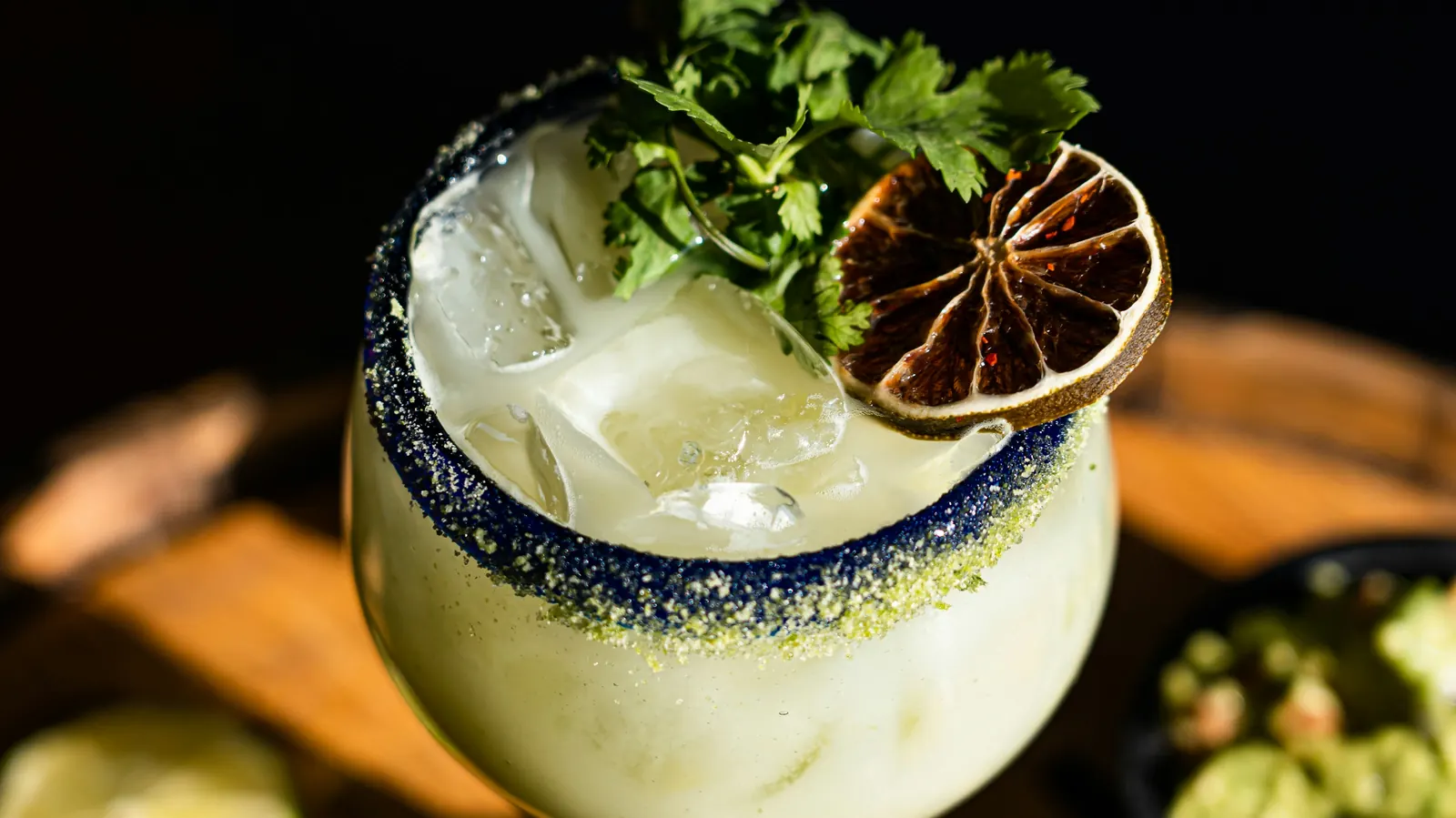
A good margarita is three ingredients, ice and about thirty seconds of work. Tequila, orange liqueur and fresh lime juice, shaken hard and poured into a cold glass. You do not need a cabinet full of bar gear to make one, but a handful of the right tools makes the difference between a drink that tastes balanced every time and one that depends on luck.
This guide is the hub for setting up a home margarita bar. It explains which margarita accessories actually earn their place, what each one does, and which are worth buying first, from the lime squeezer to the glass. Where we have a detailed guide on a single tool, we link to it.
Julia’s earns a commission on purchases made through links on this page, at no cost to you. Recommendations are based on what a working bar looks for, the makers’ own specifications and the sources we cite.
Quick verdict: the margarita accessories to buy first
The three margarita accessories that matter most are a lime squeezer, because fresh lime juice is the heart of the drink; a jigger, because measuring is what makes a margarita taste the same every time; and a cocktail shaker, because a margarita on the rocks is shaken hard with ice. Add a salt rimmer and a set of margarita glasses next, and a blender or margarita machine only if you prefer them frozen.
Below, each accessory in turn: what it does, what to look for, and a starter kit that puts them together.
What a margarita actually needs
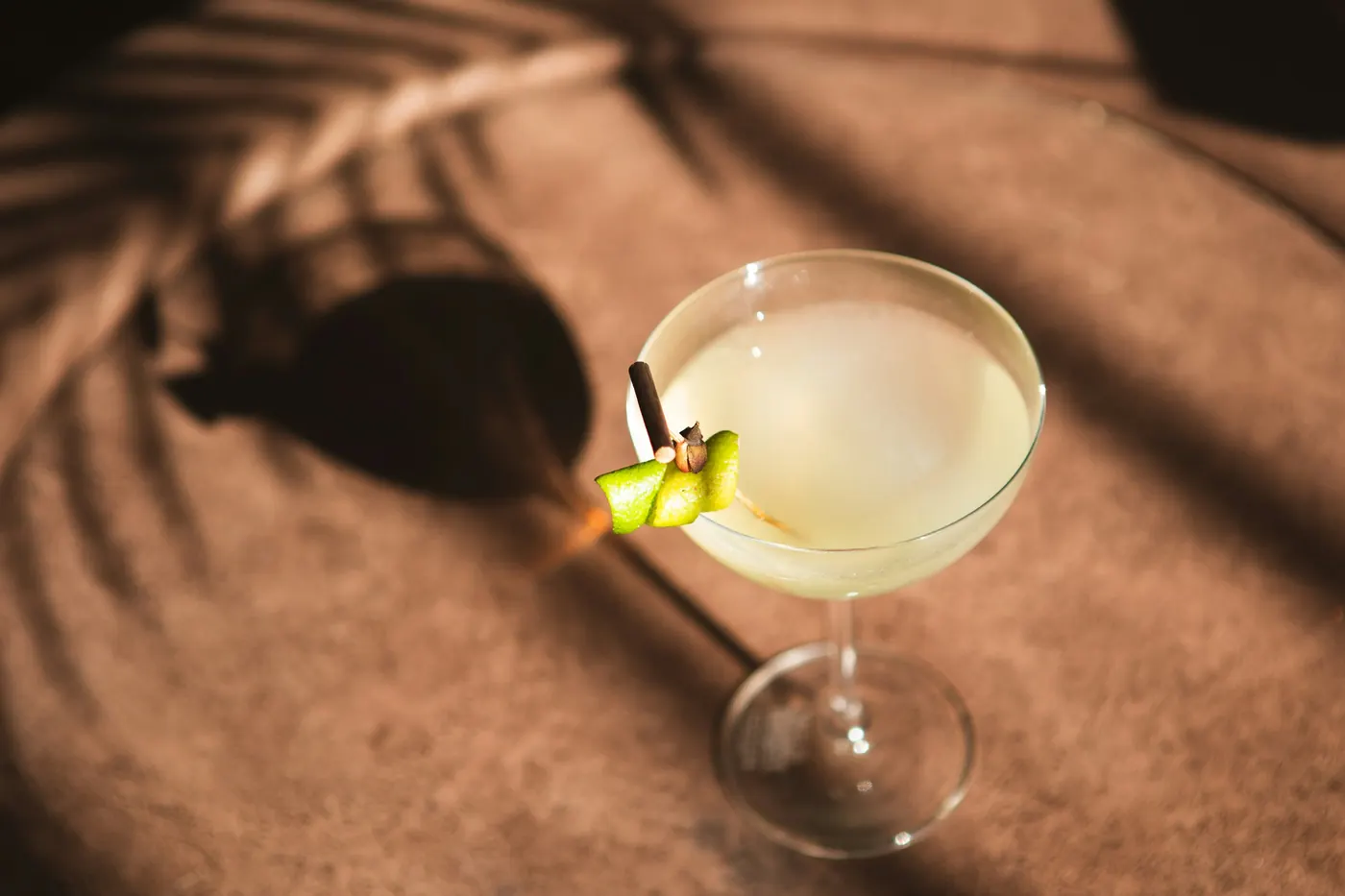
Before buying tools, it helps to know the recipe they serve. The International Bartenders Association, which publishes the standard specifications for classic cocktails, gives the margarita as 50 ml of 100% agave tequila, 20 ml of triple sec and 15 ml of freshly squeezed lime juice, shaken with ice and strained into a chilled cocktail glass, with a half salt rim as an optional garnish. In ounces that is about 1.7, 0.7 and 0.5.
Every accessory on this page serves one of those steps.
- Fresh lime juice calls for a squeezer.
- Exact measures call for a jigger.
- Shaking with ice calls for a shaker and a strainer.
- A salt rim calls for a rimmer, or at least a saucer of coarse salt.
- A chilled glass calls for glasses that suit the drink, and room in the freezer.
The choice of tequila matters as much as any tool. Our guide to tequila types explains blanco, reposado and añejo; blanco, which is unaged, keeps the brightest agave flavor and is a common choice for margaritas.
The lime squeezer: fresh juice is the whole point
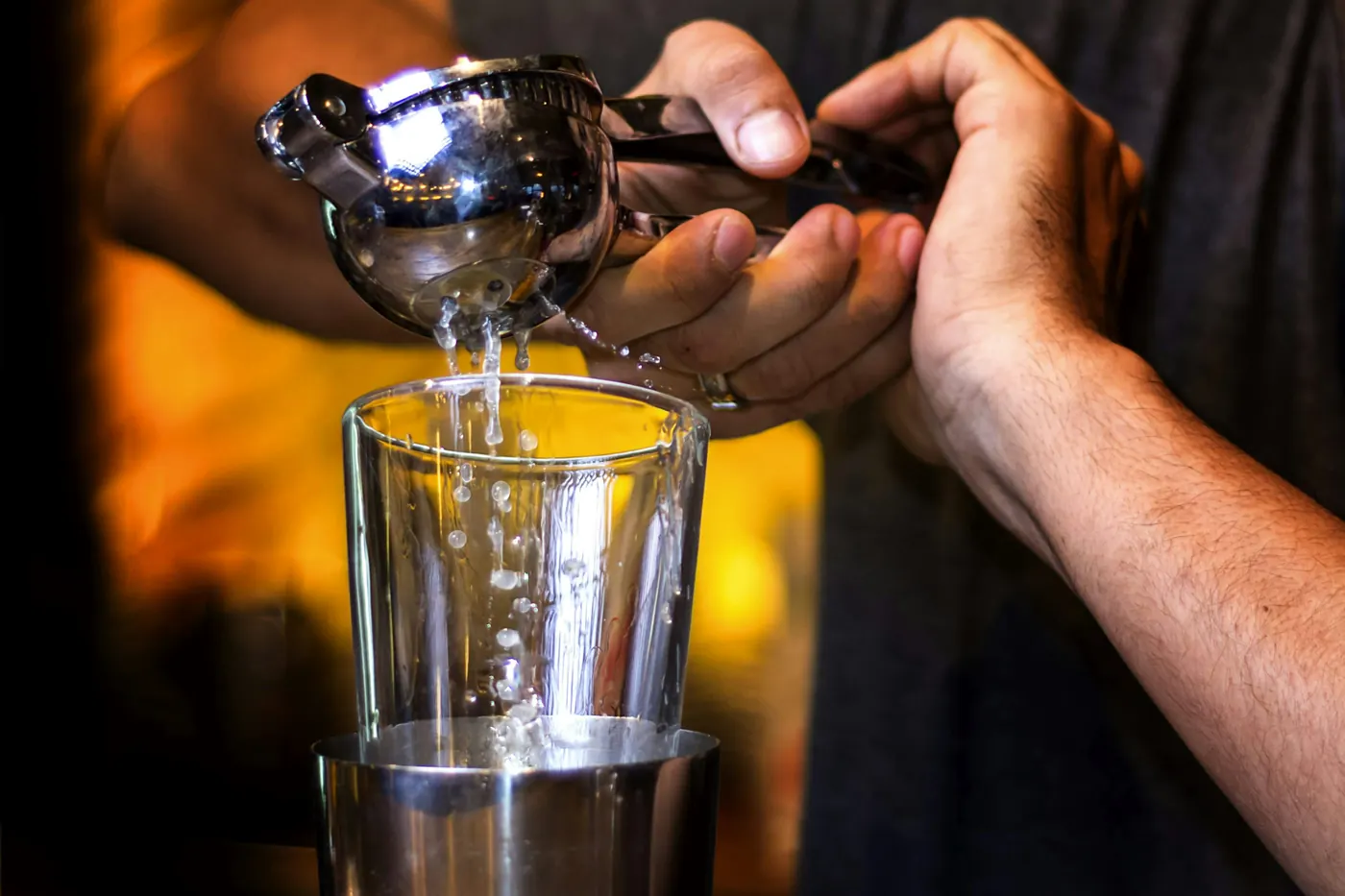
If you buy only one margarita accessory, buy a lime squeezer. Bottled lime juice and sweet-and-sour mixes change the taste of the drink completely, and squeezing limes by hand is slow and hard on the fingers once you are making more than two or three drinks.
The classic tool is the hinged, two-handled squeezer. You put half a lime in the cup cut side down, close the handles, and the lime turns inside out, pressing out the juice while the cup holds back the seeds. Enameled cast aluminum and stainless steel are the common materials.
The New Star Foodservice lime squeezer in our starter kit is cast aluminum with a green enameled finish. According to the listing, the enamel resists moisture, heat and staining, does not rust or react with citrus juice, and is dishwasher safe, and the squeezer is sized for limes and other small citrus.
Squeeze limes just before you mix. Our guide to the best lime squeezer compares handheld squeezers, lever presses and reamers, with picks for each.
The jigger: measuring is what makes it consistent
A margarita is a balance of strong, sweet and sour. Pour a little too much lime and it is harsh; a little too much triple sec and it is cloying. A jigger, a small double-ended measuring cup, takes the guesswork out.
Look for a jigger with markings inside the cup, so you can pour smaller amounts accurately, and with sizes that match the recipes you use. The OXO Steel Double Jigger in our starter kit flips over for different measures: according to the listing, one side measures 1/3, 3/4 and 1 1/2 ounces and the other 1/4, 1/2 and 1 ounce, and it has a non-slip grip.
If your recipe is in milliliters, as the IBA’s is, a jigger marked in both units saves arithmetic. Either way, the point is to pour the same amounts every time, then adjust to your taste once you know where you started.
The shaker and strainer: cold, diluted and well mixed
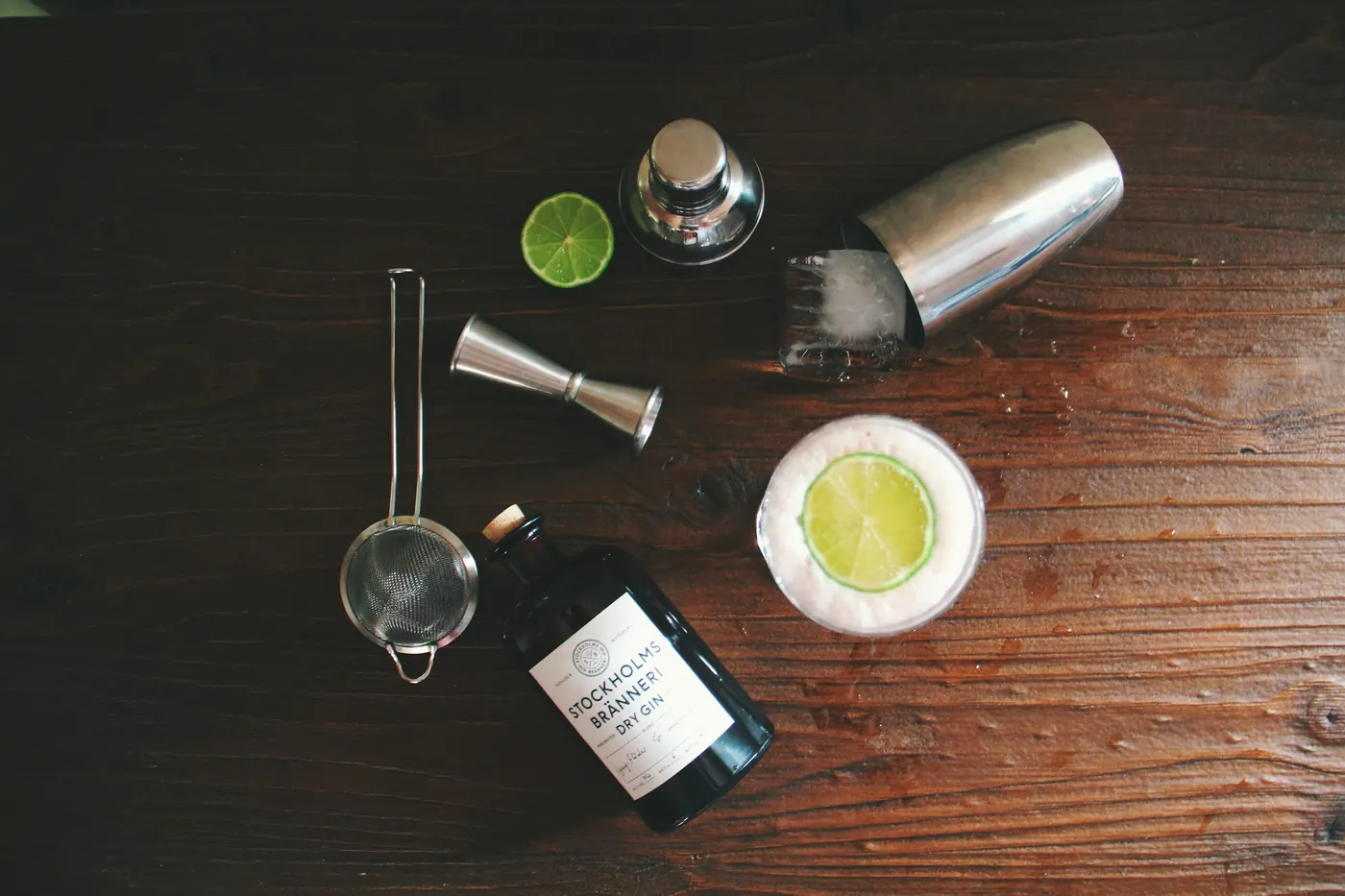
A margarita on the rocks is shaken, not stirred. Shaking hard with ice chills the drink, adds a little water from the melting ice, and mixes the lime juice in evenly. That dilution is part of the recipe: an unshaken margarita tastes hot and sharp.
Shaking tins or a cobbler shaker?
There are two common styles. A cobbler shaker is three pieces: a tin, a lid with a built-in strainer and a small cap. It needs no separate strainer, which makes it easy for beginners, though the lid can stick when the metal gets cold.
Shaking tins, often called a tin-on-tin or Boston shaker, are two metal cups of different sizes. The smaller one fits into the larger to make a seal, you shake, then you tap them apart and strain the drink with a separate strainer. They hold more and seal reliably, and Cocktail Kingdom calls its tins the industry standard among professional bartenders.
The Cocktail Kingdom Koriko weighted shaking tins in our starter kit come as a pair, an 18-ounce and a 28-ounce tin, and Cocktail Kingdom says the set has a two-drink capacity and is dishwasher safe. The maker describes them as balancing flexibility and rigidity to give a tight seal that still separates easily.
The strainer
With tins, you need a Hawthorne strainer, the flat strainer with a coiled spring around its edge that sits on top of the tin and holds back ice and lime pulp. The Koriko Hawthorne strainer, also from Cocktail Kingdom, is 18/8 stainless steel, fits Koriko tins, and is dishwasher safe, according to the listing.
The salt rim: a rimmer, coarse salt and a lime wedge
The IBA lists a half salt rim as optional, and that is good advice: rimming half the glass lets each sip be salted or not. A little salt brings out the lime.
To rim a glass, run a lime wedge around the outside of the rim, then roll the outer edge in coarse salt. Keeping the salt on the outside stops it falling into the drink. Fine table salt is too salty and dissolves too fast; use coarse kosher or flaked salt, or a margarita salt made for the job.
A rimmer keeps the salt, and the lime juice or sugar if you use them, in shallow trays the right width for a glass. The TonJin three-tier rimmer in our starter kit has three labeled trays for salt, sugar and lime juice that stack under a snap-on lid, and the listing gives it as food-safe ABS plastic that is dishwasher safe. A saucer does the same job if you only make margaritas occasionally.
Ice: the accessory nobody buys on purpose
Ice does two jobs in a margarita: it chills and dilutes the drink in the shaker, and it keeps it cold in the glass. Those jobs want slightly different ice.
For shaking, use plenty of fresh, hard cubes from the freezer, enough to fill the larger tin about two-thirds. Too little ice melts quickly and leaves the drink warm and watery. Ice that has sat in a bucket and started to melt adds water before you have even begun.
For serving on the rocks, larger cubes melt more slowly and keep the last sip close to the first. Silicone trays that make big square cubes cost little and make a noticeable difference. For frozen margaritas, ordinary cubes are fine; the blender or machine does the rest.
Whatever ice you use, make sure there is more of it than you think you need. At a party it is the first thing to run out.
The bottles: tequila and orange liqueur
The tools only measure, shake and serve; the bottles decide the flavor. The IBA recipe calls for 100% agave tequila, which means the spirit is distilled only from agave sugars. Look for those words on the label. Blanco tequila gives the cleanest lime-and-agave margarita; a reposado, rested in oak, makes a rounder, softer drink.
For the orange liqueur, triple sec is the IBA’s choice. Bottles labeled triple sec vary from thin and syrupy to dry and strongly orange, and the better ones make a noticeably better drink. Many cooks also make a “Tommy’s” style margarita with agave syrup in place of orange liqueur, which needs nothing more than a bottle of agave syrup and the same jigger.
Optional extras worth knowing about
None of these is essential, but each solves a small problem.
- A fine-mesh strainer. Held under the Hawthorne strainer, it catches lime pulp and ice chips for a smoother drink served up.
- A bar spoon. Long and thin, for stirring a batch in a pitcher or tasting a drink before you pour.
- A citrus knife and small board. Cutting limes in half from tip to stem, or into wedges for garnish, is easier with a sharp paring knife on a board kept just for the bar.
- A muddler. Only needed for variations with fruit, herbs or jalapeño, such as a spicy margarita.
- Pour spouts. Speed and control if you pour from full bottles often.
Margarita glasses: what to serve it in
The IBA calls for a chilled cocktail glass. In practice, margaritas are served in three kinds.
- The classic stepped margarita glass, with a wide, shallow bowl on a stem. It shows off a salt rim and suits frozen margaritas.
- A coupe or cocktail glass, smaller and elegant, closest to the IBA specification for a margarita served up.
- A rocks glass, short and sturdy, the everyday choice for a margarita on the rocks.
Two sets in our starter kit cover different moods. The Libbey Cactus margarita glasses are a set of four 16-ounce stemmed glasses with green cactus-shaped stems; Libbey says they are lead-free, dishwasher safe and freezer safe, so you can chill them ahead of time. The Dos Sueños margarita glasses are hand blown by artisans in Mexico from recycled glass, with the traditional cobalt blue rim; the listing gives each as 16 ounces, about 7 inches tall, lead free, and recommends washing by hand. Because they are handmade, each one differs slightly.
For the full range of shapes, sizes and materials, see our guide to the best margarita glasses.
Frozen margaritas: blender or margarita machine
A frozen margarita is a different drink from one on the rocks, blended with ice to a slush. Our guide to frozen versus on-the-rocks margaritas explains the differences in taste and strength.
For frozen margaritas you have two options. A powerful countertop blender handles a pitcher at a time and does many other jobs in the kitchen; look for one that crushes ice without leaving chunks. A margarita machine is built for the job: most shave ice and blend it with the mix in one appliance, which is designed to give a smoother texture and makes batches for a party easier. It only does one thing, though, and it takes up counter and cupboard space.
If you serve frozen margaritas often, or for groups, a machine is worth considering; our guide to the best margarita machine for home compares them. If you make one now and then, a good blender is enough.
Margarita mix: when a bottle makes sense
Fresh lime and a good orange liqueur make the best margarita, but a mix has its place. For a big party, a frozen batch, or a weeknight when there are no limes in the house, a mix is quicker and keeps in the cupboard.
Mixes vary widely in what they contain. Read the label: some are made with real lime juice and cane sugar, others mostly with corn syrup and flavorings. Our guide to the best margarita mix explains what to look for and which are worth buying. Even with a mix, a fresh squeeze of lime in each glass helps.
A pitcher for a crowd
Shaking one drink at a time is fine for two people; for eight it becomes a job. The answer is to batch: mix the tequila, orange liqueur and lime juice in a pitcher ahead of time, keep it cold, and pour over ice, or shake two drinks at a time with tins. Keep the ratios the same as for a single drink.
A large glass pitcher makes batching easy and looks good on the table. The Libbey Yucatan pitcher in our starter kit is listed at 86.9 ounces, with a ripple pattern in the glass; the listing suggests it for frozen drinks such as margaritas, describes it as lead free, says it is not safe for hot liquids, and recommends washing by hand only. For party food to go with a pitcher, our guide to Mexican food for a group helps with planning.
A starter kit of margarita accessories
These are the pieces we would put on a home margarita bar first, one example of each with why we chose it. Every product was in stock on Amazon when we checked, and its details come from the maker’s listing.
| Accessory | Job it does | A good first pick | Why this one |
|---|---|---|---|
| Lime squeezer | Fresh lime juice, seeds held back | New Star Foodservice Lime Squeezer | Enameled cast aluminum, dishwasher safe |
| Jigger | Exact measures | OXO Steel Double Jigger | Six marked measures from 1/4 to 1 1/2 oz |
| Shaker | Chilling and diluting with ice | Cocktail Kingdom Koriko Weighted Shaking Tins | 18 oz and 28 oz pair, two-drink capacity |
| Strainer | Holding back ice and pulp | Cocktail Kingdom Koriko Hawthorne Strainer | 18/8 stainless steel, fits the Koriko tins |
| Salt rimmer | Salt and lime for the rim | TonJin 3-Tier Bar Glass Rimmer | Labeled trays for salt, sugar and lime; lidded |
| Glasses | Classic stemmed margarita glass | Libbey Cactus Margarita Glasses, set of 4 | 16 oz, dishwasher and freezer safe |
| Glasses, handmade | Traditional Mexican blown glass | Dos Sueños Hand Blown Margarita Glasses, set of 4 | Made in Mexico from recycled glass, cobalt rim |
| Pitcher | Batching for a group | Libbey Yucatan Glass Pitcher, 86.9 oz | Large, lead free, hand wash only |
You do not need everything at once, and you only need one set of glasses. Start with the squeezer, jigger and shaker; the rest can follow.
Setting up the bar for a party
A little preparation keeps a margarita bar running smoothly when guests arrive.
- Chill the glasses. Put them in the freezer an hour ahead if they are freezer safe, or fill them with ice water while you mix.
- Juice the limes first. Squeeze enough for the evening into a jar, keep it cold and use it the same day.
- Set out the rimmer. Fill the trays with lime juice and coarse salt so guests can rim their own glasses.
- Batch the base. Mix tequila, orange liqueur and lime juice in the pitcher in the same ratio you use for one drink, and keep it in the fridge.
- Have plenty of ice. You need ice to shake with and ice to serve over, and it always runs out first.
- Offer something without alcohol. Aguas frescas or sparkling water with lime keep everyone included.
Our guide to what to drink with Mexican food helps you match drinks to the dishes you serve, and our guide to taco bar supplies covers the table.
Caring for bar tools
- Steel tins, jiggers and strainers: rinse straight after use so lime juice and sugar do not dry on. The Koriko tins and strainer are listed as dishwasher safe.
- Lime squeezer: rinse out the pulp and seeds after each session. The New Star squeezer is listed as dishwasher safe.
- Hand-blown glass: wash by hand, as Dos Sueños recommends for its hand-blown glasses and Libbey for its pitcher, and avoid sudden changes of temperature.
- Rimmer: empty the lime juice tray after each use; salt and sugar can stay under the lid.
Margarita bar questions, answered
What do I need to make a margarita at home?
Tequila, orange liqueur, fresh limes and ice, plus a lime squeezer, a jigger and a shaker. A strainer, salt and a rimmer, and the right glasses, complete the set.
What is the classic margarita ratio?
The IBA specification is 50 ml tequila, 20 ml triple sec and 15 ml fresh lime juice, shaken with ice. Many bartenders adjust the lime and orange liqueur to taste; a jigger lets you make those changes deliberately.
Do I need a cocktail shaker for margaritas?
For margaritas on the rocks, yes, or at least a jar with a tight lid. Shaking with ice chills and dilutes the drink, which is part of how it should taste. Frozen margaritas are made in a blender or margarita machine instead.
Can I make a margarita without bar tools?
Yes. A clean jar with a tight lid works as a shaker, a tablespoon (half an ounce) and a shot glass stand in for a jigger, and you can squeeze limes by hand or with a fork twisted into the cut half. The drink will be just as good; the tools only make it faster and more consistent, which matters most when you are making several.
What salt is best for a margarita rim?
Coarse salt: kosher salt, flaked salt or a salt sold for margaritas. Fine table salt is too salty and dissolves quickly. Rim only the outside of the glass, and only half of it if you want to keep some sips unsalted.
Is a margarita machine worth it?
Only if you make frozen margaritas often or for groups. A machine is designed for a smoother texture and makes batches easier, but a good blender handles the occasional frozen margarita and does other jobs too.
What glass should a margarita be served in?
The IBA calls for a chilled cocktail glass. A stemmed margarita glass is the classic for frozen drinks and salt rims, and a sturdy rocks glass is the everyday choice for margaritas on the rocks.
Building your home margarita bar
Start with the three tools that make the drink: a squeezer for fresh lime, a jigger for steady measures and a shaker for cold, well-mixed margaritas. Add a rimmer and glasses when you start serving guests, and a pitcher or a machine when the guest list grows. For the kitchen side of the same evening, see our guide to Mexican cooking tools.
For frozen margaritas: the best commercial margarita machines, our Margaritaville margarita machine reviews, Nostalgia margarita machine reviews and VEVOR margarita machine reviews, plus margarita machine vs blender and margarita machine vs Ninja Slushie. For the rim: the best salts for margarita rims and the best salt rimmers for margaritas. For shaking and serving: the best cocktail shakers for margaritas, the best tequila glasses and lime squeezer vs lemon squeezer.
Related guide: Best cocktail book.
And when you would rather someone else made the drinks, see our drinks and menu, or call to order.