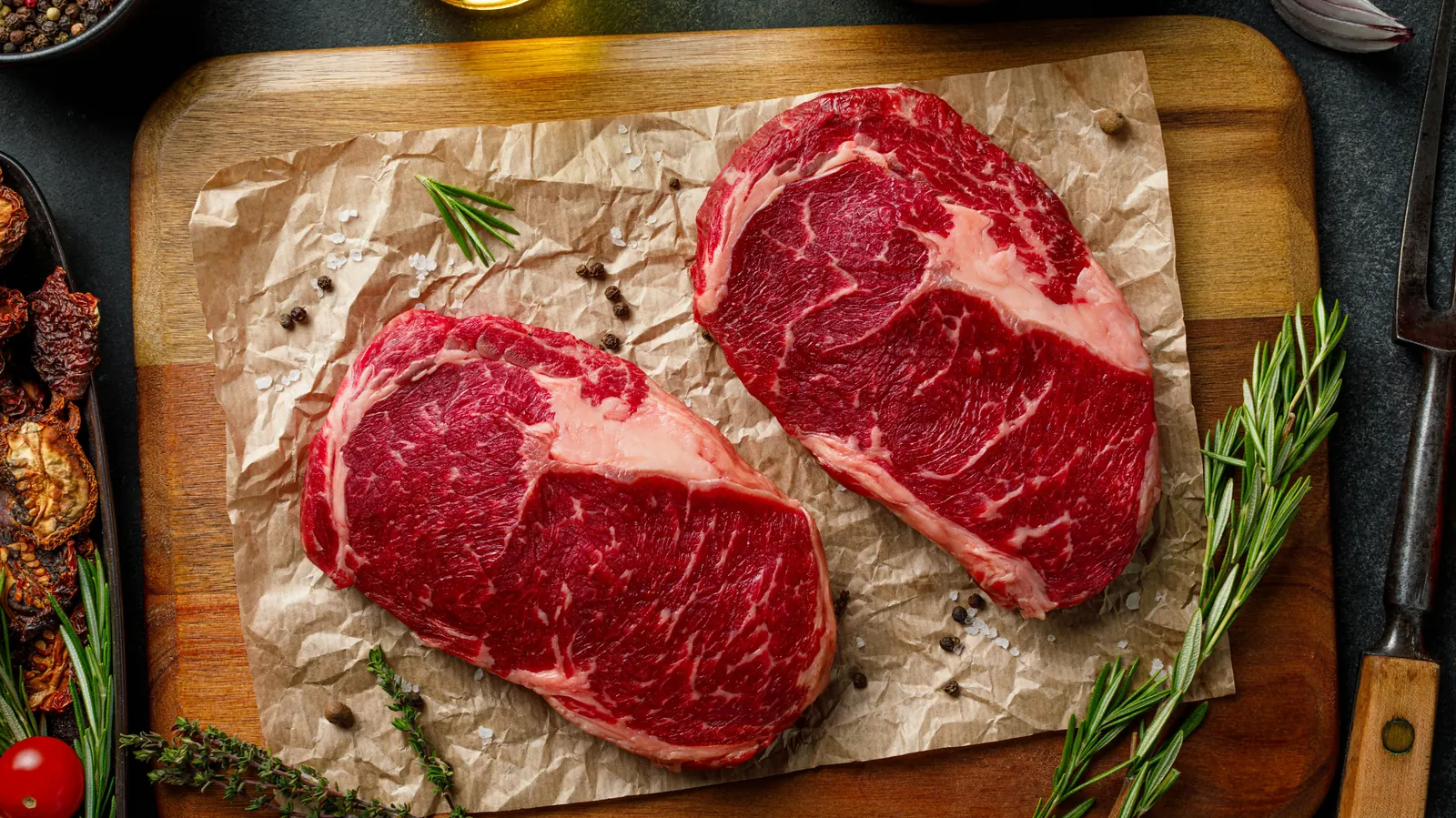
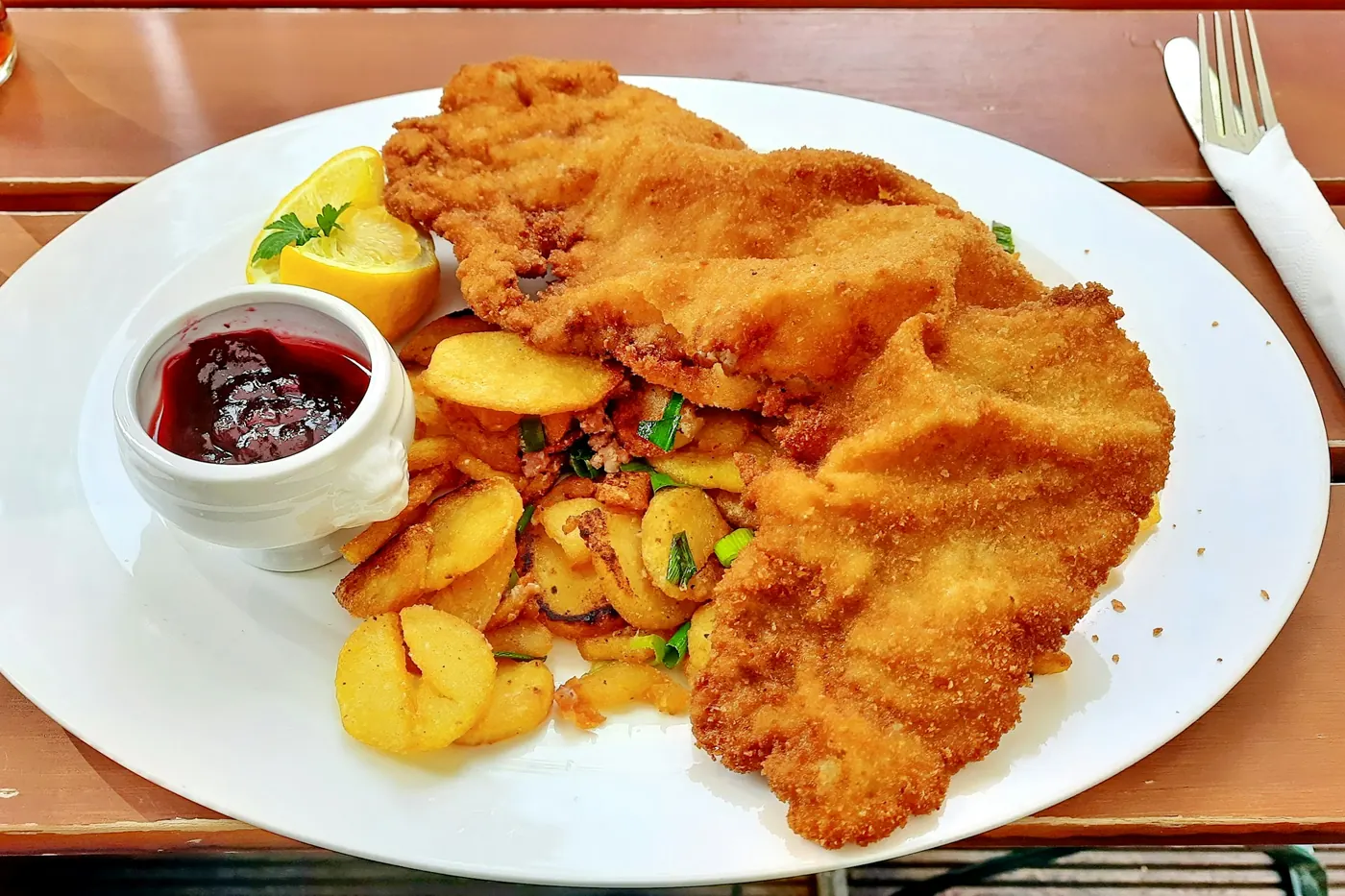
Milanesa starts with a pounder. A slice of beef round or a chicken breast goes between two sheets of plastic, and a few firm, flat blows take it down to an even quarter inch or less, thin enough to bread and fry in a couple of minutes a side. Carne asada asks for something different: flank or skirt steak that cooks fast over high heat, where a textured mallet or a blade tenderizer can break up the tougher fibers before the marinade goes on.
That is why “meat tenderizer” covers three different tools: flat pounders, two-faced mallets and bladed tenderizers. This guide explains what each one does and names eight worth buying from HIC, Norpro, Bellemain, OXO, KitchenAid and Jaccard. It also covers the one food-safety point that applies to bladed tenderizers.
Julia’s earns a commission on purchases made through links on this page, at no cost to you. Recommendations are based on what a restaurant kitchen looks for, product specifications and verified buyer reports.
Quick verdict: which meat tenderizer to buy
For most kitchens the best meat tenderizer is a heavy, short-handled pounder with a flat face and a textured face, and the HIC Dual Meat Tenderizer is the one to buy: chrome-plated zinc, nearly 2 pounds, dishwasher safe, and recommended by America’s Test Kitchen. If you want to cut through the tougher fibers in flank or skirt steak rather than pound them, add the Jaccard 48-Blade Meat Tenderizer, and cook what you blade as USDA advises below.
Five meat tenderizers at a glance
Our five standout tenderizers, one for each kind of job. All eight are reviewed in full below.
| Tenderizer | Best for | Type and faces | Weight (stated) | Buy on Amazon |
|---|---|---|---|---|

HIC Dual Meat TenderizerBest overall
|
Cutlets and steaks | Pounder, flat and textured | 835 g (about 1.8 lb) | View on Amazon |
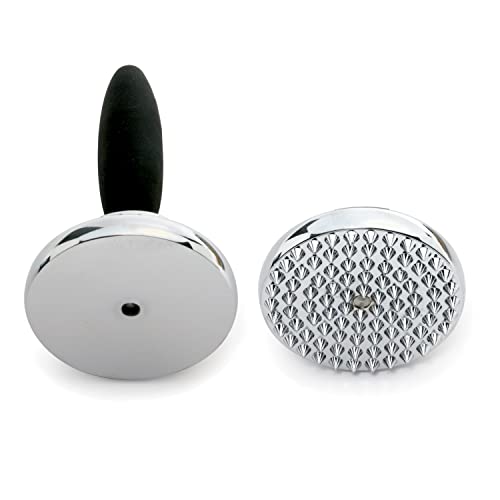
Norpro Grip-EZ Tenderizer/PounderBest reversible pounder
|
A soft, sure grip | Pounder, flip-over plate | Not stated | View on Amazon |
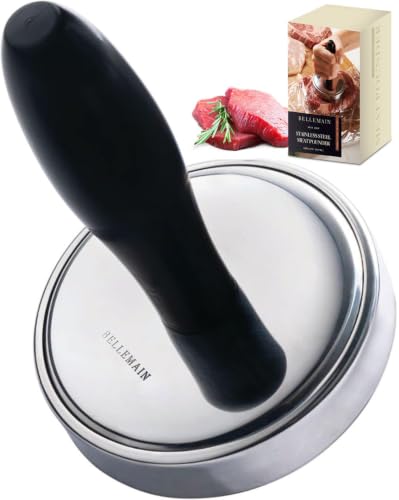
Bellemain Stainless Steel Meat PounderBest for milanesa
|
Thin, even cutlets | Pounder, flat only | 1.75 lb | View on Amazon |

OXO Good Grips Meat TenderizerBest mallet
|
Swinging, dishwasher | Mallet, flat and textured | Not stated | View on Amazon |
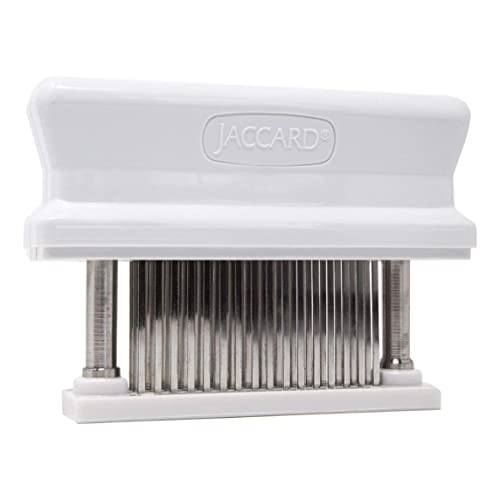
Jaccard 48-Blade Meat TenderizerBest blade tenderizer
|
Flank, skirt, tough cuts | Blade, 48 blades | Not stated | View on Amazon |
Product images from Amazon. Weights are as the maker, listing or America’s Test Kitchen states them.
Our picks for the best meat tenderizer
The eight tools below include three pounders, two mallets and three blade tenderizers. Each review gives the maker’s or listing’s specifications, the job it suits, and one honest reason to skip it. A tenderizer is only half of the prep: a solid cutting board takes the pounding, and a sharp chef’s knife slices the steak across the grain once it is cooked.
1. HIC Dual Meat Tenderizer – Heavy, Balanced and Dishwasher Safe
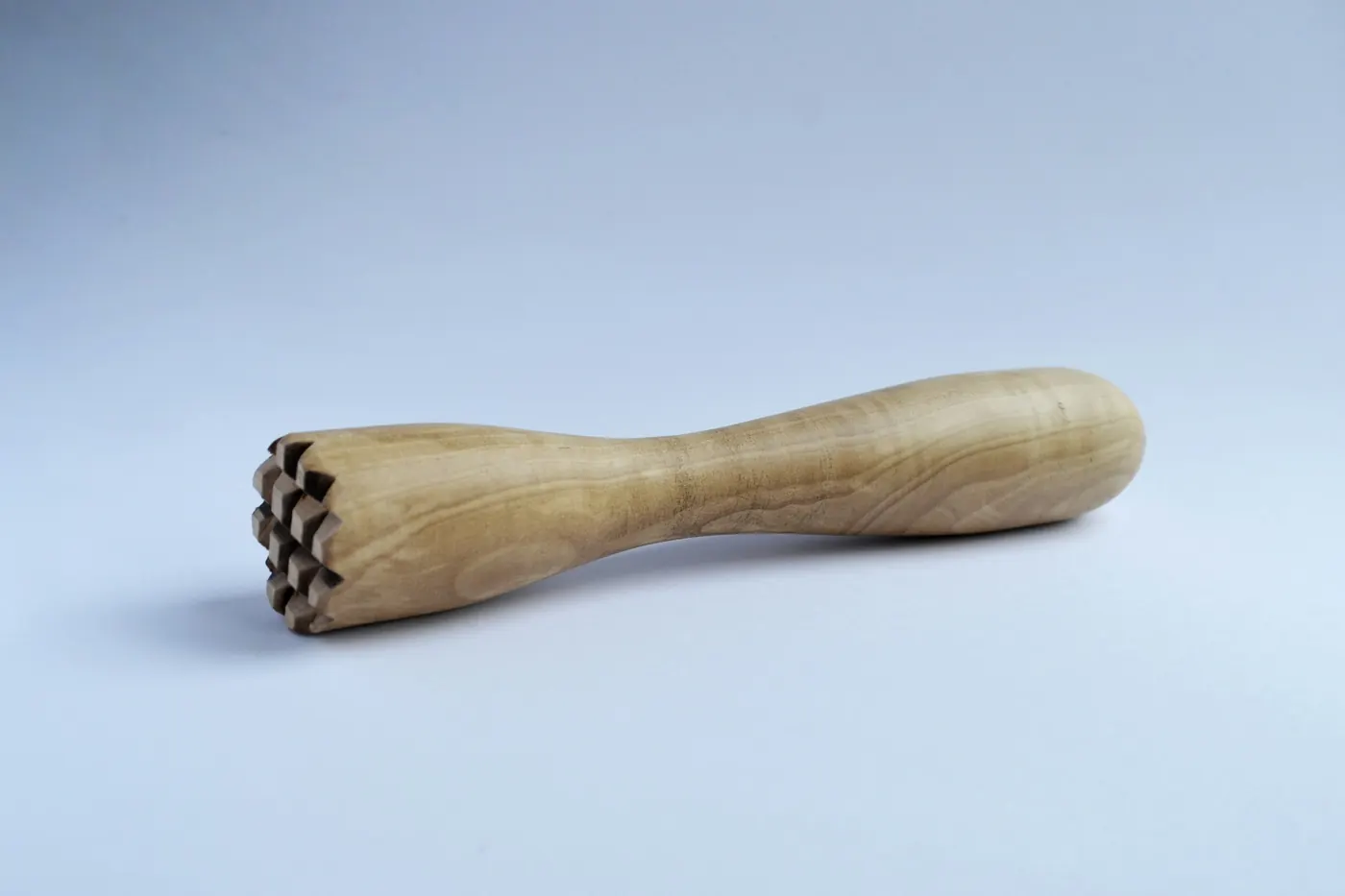
HIC’s tenderizer is a short-handled pounder: a heavy round head with a bulbous handle on top, so you bring it straight down rather than swinging it. One face is smooth, for flattening chicken, veal or beef round into thin cutlets; the other is textured, for breaking up tougher cuts. HIC lists braciole, chicken-fried steak, schnitzel and cube steak among its uses, and milanesa is the same job.
America’s Test Kitchen tested eight pounders and recommended this one, noting that “its short, bulbous handle was easy to grip and control.” ATK found short- and long-handled pounders produced more evenly flattened cutlets than mallets. HIC gives the weight as 835 grams, nearly 2 pounds, and the size as 6 by 3.25 by 3.25 inches. The body is chrome-plated zinc and the listing says it is dishwasher safe.
ATK’s winner, the Norpro Grip EZ meat pounder (model 7033), was not in stock on Amazon when we checked, which is why the HIC leads this list. HIC recommends working on chilled meat over a cutting board.
Why we like it
- Recommended by America’s Test Kitchen
- Smooth face for cutlets, textured face for steak
- Nearly 2 pounds, so the weight does the work
- Dishwasher safe
Key specifications
| Model | 22006 |
|---|---|
| Type | Short-handled pounder |
| Head material | Chrome-plated zinc |
| Faces/blades | Smooth and textured |
| Weight (stated) | 835 g (about 1.8 lb) |
| Handle | Short, bulbous, chrome-plated zinc |
| Dishwasher-safe | Yes |
Why we recommend it
It suits anyone who makes milanesa, schnitzel or thin chicken cutlets and wants one tool that also tenderizes steak.
Skip it if your wrists object to a heavy tool; ATK’s lighter mallets are easier to lift, though less even.
Pros and cons
Pros
- Even results
- Two faces
- Dishwasher safe
Cons
- Heavy to store and lift
- No soft grip on the metal handle
- Not ATK’s top pick
2. Norpro Grip-EZ Tenderizer/Pounder – Soft Grip, Flip-Over Face
Norpro’s Grip-EZ line includes America’s Test Kitchen’s winning pounder, the model 7033, which ATK praised because “it’ll never slip in your hands, even when it’s wet.” That exact model was not in stock when we checked. This one, the 7035, is a different model from the same line: a vertical bell-shaped pounder with the same cushioned, non-slip Santoprene handle, and a base disk you unscrew and flip over to switch between a smooth flattening face and a textured face with raised pyramid points.
The listing gives the size as 5.75 inches tall and 3.25 inches across. Norpro describes the vertical design as channeling force straight down from your palm, which avoids glancing blows and is easier on the wrist than swinging a mallet.
Norpro recommends hand washing, and the listing does not give a weight. Because ATK did not test this model, treat it as a sensible alternative from a proven line rather than a tested winner.
Why we like it
- Same Santoprene grip as ATK’s winning Norpro
- Reversible smooth and textured base
- Vertical design, straight-down force
- Compact
Key specifications
| Model | 7035 |
|---|---|
| Type | Short-handled pounder |
| Head material | Not stated |
| Faces/blades | Reversible disk: smooth and textured |
| Weight (stated) | Not stated |
| Handle | Cushioned Santoprene |
| Dishwasher-safe | Hand wash recommended |
Why we recommend it
It suits cooks who want a pounder that will not slip out of a wet hand and covers both jobs with one face at a time.
Skip it if you want a dishwasher-safe tool; the HIC goes in the machine.
Pros and cons
Pros
- Secure, soft grip
- Two faces
- Small footprint
Cons
- Hand wash only
- Weight not stated
- Swapping faces means unscrewing
3. Bellemain Stainless Steel Meat Pounder – A Broad, Flat Face for Cutlets
If what you mostly do is flatten, a pounder with only a smooth face is the simplest tool. Bellemain’s has a broad, flat base and, according to the listing, a weight of 1.75 pounds from solid iron under a stainless steel exterior. The weight and the wide face spread each blow over a large area, which is what you want for an even milanesa or a thin chicken breast for tortas.
The handle is textured, non-slip rubber, and the pounder measures 4.75 inches high by 3.25 inches wide. Bellemain says the smooth base also works for crushing garlic. Because of the rubber handle, it is hand wash only.
With no textured face, it will not break up tougher fibers in a steak. For carne asada, pair it with a blade tenderizer or choose the HIC.
Why we like it
- Broad, smooth face for even cutlets
- 1.75 pounds of weight
- Non-slip rubber handle
- Stainless exterior resists rust, per the listing
Key specifications
| Model | Not stated (part no. 0810046311028) |
|---|---|
| Type | Short-handled pounder |
| Head material | Stainless steel over solid iron |
| Faces/blades | Smooth only |
| Weight (stated) | 1.75 lb |
| Handle | Textured rubber |
| Dishwasher-safe | No, hand wash |
Why we recommend it
It suits cooks who pound cutlets often and want the plainest, heaviest flat tool.
Skip it if you also want to tenderize steak; it has no textured face.
Pros and cons
Pros
- Wide, even face
- Good weight
- Comfortable grip
Cons
- Flattens only
- Hand wash only
- No independent test found
4. OXO Good Grips Meat Tenderizer – A Light Mallet That Goes in the Dishwasher
Some cooks simply prefer a mallet, swung like a hammer. OXO’s current Good Grips tenderizer is a two-sided mallet: one face has pyramid-shaped teeth for tenderizing, the other is smooth for flattening. OXO says the angle and weight of the head are designed for efficient flattening, and the soft, non-slip grip stays secure in wet hands.
The body is BPA-free, impact-resistant ABS plastic with a solid steel core, which keeps it lighter than a metal mallet and lets it go in the dishwasher. That makes it the easiest tenderizer here to keep clean after raw chicken. The listing does not give a weight.
ATK found that mallets in general give less even cutlets than pounders. It tested an earlier OXO mallet (model 26191) and found the corners of its square head sometimes gouged the meat. This newer model is built differently, but we found no independent test of it, so use the flat face gently near the edges of a cutlet.
Why we like it
- Pyramid teeth and a smooth face
- Steel core in an impact-resistant body
- Non-slip grip, even when wet
- Dishwasher safe
Key specifications
| Model | 11285000 |
|---|---|
| Type | Mallet |
| Head material | ABS plastic with solid steel core |
| Faces/blades | Smooth and pyramid-toothed |
| Weight (stated) | Not stated |
| Handle | Soft, non-slip grip |
| Dishwasher-safe | Yes |
Why we recommend it
It suits cooks who like a mallet’s swing and want something that goes straight in the dishwasher.
Skip it if even cutlets matter most; a pounder flattens more evenly.
Pros and cons
Pros
- Easy to clean
- Comfortable grip
- Two faces
Cons
- Mallets flatten less evenly, per ATK
- Weight not stated
- No independent test of this model
5. KitchenAid Gourmet Meat Tenderizer – Light Aluminum, Simple Mallet
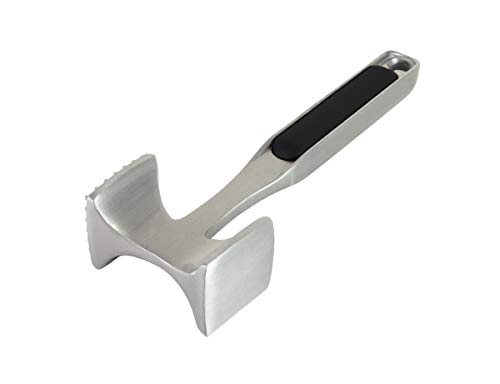
KitchenAid’s mallet is a light aluminum tool with one textured face and one smooth face, and a hole in the handle for hanging. America’s Test Kitchen weighed it at 10 ounces and found it, like the OXO mallet, light and easy to swing.
ATK rated it “recommended with reservations”: the corners of its square head “dented or tore small holes in the cutlet.” That is the trade-off with a small, square mallet head. It does the job for occasional tenderizing of steak or pork chops, and for cracking nuts or crab shells, which KitchenAid also suggests.
The listing says to hand wash it with warm water and mild detergent and dry it immediately, which is the usual care for bare aluminum.
Why we like it
- Light, 10 ounces per ATK
- Textured and smooth faces
- Hang hole in the handle
- Inexpensive
Key specifications
| Model | KO119OHOBA |
|---|---|
| Type | Mallet |
| Head material | Aluminum |
| Faces/blades | Smooth and textured |
| Weight (stated) | 10 oz, per America’s Test Kitchen |
| Handle | Ergonomic, with hang hole |
| Dishwasher-safe | No, hand wash per the listing |
Why we recommend it
It suits occasional use, and cooks who find a heavy pounder tiring.
Skip it if you make thin cutlets often; ATK found its corners tore the meat.
Pros and cons
Pros
- Light
- Easy to hang
- Low cost
Cons
- Corners can tear cutlets
- Hand wash only
- Uneven results, per ATK
6. Jaccard 48-Blade Meat Tenderizer – Cuts Fibers Without Flattening
A blade tenderizer works differently from a pounder. You press it down on the meat and 48 thin, double-edged stainless steel blades slice through the muscle fibers and connective tissue, leaving the steak its original shape and thickness. That is useful for flank and skirt steak for carne asada, or a chuck steak you want to grill rather than braise, where flattening would ruin the cut.
Jaccard is the company most associated with this tool, and the 200348 is its standard home model: a white ABS plastic body about 5-5/8 by 4-1/8 inches, with a limited lifetime warranty. Jaccard says the tiny channels help marinades soak in and shorten cooking time; those are the maker’s claims and we could not verify the figures it gives.
The listing does not say whether it is dishwasher safe, and blades this fine are hard to clean by hand; a brush helps. Read the USDA guidance below before you use any blade tenderizer.
Why we like it
- 48 double-edged stainless steel blades
- Keeps the cut’s shape and thickness
- Compact hand-held design
- Limited lifetime warranty
Key specifications
| Model | 200348 |
|---|---|
| Type | Blade tenderizer |
| Head material | ABS plastic body, stainless steel blades |
| Faces/blades | 48 blades |
| Weight (stated) | Not stated |
| Handle | Hand-held press, ABS plastic |
| Dishwasher-safe | Not stated on the listing |
Why we recommend it
It suits grillers who buy flank, skirt and other chewy steaks and want them tender without pounding them thin.
Skip it if you like your steak rare; see the USDA guidance on blade-tenderized beef below.
Pros and cons
Pros
- Does not flatten the meat
- Many fine blades
- Lifetime warranty
Cons
- Fiddly to clean
- Dishwasher guidance not stated
- Changes how you should cook the steak
7. Jaccard 45-Blade Simply Better Meat Tenderizer – NSF Listed, Removable Blades
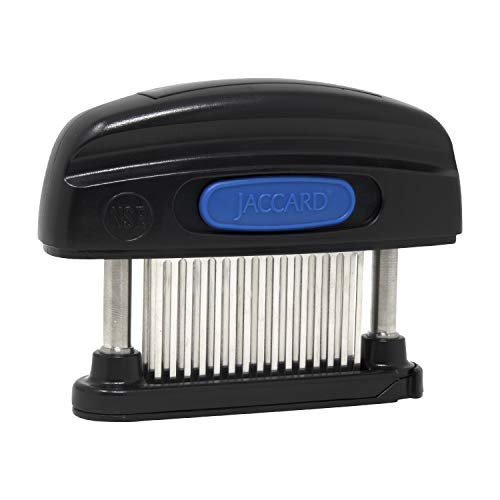
Jaccard’s 45-blade Simply Better tenderizer is the commercial version: NSF listed, with stainless steel columns and a removable blade cartridge, so you can take the blades out to clean them properly. That is the detail that makes it worth paying more for if you blade-tenderize often.
It has 45 double-edged stainless steel blades and a black body, and Jaccard backs it with a lifetime warranty against defects in materials and workmanship. Restaurant-supply retailers describe the cartridge as removable for cleaning; the Amazon listing does not state whether it is dishwasher safe, though retailers list a related model as safe on the top shelf.
As with any blade tenderizer, it changes how the meat should be cooked, so follow the USDA guidance below.
Why we like it
- NSF listed for commercial kitchens
- Removable blade cartridge for cleaning
- Stainless steel columns
- Lifetime warranty
Key specifications
| Model | 200345NS |
|---|---|
| Type | Blade tenderizer |
| Head material | Black body, stainless steel columns and blades |
| Faces/blades | 45 blades |
| Weight (stated) | Not stated |
| Handle | Hand-held press |
| Dishwasher-safe | Not stated on the listing |
Why we recommend it
It suits cooks who blade-tenderize every week and want blades they can take out and clean thoroughly.
Skip it if you will use a blade tenderizer only now and then; the 48-blade home model costs less.
Pros and cons
Pros
- Easier, more thorough cleaning
- Commercial build
- Lifetime warranty
Cons
- Costs more than the home model
- Dishwasher guidance unclear
- Same cooking caveat as any blade tool
8. OXO Good Grips Easy-Clean Bladed Meat Tenderizer – Comes Apart for the Dishwasher

OXO’s bladed tenderizer is a stamp-style tool with 50 sharp blades. Its best feature is the cleaning: the top comes off for thorough washing, and OXO lists it as top-rack dishwasher safe. A recessed toggle lock keeps the blades covered for storage and, according to OXO, will not unlock on its own.
The base is clear with straight edges, so you can see where you have already pressed and work across a steak in even rows. A contoured, non-slip grip makes the repeated stamping easier on the hand.
OXO says the blades shorten marinating and cooking time; as with Jaccard’s claims, we could not verify that. We found no independent test of this model.
Why we like it
- Top comes off; top-rack dishwasher safe
- Toggle lock covers the blades
- Clear base shows where you have been
- 50 blades
Key specifications
| Model | 1269580 |
|---|---|
| Type | Blade tenderizer |
| Head material | Plastic body with clear base, steel blades |
| Faces/blades | 50 blades |
| Weight (stated) | Not stated |
| Handle | Contoured, non-slip |
| Dishwasher-safe | Yes, top rack |
Why we recommend it
It suits cooks who want a blade tenderizer but worry about getting raw-meat residue out of the blades.
Skip it if you want a model with more of a track record; Jaccard’s blade tenderizers are the better-known design.
Pros and cons
Pros
- Easiest to clean
- Safe storage lock
- Even coverage
Cons
- No independent test found
- Plastic body
- Maker’s timing claims unverified
Pounder, mallet or blade tenderizer?
Pounders
A pounder has a heavy, flat head under a short or long handle, and you bring it straight down. America’s Test Kitchen found that short- and long-handled pounders gave evenly flattened cutlets. This is the tool for milanesa, chicken for tortas and anything you want thin and even.
Mallets
A mallet is swung like a hammer. Most have a textured face and a smooth face, and they are light and easy to handle. ATK found the two mallets it tested produced more uneven cutlets, and the square corners could dig into or tear the meat. A mallet is fine for knocking a steak or pork chop about before it goes on the grill.
Blade tenderizers
A blade tenderizer pushes rows of thin blades through the meat, cutting the fibers without changing the shape. It is the right tool for a chewy steak you want to keep thick. It also changes how that steak should be cooked.
Blade tenderizers and food safety
USDA’s Food Safety and Inspection Service explains that when beef is mechanically tenderized with needles or blades, bacteria on the surface can be carried into the interior of the meat. For that reason FSIS recommends cooking mechanically tenderized beef to an internal temperature of 145°F, measured with a food thermometer, followed by a 3-minute rest, and it requires store-bought beef that has been needle- or blade-tenderized to say so on the label.
A hand blade tenderizer works the same way, so it makes sense to treat steak you blade at home the same way: cook it to 145°F and let it rest. Check it with an instant-read thermometer; our best meat thermometer guide covers the ones worth buying. Wash the blades thoroughly after every use.
How to choose a meat tenderizer
Decide the job first. Flattening for cutlets calls for a pounder. Breaking up a tough steak calls for a textured face or a blade tool. Most kitchens are well served by one pounder with two faces.
Weight. A heavier head does more of the work. ATK’s preferred pounders weighed just under 2 pounds; one at slightly more than 2 pounds felt a touch heavy to its testers. Light mallets are easier to swing but less even.
Head size and shape. A broad, round face spreads each blow and avoids the gouges that square corners can leave.
Grip. Your hands will be wet and greasy. A non-slip handle, such as Norpro’s Santoprene grip, is worth having.
Cleaning. Raw meat goes everywhere. A tool that goes in the dishwasher, or a blade tenderizer whose blades come out, is much easier to keep clean.
Pounding for milanesa and tenderizing for carne asada
For milanesa, slice beef round or a chicken breast about half an inch thick, lay it between two sheets of plastic wrap or in a zip-top bag, and pound from the center outward with the flat face until it is an even quarter inch or thinner. The plastic stops the meat from tearing or sticking to the pounder. Then bread it and fry it in a skillet; a heavy cast iron grill press helps keep thin cutlets flat on a griddle.
For carne asada, flank and skirt steak are already thin, so a pounder is not the tool. A few passes with a blade tenderizer or the textured face of a mallet, then the marinade, then a hot grill. Cook bladed steak to 145°F as USDA advises, rest it, and slice it thinly across the grain.
How we picked these eight tenderizers
We looked at pounders, mallets and blade tenderizers from HIC, Norpro, Bellemain, OXO, KitchenAid, Jaccard, Winco, Rösle, Dalstrong and others, and kept only tools showing as in stock on Amazon when we checked. We chose a mix of types, weights and budgets. Specifications come from the Amazon listings, the makers’ information and, for the Jaccard 45-blade, restaurant-supply retailers.
We read America’s Test Kitchen’s meat pounder review and cite it where it covers a model or a general finding. The food-safety guidance comes from USDA’s Food Safety and Inspection Service. We did not read Serious Eats or Wirecutter for this guide. Winco’s restaurant mallets and Rösle’s pounders showed only limited stock, and ATK’s winning Norpro 7033 was not in stock, so none is a pick. This guide covers tools only, not tenderizing powders. We have not used these tenderizers for this guide.
Meat tenderizer questions, answered
What is the best type of meat tenderizer?
For most home cooks, a heavy pounder with a smooth face and a textured face. It flattens cutlets evenly and can rough up a steak. Add a blade tenderizer only if you often buy tough steaks you want to keep thick.
Which meat tenderizer does America’s Test Kitchen recommend?
ATK’s winner is the Norpro Grip EZ meat pounder (model 7033). It also recommends the HIC Dual Meat Tenderizer, our top pick, and a Küchenprofi pounder. It rated the OXO and KitchenAid mallets it tested “recommended with reservations”.
Is a mallet or a pounder better?
A pounder, for evenness. ATK found mallets produced uneven cutlets and their square corners could tear the meat. Mallets are lighter and easier to swing.
Are blade meat tenderizers safe?
USDA’s FSIS says needle or blade tenderizing can carry surface bacteria into the meat, and recommends cooking mechanically tenderized beef to 145°F with a 3-minute rest, checked with a food thermometer. Clean the blades well after each use.
What is the best brand of meat tenderizer?
There is no single brand. Norpro makes ATK’s winning pounder, HIC’s pounder is ATK recommended, and Jaccard is the long-established name in blade tenderizers.
The tenderizer to start with
Prefer a hammer? See our guide to the best meat tenderizer mallets.
Related guide: Meat mallet alternative.
Start with the HIC Dual Meat Tenderizer for cutlets and steaks, add Bellemain’s flat pounder if you make milanesa every week, and pick up a Jaccard if you grill a lot of flank and skirt steak. For the rest of the tools on a Mexican kitchen counter, see our guide to Mexican cooking tools. And when you would rather someone else did the pounding, see our menu or call to order.