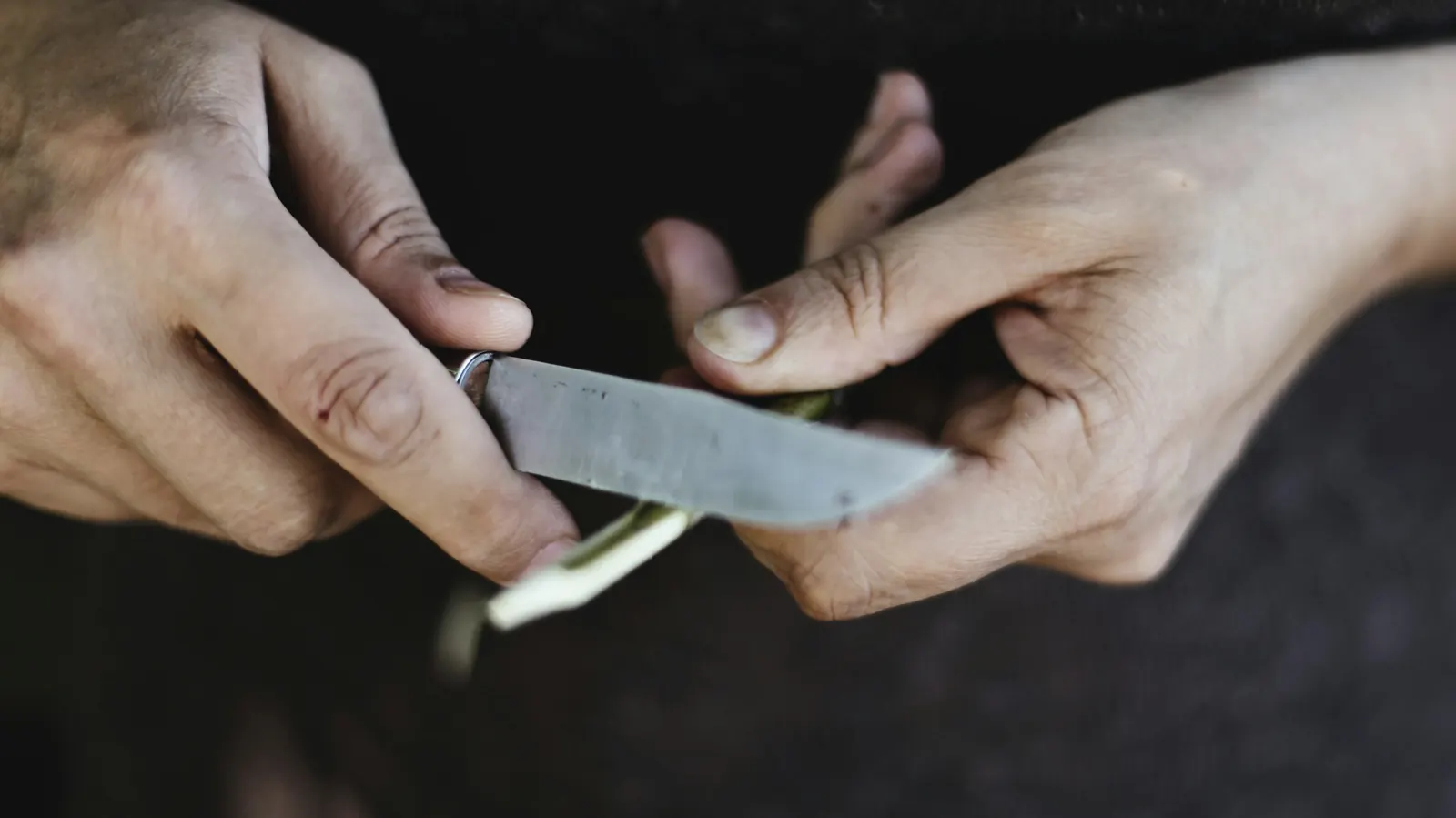
Most of the small, fiddly cutting in a Mexican kitchen happens in the hand, not on the board. Stems come off jalapeños and serranos, seeds and veins come out of dried guajillos, the cores come out of Roma tomatoes for salsa, and limes get halved by the dozen. A chef’s knife is too big for that work. A paring knife, with a blade of three to four inches, is the knife a prep cook keeps in an apron pocket or next to the cutting board for exactly those jobs.
The good news is that a paring knife does not have to cost much. The differences that matter are a sharp, thin blade, a length that gives you control, a handle that stays put when your hands are wet with tomato juice, and how you store it so the tip survives. This guide compares nine paring knives on those points, using makers’ specifications, the Amazon listings and America’s Test Kitchen’s published paring knife review.
Julia’s earns a commission on purchases made through links on this page, at no cost to you. Recommendations are based on what a restaurant kitchen looks for, product specifications and verified buyer reports.
Quick verdict: which paring knife to buy
For most kitchens, the best paring knife is the Mercer Culinary Renaissance 3.5-inch Paring Knife: it is the winner of America’s Test Kitchen’s paring knife review, it is forged from high-carbon German steel, and it carries a lifetime limited warranty. On a tight budget, buy the Victorinox Swiss Classic 3.25-inch Paring Knife, ATK’s Best Buy, which is also dishwasher safe. For a forged German classic, the Wüsthof Classic 3.5-inch; for a Japanese splurge, the Shun Classic 3.5-inch; and for a knife that lives in a drawer or a picnic bag, the Kuhn Rikon Colori 4-inch set with sheaths.
The table shows our five standout picks, one for each kind of cook. All nine knives are reviewed in full below it.
Five paring knives side by side
Blade and edge for our five standout picks, as each maker or Amazon listing states them.
| Paring knife | Best for | Blade | Edge and care | Buy on Amazon |
|---|---|---|---|---|
| Everyday trimming and coring | 3.5 in forged high-carbon German steel | Straight; hand wash | View on Amazon | |
| A cheap knife for every station | 3.25 in stamped, spear point | Straight; dishwasher safe | View on Amazon | |

Wüsthof Classic 3.5-inch Paring KnifeBest forged German
|
Peeling and in-hand work | 3.5 in forged, full tang and bolster | Straight; hand wash | View on Amazon |

Shun Classic 3.5-inch Paring KnifeBest Japanese splurge
|
Fine slicing and garnish work | 3.5 in VG-MAX core, Damascus clad | Straight, 16-degree edge | View on Amazon |

Kuhn Rikon Colori 4-inch Paring Knives with SheathsBest with a sheath
|
Drawers, picnics and cookouts | 4 in Japanese stainless, nonstick coated | Straight; set of three, sheaths included | View on Amazon |
Product images from Amazon. Specifications as stated by each maker or Amazon listing; check the listing before you buy.
Our picks for the best paring knife
These nine knives cover the range: a forged winner from a commercial cutlery brand, two inexpensive Swiss knives (one straight, one serrated), forged German knives from Wüsthof and Zwilling, Japanese steel from Shun and Global, and two sheathed knives from Kuhn Rikon and OXO for anyone who keeps a paring knife loose in a drawer. We judged each one as a prep knife for the kind of small work a salsa and taco line does all day.
1. Mercer Culinary Renaissance 3.5-inch Paring Knife – Sharp, Forged and Affordable

Mercer Culinary is a cutlery brand best known in restaurant kitchens and culinary schools, and its Renaissance paring knife is the knife America’s Test Kitchen named the winner of its paring knife review. ATK’s reviewers wrote that the blade was “sharpened to a razor-like finish” and that its fairly narrow, slightly triangular shape worked both on the board and in the hand.
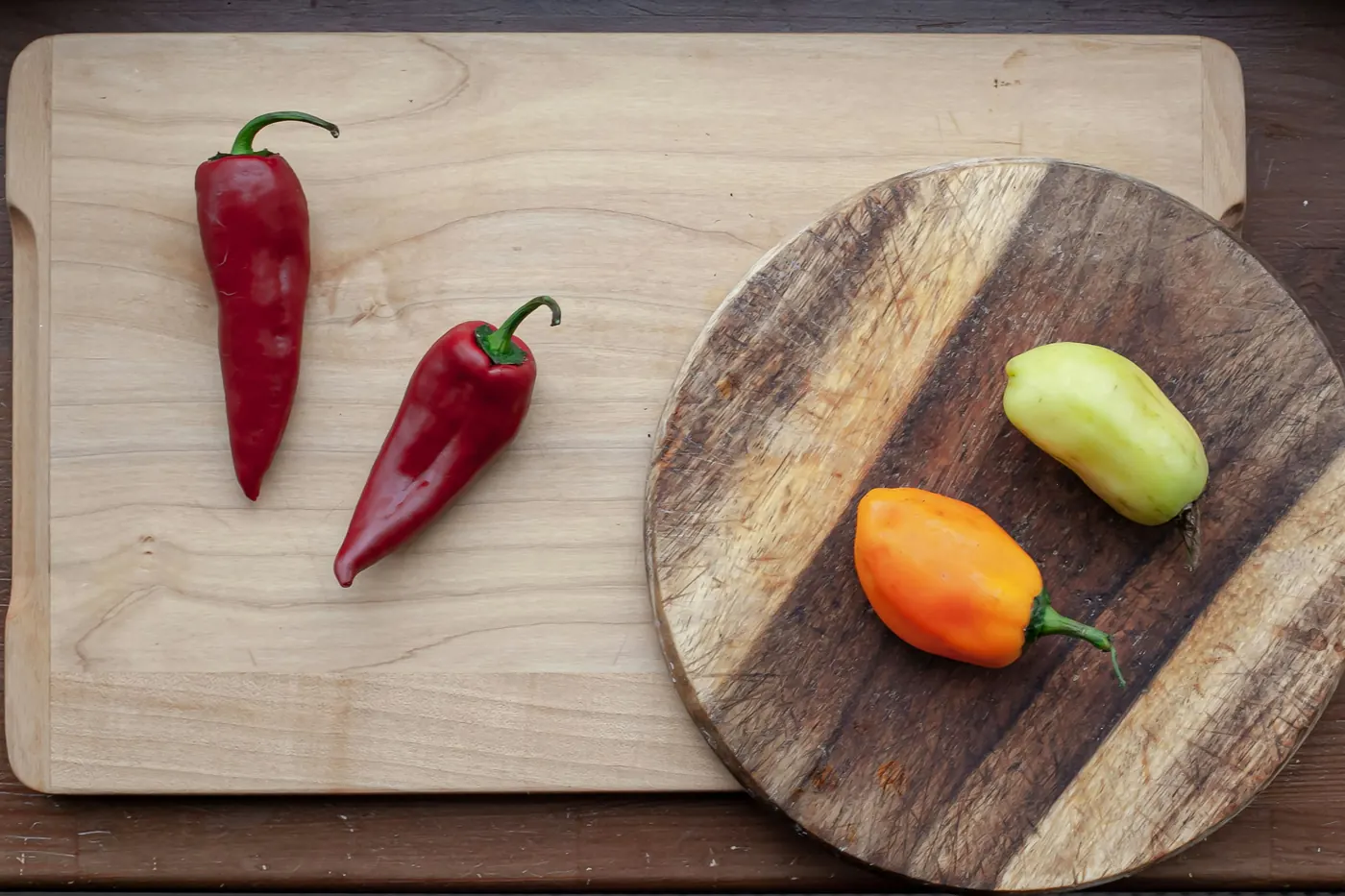
Mercer describes the knife as precision-forged from high-carbon German cutlery steel, with a triple-riveted handle and a rounded spine that is comfortable to pinch. The 3.5-inch blade sits at the length ATK found gave the most control, and Mercer’s own list of uses reads like a prep list: garnishes, deveining shrimp, trimming beans and slicing mangos. In a Mexican kitchen add stemming and seeding chiles and coring tomatoes for pico de gallo.
Care is simple but strict: Mercer says to wash it by hand with warm water and mild soap and dry it at once, and not to put it in the dishwasher. The one complaint in ATK’s review was limited knuckle room under the handle, which matters on the board more than in the hand.
Why we like it
- Winner of ATK’s paring knife review
- Forged high-carbon German steel (Mercer)
- 3.5-inch blade, the length ATK preferred
- Lifetime limited warranty (listing)
Key specifications
| Model | M23540 |
|---|---|
| Blade length | 3.5 in |
| Steel | Forged high-carbon German cutlery steel |
| Edge | Straight |
| Handle | Triple-riveted, rounded spine |
| Sheath | No |
| Dishwasher safe | No; hand wash (Mercer) |
| Warranty | Lifetime limited |
Why we recommend it
It suits almost any cook: sharp enough for fine work, sturdy enough for daily trimming, and priced like a commercial knife rather than a gift-box one.
Skip it if you want a knife you can put in the dishwasher; Mercer rules that out.
Pros and cons
Pros
- Top-rated in ATK’s review
- Forged blade at a modest price
- Comfortable rounded spine
Cons
- Limited knuckle clearance (ATK)
- Hand wash only
2. Victorinox Swiss Classic 3.25-inch Paring Knife – Light, Cheap and Dishwasher Safe

This is the small knife you see in plastic bins at restaurant supply stores, and for good reason. America’s Test Kitchen made it the Best Buy in its paring knife review, calling it an “extraordinary value for your dollar.” It was the lightest knife ATK weighed, at 21 grams, which makes it easy to work with in the hand for a long run of small jobs.
The blade is 3.25 inches with a straight edge and a spear point, and the textured handle is designed to stay non-slip even when wet, according to Victorinox. The listing calls it NSF approved and dishwasher safe, and Victorinox covers it with a lifetime warranty against manufacturer defects. ATK’s only real reservation was that the blade could be sharper.
Because it costs so little, a kitchen can keep several: one by the salsa station, one by the fruit, one for the lime wedges at the bar. The handle comes in several colors, which some cooks use to keep a knife for raw meat apart from one for produce.
Why we like it
- ATK’s Best Buy paring knife
- Lightest knife in ATK’s review (21 g)
- Non-slip handle, NSF approved (listing)
- Dishwasher safe, lifetime warranty
Key specifications
| Model | 6.7603 |
|---|---|
| Blade length | 3.25 in, spear point |
| Steel | Stainless; grade not stated |
| Edge | Straight |
| Handle | Textured, non-slip; NSF approved |
| Sheath | No |
| Dishwasher safe | Yes (listing) |
| Warranty | Lifetime, manufacturer defects |
Why we recommend it
It suits anyone who wants a capable paring knife without worrying about it: in the dishwasher, in a picnic basket or handed to a helper on taco night.
Skip it if you want the sharpest edge out of the box; ATK found the blade could be keener.
Pros and cons
Pros
- Very low cost
- Light and nimble in the hand
- Grippy when wet
Cons
- Less sharp than the winner (ATK)
- Stamped, lightweight feel
3. Wüsthof Classic 3.5-inch Paring Knife – Forged in Solingen
The Wüsthof Classic is the German kitchen knife most cooks picture: a full tang, a full bolster and a triple-riveted black handle. Wüsthof says this paring knife is forged from a single piece of high-carbon stainless steel in Solingen, Germany, and the full bolster gives the hand a stop in front of the edge.
America’s Test Kitchen rated the Classic 3½-inch paring knife Recommended, listed under an older Wüsthof model number. Its reviewers found the narrow, slightly flexible blade excelled at off-board work such as peeling, which is the job a paring knife does most when you take the skin off a mango or trim the papery husk and stem end from a tomatillo. Their complaint was the short handle, which they measured at 3.5 inches; cooks with large hands may find it cramped.
Wüsthof’s care advice is to avoid cutting on glass, ceramic or metal and to clean the knife by hand. The listing does not spell out warranty terms, so check them when you buy.
Why we like it
- Forged from one piece of steel (Wüsthof)
- Full tang and full bolster
- Narrow blade good for peeling (ATK)
- Made in Solingen, Germany
Key specifications
| Model | 1040100409 |
|---|---|
| Blade length | 3.5 in |
| Steel | Forged high-carbon stainless |
| Edge | Straight |
| Handle | Triple-riveted, full tang |
| Sheath | No |
| Dishwasher safe | No; clean by hand (Wüsthof) |
| Warranty | Not stated in listing |
Why we recommend it
It suits a cook who already owns, or wants to match, a German chef’s knife, and who does a lot of peeling and in-hand trimming.
Skip it if you have large hands; ATK found the handle short.
Pros and cons
Pros
- Classic forged construction
- Slightly flexible blade for peeling
- Widely available, well-known brand
Cons
- Short handle (ATK)
- Costs several times the Victorinox
- Warranty not stated in listing
4. Shun Classic 3.5-inch Paring Knife – Hard Steel, Fine Edge
Shun’s Classic line was, in the maker’s words, the original Japanese cutlery line introduced to the United States, and the 3.5-inch paring knife is its smallest everyday blade. Shun lists a VG-MAX steel core clad in 68 layers of Damascus stainless steel, sharpened to a 16-degree edge, and says each knife is handcrafted in Japan.
The handle is D-shaped Pakkawood, which Shun says works for both left- and right-handed cooks. A thin, hard edge like this is at its best on clean slicing: paper-thin radishes for pozole, fine slivers of serrano, or segmenting an orange. It is built for slicing, so it is not the knife for prying pits out of avocados or cutting through bone.
The listing gives a lifetime warranty and says the knife is supported by free sharpening and honing from Shun. We did not find an independent review of this exact knife; ATK reviewed the cheaper Shun Sora paring knife and rated it Recommended with Reservations, citing a thick spine that wedged into food, so do not assume that verdict carries over to the Classic.
Why we like it
- VG-MAX core with Damascus cladding (Shun)
- 16-degree edge for clean slices
- Free sharpening and honing (listing)
- Lifetime warranty
Key specifications
| Model | DM0700 |
|---|---|
| Blade length | 3.5 in |
| Steel | VG-MAX core, 68-layer Damascus cladding |
| Edge | Straight, 16 degrees |
| Handle | D-shaped Pakkawood |
| Sheath | No |
| Dishwasher safe | Not stated in listing |
| Warranty | Lifetime; free sharpening and honing |
Why we recommend it
It suits a cook who enjoys a fine Japanese edge and will hand-wash and store the knife carefully, or anyone buying a paring knife as a gift.
Skip it if your paring knife gets used for prying, twisting or scraping; a thin hard edge can chip under that kind of work.
Pros and cons
Pros
- Fine, acute edge
- Handsome Damascus blade
- Maker sharpening service
Cons
- Premium price
- No independent review of this model found
- Needs gentler handling than German steel
5. Kuhn Rikon Colori 4-inch Paring Knives with Sheaths – Covered Blades for the Drawer
A loose paring knife in a drawer is how tips get bent and fingers get cut. Kuhn Rikon’s Colori knives solve that with a matching plastic sheath for each blade, and this listing is a set of three straight-edged 4-inch paring knives in red, yellow and blue.
Kuhn Rikon describes the blades as hand-ground Japanese stainless steel with a nonstick coating that helps food release, which is handy with sticky jobs like slicing tomatillos or cutting dates. The handles are contoured for grip, and the sheaths make the knives easy to pack for a cookout or a beach day where someone always needs to cut limes.
The three colors also make a simple color-coding system: one knife for produce, one for cheese, one for anything raw. The listing gives a one-year guarantee against defects in materials or manufacturing, shorter than most knives here, and this set’s listing does not say whether the knives are dishwasher safe. The coating will wear over time, which is the usual trade-off with coated blades.
Why we like it
- Sheath for each knife (listing)
- Nonstick-coated Japanese stainless blades
- Three colors for color-coding
- Easy to pack for cookouts
Key specifications
| Model | 2847 (set of three) |
|---|---|
| Blade length | 4 in |
| Steel | Japanese stainless, nonstick coated |
| Edge | Straight |
| Handle | Contoured plastic, color-matched |
| Sheath | Yes, one per knife |
| Dishwasher safe | Not stated in listing |
| Warranty | 1 year, defects |
Why we recommend it
It suits a household that stores knives in a drawer, or anyone who needs a paring knife for a picnic, a camping trip or a tailgate.
Skip it if you want one knife built to last decades; a coated blade with a one-year warranty is a different kind of tool.
Pros and cons
Pros
- Sheaths protect tips and fingers
- Three knives in one listing
- Food releases from the coating
Cons
- One-year warranty only
- Coating can wear
- 4-inch blade is less nimble than 3 inches
6. Global Classic 3.5-inch Paring Knife – One of ATK’s Sharpest

Global’s knives are recognisable at a glance by their seamless stainless steel look and dimpled handles. The Global Classic paring knife, model GS-38, is a 3.5-inch Western-style paring knife according to the listing, which describes it as made for paring, peeling and coring.
America’s Test Kitchen rated it Recommended and called it “one of the sharpest blades we evaluated.” The reviewers had two complaints: the handle was short for large hands, and the grip divots in the handle trapped bits of food, which means a little more scrubbing after you seed a pile of chiles.
The listing gives a limited lifetime warranty but does not name the steel or say whether the knife is dishwasher safe. If you want a very sharp, light knife and you have average or small hands, it is a strong choice; if you have big hands, the Zwilling below has a longer handle.
Why we like it
- Among the sharpest in ATK’s review
- 3.5-inch blade for control
- Limited lifetime warranty (listing)
Key specifications
| Model | GS-38 |
|---|---|
| Blade length | 3.5 in |
| Steel | Stainless; grade not stated in listing |
| Edge | Straight |
| Handle | Molded, dimpled grip |
| Sheath | No |
| Dishwasher safe | Not stated in listing |
| Warranty | Limited lifetime |
Why we recommend it
It suits a cook who values a keen edge above all and likes a light, modern knife.
Skip it if you have large hands or hate cleaning textured handles; ATK flagged both.
Pros and cons
Pros
- Very sharp (ATK)
- Light and easy to steer
- Lifetime warranty
Cons
- Short handle (ATK)
- Grip dimples trap food (ATK)
- Listing is thin on specifications
7. Zwilling Four Star 4-inch Paring Knife – Bolster and Long Handle

Zwilling’s Four Star line pairs a forged blade with a molded polypropylene handle that is bonded to the tang rather than riveted, so there are no gaps for food to collect. Zwilling says the blade is forged from a single piece of its special formula high-carbon “NO STAIN” stainless steel and ice-hardened by its FRIODUR process.
Zwilling is one of the few makers that publishes numbers in its listing: 57 on the Rockwell hardness scale and an edge angle of 15 degrees per side. The blade is 4 inches, a little longer than our top picks, which helps when you halve a large tomato or a mango on the board, and gives a little less fine control in the hand.
ATK did not review the Four Star, but it did review Zwilling’s Pro 4-inch paring knife and found that its tall heel and long handle suited large hands, while the longer blade was less precise for fine tasks. That is a fair guide to who will like a 4-inch Zwilling. The listing says the knife is dishwasher safe, with hand washing recommended, and that it is made in Germany.
Why we like it
- 57 HRC and 15 degrees per side (Zwilling)
- Seamless molded handle
- Dishwasher safe, hand wash recommended
- Made in Germany
Key specifications
| Model | 1001533 |
|---|---|
| Blade length | 4 in |
| Steel | High-carbon NO STAIN stainless, FRIODUR, 57 HRC |
| Edge | Straight, 15 degrees per side |
| Handle | Molded polypropylene, bolster |
| Sheath | No |
| Dishwasher safe | Yes; hand wash recommended |
| Warranty | Not stated in listing |
Why we recommend it
It suits cooks with big hands and anyone who does more paring on the board than in the hand.
Skip it if most of your work is fine in-hand detail; a 3- to 3.5-inch blade gives more control.
Pros and cons
Pros
- Published hardness and edge angle
- No gaps in the handle
- Roomier grip
Cons
- Longer blade, less precise in the hand
- Warranty not stated in listing
8. OXO Good Grips 3.5-inch Paring Knife with Locking Sheath – Soft Grip, Safe Storage

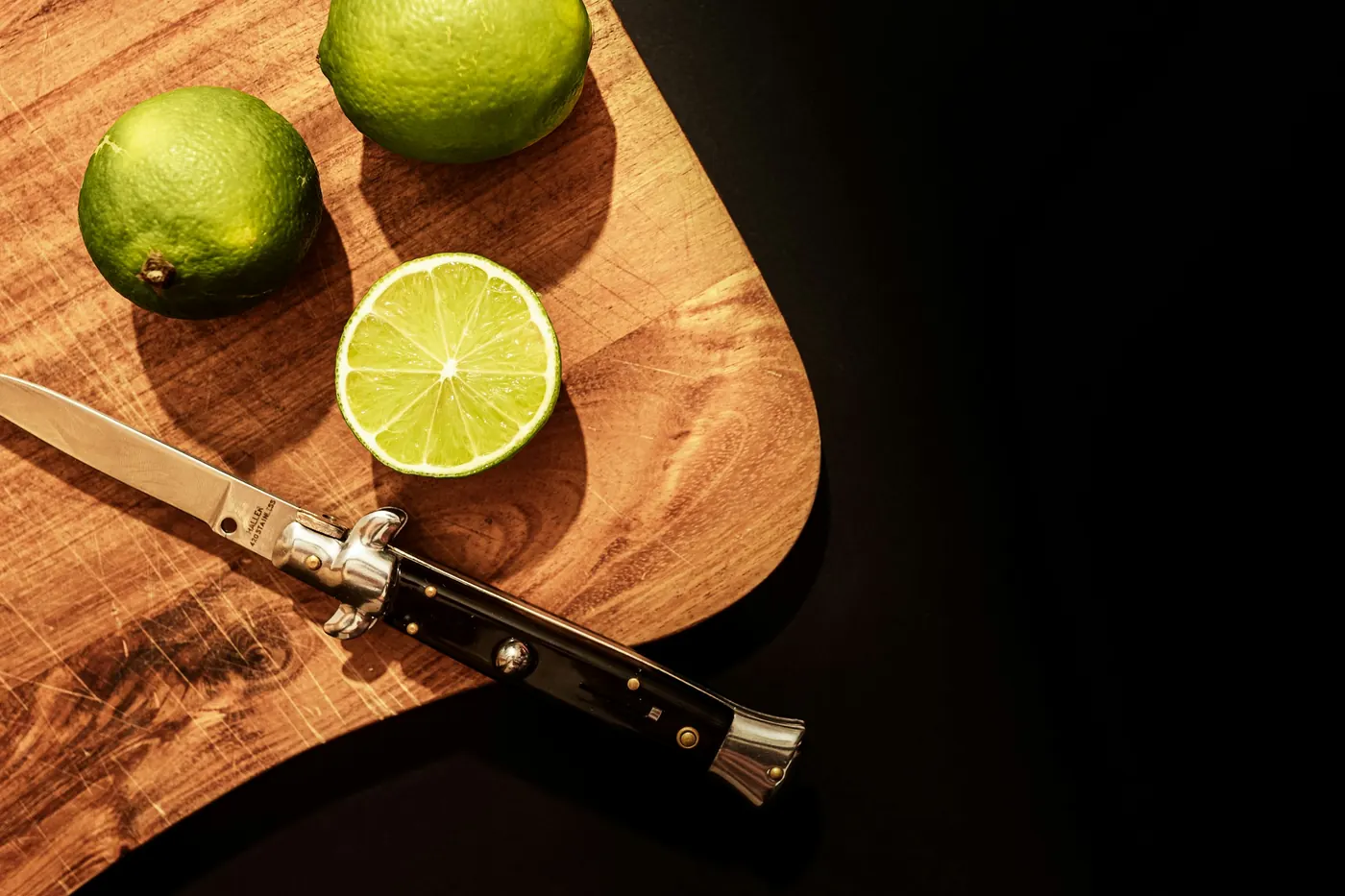
OXO built its name on soft, non-slip handles, and this paring knife pairs one with a locking sheath. The blade is 3.5 inches of stainless steel, and OXO says the sheath is designed to protect the edge, allow compact storage and reduce the risk of cuts.
The handle is the reason to choose it. A cushioned, non-slip grip is easier on the hand during a long session of peeling potatoes or trimming green beans, and it is reassuring for anyone who finds a hard plastic or wooden handle slippery. OXO also pitches the knife as light and compact for picnics and backyard cooking.
The listing is clear that this knife is hand wash only. It does not state the steel grade or warranty terms. Think of it as a comfortable, safe everyday knife rather than a performance blade.
Why we like it
- Locking sheath included (OXO)
- Soft, non-slip grip
- Light and compact
Key specifications
| Model | 11439800 |
|---|---|
| Blade length | 3.5 in |
| Steel | Stainless; grade not stated |
| Edge | Straight |
| Handle | Non-slip Good Grips handle |
| Sheath | Yes, locking |
| Dishwasher safe | No; hand wash only |
| Warranty | Not stated in listing |
Why we recommend it
It suits cooks with sore hands or a weak grip, and kitchens where a knife has to live in a drawer with other tools.
Skip it if you want published steel specifications or a long warranty; the listing gives neither.
Pros and cons
Pros
- Comfortable cushioned handle
- Locking sheath
- Good for picnics
Cons
- Hand wash only
- Few specifications published
9. Victorinox Swiss Classic 3.25-inch Serrated Paring Knife – Bites Through Tomato Skins

A small serrated knife does a job a straight paring knife only does well when it is freshly sharpened: getting through a slick skin without crushing what is underneath. Victorinox says this wavy-edged knife slices soft-skinned fruits and vegetables such as tomatoes and kiwis without squashing the insides.
That makes it a salsa knife. Ripe Romas and tomatillos, limes, plums and peaches all have skins that a dull straight edge slides on. The blade is the same 3.25-inch spear-point shape as our budget pick, and the Swiss Classic handle is contoured for a sure grip when wet, according to Victorinox.
The listing calls it dishwasher safe and gives a lifetime warranty against defects in material and workmanship. The catch with any serrated paring knife is that it is hard to sharpen at home, and it will not peel as cleanly as a straight edge. Most cooks buy it as a second paring knife rather than the only one. America’s Test Kitchen’s older review of serrated paring knives named Wüsthof’s and Victorinox’s models its favorites for small-knife tasks.
Why we like it
- Wavy edge for tomato and fruit skins (Victorinox)
- Dishwasher safe (listing)
- Lifetime warranty, defects
Key specifications
| Model | 6.7633 |
|---|---|
| Blade length | 3.25 in, spear point |
| Steel | Not stated in listing |
| Edge | Serrated (wavy) |
| Handle | Contoured Swiss Classic |
| Sheath | No |
| Dishwasher safe | Yes (listing) |
| Warranty | Lifetime, defects |
Why we recommend it
It suits anyone who makes a lot of fresh salsa or cuts soft fruit, as a partner to a straight paring knife.
Skip it if you want one knife for everything; a serrated edge is poor for peeling and hard to resharpen.
Pros and cons
Pros
- Grips slick skins
- Very inexpensive
- Goes in the dishwasher
Cons
- Not for peeling
- Hard to sharpen at home
How to choose a paring knife for prep work
A paring knife does small, precise work, often off the board with the food in your other hand. These are the points that decide whether it does that well.
1. Blade length: three to three and a half inches
Most paring knives run from about 3 to 4 inches. America’s Test Kitchen found that 3 to 3.5 inches “gave us a bit more control and precision” when slicing, peeling and hulling, while longer blades handle bigger food on the board at the cost of control in the hand. For stemming chiles and coring tomatoes, a short blade wins.
2. A thin, sharp blade
Sharpness was the main thing separating good and bad knives in ATK’s review, and a thin spine mattered almost as much: the reviewers looked for spines under 1.5 mm and found thicker ones wedged into apples, cheese and shallots. A thin blade can also flex slightly, which helps when you follow the curve of a fruit while peeling.
3. Straight or serrated edge
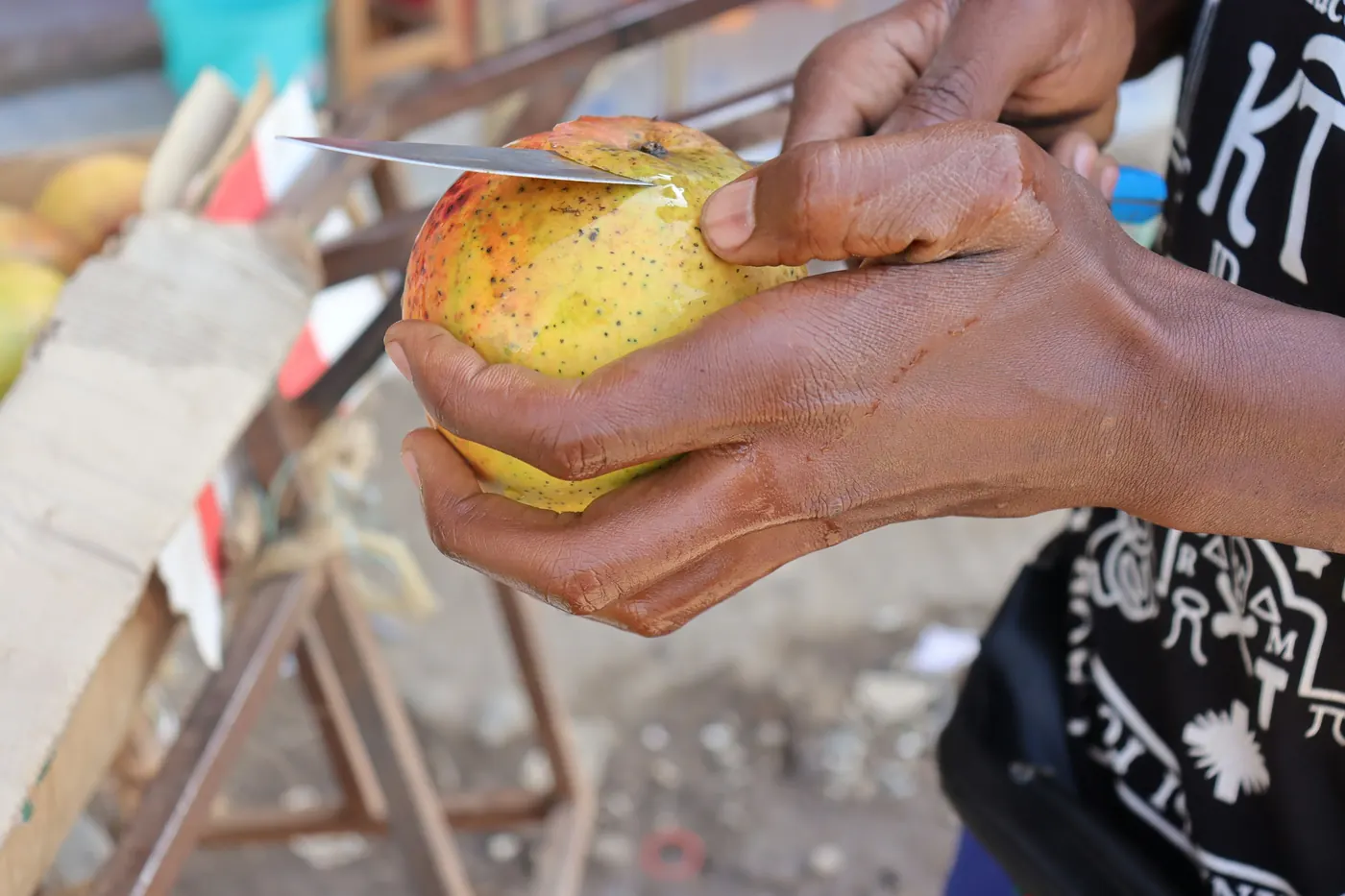
A straight edge peels, trims and makes clean cuts, and it is easy to sharpen. A serrated edge grips slippery skins such as tomatoes and limes and stays useful longer between sharpenings, but it cannot be honed at home easily and leaves a rougher cut. Start with a straight knife; add a serrated one if you make a lot of salsa.
4. Point shape, and the bird’s beak
Most picks here have a spear point, a symmetrical tip that suits both board and in-hand work. A sheep’s-foot blade has a blunt, rounded tip and is best on the board. A bird’s beak, or tourné, knife, such as Shun’s 2.5-inch Classic, has a short blade curved like a hook. It is designed for turning vegetables and cutting decorative shapes, and it is a specialist tool: good for peeling round fruit in one curl, awkward for coring a tomato or slicing a jalapeño on the board. We have not included one as a pick for that reason.
5. A grippy handle
ATK preferred handles about 4 inches long and textured enough to stay grippy when wet. That matters in a Mexican kitchen, where your hands are usually wet from tomatoes, limes or soaking chiles. Short handles, like the Wüsthof’s and Global’s, can feel cramped in big hands.
6. Storage and care
A paring knife’s thin tip bends or snaps easily if it rattles around a drawer, so use a block, a magnetic strip or a sheath like those on the Kuhn Rikon and OXO knives. Check the maker’s dishwasher advice: Victorinox and Zwilling allow it, while Mercer, Wüsthof and OXO say hand wash only. Hand washing and drying straight away is kinder to any edge.
How we chose these nine paring knives
We started from what a prep station needs from a small knife: a sharp edge, control in the hand, a grip that holds when wet and care that suits a busy kitchen. We looked for paring knives from established makers sold on Amazon in the United States, kept only knives showing as in stock when we checked, and confirmed each specification against the maker’s Amazon listing. Steel, hardness and edge angle are given only where the maker states them; where a listing is silent we write “Not stated”. We read America’s Test Kitchen’s paring knife review and its older serrated paring knife review and cite them by name, noting when ATK reviewed a different model. We could not access Wirecutter’s coverage and did not read Serious Eats’ for this page, and we have not used these knives ourselves for this guide.
We left out the Opinel No. 112, which ATK rated Not Recommended for a dull blade and a bolster that leaves part of the edge unusable, and the Mercer Millennia 3-inch slim knife, which ATK recommended but which overlaps with our top pick. Several Opinel, Zwilling and Global listings showed low stock and were skipped.
A paring knife at the salsa station
- Fresh chiles: cut off the stem end, slice the chile in half lengthwise and run the tip of the knife under the seeds and white veins to lift them out. It is the usual way to trim a jalapeño for a milder salsa. Wear gloves for habaneros.
- Dried chiles: snip or cut off the stem, slit the chile open with the tip and shake out the seeds before toasting. Our guide to Mexican chiles explains which dried chiles go where.
- Tomatoes: push the tip in at an angle beside the stem scar and turn the tomato against the blade to lift out a small cone. For salsa roja or a cooked salsa, that is all the coring you need; see salsa roja vs salsa verde for how the two are made.
- Tomatillos: pull off the husks, rinse off the sticky coating and trim the hard stem end with the tip of the knife.
- Limes: cut off both ends, then cut wedges from the sides around the core, so the wedges squeeze cleanly without seeds.
Paring knife questions, answered
What is the best paring knife brand?
There is no single best brand. Mercer Culinary made ATK’s winning paring knife and Victorinox its Best Buy, both at low prices. Wüsthof and Zwilling are the best-known forged German makers, and Shun and Global make well-regarded Japanese knives. Choose the knife, not the logo.
What is the best paring knife for the money?
The Victorinox Swiss Classic 3.25-inch, which ATK called an “extraordinary value for your dollar.” If you can spend a little more, the Mercer Renaissance is a forged knife at a modest price and was ATK’s overall winner.
Which paring knife does America’s Test Kitchen recommend?
ATK’s current paring knife review names the Mercer Culinary Renaissance as its winner, the Suisin Inox as its upgrade pick, and the Victorinox Swiss Classic as its Best Buy. It also recommends the Wüsthof Classic, Global Classic, Zwilling Pro and others, with reservations about handle length on some.
What does Wirecutter or Serious Eats recommend?
We could not access Wirecutter’s paring knife review and did not read Serious Eats’ coverage for this guide, so we cannot report their picks. The independent review we did read is America’s Test Kitchen’s.
Is a paring knife worth it if I have a good chef’s knife?
Yes. A chef’s knife is the board knife; a paring knife does the in-hand jobs a long blade makes awkward and unsafe, such as hulling, coring, peeling and seeding. ATK counts it among the three knives most home cooks need, with a chef’s knife and a serrated bread knife.
How long does a paring knife last?
A well-kept steel paring knife can last for many years. Store it so the tip is protected, wash and dry it by hand, and sharpen it when it starts to slide on tomato skin. Most makers here back their knives with a lifetime warranty against defects, though Kuhn Rikon gives one year.
Our final pick for small kitchen jobs
Buy the Mercer Culinary Renaissance if you want one paring knife that does everything well, and the Victorinox Swiss Classic if you want to spend very little or keep several around the kitchen. Choose the Wüsthof Classic for a forged German knife, the Shun Classic for a fine Japanese edge, and the Kuhn Rikon Colori set when the knives need sheaths.
Carrying it in a drawer or bag? See our guide to the best paring knives with a sheath.
On a budget? See our guide to the best budget paring knives.
Like Japanese steel? See the best Japanese paring knives.
Related guide: Paring knife vs chef knife.
A paring knife is one piece of a working kitchen; our Mexican cooking tools guide covers the rest of the kit, from the comal to the molcajete. And when you would rather someone else stemmed the chiles, see the menu or call to order.