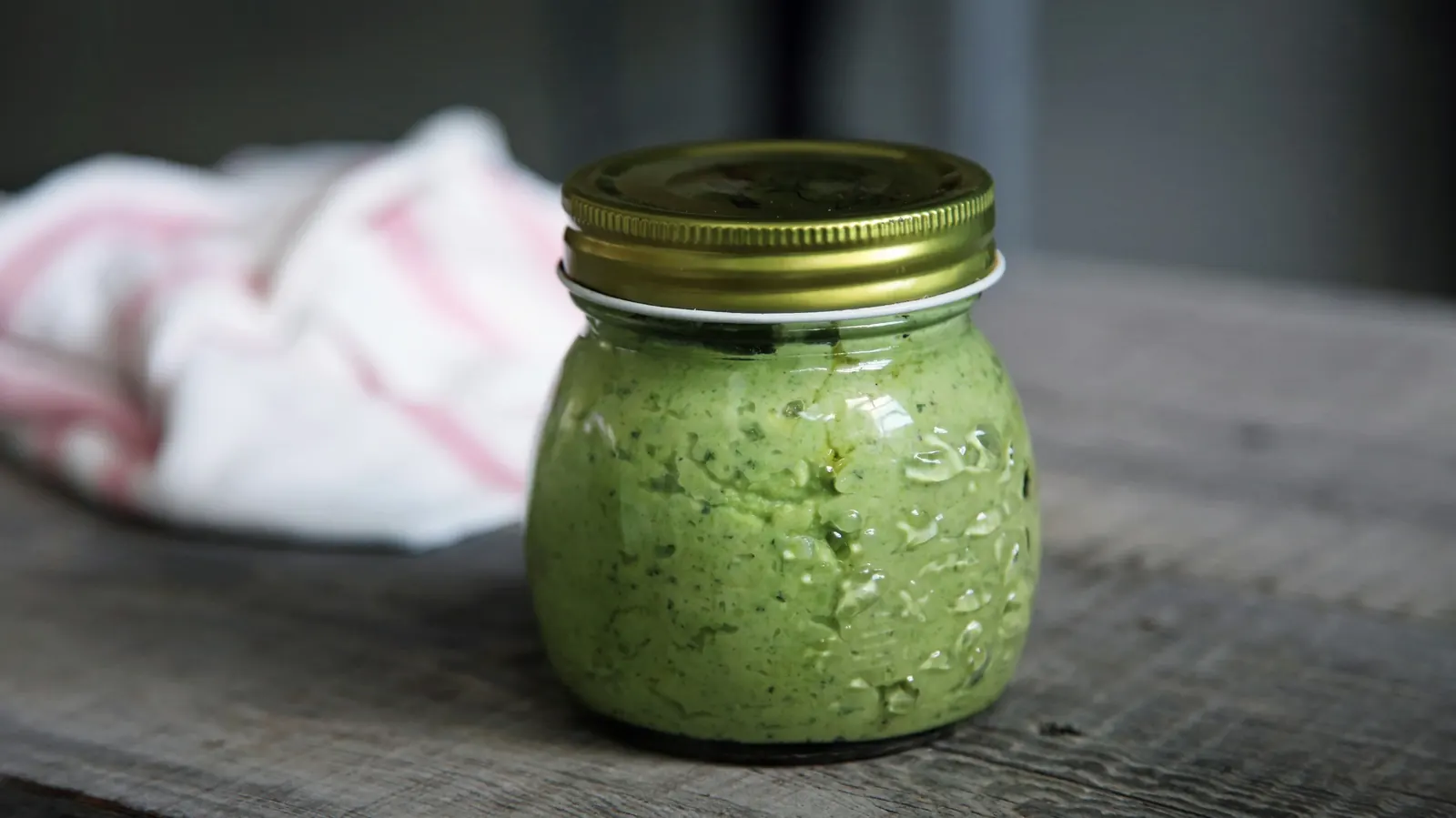
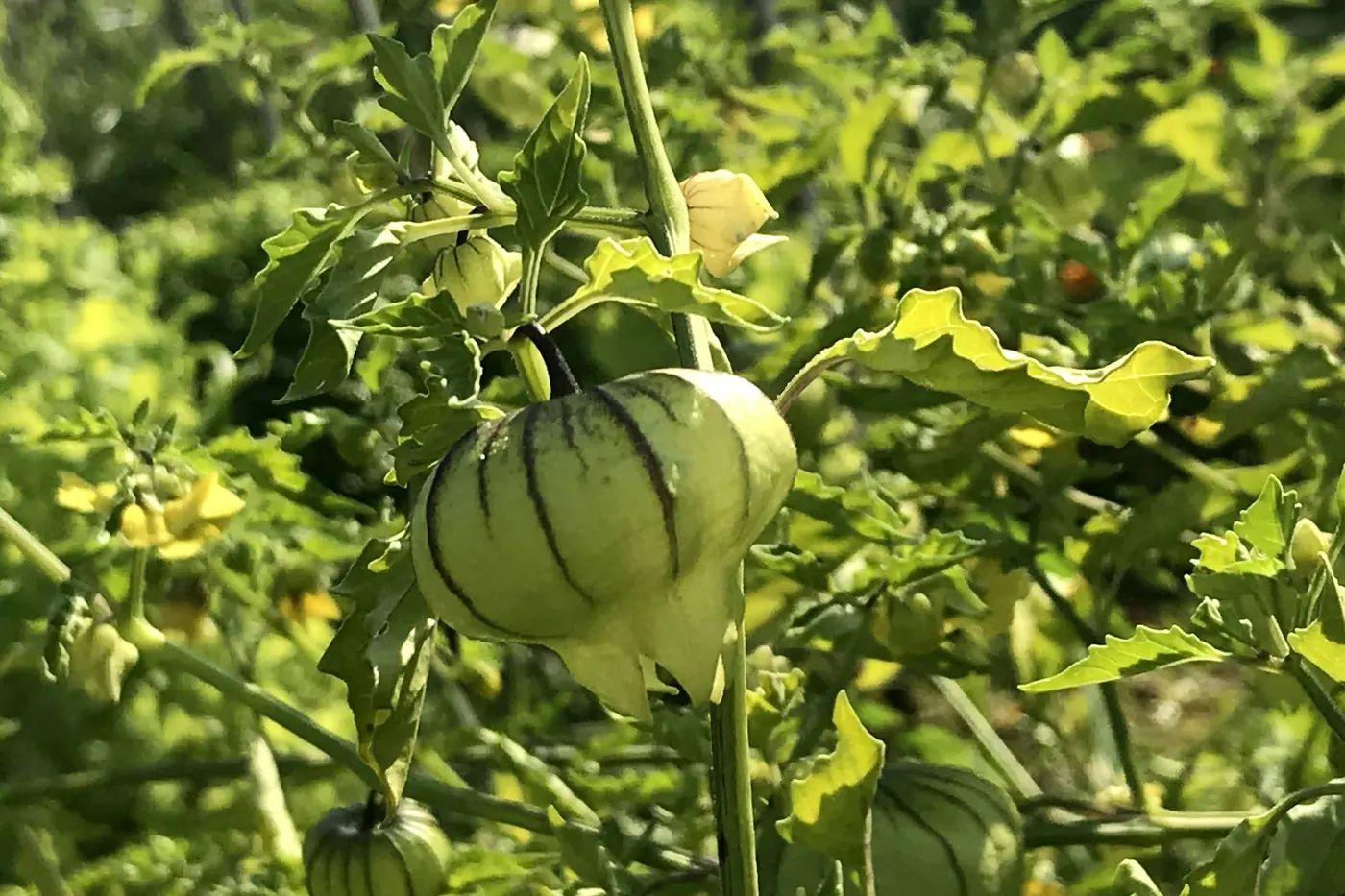
Salsa verde is the workhorse of the Mexican kitchen. The red salsa goes on the table with chips; the green one goes into the pan. It is the sauce for enchiladas verdes, the bath for chilaquiles in the morning, the braising liquid for pork or chicken and the spoonful over fried eggs. It is built on tomatillos, the tart green fruit in a papery husk, with green chiles, onion, garlic and cilantro, and when it is cooked it turns from bright green to olive and from sharp to rounded.
Our best jarred salsa guide named one verde among eight salsas of every kind. This guide goes deeper on green salsa alone: eight jars and cans, from simple boiled verdes to fire-roasted ones, from mild to properly hot, with what each label says about tomatillos, chiles, thickeners and salt, and which one to reach for when you are cooking rather than dipping.
Julia’s earns a commission on purchases made through links on this page, at no cost to you. Recommendations are based on what a working Mexican kitchen looks for in a salsa verde, the makers’ own ingredient lists and Amazon listings, and retailer nutrition panels where the listing gives few details, which we note.
Quick verdict: which jarred salsa verde to buy
For most kitchens, the best jarred salsa verde is La Costeña Salsa Verde: a short, eight-ingredient tomatillo salsa from Mexico with no added sugar, starch or preservatives, loose enough to become an enchilada or chilaquiles sauce. For a charred, smoky verde, choose Casa Martinez Salsa Tatemada. For a small can that goes straight into a recipe, Herdez Salsa Verde; for Hatch green chile flavor, 505 Southwestern; and for children or mild palates, Cholula Salsa Verde.
The rest of this page explains why, and how to match a jar to the way you cook with green salsa.
Five green salsas compared
Our five standout picks side by side, one for each kind of cook, with the style, heat and sodium each maker or label states. All eight salsas verdes are reviewed in full below.
| Salsa verde | Best for | Style & heat | Sodium (as listed) | Buy on Amazon |
|---|---|---|---|---|

La Costeña Salsa Verde, 16.7 oz, 4-PackBest overall
|
Enchiladas verdes, chilaquiles | Cooked tomatillo verde, medium | 105 mg per 1 Tbsp | View on Amazon |

Casa Martinez Salsa Tatemada Green, 16 oz, 3-PackBest fire-roasted
|
Charred flavor, tacos and dipping | Tatemada (charred) verde, medium | Not stated in listing | View on Amazon |

Herdez Salsa Verde, Mild, 7 oz CanBest for recipes
|
One recipe, no leftovers | Tomatillo and green chile, mild | 230–270 mg per 2 Tbsp | View on Amazon |

505 Southwestern Salsa Verde, 16 oz, 3-PackBest Hatch chile
|
New Mexico green chile flavor | Tomatillo and roasted Hatch chile, medium | Not stated in listing | View on Amazon |

Cholula Salsa Verde, Mild, 12 ozBest mild
|
Children, mild palates, dipping | Tomatillo, jalapeño and poblano, mild | 260 mg per 2 Tbsp | View on Amazon |
Product images from Amazon. Heat levels are each maker’s own label. Sodium is as printed on the listing or on retailer nutrition panels; serving sizes differ (La Costeña uses 1 tablespoon), panels sometimes disagree, and recipes change, so check the jar or can you receive.
Our picks for the best jarred salsa verde
These eight cover the real choices in green salsa: a simple cooked verde, a charred tatemada, a serrano verde from Mexico, a small can for recipes, a roasted asada verde, a Hatch chile verde, a mild family verde and a case of cans for the pantry. For each one we give the chiles, the thickener if there is one, the sodium as labeled and how to store it once open.
1. La Costeña Salsa Verde, 16.7 oz, 4-Pack – Short Recipe, Made for Cooking
La Costeña is a Mexican pantry brand, and its salsa verde is the one we also chose as the green salsa in our general jarred salsa guide. The reason holds up on a closer look at the label. The listing gives the whole recipe: tomatillos, jalapeños, onions, salt, coriander (dried cilantro), chile de árbol, tartaric acid and garlic. There is no starch or gum, no added sugar and, the listing says, nothing artificial and no preservatives. Tartaric acid is there for acidity, which a shelf-stable salsa needs.
That missing thickener matters more in a verde than in a red salsa. A starch-thickened green salsa can turn gluey when it is simmered, while a plain tomatillo salsa reduces the way a homemade one does. Fry a bottle in a spoonful of oil for a minute or two, thin it with chicken broth and you have the sauce for enchiladas verdes or a pan of chilaquiles. The listing calls the heat “spicy, but not hot”, with jalapeño for heat and árbol for depth.
Retailer nutrition panels give 105 mg of sodium per 1-tablespoon serving, so about 210 mg per 2 tablespoons, in line with most jars here. The pack is four 16.7-ounce recyclable glass bottles; the listing says no refrigeration is needed before opening, and retailer listings say to refrigerate after opening and give Mexico as the country of origin.
Why we like it
- Eight ingredients, tomatillos first, per the listing
- No starch, gum, added sugar or preservatives listed
- Reduces into a sauce like homemade verde
- Made in Mexico, per retailer listings
Key specifications
| Style | Cooked tomatillo salsa verde |
|---|---|
| Heat (as labeled) | Medium (“spicy, but not hot”) |
| Size | 4 bottles, 16.7 oz each |
| Main ingredients | Tomatillos, jalapeños, onions, salt, coriander, chile de árbol, tartaric acid, garlic |
| Sodium (as listed) | 105 mg per 1 Tbsp (retailer panels) |
| Diet | Gluten-free, fat-free, no added sugar (listing) |
| Storage after opening | Refrigerate (retailer listings) |
| Made in | Mexico (retailer listings) |
Why we recommend it
Choose it if you cook with salsa verde more than you dip into it and want a jar whose ingredient list reads like a home recipe.
Skip it if you only want to try one bottle; it is sold here as a four-pack, and it is thin rather than chunky.
Pros and cons
Pros
- Simple, thickener-free recipe
- Good cooking base
- Glass bottles
Cons
- Four-pack only in this listing
- Loose texture for dipping
- Small serving size on the panel
2. Casa Martinez Salsa Tatemada Green, 16 oz, 3-Pack – Charred Tomatillos and Two Chiles
Tatemada means charred: the tomatillos, onion and chiles are blackened over a flame before they are blended, the way many Mexican cooks make salsa verde on a comal. It gives a smoky, slightly sweet green salsa that is darker than a boiled verde. Casa Martinez is a family-owned brand whose founders came from Sinaloa, Mexico, and built the business in Arizona, according to Tasting Table, which ranked this salsa first of nine store-bought salsas verdes in its own taste comparison.
The Amazon listing gives only the product name, so the details here come from retailer listings. They give the ingredients as tomatillo, water, onion, jalapeño and serrano peppers, corn starch, salt, vinegar, cilantro and garlic, and describe the salsa as medium, with no preservatives or added sugar and gluten-free. Two chiles make it a little sharper than a jalapeño-only verde; serrano has a cleaner, brighter heat. Sodium figures in nutrition databases disagree, and the listing does not give one, so read the jar.
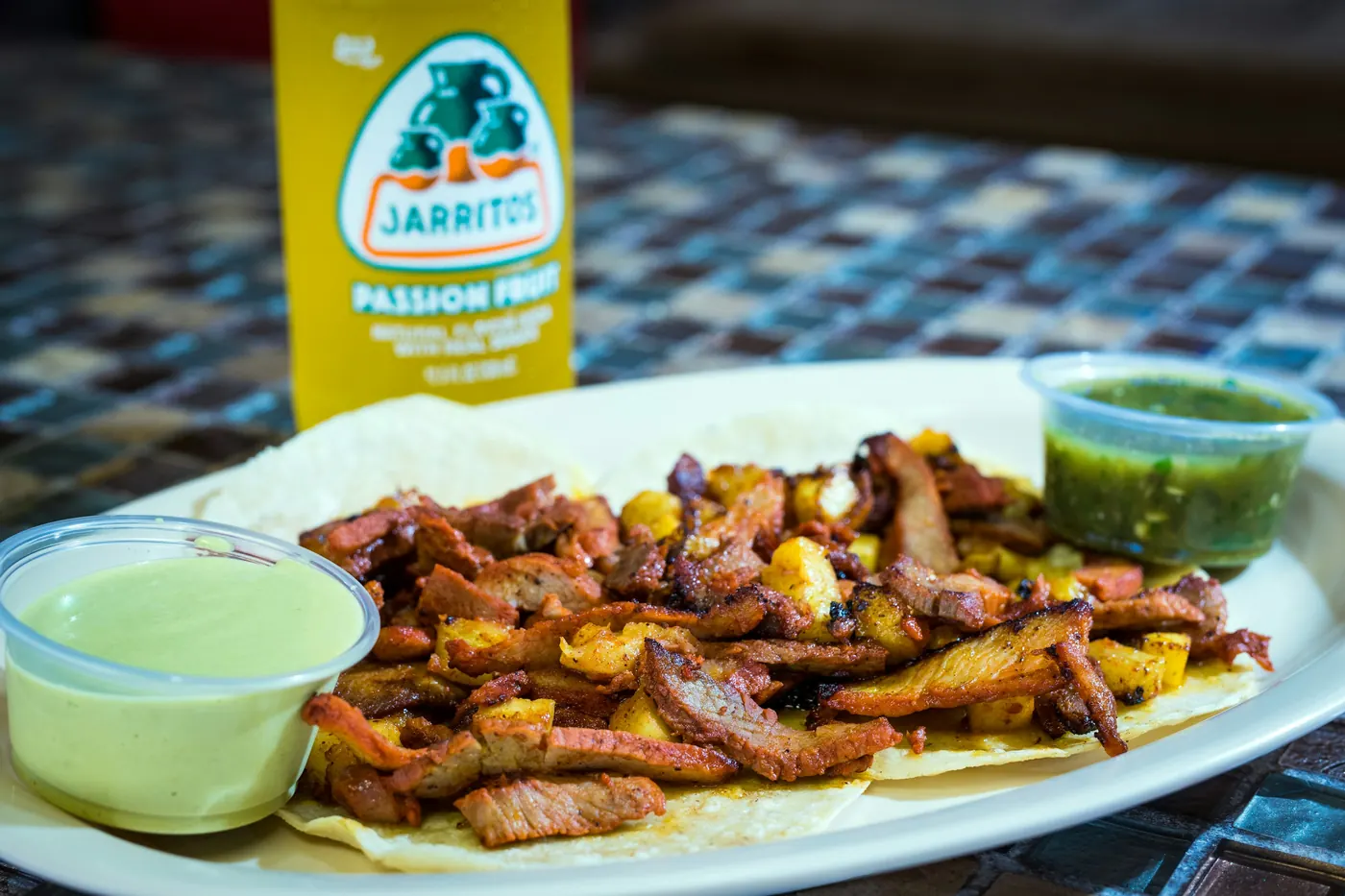
Because it is thickened with a little corn starch and already roasted, it sits better on a chip than a plain cooked verde and needs no extra work on tacos al pastor, carnitas or grilled chicken. For enchiladas it makes a smoky sauce; thin it with broth first. The listing is three 16-ounce jars.
Why we like it
- Fire-roasted (tatemada) tomatillos and chiles
- Jalapeño and serrano, per retailer listings
- No preservatives or added sugar, per retailer listings
- Ranked first of nine verdes by Tasting Table
Key specifications
| Style | Tatemada (fire-roasted) salsa verde |
|---|---|
| Heat (as labeled) | Medium (retailer listings) |
| Size | 3 jars, 16 oz each |
| Main ingredients | Tomatillo, water, onion, jalapeño, serrano, corn starch, salt, vinegar, cilantro, garlic |
| Sodium (as listed) | Not stated in listing |
| Diet | Gluten-free, no added sugar (retailer listing) |
| Storage after opening | Not stated in listing; refrigerate once opened |
| Made in | Not stated |
Why we recommend it
Choose it if you like the smoky, charred taste of a comal-roasted verde and want a green salsa that works straight from the jar.
Skip it if you want every fact on the listing itself; the Amazon page is bare, and the details come from retailers.
Pros and cons
Pros
- Roasted, smoky flavor
- Two-chile heat
- Body for dipping
Cons
- Listing gives almost no details
- Contains corn starch
- Sodium figures conflict between sources
3. Frontera Tomatillo Salsa, Medium, 16 oz, 6-Pack – Serrano Verde From Mexico

Frontera, the line of salsas that chef Rick Bayless co-founded in the 1990s, makes its tomatillo salsa with both raw and fire-roasted tomatillos. The Amazon listing is brief: six 16-ounce jars, medium, gluten-free and a product of Mexico. Retailer labels fill in the rest. They list tomatillos, water, onions, fire-roasted tomatillos and serrano peppers first, then, at under 2 percent, salt, garlic puree, cane sugar, lime juice concentrate, cilantro, canola oil and xanthan gum.
Serrano is the chile that sets this one apart. It is smaller and hotter than a jalapeño, with a grassy, clean heat that suits green salsa. Combining raw and roasted tomatillos gives a verde that is still bright but has some depth. Retailer panels give 170 mg of sodium per 2-tablespoon serving (some databases show 150 mg), which is one of the lower figures among the verdes here, and one retailer lists it as Non-GMO Project Verified.
Use it as a table salsa for tacos and chips, or warm it with shredded chicken for tinga-style tacos verdes. It is thick enough from the xanthan gum to hold on a chip but still pours. Six jars is a lot, so this listing is for households that go through a jar a week or that like to keep a stock in the cupboard.
Why we like it
- Raw and fire-roasted tomatillos
- Serrano heat, per retailer labels
- Product of Mexico, per the listing
- About 170 mg sodium per 2 Tbsp on retailer panels
Key specifications
| Style | Tomatillo salsa with roasted tomatillos |
|---|---|
| Heat (as labeled) | Medium |
| Size | 6 jars, 16 oz each |
| Main ingredients | Tomatillos, water, onions, fire-roasted tomatillos, serrano, garlic, lime, cilantro |
| Sodium (as listed) | 170 mg per 2 Tbsp (retailer panels) |
| Diet | Gluten-free (listing); Non-GMO Project Verified (retailer) |
| Storage after opening | Not stated in listing; refrigerate once opened |
| Made in | Mexico (listing) |
Why we recommend it
Choose it if you want a brighter, serrano-hot table verde with a roasted note, from a brand known for cooked Mexican salsas.
Skip it if you want a single jar or no sugar at all; this is a six-pack, and the label includes a little cane sugar.
Pros and cons
Pros
- Serrano flavor
- Lower sodium than most
- Made in Mexico
Cons
- Six jars at once
- Small amount of cane sugar
- Thin Amazon listing; details from retailers
4. Herdez Salsa Verde, Mild, 7 oz Can – The Right Size for One Recipe
Herdez salsa verde is the green salsa found in almost every supermarket’s Mexican aisle, and this small can is the format many recipes are written around: one can, one pan of enchiladas or one batch of chile verde. The listing describes it as tomatillos and green chile with a mild heat, about 10 calories per serving, and suggests it for chicken, pork, seafood and chilaquiles.
Retailer labels give the ingredients as tomatillos, green chile peppers, onions, iodized salt, cilantro and xanthan gum. That is a short list, and the small amount of gum keeps it from separating. Sodium on the panels runs 230 mg per 2 tablespoons for the 16-ounce jar and 270 mg on one listing for the can, so it is on the saltier side; season the rest of the dish with that in mind.
The can is the point. A 7-ounce can holds just under a cup, about what you need to sauce a few enchiladas or simmer a pound of shredded chicken. There is no half-used jar left in the fridge. If you do have some left, move it to a covered glass or plastic container before refrigerating; do not store food in the opened can. For a crowd, Herdez also sells a 68-ounce jug, though its listing mixes up the details of its regular and roasted verdes.
Why we like it
- Short label: tomatillos, green chile, onion, salt, cilantro
- Mild, per the listing
- 7 oz can suits one recipe
- Widely sold and easy to replace
Key specifications
| Style | Cooked tomatillo and green chile salsa |
|---|---|
| Heat (as labeled) | Mild |
| Size | 7 oz can |
| Main ingredients | Tomatillos, green chile peppers, onions, iodized salt, cilantro, xanthan gum |
| Sodium (as listed) | 230–270 mg per 2 Tbsp (retailer panels differ) |
| Diet | Not stated in listing |
| Storage after opening | Not stated; move to a covered container and refrigerate |
| Made in | Not stated |
Why we recommend it
Choose it if you cook from recipes that call for “one can of salsa verde” and want no leftovers.
Skip it if salt is a concern or you want real heat; it is mild and one of the saltier verdes here.
Pros and cons
Pros
- Recipe-sized can
- Short ingredient list
- Familiar, mild flavor
Cons
- 230–270 mg sodium per serving
- Mild for heat lovers
- Not resealable
5. Xochitl Salsa Asada Verde, Medium, 15 oz – Roasted Onion and Jalapeño

Asada means roasted, and Xochitl’s asada verde is a roasted-style green salsa sold in a single 15-ounce jar. Xochitl, the listing notes, means flower in the Aztec language. The single-jar listing says it is GMO free and suggests it for chips, quesadillas, enchiladas, tacos, tamales, tostadas, fish, steak and soups, adding that it is good for cooking.
Retailer labels give the ingredients as tomatillos, water, fire-roasted onion, jalapeño, garlic, sea salt, lime juice, corn starch and dehydrated cilantro, with 210 mg of sodium per 2-tablespoon serving on most panels (one shows 220 mg). Xochitl’s six-pack listing on Amazon prints a slightly longer list that adds vegetable flavor, spices and cane sugar, so the recipe may differ between batches or label versions; check the jar.
The fire-roasted onion gives it a sweeter, rounder flavor than a boiled verde, and the lime keeps it bright. It works as a dip and as a quick sauce: spoon it over a plate of tamales, or stir it into a pot of pinto beans for a green-salsa version of charro beans. Because a single jar is available, it is an easy way to try a roasted verde before buying a multipack of anything.
Why we like it
- Fire-roasted onion and jalapeño
- Sold as a single 15 oz jar
- GMO free, per the listing
- Lime juice for brightness
Key specifications
| Style | Asada (roasted) salsa verde |
|---|---|
| Heat (as labeled) | Medium |
| Size | 15 oz jar |
| Main ingredients | Tomatillos, water, fire-roasted onion, jalapeño, garlic, sea salt, lime juice, corn starch, cilantro |
| Sodium (as listed) | 210 mg per 2 Tbsp (most retailer panels) |
| Diet | GMO free (listing) |
| Storage after opening | Not stated in listing; refrigerate once opened |
| Made in | Not stated |
Why we recommend it
Choose it if you want a roasted verde in a single jar that does double duty as a dip and a cooking salsa.
Skip it if you avoid starch thickeners or want a fixed recipe; ingredient lists differ between the listings.
Pros and cons
Pros
- Roasted flavor
- Single jar
- Versatile
Cons
- Contains corn starch
- Ingredient lists vary by listing
- Origin not stated
6. 505 Southwestern Salsa Verde, 16 oz, 3-Pack – Tomatillos With Hatch Green Chile
505 Southwestern is a New Mexico green chile company, and its salsa verde sits between two traditions: the Mexican tomatillo salsa and New Mexico’s roasted green chile. The listing describes tangy tomatillos with flame-roasted Hatch Valley green chile, a smoky-tangy balance and medium heat, and says it is made to cook with: poured over enchiladas verdes, simmered with chicken or pork, or spooned onto tacos and eggs.
Hatch chile is a long green New Mexico chile, roasted and peeled before use, with a fleshy, earthy flavor that is milder and fuller than jalapeño. In a verde it adds body and a roasted-pepper taste that tomatillos alone do not have. A 2024 company release says the brand roasts its own Hatch Valley chiles for its salsas.
The listing does not print the full ingredient list, sodium or storage, and we could not find this exact salsa’s label from a retailer, so those rows say “Not stated”. Read the jar if a specific ingredient or the sodium matters to you. The pack is three 16-ounce jars, a sensible quantity if you like green chile on everything, from breakfast burritos to cheeseburgers.
Why we like it
- Tomatillos plus flame-roasted Hatch green chile
- Medium heat, per the listing
- Written for cooking: enchiladas, braises, eggs
- From a green chile specialist
Key specifications
| Style | Tomatillo and roasted green chile salsa verde |
|---|---|
| Heat (as labeled) | Medium |
| Size | 3 jars, 16 oz each |
| Main ingredients | Tomatillos, flame-roasted Hatch Valley green chile (full list not stated) |
| Sodium (as listed) | Not stated in listing |
| Diet | Not stated in listing |
| Storage after opening | Not stated in listing; refrigerate once opened |
| Made in | Not stated (New Mexico brand) |
Why we recommend it
Choose it if you love New Mexico green chile and want a verde with roasted-pepper body for enchiladas and braises.
Skip it if you need to check ingredients or sodium before buying; the listing does not give them.
Pros and cons
Pros
- Roasted Hatch chile flavor
- Good cooking salsa
- Three-jar pack
Cons
- No ingredient list in the listing
- Sodium not stated
- Less traditional than a Mexican verde
7. Cholula Salsa Verde, Mild, 12 oz – Gentle Heat for the Whole Table
Cholula’s salsa verde is the mild green salsa for a table that includes children or guests who avoid spice. The listing describes it as fresh tomatillos, onions, jalapeños and poblano peppers, mild, ideal for taco nights and family dinners and a dip for tortilla chips, and suggests it for tostadas, enchiladas, seafood and chicken.
Retailer labels list tomatillo, jalapeño, onion, water, distilled vinegar, salt, poblano pepper, cilantro, xanthan gum, green bell pepper, garlic powder and spices, with 260 mg of sodium per 2-tablespoon serving and about 11 servings per jar. Poblano and green bell pepper are the reasons it is mild: both add green-pepper flavor with little heat, and they soften the tomatillo’s tartness. The vinegar gives it a slightly tangier, table-sauce character than La Costeña’s.
The 12-ounce jar is a manageable size for a small household, and the xanthan gum gives it enough body to stay on a chip. It is less suited to long simmering than a plain verde, but it is good stirred into sour cream for a quick green dip, or spooned over a plate of eggs. A two-pack and a six-pack are also listed on Amazon.
Why we like it
- Mild, per the listing
- Poblano for flavor without much heat
- 12 oz jar stays fresh in a small household
- Body for dipping
Key specifications
| Style | Mild tomatillo salsa verde |
|---|---|
| Heat (as labeled) | Mild |
| Size | 12 oz jar |
| Main ingredients | Tomatillo, jalapeño, onion, water, vinegar, salt, poblano, cilantro, xanthan gum, green bell pepper |
| Sodium (as listed) | 260 mg per 2 Tbsp (retailer panels) |
| Diet | Not stated in listing |
| Storage after opening | Not stated in listing; refrigerate once opened |
| Made in | Not stated |
Why we recommend it
Choose it if you are feeding children or mild palates and want a green salsa everyone at the table can eat.
Skip it if you want heat or a low-sodium jar; it is mild and carries 260 mg per serving.
Pros and cons
Pros
- Genuinely mild
- Good dip texture
- Small jar
Cons
- 260 mg sodium per serving
- Vinegar-forward for a verde
- Contains xanthan gum
8. Embasa Salsa Verde, Medium, 7 oz Can, 12-Pack – A Pantry Supply of Cans

Embasa sells canned Mexican chiles, tomatillos and salsas, and this listing is a case of twelve 7-ounce cans of its medium salsa verde. The listing describes it as tomatillos, chiles, onion, garlic and cilantro, says it is kosher with no artificial colors, and suggests it for nachos, dips, casseroles, chili and tacos.
Retailer labels give the full list as tomatillo, chiles, onions, cilantro, salt, xanthan gum, sodium benzoate, garlic powder and citric acid, with 200 mg of sodium per 2-tablespoon serving. Sodium benzoate is a preservative, which sets it apart from the La Costeña and Casa Martinez jars; if you avoid preservatives, choose one of those. Medium heat makes it a little livelier than the Herdez can.
The appeal is the case. Twelve small cans means a salsa verde is always in the cupboard for weeknight enchiladas, a pot of green pozole-style soup or a casserole, and, as with any can, there is no half-used jar to finish. Once opened, transfer any leftover to a covered container and refrigerate it.
Why we like it
- Twelve recipe-sized cans
- Medium heat, per the listing
- Kosher, no artificial colors, per the listing
- 200 mg sodium per 2 Tbsp on retailer panels
Key specifications
| Style | Cooked tomatillo salsa verde |
|---|---|
| Heat (as labeled) | Medium |
| Size | 12 cans, 7 oz each |
| Main ingredients | Tomatillo, chiles, onions, cilantro, salt, xanthan gum, sodium benzoate, garlic powder, citric acid |
| Sodium (as listed) | 200 mg per 2 Tbsp (retailer panels) |
| Diet | Kosher, no artificial colors (listing) |
| Storage after opening | Not stated; move to a covered container and refrigerate |
| Made in | Not stated |
Why we recommend it
Choose it if salsa verde is a weekly cooking ingredient in your house and you want a year’s worth of small cans on the shelf.
Skip it if you avoid preservatives or only want to try a green salsa once; twelve cans is a commitment.
Pros and cons
Pros
- Pantry supply
- Recipe-sized cans
- Kosher
Cons
- Contains sodium benzoate
- Twelve cans at once
- Chiles not named on the label
Raw, boiled or charred: the three kinds of salsa verde
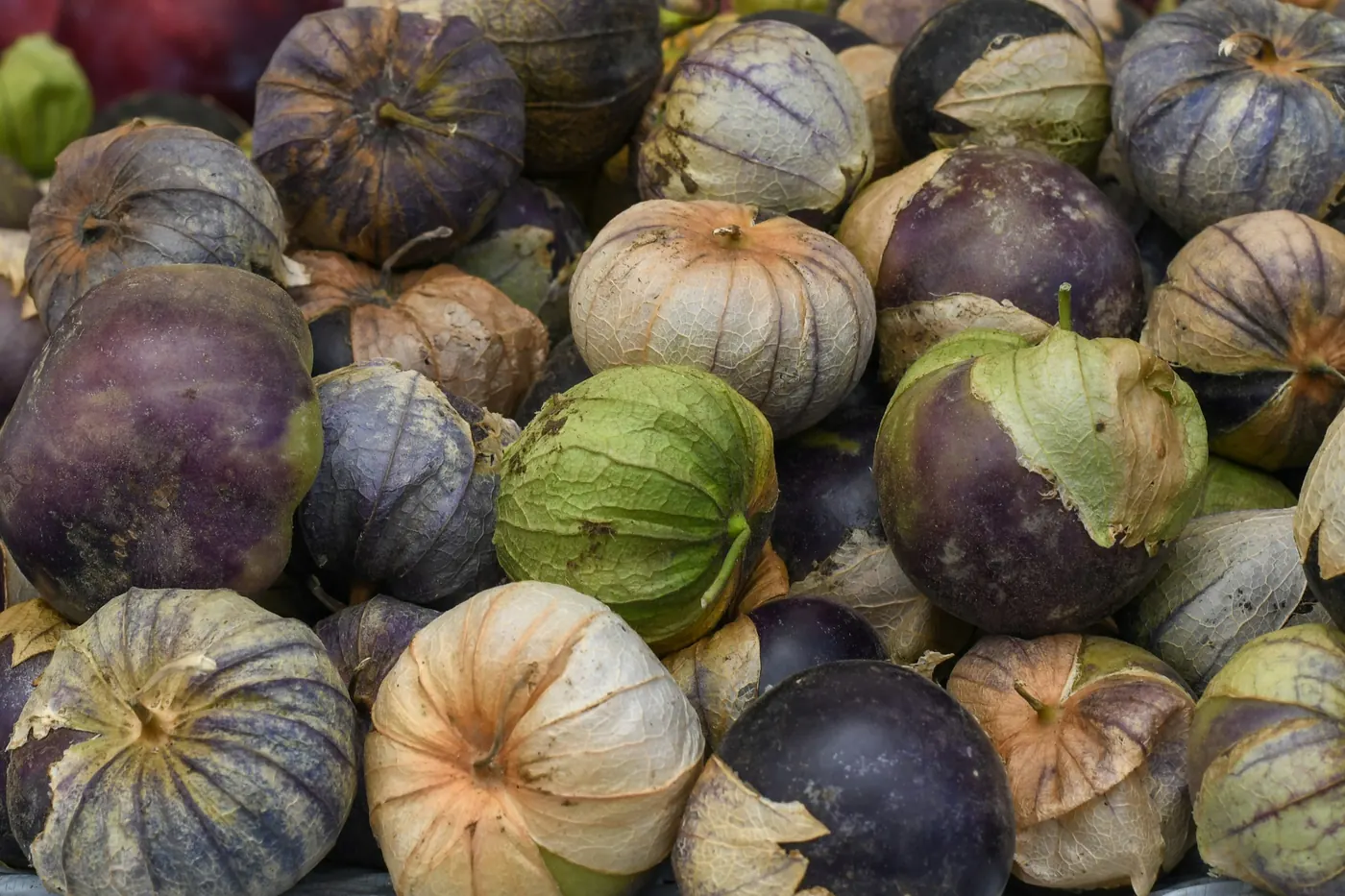
Every salsa verde starts with tomatillos, but how they are cooked decides what the salsa tastes like. Our guide to what a tomatillo is covers the fruit itself; here is how the three main styles differ, and where jars fit in.
- Cruda (raw). Raw tomatillos blended with raw chile, onion, cilantro and salt. It is sharp, very green and best the day it is made. Shelf-stable jars are heat-processed before they are sealed, so a true raw verde is something you make at home or buy refrigerated, not something you will find in a jar.
- Cocida (boiled). Tomatillos and chiles simmered until they turn olive green, then blended. It is rounder and less acidic, and it is the style most jars imitate: La Costeña, Herdez, Embasa and Cholula are all in this family.
- Asada or tatemada (roasted or charred). Tomatillos, onion and chiles blackened on a comal, under a broiler or over a flame, then blended. It is smoky and a little sweet. Casa Martinez, Xochitl and Frontera use roasting; 505 Southwestern gets its roasted note from Hatch chile.
The difference between green and red salsa goes beyond color; our salsa roja vs. salsa verde guide explains when a Mexican kitchen reaches for each.
How to choose a jarred salsa verde
1. Decide whether you are cooking or dipping
For enchiladas verdes, chilaquiles and braises, pick a verde with no starch or a very short ingredient list, such as La Costeña; it reduces cleanly and takes on broth without turning gluey. For chips and tacos, a little body helps, and roasted salsas such as Casa Martinez or Xochitl taste finished straight from the jar.
2. Read the chile, not just the heat word
“Mild” and “medium” are each maker’s own words. The chile tells you more: poblano and bell pepper keep a salsa gentle, jalapeño gives a moderate green heat, serrano is sharper and brighter, and árbol adds a dry, lingering bite. Our guide to Mexican chiles describes each one.
3. Check the thickener and preservatives
Ingredients are listed by weight, largest first. Tomatillos should come first. Xanthan gum and corn starch are not a problem in small amounts, but they change how a salsa behaves in the pan. Sodium benzoate is a preservative; some cooks avoid it, and several jars here do without one.
4. Compare sodium per the same serving
The verdes here run from about 170 mg to 270 mg of sodium per 2 tablespoons, against the FDA’s Daily Value of 2,300 mg. A cup of salsa verde in an enchilada sauce is eight servings, so the difference adds up. La Costeña prints a 1-tablespoon serving; double it before comparing.
5. Pick a jar or a can by how fast you use it
A 7-ounce can is one recipe; a 12- to 16-ounce jar is a week of tacos and eggs; multipacks suit households that cook with verde every week. Refrigerate once opened, use a clean spoon, and never store leftovers in an opened can.
Cooking with a jar of salsa verde
The jar is a starting point. These are the moves that turn it into a sauce, the same way a kitchen finishes any salsa before it goes out.
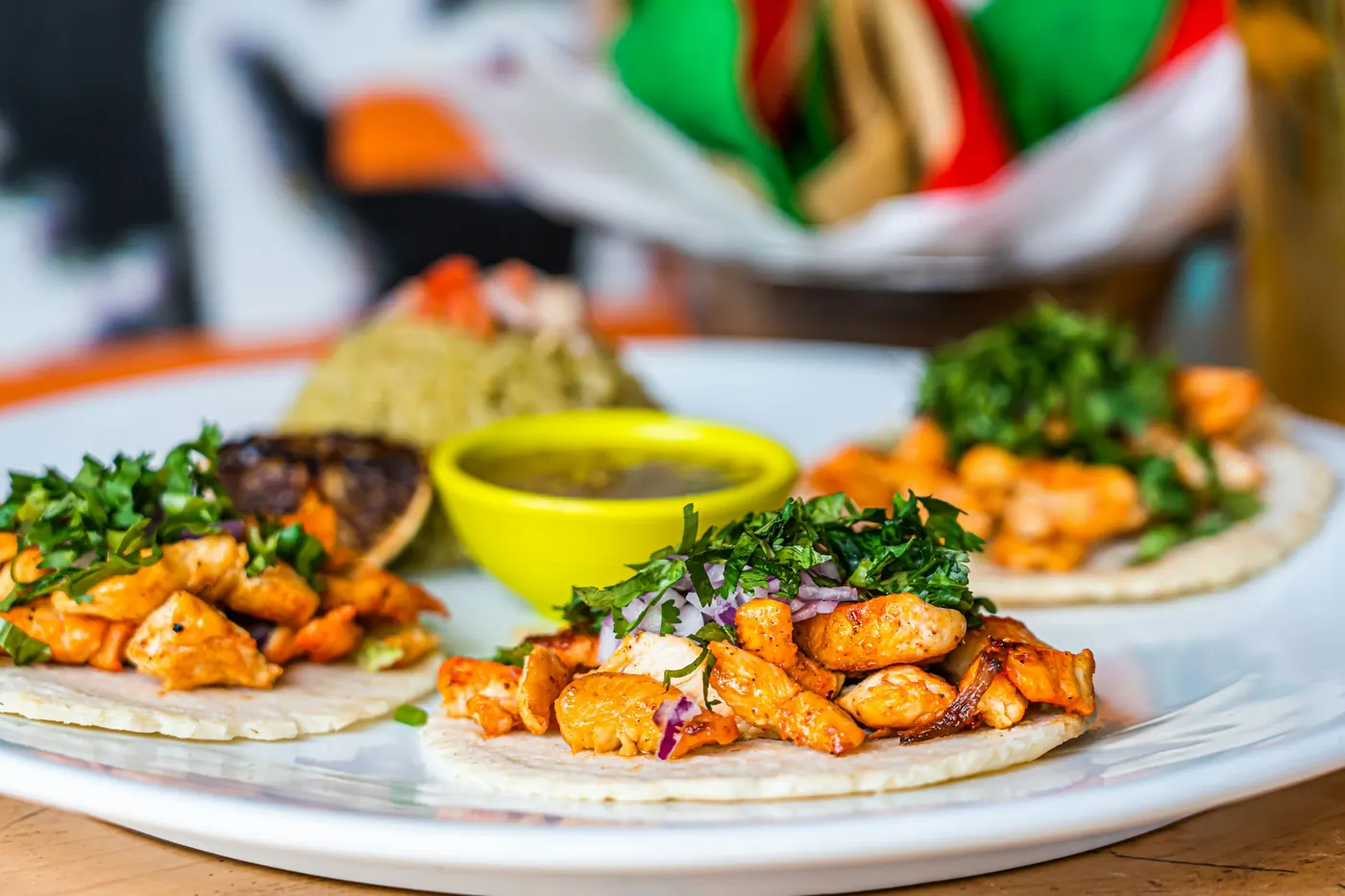
- Fry it first. Heat a spoonful of oil in a wide pan, add the salsa and let it sizzle and darken for two or three minutes before adding broth. Frying the salsa is what gives enchilada and chilaquiles sauce its depth.
- Enchiladas verdes. Thin about two cups of fried salsa with half a cup of chicken broth. Dip warm corn tortillas, roll them around shredded chicken, cover with more sauce and finish with crema, onion and queso fresco.
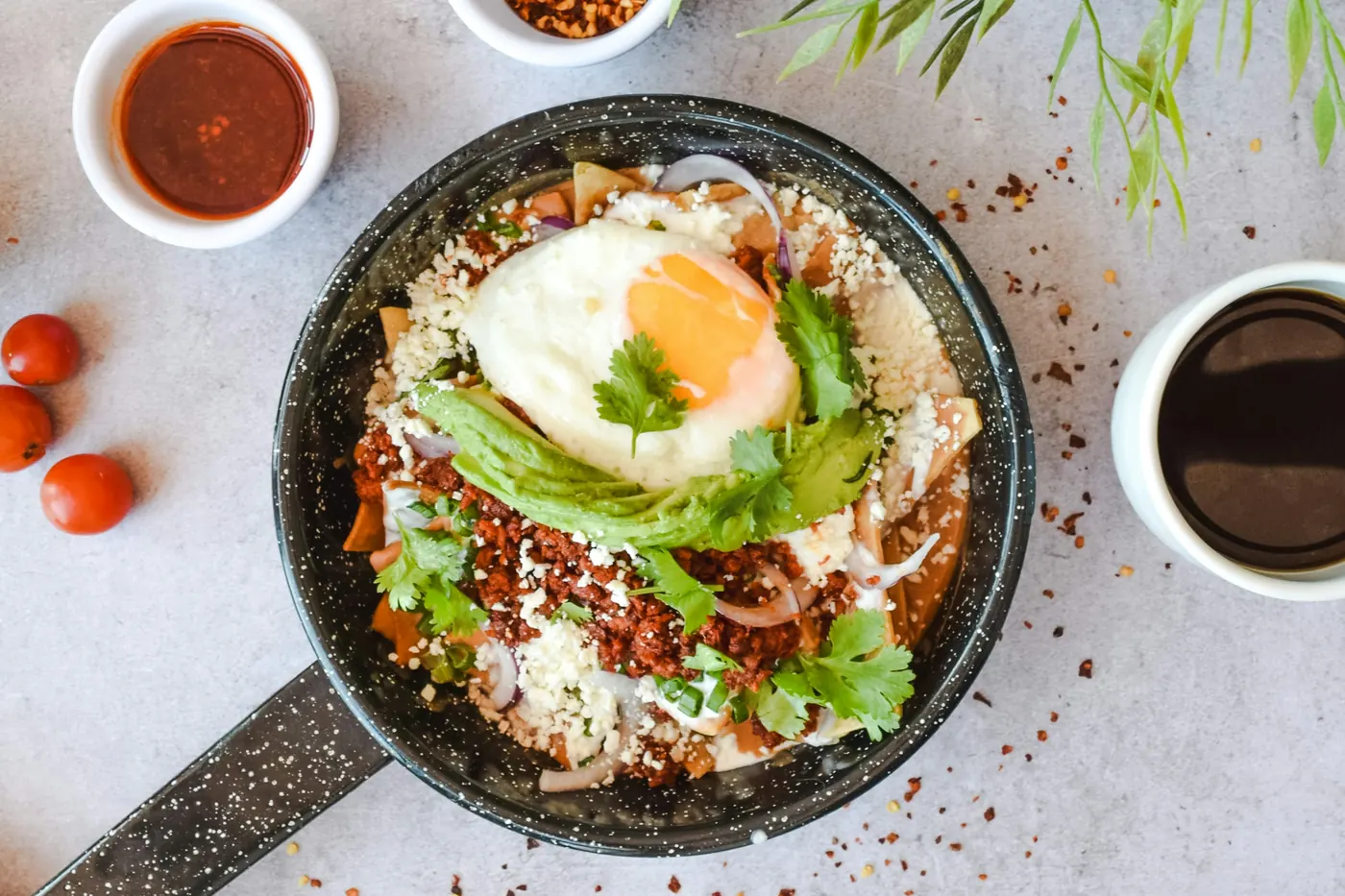
- Chilaquiles verdes. Simmer the thinned sauce, add fried tortilla pieces or sturdy chips and toss for a minute, so they soften at the edges but keep some crunch. Top with a fried egg.
- Brighten it. A handful of chopped cilantro, some raw white onion and a squeeze of lime make any cooked verde taste fresher.
- Make it creamy. Blend a cup of salsa verde with half an avocado for a taquería-style green sauce, or stir it into sour cream for a dip.
If enchiladas are the plan, our guide to the best enchilada sauce store bought compares ready-made green and red enchilada sauces.
How we picked these eight green salsas
We started from what a Mexican kitchen wants from a salsa verde: tomatillos first on the label, a clear chile, a texture that suits cooking or dipping, and honest labeling. We searched Amazon in the United States for tomatillo-based salsas verdes from identifiable brands and kept only those in stock when we checked. For each one we read the Amazon listing and, where it gives few details, retailer ingredient lists and nutrition panels, and we say in each review which source a figure comes from. We chose eight to cover the real choices: boiled, charred and roasted styles, serrano, Hatch and mild verdes, and cans and jars. We left out jars that were out of stock or in limited supply when we checked, including Siete’s green salsas, Frontera’s single jar, Herdez’s 16- and 24-ounce jars and roasted verde, Late July, Whole Foods Market’s roasted tomatillo salsa and Mateo’s salsa verde. We have not tasted every salsa listed here; flavor descriptions follow from the ingredients and the makers’ own descriptions, and we cite Tasting Table’s taste ranking where we mention it.
Salsa verde questions, answered
What is the best brand of jarred salsa verde?
For cooking, La Costeña: tomatillos, jalapeño, onion, salt, coriander, árbol, tartaric acid and garlic, with no starch or preservatives listed. For a smoky, ready-to-eat verde, Casa Martinez’s tatemada, which Tasting Table ranked first of nine in its own comparison. Herdez and Embasa are the brands to buy in small cans.
Is jarred salsa verde cooked or raw?
Shelf-stable jarred and canned salsa verde is cooked, because the jar is heat-processed before it is sealed. The styles differ in how the tomatillos were treated before blending: boiled for a smooth, mellow salsa, or roasted and charred for a smokier one. Raw salsa verde cruda is a fresh, refrigerated salsa.
Which jarred salsa verde is best for enchiladas and chilaquiles?
One with no starch and a short list, so it reduces cleanly: La Costeña is the strongest choice here, and the Herdez or Embasa cans are the right size for a single pan. Fry the salsa in a little oil and thin it with broth before you use it.
Is salsa verde spicy?
It depends on the chile. Cholula’s poblano verde and Herdez’s mild can are gentle; La Costeña, Xochitl, Frontera and Embasa are labeled medium, with Frontera’s serrano the sharpest of those. Tomatillos themselves add tartness, not heat.
How long does salsa verde keep once opened?
Follow the label. Refrigerate after opening, keep the lid tight, use a clean spoon and discard the salsa if it smells off or shows mold. Move canned salsa to a covered container before it goes into the fridge.
Our final word on green salsa
Buy La Costeña if you want one salsa verde that cooks like homemade. Add Casa Martinez’s tatemada for charred flavor on tacos, Frontera if you like serrano heat, and the Herdez or Embasa cans for recipes. Choose 505 Southwestern for Hatch green chile and Cholula for a mild table. For the red salsas, chipotle and salsa macha that sit next to these on the shelf, see our best jarred salsa guide, and for the rest of the shelf, our guide to Mexican pantry staples.
And if you would rather have enchiladas verdes made in a restaurant kitchen tonight, see the menu or call to order.