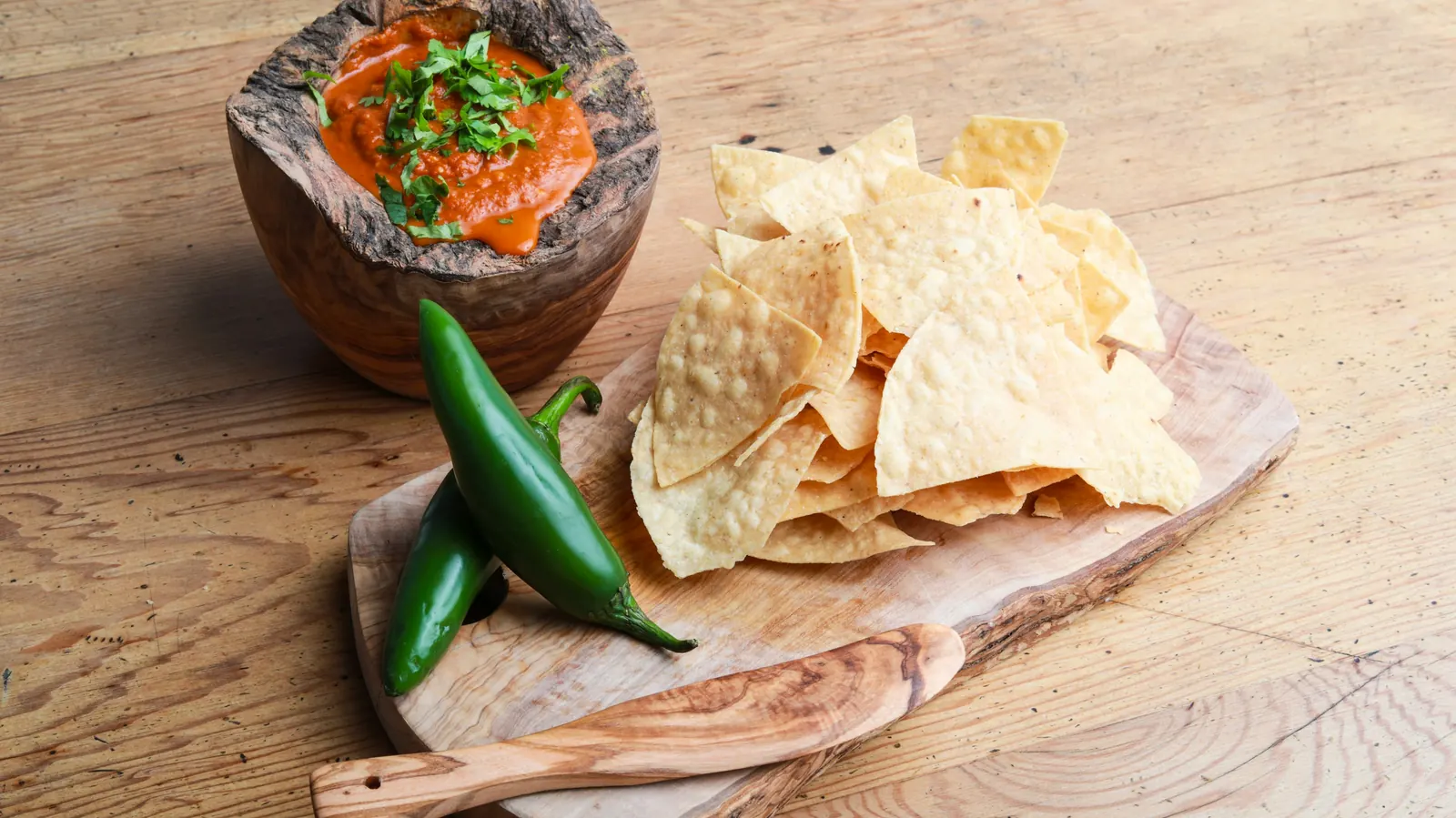
A good jar of salsa does more work in a home kitchen than almost anything else in the pantry. It is the dip on the table when friends arrive, the topping on Tuesday’s tacos, the sauce you pour over eggs for chilaquiles and the base you simmer chicken in when there is no time to roast chiles. In a Mexican kitchen the fresh, made-that-morning salsa is still the standard, but a few well-chosen jars mean you are never more than a lid away from one.
Jarred salsas differ more than the shelf suggests. Some are cooked tomato sauces with a little jalapeño, some are tangy tomatillo verdes made in Mexico, some lean on smoky chipotle, and salsa macha is not a dip at all but a crunchy chile oil. Heat labels are the maker’s own, and sodium per serving ranges from about 100 mg to well over 250 mg. This guide compares eight salsas worth buying, from mild to genuinely hot, and explains how to pick the right one for the way you cook.
Julia’s earns a commission on purchases made through links on this page, at no cost to you. Recommendations are based on what a working Mexican kitchen looks for in a salsa, the makers’ own ingredient lists and Amazon listings, and retailer nutrition panels where the maker publishes none, which we note.
Quick verdict: which jarred salsa to buy
For most kitchens, the best jarred salsa is Mateo’s Gourmet Salsa, Medium: a restaurant-style red salsa built on tomatoes, jalapeño and cilantro, with no thickeners on its ingredient list, sold here in a 70-ounce bottle. For a green salsa, choose La Costeña Salsa Verde, a short-ingredient tomatillo salsa from Mexico with no added sugar. For smoke, Frontera Chipotle Salsa; for something different, Don Emilio Salsa Macha, a crunchy morita chile oil.
The rest of this page explains why, and which jar suits the way you eat salsa: as a dip, a cooking sauce or a finishing spoonful.
Five jarred salsas at a glance
Our five standout picks side by side, one for each kind of salsa eater, with the style, heat and sodium each maker or label states. All eight salsas are reviewed in full below.
| Salsa | Best for | Style & heat | Sodium (as listed) | Buy on Amazon |
|---|---|---|---|---|

Mateo’s Gourmet Salsa, Medium, 70 ozBest overall
|
Chips and salsa, everyday tacos | Restaurant-style roja, medium | 220 mg per 2 Tbsp | View on Amazon |

La Costeña Salsa Verde, 16.7 oz, 4-PackBest salsa verde
|
Enchiladas verdes, chilaquiles | Tomatillo verde, medium | 105 mg per 1 Tbsp | View on Amazon |

Frontera Chipotle Salsa, 16 ozBest smoky
|
Smoke and heat, grilled meats | Roasted chipotle, hot | 140 mg per 2 Tbsp | View on Amazon |

Don Emilio Salsa Macha Chile Morita, 9 ozBest salsa macha
|
Spooning over tacos, eggs, soups | Chile oil with crunch, hot | Not stated in listing | View on Amazon |

Hatch Organic Mild Salsa, 16 ozBest organic
|
Mild palates, lower sodium | Organic roja, mild | 100 mg per 2 Tbsp | View on Amazon |
Product images from Amazon. Heat levels are each maker’s own label. Sodium is as printed by the maker or on retailer nutrition panels; serving sizes differ (La Costeña uses 1 tablespoon), and recipes change, so check the jar you receive.
Our picks for the best jarred salsa
These eight jars cover the choices most cooks face: a restaurant-style red for chips, a tomatillo verde, smoky chipotle, an organic mild salsa, a party-size jug, an árbol table salsa, a very hot ghost pepper salsa and a salsa macha. For each one we list the main ingredients and the sodium as the label states them, the heat the maker claims, and how to store it once it is open.
1. Mateo’s Gourmet Salsa, Medium, 70 oz – Restaurant-Style Red Salsa
Mateo’s is a Texas salsa sold in a tall jar with a hand-drawn label, and its medium red is the closest thing on this list to the thin, bright table salsa that comes out with the chips at a Tex-Mex restaurant. Retailer listings give the ingredients as tomatoes, water, jalapeño peppers, cilantro, dehydrated garlic, salt, red wine vinegar, spices and lemon juice concentrate. There is no starch, gum or sugar on that list, so the texture comes from the tomatoes themselves rather than a thickener.
Retailer nutrition panels for the 16-ounce jar give 220 mg of sodium per 2-tablespoon serving, about 9 percent of the Daily Value. The listings describe it as all natural and gluten free, give Frisco, Texas, as the place it is made, and say to shake it before using and refrigerate it after opening.
This Amazon listing is a single 70-ounce bottle, which suits a household that goes through salsa quickly or hosts often. Because it is pourable rather than chunky, it also works as a cooking salsa: warm it in a skillet for huevos rancheros, or stir a cup into a pot of rice. If you prefer more heat, Mateo’s also sells a hot version made with habanero.
Why we like it
- Tomatoes, jalapeño and cilantro lead the list
- No starch, gum or added sugar listed
- Gluten free and all natural, per retailer listings
- A 70-ounce bottle for frequent use
Key specifications
| Style | Restaurant-style red salsa (roja) |
|---|---|
| Heat (as labeled) | Medium |
| Size | 1 bottle, 70 oz |
| Main ingredients | Tomatoes, water, jalapeño, cilantro, garlic, salt, red wine vinegar, lemon juice |
| Sodium (as listed) | 220 mg per 2 Tbsp (retailer panels, 16 oz jar) |
| Diet | Gluten free (retailer listings) |
| Storage after opening | Refrigerate; shake before using |
| Made in | USA (listing); Frisco, Texas (retailer listings) |
Why we recommend it
Choose it if you want one dependable red salsa for chips, tacos and breakfast, with a short ingredient list and a texture that pours like restaurant salsa.
Skip it if you like a thick, chunky salsa that sits up on a chip. This one is thin by design, and a 70-ounce bottle is a lot for a small household.
Pros and cons
Pros
- Short, thickener-free ingredient list
- Works as a dip and a cooking sauce
- Large bottle
Cons
- Thin, not chunky
- Amazon listing gives few details; facts are from retailer panels
- 220 mg sodium per serving
2. La Costeña Salsa Verde, 16.7 oz, 4-Pack – Simple Tomatillo Salsa From Mexico
La Costeña is a Mexican brand that calls itself a family favorite for more than 100 years, and its salsa verde is the kind of green salsa a Mexican home cook keeps in the cupboard. The listing gives the full recipe: tomatillos, jalapeños, onions, salt, coriander (dried cilantro), chile de árbol, tartaric acid and garlic. It says there is nothing artificial, no added sugar and no preservatives, and that the salsa is fat-free and gluten-free.
The listing describes the heat as “spicy, but not hot”: jalapeño for heat and árbol for depth. Retailer nutrition panels give 105 mg of sodium per 1-tablespoon serving, so a 2-tablespoon portion carries about 210 mg; compare it with the other salsas here on that basis. Retailer listings give the country of origin as Mexico and say to refrigerate after opening; the listing notes no refrigeration is needed before opening.
Salsa verde is a cooking sauce as much as a dip. Simmer a bottle with shredded chicken for tacos, pour it over rolled tortillas for enchiladas verdes, or toss fried tortilla pieces in it for chilaquiles. This pack holds four 16.7-ounce recyclable glass bottles. If you are new to green salsa, our guide to salsa roja vs. salsa verde explains how the two families differ and when to use each.
Why we like it
- Eight ingredients, tomatillos first
- No added sugar or preservatives, per the listing
- Made in Mexico, per retailer listings
- Glass bottles, four to a pack
Key specifications
| Style | Tomatillo salsa verde |
|---|---|
| Heat (as labeled) | Medium (“spicy, but not hot”) |
| Size | 4 bottles, 16.7 oz each |
| Main ingredients | Tomatillos, jalapeños, onions, salt, coriander, chile de árbol, garlic |
| Sodium (as listed) | 105 mg per 1 Tbsp (retailer panels) |
| Diet | Gluten-free, fat-free, no added sugar (listing) |
| Storage after opening | Refrigerate (retailer listings) |
| Made in | Mexico (retailer listings) |
Why we recommend it
Choose it if you want a green salsa you can cook with as well as dip into, with an ingredient list that reads like a home recipe.
Skip it if you want a thick dip. Tomatillo salsas are loose and tangy, and four bottles is a commitment if you only want to try one.
Pros and cons
Pros
- Short, simple recipe
- Good for cooking
- No added sugar
Cons
- Sold as a four-pack
- Thin texture
- Small serving size makes sodium look lower
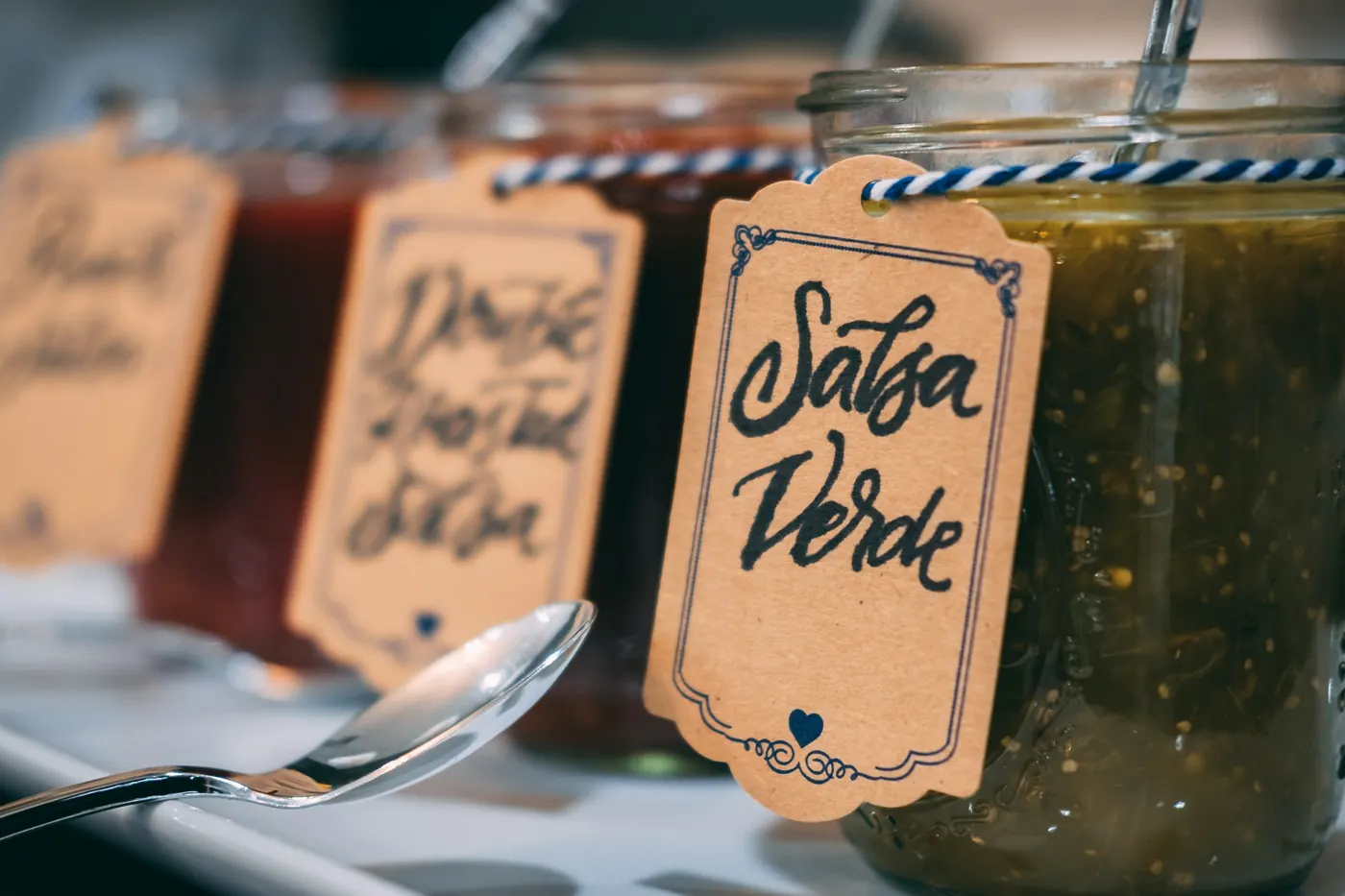
3. Frontera Chipotle Salsa, 16 oz – Roasted Tomatillo and Smoky Chipotle
Frontera’s salsas are built the way a restaurant kitchen builds a cooked salsa: by roasting first. The listing describes this one as fire-roasted tomatillos and tomatoes with roasted onions and garlic and smoky chipotle chiles, with less than 2 percent of salt, cane sugar, thyme and spices. Chipotle is a smoke-dried jalapeño, and it gives the salsa a deep, campfire note rather than a sharp bite.
Retailer labels mark it as Hot, list about 15 two-tablespoon servings in the jar, and give 140 mg of sodium per serving on most panels (one retailer shows 150 mg). That is one of the lower figures among the tomato-based salsas here. The listing says it is preservative-free, gluten-free and non-GMO, and tells you to shake it and chill it after opening.
The tomatillos make it a little tangier than a plain chipotle-tomato sauce, which suits grilled steak, pork tacos and fajitas. It is also a quick marinade: thin a few spoonfuls with lime juice and rub it on chicken thighs before grilling. Our guide to chipotle peppers explains where that smoke comes from.
Why we like it
- Roasted tomatillos, tomatoes, onion and garlic
- Smoky chipotle heat
- 140 mg sodium per 2 Tbsp on most labels
- Preservative-free, gluten-free, non-GMO, per the listing
Key specifications
| Style | Roasted chipotle salsa (tomatillo and tomato) |
|---|---|
| Heat (as labeled) | Hot |
| Size | 16 oz jar |
| Main ingredients | Fire-roasted tomatillos and tomatoes, roasted onion and garlic, chipotle |
| Sodium (as listed) | 140 mg per 2 Tbsp (most retailer panels) |
| Diet | Gluten-free, non-GMO, preservative-free (listing) |
| Storage after opening | Chill after opening (listing) |
| Made in | Not stated |
Why we recommend it
Choose it if you like smoke with your heat and want a salsa that tastes cooked and roasted rather than raw, for grilled meats and tacos.
Skip it if anyone at the table avoids spice. It is labeled hot, and it contains a little cane sugar, which some cooks prefer to avoid.
Pros and cons
Pros
- Roasted, smoky flavor
- Lower sodium than most
- Doubles as a marinade
Cons
- Too hot for some
- Contains cane sugar
- Origin not stated
4. Don Emilio Salsa Macha Chile Morita, 9 oz – Crunchy Morita Chile Oil
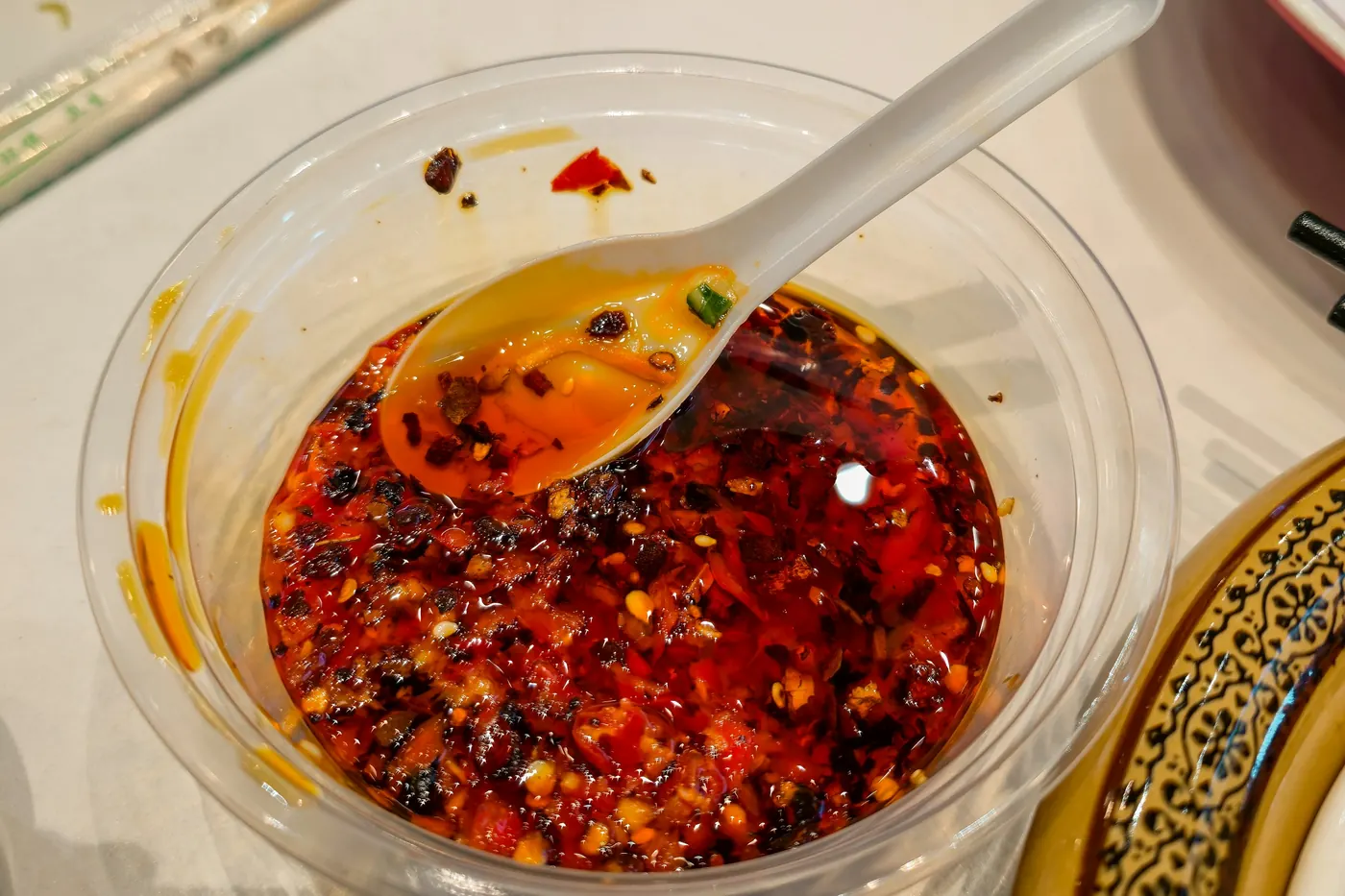
Salsa macha is generally traced to Orizaba, in the state of Veracruz, and it is a different animal from the salsas above: dried chiles, garlic and seeds fried and suspended in oil, spooned on rather than scooped up. If you have bought Asian chili crisp, it is the closest Mexican relative. Don Emilio makes salsa macha in Mexico, and this jar is built on chile morita, a jalapeño that is smoke-dried until it is dark red and slightly sweet.
The listing says the salsa is made with dried morita peppers, garlic and spices, and that morita flakes and sesame seeds give it its crunch. It labels the heat as Hot, and describes the salsa as vegan-friendly, keto-friendly and Non-GMO Project Verified. Don Emilio’s own site states its products have no additives and no preservatives. The listing does not give a sodium figure or an oil type, so read the jar if either matters to you; it does name sesame seeds, so anyone with a sesame allergy should skip it.
Use it as a finishing touch. A spoonful over fried eggs, a bowl of black beans, a quesadilla, grilled fish or a cup of caldo adds crunch, smoke and heat at once. Stir the jar before you serve, because the solids settle into the oil. If you want more heat, Don Emilio also makes an extra-hot version with chile de árbol.
Why we like it
- Morita chiles, garlic and sesame for smoke and crunch
- Made in Mexico, per the listing
- Non-GMO Project Verified, vegan-friendly
- A little goes a long way
Key specifications
| Style | Salsa macha (oil-based chile crisp) |
|---|---|
| Heat (as labeled) | Hot |
| Size | 9 oz jar |
| Main ingredients | Oil, dried morita chiles, garlic, sesame seeds, spices |
| Sodium (as listed) | Not stated in listing |
| Diet | Vegan-friendly, keto-friendly, Non-GMO Project Verified; contains sesame |
| Storage after opening | Not stated; keep sealed and stir before use |
| Made in | Mexico (listing) |
Why we recommend it
Choose it if you already have a dip salsa and want something that adds texture and smoky heat to everything from eggs to soup.
Skip it if you want a salsa for chips; it is oil, not sauce. The listing also leaves out the sodium and oil details some cooks want.
Pros and cons
Pros
- Crunch and smoke in one spoon
- Made in Mexico
- Versatile finishing condiment
Cons
- Not a dip
- Sodium and oil type not stated
- Contains sesame
5. Hatch Organic Mild Salsa, 16 oz – Organic, Mild and Lower in Sodium
Hatch Chile Company’s organic salsa is the pick for a household that wants certified organic ingredients and a mild heat children will eat. The listing says it is USDA Organic, non-GMO, gluten free and vegan, and that it can be served hot or cold.
A retailer’s nutrition panel gives the ingredients as organic tomato puree, diced tomatoes, onions, green bell peppers, garlic, white vinegar, jalapeños, salt, cilantro, cumin, chipotle pepper powder and black pepper, and lists 100 mg of sodium per 2-tablespoon serving. That is the lowest sodium per comparable serving among the salsas reviewed here. The bell pepper and cumin give it a familiar, Southwestern flavor, and the pinch of chipotle powder adds a faint smokiness rather than heat.
Because it is built on tomato puree, it is thicker than the restaurant-style salsas and clings to a chip. It also makes a good base for a quick cooked sauce: warm it with a spoon of the chipotle salsa above for a smoky taco topping that is hotter than the mild jar on its own.
Why we like it
- USDA Organic, non-GMO, vegan, gluten free
- 100 mg sodium per 2 Tbsp, per a retailer panel
- Mild enough for children
- Thick enough to cling to a chip
Key specifications
| Style | Organic red salsa (roja) |
|---|---|
| Heat (as labeled) | Mild |
| Size | 16 oz jar |
| Main ingredients | Organic tomato puree, tomatoes, onions, green bell pepper, garlic, vinegar, jalapeño, cilantro, cumin |
| Sodium (as listed) | 100 mg per 2 Tbsp (retailer panel) |
| Diet | USDA Organic, non-GMO, gluten free, vegan (listing) |
| Storage after opening | Not stated in listing; refrigerate once opened |
| Made in | Not stated |
Why we recommend it
Choose it if you buy organic, cook for children or mild palates, or are watching sodium and still want a salsa with flavor.
Skip it if you want heat or a fresh, raw-tasting salsa; this is a mild, cooked, tomato-puree style.
Pros and cons
Pros
- Certified organic
- Lowest sodium here
- Family-friendly heat
Cons
- Very mild
- Ingredients from a retailer panel, not the listing
- Origin not stated
6. Herdez Salsa Casera, Medium, 70 oz Jug – Homestyle Salsa for a Crowd

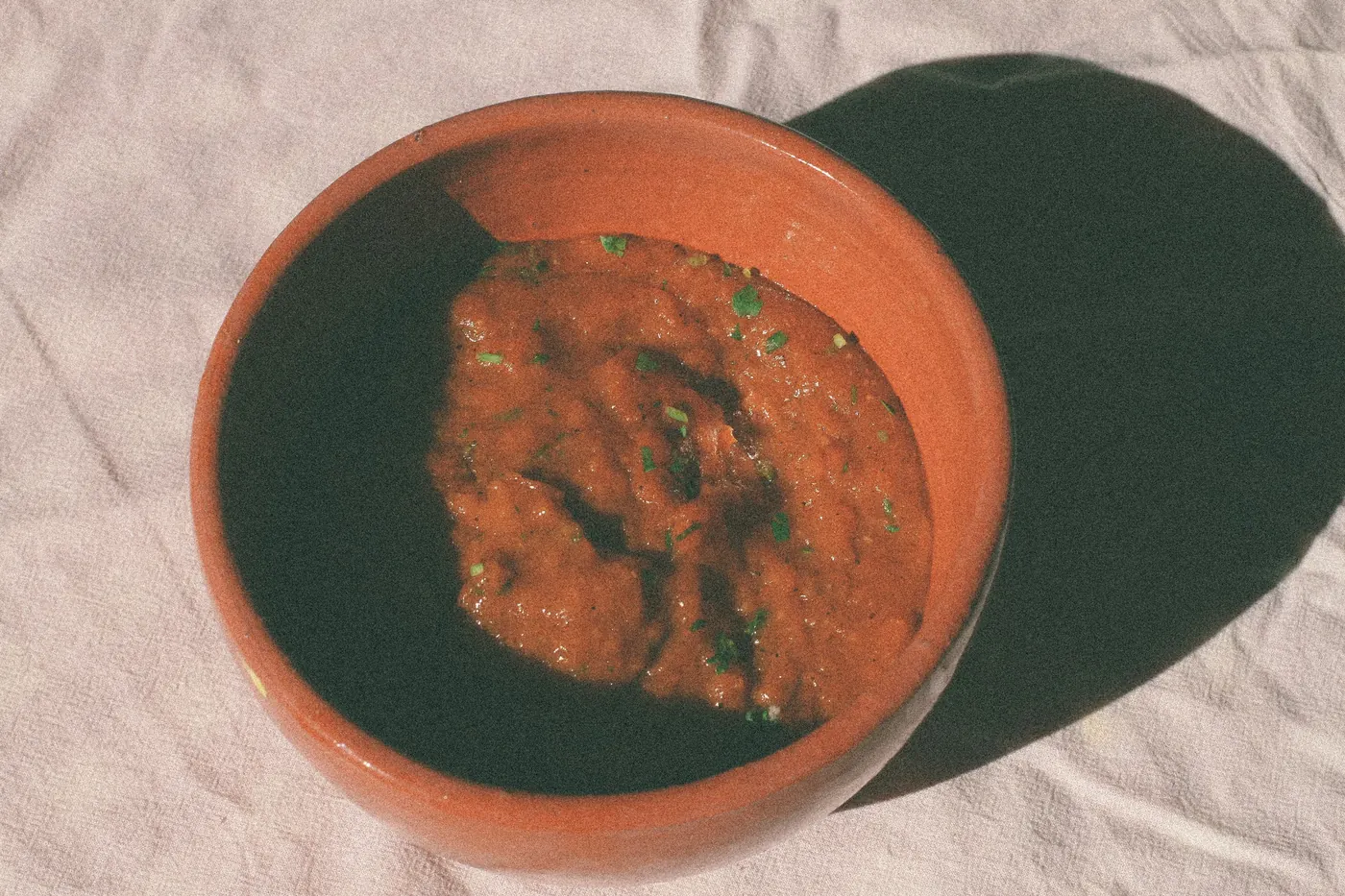
Herdez is the salsa brand most Americans find in the Mexican aisle, and Salsa Casera, “homestyle salsa”, is the one Herdez itself calls its most popular. It is a chunky, fresh-tasting pico-style salsa: the listing names sweet tomatoes, cilantro, onions and jalapeño peppers, and describes the taste as smooth and spicy. It is labeled gluten free.
This listing is the 70-ounce jug, which is the size to buy for a graduation party, a church supper or a weekly taco night for a big family. Retailer panels for the 16-ounce jar mostly give 270 mg of sodium per 2-tablespoon serving (one lists 240 mg), so it is among the saltier salsas here, and their ingredient lists add citric acid and calcium chloride, which keeps the diced tomato firm. Herdez’s listing does not give storage instructions; once opened, keep it covered in the refrigerator and scoop with a clean spoon.
Casera is chopped rather than blended, so it reads as a quick fresh salsa on tacos, tostadas and eggs. Stirring in some freshly chopped onion and cilantro and a squeeze of lime just before serving brightens any jarred salsa, and it works especially well with this one.
Why we like it
- Tomatoes, cilantro, onion and jalapeño
- Chunky, homestyle texture
- Gluten free, per the listing
- 70 oz jug for parties
Key specifications
| Style | Homestyle (casera) chunky salsa |
|---|---|
| Heat (as labeled) | Medium |
| Size | 70 oz jug |
| Main ingredients | Tomatoes, onions, jalapeño or green chile, cilantro, salt |
| Sodium (as listed) | 270 mg per 2 Tbsp (most retailer panels, 16 oz jar) |
| Diet | Gluten free (listing) |
| Storage after opening | Not stated in listing; refrigerate once opened |
| Made in | Not stated |
Why we recommend it
Choose it if you feed a crowd and want a familiar, chunky salsa that most guests already know, in one container.
Skip it if you are a small household or watch sodium closely; 70 ounces is a lot of salsa to finish once it is open.
Pros and cons
Pros
- Familiar, popular flavor
- Chunky texture
- Party-size jug
Cons
- 270 mg sodium per serving
- Too much for small households
- Retailer ingredient lists vary slightly
7. Cholula Salsa Original, Medium, 12 oz – Árbol Chile Table Salsa

Cholula is known for its hot sauce, and its jarred salsas carry the same chile de árbol character. The listing describes the Original as fresh tomatoes, árbol peppers and Cholula’s signature spices, with medium heat. Árbol is a thin, bright red dried chile with a clean, sharp heat, the chile behind many Mexican table salsas.
Retailer panels list tomato, onion, jalapeño, distilled vinegar, water, tomato paste, salt, dehydrated garlic, árbol pepper, cumin, dehydrated cilantro, spices and natural flavor, and give 260 mg of sodium per 2-tablespoon serving (one lists 250 mg), with about 11 servings in the 12-ounce jar. Some listings also include xanthan gum, so the recipe may have changed; check the jar.
The listing suggests it for tacos, tostadas, nachos and breakfast burritos. The tomato paste gives it more body than a restaurant-style salsa, so it holds on a chip, and the cumin pushes it toward a Tex-Mex flavor. Cholula also sells a mild salsa verde and a hot smoky chipotle salsa in the same jar.
Why we like it
- Chile de árbol heat
- Medium, with body from tomato paste
- Smaller 12 oz jar stays fresh
- Same line includes verde and chipotle
Key specifications
| Style | Red table salsa with árbol |
|---|---|
| Heat (as labeled) | Medium |
| Size | 12 oz jar |
| Main ingredients | Tomato, onion, jalapeño, vinegar, tomato paste, garlic, árbol pepper, cumin |
| Sodium (as listed) | 260 mg per 2 Tbsp (most retailer panels) |
| Diet | Not stated in listing |
| Storage after opening | Not stated in listing; refrigerate once opened |
| Made in | Not stated |
Why we recommend it
Choose it if you like the flavor of Cholula hot sauce and want it in a dip-thick salsa for nachos and tacos.
Skip it if sodium matters to you or you want a simpler recipe; Mateo’s and La Costeña have shorter ingredient lists.
Pros and cons
Pros
- Bright árbol flavor
- Thick enough for dipping
- Manageable jar size
Cons
- 260 mg sodium per serving
- Contains natural flavor and, in some listings, xanthan gum
- Diet claims not stated
8. Mrs. Renfro’s Ghost Pepper Salsa, 16 oz, 4-Pack – Serious Heat From Texas

Most jarred salsas labeled “hot” are hot only by supermarket standards. Mrs. Renfro’s ghost pepper salsa is for people who find them mild. Ghost pepper, or bhut jolokia, is far hotter than jalapeño, and the listing describes this salsa as ripe tomatoes, ghost peppers, jalapeños, onions and spices, designed for serious heat seekers. Retailer labels call the heat level “Hot2”.
Retailer panels give 250 mg of sodium per 2-tablespoon serving and about 14 servings per jar, and list the ingredients as tomato-based with jalapeño, green chile, dried ghost pepper, vinegar, salt and chile powders. The listing says it is made with gluten-free ingredients. Mrs. Renfro’s is a family-owned Texas brand; the company says it was founded in a garage in Fort Worth in 1940.
This listing is four 16-ounce jars, so it suits a household of heat lovers or a game-day crowd. Taste a small amount first. To serve a mixed table, put it out next to a mild salsa, or stir a spoonful into the mild jar to raise the heat a little at a time.
Why we like it
- Ghost pepper heat, labeled above “hot”
- Tomato base keeps it a real salsa, not a hot sauce
- Gluten-free ingredients, per the listing
- Family-owned Texas brand since 1940
Key specifications
| Style | Red salsa with ghost pepper |
|---|---|
| Heat (as labeled) | Extra hot (“Hot2” on retailer labels) |
| Size | 4 jars, 16 oz each |
| Main ingredients | Tomatoes, ghost peppers, jalapeños, onions, vinegar, spices |
| Sodium (as listed) | 250 mg per 2 Tbsp (retailer panels) |
| Diet | Gluten-free ingredients (listing) |
| Storage after opening | Not stated in listing; refrigerate once opened |
| Made in | Not stated (Fort Worth, Texas, brand) |
Why we recommend it
Choose it if hot salsa never seems hot enough for you and you want heat with tomato flavor behind it.
Skip it if you are cooking for children or guests who avoid spice; even a little is very hot.
Pros and cons
Pros
- Genuinely hot
- Tomato-based, not vinegar-forward
- Four-jar pack
Cons
- Far too hot for many people
- Four jars is a lot of heat
- 250 mg sodium per serving
How to choose a jarred salsa
Five things separate one jar from another. The front label tells you the heat; the ingredient list and nutrition panel tell you the rest.
1. Decide what the salsa is for
A dip salsa wants body so it sits on a chip: chunky casera, or a tomato-paste style like Cholula’s. A cooking salsa should be loose and well seasoned so it can become a sauce: a tomatillo verde for enchiladas and chilaquiles, or a thin restaurant-style roja for huevos rancheros. A finishing salsa, like salsa macha, is spooned on at the end for crunch and heat. If you only keep one jar, pick a medium red that does a little of everything; if you keep two, add a verde.
2. Choose the chile, not just the heat level
“Mild”, “medium” and “hot” are each maker’s own words, and there is no standard behind them. The chile on the ingredient list tells you more. Jalapeño gives a green, moderate heat; chipotle and morita add smoke; árbol gives a clean, sharp bite; habanero and ghost pepper are for real heat. Our guide to Mexican chiles explains what each one tastes like.
3. Read the first five ingredients
Ingredients are listed by weight, largest first. The best jars start with a vegetable: tomatoes, tomatillos or fire-roasted versions of them, then onion, chile, garlic and cilantro. Water, tomato puree or paste, starch and gums are not bad in themselves, but the further up the list they appear, the more the jar is relying on them for body. Roasted ingredients are a good sign of a deeper, cooked flavor.
4. Compare sodium per the same serving
Salsa is low in calories, but salt adds up when you eat it by the chip. The salsas here range from 100 mg to 270 mg of sodium per 2 tablespoons, against the FDA’s Daily Value of 2,300 mg. Watch the serving size: La Costeña lists a 1-tablespoon serving, so double its figure before comparing it with the others.
5. Buy a size you will finish
Most makers tell you to refrigerate their salsa once it is open, and an open jar does not last forever. A 12- to 16-ounce jar suits a household that has salsa a couple of times a week; four-packs and 70-ounce jugs suit big families and parties. Glass jars reseal well, while a small can should be emptied into a covered glass or plastic container before it goes into the fridge.
How to make jarred salsa taste closer to fresh
A jar will never be the same as salsa made that morning in a molcajete, but a few minutes of work closes much of the gap. These are the same small moves a kitchen uses to finish any sauce before it goes out.
- Add something raw. Finely chopped white onion, a handful of chopped cilantro and a squeeze of lime, stirred in just before serving, make a cooked salsa taste bright again.
- Warm a verde before cooking with it. Fry a cup of salsa verde in a spoonful of oil for a minute or two until it darkens slightly, then add broth. This is how enchilada and chilaquiles sauces are built, and it deepens the flavor.
- Char a tomato or chile. Blister a tomato or a jalapeño on a dry skillet or comal, chop it and stir it into a red salsa for a roasted note.
- Blend two jars. A mild red with a spoonful of chipotle or ghost pepper salsa lets you set the heat exactly where your table wants it.
- Serve it cool, not cold. Take the salsa out of the fridge a little before the meal; flavors are muted straight from the refrigerator.
If you want to make salsa from scratch, start with the two families described in our salsa roja vs. salsa verde guide, and with tomatillos, which our guide to what a tomatillo is covers.
How we picked these eight salsas
We started from what a Mexican kitchen wants from a salsa: real vegetables and chiles doing the work, a clear sense of what the salsa is for, and honest labeling. We then narrowed the field to salsas sold on Amazon in the United States and in stock when we checked, from identifiable brands, and read each one’s ingredient list, nutrition panel and storage instructions on its Amazon listing or, where the listing gives few details, on retailer nutrition panels (each review says which). We chose eight to cover the real choices: a restaurant-style red, a tomatillo verde, smoky chipotle, an organic mild salsa, a party-size jug, an árbol table salsa, an extra-hot salsa and a salsa macha. We left out salsas that were out of stock or available only in limited quantity when we checked, including several from Siete, Frontera and Whole Foods Market’s 365 line, and near-identical jars from the same brand. We have not tasted every salsa listed here; flavor descriptions follow from the ingredients and the makers’ own descriptions.
Jarred salsa questions, answered
What is the best brand of jarred salsa?
There is no single best brand, because brands specialize. For a red, restaurant-style salsa, Mateo’s has one of the shortest ingredient lists on the shelf. For a green salsa, La Costeña makes a simple tomatillo verde in Mexico. Frontera is the brand for roasted, smoky salsas, and Herdez for a familiar chunky homestyle salsa in large sizes.
What is the best jarred green salsa?
La Costeña Salsa Verde: tomatillos, jalapeño, onion, salt, coriander, árbol and garlic, with no added sugar or preservatives, per its listing. It is loose enough to cook with, which is how green salsa is used most often in a Mexican kitchen, in enchiladas verdes, chilaquiles and braised pork or chicken.
What is the best jarred red salsa?
For a thin, pourable restaurant-style red, Mateo’s Medium. For a thicker red that clings to a chip, Hatch Organic Mild (lowest sodium here) or Cholula’s Original with árbol chile. For a smoky red, Frontera’s Chipotle, which also uses roasted tomatillos.
What jarred salsa does Whole Foods sell?
Whole Foods Market sells its own 365 organic salsas alongside other brands, but the 365 jars we found on Amazon were out of stock when we checked, so they are not reviewed here. Store stock varies, so check your local store. If organic is the priority, Hatch Organic Mild Salsa is certified USDA Organic and was in stock on Amazon.
What about taste-test rankings of jarred salsa?
Several food sites, Sporked among them, publish taste rankings of supermarket salsa. We did not reproduce or rely on them. Our picks are based on ingredients, labels and what each salsa is designed to do, and we say so in every review.
How long does jarred salsa last after opening?
Follow the jar. Most makers, including Mateo’s, Frontera and La Costeña, say to refrigerate after opening, and many print a use-within time on the label. Keep the lid tight, use a clean spoon rather than dipping chips into the jar, and throw it out if you see mold or the smell turns.
Our final pick for the salsa shelf
Buy Mateo’s Medium if you want one red salsa that works for chips, tacos and breakfast, with a short ingredient list. Add La Costeña Salsa Verde for cooking, and Frontera Chipotle if you like smoke. Choose Hatch Organic Mild for children or a lower-sodium jar, Herdez Casera’s jug for a party, and Mrs. Renfro’s ghost pepper salsa only if you know what you are getting into. Keep a jar of Don Emilio’s salsa macha for the moments when a dish needs crunch and heat at the end.
Salsa is one shelf of a Mexican pantry. Our guide to Mexican pantry staples covers the chiles, spices and masa that go with it, and our taco bar supplies guide covers the serving side of taco night.
Related guide: Best salsa cookbook.
And if you would rather eat salsa made in a restaurant kitchen tonight, see the menu or call to order.