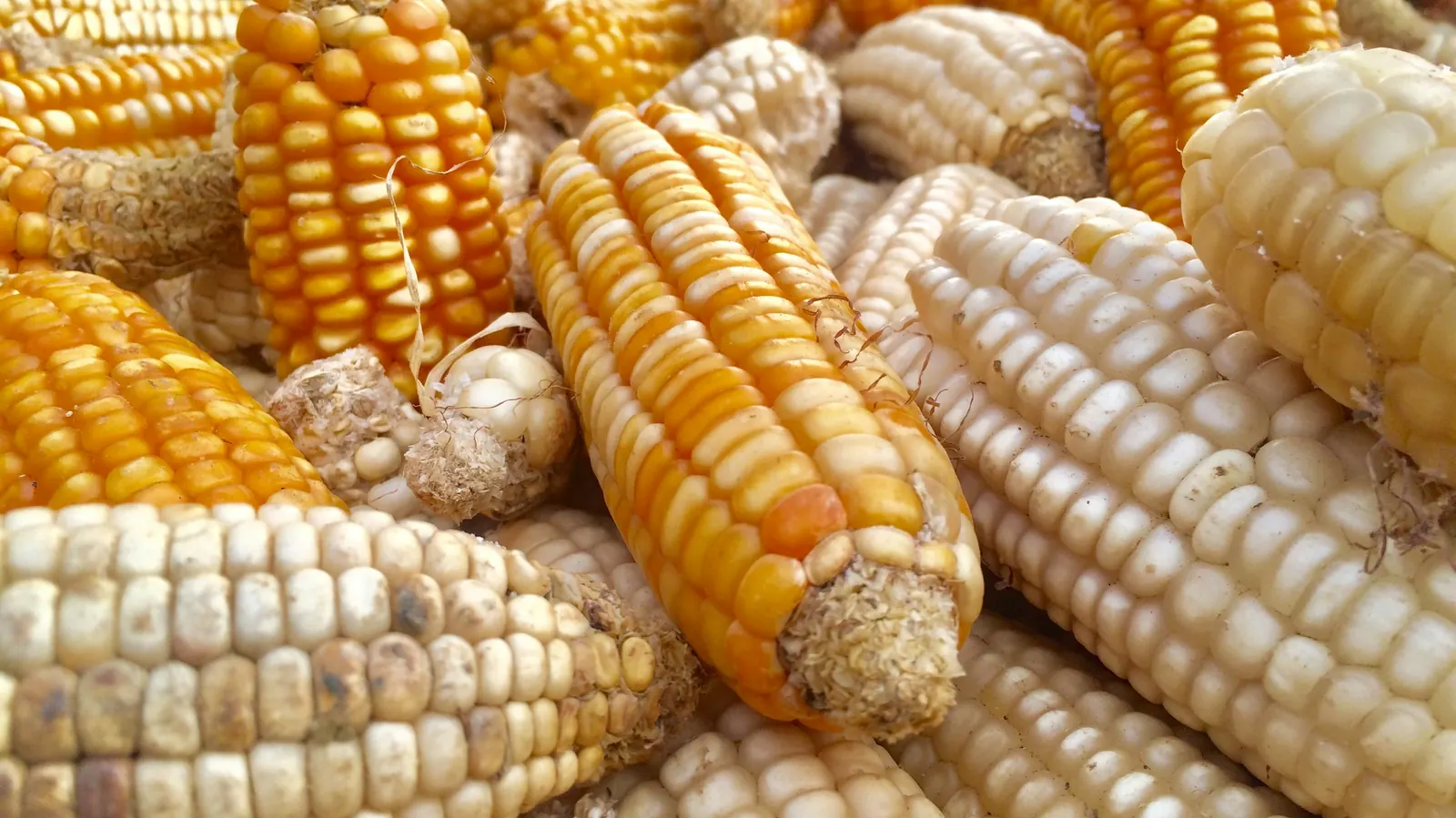
A tamal is mostly masa. The filling gets the attention, but what you taste in every bite is the corn dough around it: beaten with fat until it is light, seasoned with broth and salt, then steamed inside a husk until it sets. If the masa is heavy, gritty or bland, no filling will rescue the batch.
Most home cooks in the United States make that dough from masa harina, the dried and ground flour of nixtamalized corn. Some bags are milled coarse especially for tamales, some are fine table-tortilla flours that work for tamales too, and a few are heirloom corn with nothing added but lime. This guide explains the difference, names the bags worth buying, and shows how to turn one into a tamal masa that passes the float test.
Julia’s earns a commission on purchases made through links on this page, at no cost to you. Recommendations are based on what a working Mexican kitchen looks for in tamal masa, the makers’ own specifications and the sources we cite.
Quick verdict: which masa harina to buy for tamales
The best masa harina for tamales for most kitchens is Maseca Tamal Instant Corn Masa Mix: it is a white corn flour milled coarser than ordinary masa harina for a tamal texture, made from corn treated with lime and nothing else, according to grocery retailers. If you want organic corn and a two-ingredient list, use Bob’s Red Mill Organic Masa Harina, which is a finer flour. Cooking for a crowd? Minsa’s three 4-pound bags cover a full tamalada.
Below: the five standout bags side by side, then all seven picks in full, including the husks you will need to wrap them.
Five tamal flours side by side
Our five standout picks, one for each kind of tamal maker, with the details each maker, listing or the retailer named states. All seven picks are reviewed in full below.
| Masa harina | Best for | Grind & size | Ingredients (as stated) | Buy on Amazon |
|---|---|---|---|---|

Maseca Tamal Instant Corn Masa Mix, 4.4 lbBest overall
|
Classic, light tamales | Coarse tamal grind; 4.4 lb | Corn treated with hydrated lime (retailers) | View on Amazon |

Masa Brosa Instant Corn Masa for Tamales, 2 x 4 lbTamal flour runner-up
|
A second tamal-labeled flour | Grind not stated; two 4 lb bags | Not listed on Amazon; check the bag | View on Amazon |

Bob’s Red Mill Organic Masa Harina, 24 ozBest organic
|
Small, organic batches | Fine grind; 24 oz | Organic corn, hydrated lime | View on Amazon |

Minsa Instant Corn Masa Flour, 3 x 4 lbBest for a tamalada
|
Holiday-sized batches | Grind not stated; three 4 lb bags | Not listed on Amazon; check the bag | View on Amazon |

Chef Mex Organic Corn Masa Flour, 2.2 lbCertified gluten-free
|
Gluten-free households | Grind not stated; 2.2 lb | Organic white corn, water, lime, folic acid | View on Amazon |
Product images from Amazon. Ingredients and claims are as stated by each maker, listing or the retailer named; recipes change, so read the bag before you mix.
Tamal masa, masa harina and masa preparada
Three things get called “masa” when tamales come up, and they are not interchangeable.
- Masa harina is nixtamalized corn, dried and ground to a flour. Add warm water or broth and it becomes dough again. Our guide to nixtamalization explains how cooking corn with lime makes that possible.
- Tamal masa harina, sold as “para tamales” or “tamal”, is the same idea milled coarser. Rick Bayless notes that Maseca makes a coarser masa harina for tamales, and grocery retailers describe Maseca Tamal as a coarse grind designed for the texture tamales need.
- Masa preparada is fresh masa that a tortillería or Mexican market has already beaten with fat and salt for tamales. It saves the mixing but is perishable, and you get the fat and seasoning the shop chose.
The grind matters more for tamales than for tortillas. America’s Test Kitchen, developing a tamal recipe with ordinary masa harina, found that on its own it was too fine-textured and the corn flavor bland, and added quick grits to the dough for body. A coarse tamal flour does that job in the bag. A fine flour still makes good tamales; Masienda says tamales from its fine-ground masa harina come out especially delicate.
If you are new to the dish itself, start with our guide to what tamales are, from the regional styles to the wrappers.
Our picks for the best masa harina for tamales
Six flours and one bag of husks: two flours sold specifically for tamales, an organic one, a certified gluten-free one, two familiar commercial flours in bulk, and the wrappers. Each pick says what is in the bag and one honest reason to skip it.
1. Maseca Tamal Instant Corn Masa Mix, 4.4 lb – Coarse Grind Made for Tamales
Maseca is the best-known name in masa harina, and its tamal flour is the bag many recipes name when they specify one. Food Network Kitchen’s red chile pork tamales, for example, call for “masa harina (instant corn flour) for tamales, such as Maseca Tamal.” Rick Bayless notes that Maseca makes this coarser flour specifically for tamales.
Grocery retailers describe it as a white corn masa flour with a coarse grind, designed to give tamales the right texture, and list a single ingredient: corn treated with hydrated lime. The same listings call it gluten-free, kosher and certified whole grain. The Amazon listing itself gives little beyond the name, the 4.4-pound bag and the package weight, so we rely on those retailer panels for what is inside.
Because the flour is plain corn and lime, you control the fat, salt and baking powder. Food Network Kitchen’s recipe beats 10 ounces of lard with 4 cups of the flour and 2½ to 3 cups of chicken broth, and checks the dough with a float test before spreading. A 4.4-pound bag is plenty for several dozen tamales; Maseca also sells a three-bag pack if you are planning a bigger day.
Why we like it
- Milled coarser than standard masa harina, for tamal texture
- One ingredient: corn treated with hydrated lime (retailers)
- Gluten-free, kosher and whole grain, per retailers
- The flour many published tamal recipes are written for
Key specifications
| Type | Instant masa harina for tamales |
|---|---|
| Corn | White corn |
| Size | 4.4 lb |
| Ingredients (as stated) | Corn treated with hydrated lime (retailers) |
| Grind | Coarse (retailers; Rick Bayless) |
| Gluten-free (as stated) | Yes, per retailers |
| Best for | Husk- and banana-leaf tamales |
| Made in | Not stated |
Why we recommend it
If you want tamales with the familiar light, slightly open crumb, this is the bag to start with. It is easy to find again, plain enough to season your own way, and the grind suits the job.
Skip it if you want heirloom corn flavor or need full details from the Amazon listing itself; the listing is thin and the ingredient panel comes from grocery retailers.
Pros and cons
Pros
- Coarse grind made for tamales
- Single-ingredient flour
- Widely used in tamal recipes
Cons
- Amazon listing gives few details
- Not heirloom or organic
- Less suited to table tortillas
2. Masa Brosa Instant Corn Masa for Tamales, 2 x 4 lb – A Second Tamal-Labeled Flour
Masa Brosa (also written Masabrosa) is sold at H-E-B and other grocers, and this is its flour sold for tamales: two 4-pound bags of instant corn masa. H-E-B describes it as an instant corn masa, harina de maíz, made from 100% premium white corn and suited to a big batch of homemade tamales, needing only water to make the dough.
The Amazon listing gives only the name and the bag size, and we could not find a published ingredient panel for the tamal version. Retailers list the company’s regular instant corn masa as white cooked corn, water and lime with no preservatives; check the tamal bag to confirm it matches. Masa Brosa does not say whether this flour is milled coarser than its regular one.
Eight pounds is a sensible quantity for a family tamalada. Treat it as you would any tamal flour: whip the fat, add the flour and baking powder, then the warm broth, and test a spoonful in water before you start spreading.
Why we like it
- Sold specifically for tamales
- Made from white corn, per H-E-B
- Two 4 lb bags in one order
- Regular Masa Brosa lists only corn, water and lime (retailers)
Key specifications
| Type | Instant corn masa for tamales |
|---|---|
| Corn | White corn (H-E-B) |
| Size | Two 4 lb bags |
| Ingredients (as stated) | Not listed on Amazon; check the bag |
| Grind | Not stated |
| Gluten-free (as stated) | Not stated |
| Best for | Family-sized tamal batches |
| Made in | Not stated |
Why we recommend it
Choose it if Maseca Tamal is unavailable or you simply prefer Masa Brosa; it is the other widely sold flour labeled for tamales.
Skip it if you want to read the ingredients before you buy; neither the listing nor the maker publishes them for this bag.
Pros and cons
Pros
- Labeled for tamales
- Generous two-bag pack
- Mixes with water alone
Cons
- Ingredients not published for this bag
- Grind not stated
- Thin Amazon listing
3. Bob’s Red Mill Organic Masa Harina, 24 oz – Organic Corn and Lime Only
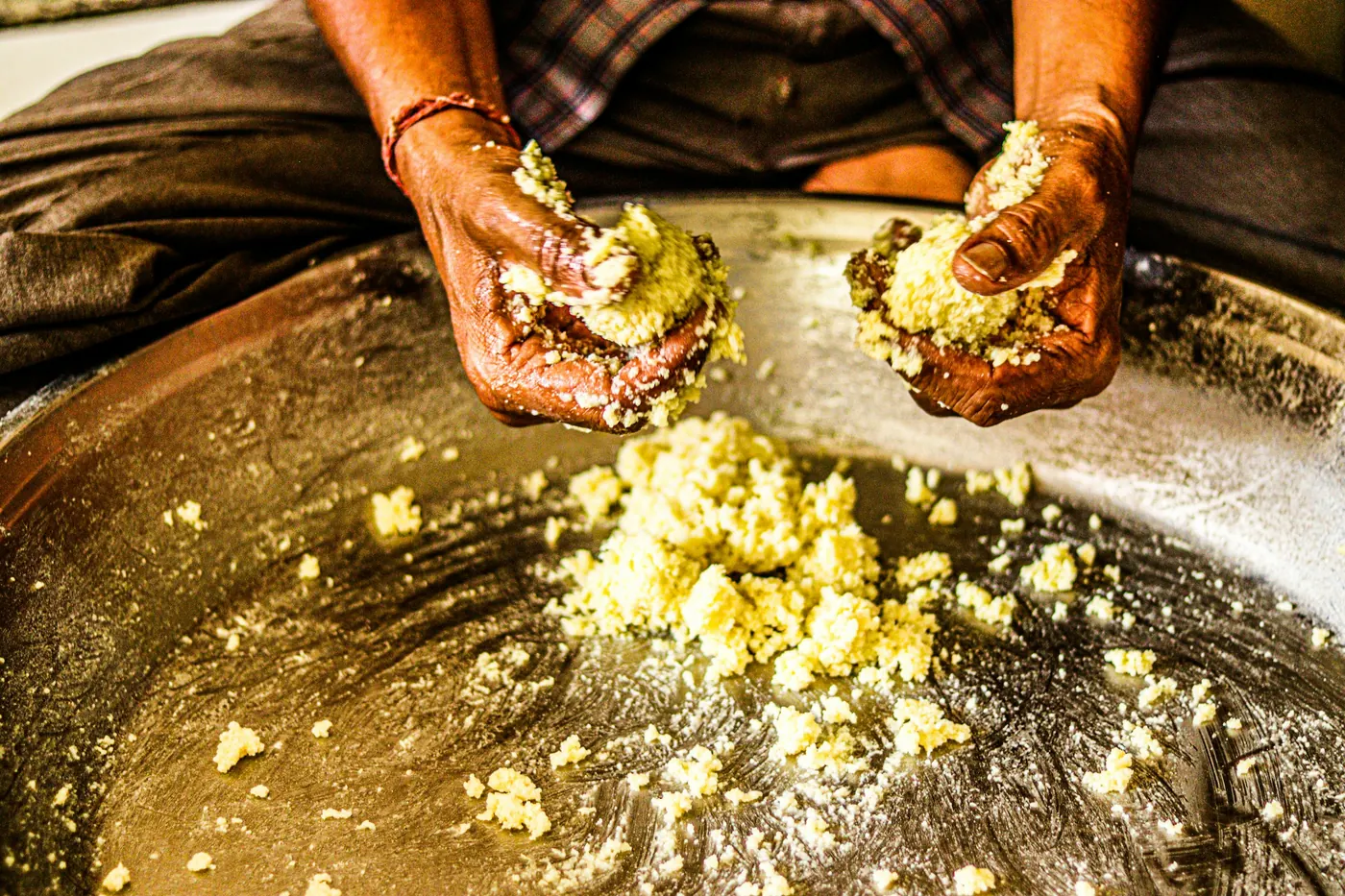
Bob’s Red Mill gives the ingredients of its organic masa harina as organic corn and hydrated lime, and the listing describes corn that has been cooked, soaked in limewater and finely ground. It is USDA certified organic and Non-GMO Project Approved, and Bob’s Red Mill names tamales alongside tortillas, pupusas and sopes as uses.
It is a fine golden-corn flour, so it gives a yellow-tinged tamal with a soft, even crumb rather than the coarser texture of a tamal-specific flour. Which you prefer is a matter of style. Bob’s Red Mill does not describe this flour as gluten-free on its product page, so if that matters, look at the certified gluten-free pick below.
A 24-ounce bag suits a modest batch; for a holiday tamalada you would want several bags or one of the bulk picks.
Why we like it
- Two ingredients: organic corn and hydrated lime
- USDA organic and Non-GMO Project Approved
- Tamales named among its uses by the maker
- Sold in many supermarkets as well as online
Key specifications
| Type | All-purpose masa harina |
|---|---|
| Corn | Organic golden (yellow) corn |
| Size | 24 oz |
| Ingredients (as stated) | Organic corn, hydrated lime |
| Grind | Fine (listing) |
| Gluten-free (as stated) | Not stated |
| Best for | Small batches, tortillas, pupusas |
| Made in | Not stated |
Why we recommend it
Choose it if you want organic corn and nothing else in your tamal masa, and only make tamales a few times a year.
Skip it if you are cooking for a crowd; the bag is small and the grind is fine.
Pros and cons
Pros
- Certified organic, two ingredients
- Easy to find in stores
- Plain enough to season your way
Cons
- Small bag for tamales
- Fine grind
- Gluten-free not stated
4. Minsa Instant Corn Masa Flour, 3 x 4 lb – Twelve Pounds for a Tamalada
A tamalada, the family day of spreading and folding, can go through a lot of masa. This pack is three 4-pound bags of Minsa’s instant corn flour, harina de maíz nixtamalizado, and the listing names tamales first among its uses after tortillas, alongside pupusas, gorditas and atole.
The listing says the flour has no preservatives, 0% trans fat and no cholesterol, and is enriched with folic acid. It does not give a full ingredient list. A reseller’s copy of the bag lists vegetable oil, salt and gums with the corn and lime, which we could not confirm against Minsa’s own information; if your bag does contain salt, taste the dough before adding more.
Minsa is one of the long-established commercial millers; its US mills in Red Oak, Iowa, and Muleshoe, Texas, are now owned by Bunge, according to the trade paper Feedstuffs. Keep the opened bags sealed in a cool, dry place and use the oldest first.
Why we like it
- Twelve pounds in three 4 lb bags
- Tamales named among its uses
- No preservatives, as stated; enriched with folic acid
- From a long-established masa flour miller
Key specifications
| Type | Instant corn masa flour |
|---|---|
| Corn | Not stated |
| Size | Three 4 lb bags |
| Ingredients (as stated) | Not listed on Amazon; check the bag |
| Grind | Not stated |
| Gluten-free (as stated) | Not stated |
| Best for | Large tamal batches, tortillas, atole |
| Made in | Not stated |
Why we recommend it
Choose it if you are making tamales by the hundred, or you want one order to cover tamales and weeknight tortillas for months.
Skip it if you want a flour of only corn and lime confirmed before you buy; the listing does not say.
Pros and cons
Pros
- Bulk quantity in one order
- Suits tamales and tortillas
- No preservatives, as stated
Cons
- Full ingredients not listed
- May contain oil, salt and gums
- A lot to store
5. Goya Masarica Instant Corn Masa Flour, 4 lb – A Grocery Masa With Tamales on the List

Goya sells Masarica as an instant corn flour that it calls essential in Mexico and Central America, and tamales are one of the three dishes it names for it, along with tortillas and pupusas. It is a sensible choice if Goya is the brand your local store already stocks and you want a plain flour in a size that suits a family tamalada.
Goya’s product page lists one ingredient, white corn, and a grocery listing for the same 4-pound bag gives white corn with traces of lime. The Amazon listing calls it instant corn masa flour and says it is kosher and gluten free. Do not confuse it with Goya’s Masarepa, a precooked corn meal sold for arepas; that is not a tamal flour.
Goya does not describe the grind, so expect an all-purpose masa rather than a coarse tamal grind; whip the fat well and it makes a tender tamal. Goya advises checking the package for current ingredients.
Why we like it
- One ingredient: white corn (Goya)
- Tamales named among its uses
- A 4 lb bag in one order
- Works for tortillas and pupusas as well
Key specifications
| Type | Instant corn masa flour |
|---|---|
| Corn | White |
| Size | 4 lb (64 oz) |
| Ingredients (as stated) | White corn (Goya); white corn, traces of lime (grocery listing) |
| Grind | Not stated |
| Gluten-free (as stated) | Yes, per the Amazon listing |
| Best for | Everyday tamales, tortillas, pupusas |
| Made in | Not stated |
Why we recommend it
Choose it if you want a plain white-corn flour in a large bag from a brand most grocery stores carry.
Skip it if you want a coarse, tamal-labeled grind; Maseca Tamal or Masa Brosa’s tamal flour is made for that.
Pros and cons
Pros
- Large 4 lb bag
- Single-ingredient list
- Gluten free per the listing
Cons
- Grind not stated
- Easy to confuse with Goya Masarepa
6. Chef Mex Organic Corn Masa Flour, 2.2 lb – Certified Gluten-Free
Corn has no gluten, but a mill that also handles wheat can leave traces. If someone at your table must avoid gluten, this is the one flour on our list sold as certified gluten-free. Chef Mex also states that it is USDA organic and Non-GMO Project Verified, and gives four ingredients: organic white corn, water, lime and folic acid.
The US Food and Drug Administration has allowed manufacturers to add folic acid to corn masa flour, voluntarily, since 2016. Chef Mex says the trace amount does not change flavor or texture, and the listing names tamales among the flour’s uses, along with tortillas, pupusas and sopes.
Chef Mex is a small brand that publishes little about itself beyond the listing, and a single 2.2-pound bag is a modest amount for tamales. It is the pick for a gluten-free household rather than a holiday batch.
Why we like it
- Certified gluten-free, per the listing
- USDA organic and Non-GMO Project Verified
- Organic white corn nixtamalized with lime
- Tamales named among its uses
Key specifications
| Type | All-purpose masa harina |
|---|---|
| Corn | Organic white corn |
| Size | 2.2 lb |
| Ingredients (as stated) | Organic white corn, water, lime, folic acid |
| Grind | Not stated |
| Gluten-free (as stated) | Yes, certified |
| Best for | Gluten-free tamales and tortillas |
| Made in | Not stated |
Why we recommend it
Choose it if you need certified gluten-free masa harina; check that your baking powder and broth are gluten-free too.
Skip it if you prefer a brand with a long track record; Chef Mex publishes little about itself.
Pros and cons
Pros
- Certified gluten-free
- Organic and non-GMO
- Short ingredient list
Cons
- Little-known brand
- Small bag for tamales
- Grind not stated
7. El Molcajete Corn Husks for Tamales, 1 lb – About 110 Husks to Wrap Them

Masa is half the shopping list; husks are the other half. This one-pound bag of dried corn husks, hojas para tamales, comes from Mexico, according to the listing, which describes them as non-GMO, premium dried husks with about 110 pieces per pack. That is enough for several dozen tamales once you set aside the torn and narrow ones for tying.
Dried husks must be soaked before use. Masienda soaks them in hot water for at least 10 minutes while it makes the masa; Food Network Kitchen weights them under a plate in hot water for about an hour until flexible. Pat each one dry, spread masa on the smooth side, and keep the rest covered so they stay pliable.
Husk sizes vary from bag to bag. Choose the widest for spreading and tear the thin ones into strips for ties or to line the steamer.
Why we like it
- About 110 husks per pound, per the listing
- From Mexico, as stated
- Non-GMO, per the listing
- Also suggested for roast dishes, per the listing
Key specifications
| Type | Dried corn husks (hojas) |
|---|---|
| Corn | Not stated |
| Size | 1 lb, about 110 pieces |
| Ingredients (as stated) | Dried corn husks |
| Grind | Not applicable |
| Gluten-free (as stated) | Not stated |
| Best for | Wrapping husk tamales |
| Made in | Mexico (listing) |
Why we recommend it
Choose it if you cannot find husks locally; a pound covers a typical family batch, with spares.
Skip it if a nearby Mexican market sells husks loose, where you can pick the widest ones yourself.
Pros and cons
Pros
- Plenty of husks per bag
- From Mexico, per the listing
- One bag covers a family batch
Cons
- Sizes vary; some are narrow
- Needs soaking before use
How to choose a masa harina for tamales
Five questions decide the bag. Most of them are answered on the back of it.
1. Tamal grind or all-purpose?
A flour labeled “tamal” or “para tamales” is milled coarser for a lighter, more open crumb. An all-purpose masa harina makes a smoother, denser, more delicate tamal. Both are correct; regional styles differ, and a fine flour can be roughened with a little coarser corn, as Masienda and America’s Test Kitchen both suggest.
2. Is it really nixtamalized?
Look for lime or calcium hydroxide in the ingredients, or the words “masa harina” or “nixtamalizado”. Cornmeal and pre-cooked arepa flour are not nixtamalized and will not make tamal masa. Our guide to the best masa harina for tortillas goes through the labels in more detail.
3. Heirloom or commercial?
Heirloom flours such as Masienda’s taste more of a particular corn and suit tamales where the masa is the star, though Masienda’s white flour was out of stock on Amazon when we rechecked, so it is not among our picks. Commercial flours such as Maseca, Minsa and Goya are consistent, inexpensive per pound and sold in sizes that make sense for a tamalada.
4. What else is in the bag?
The simplest flours are corn and lime. Some add folic acid, which the FDA permits; at least one reseller’s copy of a bag lists oil, salt and gums. Know which you have before you season the dough.
5. How much do you need?
As a guide from published recipes: Pati Jinich’s Jalisco-style chicken tamales use about 3½ cups of masa harina for 16 tamales, and Masienda’s recipe uses about 8 cups for roughly 50 smaller ones. A 4-pound bag holds several times that.
Lard, shortening or oil, and the float test
Tamal masa is masa harina, fat, liquid, salt and usually baking powder. The fat does most of the work. Lard is traditional; Masienda whips it until it is light and airy, almost like cake frosting, before adding the masa harina and baking powder. Pati Jinich lists lard or vegetable shortening interchangeably in her chicken tamales. For vegan tamales Masienda suggests vegan butter or refined coconut oil, and it has confirmed that beef tallow works too. Liquid oil is used in some regional recipes: a vegetable tamal recipe published by Leona’s Restaurante de Chimayó in New Mexico uses canola oil with masa harina.
The float test is how many cooks decide the dough is ready. Food Network Kitchen’s instruction is to drop a half-teaspoon of dough into a cup of cold water: it should float. If it sinks, that recipe adds the remaining broth and mixes for another couple of minutes, and Pati Jinich’s advice is to keep beating to work in more air. Masienda goes by texture instead, aiming for a well-hydrated, creamy dough that spreads like hummus. Either way, the goal is the same: a masa light enough to steam tender rather than dense.
- Whip the fat in a stand mixer or with a hand mixer until pale and fluffy.
- Add the dry ingredients: masa harina, baking powder and salt. Masienda suggests about a teaspoon of salt per cup of masa harina if your broth is unsalted.
- Add warm broth gradually, beating until the dough is soft and spreadable. Hold some broth back and add it only if needed.
- Test a spoonful in cold water, and taste for salt; the steamed tamal will taste a little milder than the raw dough.
- Spread and steam. Food Network Kitchen steams for 45 to 50 minutes; Masienda allows 75 to 90 minutes and checks that the husk pulls away cleanly. Rest the tamales, covered, before serving.
A tall pot with a rack keeps the tamales upright above the water; our guide to the best tamale steamer compares the options.
How we chose these tamal flours
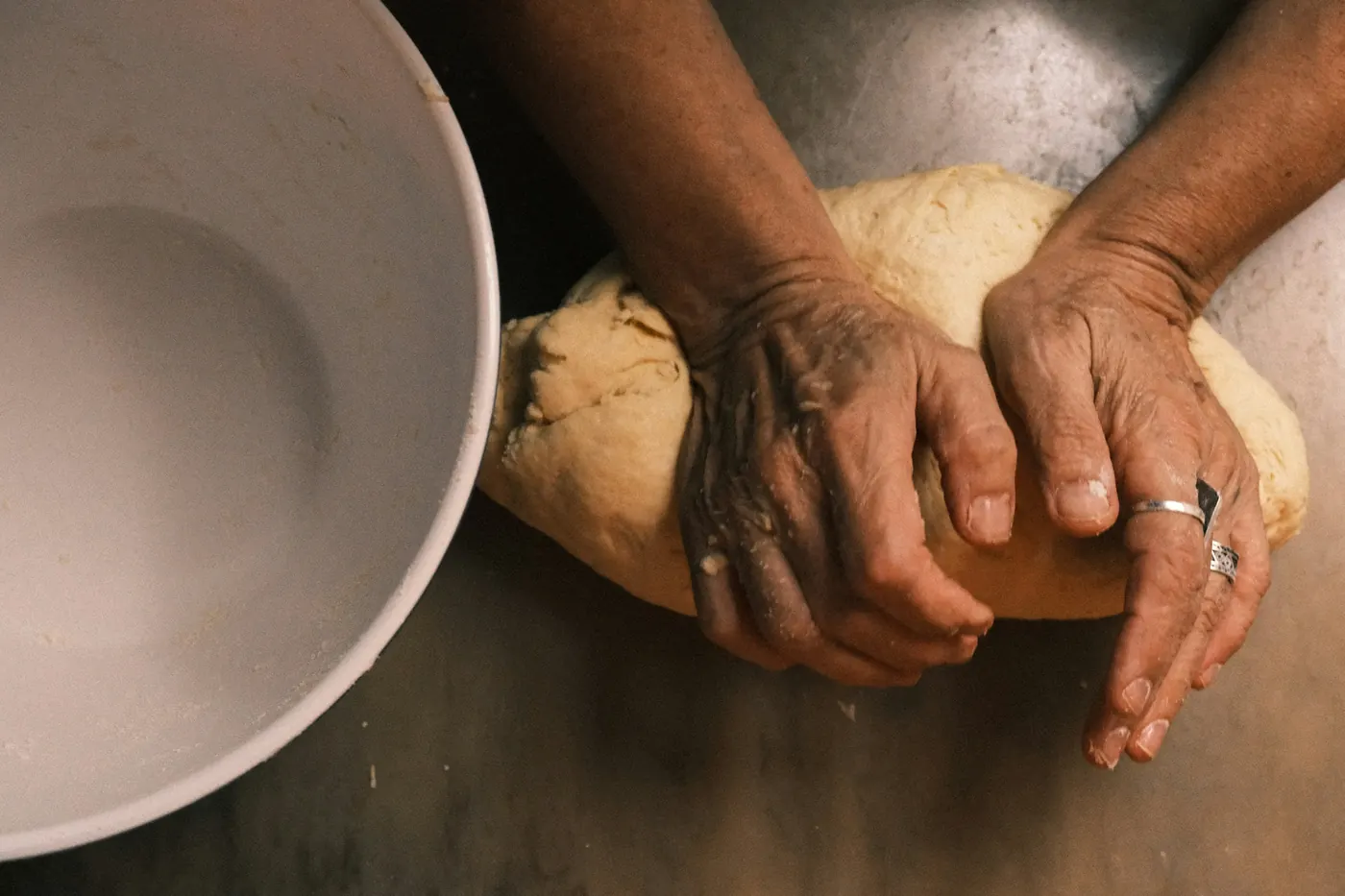
We started from what a Mexican kitchen asks of tamal masa: properly nixtamalized corn, a grind that gives the texture you want, a plain ingredient list you can season yourself, and enough flour in the bag for the batch. We narrowed the field to products sold on Amazon in the United States and in stock when we checked, confirmed what each maker or brand listing states, and, where listings were thin, used grocery retailers’ published ingredient panels and say so. For technique we relied on Masienda’s tamal recipe, Pati Jinich’s and Food Network Kitchen’s published recipes, America’s Test Kitchen’s tamal notes and Rick Bayless’s masa harina notes; for folic acid, on the US Food and Drug Administration. We left out Maseca’s two-bag “Corn Masa for Tamales” listing and Maseca’s yellow flour because they were nearly or fully out of stock, H-E-B’s tamale mix for the same reason, and flours whose nixtamalization we could not confirm. We have not made tamales with every flour listed here; where we describe how a flour behaves, we say whose description that is.
Tamal masa questions, answered
Can I use regular masa harina for tamales?
Yes. Any nixtamalized masa harina makes tamales. A tamal-specific flour gives a coarser, lighter crumb; a fine all-purpose flour gives a smoother, more delicate one.
What is the difference between masa harina and masa preparada?
Masa harina is dry flour you mix yourself. Masa preparada is fresh masa a market has already mixed with fat and salt for tamales; it is ready to spread but perishable.
Do I have to use lard?
No. Lard is traditional, but vegetable shortening, butter, coconut oil, beef tallow and even canola oil all appear in published tamal recipes. Solid fats whipped first give the lightest masa.
Why won’t my masa float?
Usually it needs more air or a little more liquid. Beat longer, add a spoonful of broth, and test again. Check that your baking powder is fresh.
How long do I soak corn husks?
Masienda soaks them in hot water for at least 10 minutes; Food Network Kitchen allows about an hour. They are ready when they bend without cracking.
Can I make blue corn tamales?
Yes, with a blue corn masa harina. See our guide to the best blue corn masa harina for what is available and what is really cornmeal.
The bag to buy for your next tamalada
Buy Maseca Tamal for the classic coarse tamal, Masa Brosa as a second tamal-labeled flour, Bob’s Red Mill if you want organic, Minsa or Goya Masarica when you need pounds of it, and Chef Mex for a gluten-free table. Whichever you choose, whip the fat well, add the broth slowly, and let a half-teaspoon in a glass of water tell you when the masa is ready.
Masa harina, the press and the comal all live in our guide to tortilla making tools, which covers the rest of the corn kitchen.
And if tamal season catches you short of time, see the menu or call to order.