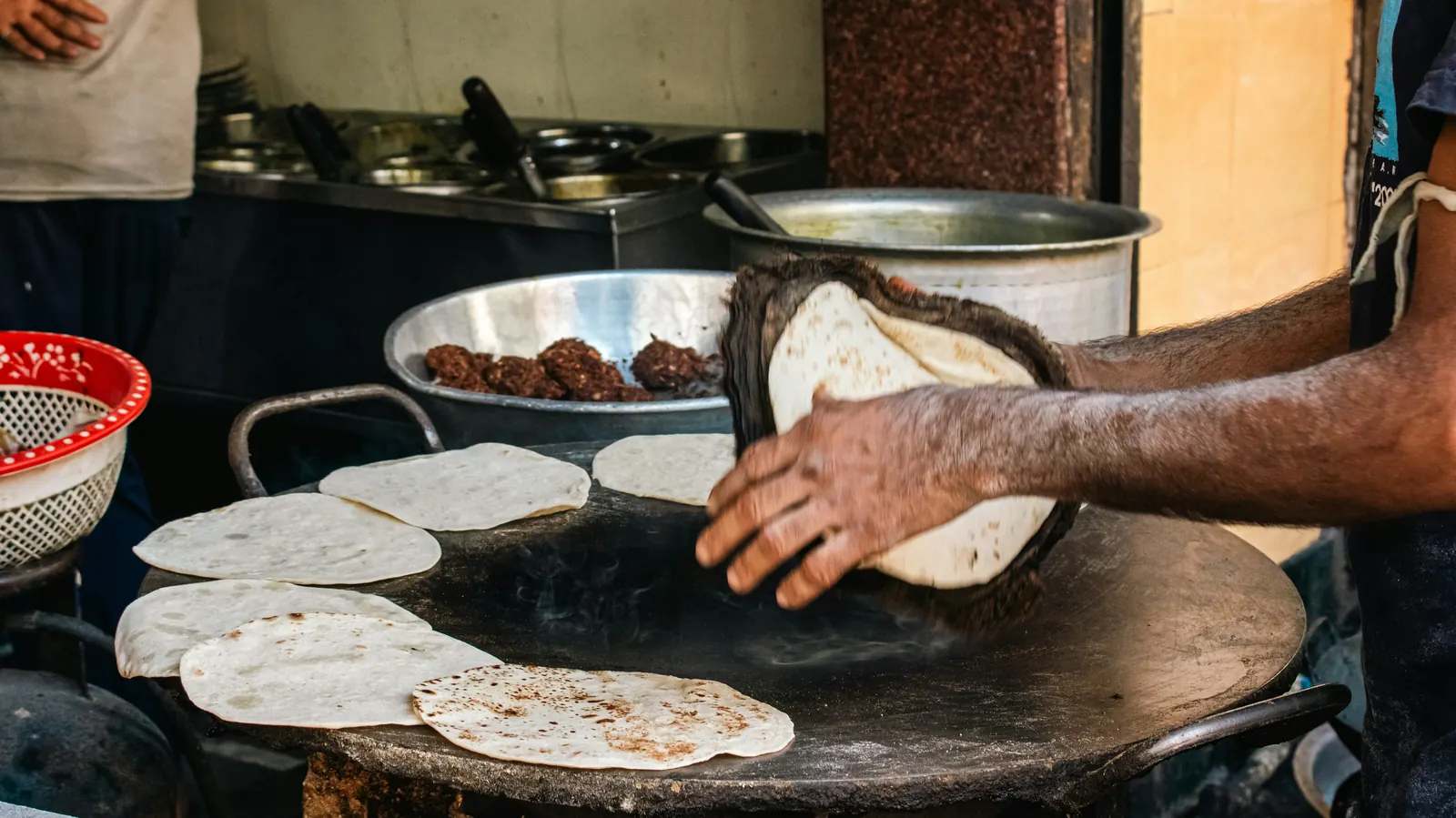
A homemade tortilla needs very little: masa, a way to flatten it, a hot surface and something to keep it warm. That is the whole kit. Cooks in Mexico have made tortillas with exactly these four things for generations, and a home kitchen in the United States needs nothing more.
What takes some thought is choosing each piece. Presses come in cast iron, aluminum and wood; comales in cast iron, carbon steel and clay; warmers in cloth, plastic and ceramic. This guide explains what each tool does, what to look for, and which ones are worth buying first, then walks you through a first batch and what to do when tortillas crack, stick or refuse to puff.
Julia’s earns a commission on purchases made through links on this page, at no cost to you. Recommendations are based on what a working Mexican kitchen looks for, the makers’ own specifications and the sources we cite.
Quick verdict: the tortilla making tools worth owning
For corn tortillas, the core tortilla making tools are a cast iron tortilla press (such as the Victoria 8-inch press) with thin plastic liners, a flat cast iron comal (such as the Lodge 10.5-inch round griddle) and a tortilla warmer or a clean cloth. For flour tortillas, swap the press for a slim rolling pin. Buy good masa or masa harina, and those few tools will do the rest.
The rest of this page explains why each piece matters and how to choose it for your kitchen.
Corn or flour: the dough decides the tools
Corn and flour tortillas are made in different ways, and the tools follow the dough. Our guide to corn versus flour tortillas covers the differences in taste and use; here is what they mean for your kitchen.
Corn tortillas are made from masa, a dough with no gluten. It does not stretch, so it cannot be rolled thin without tearing. Instead it is pressed flat between two sheets of plastic, either by hand or in a tortilla press, and cooked on a dry comal.
Flour tortillas are made from wheat flour, fat, salt and water. The gluten makes the dough elastic, so it is rolled out with a rolling pin and stretched, and a press tends to make it spring back. Flour tortillas also cook on a comal, or in an electric tortilla maker.
So a corn tortilla kit is masa, press, liners, comal and warmer. A flour tortilla kit is flour, rolling pin, comal and warmer. The comal and the warmer are shared, which is why they are the first two tools to buy.
Masa: where every corn tortilla starts
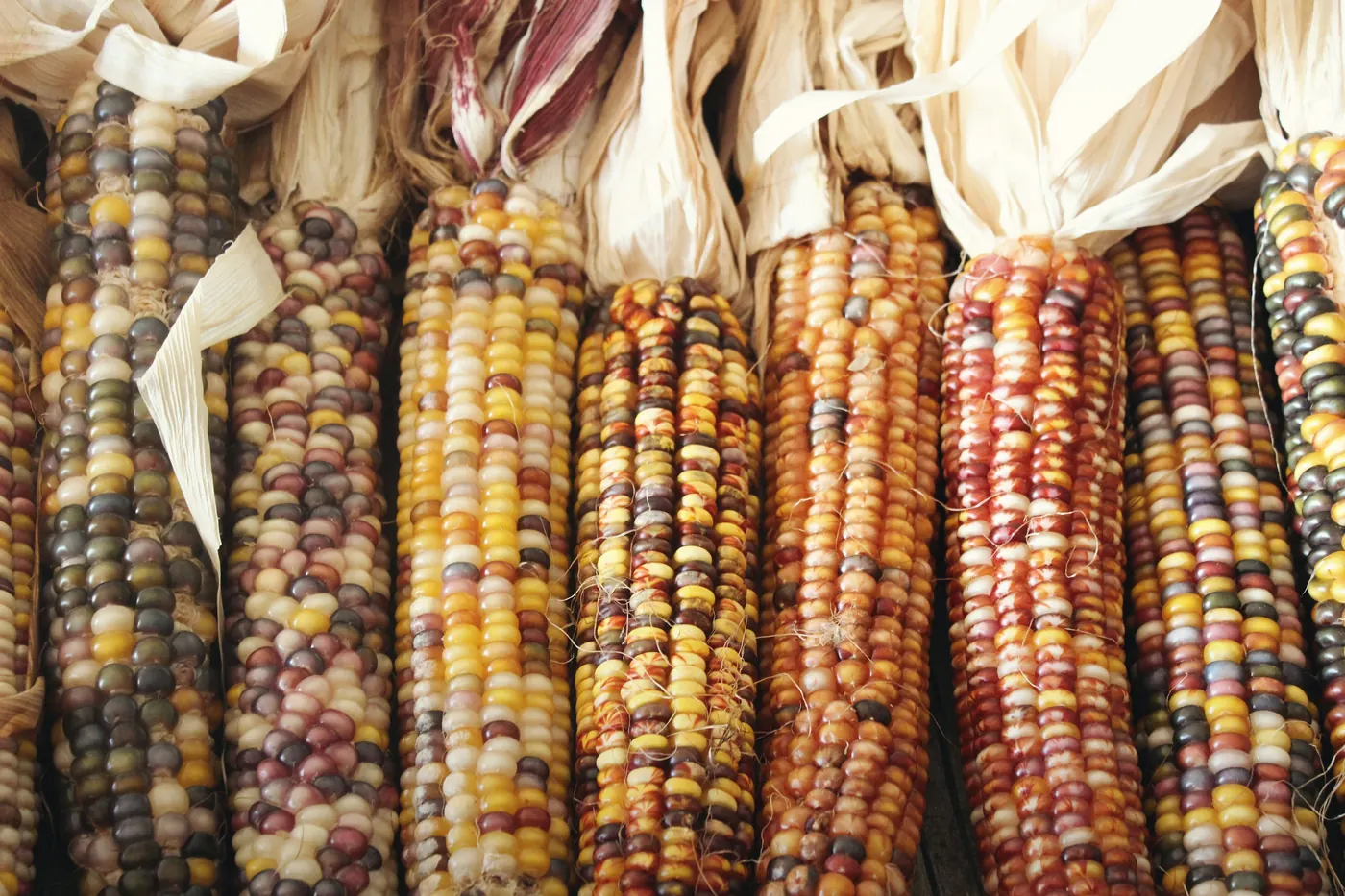
Masa is corn that has been cooked and soaked in an alkaline solution of water and lime (calcium hydroxide), then ground into dough. That process, nixtamalization, softens the corn, loosens its skins and changes its flavor and nutrition. Our guide to nixtamalization explains it step by step, and our guide to masa antojitos covers the many other things made from the same dough.
At home you have two choices.
- Fresh masa. Ground from nixtamalized corn and sold by tortillerías and some Mexican markets. Rick Bayless writes that the best-texture tortillas are made from fresh-ground masa, but that it is best used the same day because it can turn slightly sour after a few hours.
- Masa harina. Bayless describes it as fresh-ground masa that has been dehydrated and powdered. It keeps in the pantry and only needs water. Brands differ in how much water they take, so follow the bag and adjust by feel.
The tools for masa are simple: a large bowl, your hands, and a kitchen scale if you want every tortilla the same size. Masienda, which sells heirloom corn masa and presses, suggests balls of about 32 grams for a standard tortilla. Mix masa harina with water until the dough feels like soft clay and does not stick to your palms. Bayless’s test is the edges of the first pressed tortilla: if they are rough and cracked, the dough needs more water.
The tortilla press
A tortilla press is two flat plates joined by a hinge, with a lever that pulls the top plate down. You place a ball of masa between two liners on the bottom plate, close the press, pull the lever, and open it to find a thin, even round. A press does in two seconds what takes practice to do by hand, and it makes every tortilla the same thickness, which means they all cook at the same rate.
What to look for in a tortilla press
Masienda, which sells its own press, judges a press on five things: how easy it is to press, tension, durability, flexibility and enough surface area. Translated into buying advice:
- Weight and rigidity. A heavy press does more of the work and flexes less, so the tortilla comes out evenly thick from center to edge. Cast iron is the classic choice.
- Size. Masienda notes that a press with too little surface lets masa squeeze out at the sides. An 8-inch press suits standard corn tortillas; a 10-inch press gives room for larger ones.
- Flat plates and a solid hinge. Victoria describes its press as a reinforced design with engineered flat plates that prevent pinching. A press whose plates do not meet evenly makes tortillas thicker on one side.
- A finish you can care for. Bare cast iron must be dried straight away and kept oiled; aluminum will not rust but is lighter and can flex more.
Cast iron, aluminum or wood?
Cast iron is the heaviest and steadiest. The Victoria 8-inch traditional press is our pick for most kitchens: according to the listing it is seasoned with non-GMO flaxseed oil, made without PTFE or PFAS, and made in Colombia, where Victoria has made cast iron cookware since 1939. It should never be air dried or put in a dishwasher, the listing says, so dry it with a towel after use.
Cast aluminum is lighter and will not rust. IMUSA’s 8-inch cast aluminum press is a good example; IMUSA describes it as lighter than traditional cast iron and easy to clean and store. It suits cooks who find a heavy press awkward to lift, or who make tortillas only now and then.
Wooden presses are traditional in parts of Mexico and look handsome on a counter. Their quality varies widely and few sellers publish details, so we do not recommend a specific one here.
Liners: the small part that matters most
Masa is sticky. Masienda says well-hydrated masa should never go directly on the press, and that you need plastic liners. Its instructions are to cut two 8- to 9-inch circles from a thin plastic grocery bag or a bread bag without a zip seal. Parchment paper and zip-top bags, it says, are too heavy and do not peel off fresh masa easily.
If you would rather buy liners, Masienda sells reusable plastic ones in packs of five, printed with a ruler for tortilla size. According to the listing, they can be trimmed to fit any press, including Victoria and wooden presses, and should be wiped down after each use and stored inside the press once dry.
The comal: where tortillas cook
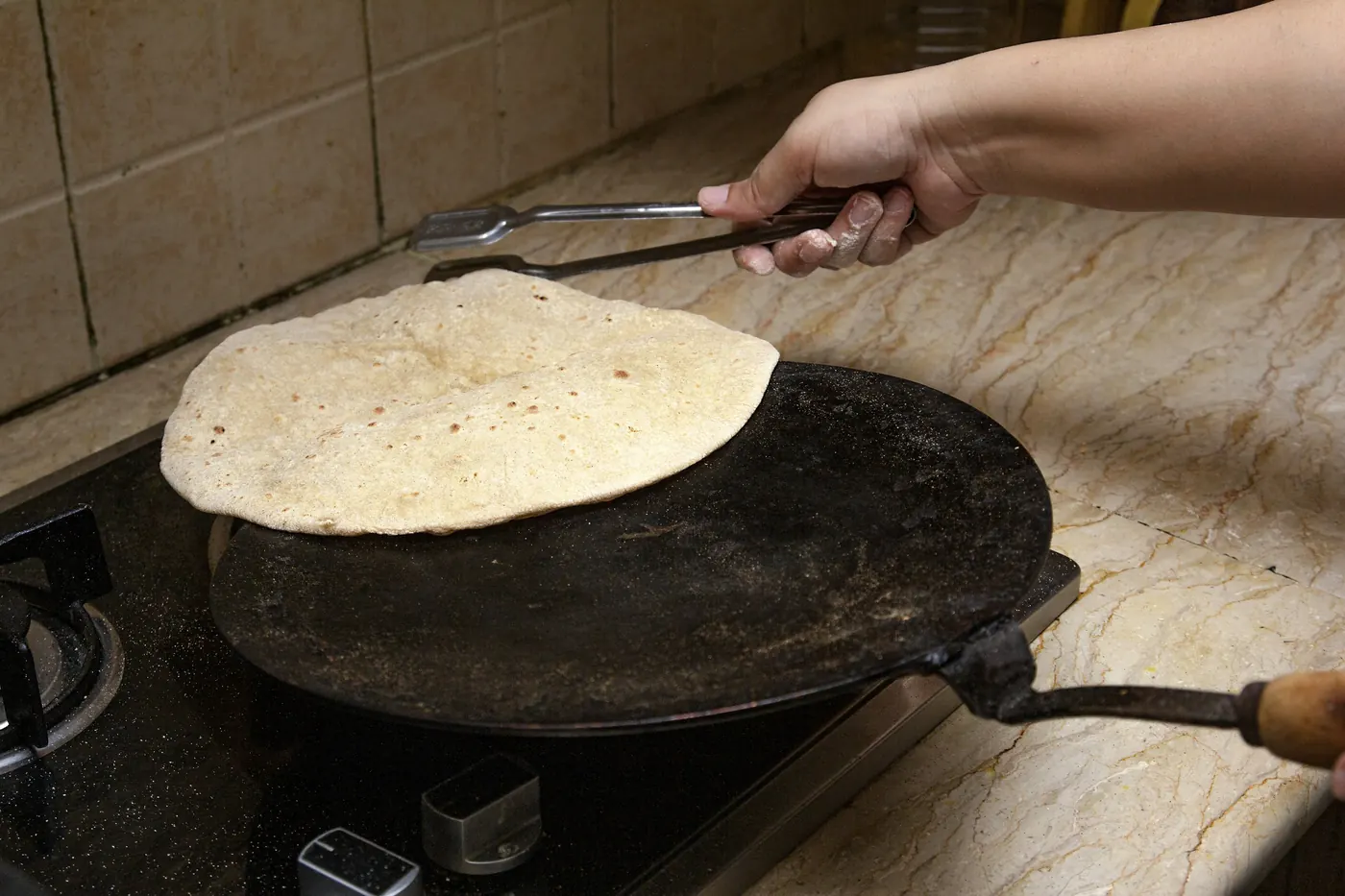
A comal is a flat griddle with little or no rim, so you can slide a spatula or your fingertips under a tortilla from any side. Tortillas cook on it dry, with no oil. It is the one tool every tortilla needs, whether homemade or store-bought.
For most home kitchens, a pre-seasoned cast iron comal is the easiest choice. The Lodge 10.5-inch round griddle is our starting pick: Lodge seasons it with vegetable oil, rates it for every stovetop including induction, and makes it in the United States. Carbon steel heats faster and weighs less; clay is traditional but fragile. Our guide to the best comal for tortillas compares the materials and names eight comals for different stoves and budgets.
If you are making tortillas from masa, a wider surface helps. Bayless suggests heating one end of a griddle to medium and the other to medium-high, so the tortilla can start on the cooler side and finish on the hotter one. That is easiest on a long griddle across two burners, or with two comales side by side.
Electric tortilla makers
An electric tortilla maker is a countertop appliance with two heated plates on a hinge. You place a ball of dough in the middle, close the lid to press it, and the plates cook it at the same time. It takes the stove out of the process entirely, which is handy in a small kitchen or for cooks who make flour tortillas several times a week.
The trade-off is that a heated press works differently from a cold press and a comal, and results vary between corn and flour dough. If you are considering one, our guide to the best electric tortilla maker explains what to look for and which models are worth buying.
A rolling pin for flour tortillas
Flour tortillas are rolled, not pressed. A slim, straight rolling pin without handles, often called a bolillo in Mexican kitchens, is the usual tool, because it lets you feel the dough and turn the tortilla a quarter turn between strokes to keep it round. A long dowel-style pin from any kitchen shop works well; a thick, handled pin is clumsier at this size.
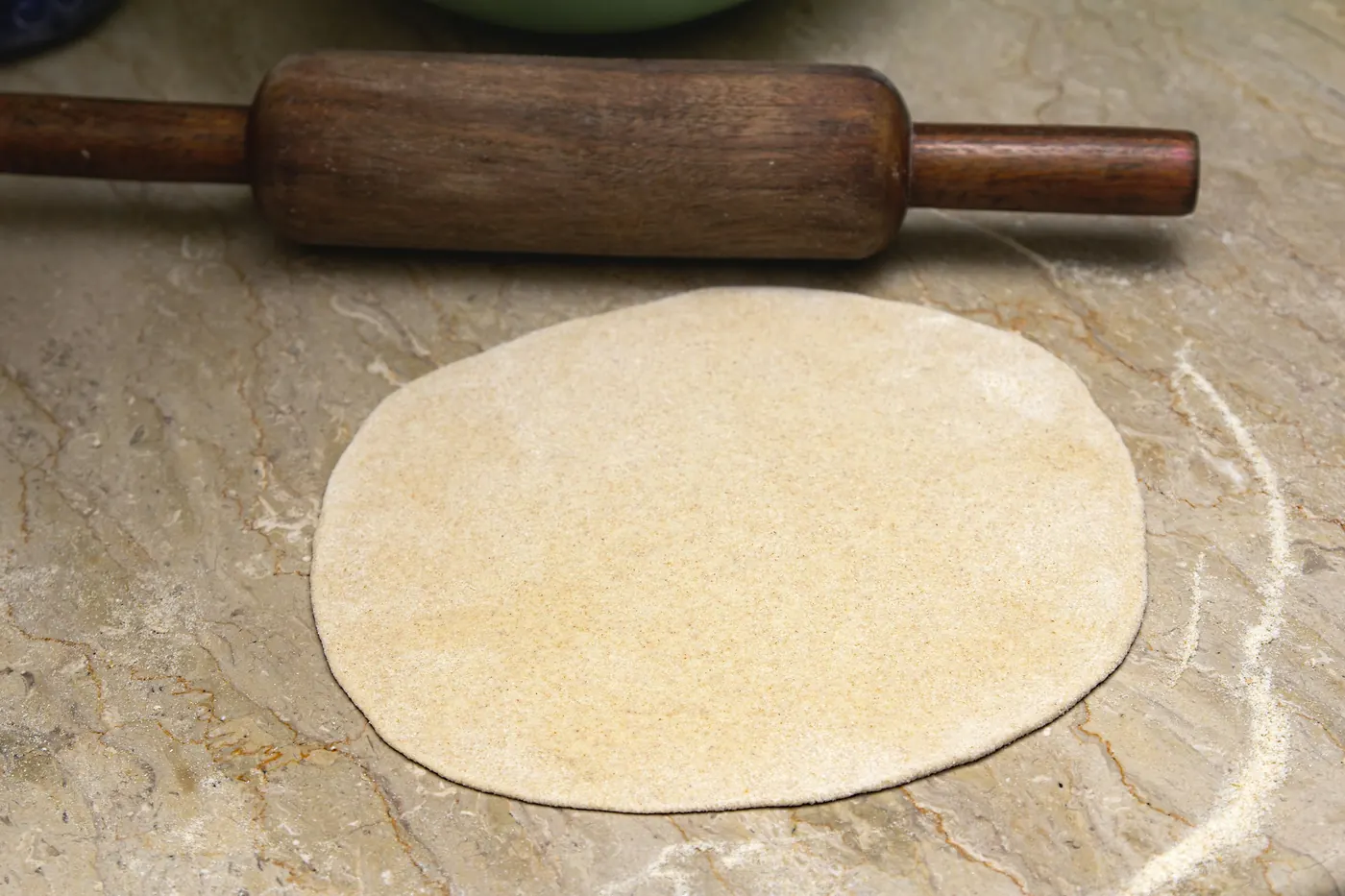
Roll each ball of dough from the center outward, turning it as you go, until it is thin and about the size you want. Let it rest under a cloth if it keeps springing back: the gluten relaxes after a few minutes and the dough rolls more easily.
Tortilla warmer: keeping the stack soft
A tortilla that comes off the comal starts to stiffen within minutes if it sits uncovered. Stacked and wrapped, it keeps soft because the stack holds its own steam. Bayless moves each finished tortilla to a towel-lined basket and keeps the stack well wrapped. This step matters most for corn tortillas, which also finish softening in the warmer as they rest.
You have three options.
- A clean cloth. A cotton kitchen towel folded around the stack works and costs nothing. Put it in a basket or a bowl to hold the shape.
- An insulated warmer. The Norpro 9.75-inch warmer is the larger of our two picks: Norpro gives its size as 9.75 by 9.75 by 4.75 inches, which fits big flour tortillas, and says it is microwave safe and top-rack dishwasher safe.
- A lidded tortillero. IMUSA’s 8-inch tortilla warmer is a lightweight plastic container in a terracotta color. IMUSA says it is microwave safe without the lid, which is handy for warming a stack of store-bought tortillas.
Ceramic and woven tortilleros look lovely on a table and do the same job; line them with a cloth for the best results.
A starter kit of tortilla making tools
Here is one example of each tool, with what it is for and why we chose it. Every product was in stock on Amazon when we checked, and its details come from the maker’s listing.
| Tool | Used for | A good first pick | Why this one |
|---|---|---|---|
| Tortilla press | Corn tortillas | Victoria 8-inch Cast Iron Tortilla Press | Heavy cast iron, flaxseed-oil seasoning, made in Colombia |
| Lighter press | Corn tortillas, occasional use | IMUSA 8-inch Cast Aluminum Tortilla Press | Lighter than cast iron, will not rust |
| Press liners | Keeping masa from sticking | Masienda Tortilla Press Liners, 5-pack | Thin, reusable, printed with a size ruler; trim to fit any press |
| Comal | Cooking every tortilla | Lodge 10.5-inch Round Cast Iron Griddle | Pre-seasoned, works on any stovetop including induction |
| Tortilla warmer | Keeping a large stack soft | Norpro 9.75-inch Insulated Tortilla Warmer | Fits large tortillas; microwave and top-rack dishwasher safe |
| Small warmer | Reheating store-bought tortillas | IMUSA 8-inch Tortilla Warmer | Light, microwave safe without the lid |
You do not need both presses or both warmers: pick one of each to suit how often you will make tortillas. For flour tortillas, add any slim rolling pin you like. We have not listed a masa harina or fresh masa here; buy whichever good masa you can get locally or online, and follow the bag for water.
Which tools to buy first
If you are starting from nothing, buy in this order, and use each tool for a while before adding the next.
- A comal. It makes store-bought tortillas taste better the first night, and you will need it for homemade ones anyway.
- A warmer or a good cloth. Soft tortillas through the whole meal, whoever made them.
- A press and liners, once you have found a masa or masa harina you like. Press a few practice batches on a quiet afternoon before you cook for guests.
- A second comal or a long griddle, if you find yourself cooking more than a dozen tortillas at a time. Two cooking surfaces let you keep a steady rhythm: press one while the last one cooks.
For flour tortillas, the order is the same, with a rolling pin in place of the press.
Your first batch of corn tortillas, step by step
This is the basic method, drawn from Masienda’s and Rick Bayless’s instructions. Expect the first few tortillas to be practice.
- Mix the masa. If you are using masa harina, add water a little at a time until the dough feels like soft clay. Cover it with a damp cloth so it does not dry out while you work.
- Heat the comal. Start it over medium to medium-high heat well before you press the first tortilla. Cast iron needs the longest to heat evenly.
- Portion the dough. Roll the masa into even balls; Masienda suggests about 32 grams each.
- Press. Lay a liner on the press, the ball in the middle, a second liner on top. Close and press gently. Masienda’s method is to press, flip the tortilla over between its liners, and press again.
- Peel. Open the press, peel off the top liner, then flip the tortilla onto your fingers and peel away the bottom liner.
- Cook. Lay the tortilla on the comal. Masienda sears each side for about 20 to 30 seconds. Bayless cooks the second side a little longer, then turns it once more and cooks about 30 seconds, pressing lightly so it puffs.
- Stack and wrap. Move each tortilla straight into the warmer or cloth and keep it closed between additions.
Let the stack rest for a few minutes before serving. The tortillas finish softening in their own steam.
When tortillas go wrong: what the tools can tell you
Most tortilla problems come down to water, heat or pressure, and each tool gives you a clue.
- The edges crack. The masa is too dry. Bayless says rough edges mean the dough needs more water. Knead in a little and press again.
- The tortilla sticks to the liner. Either the masa is too wet, or the liner is too thick. Masienda warns that parchment and zip-top bags do not peel cleanly; switch to thin plastic.
- One side is thicker than the other. The press is not closing evenly, or you are pressing too hard on the lever. Turn the tortilla and press once more, or press more gently.
- It does not puff. Usually the first side cooked too long. Bayless describes an overcooked surface as looking like dried mud with little fissures; a tortilla in that state rarely puffs. Turn it sooner next time.
- It burns before it cooks through. The comal is too hot. Turn it down, or start each tortilla on a cooler part of the griddle.
- It turns stiff at the table. It was not wrapped quickly enough. Keep the warmer closed and stack each tortilla straight off the comal.
Caring for your tortilla tools
Good tortilla tools last decades if you keep them dry.
- Cast iron press. Wipe off any masa with a dry cloth. Victoria says its press should never be air dried or washed in a dishwasher; dry it with a towel and wipe on a little oil. Masienda’s advice for its own press is similar: wipe it with a dry rag, use a barely damp one for deeper cleaning, never submerge it, and dry it completely.
- Aluminum press. Wipe clean and dry. It will not rust, but keep it out of the dishwasher unless the maker says otherwise.
- Liners. Wipe them down after use and store them flat inside the press once dry, as Masienda suggests. Replace any that tear.
- Comal. Lodge’s care instructions for its cast iron griddle are to hand wash, dry and oil.
- Warmers. Wash cloths after each use. Check the maker’s instructions for plastic warmers before putting them in a dishwasher.
Tortilla tool questions, answered
Do I need a tortilla press to make corn tortillas?
No. You can flatten masa between two sheets of plastic with the bottom of a heavy pan or a glass pie dish, and cooks in Mexico also pat tortillas out by hand. A press simply makes it faster and gives every tortilla the same thickness.
Is a cast iron or aluminum tortilla press better?
Cast iron is heavier, so it does more of the pressing for you and flexes less. Aluminum is lighter and will not rust. For regular use, cast iron; for occasional use or if weight is a concern, aluminum.
What size tortilla press should I buy?
An 8-inch press suits standard corn tortillas for tacos and enchiladas. Choose 10 inches if you want larger tortillas. Masienda notes that a press with too little surface lets the masa squeeze out at the sides.
Can I use a tortilla press for flour tortillas?
You can, but most cooks roll flour tortillas instead. The gluten in wheat dough makes it spring back after pressing, so a pressed flour tortilla tends to come out small and thick. If you make flour tortillas often, an electric tortilla maker, which presses and cooks at once, is another option.
Why use plastic instead of parchment in a tortilla press?
Thin plastic peels cleanly off fresh masa. Masienda says parchment and zip-top bags are too heavy and stick. Cut liners from a thin grocery or bread bag, or buy reusable liners made for the job.
How do I keep homemade tortillas warm?
Stack them in a cloth-lined basket or an insulated tortilla warmer as they come off the comal, and keep it closed. To reheat leftovers, see our guide to reheating Mexican leftovers.
Putting the kit together
Start with the comal and a warmer, which improve even store-bought tortillas. Add a press and liners when you are ready for masa, or a rolling pin for flour. Looked after, the same few tools will make tortillas for many years. For the other tools that round out a Mexican kitchen, from the molcajete to the lime squeezer, see our guide to Mexican cooking tools, and for serving tortillas to a crowd, our guide to taco bar supplies.
Presses: the best tortilla presses, the best cast iron tortilla presses, the best tortilla presses for flour tortillas, aluminum vs cast iron tortilla presses, our IMUSA tortilla press review and Victoria tortilla press review, tortilla press vs rolling pin and the best tortilla press alternative. Masa: the best masa harina for tortillas, the best masa harina for tamales and masa harina vs Maseca. Cooking and serving: the best comals for electric stoves, comal vs cast iron skillet and the best tortilla warmers.
And if tonight is not a tortilla-making night, see the menu or call to order.