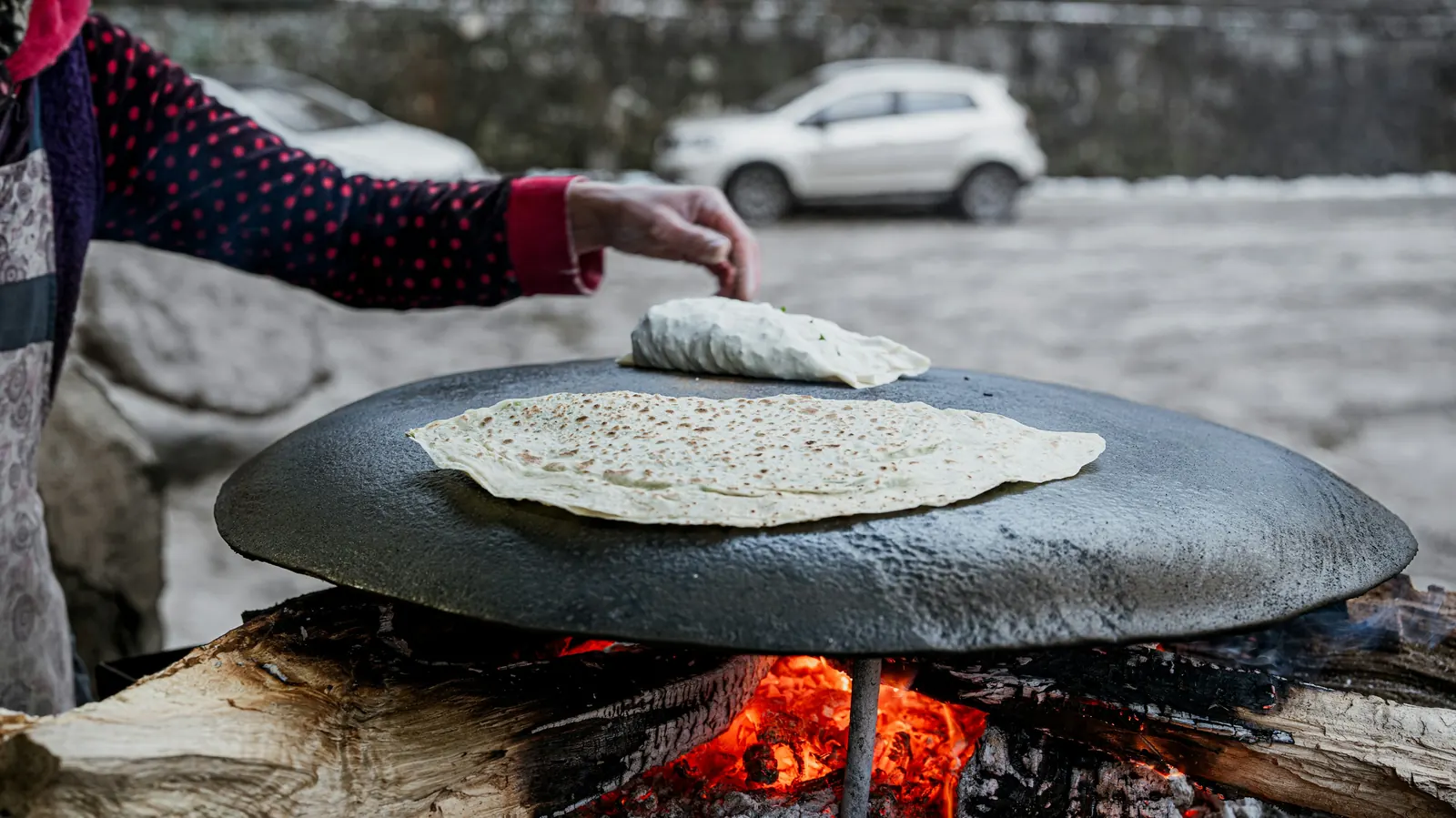
A Mexican kitchen runs on a surprisingly short list of tools. A flat griddle for tortillas and toasting, a stone bowl for grinding salsa, a press for masa, a cloth or basket to keep tortillas soft, a squeezer for limes and a pot for beans. Most of them are older than the stove they sit on, and none of them is complicated.
What makes them worth knowing is that each one does a job a general kitchen does badly. A nonstick skillet can warm a tortilla, but it will not blister it. A food processor can make salsa, but it will not give you the texture of one ground by hand. This guide walks through the kit piece by piece, explains what each tool is for and which ones to buy first, and points you to our detailed guides where we have them.
Julia’s earns a commission on purchases made through links on this page, at no cost to you. Recommendations are based on what a working Mexican kitchen looks for, the makers’ own specifications and the sources we cite.
Quick verdict: the Mexican cooking tools to buy first
If you buy only three Mexican cooking tools, make them a comal (a flat cast iron griddle such as the Lodge 10.5-inch round griddle), a tortilla warmer or a clean cloth to keep tortillas soft at the table, and a molcajete, the stone mortar for salsa and guacamole. Add a tortilla press when you start making tortillas from masa, and a lime squeezer the first time you juice a dozen limes by hand.
Everything else on this page is useful, but those five cover most of what a home cook needs to make Mexican food the way it is made in Mexico.
What makes a Mexican kitchen different
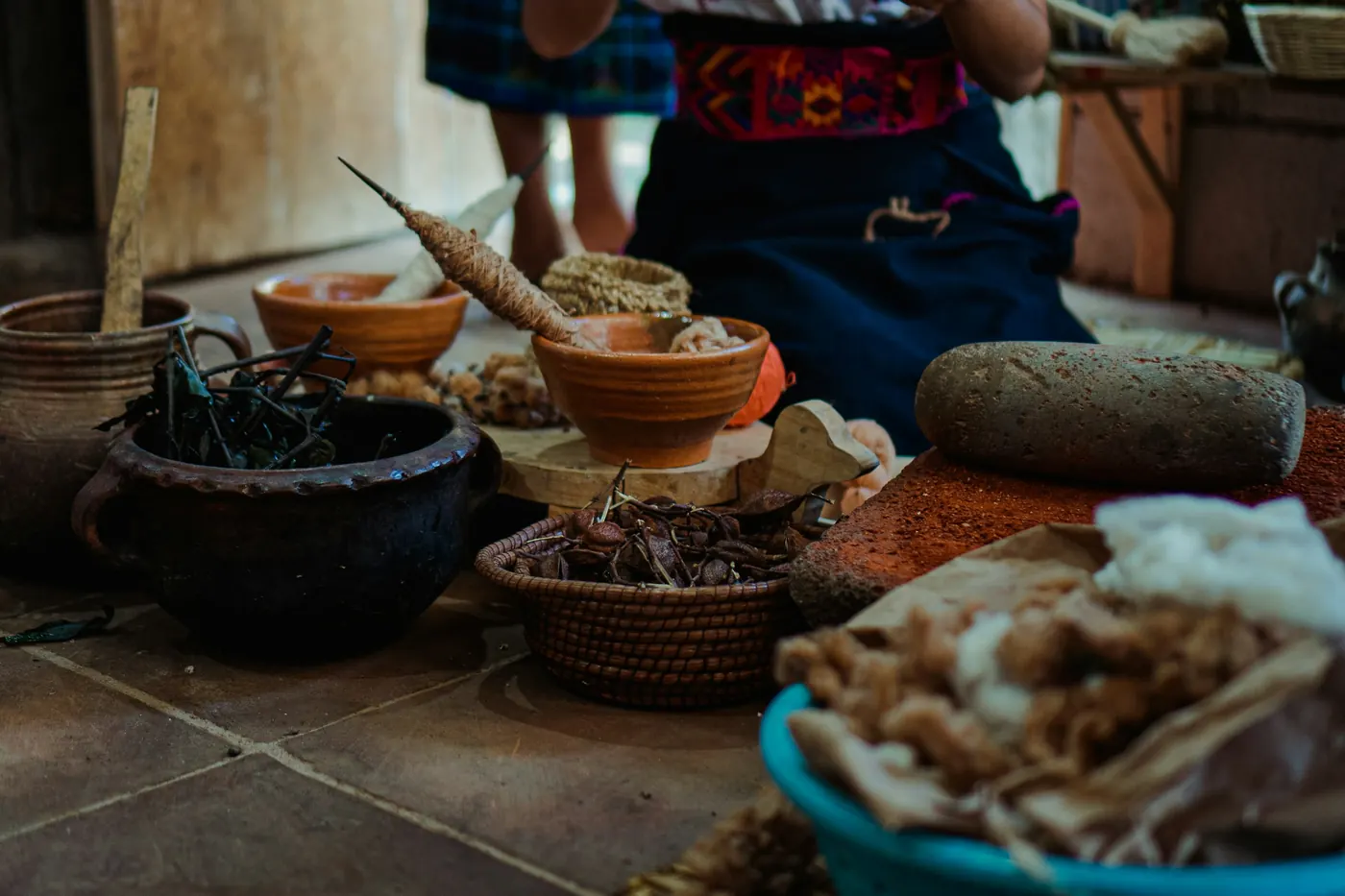
Mexican cooking leans on a handful of techniques more than most cuisines do: dry toasting on a hot griddle, grinding by hand, slow simmering in a deep pot, and cooking corn dough into flatbreads. Our guide to Mexican cooking methods explains these in detail. The tools follow from the methods.
Dry heat is the first one. Chiles, tomatoes, onions, garlic and tortillas all go onto a bare, hot surface with no oil, where they blister, char and soften. That calls for a heavy, flat griddle that holds heat, which is what a comal is.
Grinding is the second. Salsas, moles and spice pastes were made for centuries by crushing ingredients against stone, and the rough texture that gives is part of the dish. A blender does the same job faster and smoother, and most home cooks use both.
Corn is the third. Corn tortillas start as masa, a dough made from corn cooked with lime (the mineral, not the fruit) and then ground. Our guide to nixtamalization covers that process. Turning masa into tortillas calls for a press, a griddle and something to keep the finished tortillas warm.
Regional cooking adds its own pieces. A kitchen in Oaxaca will have different pots from one in Sonora, and our guide to regional Mexican cuisines gives a sense of how much the food varies. The tools below are the ones common to almost every Mexican home kitchen.
The comal: the griddle that does the most work
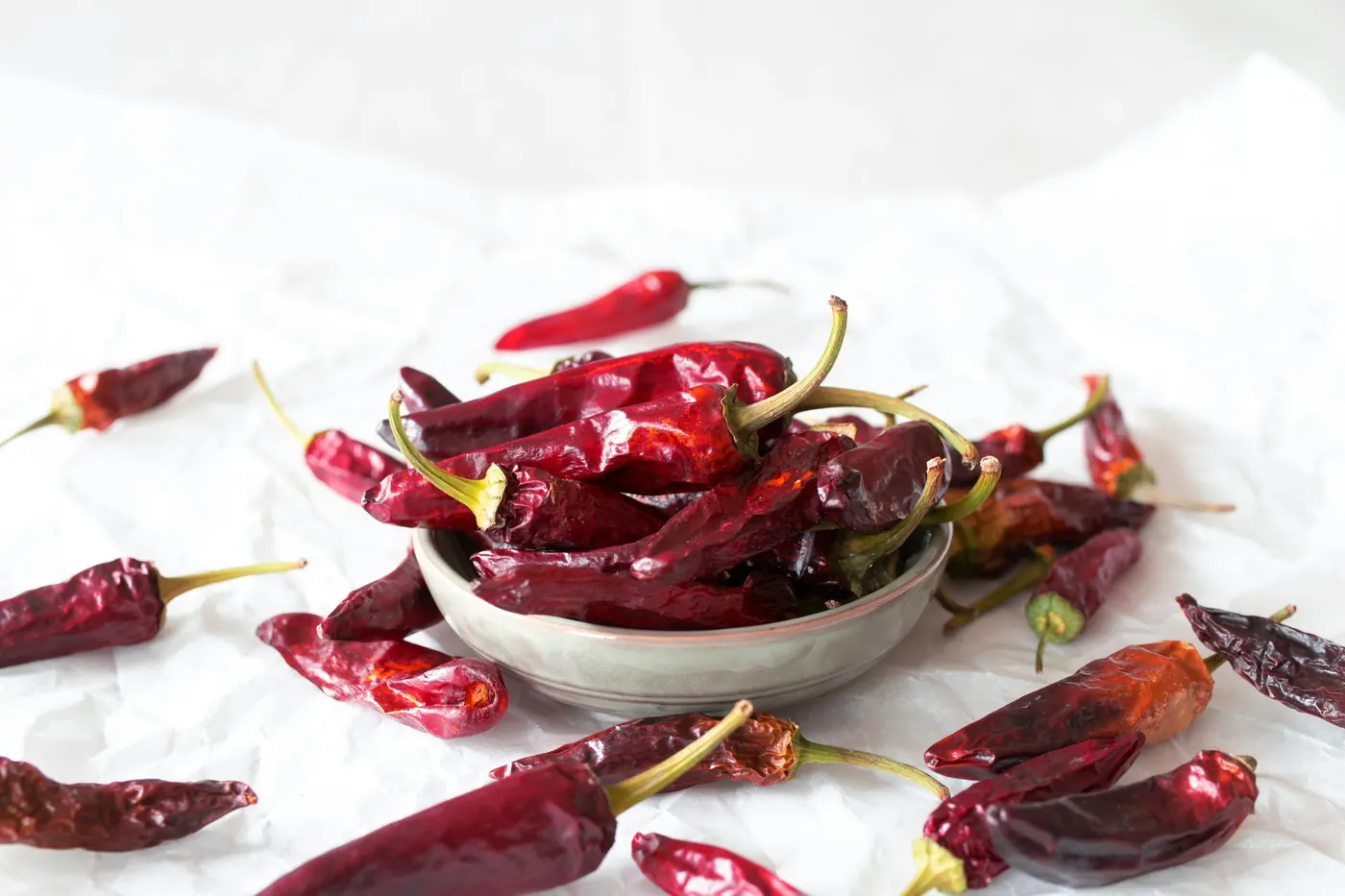
If a Mexican kitchen has one tool on the stove all day, it is the comal. It is a flat, round griddle with a very low rim or none at all, and it is used for far more than tortillas. Dried chiles are toasted on it before they are soaked for salsa or mole. Tomatoes, tomatillos, onions and garlic are charred on it until their skins blister. Quesadillas are cooked on it, and leftover tortillas are brought back to life on it.
Traditional comales were made of clay, and many cooks in Mexico still use them over gas or wood. In American kitchens, cast iron and carbon steel are more practical. Cast iron holds heat well, which keeps a run of tortillas cooking evenly, but it is heavy and slow to warm up: Masienda’s guide to the comal puts the wait at around ten minutes for cast iron to heat evenly. Carbon steel heats faster and weighs less, and America’s Test Kitchen describes it as heavy enough to hold heat but thin enough to heat quickly.
For most home kitchens, a 10- to 12-inch cast iron comal that arrives pre-seasoned is the simplest place to start. The Lodge 10.5-inch round griddle is the example we name in the starter kit below: Lodge seasons it with vegetable oil, rates it for every stovetop including induction, and makes it in the United States. Our full guide to the best comal for tortillas compares cast iron, carbon steel, clay and nonstick, and names eight comals for different stoves and budgets.
What to look for in a comal
- Flat and nearly rimless. You should be able to slide a spatula, or your fingertips, under a tortilla from any side.
- Matched to your burner. A comal much wider than the burner will be cool at the edges.
- Rated for your stove. On glass or induction, choose cast iron or carbon steel the maker rates for it; keep clay to gas.
- A finish you will maintain. Pre-seasoned cast iron needs the least work; carbon steel and clay need seasoning or curing first.
Tortilla press, tortilla warmer and the rest of the tortilla kit
You can cook Mexican food for years with store-bought tortillas, and plenty of cooks in Mexico buy theirs from the neighborhood tortillería. When you want to make your own, three more tools come into play.
The tortilla press
A tortilla press is two flat plates on a hinge with a lever. You put a ball of masa between two sheets of plastic, close the press and push the lever down, and you get an even, round tortilla in a few seconds. Rick Bayless suggests pressing a ball of masa into a disc about 1/8 inch thick and about five inches across, and notes that rough, cracked edges are a sign the dough needs more water.
Presses come in cast iron, cast aluminum and wood. Cast iron is the heaviest and the steadiest; the Victoria 8-inch cast iron press in our starter kit is seasoned with flaxseed oil, made in Colombia, and should never go in the dishwasher, according to the listing. Cast aluminum presses, such as IMUSA’s 8-inch press, are lighter. Masienda, which sells masa and presses, points out that a press with too little surface lets masa squeeze out at the sides, so an 8-inch press is a sensible minimum for full-size corn tortillas.
Line the press every time. Masienda advises cutting two circles from a thin plastic grocery bag or a bread bag; parchment and zip-top bags, it says, are too heavy and do not peel cleanly from fresh masa.
The tortilla warmer
A tortilla that comes off the comal starts to stiffen within minutes if it is left in the open. Wrapped and stacked, it stays soft because the stack holds its own steam. Bayless moves each tortilla to a towel-lined basket and keeps the stack well wrapped. A tortillero, the lidded basket or insulated container sold as a tortilla warmer, does the same job at the table.
Insulated plastic warmers are the most practical. The Norpro warmer in our starter kit measures 9.75 by 9.75 by 4.75 inches, which fits large flour tortillas, and Norpro says it is microwave safe and top-rack dishwasher safe. A clean cotton cloth in a basket costs nothing and works almost as well.
Electric tortilla makers
An electric tortilla maker presses and cooks in one appliance. It suits cooks who make flour tortillas often and want speed more than the char of a comal. We cover the trade-offs in our guide to the best electric tortilla maker, and the full set of tools for making tortillas at home, from masa to warmer, is in our guide to tortilla making tools.
The molcajete: salsa ground by hand
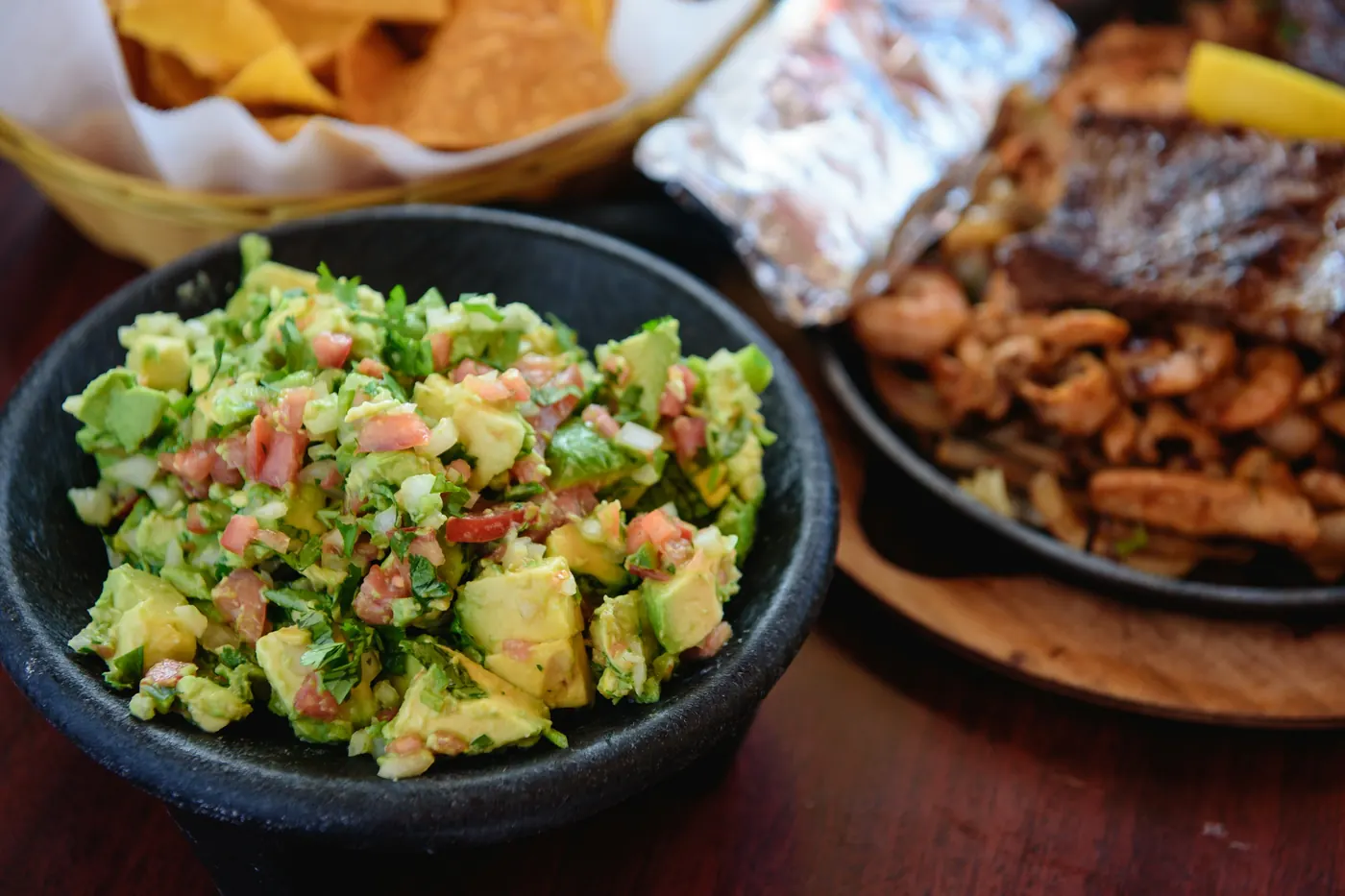
The molcajete is the Mexican mortar and pestle. Made In, which publishes a care guide for them, describes molcajetes as pre-Hispanic mortars carved from volcanic basalt, whose rough surface helps release oils and flavors as you grind. The pestle is called the tejolote. Together they make salsas, guacamole and spice pastes with a texture a blender cannot copy: some pieces crushed, some left whole.
A molcajete is also a serving dish. A salsa ground in it can go straight to the table in it, and guacamole is often served the same way. Our comparison of salsa roja and salsa verde covers the two salsas most often made in one.
Basalt or granite?
Traditional molcajetes are volcanic basalt. The Cuitáxi 8-inch molcajete in our starter kit is sold as lava rock from the area of the Popocatépetl volcano in Puebla, made by Mexican artisans, and the listing gives it as 8 inches across, 5 inches tall and between 7 and 8.8 pounds. Granite mortars, such as IMUSA’s 8-inch granite molcajete, are a common alternative. They are smoother and easier to clean, but the surface is less rough, so they grind more slowly.
Curing a new molcajete
A new basalt molcajete sheds grit until it is cured. Made In’s method is to scrub it with a stiff brush and water, grind a handful of raw rice into powder, brush that out, grind coarse salt around the whole bowl, and repeat with rice until the rice powder no longer comes out gray. After that, rinse it with water and a brush, never soap, which Made In says can linger in the stone, and never put it in the dishwasher.
Clay pots: ollas and cazuelas
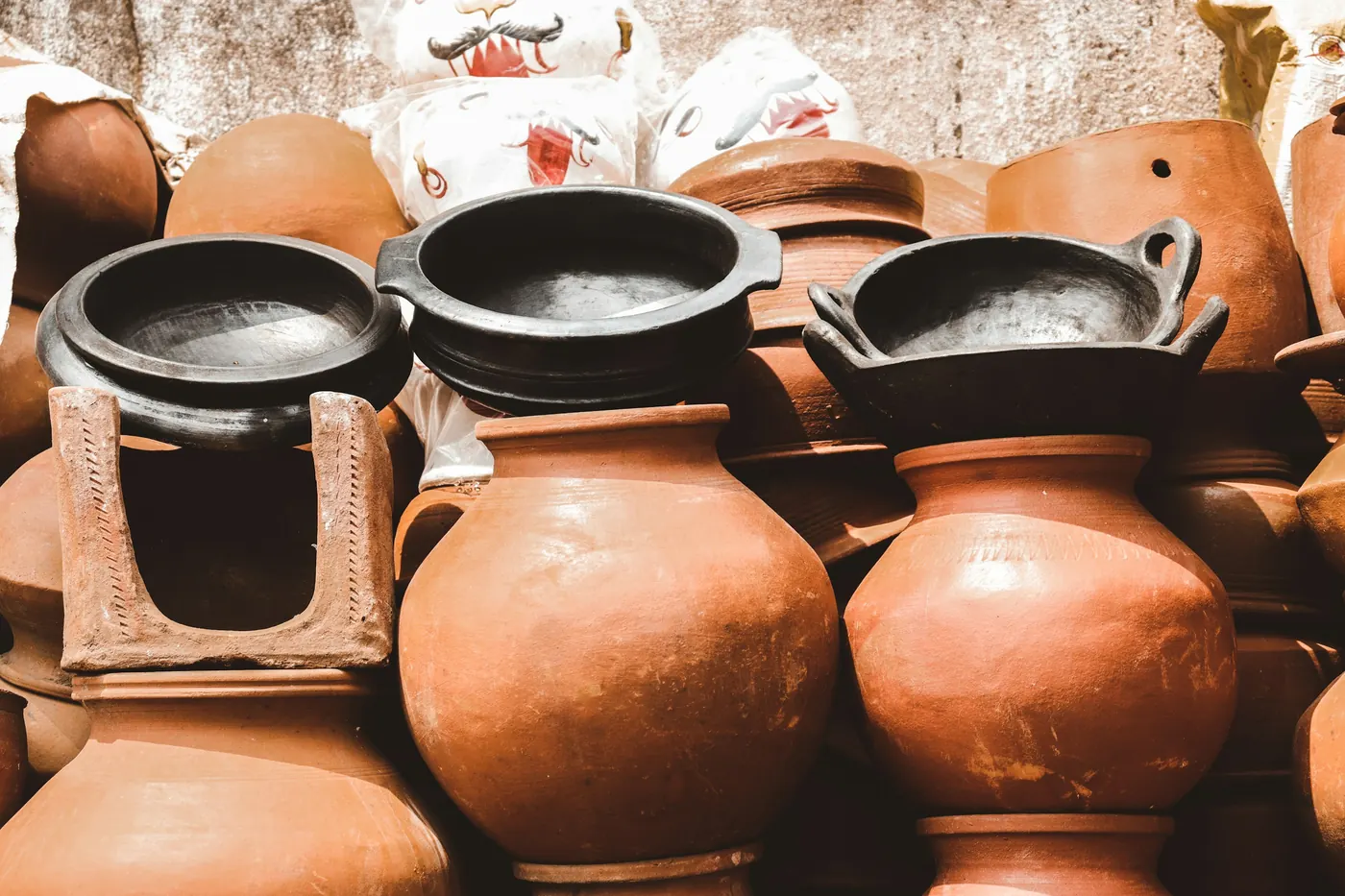
Mexican kitchens have long cooked beans in an olla de barro, a deep clay pot with a narrow neck, and moles and stews in a cazuela, a wide, shallow clay pan. The pots are traditional, and they look beautiful on a table. Our guides to charro beans and refried beans and to mole describe the dishes these pots were made for.
There is a real caution with glazed clay, and it comes from the U.S. Food and Drug Administration. The FDA warns that lead in glazes and decorations can leach into food if pottery is not made properly, and that no amount of washing or boiling removes it. It flags higher-risk pieces as those that are handmade with a crude or irregular look, antique, worn or damaged, bought from flea markets or street vendors, or brightly decorated in orange, red or yellow. It also reports that some imported pottery labeled “lead free” has tested otherwise.
For that reason, we do not recommend a specific clay pot here. If you buy one, buy from a maker you can identify, test it with a lead-testing kit as the FDA suggests, and do not cook in any piece stamped “Not for Food Use”. A heavy enameled or stainless steel pot will cook beans perfectly well in the meantime.
Blender, bean masher and other everyday tools
A few general kitchen tools do a lot of Mexican cooking, and you may already own them.
- A blender. Most cooked salsas, enchilada sauces and moles are blended smooth after the ingredients are toasted and simmered. Any sturdy countertop blender will do; a powerful one handles soaked dried chiles more smoothly.
- A bean masher. Refried beans are mashed in the pan, often with a wooden or metal masher made for the job. A sturdy potato masher works just as well.
- A heavy skillet or cazuela for frying. Rice is toasted in oil before the liquid goes in, and salsas are often “fried” in a little hot oil after blending, which deepens their flavor. Both need a heavy, wide pan.
- A fine-mesh strainer. Sauces made from dried chiles are often pushed through a strainer to remove skins and seeds. Our guide to Mexican chiles explains which chiles are used and how.
- A steamer pot for tamales. If you make tamales, a tall pot with a steamer insert is the tool to add; our guide to tamales explains the dish.
Lime squeezer and the drinks side of the kitchen
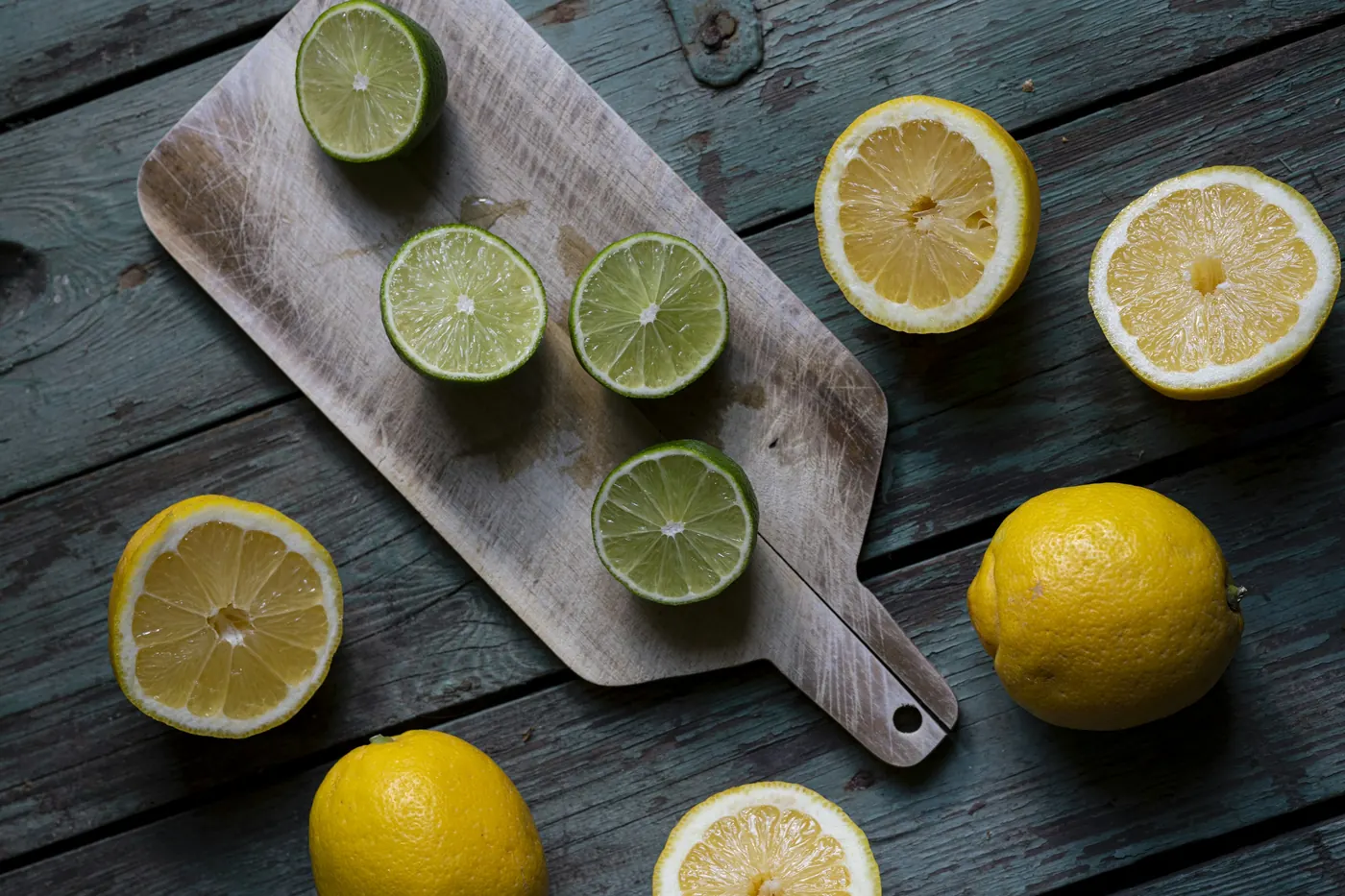
Limes go into salsas, guacamole, marinades and aguas frescas, and onto almost every taco. Squeezing them by hand gets tiring fast. A hinged, two-handled squeezer presses a lime half inside out and holds back the seeds.
The New Star Foodservice lime squeezer in our starter kit is made of cast aluminum with a green enameled finish, which the listing says resists rust and does not react with citrus juice, and is dishwasher safe. Our guide to the best lime squeezer compares handheld, lever and reamer styles in detail.
The same squeezer is the first tool for margaritas. If you want to set up a home margarita bar, with a shaker, jigger, glasses and a salt rimmer, our guide to margarita accessories covers what is worth buying.
The molinillo, for hot chocolate
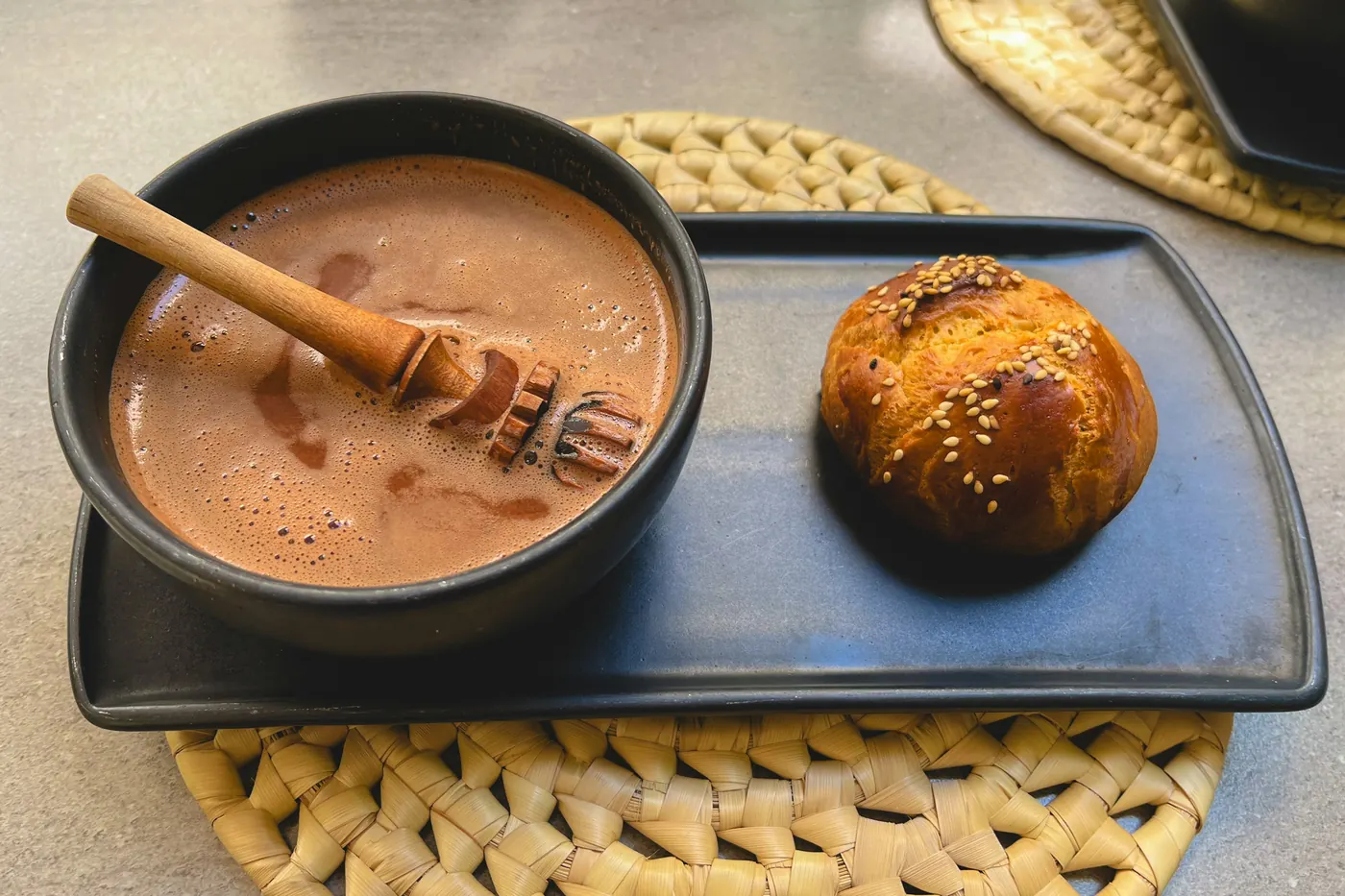
The molinillo is a carved wooden whisk used to froth Mexican hot chocolate. You stand it in the pot or jug, hold the handle between your palms and rub your hands back and forth so it spins, which beats the chocolate into a foam. The Smithsonian describes the tool as having been used for centuries to whip foam on hot chocolate in Mexican and Central American kitchens, with the handle turned between two hands.
It is not essential, and a whisk will do. But it is cheap, it hangs on a wall hook, and it is the right tool for champurrado and atole as well as chocolate. The GLOBE ROCKET large molinillo in our starter kit is carved from one piece of wood by artisans in central Mexico, according to the listing, measures about 13.5 to 14.5 inches, and should be washed by hand, never in the dishwasher.
Tools for taco night
Serving tacos for a group asks a little more of your kitchen than cooking them: a griddle big enough to warm tortillas in batches, warmers or cloths to hold them, bowls for salsas and toppings, and a way to keep fillings hot. A long carbon steel griddle that spans two burners, or an electric griddle, makes the biggest difference. Our guide to taco bar supplies covers the serving side in full.
A starter kit of Mexican cooking tools
These are the pieces we would put together first, one example of each, with what it does and why we chose it. Each product was in stock on Amazon when we checked, and its details come from the maker’s listing.
| Tool | What it does | A good first pick | Why this one |
|---|---|---|---|
| Comal | Cooks and warms tortillas, toasts chiles, chars tomatoes | Lodge 10.5-inch Round Cast Iron Griddle | Pre-seasoned, works on any stovetop including induction |
| Tortilla press | Presses masa into even rounds | Victoria 8-inch Cast Iron Tortilla Press | Heavy cast iron, seasoned with flaxseed oil, made in Colombia |
| Tortilla warmer | Keeps tortillas soft at the table | Norpro 9.75-inch Insulated Tortilla Warmer | Fits large tortillas; microwave and top-rack dishwasher safe |
| Molcajete | Grinds salsa, guacamole and spice pastes | Cuitáxi 8-inch Lava Rock Molcajete | Volcanic stone, made in Mexico; needs curing before use |
| Lime squeezer | Juices limes for salsas, marinades and drinks | New Star Foodservice Lime Squeezer | Enameled cast aluminum, dishwasher safe |
| Molinillo | Froths hot chocolate, atole and champurrado | GLOBE ROCKET Handmade Molinillo, Large | Carved from one piece of wood in central Mexico |
A few honest notes on the list. The molcajete is heavy and arrives needing a cure, so if you want something ready to use and easy to clean, IMUSA’s 8-inch granite molcajete is the smoother alternative. A lighter press, IMUSA’s 8-inch cast aluminum model, suits cooks who find cast iron too heavy. We have not included a clay pot for the reasons given above.
How to build the kit in stages
You do not need all of this at once. Here is the order that makes sense for most home cooks.
- Start with the comal. It improves store-bought tortillas immediately and does a dozen other jobs. If you already own a flat cast iron griddle, use it.
- Add a warmer or a cloth. Warm tortillas stay soft through a meal instead of turning stiff on the plate.
- Buy a molcajete when you start making salsa. Cure it once and it will last for decades.
- Get a lime squeezer once you are juicing limes every week. It saves time and sore hands.
- Add a tortilla press when you are ready to work with masa. The comal and warmer you already own complete the set.
- Add the rest as your cooking grows: a molinillo for chocolate, a steamer pot for tamales, a larger griddle for taco nights.
Caring for Mexican cooking tools
Most of these tools are made from natural materials, and they all want the same kind of care: no soaking, no dishwasher, and a thorough dry.
- Cast iron comales and presses: wash with hot water, dry straight away and wipe on a thin film of oil. Lodge’s instructions for its griddle are simply to hand wash, dry and oil. Victoria warns that its cast iron press should never be air dried or put in a dishwasher.
- Molcajete: rinse with water and scrub with a brush, no soap, then let it drain upside down and dry fully, as Made In recommends.
- Wooden tools: molinillos and wooden spoons are washed by hand and dried in the air.
- Tortilla press liners: Masienda suggests wiping them down after each use and storing them inside the press once dry.
Questions about Mexican kitchen tools, answered
What is the most important Mexican cooking tool?
The comal. It cooks and reheats tortillas, toasts the dried chiles that go into salsas and moles, and chars vegetables, so it is used at almost every meal. A flat cast iron griddle is the easiest way to start.
Do I need a molcajete if I have a blender?
No, but they do different jobs. A blender makes smooth sauces quickly. A molcajete crushes rather than chops, which gives salsa and guacamole a rougher texture, and it doubles as a serving bowl. Many cooks use both.
Can I make tortillas without a tortilla press?
Yes. Corn tortillas can be flattened between two sheets of plastic with the bottom of a heavy pan or a flat plate, and flour tortillas are rolled out with a rolling pin rather than pressed. A press simply makes corn tortillas faster and more even.
Are clay pots safe to cook in?
It depends on the pot. The FDA warns that some traditional glazed pottery can leach lead into food and lists the warning signs. Buy from a maker you can identify, test the piece with a lead-testing kit, and never cook in pottery marked “Not for Food Use”. If in doubt, cook in metal.
What do you use a molinillo for?
Frothing hot drinks: Mexican hot chocolate above all, and also atole and champurrado. You spin the handle between your palms in the pot until the drink foams.
What Mexican cooking tools work on an induction stove?
Cast iron and carbon steel comales that the maker rates for induction, such as Lodge’s cast iron griddles. Clay comales and aluminum pans do not work on induction. Hand tools such as the molcajete, press and squeezer are unaffected.
Where to start this week
Buy a comal, use it every day for a week, and you will understand why it is the center of a Mexican kitchen. Then add the pieces your cooking asks for: a warmer for tortillas, a molcajete for salsa, a press when you are ready for masa. Our tortilla making tools guide is the next step for anyone heading toward homemade tortillas, and our margarita accessories guide covers the bar.
For salsa: the best molcajetes, molcajete vs mortar and pestle and molcajete vs blender. For beans and tamales: the best bean mashers, the best clay pots for cooking beans, the best tamale steamers and the best electric tamale steamers. Also see the best fajita skillets and molinillo vs whisk for Mexican hot chocolate.
Related guide: Best avocado slicer tool.
Related guide: Best food science book.
And on the nights you would rather someone else did the cooking, see the menu or call to order.