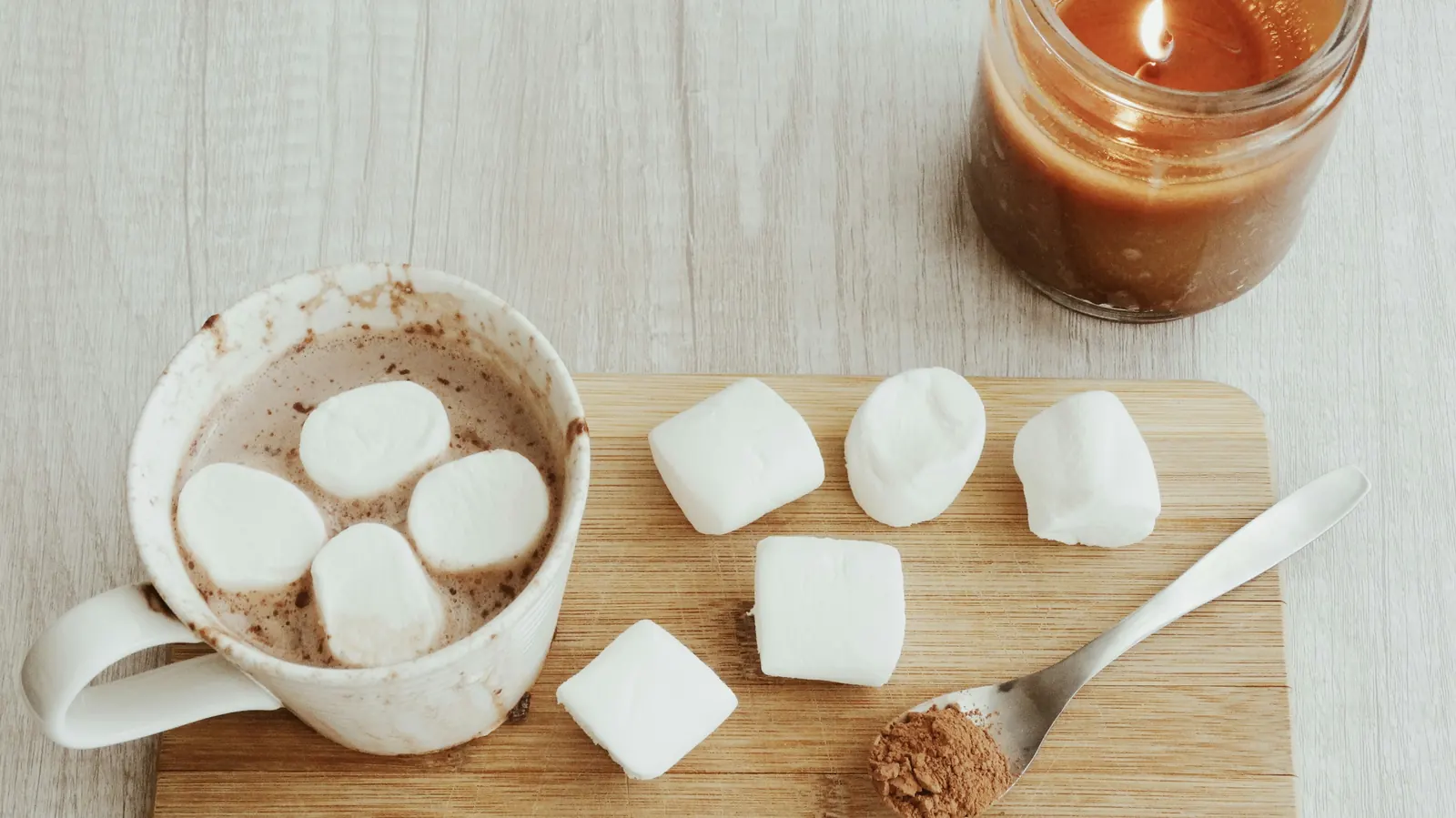
Both are brown, sweet and served hot in a mug, so it is easy to think Mexican hot chocolate is just hot cocoa with a pinch of cinnamon. It is not. The two drinks start from different ingredients, are made in different ways and end up with a different body, flavor and texture in the cup.
This guide explains what each one actually is, the differences that matter when you make a cup at home (fat, sugar, spice, texture, preparation and the liquid you use), who should choose which, and one pick for each side. The sources are named as we go: makers’ own recipes and listings, and a reference work on hot chocolate.
Julia’s earns a commission on purchases made through links on this page, at no cost to you. Recommendations are based on what a restaurant kitchen looks for, product specifications and verified buyer reports.
Quick verdict: Mexican hot chocolate or hot cocoa?
Choose Mexican hot chocolate if you want a cup with real character: chocolate that keeps its cocoa butter, sugar and cinnamon ground in, beaten to a foam. For anyone who likes spice or darker chocolate, it is the better drink, and Rey Amargo’s stone-ground 50% chocolate, made from just cacao, sugar and cinnamon, is our pick. Choose hot cocoa if you want a smooth, quick cup with the sweetness entirely under your control, or a plain chocolate drink for children; a bag of unsweetened cocoa such as Ghirardelli’s makes it from scratch with sugar and milk. Our best Mexican hot chocolate guide covers nine Mexican chocolates in depth.
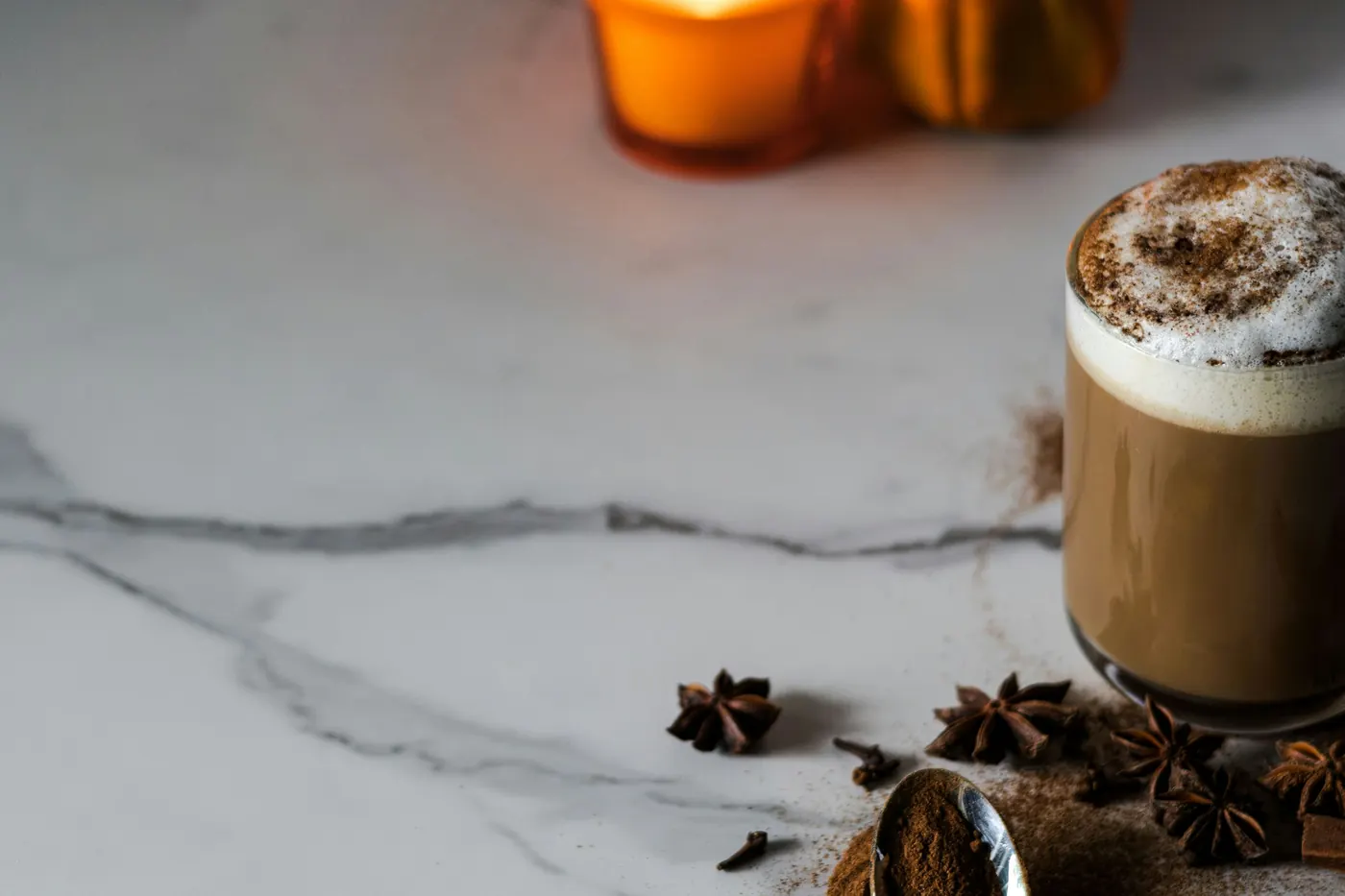
Mexican hot chocolate vs hot cocoa at a glance
The details below come from the makers’ recipes and listings and from the sources named in each section.
| Mexican hot chocolate | Hot cocoa | |
|---|---|---|
| Starts as | Chocolate de mesa: tablets or discs of ground cacao with sugar and spice | Cocoa powder, with sugar added by you or in a mix |
| Cocoa butter | Kept, because the chocolate is whole ground cacao | Much of it removed before the powder is made |
| Sugar | Ground into the tablet | Added to taste, or already in a mix |
| Spice | Usually cinnamon; sometimes almonds or vanilla | Usually none |
| Texture | Fuller, often slightly grainy, topped with foam | Thin to creamy, smooth |
| Liquid | Milk or water | Usually milk, sometimes water with a mix |
| Preparation | Melt pieces into hot liquid, then beat to a foam | Make a paste of cocoa, sugar and a little liquid, then add milk |
| Tool | Molinillo, whisk or blender | Spoon or whisk |
What each drink starts from
The root difference is the ingredient on the shelf. Wikipedia’s article on hot chocolate draws the line clearly: hot cocoa is made from cocoa powder, which it describes as ground cacao beans from which much of the cocoa butter has been removed, while hot chocolate is made from bar chocolate, which already contains cocoa, sugar and cocoa butter.
Mexican hot chocolate belongs firmly on the chocolate side. It is made from chocolate de mesa, table chocolate, sold as tablets, bars or discs. The same article says hot chocolate in Mexico often includes semi-sweet chocolate, cinnamon, sugar and vanilla, and that it is commonly sold in tablets that are dissolved into hot milk, water or cream and blended until frothy. Rey Amargo’s listing, for example, gives exactly three ingredients: Mexican cacao, sugar and cinnamon.
Hot cocoa starts from the powder. Unsweetened cocoa, such as Ghirardelli’s, is one ingredient, cocoa powder, and everything else in the cup is added by the cook. A packaged hot cocoa mix is the same idea with sugar, and usually milk powder, already blended in.
Cocoa butter, body and richness
Because chocolate keeps its cocoa butter, a cup made from it has more body than one made from cocoa powder and water, even before any milk goes in. That is the practical meaning of Wikipedia’s distinction: the fat that was pressed out to make cocoa powder is still there in a Mexican chocolate tablet.
Hot cocoa gets its richness from somewhere else: the milk. Hershey’s classic stovetop recipe, for instance, uses a quarter cup of cocoa to four cups of milk. In our kitchen’s view, that is why hot cocoa made with water tastes thin, while Mexican chocolate, which Taza and Rick Bayless both say can be made with water, still has substance.
One caution: not every tablet sold as Mexican chocolate has an ingredient list as short as Rey Amargo’s. Read the label if the cacao-and-cocoa-butter difference is the reason you are buying; our Mexican hot chocolate guide sets out what each popular brand lists.
Sugar and spice
In Mexican chocolate the sugar is ground in with the cacao, so the sweetness is set by the maker. Rey Amargo’s 50 percent chocolate sits in the middle of the range; supermarket tablets are sweeter, and stone-ground craft discs are darker. You can always add sugar to a darker tablet, but you cannot take sweetness out of a sweet one.
Cinnamon is the signature: Wikipedia lists it among the usual ingredients of hot chocolate in Mexico, and Rey Amargo’s three ingredients include it. Some Oaxacan-style chocolates also contain almonds, so if you are cooking for someone with a nut allergy, check the label first. For more on which cinnamon goes into Mexican cooking, see our guide to Mexican cinnamon vs cassia.
Hot cocoa puts sugar and flavor in your hands. Hershey’s recipe uses twice as much sugar as cocoa by volume, a pinch of salt, and vanilla stirred in at the end, and you can change any of those. That control is the strongest argument for hot cocoa: it is easy to make a less sweet cup, a sweeter one for children, or a plain one with nothing but chocolate flavor.
Texture: foam and grain
Mexican hot chocolate is meant to be frothy. Rick Bayless’s recipe has you whip it with a wooden molinillo, rolling the handle between your palms for about two minutes of vigorous beating until the chocolate has dissolved and the mixture is foamy, or blend it for about 30 seconds. He adds that frothy Mexican hot chocolate waits for no one. Our comparison of the molinillo vs whisk covers the tools.
Many Mexican chocolates also keep a little texture. Stone-ground makers say so on purpose: Taza’s listing calls its chocolate “perfectly unrefined” and “rustic”, with “bold textures”. In our kitchen’s view, most of that melts into the hot liquid, but the cup has a more rustic feel than a smooth cocoa.
Hot cocoa is smooth. Cocoa powder is ground fine and dissolved in a paste before the milk goes in, so there is nothing left to melt. Hershey’s recipe does end by beating the cocoa until foamy, but the foam is a finishing touch rather than the point.
How each is made at home
Mexican hot chocolate
Taza’s recipe is typical: one 2.7-ounce disc, chopped or grated, for two cups of milk, plant milk or water. Heat the liquid to just below a simmer, take it off the heat, add a pinch of salt and stir in the chocolate until it dissolves. Then rewarm it gently and froth it with a whisk or molinillo. Rick Bayless takes a similar route with about 5 ounces of chopped Mexican chocolate to 2 1/2 cups of milk or water, stirred over medium heat until steaming and more or less dissolved, then beaten.
Hot cocoa
Hershey’s stovetop recipe stirs 1/2 cup of sugar with 1/4 cup of cocoa and a pinch of salt, adds 1/3 cup of hot water and boils the mixture for two minutes while stirring. Then 4 cups of milk go in and the pot is heated until steaming, without boiling, before 3/4 teaspoon of vanilla is stirred in. Our kitchen’s reading of the paste step: cocoa powder tends to clump if it goes straight into cold milk, and cooking it with sugar and water first helps it dissolve evenly.
Both take about the same time on the stove. The difference is the work: Mexican chocolate needs chopping and beating; cocoa needs measuring and a short simmer.
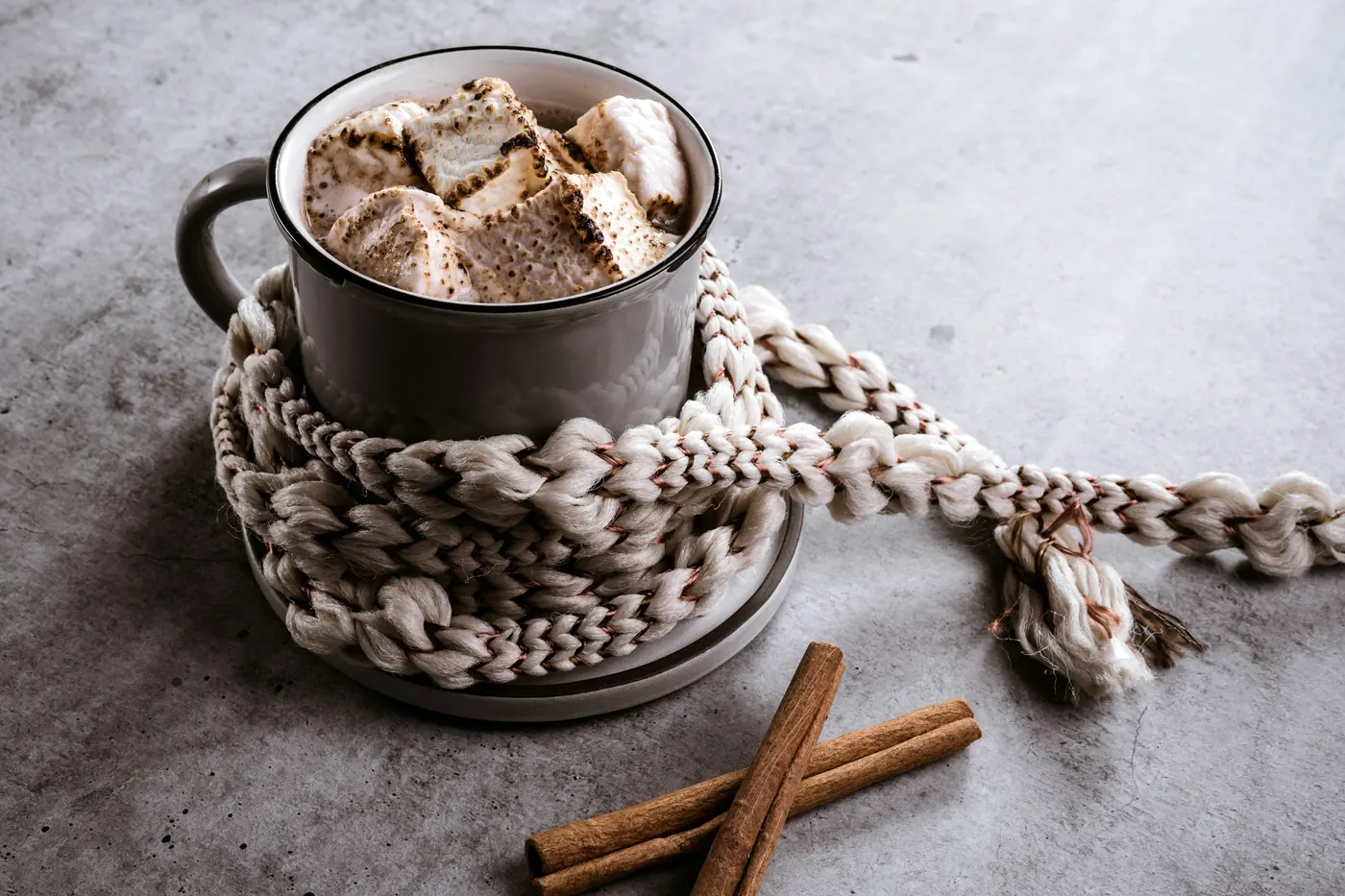
Milk or water
Mexican chocolate works with either. Taza and Rick Bayless both give milk or water, and Taza adds plant milks. In our kitchen’s view, water lets the cacao and cinnamon come through more clearly, and milk makes a richer, rounder cup.
Hot cocoa from scratch is built around milk, as in Hershey’s recipe; the only water is the small amount used to make the paste. Some packaged mixes contain milk already: Swiss Miss’s listing, for example, says its mix is made with real cocoa and nonfat milk and is stirred into hot water, or milk for a richer taste. That is a convenience rather than a sign that cocoa and water make a rich drink on their own.
Choose Mexican hot chocolate if… / Choose hot cocoa if…
Choose Mexican hot chocolate if…
- You want cinnamon and chocolate together in a cup with real body.
- You like darker chocolate, or a drink made with water or plant milk.
- You enjoy the ritual of beating the chocolate to a foam.
- You are serving it with pan dulce, churros or tamales, or making champurrado, the thick chocolate atole; our guide to masa harina for champurrado covers that drink.
Choose hot cocoa if…
- You want a smooth cup with no grain at all.
- You want to set the sweetness yourself, cup by cup.
- You are making plain chocolate drinks for children who do not like spice.
- You also bake, so one bag of cocoa does double duty.
Our pick on each side
These are the two we would keep in the cupboard. Each listing states its ingredients. For more Mexican chocolates, including tablets, Oaxacan chocolate with almonds and powder mixes, see our best Mexican hot chocolate guide.
1. Rey Amargo Stone Ground Mexican Chocolate 50% Cacao, 8 oz – Three Ingredients, Real Cacao

Rey Amargo is a family chocolate maker whose original recipe, according to the company, dates to 1939. This bag is its stone-ground chocolate at 50 percent cacao, darker than the brand’s traditional 32 percent recipe, which our Mexican hot chocolate guide reviews. The listing states only three ingredients: premium Mexican cacao, sugar and cinnamon. That short list is the clearest example of the difference this page describes: chocolate, sugar and spice ground together, with the cocoa butter still in it.
The listing says it is free from gluten, dairy, soy and nuts, which makes it a straightforward pick for a cook working around allergies, and a dairy-free cup when made with water or a plant milk. Rey Amargo suggests it for traditional hot chocolate, cold chocolate drinks, mole and desserts. The 8-ounce bag is resealable.
The listing gives no per-cup ratio. As a starting point, Taza’s recipe uses about 1.35 ounces of chocolate per cup, and Rick Bayless about 2 ounces; start in that range, melt it into hot liquid and beat it until foamy.
Why we like it
- Only cacao, sugar and cinnamon, per the listing
- 50 percent cacao: darker than supermarket tablets
- Free from gluten, dairy, soy and nuts, per the listing
- Sold by the maker
Key specifications
| Size | 8 oz (230 g) resealable bag |
|---|---|
| Ingredients | Mexican cacao, sugar, cinnamon (listing) |
| Sweetened | Yes, sugar ground in |
| Cacao content | 50% |
| Allergens/diet | Free from gluten, dairy, soy and nuts (listing) |
| Processing | Stone-ground |
| Made in | Not stated; Mexican cacao (listing) |
| Best use | Hot or cold chocolate, mole, desserts (listing) |
Why we recommend it
Choose it if you want to taste what separates Mexican hot chocolate from cocoa: real cacao with its cocoa butter, cinnamon and nothing added, at a strength between sweet tablets and craft discs.
Skip it if you want the very sweet, familiar supermarket flavor, or exact directions on the package: the listing gives no serving ratio.
Pros and cons
Pros
- Shortest possible ingredient list
- Allergen-friendly, per the listing
- Works hot, cold and in mole
Cons
- No serving ratio on the listing
- Less sweet than classic tablets
- Where it is made is not stated
2. Ghirardelli Unsweetened Cocoa, 8 oz – Hot Cocoa Made Your Way

The best hot cocoa is the one you make from cocoa powder, sugar and milk, because every part of it is under your control. Ghirardelli’s listing describes this as 100 percent unsweetened cocoa powder, naturally processed without alkali, and names beverages among its uses alongside cakes, brownies and cookies. One ingredient means nothing in the cup you did not put there.
Natural cocoa, the kind made without alkali, is the type in Hershey’s classic recipe, so it can stand in directly: about 1/4 cup of cocoa, 1/2 cup of sugar, a pinch of salt and 1/3 cup of hot water cooked into a paste, then 4 cups of milk and a little vanilla. Ghirardelli describes the flavor as rich and intense, with the essence of roasted chocolate. Change the sugar to suit the person drinking it.
The bag also covers baking, which makes it the more versatile buy for a household that drinks hot chocolate only now and then. It is certified kosher, per the listing.
Why we like it
- One ingredient: unsweetened cocoa powder (listing)
- Natural, non-alkalized cocoa, the type in Hershey’s recipe
- You set the sweetness
- Sold and shipped by Amazon.com
Key specifications
| Size | 8 oz pouch |
|---|---|
| Ingredients | 100% unsweetened cocoa powder (listing) |
| Sweetened | No; add sugar to taste |
| Cacao content | 100% cocoa |
| Allergens/diet | Certified kosher; no allergen statement on the listing |
| Processing | Natural, without alkali (listing) |
| Made in | Not stated |
| Best use | Hot cocoa from scratch, baking (listing) |
Why we recommend it
Choose it if you want smooth hot cocoa with the sweetness set by you, and a bag that also bakes brownies and cakes.
Skip it if you want a cup in one step: unsweetened cocoa needs sugar and a short simmer, and a ready mix is quicker.
Pros and cons
Pros
- Single ingredient
- Full control of sugar
- Doubles for baking
Cons
- Not a one-step mix
- Needs milk for richness
- No spice: add your own
How we compared the two drinks
We compared Mexican hot chocolate and hot cocoa on what a home cook notices: what each starts from, how much body it has, how sweet and spiced it is, its texture, and how it is made. The distinction between cocoa and chocolate comes from Wikipedia’s article on hot chocolate; methods and ratios come from Taza’s and Hershey’s own recipes and from Rick Bayless’s published recipe; product details come from the Amazon listings, and both picks were in stock when we checked. Where we give our own kitchen advice, we say so. We have not made, tasted or tested these products for this guide, and we make no health claims for either drink.
Mexican hot chocolate and hot cocoa questions, answered
What makes Mexican hot chocolate different?
It is made from chocolate, not cocoa powder: tablets or discs of ground cacao with the cocoa butter still in it, with sugar and usually cinnamon ground in. It is beaten to a foam, often with a molinillo, and can be made with milk or water.
Is Mexican hot chocolate just hot cocoa with cinnamon?
No. Hot cocoa is made from cocoa powder, which has had much of its cocoa butter removed, per Wikipedia. Mexican hot chocolate keeps the cocoa butter, so it has more body, and its sugar and spice are part of the chocolate itself.
Can I make Mexican-style hot chocolate with cocoa powder?
You can make a spiced hot cocoa, which is not quite the same thing. Our kitchen suggestion: follow a hot cocoa recipe such as Hershey’s and simmer a cinnamon stick in the milk. It will be smoother and lighter-bodied than a cup made from Mexican chocolate.
Why is Mexican hot chocolate grainy?
Many Mexican chocolates are stone-ground, which Taza describes as “perfectly unrefined”, so they keep some texture. Melting the chocolate fully and beating it well, as Rick Bayless’s and Taza’s recipes direct, smooths the cup.
Can Mexican hot chocolate be made with water?
Yes. Taza’s recipe and Rick Bayless’s both give milk or water, and Taza adds plant milks. Because the chocolate keeps its cocoa butter, a water-based cup still has body.
Which mug to fill tonight
If you want hot chocolate with body, cinnamon and foam, buy a Mexican chocolate made from cacao, sugar and spice and beat it well; for a smooth cup with exactly the sweetness you like, keep a bag of unsweetened cocoa and make it from scratch. A milk frother helps either one. Mexican chocolate is also the base of champurrado and a fixture of the holiday table, as our guide to Mexican Christmas food explains.
And if you would rather leave the cooking to someone else tonight, look through the menu or call to order.