A restaurant recipe is written for a different life. There is a prep cook, a walk-in cooler and a stockpot that has been going since morning. When a restaurant publishes a cookbook, the honest question is how much of that the book has translated for a home kitchen, and the answer ranges from nearly all of it to almost none.
Both kinds of book have their place, but you should know which you are buying. This guide gives seven books by chefs and owners at established publishers, sorted from the most cookable toward the most aspirational, and says which have a named review behind them and which rest on the publisher’s details.
Julia’s earns a commission on purchases made through links on this page, at no cost to you. Recommendations are based on what a restaurant kitchen looks for in a cookbook, the Amazon listing, publisher and author information and published reviews, which we name where we use them.
Quick verdict: the best restaurant cookbook to start with
For a book you will really cook from, start with The Balthazar Cookbook, which Publishers Weekly calls “uncomplicated, elegant and timeless.” For Paris bistro food with short ingredient lists, choose Bertrand Auboyneau’s Le Bistrot Paul Bert. To study technique at the highest level, choose Thomas Keller’s The French Laundry, Per Se, though Publishers Weekly warns its recipes are more aspirational than practical.
The other four cover seasonal Maine cooking, bold London flavors, San Francisco small plates and a great dessert book.
Five chef cookbooks for home cooks, side by side
Five of the seven, one for each kind of cook. All seven are described in full below.
| Cookbook | Best for | Recipes | Length | Buy on Amazon |
|---|---|---|---|---|
| Home cooks who want real restaurant food | Not stated | 288 pages, hardcover | View on Amazon | |

Le Bistrot Paul Bert, Bertrand AuboyneauBest for simple dishes
|
French bistro cooking, few ingredients | More than 100 | 288 pages, hardcover | View on Amazon |

The Lost Kitchen, Erin FrenchBest for seasonal cooks
|
Simple, seasonal, personal cooking | 100 | 256 pages, hardcover | View on Amazon |

NOPI, Yotam Ottolenghi and Ramael ScullyBest for ambitious cooks
|
Confident cooks chasing big flavors | 120 | 352 pages, hardcover | View on Amazon |

State Bird Provisions, Stuart Brioza, Nicole Krasinski and JJ GoodeBest modern restaurant
|
Creative small plates and snacks | Not stated | 368 pages, hardcover | View on Amazon |
Cover images from Amazon. Page counts and formats are from the Amazon listings for the editions linked. Recipe counts are from the publisher’s copy or from PW’s review.
Our picks for the best restaurant cookbook, book by book
All seven were in stock, new and sold by Amazon when we checked. We have not cooked from these books; where we describe a strength, we say whose view it is. They run roughly from the most cookable to the most demanding.
1. The Balthazar Cookbook, Keith McNally, Riad Nasr and Lee Hanson – A Brasserie You Can Actually Cook

Of all the books on this page, this is the one a home cook is most likely to use. Balthazar is the SoHo brasserie that opened in 1997, and the publisher describes approachable French classics from it: mussels through bouillabaisse, coq au vin and cassoulet, braised short ribs, French fries and crème brûlée.
Publishers Weekly’s 2003 review praises its plain practical tips, such as choosing Swiss-style cheeses for a gratin and frying potatoes twice for crisp fries, and notes that the authors explain techniques like shucking oysters. Its verdict is one sentence we would be happy to borrow: “Like its food, Balthazar’s cookbook is uncomplicated, elegant and timeless.”
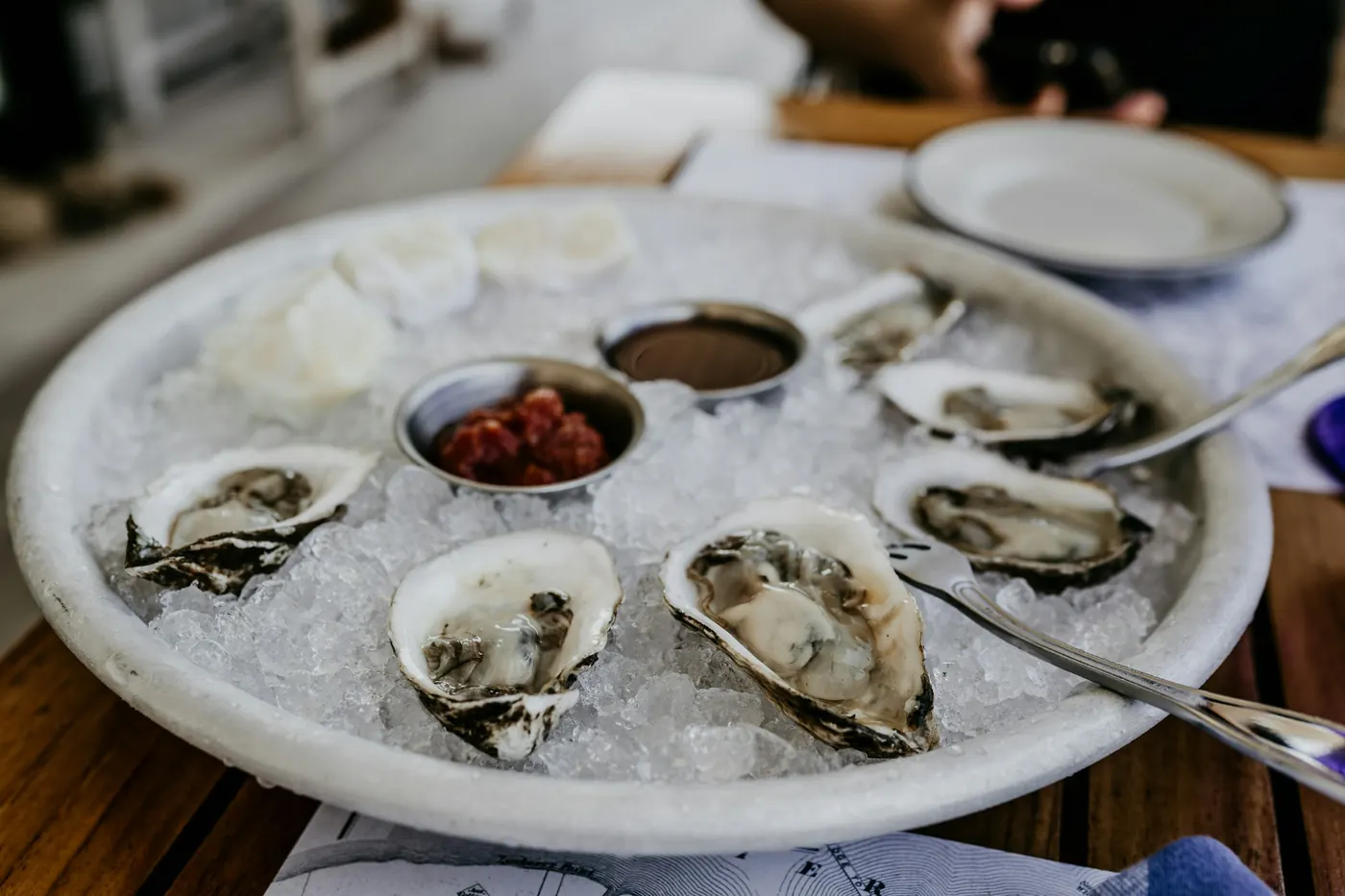
Keith McNally owns the restaurant, and Riad Nasr and Lee Hanson were its co-chefs when the book came out, according to the publisher. Robert Hughes wrote the foreword. It is more than twenty years old now, and we found no recipe count in the copy. If the idea of a brasserie at home appeals, our oyster knife guide will help with the oysters.
Why we like it
- Reviewed by Publishers Weekly
- Practical tips such as twice-fried potatoes, per PW
- French classics a home cook will recognize
- Techniques explained, per PW
Key specifications
| Author | Keith McNally, Riad Nasr and Lee Hanson |
|---|---|
| Publisher | Clarkson Potter |
| Year | 2003 |
| Pages | 288 |
| Format | Hardcover |
| Recipes | Not stated |
| Restaurant | Balthazar, New York |
| Best for | Home cooks who like bistro food |
Why we recommend it
If you want to cook food you would actually order at a restaurant, and not just admire photographs of it, start here.
Skip it if you want recent, trend-led food. It is a classic brasserie book, as its menu suggests.
Pros and cons
Pros
- Strong PW review
- Approachable recipes, per the publisher
- Dishes most people want to eat
Cons
- Recipe total not confirmed by us
- Older book, from 2003
2. Le Bistrot Paul Bert, Bertrand Auboyneau – Paris Bistro Classics for Home
If Balthazar is the New York version of this food, this is the Paris original. Bertrand Auboyneau owns the Parisian restaurant Bistrot Paul Bert, and the publisher describes more than 100 classic bistro dishes for home cooks, with a limited number of ingredients and basic techniques.
The dish list is a tour of what people go to a bistro for: green salad, frites, oeuf mayonnaise, steak au poivre, sole meunière, tarte Tatin and Grand Marnier soufflés. The book also looks at the room itself, from the chalkboard specials to the candlelit dining room.
The publisher names David Lebovitz and Alice Waters among the restaurant’s fans and lists press coverage from The New York Times and others. We read that through the publisher, and we found no quoted review. PW’s page at this ISBN says it has not yet reviewed it, so this rests on the publisher’s and author’s details. For more French home cooking, see our French cookbook guide.
Why we like it
- More than 100 dishes, per the publisher
- Limited ingredients and basic techniques, per the publisher
- Classic dishes everyone recognizes
- Recent, dated 2025
Key specifications
| Author | Bertrand Auboyneau |
|---|---|
| Publisher | Abrams |
| Year | 2025 |
| Pages | 288 |
| Format | Hardcover |
| Recipes | More than 100 |
| Restaurant | Bistrot Paul Bert, Paris |
| Best for | Lovers of French bistro food |
Why we recommend it
If you dream of steak au poivre and frites and want a short shopping list, this is a very direct way to get there.
Skip it if you already own a good French bistro book. The dish list covers familiar ground.
Pros and cons
Pros
- Written for home cooks, per the publisher
- Short ingredient lists
- Recognizable menu
Cons
- No named review in our sources
- Familiar dishes if you own similar books
3. The Lost Kitchen, Erin French – Maine Cooking, Season by Season
The Lost Kitchen is a restaurant in a restored 1834 gristmill in Freedom, Maine, and its reservations book up for the year, according to the publisher. Erin French taught herself to cook from cookbooks, starting with secret suppers in her apartment. That self-taught start may be why the recipes suit a home kitchen.
The book has 100 Maine recipes arranged by season, written to be cooked at home anywhere, per the publisher. Examples include whole-roasted trout with parsnip and herb hash, Maine shrimp rolls, ramp and fiddlehead fried rice and rhubarb spoon cake. Some of those ingredients are local to the north, so a Texas cook will need to substitute now and then.
Publisher copy quotes The Washington Post calling it “aspirational and attainable” and Nancy Silverton saying the recipes are “a breeze to follow.” We read those through the publisher, and PW’s page at this ISBN says it has not yet reviewed it. This is her first book and also tells her story.
Why we like it
- 100 recipes, per the publisher
- Arranged by season
- Praise from The Washington Post, via the publisher
- Written for home kitchens, per the publisher
Key specifications
| Author | Erin French |
|---|---|
| Publisher | Clarkson Potter |
| Year | 2017 |
| Pages | 256 |
| Format | Hardcover |
| Recipes | 100 |
| Restaurant | The Lost Kitchen, Maine |
| Best for | Seasonal home cooks |
Why we recommend it
If you want to cook restaurant food that feels like a dinner party and not a performance, this is the warmest book on the page.
Skip it if you can’t find northern seasonal ingredients or don’t like to substitute.
Pros and cons
Pros
- Home-friendly, per the publisher
- Personal story
- Seasonal structure
Cons
- Some regional ingredients
- No named review in our sources
4. NOPI, Yotam Ottolenghi and Ramael Scully – Bold Flavors, Several Steps Each
This is the Ottolenghi book for those who want to see how far his cooking can go. PW calls NOPI, in London’s Soho, “the most formal of the Ottolenghi family of eateries,” and the book pairs his Israeli-inspired cooking with head chef Ramael Scully’s Malaysian-Australian background. The publisher counts 120 recipes.
The publisher’s examples of the pairings are pandan leaves with pomegranate seeds and star anise with sumac. PW adds lamb with coconut milk and peanuts, beef brisket croquettes and quail with miso butterscotch, along with cocktails, condiments and a pantry guide.
PW’s 2015 review is honest about the difficulty, and we would repeat it to anyone tempted. Many recipes involve several stages, such as smoking or pickling, and though the authors offer tips, it says “some of the more cumbersome recipes just may exceed their grasp” for home cooks. Read that as a warning and not a dismissal. His other books appear on our vegetarian and Middle Eastern cookbook guides.
Why we like it
- 120 recipes, per the publisher
- Reviewed by Publishers Weekly
- Unusual flavor pairings
- Pantry guide included, per PW
Key specifications
| Author | Yotam Ottolenghi and Ramael Scully |
|---|---|
| Publisher | Ten Speed Press |
| Year | 2015 |
| Pages | 352 |
| Format | Hardcover |
| Recipes | 120 |
| Restaurant | Nopi, London |
| Best for | Confident home cooks |
Why we recommend it
If you already enjoy Ottolenghi at home and want a harder challenge, this is the next step up.
Skip it if you dislike long ingredient lists and multi-stage recipes. PW warns about both.
Pros and cons
Pros
- Distinctive flavors
- Honest PW review to go by
- Range of courses, plus drinks
Cons
- Some recipes demanding, says PW
- Specialty ingredients likely
5. State Bird Provisions, Stuart Brioza, Nicole Krasinski and JJ Goode – Small Plates, Big Personality
State Bird Provisions is a Michelin-starred San Francisco restaurant that serves small dishes from dim sum-style carts, according to the publisher, and this is its first cookbook. It includes the signature fried quail with stewed onions, potato chips with crème fraîche and cured trout roe, and chanterelle pancakes with lardo and maple vinegar.
Publishers Weekly’s 2017 review calls it a “superb collection” and “Beautifully written and photographed,” and it highlights the chapter on inventive pancakes and how everyday foods like toast and chips with dips get raised to something new. It also points to duck liver mousse with almond cakes and an ice cream sandwich.
The publisher lists it as a finalist in the 2018 James Beard Foundation Book Awards, in the restaurant and professional category. JJ Goode, its co-writer, also co-wrote Pok Pok and A Girl and Her Pig. We read those details through the publisher. We found no recipe count, and PW’s closing thought is that the book should inspire future diners and chefs, which suggests it reaches past everyday home cooking.
Why we like it
- Reviewed by Publishers Weekly
- James Beard finalist, per the publisher
- Pancake chapter singled out by PW
- Good for snacks and small plates
Key specifications
| Author | Stuart Brioza, Nicole Krasinski and JJ Goode |
|---|---|
| Publisher | Ten Speed Press |
| Year | 2017 |
| Pages | 368 |
| Format | Hardcover |
| Recipes | Not stated |
| Restaurant | State Bird Provisions, San Francisco |
| Best for | Cooks who like to host |
Why we recommend it
If you like to serve a run of small, surprising plates to friends, this gives you a whole way of thinking about it.
Skip it if you want a dependable dinner on a Tuesday. This is more of an occasion book.
Pros and cons
Pros
- Warm PW review
- Creative ideas
- Beard finalist, per the publisher
Cons
- Recipe total not confirmed by us
- Ambitious ingredients such as quail
6. The Last Course, Claudia Fleming with Melissa Clark – Gramercy Tavern’s Dessert Book

Claudia Fleming ran the pastry kitchen at New York’s Gramercy Tavern, and this is that kitchen’s dessert book. The publisher counts 175 recipes, arranged by fruits, vegetables, nuts, herbs and flowers, spices, sweet essences, dairy and chocolate, with a final chapter on combining them into composed desserts and wine notes throughout.
Publishers Weekly reviewed the first edition in 2001 and called Fleming “a dessert visionary,” describing her desserts as “whimsical without being silly, daring without ever losing their focus on flavor.” It also warns that some are “a challenge even for the most practiced home bakers,” though it thinks the effort pays off.
The current edition is dated 2019 on the listing. The publisher lists best-of-year mentions from The New York Times Book Review and The Atlantic, a James Beard Foundation Outstanding Pastry Chef award for Fleming and a preface by Danny Meyer. We read those through the publisher. For dessert books aimed at home bakers, see our dessert cookbook guide.
Why we like it
- 175 recipes, per the publisher
- Reviewed by Publishers Weekly
- James Beard award-winning author, per the publisher
- Teaches how to build composed desserts
Key specifications
| Author | Claudia Fleming with Melissa Clark |
|---|---|
| Publisher | Random House |
| Year | 2019 |
| Pages | 320 |
| Format | Hardcover |
| Recipes | 175 |
| Restaurant | Gramercy Tavern, New York |
| Best for | Serious home bakers |
Why we recommend it
If you bake seriously and want a restaurant’s way of thinking about dessert, this is the book on the page for you.
Skip it if you bake mainly for simple weeknight treats. PW warns that some recipes are hard even for experienced bakers.
Pros and cons
Pros
- Clear PW praise
- Organized by ingredient
- Wine pairings included, per the publisher
Cons
- Some recipes are hard, says PW
- Desserts only
7. The French Laundry, Per Se, Thomas Keller – Two Kitchens, One Philosophy

This later Keller book brings together his two three-star kitchens. Publishers Weekly’s 2020 review describes 70 technique-driven recipes and essays on the shared philosophy of guest-focused cooking with top ingredients, and calls it superb and philosophical as well as beautiful.
PW also gives the warning that matters most for this page: the recipes are demanding and more aspirational than practical for home cooks. It describes a book built on “small focused courses” and quotes the line “What it’s really about is respect,” so you can guess the tone.
We could not open the publisher’s copy for this title, so this pick rests on the PW review and the Amazon listing. It is the only Keller book on this page: his earlier The French Laundry Cookbook was back-ordered when we checked, so look for it later if you want his first restaurant book.
Why we like it
- Reviewed by Publishers Weekly
- 70 recipes, per PW
- Essays on the restaurants’ philosophy
- Covers two renowned restaurants
Key specifications
| Author | Thomas Keller |
|---|---|
| Publisher | Workman Publishing |
| Year | 2020 |
| Pages | 400 |
| Format | Hardcover |
| Recipes | 70 |
| Restaurant | The French Laundry and Per Se |
| Best for | Keller readers |
Why we recommend it
If you loved the first book and read cookbooks for pleasure as much as for dinner, this is the natural follow-up.
Skip it if you want to cook from it often. PW calls the recipes more aspirational than practical.
Pros and cons
Pros
- Warm PW review
- Beautiful, per PW
- Clear philosophy
Cons
- Demanding recipes, says PW
- Publisher copy not read by us
How to choose a chef cookbook for home cooks
Four questions will narrow this list quickly.
- Will you cook from it, or read it? Both are fair reasons to buy. PW says the Per Se recipes are more aspirational than practical, and that is fine if you know that going in. Our beginner cookbook guide is the better place to go if you need to build your basics first.
- What is your tolerance for stages? Restaurant dishes are often several small recipes stacked up, which a kitchen can prepare ahead with a full crew. PW flags this in NOPI. Check a recipe or two in a sample before you buy.
- Can you get the ingredients? Quail, pandan, fiddleheads and trout roe all appear in the copy for books here. A city with specialty markets makes this easier, as Houston does, but not every recipe travels.
- Which restaurant do you wish you lived near? It is a real question. These books are partly souvenirs, and you will use the one whose food you already want to eat.
How we chose these restaurant cookbooks
We searched Amazon’s book listings first and kept print editions from named chefs and restaurant owners at established publishers, plain in stock, with a new lead offer sold by Amazon. We left out every title already on our other book pages, so Bouchon, Zahav and Dishoom are on other guides and not here. Author, year, format and page count come from the Amazon listing. Recipe counts and descriptions come from the publisher’s copy, as carried by a bookseller, unless we credit someone else.
Here is what stands behind each pick. The Balthazar Cookbook, NOPI, State Bird Provisions, The Last Course and The French Laundry, Per Se have Publishers Weekly reviews that we read ourselves. The Lost Kitchen has praise we read only as quoted by the publisher. Le Bistrot Paul Bert rests on the publisher’s and author’s details. For those last two, PW’s page at the ISBN says it has not yet reviewed the book. We did not run a wider search for other reviews, so that says nothing about reviews elsewhere.
Stock ruled out some of the most famous names. The Zuni Café Cookbook, Chez Panisse Menu Cookbook, Ad Hoc at Home and The French Laundry Cookbook were not available to ship when we checked, and The Gramercy Tavern Cookbook was low in stock. Gabrielle Hamilton’s Prune was led by a used offer. If those are the books you want, check them again later, because stock changes.
Restaurant cookbook questions, answered
What is the best chef cookbook for home cooks who are not experts?
The Balthazar Cookbook or Le Bistrot Paul Bert. The publisher of the first calls its classics approachable, and the second promises few ingredients and basic techniques. The Lost Kitchen is the gentle choice if you like seasonal cooking.
Are restaurant recipes really the same as in the restaurant?
Often they are adapted, but not always simplified: Publishers Weekly warns that the Per Se book’s recipes are more aspirational than practical for home cooks. We can’t say how close any recipe is to what a restaurant serves today, because menus and kitchens change.
Do I need special equipment?
For some recipes, yes. The copy for these books doesn’t list equipment, so read a sample recipe first. As a rule, the more elaborate the book, the more it will ask of your kitchen.
Which book is best as a gift for a serious cook?
The French Laundry, Per Se, given Keller’s reputation, or The Last Course for a serious baker. Check that they don’t already own it.
Why is there no Mexican restaurant book here?
Our Mexican books have their own pages, so we kept them out of this one. See our Mexican cookbooks guide for those.
Which restaurant cookbook should you buy first?
Buy The Balthazar Cookbook to cook from and The French Laundry, Per Se to learn from. Choose Le Bistrot Paul Bert for short shopping lists and The Lost Kitchen for the seasons. NOPI, State Bird Provisions and The Last Course each suit a narrower need, and each entry says who that is. If restaurant food still looks far off, go to our best beginner cookbook guide and work up to it.
And if you would rather have a restaurant do the work tonight, see the menu or call to order.