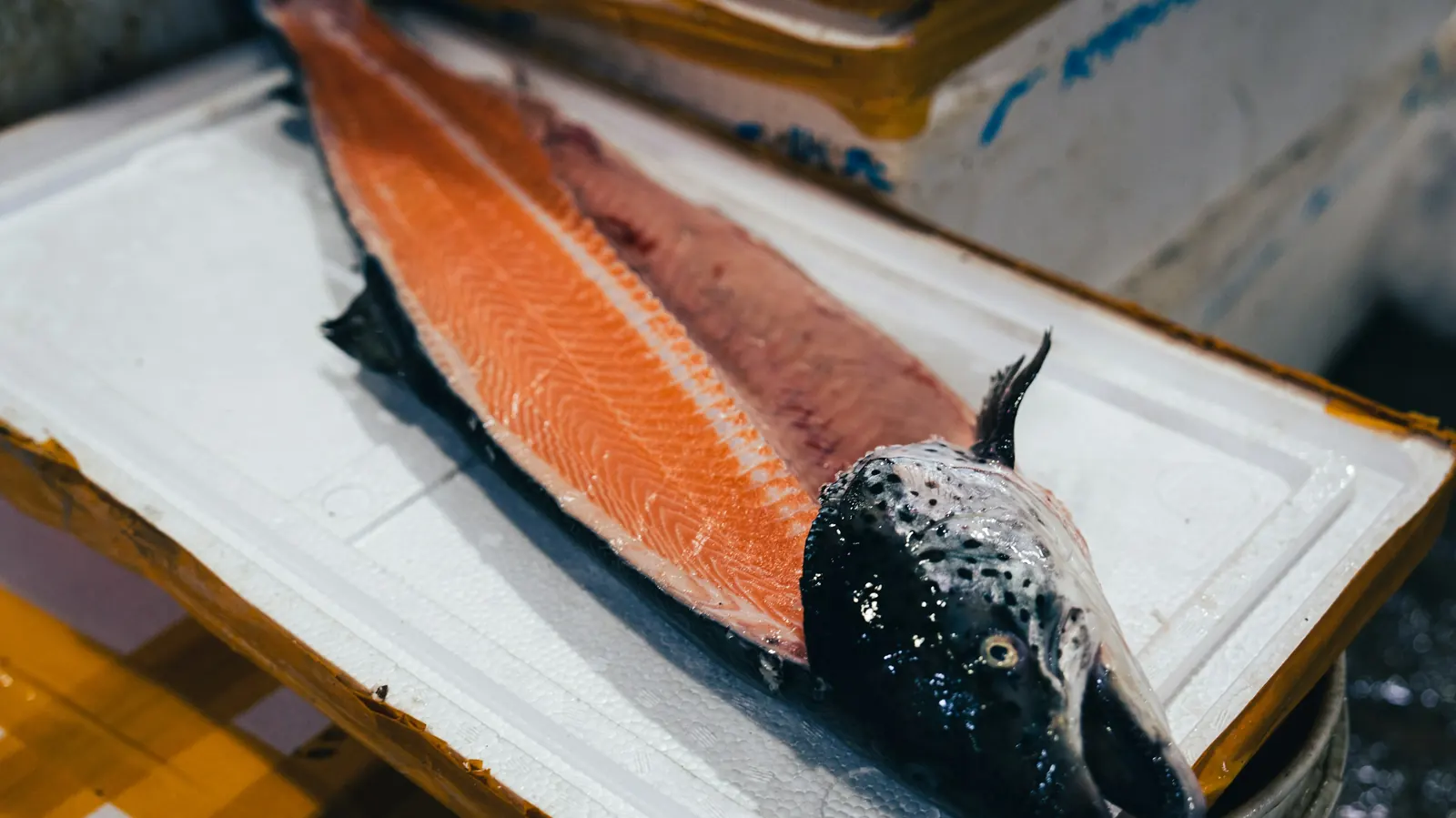
A boning knife and a fillet knife look like close cousins: both are narrow, both have a sharp point, and some makers even sell one blade under both names. They are built for different work, though. A boning knife is a short, controllable blade for working around the joints and bones of chicken and pork. A fillet knife is a longer, thinner blade for following the backbone of a fish and lifting the skin off a fillet. Buy the wrong one and the job still gets done, just more slowly and with more waste.
In a restaurant kitchen both knives earn their keep: chicken thighs boned out for tacos al carbón, a pork shoulder trimmed for carnitas, a whole snapper broken down for ceviche or pescado a la talla. This guide compares the boning knife vs fillet knife question on length, flex, steel and care, says which one most home cooks should buy first, and names a pick on each side.
Julia’s earns a commission on purchases made through links on this page, at no cost to you. Recommendations are based on what a restaurant kitchen looks for, product specifications and verified buyer reports.
Quick verdict: meat or fish first?
Buy a boning knife first if you cook mostly meat and poultry. It handles chicken, pork and the occasional fish, and a 6-inch blade with moderate flex is what America’s Test Kitchen calls the most versatile for home cooks. Buy a fillet knife first only if you clean whole fish often, because its longer, more flexible blade follows a backbone and skins a fillet better than a boning knife can. If you do both regularly, own both: they are not interchangeable at their best.
The table sums up the differences; the sections after it explain each one, with the source behind it.
Boning knife vs fillet knife, side by side
| Boning knife | Fillet knife | |
|---|---|---|
| Main job | Separating meat from bone; trimming fat and sinew | Filleting and skinning fish |
| Typical blade length | 5.5 to 6 inches (Zwilling, Mercer; ATK favors 6) | 7 to 8 inches (Zwilling 7.09, Victorinox 7.9) |
| Flex | Sold stiff, semi-stiff or flexible | Flexible, thin blade |
| Best on | Chicken, pork shoulder, ham, roasts | Whole fish, salmon sides, skin removal |
| Control | Short blade, tight work around joints | Long stroke along the length of a fish |
| Weak spot | Too short to fillet larger fish in one pass | Too flexible for heavy joints and big cuts |
| Care | Hand wash; most makers advise against the dishwasher | Same; Victorinox lists its Swiss Classic as dishwasher safe |
The job each blade is shaped for
The boning knife’s whole purpose is getting meat off bone with little waste. America’s Test Kitchen, in its review of flexible boning knives, says it uses one most often for minor butchery, mainly deboning chicken breasts and thighs, and its testers also used the knives to remove the bone from a cooked pork shoulder roast. Mercer describes its boning knives the same way: for separating meat from the bone, deboning chicken and ham, and trimming fat and sinew.
A fillet knife is shaped around fish. Victorinox says its Swiss Classic filleting knife glides close to the skin and bones and is meant for skinning delicate fish as well as slicing meat. Outdoor Life’s fillet knife guide puts the point simply in its answers section: a good fillet knife has a flexible blade that lets you follow closely along the backbone. That is the whole case for the second knife. A fish’s skeleton is long and gently curved, and the blade has to ride along it from head to tail in long strokes.
The two jobs overlap more than the names suggest. Mercer lists fish among the uses for its boning knives, and Zwilling describes its Four Star boning knife and its Four Star fillet knife in almost the same words: a long, thin, flexible blade for precision trimming when separating meat from bones and joints. Zwilling adds that the fillet knife is for shaping and seaming meat as well as filleting fish. So the line is not “meat only” against “fish only”. It is a short, firmer blade for tight work against a longer, more flexible one for long, even passes.
Length: short for control, long for reach
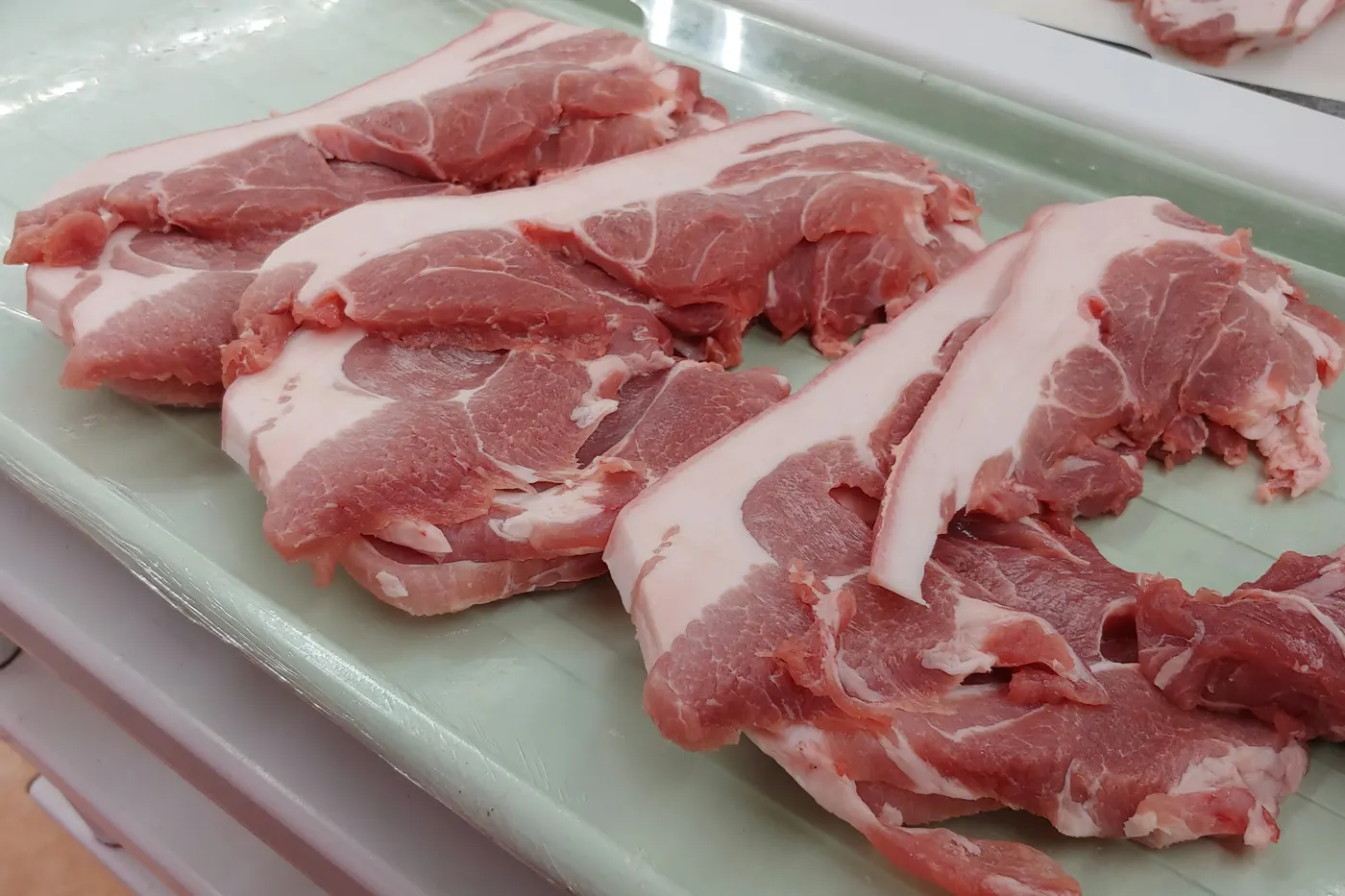
Boning knives sit in a narrow range. Zwilling’s Four Star boning knife has a 5.5-inch blade, Mercer’s Renaissance boning knives are 6 inches, and America’s Test Kitchen says it has found the 6-inch flexible boning knife to be the most versatile option for home cooks. It adds that many of its testers preferred the shorter 5.5-inch blade of its winning knife for more control on precise cuts.
Fillet knives run longer. Zwilling’s Four Star fillet knife has a 7.09-inch blade and Victorinox’s Swiss Classic filleting knife a 7.9-inch blade. The extra length is what lets you clear a whole side of a fish without sawing back and forth. Our general kitchen sense is that a longer blade suits larger fish and a shorter one suits trout and panfish; Outdoor Life’s reviewers make the same distinction between knives for small to medium fish and those for the largest saltwater catches.
For a home kitchen, the rule is easy: a 5.5- to 6-inch boning knife and a 7- to 8-inch fillet knife cover almost everything. If you only ever fillet small fish, a boning knife of 6 inches can do it; if you regularly clean big fish, it can’t.
Flex: the difference that matters most
Flex is where the two knives really part ways. Boning knives come in stiff, semi-stiff and flexible versions, and Mercer, for example, sells its Renaissance boning knife in both a stiff and a flexible blade, according to its listings. A stiff blade pushes through heavier cartilage and big cuts such as a pork shoulder; a flexible one bends around a chicken’s joints. America’s Test Kitchen says a flexible boning knife needs a certain degree of give so that it can bend and maneuver around bones, cartilage and joints, and that it prefers a moderate level of flexibility, with spines of about 1.25 mm.
Fillet knives are flexible as a class, because the blade has to bend to follow the backbone and to lie flat against the skin when you peel a fillet away. Even here, more is not always better. Scott Einsmann, reviewing fillet knives for Outdoor Life, praises a blade that flexes but isn’t so flexible that you lose control, and writes that he doesn’t like a fillet knife that’s too flexible. The same guide marks one knife down for having a bit too much flex for really large fish.
Put plainly, a very flexible fillet knife will wobble on a chicken thigh joint, and a stiff boning knife will tear a delicate fillet. That is the strongest reason to own both if you do both jobs often.
Steel, hardness and edge
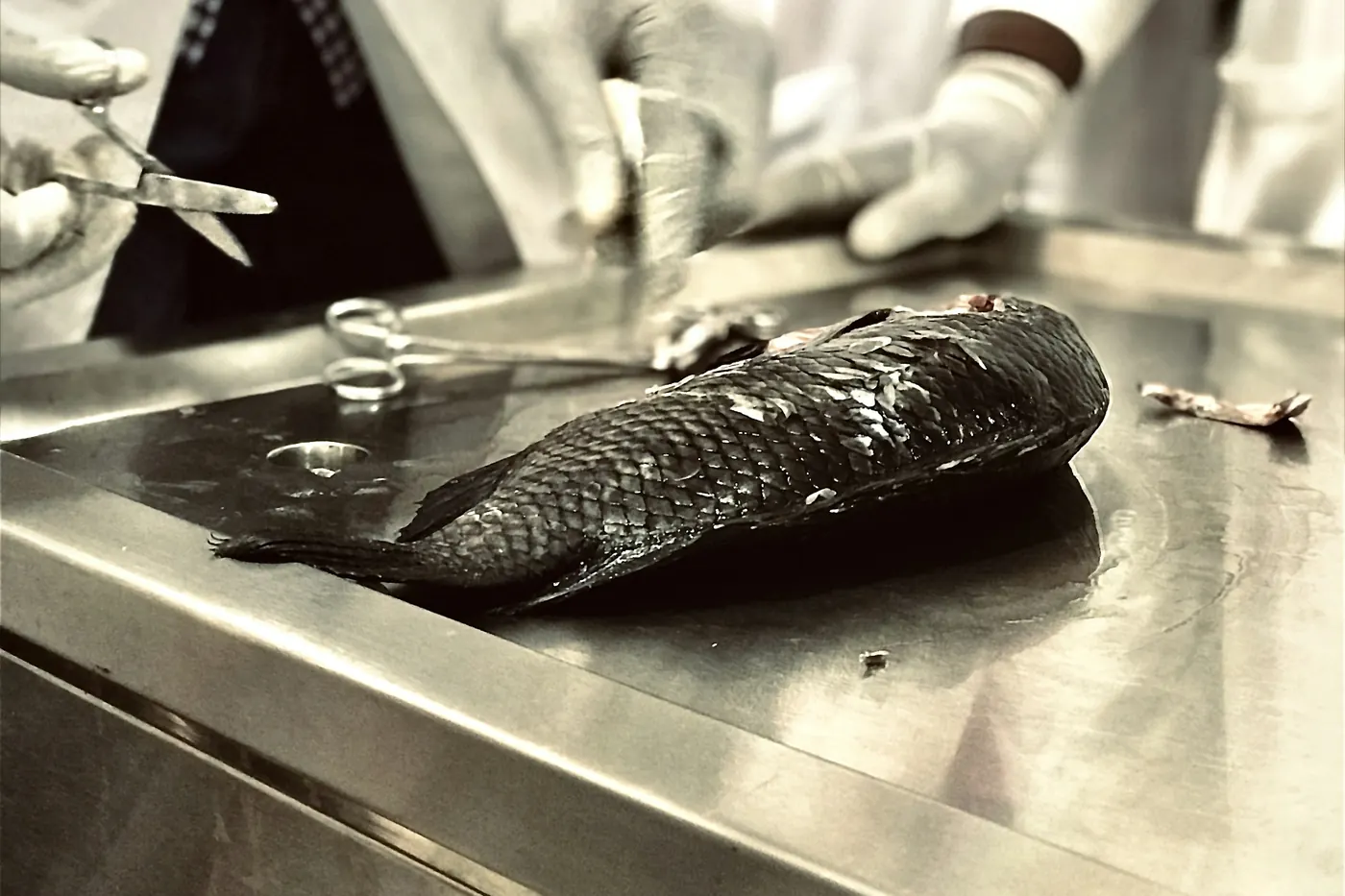
The steel is not what separates these knives; the maker and the line are. Within one family the two share the same steel and edge. Zwilling’s Four Star boning and fillet knives are both single-piece forged knives in its high-carbon stainless steel, ice-hardened, with a stated hardness of about 57 on the Rockwell scale. Mercer’s Renaissance boning knife is forged from high-carbon German steel, rated HRC 56 plus or minus 1, with a 15-degree blade angle. Victorinox lists only stainless steel for its Swiss Classic fillet blade.
What you should look for is a thin blade, a point that stays sharp, and a handle that grips when wet. Fish and raw poultry both make a handle slippery. Victorinox describes the Swiss Classic handle as textured, non-slip even when wet, and its listing says the knife is NSF approved. Mercer lists NSF certification for the Renaissance boning knife too.
Handles, bolsters and sharpening
Many forged knives have a thick bolster where the blade meets the handle, which adds weight and makes it harder to sharpen the heel of the edge. Mercer says the Renaissance has a shortened bolster that exposes the full blade edge for easier sharpening, a detail that matters on a boning knife, where the heel does real work. Zwilling’s Four Star knives have a molded polypropylene handle over a concealed tang, which leaves no seams or rivets for fish scales and fat to collect in.
Both knives need a keen edge more than most. A dull boning or fillet knife slips off bone and skin instead of cutting, and it wastes meat. A few strokes on a honing steel before each use, and proper sharpening when honing stops helping, keep either one working. Our best knife sharpener guide covers the tools.
Cleaning and safety
Raw poultry and fish mean careful washing. Mercer says it does not recommend washing its knives in a dishwasher and advises hand washing with warm water, drying promptly and avoiding long soaks. Zwilling calls its Four Star fillet knife dishwasher safe but recommends hand washing. Victorinox lists its Swiss Classic fillet knife as dishwasher safe. Our general advice is to hand wash and dry any thin, sharp blade straight away; it protects the edge and the knife, and it keeps a very sharp point out of a crowded dishwasher basket.
Store either knife in a block, on a magnetic strip or in a guard, never loose in a drawer. A thin, flexible point is easy to bend and very easy to cut yourself on when you reach in blind.
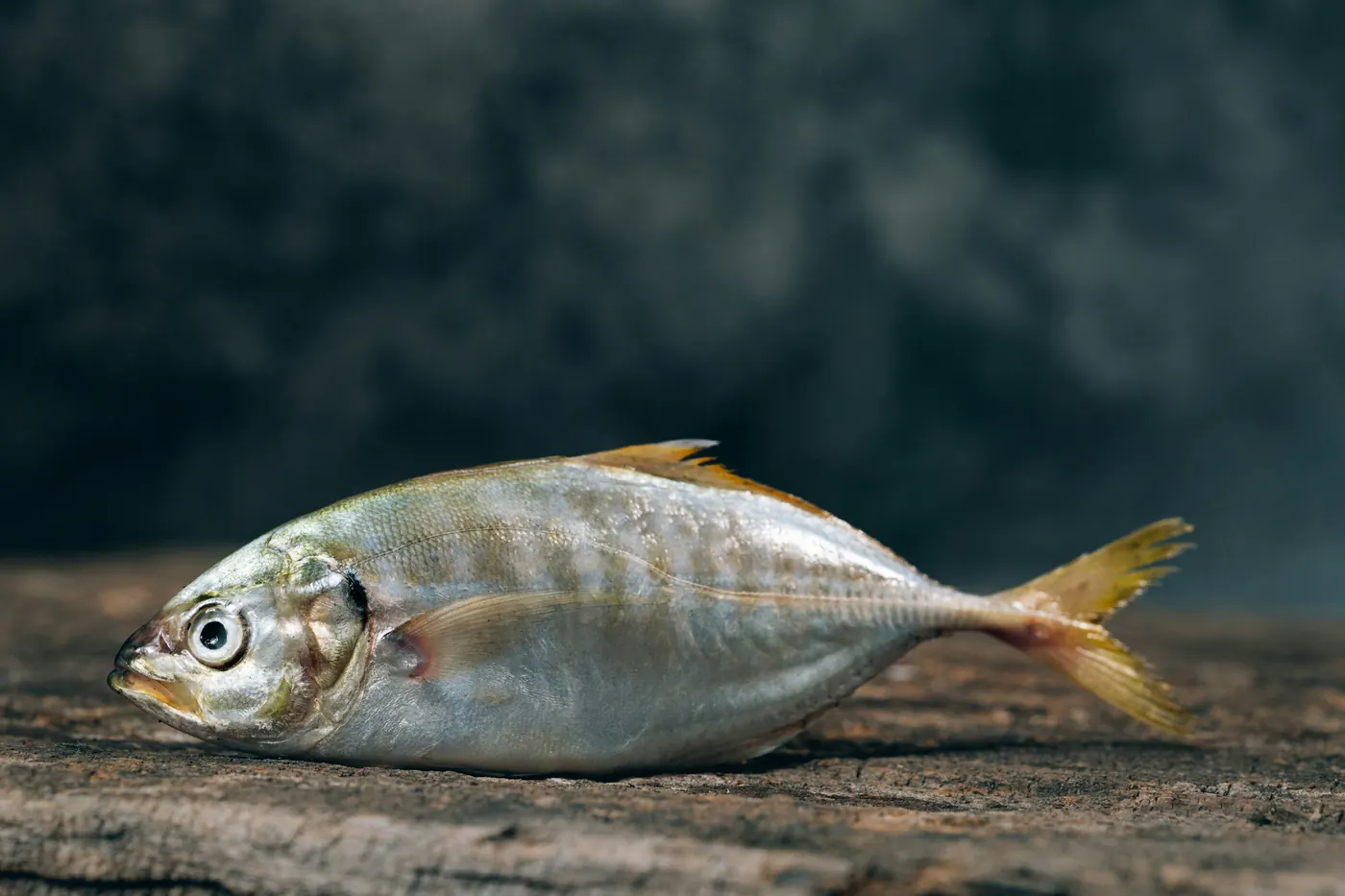
Choose a boning knife if… / Choose a fillet knife if…
Choose a boning knife if…
- You break down whole chickens, bone thighs or trim pork shoulder and brisket.
- You want one narrow knife for meat that can also handle a small fish now and then.
- You need a stiffer blade for big cuts and heavy cartilage.
- You value control in tight spaces over long reach.
Choose a fillet knife if…
- You clean whole fish from the market or from your own fishing trips.
- You want to skin salmon or snapper fillets in one clean pass.
- You cook ceviche, fish tacos or whole grilled fish often.
- You already own a boning knife and find it too short for your fish.
Our picks on each side of the boning knife vs fillet knife question
One boning knife and two fillet knives, all in stock when we checked and none of them on our other guides. The boning pick is a forged flexible blade from a value-minded professional maker. The fillet picks show the two ends of the type: a forged German knife at 7 inches and a lighter Swiss knife at 8 inches. For more choices on either side, see our guides to the best boning knife and the best fillet knife.
1. Mercer Culinary Renaissance 6-inch Flexible Boning Knife – Forged, Flexible, Easy to Sharpen

This is a classic flexible boning knife at the length America’s Test Kitchen favors for home cooks. Mercer lists it at 6 inches, forged in one piece from high-carbon German steel that it says resists rust, corrosion and discoloration, with a hardness of HRC 56 plus or minus 1 and a 15-degree blade angle.
The flexible blade is the one to choose for chicken, small roasts and general trimming, where the knife has to bend around joints. The listing names deboning chicken, ham and fish and trimming fat or sinew as its best uses. If your work is mostly heavy pork or beef, Mercer also sells the same Renaissance knife with a stiff blade, according to its listings.
Mercer says the Delrin handle is triple riveted and ergonomically designed, and the shortened bolster leaves the full edge exposed, so you can sharpen right to the heel. Mercer advises hand washing and does not recommend the dishwasher. The knife is made in Taiwan, NSF certified and covered by a limited lifetime warranty.
Why we like it
- 6-inch flexible blade, the length ATK calls most versatile
- One-piece forged construction (Mercer)
- Shortened bolster for full-edge sharpening
- NSF certified (Mercer)
Key specifications
| Model | M23560 |
|---|---|
| Blade length | 6 inches |
| Flex | Flexible |
| Construction | One-piece precision forged |
| Steel and hardness | High-carbon German steel, HRC 56 ±1 |
| Handle | Triple-riveted Delrin |
| Made in | Taiwan |
| Care | Hand wash; dishwasher not recommended |
Why we recommend it
It suits a home cook who bones out chicken and trims pork for the week and wants a forged blade without paying for a premium German name.
Skip it if you mostly break down large cuts of pork or beef; a stiff boning knife, such as the stiff version of this one, will push through heavier cartilage with less effort.
Pros and cons
Pros
- Forged blade with stated hardness and angle
- Edge can be sharpened to the heel
- Lifetime limited warranty
Cons
- Not for the dishwasher
- Too short to fillet large fish in one pass
- Riveted handle has seams to keep clean
2. Zwilling Four Star 7-inch Fillet Knife – Forged in Solingen, Seamless Handle

Zwilling’s Four Star fillet knife is a German fillet blade from one of the oldest names in cutlery. Zwilling lists the blade at 7.09 inches, made in Solingen, Germany, forged from a single piece of high-carbon stainless steel and ice-hardened to about 57 on the Rockwell scale. It describes the blade as long, thin and flexible, and the knife as made for shaping and seaming meat and filleting fish.
Seven inches is the middle of the fillet range: long enough to clear the side of a snapper, trout or small salmon in one pass, and short enough to stay easy to steer. Because Zwilling describes the same flexible design for its Four Star boning knife, this is also the fillet knife that sits closest to a boning knife, and it can trim a pork loin or skin a chicken breast when needed.
The handle is molded polypropylene over a concealed tang, which Zwilling says is made with at least 75 percent recycled plastic. There are no rivets or seams for scales and fat to sit in. Zwilling calls the knife dishwasher safe but recommends hand washing, and it carries a lifetime warranty.
Why we like it
- Single-piece forged blade (Zwilling)
- Made in Solingen, Germany
- Seamless molded handle
- Lifetime warranty
Key specifications
| Model | 31073-183 |
|---|---|
| Blade length | 7.09 inches |
| Flex | Flexible |
| Construction | Single-piece forged (SIGMAFORGE) |
| Steel and hardness | High-carbon stainless, 55 to 58 HRC |
| Handle | Molded polypropylene, concealed tang |
| Made in | Germany |
| Care | Dishwasher safe; hand wash recommended |
Why we recommend it
It suits a cook who fillets fish from the market or a fishing trip a few times a month and wants a German-made knife that can also help with meat.
Skip it if you clean large fish regularly; an 8-inch blade gives you more reach.
Pros and cons
Pros
- Forged German blade with stated hardness
- Easy-to-clean handle
- Works on meat as well as fish (Zwilling)
Cons
- Shorter than ideal for big fish
- No edge angle stated
- Hand washing still recommended by Zwilling
3. Victorinox Swiss Classic 8-inch Fillet Knife – Long, Light and Non-Slip

The Swiss Classic is the longer, lighter answer. Victorinox lists the blade at 7.9 inches with a straight edge and a flexible stainless steel blade, and gives the knife’s weight as just 2.7 ounces. It says the blade glides close to the skin and bones and is meant for slicing raw or cooked meat and skinning delicate fish.
The extra inch over the Zwilling is useful on larger fish and whole salmon sides, where you want to finish each stroke without stopping. It is also the easiest knife here to look after: Victorinox lists it as dishwasher safe, and the listing says it is NSF approved, with a textured handle that stays non-slip even when wet. We would still hand wash it to protect the edge.
The trade-off is weight and build. This is a light knife with a thermoplastic handle; at 2.7 ounces it will feel far less solid in the hand than a forged knife. For filleting, where a thin and flexible blade matters more than heft, that is no great loss. The knife is Swiss made and covered by Victorinox’s lifetime warranty.
Why we like it
- 7.9-inch flexible blade for larger fish
- Very light at a stated 2.7 ounces
- Non-slip handle, NSF approved (listing)
- Swiss made, lifetime warranty
Key specifications
| Model | 6.8713.20 |
|---|---|
| Blade length | 7.9 inches |
| Flex | Flexible |
| Construction | Not stated |
| Steel and hardness | Stainless steel; hardness not stated |
| Handle | Thermoplastic elastomer (TPE) |
| Made in | Switzerland |
| Care | Dishwasher safe (Victorinox) |
Why we recommend it
It suits anyone who cleans bigger fish, or who wants a light, easy-care fillet knife that can go to the lake as well as the kitchen.
Skip it if you want a forged knife with a bolster and some weight behind the blade; the Zwilling above is the better fit.
Pros and cons
Pros
- Long reach for big fish
- Light and easy to steer
- Dishwasher safe per the maker
Cons
- Steel hardness not stated
- Lighter build than a forged knife
- Long, flexible point needs a guard in storage
Boning and fillet knife questions, answered
What is the difference between a boning knife and a fillet knife?
A boning knife is usually 5.5 to 6 inches long and comes in stiff, semi-stiff or flexible versions for removing meat from bone. A fillet knife is usually 7 to 8 inches long, thinner and flexible, for following a fish’s backbone and removing the skin. The shapes overlap, and some makers sell one blade as a boning and fillet knife.
Can I use a boning knife to fillet fish?
Yes, on small fish. Mercer lists fish among its boning knives’ uses. On larger fish a 6-inch blade is short, and a stiff one won’t follow the backbone or lie flat for skinning, so a fillet knife does a cleaner job.
Can I use a fillet knife on meat?
For trimming and light work, yes; Zwilling says its Four Star fillet knife is for shaping and seaming meat as well as filleting fish, and Victorinox lists slicing meat. On heavy joints a very flexible blade bends too much to be safe or efficient.
Should a boning knife be stiff or flexible?
Flexible for chicken and smaller cuts, stiff for heavy pork and beef. America’s Test Kitchen prefers moderate flex in a 6-inch blade for home cooks, which covers most kitchen jobs.
Which one should a home cook buy first?
For most kitchens, the boning knife, because chicken and pork come up far more often than whole fish. Add a fillet knife when you start buying or catching whole fish.
Which narrow blade earns its place first
For most home cooks the boning knife comes first. It handles the weekly chicken and pork, and it can manage a small fish when one comes along. The fillet knife is the specialist: buy it when whole fish become a regular part of your cooking, and choose length by the size of the fish you clean. If you are building a fish kit, our best fish knife set guide covers sets with sheaths, and our best boning knife for chicken guide narrows down the meat side.
And when you would rather someone else did the boning and filleting, see the menu or call to order.