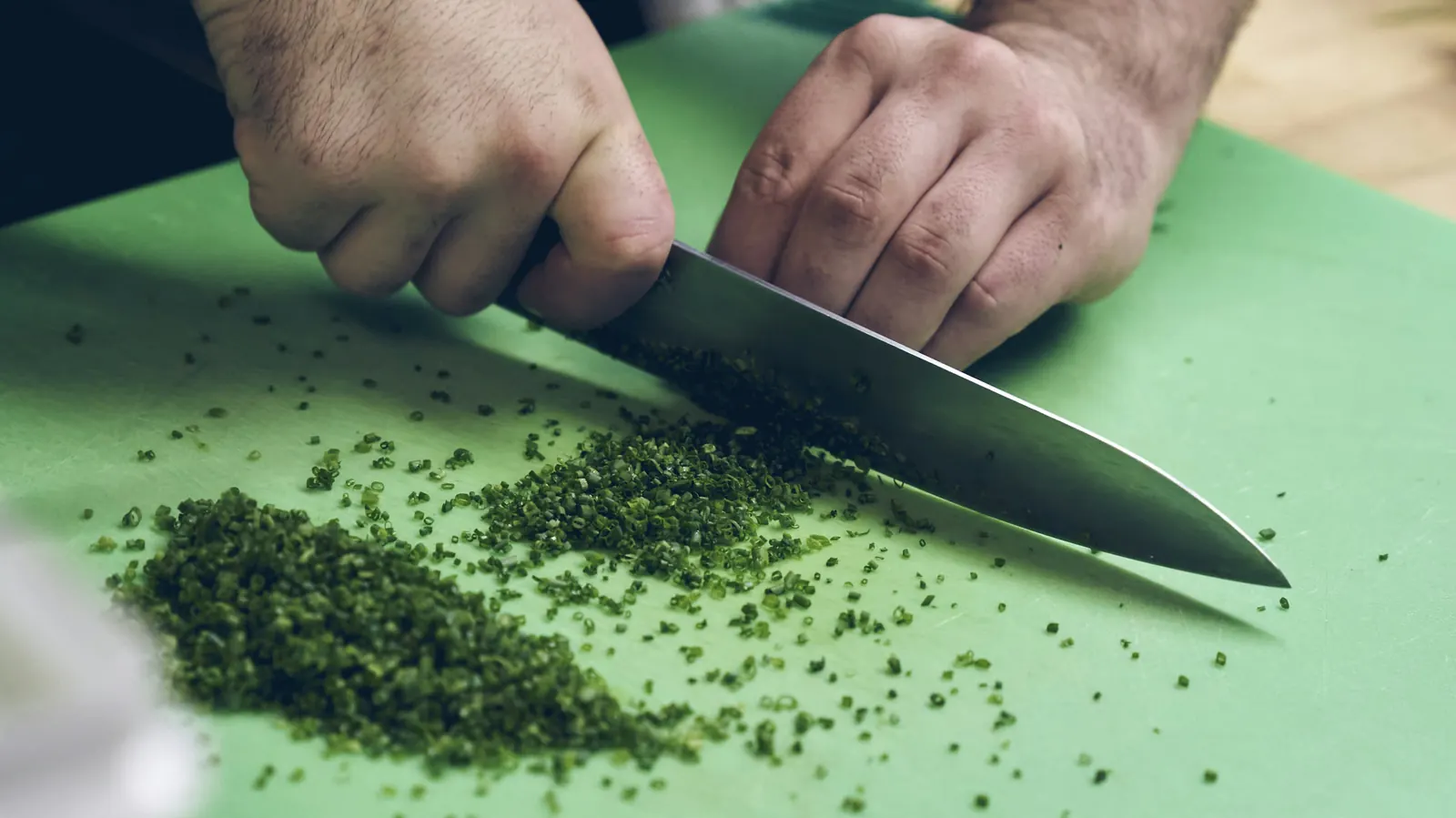
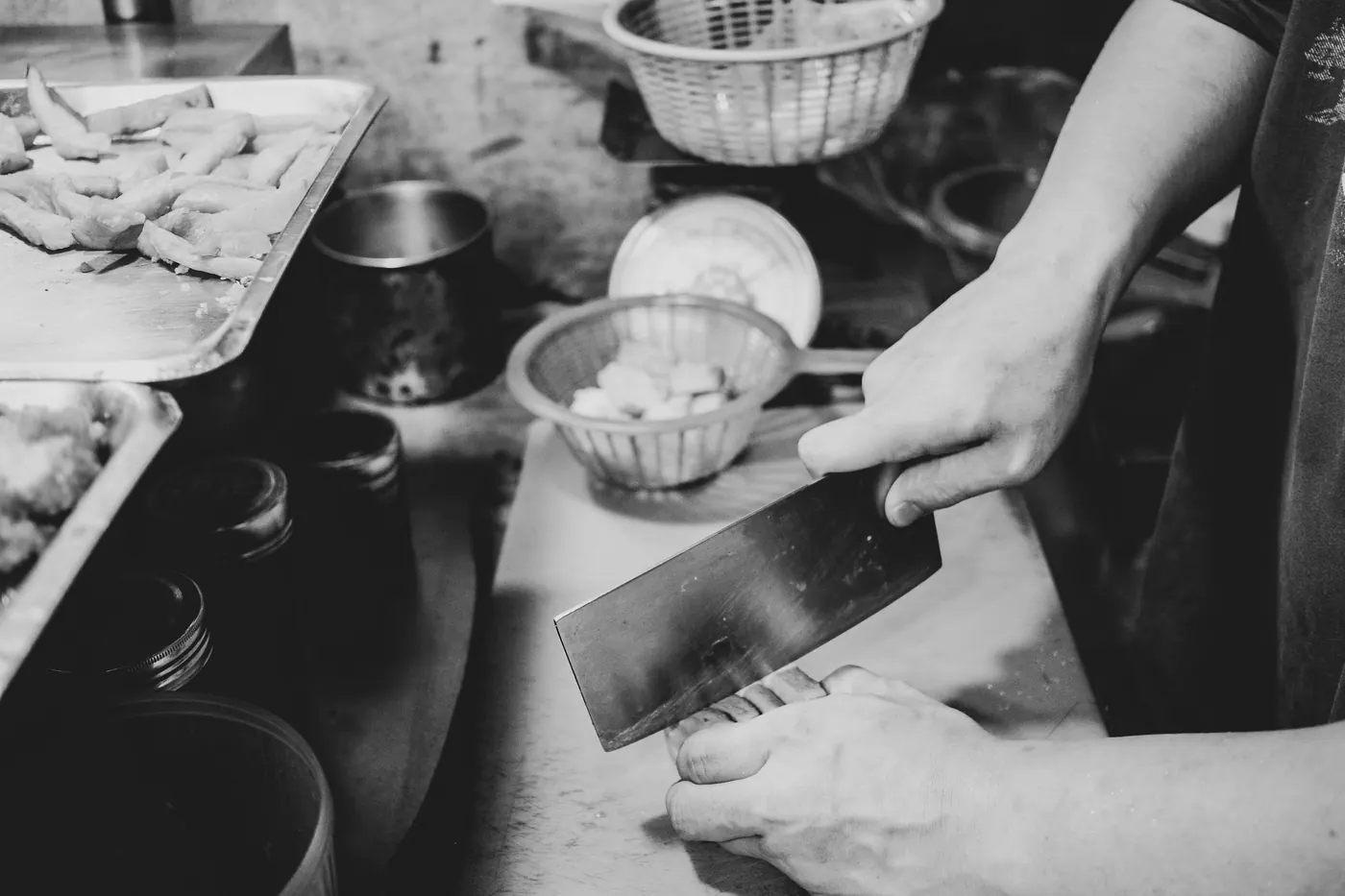
On a busy taquería line, the knife that starts service sharp does not stay that way. The edge does not wear away in an hour; it gets pushed out of line. Every chop through onion, every rock across a pile of cilantro and every pass through grilled skirt steak bends the thin edge slightly to one side, and the knife starts to slide instead of bite. A honing steel puts that edge back in line in a few strokes, which is why one usually hangs within reach of the cutting board.
Honing steels come in more forms than most people expect: grooved and smooth steel rods, ceramic rods, and diamond-coated steels that actually remove metal. This guide explains the difference, what the makers say about each one, and which honing steel suits the knives you own.
Julia’s earns a commission on purchases made through links on this page, at no cost to you. Recommendations are based on what a restaurant kitchen looks for in a honing steel, the makers’ own specifications and the details on each Amazon listing.
Quick verdict: which honing steel to buy
For most home kitchens, the best honing steel is the Victorinox 10-inch combination cut honing steel: a chrome-plated steel rod from a maker of professional kitchen knives, a 10-inch length that suits a standard chef’s knife, and a stated lifetime warranty against defects. If your knives are hard Japanese steel, choose a ceramic rod such as the Work Sharp Kitchen Ceramic Honing Rod, which adds 20-degree angle guides. If you want a forged German steel to match German knives, the Wüsthof 9-inch honing steel is tempered to 58 HRC and made in Germany.
The rest of this page explains how honing differs from sharpening, which rod surface to choose, and how to use one without damaging the edge.
Five honing steels side by side
Our five standout rods, one for each kind of cook, with the material and length each maker or listing states. All nine are reviewed in full below.
| Honing steel | Best for | Material | Length | Buy on Amazon |
|---|---|---|---|---|

Victorinox 10-inch Combination Cut Honing SteelBest overall
|
Everyday upkeep of most kitchen knives | Chrome-plated steel | 10 in | View on Amazon |

Wüsthof 9-inch Honing SteelBest forged steel
|
German knives | High-carbon stainless, 58 HRC | 9 in | View on Amazon |

Work Sharp Kitchen Ceramic Honing RodBest ceramic
|
Hard steels, guided angle | Fine ceramic | 9 in honing surface | View on Amazon |

Zwilling 12-inch Diamond Sharpening SteelBest diamond
|
Quick touch-ups that remove a little metal | Diamond-coated steel | 12 in | View on Amazon |

Dexter-Russell 14-inch Butcher SteelBest for long blades
|
Butcher and slicing knives | Magnetized high-carbon steel | 14 in | View on Amazon |
Product images from Amazon. Materials and lengths are as stated by each maker or listing; check the listing before you buy.
Our picks for the best honing steel
These nine rods cover the three surfaces that matter: steel, in grooved, combination and smooth cuts; ceramic, which is harder than any knife steel and refines as it straightens; and diamond, which sharpens as well as hones. Each pick says who it suits, what the maker states, and one honest reason to skip it.
1. Victorinox 10-inch Combination Cut Honing Steel – A Working Kitchen Standard
Victorinox has made kitchen tools since 1884, the listing notes, and describes this steel as designed for professionals. The listing describes it as industrial brush chrome-plated steel, which it says adds hardness and stain resistance, on a textured, balanced handle. At 10 inches it is long enough to hone a standard 8-inch chef’s knife from heel to tip in one stroke.
The combination cut is the reason to choose it over a plain rod. According to Knife Merchant, a retailer that sells it, a Victorinox combination steel has two sides with a fine grooved cut and two smooth sides for polishing, so you can straighten a stubborn edge on the grooves and finish on the smooth faces. Victorinox’s listing says that if you use the steel regularly, you will only need to sharpen your blade once or twice a year; how often you need to sharpen depends on how much you cut.
Victorinox states a lifetime warranty for defects in materials and workmanship. Wipe the rod clean after use; the listing does not mention a hanging ring.
Why we like it
- Chrome-plated for hardness and stain resistance
- Grooved and smooth faces on one rod
- 10-inch length suits chef’s knives
- Lifetime warranty against defects
Key specifications
| Model | 40582 |
|---|---|
| Material | Chrome-plated steel |
| Surface | Combination cut (fine grooves and smooth faces) |
| Length | 10 in |
| Handle | Black textured plastic |
| Hang ring | Not stated |
| Warranty | Lifetime, defects in materials and workmanship |
Why we recommend it
It suits most home cooks with German-style or general kitchen knives who want a dependable steel for a few strokes before every cooking session.
Skip it if your knives are very hard Japanese steel; a ceramic rod is the safer choice for those.
Pros and cons
Pros
- Two surfaces in one rod
- Comfortable plastic handle
- Lifetime warranty
Cons
- Grooves are aggressive on thin edges
- Hanging ring not mentioned
2. Wüsthof 9-inch Honing Steel – Forged and Magnetic
Wüsthof’s 9-inch steel is the natural partner for a German knife block. The listing says it is forged from a single block of high-carbon stainless steel and tempered to 58 HRC, a hardness rating on the Rockwell scale, and that the rod is grooved to make honing easier.
Two details help in a working kitchen. The rod is magnetic, which Wüsthof says attracts loose metal fibers as you hone, so less of that fine grit ends up on the board. And the slip-resistant, textured handle has a protective bolster between your hand and the blade. The listing says it is made in Germany with a lifetime warranty.
Nine inches is the minimum we would want for an 8-inch chef’s knife; it works, but you will finish each stroke closer to the tip. If you mostly use a 10-inch knife, look for a longer rod.
Why we like it
- Forged high-carbon stainless, 58 HRC
- Magnetic rod catches metal fibers
- Protective bolster on the handle
- Made in Germany, lifetime warranty
Key specifications
| Model | 4461/23 |
|---|---|
| Material | High-carbon stainless steel, 58 HRC |
| Surface | Grooved (ridged) |
| Length | 9 in |
| Handle | Slip-resistant textured, with bolster |
| Hang ring | Not stated |
| Warranty | Lifetime, manufacturer defects |
Why we recommend it
It suits owners of Wüsthof and other German knives who want a matching steel with a hand guard and a magnet that keeps the board cleaner.
Skip it if your main knife is longer than 8 inches; a 10-inch or longer rod will be easier to use.
Pros and cons
Pros
- Forged, hardened steel
- Magnetic surface
- Made in Germany
Cons
- Short for long blades
- Grooved steel can be too coarse for hard Japanese edges
3. Work Sharp Kitchen Ceramic Honing Rod – Angle Guides Built In
Ceramic is harder than knife steel, so a ceramic rod can straighten and lightly refine an edge that a steel rod might skate over. That makes it a good choice for harder knives, including many Japanese ones. Work Sharp’s version adds the thing most beginners need: built-in angle guides, which Work Sharp’s product page gives as 20 degrees, so you can hold a consistent angle without guessing.
Work Sharp’s page describes the abrasive as fine ceramic and gives a 9-inch honing surface and a three-year warranty. The Amazon listing says it works on chef, santoku, paring, utility and serrated kitchen knives and frames it as a few light passes before each meal.
Ceramic has one weakness: it is brittle. Drop it on a tile floor and it can chip or snap. Hang it or keep it in a drawer where it will not knock against other tools, and wipe off the gray metal streaks with a damp cloth or a mild abrasive cleaner now and then.
Why we like it
- 20-degree angle guides, per Work Sharp
- Fine ceramic suits hard steels
- 9-inch honing surface
- Three-year warranty
Key specifications
| Model | WSKTNCHR |
|---|---|
| Material | Ceramic |
| Surface | Fine |
| Length | 9 in honing surface |
| Handle | Black, with built-in angle guides |
| Hang ring | Not stated |
| Warranty | 3 years |
Why we recommend it
It suits a cook who has never used a honing rod and wants help holding the angle, and anyone with a mix of German and Japanese knives.
Skip it if your kitchen floor is hard and the rod is likely to be dropped; a steel rod is more forgiving.
Pros and cons
Pros
- Guides make the angle easy
- Works on hard steels
- Stated serrated use
Cons
- Ceramic can break if dropped
- Fixed 20-degree guide may not match every knife
4. Zwilling 12-inch Diamond Sharpening Steel – Fast Touch-Ups on a Flat Rod
A diamond steel sits between honing and sharpening. Its diamond coating removes a little metal with each stroke, so it can bring back a slightly dull edge that a plain steel cannot. Zwilling’s listing says the diamond coating works quickly to produce a very sharp edge, and that the flat surface gives more contact with the edge than a round rod, achieving the same result in fewer strokes.
That speed is the point and the risk. Used with light pressure for a few strokes, it keeps a busy knife cutting cleanly between sharpenings. Used hard or every day, it will wear a knife down faster than a smooth steel. Treat it as an occasional touch-up tool rather than a before-every-meal habit.
At 12 inches it handles long carving and slicing knives as easily as a chef’s knife. Zwilling states a lifetime warranty against manufacturer’s defects.
Why we like it
- Diamond coating restores bite quickly
- Flat surface means fewer strokes
- 12 inches long
- Lifetime warranty against defects
Key specifications
| Model | 32525-301 |
|---|---|
| Material | Diamond-coated steel |
| Surface | Diamond, flat profile |
| Length | 12 in |
| Handle | Black plastic (per listing color) |
| Hang ring | Not stated |
| Warranty | Lifetime, manufacturer’s defects |
Why we recommend it
It suits a cook who lets knives go a little too long between sharpenings and wants a quick way to bring them back without a stone.
Skip it if you want a tool for daily use; it removes metal every time.
Pros and cons
Pros
- Fast results
- Long rod for long knives
- Lifetime warranty
Cons
- Wears knives faster than a steel
- Grit not stated
5. Dexter-Russell 14-inch Butcher Steel – Long, Magnetized and Made in USA
Dexter-Russell is an American maker of commercial cutlery, and this is a butcher’s steel in the traditional mold. The listing gives a 14-inch by half-inch magnetized high-carbon rod with a medium coarseness, a hardwood handle, a triangular guard and a heavy-duty ring for hanging, and says it is made in the USA.
The length is the reason to buy it. A 14-inch rod lets you hone a 10- or 12-inch butcher knife, brisket slicer or carving knife in full strokes, which matters if you break down pork shoulder for carnitas or slice a whole smoked brisket. The magnetized surface, the listing says, attracts metal particles and keeps cleanup simpler.
Medium coarseness is more aggressive than a fine or smooth steel. It suits heavy German-style and commercial knives; on a thin, hard Japanese blade it can do more harm than good.
Why we like it
- 14-inch rod for long knives
- Magnetized surface catches particles
- Guard and heavy-duty hanging ring
- Made in the USA, per the listing
Key specifications
| Model | 1227-14 (07291) |
|---|---|
| Material | Magnetized high-carbon steel |
| Surface | Medium coarseness |
| Length | 14 in (1/2 in diameter) |
| Handle | Hardwood, triangular guard |
| Hang ring | Yes, heavy-duty |
| Warranty | Not stated |
Why we recommend it
It suits a cook who breaks down large cuts of meat with long butcher or slicing knives and wants a rod long enough to match.
Skip it if you mostly use short or Japanese knives; it is long and coarse for that work.
Pros and cons
Pros
- Full-length strokes on big knives
- Hanging ring
- Made in the USA
Cons
- Coarse for fine edges
- Wood handle needs hand washing
- Warranty not stated
6. Wüsthof 10-inch Ceramic Sharpening Rod – Light Sharpening Between Stones

Wüsthof is unusually candid about this rod. Its own product page describes the 10-inch ceramic rod, sold as the J800, as best for dull to moderately sharp knives, and says that because it removes a tiny amount of metal, Wüsthof recommends a honing steel for daily or weekly edge maintenance. In other words, this is a light sharpener in rod form, not a daily honing tool.
That makes it a useful second rod. Keep a smooth or fine steel for everyday honing, and reach for the ceramic when the steel no longer brings the edge back but the knife is not yet dull enough for a stone. Retailers describe its grit as roughly 800, which matches the J800 name.
Wüsthof’s page lists a 4.7-inch synthetic handle and gives the European Union as the place of manufacture. As with any ceramic rod, store it where it cannot be knocked or dropped.
Why we like it
- Clear guidance from Wüsthof on when to use it
- Brings back moderately dull edges
- 10-inch rod
- Made in the EU, per Wüsthof
Key specifications
| Model | 3049710126 (J800) |
|---|---|
| Material | Ceramic |
| Surface | Coarse ceramic, about 800 grit (per retailers) |
| Length | 10 in |
| Handle | Synthetic, 4.7 in |
| Hang ring | Not stated |
| Warranty | Not stated on the listing |
Why we recommend it
It suits a cook who already hones and wants a quick in-between step before reaching for a whetstone or sharpener.
Skip it if you want one rod for daily use; Wüsthof itself recommends a honing steel for that.
Pros and cons
Pros
- Restores bite fast
- Honest maker guidance
- Good length
Cons
- Removes metal each use
- Brittle if dropped
7. Shun Sora 9-inch Combination Honing Steel – A 16-Degree Guide for Japanese Knives
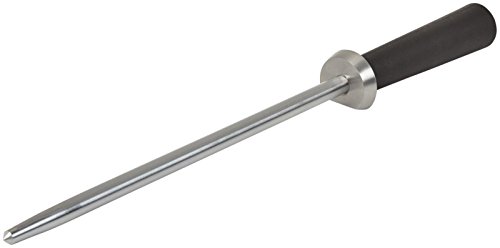
Shun builds its honing steels around its own knives, and the Sora steel shows how. The listing says the built-in angle guide hones at 16 degrees, the same angle Shun uses for its double-bevel knives, and that the stainless steel rod has a smooth side for weekly honing and a micro-ribbed side for monthly honing. Shun’s own honing guide tells you to set the flat of the blade against the 16-degree guide, then draw the knife down the steel from heel to tip with light pressure.
A smooth steel surface is gentler than a standard grooved one, which is why it suits harder Japanese blades better than a typical butcher’s steel. The 9-inch rod is right for a 6- to 8-inch gyuto, santoku or nakiri.
The listing’s title calls the handle Pakkawood, but its bullets describe a sure-grip TPE handle; check the photos before you buy if the handle material matters to you.
Why we like it
- 16-degree angle guide, per Shun
- Smooth and micro-ribbed sides
- Usable by left and right hands, per the listing
- Made to match Shun’s own knives
Key specifications
| Model | VB0790 |
|---|---|
| Material | Stainless steel |
| Surface | Smooth side and micro-ribbed side |
| Length | 9 in |
| Handle | TPE per bullets (title says Pakkawood) |
| Hang ring | Not stated |
| Warranty | Not stated on the listing |
Why we recommend it
It suits owners of Shun or other Japanese knives who want a steel matched to a 16-degree edge. Our guide to the best honing steel for Japanese knives covers ceramic alternatives in more depth.
Skip it if your knives are mostly German; a 10-inch steel with a 20-degree edge in mind will suit them better.
Pros and cons
Pros
- Built-in 16-degree guide
- Two surfaces
- Right length for Japanese knives
Cons
- Listing contradicts itself on handle
- Short for long blades
8. Mercer Culinary 10-inch German Honing Steel – Built for Commercial Kitchens

Mercer Culinary makes knives and tools for foodservice, and its listing pitches this German honing steel at professional kitchens as well as home cooks. The listing describes high-quality German steel that hones knife edges and removes burrs, on a polypropylene handle with a hand guard that gives a non-slip grip even with wet hands.
That grip is worth more than it sounds. On a line, your hands are rarely dry, and a steel that twists in a wet hand is a steel that ends up on the floor. The 10-inch length covers a standard chef’s knife comfortably.
Mercer’s care advice is simple: wash by hand with warm water and mild soap, rinse and dry completely, and never put it in the dishwasher or leave it soaking. The listing does not describe the rod’s surface cut or a warranty.
Why we like it
- Non-slip handle, even when wet
- Hand guard for safety
- 10-inch rod
- Simple care instructions
Key specifications
| Model | M14510 |
|---|---|
| Material | German steel |
| Surface | Not stated |
| Length | 10 in |
| Handle | Polypropylene, hand guard |
| Hang ring | Not stated |
| Warranty | Not stated |
Why we recommend it
It suits a cook who works fast with wet hands and wants a no-fuss steel for a commercial-style knife such as a Mercer or Victorinox.
Skip it if you want full specifications; the listing leaves out the surface and warranty.
Pros and cons
Pros
- Secure grip
- Commercial-kitchen maker
- Easy care
Cons
- Surface cut not stated
- No stated warranty
9. Henckels 9-inch Sharpening Steel – A Simple Steel for a Starter Block

Henckels is part of the Zwilling family of brands, and this 9-inch steel is the kind of plain rod that suits a starter knife block. The listing describes it as a fine-edge honing rod for keeping edges sharp between professional sharpenings, on a smooth polypropylene handle, and suggests honing your kitchen or barbecue knives every other time you use them.
That “every other time” advice is a sensible rhythm for a home cook. You do not need to hone before every single cut; you need to hone often enough that the edge never drifts far out of line. A few light strokes per side are enough.
The listing states a lifetime guarantee against manufacturer’s defects. Nine inches suits knives up to 8 inches, and the plain design is easy to keep clean.
Why we like it
- Fine-edge rod for upkeep
- Clear advice on how often to hone
- Smooth polypropylene handle
- Lifetime guarantee against defects
Key specifications
| Model | 32547-232 |
|---|---|
| Material | Steel |
| Surface | Fine edge |
| Length | 9 in |
| Handle | Smooth polypropylene |
| Hang ring | Not stated |
| Warranty | Lifetime, manufacturer’s defects |
Why we recommend it
It suits a cook building a first knife kit who wants a plain, reliable steel from an established maker.
Skip it if you own long knives; 9 inches is short for anything over 8.
Pros and cons
Pros
- Established maker
- Lifetime guarantee
- Easy to keep clean
Cons
- Short rod
- Few specifications listed
Honing vs sharpening: two different jobs
Sharpening grinds metal away to form a new edge. Shun’s guide puts it simply: sharpening removes metal from the blade, honing doesn’t. Honing pushes an edge that has rolled to one side back into line. Shun describes that rolled edge as forming gradually from repeated contact with the cutting board.
The line between the two blurs with some rods. A smooth or fine steel mostly realigns. A grooved steel realigns more aggressively. Ceramic and diamond rods also remove a little metal, which is why Wüsthof calls its ceramic rod a sharpener and recommends a honing steel for daily or weekly upkeep. If honing no longer brings the edge back, the knife needs sharpening; our best knife sharpener guide and our knife sharpener vs whetstone comparison cover that step.
Steel, ceramic or diamond: which rod surface to choose
| Surface | What it does | Best for |
|---|---|---|
| Smooth steel | Realigns with almost no metal removed | Daily honing of most knives |
| Grooved or combination steel | Realigns more aggressively | Softer German and commercial knives |
| Ceramic | Realigns and lightly refines; harder than knife steel | Harder steels, including many Japanese knives |
| Diamond-coated | Removes metal; a light sharpener | Occasional touch-ups of a slightly dull edge |
Most home cooks with German-style knives do well with a combination or fine steel. If you own Japanese knives, read the knife maker’s advice first; many recommend ceramic or a smooth steel. For the knives themselves, see our guides to the best chef’s knife and the best Japanese knife.
How to hone a knife without hurting the edge
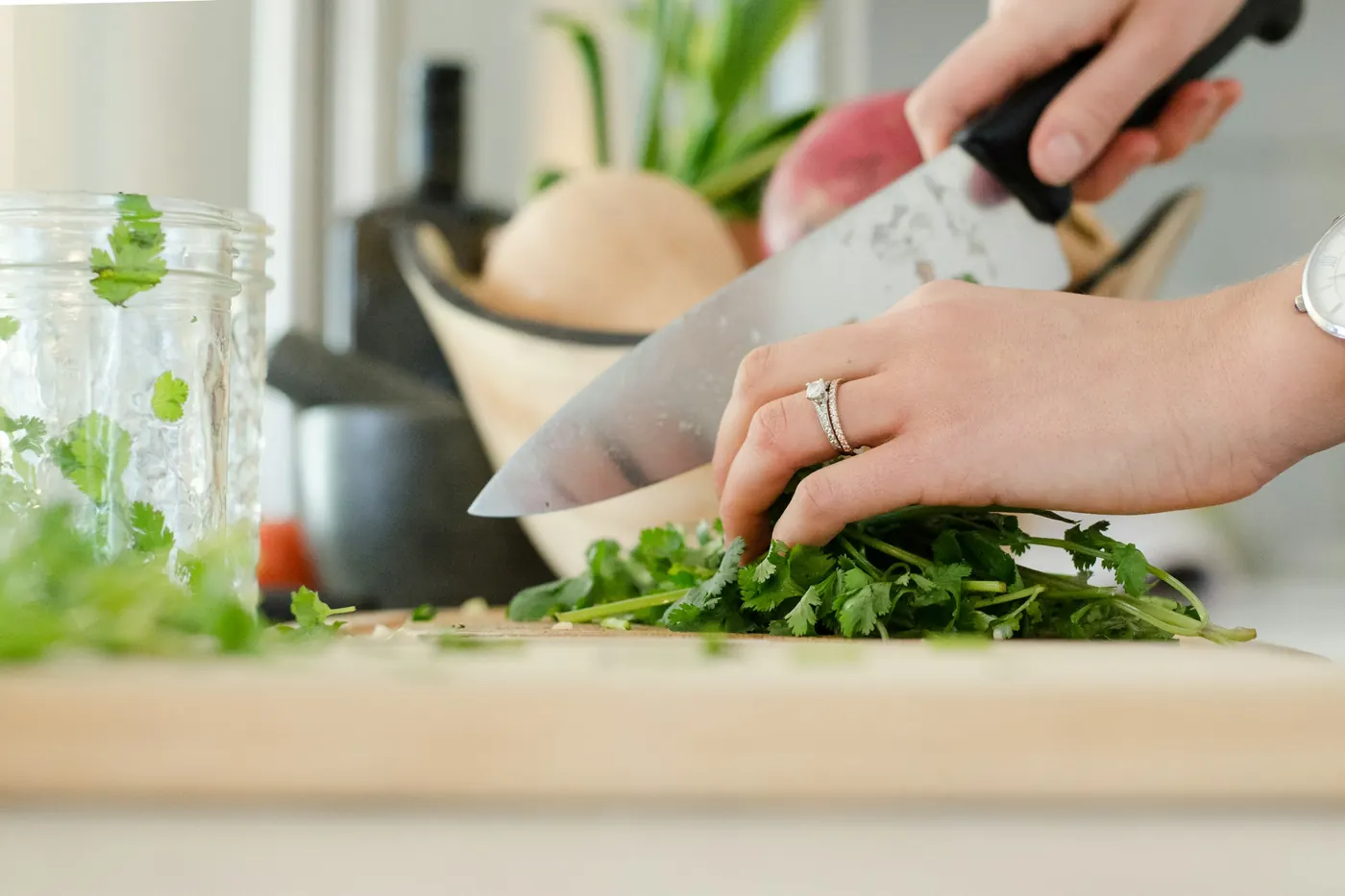
Hold the steel upright with the tip resting on a folded towel on the counter. Set the heel of the knife against the top of the rod at roughly the angle the edge was sharpened at; Shun gives 16 degrees for its knives, and Work Sharp builds its ceramic rod around 20. Draw the blade down and toward you so the whole edge passes along the rod from heel to tip, with light pressure. Alternate sides, five or so strokes each. Shun recommends light pressure and a smooth, controlled motion, and says some cooks hone once a week while others hone every day, depending on how much the knife is used.
Pressure is where people go wrong. Honing is a straightening job, not a grinding one; pressing hard on a grooved or diamond rod removes metal you did not mean to remove. Wipe the knife after honing to remove fine metal dust before it touches food.
How to choose a honing steel
Length. Choose a rod at least as long as your longest knife’s blade, and preferably an inch or two longer. Ten inches suits most home kitchens; 12 to 14 inches suits butchers’ and slicing knives.
Surface. Fine or smooth steel for gentle daily honing, combination or grooved steel for softer knives that roll easily, ceramic for hard steels, diamond for occasional sharpening.
Your knives’ hardness. A rod softer than the knife cannot straighten it well. Wüsthof lists its forged steel at 58 HRC; many Japanese knives are harder, which is why ceramic is often suggested for them.
Handle and guard. A guard between handle and rod protects your hand if the knife slips. A grippy handle matters if your hands are often wet.
Storage. A hanging ring keeps the rod in reach and away from other tools, which matters most for ceramic.
How we chose these nine honing steels
We started from what a kitchen that cuts onions, chiles, tomatoes, citrus and grilled beef every day needs from a rod: a surface matched to the knives, a sensible length, a safe handle and a maker that states what it sells. We then looked for rods sold on Amazon in the United States from identifiable knife and sharpening makers, across steel, ceramic and diamond, and checked each one’s stock with Amazon’s product data before writing. Materials, lengths and warranties come from the maker’s own pages where we could reach them and otherwise from the Amazon listing; where neither states a figure, we say “not stated”. We left out rods that were down to their last few units or unavailable when we checked, including several Global, Mac, Messermeister, Dexter-Russell diamond and longer Victorinox and Mercer models; we could not find Idahone rods in stock. We did not hone knives with these rods for this guide, and we have not cited published equipment reviews from America’s Test Kitchen, Serious Eats or Wirecutter, because we did not read them for this page.
Honing steel questions, answered
What is the best type of honing steel?
For most German-style kitchen knives, a fine or combination-cut steel rod such as the Victorinox 10-inch. For hard Japanese knives, a ceramic rod or a smooth steel made for them. Diamond rods are sharpeners more than hones.
Which brands make the best honing steels?
The knife makers whose knives you own are a good place to start: Victorinox, Wüsthof, Zwilling and Henckels, Shun, and Mercer all make steels to match their blades. Dexter-Russell is a long-standing name for butchers’ steels, and Work Sharp makes guided ceramic rods.
How often should I use a honing steel?
Often and lightly. Henckels suggests every other use; Shun says some cooks hone weekly and others daily. If the knife slides off a tomato skin, hone it; if honing no longer helps, sharpen it.
Is a ceramic rod better than a steel rod?
It is harder, so it suits hard knives, and it refines as it straightens. It is also brittle and removes a little metal. A steel rod is tougher and gentler for daily use on softer knives.
Can a honing steel sharpen a dull knife?
Not a truly dull one. A plain steel only realigns the edge. A diamond rod or coarse ceramic can restore a slightly dull edge, but a worn or chipped knife needs a whetstone or sharpener.
Our final pick for keeping knives sharp
Buy the Victorinox 10-inch combination steel if you want one rod that keeps an everyday knife block cutting cleanly. Choose the Wüsthof 9-inch to match German knives, the Work Sharp ceramic rod if you want angle guides or own harder steels, the Zwilling diamond steel for quick fixes, and the Dexter-Russell butcher steel for long blades. Whatever you choose, keep it next to the board and use it before you cook.
A honing steel makes every knife you own last longer. See the best knife set for a full block, the best cutting board to go with it, and the rest of the kit in Mexican cooking tools.
When honing no longer brings the edge back, it is time for a stone; see the best whetstone.
On a budget? See our guide to the best cheap honing steels.
Related guide: Best knife strop.
Related guide: Honing steel vs ceramic rod.
And if you would rather someone else did the slicing tonight, see the menu or call to order.