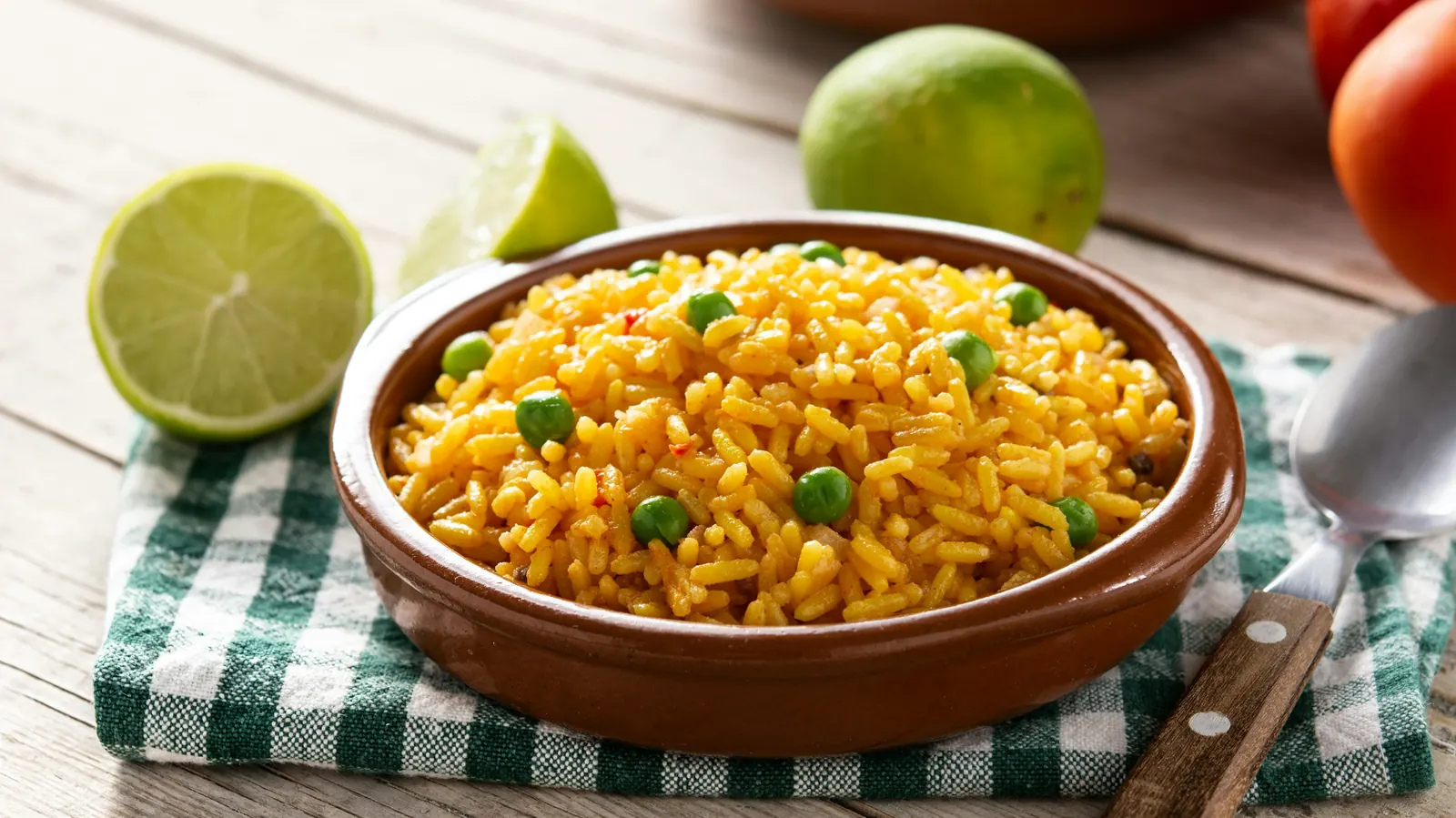
The orange rice that comes with almost every plate at a Mexican restaurant gets called two different things, sometimes on the same menu. Mexican rice on one page, Spanish rice on another.
In the United States they usually mean the same dish. The name that is actually misleading is the second one.
The short answer
Mexican rice and Spanish rice, as served in American restaurants, are generally the same thing: long-grain white rice toasted in oil, then simmered in blended tomato, onion and garlic. The orange color is tomato, not saffron and not chili powder. Actual Spanish rice dishes, like paella, use saffron and taste nothing like it. “Spanish rice” is a US naming habit rather than a distinct recipe, and our comparison of the two cuisines covers the wider confusion.
Where the confusion comes from
Rice is not native to Mexico. It arrived with the Spanish, through the port of Veracruz in the early sixteenth century, and the humid coastal climate turned out to suit it — which is why the rice and beans pairing is younger than it looks.
MexConnect’s history of rice in Mexico traces that route, and the crop’s spread inland from there. The Spanish themselves had received rice from the Moors centuries earlier, so the grain reached Mexico via a long chain.
That lineage is probably why the dish picked up the alternative name in the United States. It is a Mexican dish made from a Spanish import. Calling it Spanish rice is not exactly wrong, but it points at the wrong cuisine, because what Spain actually does with rice is something else entirely.
What makes it orange
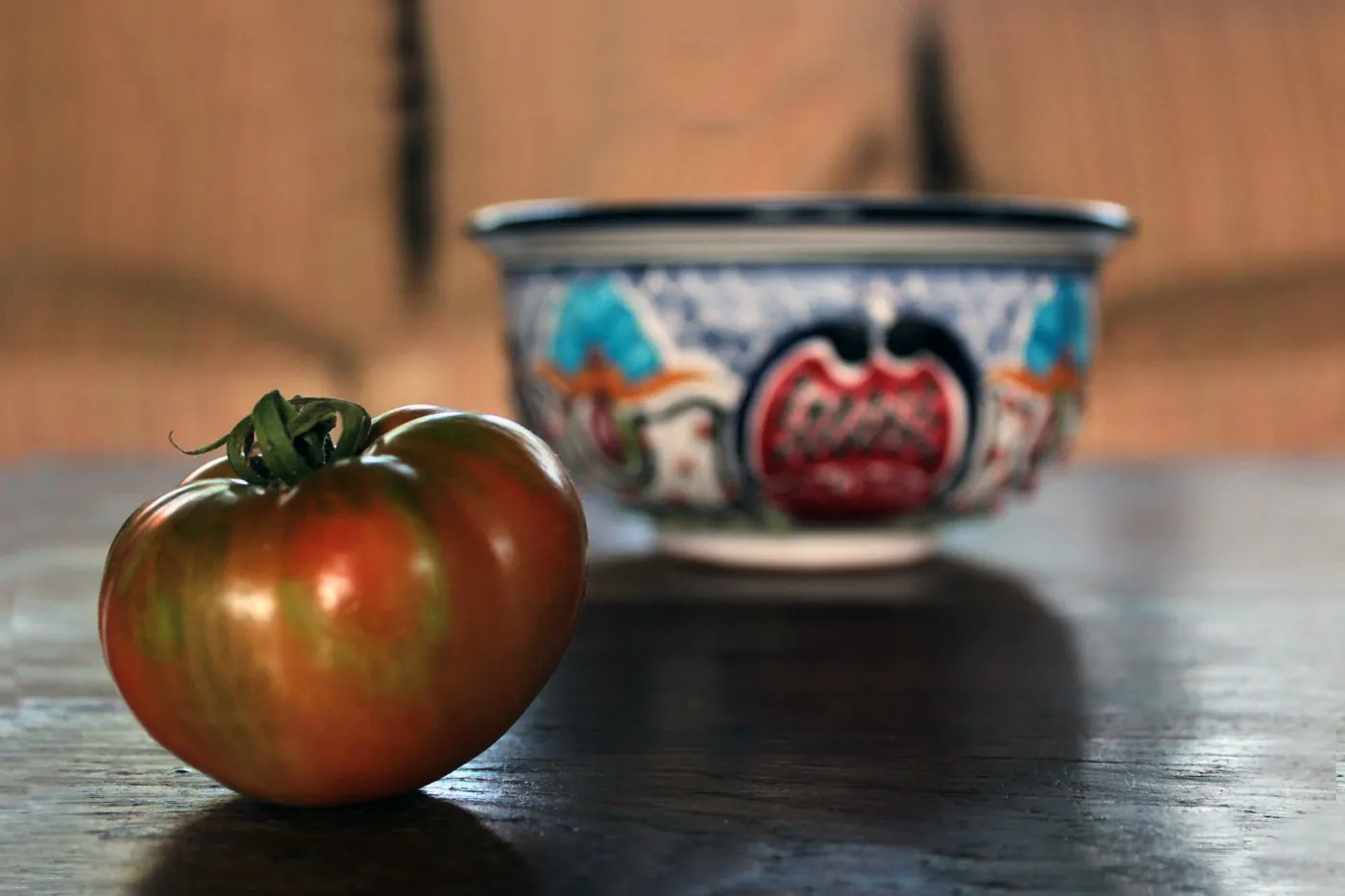
Tomato. That is the whole answer, and it surprises people who assume it is a spice.
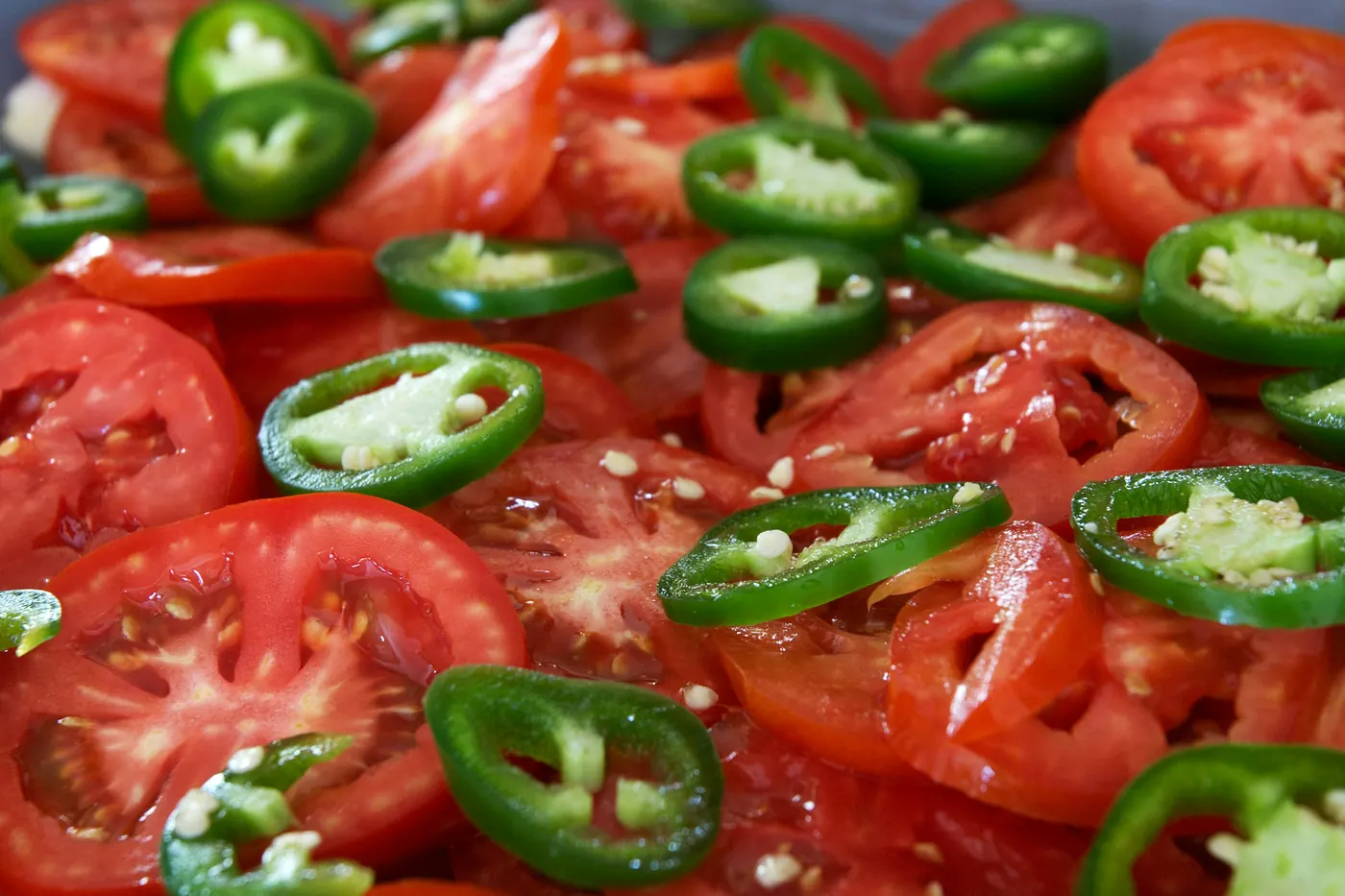
Tomato, onion and garlic are blended into a liquid, and the rice is cooked in that instead of plain water or stock. The color comes out of the blender, not out of a jar.
Two things it is generally not: saffron, which is what colors Spanish paella yellow and costs many times more, and chili powder, which would make it taste of chili. A well-made Mexican rice is savory and faintly sweet from the tomato, and mild.
The step that makes or breaks it
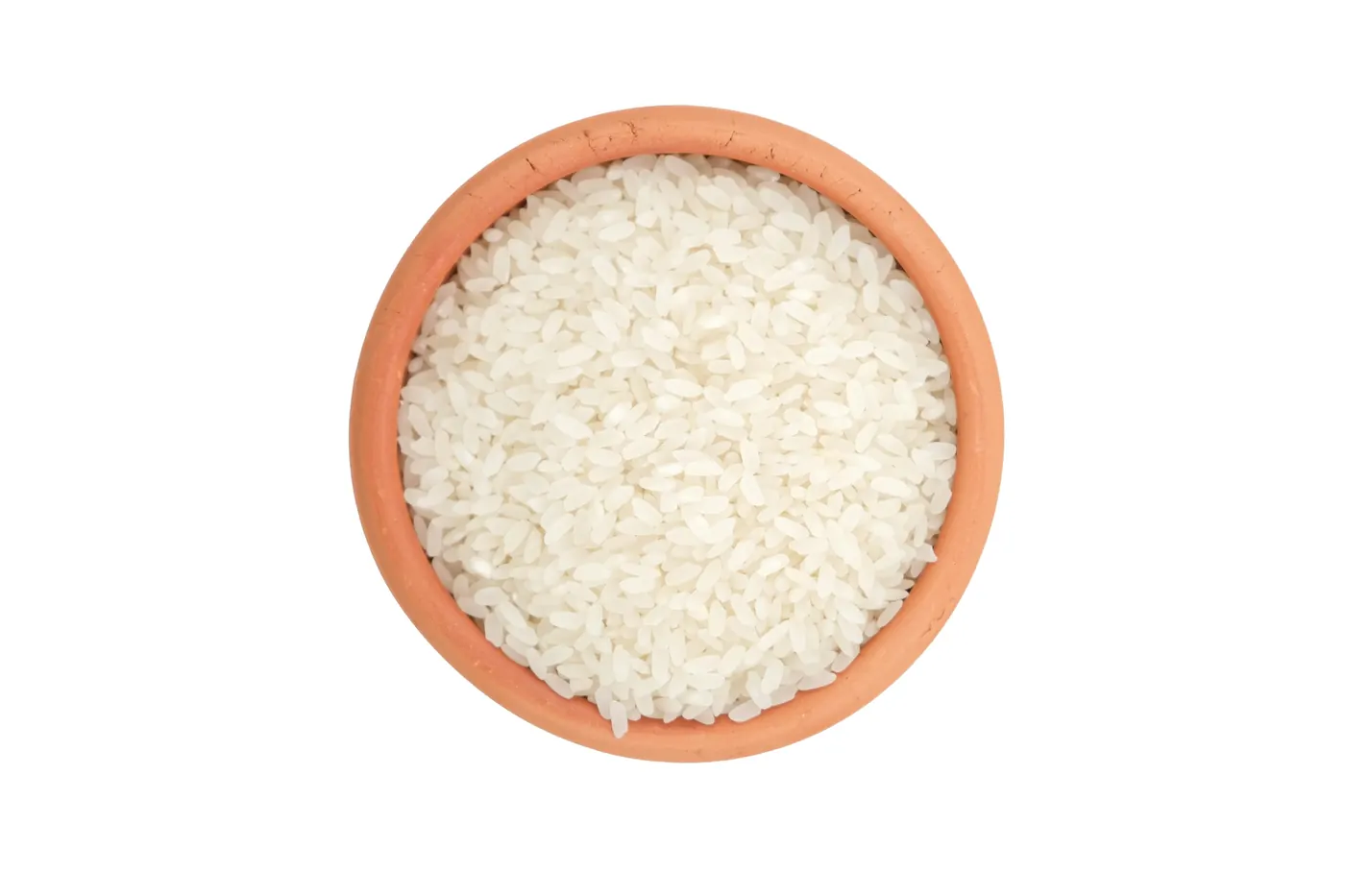
Before any liquid goes in, the dry rice is fried in oil until the grains turn opaque and start to smell nutty.
This does two things. It toasts the starch on the outside of each grain, which adds flavor, and it coats the grains in fat, which stops them sticking to each other. That is why properly made Mexican rice is fluffy and separate rather than clumped.
Skip the toasting and you get sticky orange rice. It is the single most reliable tell for whether a kitchen is making it or reheating it.
| Mexican / “Spanish” rice | Actual Spanish rice (paella) | |
|---|---|---|
| Color from | Tomato | Saffron |
| Color | Orange to red-brown | Yellow |
| Grain | Long-grain, kept separate | Short-grain, absorbs and clings |
| Texture | Fluffy, loose | Denser, slightly sticky |
| Role | A side, or its own course | The main dish |
| Seasoning | Tomato, onion, garlic, cumin | Saffron, paprika, stock |
It used to be a course
In Mexico, rice is not only a side. In the traditional comida corrida — the set midday meal — it is a course of its own, served after the soup and before the main.
The category is called sopa seca, meaning “dry soup”, which sounds like a contradiction and is not. It refers to a starch cooked in liquid until the liquid is fully absorbed — rice or noodles, served in its own small dish.
That framing explains something about the portion. Mexican rice is seasoned to be eaten on its own, not to be a neutral filler under something else, which is why it tastes of more than plain rice does.
Peas, carrots and the rest
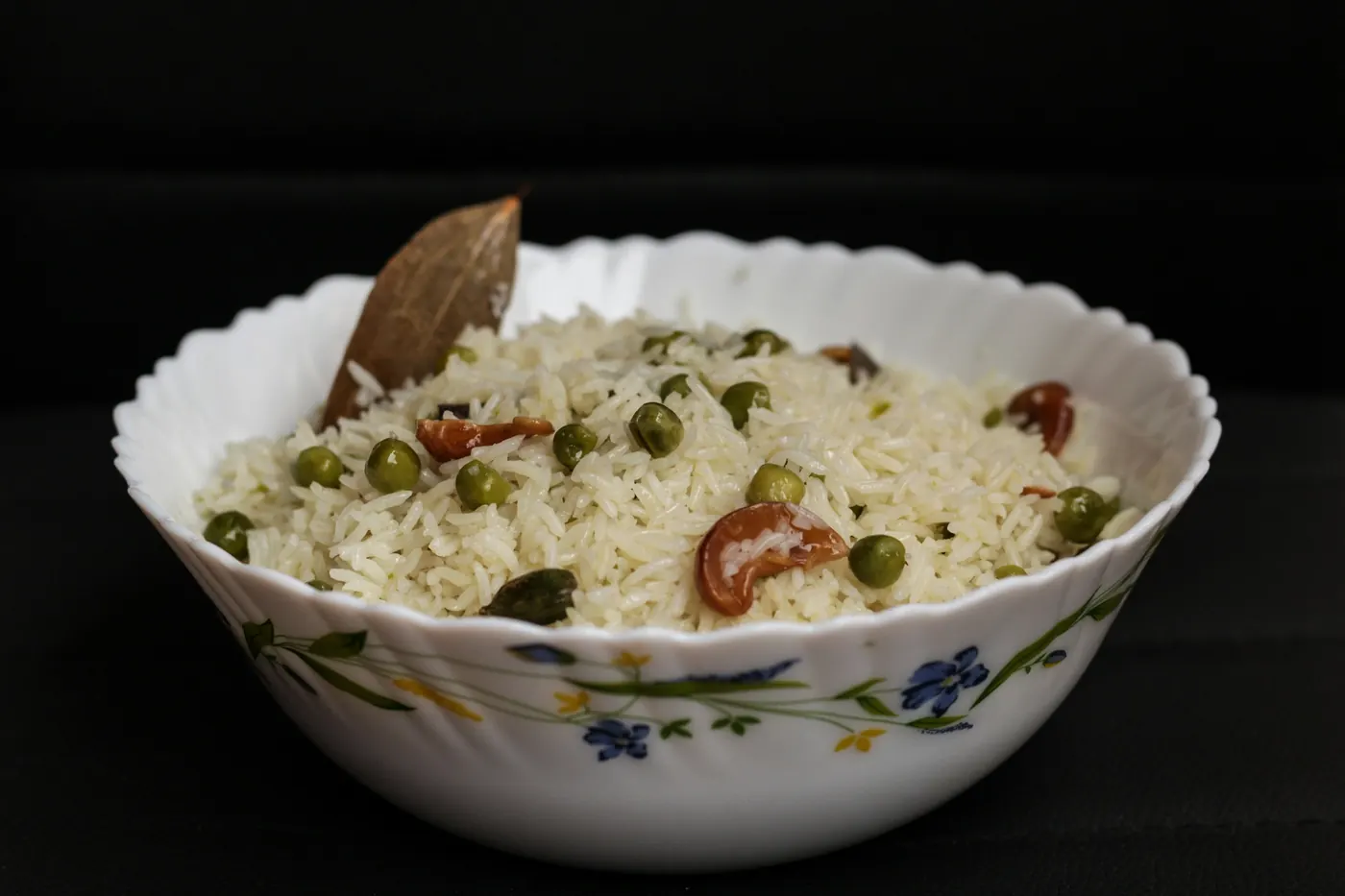
Diced carrot and peas turn up often enough that they read as standard rather than as a garnish. Corn appears too, and sometimes potato.
None of them are required. A plain arroz rojo with nothing in it is entirely traditional, and many kitchens prefer it. The vegetables are a house choice.
When you get white rice instead
A menu that offers both is telling you something, and it is worth reading.
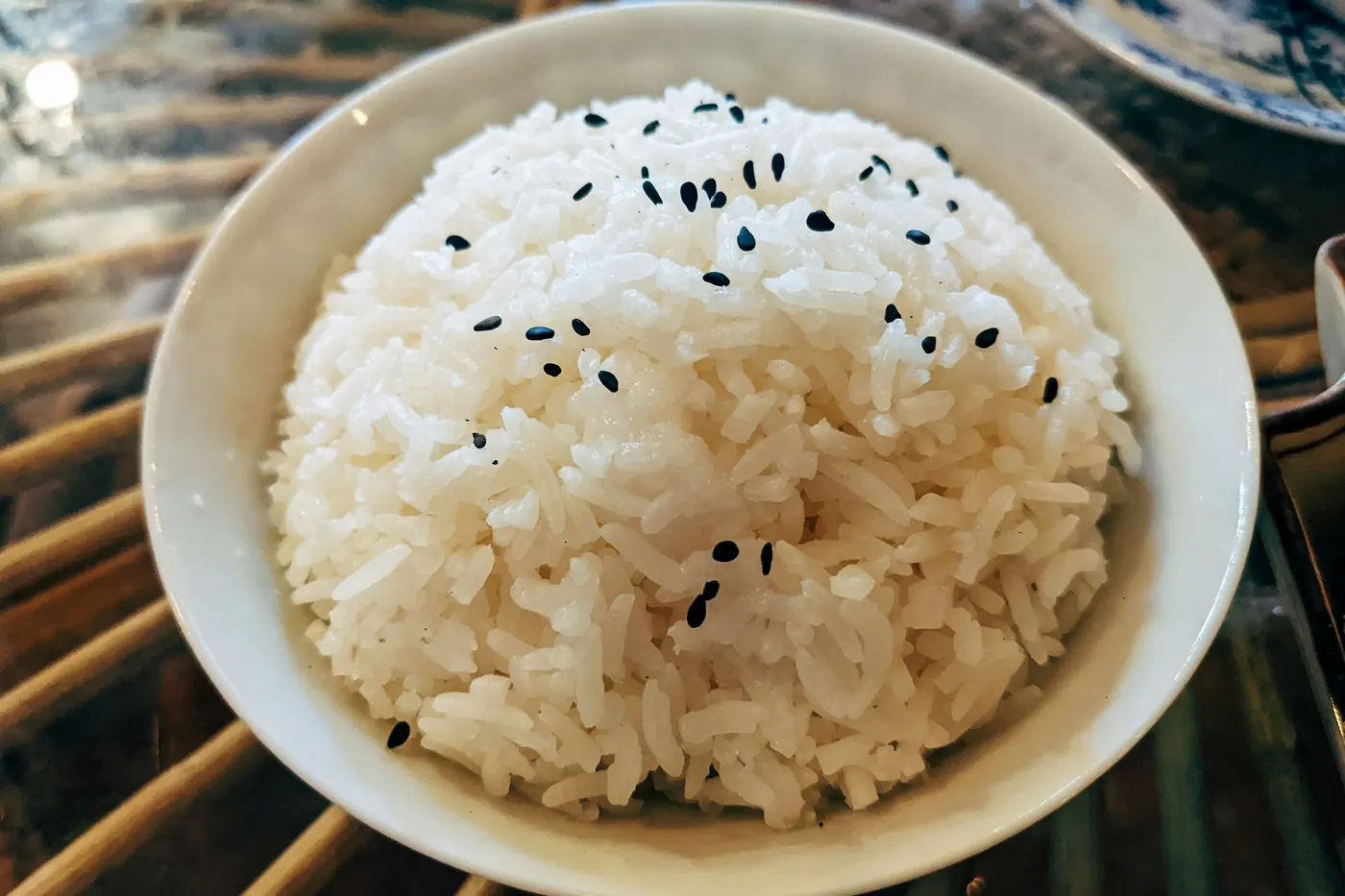
White rice is generally paired with dishes that already carry a strong sauce — anything under mole, anything in a cream sauce, anything where a tomato-flavored side would compete. Mexican rice goes with grilled and drier plates, where it adds moisture and flavor rather than fighting for attention.
It is the same logic that decides which beans arrive, covered in our guide to charro, refried and black beans. The sides are matched to the plate.
How Julia’s assigns them
Julia’s uses both, and the pattern holds up dish by dish.
Mexican rice comes with the grilled and hearty plates: the fajitas, the mariachi steak, the tamales, the chile relleno. White rice comes with the dishes under a heavier or sharper sauce — the pollo en mole is served with white rice and refried beans, and the veggie enchiladas and enchiladas de camarón come with white rice and black beans.
The spinach enchiladas are the interesting exception, arriving with Mexican rice and black beans — a cream poblano sauce is rich but not sharp, so the tomato rice still works alongside it.
None of that is stated on the menu as a principle. It is just visible once you know to look for it.
How to tell if it is any good
Rice is the easiest thing on a plate to judge, because there is nowhere to hide.
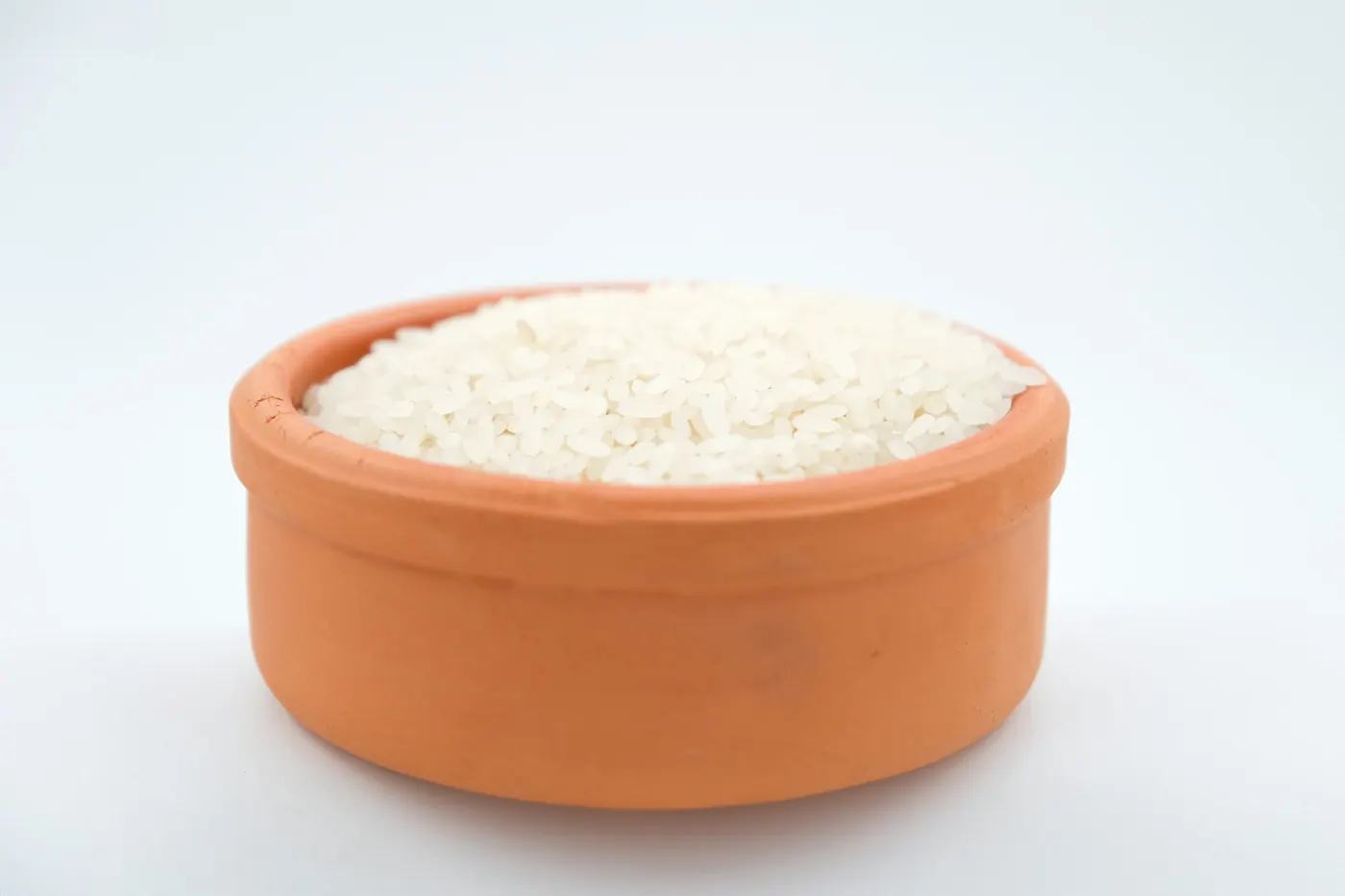
The grains should be separate and distinct, not clumped, and each one should be fully cooked through without being blown open at the ends. Blown ends mean it boiled too hard.
It should also taste of tomato and aromatics rather than just of salt. Rice that is orange but bland has been colored rather than cooked in a blended base, which is the shortcut version.
Reheated rice gives itself away by texture: it goes dry at the edges of the pile and slightly sticky underneath.
Frequently asked questions
Is Mexican rice the same as Spanish rice?
In American restaurants, almost always yes — two names for one dish. Actual Spanish rice cookery, like paella, uses saffron and short-grain rice and is a different thing.
What gives Mexican rice its color?
Blended tomato in the cooking liquid. Not saffron, and not chili powder.
Is Mexican rice spicy?
Usually not. Some kitchens blend a chile into the liquid, but the standard version is mild and savory. Cumin is more prominent than any heat.
Why is restaurant Mexican rice fluffy and mine is sticky?
Because the rice is fried in oil before the liquid goes in. Toasting the grains and coating them in fat keeps them separate.
Is Mexican rice vegetarian?
Often not, because chicken broth is a common base. It is worth asking, along with the same question about the beans.
The short version
Same dish, two names, and the color is tomato. Real Spanish rice is yellow, saffron-scented and short-grained. If it is fluffy rather than sticky, the kitchen toasted the grains first.
Julia’s serves both Mexican and white rice across the menu, matched to the dish rather than chosen at random.