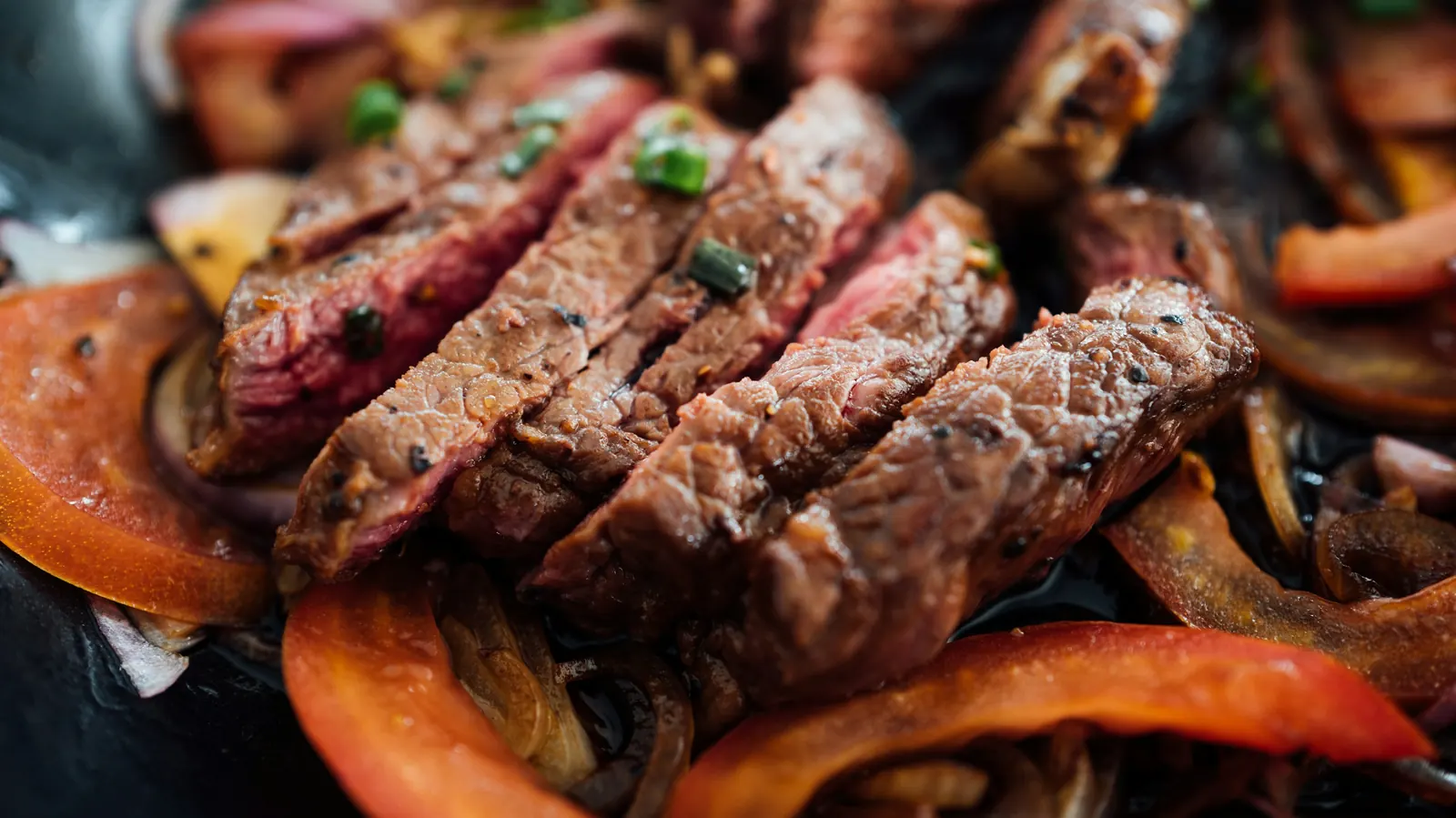
Fajitas are the only dish at a Mexican restaurant that arrives unfinished. Everything else comes plated. Fajitas come as components, on fire, with an implied instruction you are expected to already know.
Here is what to do with them, and why the order matters more than it looks.
The short answer
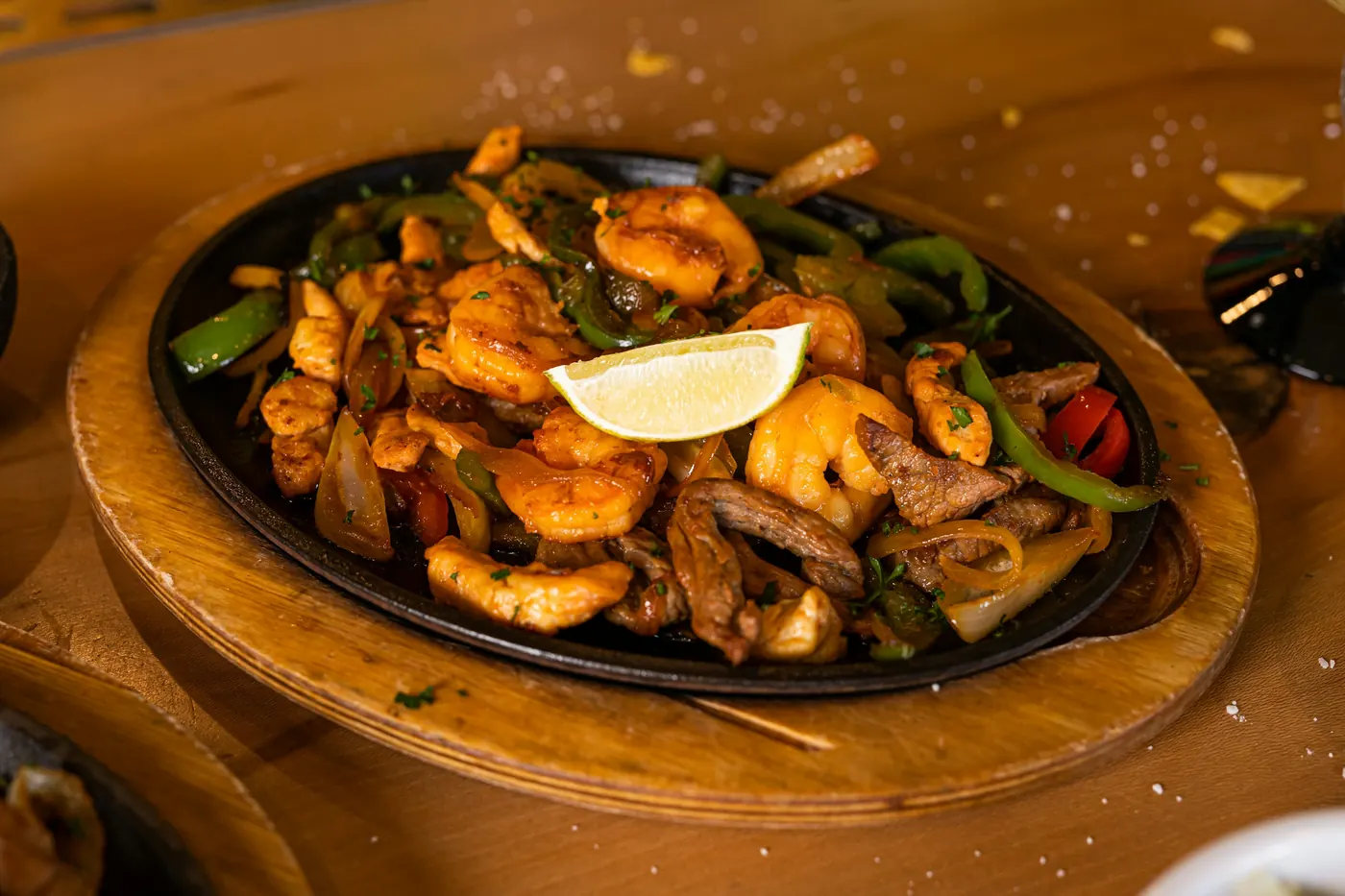
Fajitas arrive as a sizzling skillet of grilled meat and vegetables plus warm tortillas and toppings on the side. You build them yourself, one at a time: soft things on the tortilla first, then the meat, then the fresh toppings last. Do not overfill, do not build them all at once, and do not touch the skillet — it comes out around 500°F.
What actually arrives
A standard fajita order lands as three or four separate things.
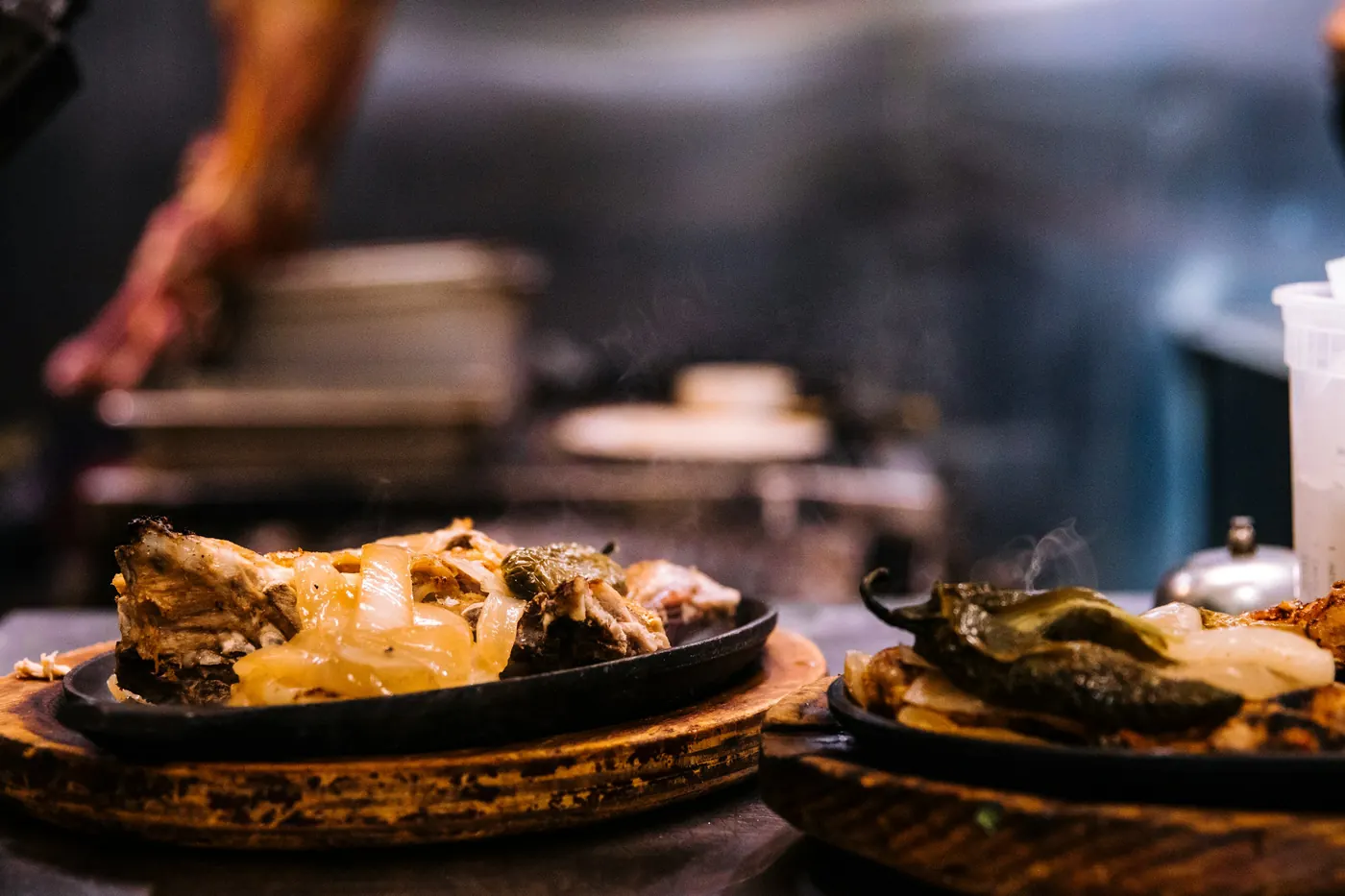
The skillet holds sliced grilled meat with peppers and onions, still audibly cooking. The tortillas come wrapped in cloth or foil to hold their heat. A garnish plate carries guacamole, pico de gallo, sour cream and sometimes cheese. And there are usually rice and beans on a separate plate — separate being the useful part, as our guide to ordering around the starch notes.
None of it is assembled. That is the format, not an oversight.
Why it sizzles
The sizzle is theater, but it is also doing something.
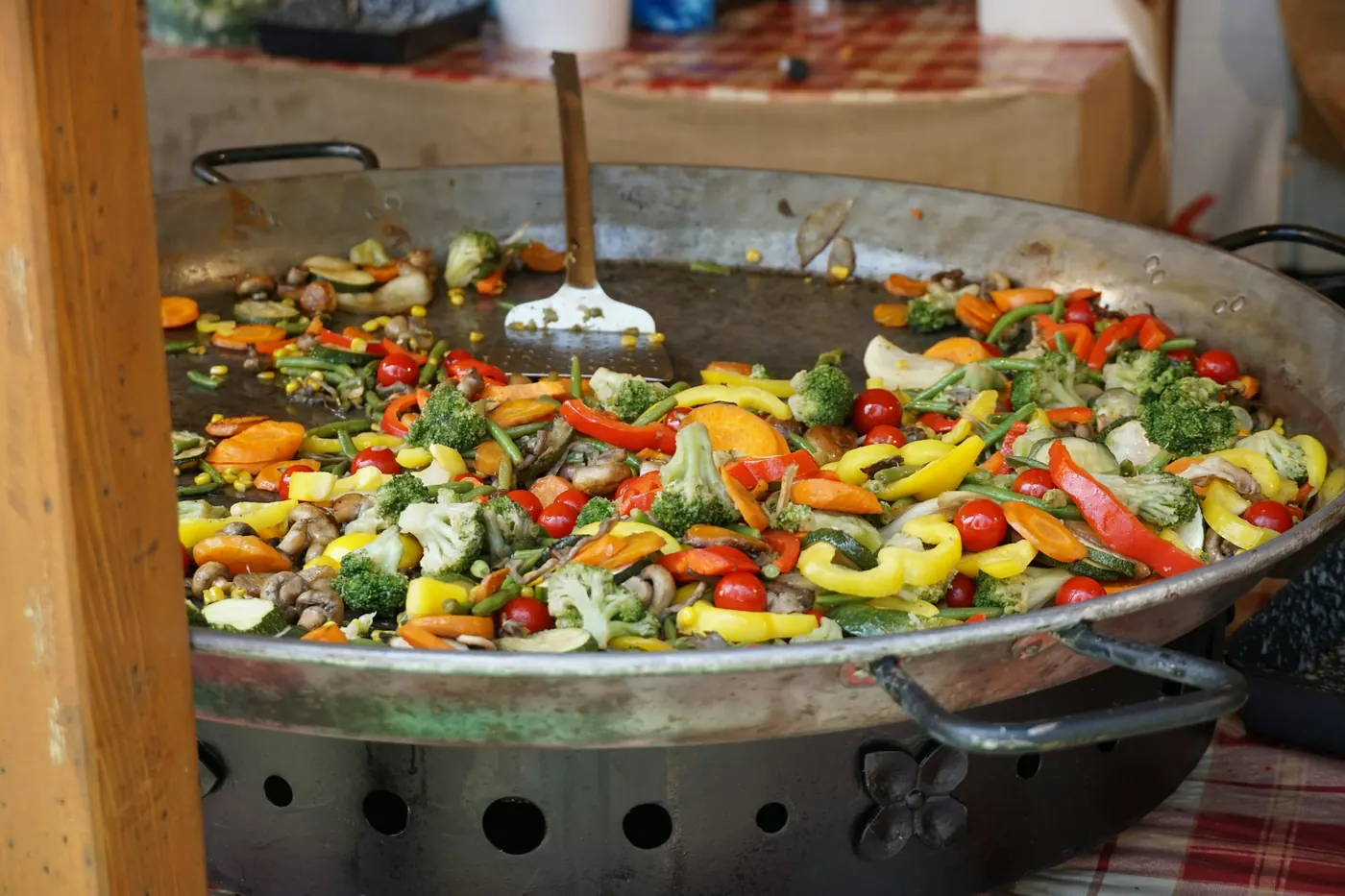
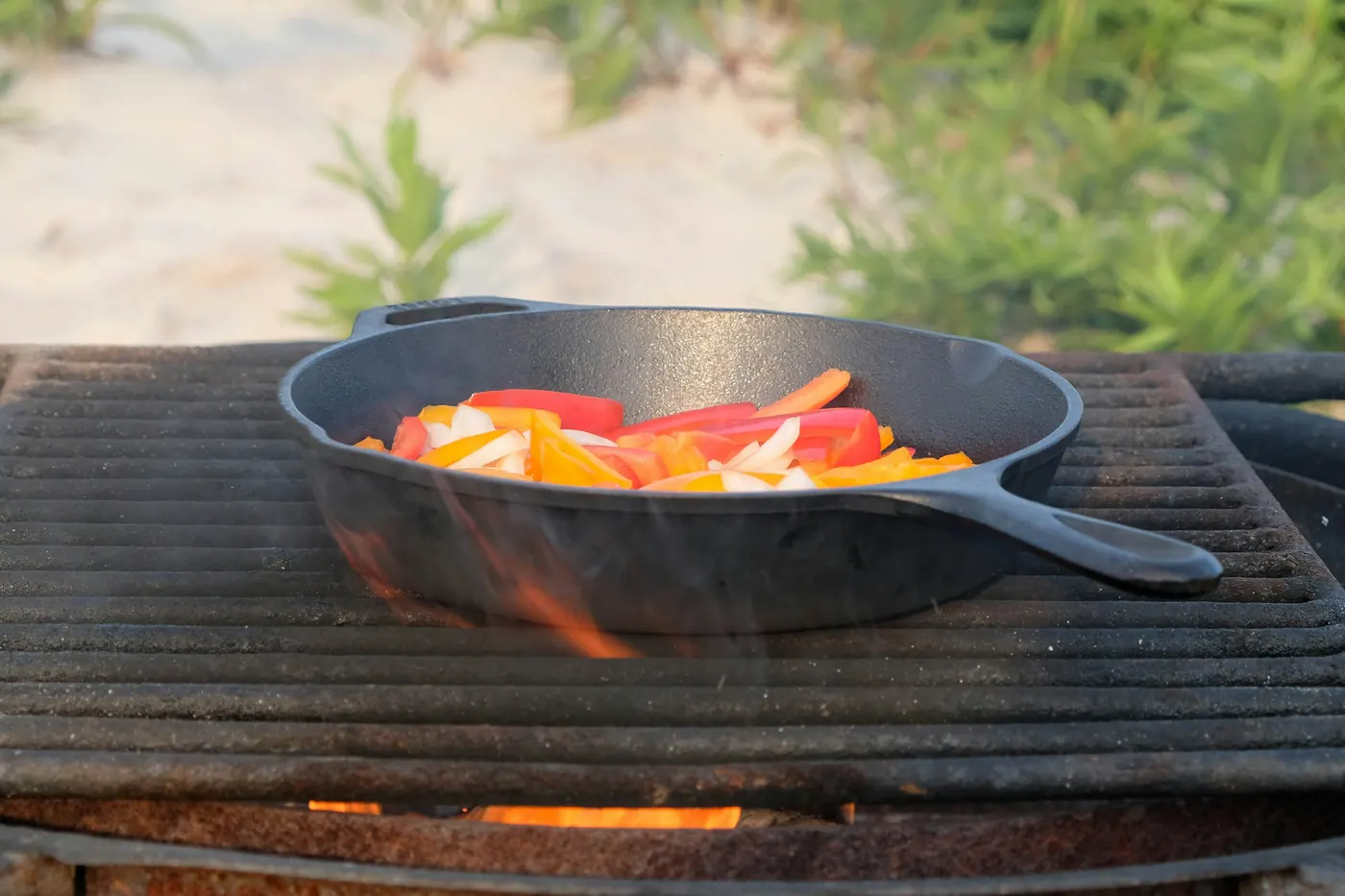
The cast iron skillet is heated empty, well past the temperature of the food, then the meat and vegetables are dropped on at the pass. What you hear is moisture hitting metal hot enough to flash it into steam. That keeps the meat hot all the way to the table and keeps the vegetables from going limp on the walk.
It also means the skillet is genuinely dangerous. It sits on a wooden underliner for a reason. Do not move it, do not rest a hand on the rim, and give it a moment before leaning over it.
How to build one
There is a correct order, and it is about structure rather than etiquette.
- Soft things first. Beans, guacamole or sour cream go directly on the tortilla. They act as a barrier that stops grease and juice soaking through.
- Meat and vegetables next. Down the center, in a line, not spread to the edges.
- Fresh toppings last. Pico de gallo, cheese, a squeeze of lime.
- Fold, do not roll. One side over, then the other. Rolling a soft tortilla around hot filling splits it.
- Eat it now. Then build the next one.
The single most common mistake is building four at once. By the third, the tortillas have gone cold and stiff and the guacamole has warmed up. Fajitas are designed to be assembled one at a time for exactly this reason.
The second most common is overfilling. A tortilla holds less than it looks like it should, and the failure mode is a lap full of peppers.
Corn or flour?
Flour is the traditional choice for fajitas and the more practical one. It is more elastic, folds without cracking, and handles a wet filling without falling apart.
Corn is the better flavor match for the char on the meat, but two small corn tortillas stacked together is the way to do it — a single one will not survive the filling. Our tortilla guide covers why the two behave so differently.
Which protein to order
| Option | What you get | Best if |
|---|---|---|
| Beef | Skirt steak, charred, chewy in a good way | You want the original |
| Chicken | Milder, softer, takes marinade well | You are sharing with a mixed table |
| Shrimp | Fastest cooking, arrives hottest | You want something lighter |
| Combination | Two proteins on one skillet | Two people cannot agree |
Beef is the historical answer. Fajitas began with skirt steak because it was the cut vaqueros were given as part of their pay — tough, heavily grained, and excellent once marinated and sliced correctly. That slicing is the whole trick: across the grain, thin, so the fibers are cut short.
How they became a Houston restaurant fixture
Fajitas were being cooked on ranches in South Texas well before any restaurant sold them. What changed was one Houston kitchen.
The Texas State Historical Association’s entry on Ninfa’s Mexican Restaurants records that Ninfa Laurenzo opened a small restaurant in front of her family tortilla factory in Houston’s East End in 1973, and that it drew attention for its tacos al carbón — chargrilled beef in a tortilla — introduced as fajitas.
Ninfa’s did not invent the dish; its roots go back decades earlier, as our history of Mexican food in Houston sets out. What it did was put fajitas in front of a city, and from Houston they went everywhere. If you are eating fajitas anywhere in the world, the line runs back through the East End.
How many people does an order feed?
Fewer than the skillet suggests, and more than one person usually wants.
A single dinner order is a large meal for one and a comfortable meal for two if there are starters on the table. Restaurants often size fajitas for sharing, which is why they turn up in family packs. Our guide to ordering for a group works through the arithmetic.
How Julia’s serves them
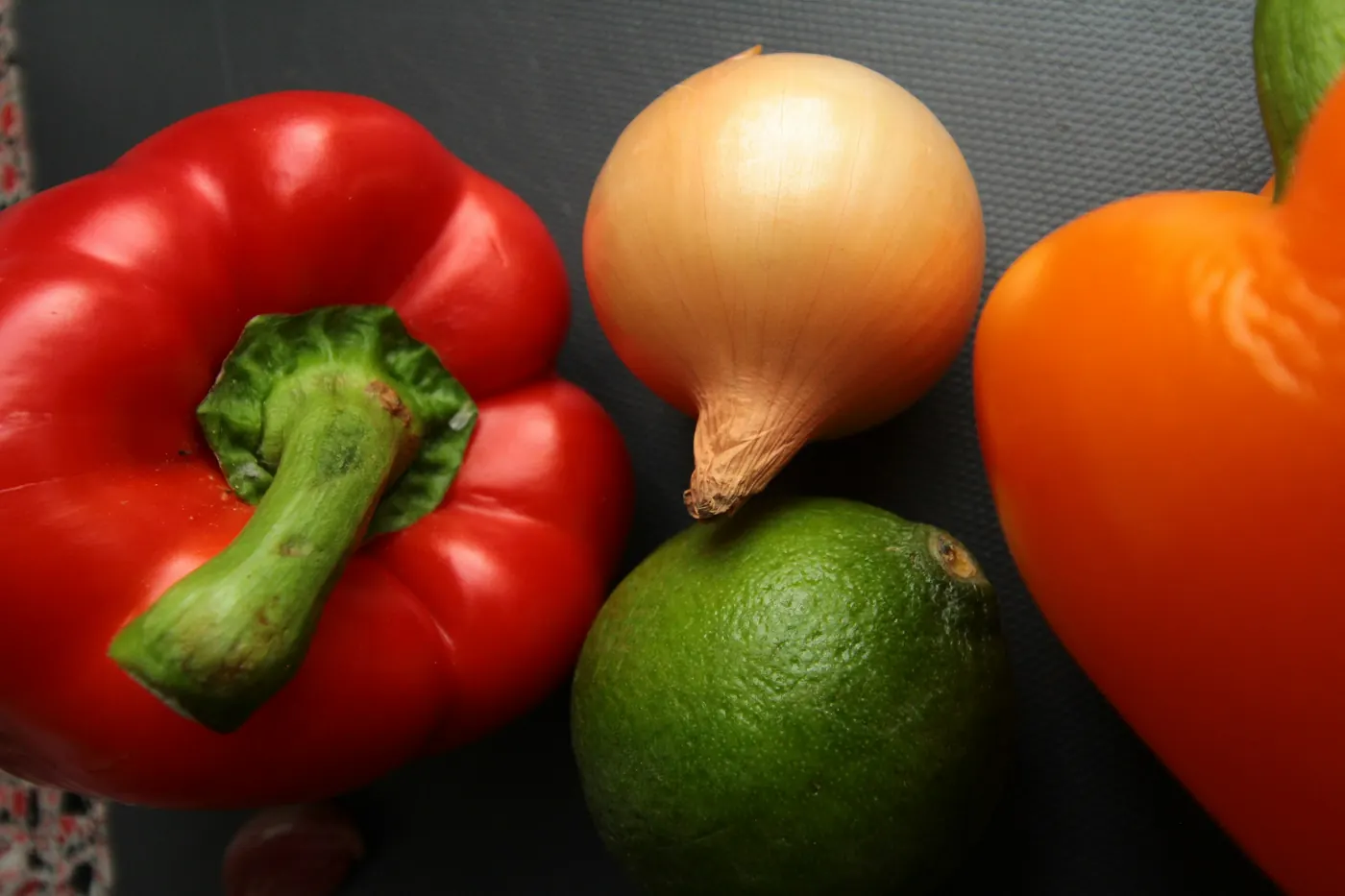
Julia’s fajitas are charbroiled and come with guacamole, pico de gallo, Mexican rice, charro beans, and a choice of corn or flour tortillas — the full component spread rather than a plated dish.
They are offered in lunch and dinner portions, with chicken, beef, shrimp, a combination and a mixed option. The lunch size is a genuine lunch rather than a smaller dinner, which is worth knowing if you are eating in the middle of the day.
Fajitas also appear among the family packs that serve four, in chicken, beef and combination. For a table sharing several dishes, that is the format that makes sense — fajitas are already a build-your-own dish, so scaling them up changes nothing about how they are eaten.
If you are weighing them against the taco side of the menu, our comparison of tacos and fajitas covers which suits which occasion.
Frequently asked questions
Do you eat fajitas with your hands?
Yes. Build each one on a tortilla and eat it like a taco. The fork is for anything that falls onto the plate and for the rice and beans.
What goes on a fajita first?
Soft toppings — beans, guacamole or sour cream. They keep juice from soaking through the tortilla. Meat next, fresh toppings last.
Why are fajitas served on a sizzling skillet?
Because the skillet is heated far hotter than the food and keeps it hot to the table. The sound and steam are a side effect of that, not the purpose — though no restaurant minds them.
Can you touch the fajita skillet?
No. It leaves the kitchen extremely hot and stays that way for several minutes. Use the wooden underliner to move it if you must move it at all.
What cut of beef is used for fajitas?
Skirt steak, traditionally. It is tough and strongly grained, which is why it is marinated and then sliced thin across the grain.
The short version
Soft things first, meat next, fresh things last, fold rather than roll, and build them one at a time. Do not touch the skillet.
Julia’s serves them charbroiled with everything on the side, in lunch and dinner sizes, on the full food menu.