Mexican restaurant portions are large, and a family pack is designed to leave something behind. The food that comes home is usually good. What happens to it the next day is where it goes wrong.
Most of the damage is done by the microwave, and most of it is avoidable.
The short answer
Reheat covered and low. An oven at 350°F with foil over the dish restores almost everything; a microwave dries out anything with a tortilla in it. Separate wet from dry before it goes in the fridge, keep guacamole and salsa cold and unheated, and re-crisp chips in a dry oven rather than the microwave.
The rules that come first
Before technique, the boring part, because it is the part that actually matters.
The USDA’s Food Safety and Inspection Service, in its guidance on leftovers and food safety, sets out the numbers: refrigerate leftovers within two hours, use them within three to four days, and reheat to an internal temperature of 165°F. Sauces, soups and gravies should be brought to a rolling boil.
Two hours is the one people miss. A takeout bag that sits on the counter through a film has already used its window.
Sort it before you store it
Five minutes of sorting when you get home does more for tomorrow’s meal than any reheating trick.
Separate wet from dry. Tortillas and chips stored against a sauce are ruined by morning. Move them.
Keep the cold things cold. Guacamole, pico de gallo, sour cream and shredded lettuce are never going to be reheated. Put them in their own container.
Take the meat out of the skillet. Fajitas left in cast iron keep cooking on residual heat and then sit in condensation.
Press plastic onto the guacamole. Browning is oxidation, so removing the air is the whole fix. A lid leaves a layer of air; plastic pressed to the surface does not.
The methods, ranked
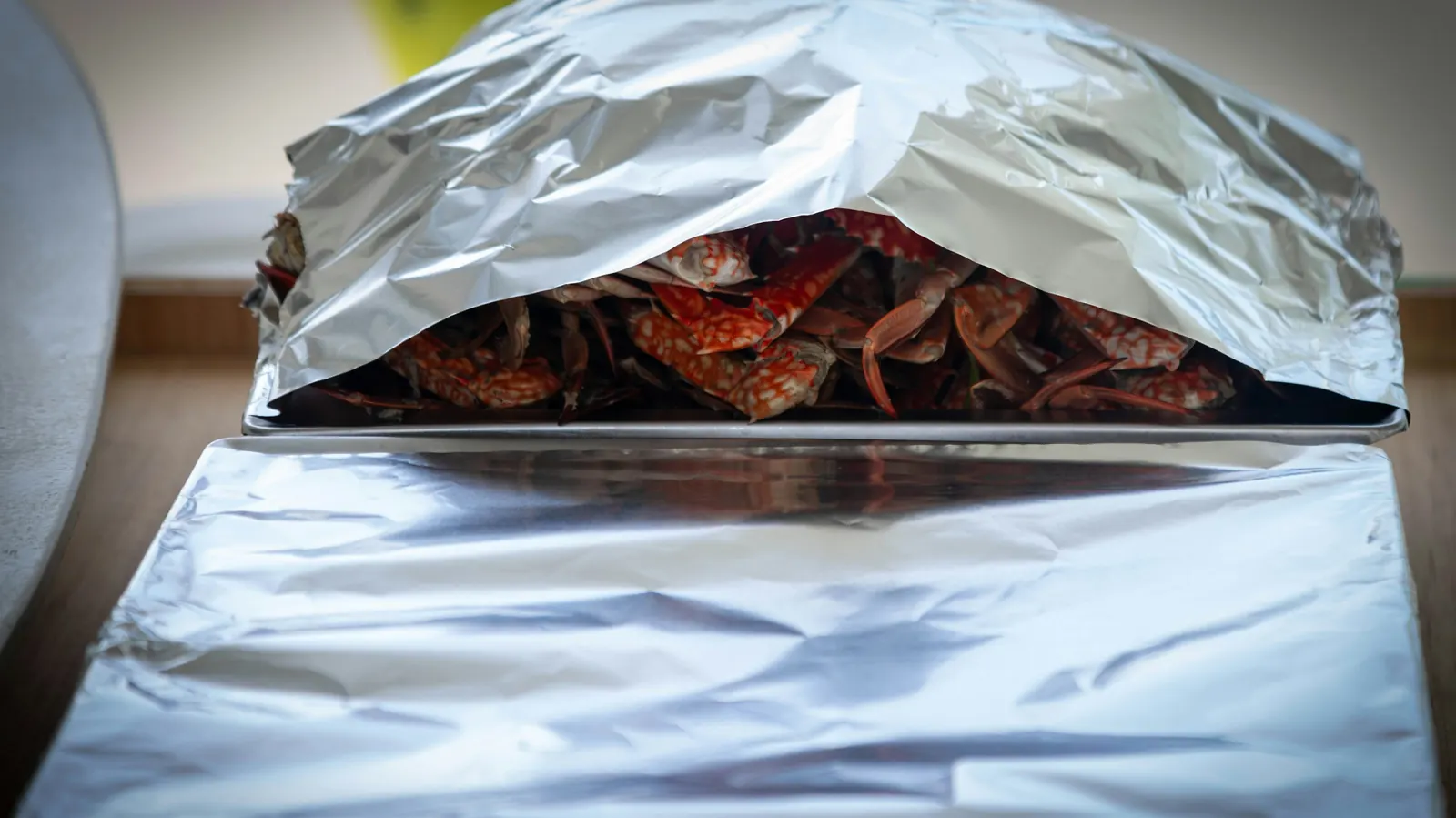
Oven, covered. 350°F, foil over the top, fifteen to twenty minutes. This is the default and it is better than everything else for anything sauced or layered. The foil traps steam, which keeps tortillas from turning to leather.
Skillet or comal, dry. Best for tortillas, tacos and anything that should be crisp. Medium heat, no oil, thirty seconds a side.
Steam. The correct method for tamales, and almost nobody uses it. A steamer basket or a colander over simmering water, ten to fifteen minutes, still in the husk.
Microwave, damp and covered. Not the enemy if it is used properly: cover the plate, add a damp paper towel over anything with a tortilla, and go in short bursts rather than one long blast.
Air fryer. Good for re-crisping chips, taquitos and anything fried. Bad for anything saucy, which it dries out fast.
Dish by dish
| Dish | Best method | Note |
|---|---|---|
| Tamales | Steam, in the husk | Reheats better than almost anything |
| Enchiladas | Oven, covered, 350°F | Add a spoon of water if the sauce has set |
| Fajitas | Skillet, meat and vegetables only | Warm tortillas separately |
| Rice and beans | Microwave with a splash of water | Stir halfway through |
| Soups and braises | Stovetop, to a boil | Often better the second day |
| Tortilla chips | Dry oven, 300°F, five minutes | Spread flat, do not pile |
| Queso | Low heat, stirring constantly | Splash of milk if it has split |
| Guacamole and salsa | Do not reheat | Eat cold, straight from the fridge |
Two of those are worth expanding, because they are the ones people give up on.
Chips and queso, specifically
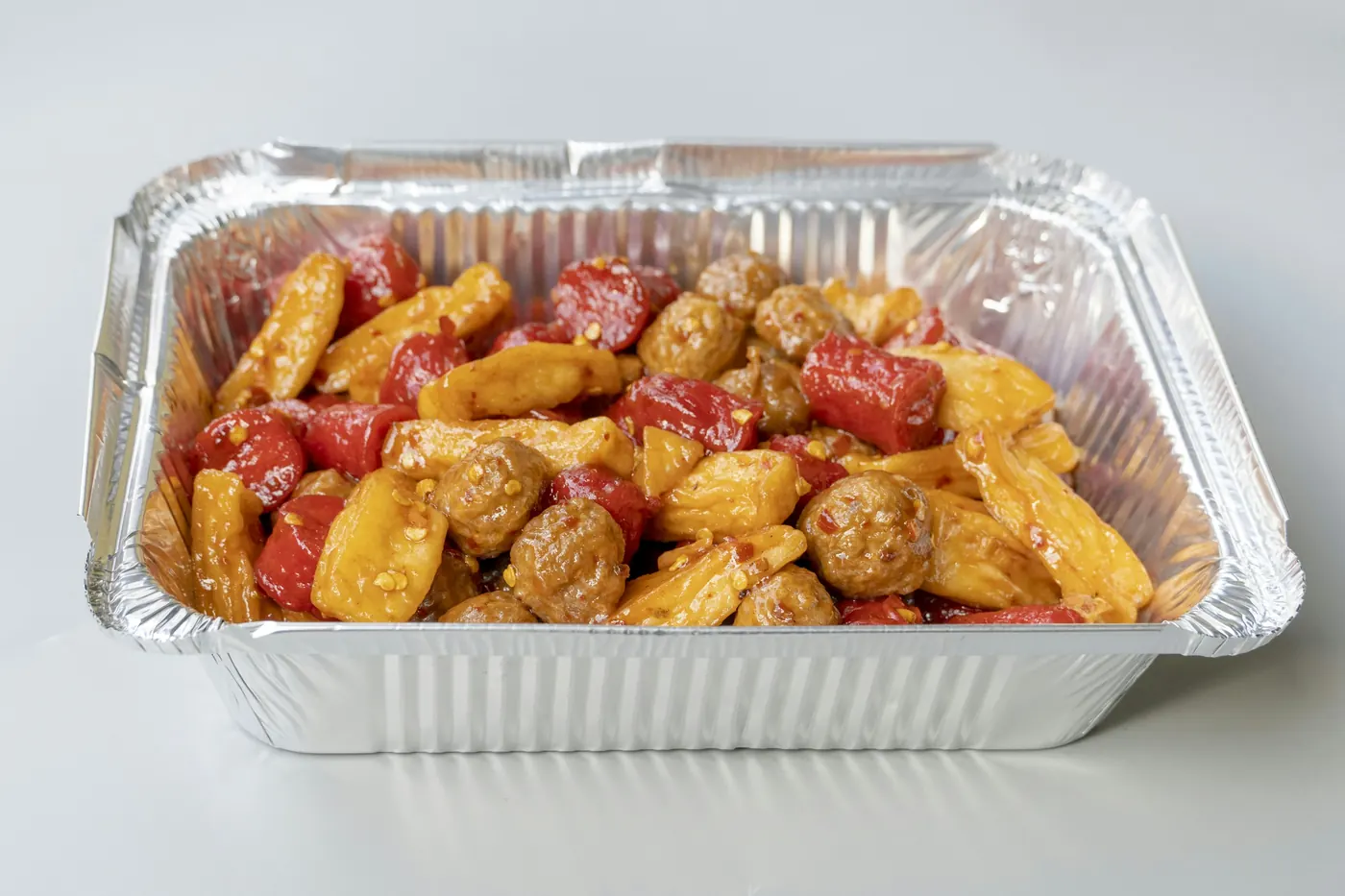
Stale chips are not ruined, they are damp. Spread them in one layer on a baking sheet and give them five minutes in a 300°F oven, and they come back crisp. Piling them defeats it, because the ones underneath just steam.
Queso is the harder one. Cheese sauces split when reheated fast, because the emulsion breaks and the fat separates out. The fix is low heat and constant stirring, with a splash of milk to bring it back together. A microwave on full power will break it every time.
If it has split beyond rescue, it is still fine poured over something rather than dipped into. Our queso guide explains why the fundido version behaves differently — it is melted cheese rather than an emulsion, so it firms up rather than splitting.
What actually improves overnight
Some Mexican dishes are genuinely better the next day, which is worth knowing when you decide what to order in the first place.
Anything braised in chile — birria, barbacoa, carne guisada, pozole, menudo — continues to develop in the fridge, because the chile compounds keep dissolving into the fat. These are the dishes to over-order deliberately.
Tamales are close behind. They were built to be made in bulk, kept and reheated, which is why they travel to gravesides and family gatherings. Our tamales guide covers why the masa holds up so well.
What does not improve: anything fried, anything with fresh lettuce or tomato on it, and any tortilla that has been sitting under sauce.
Ordering with tomorrow in mind
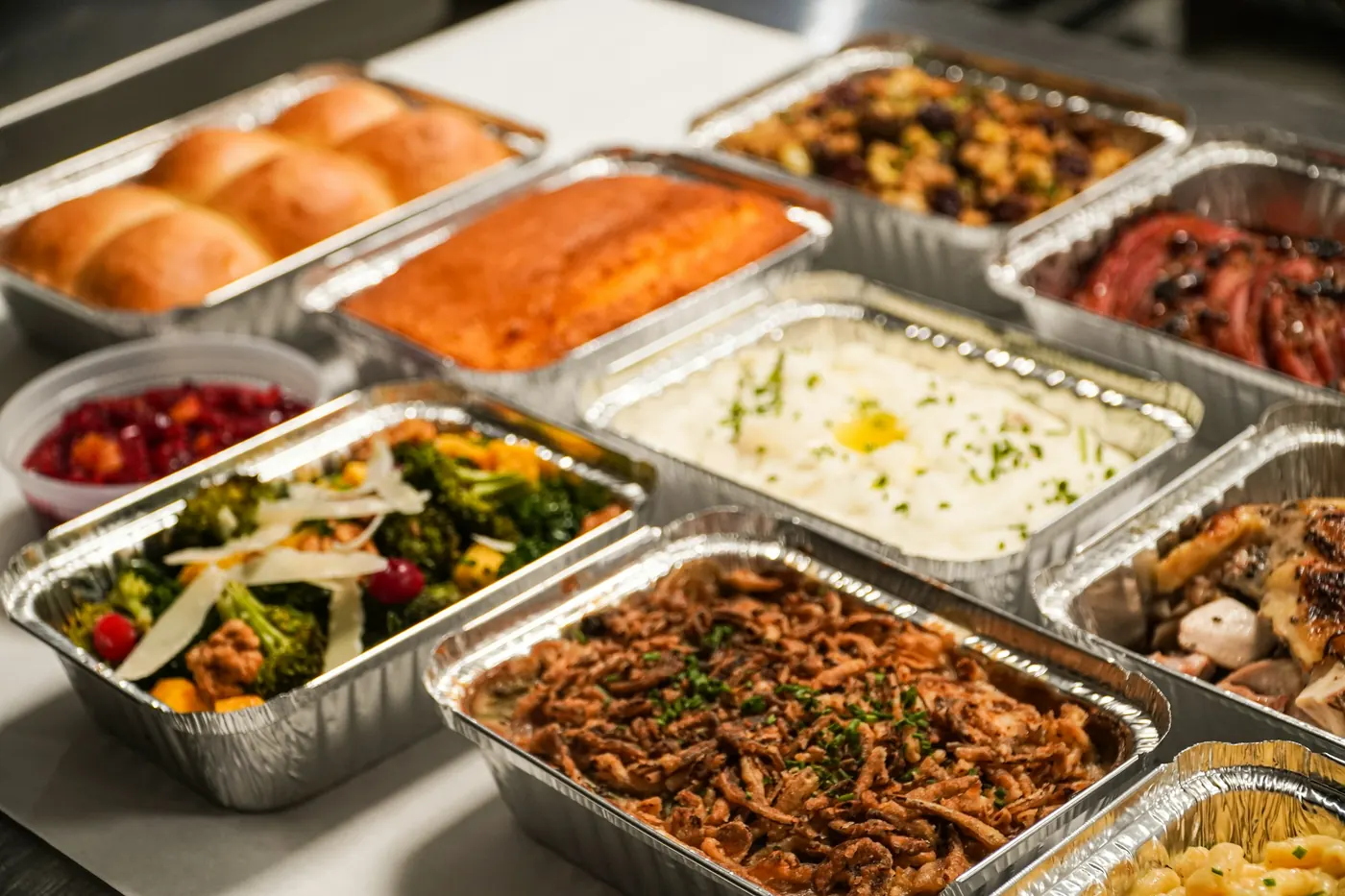
Julia’s family packs serve four, across enchiladas, brisket birria, carne guisada, cochinita pibil, shrimp dishes, pork tamales and fajitas. For a smaller table that is a deliberate two-meal order rather than an over-order, and most of that list is in the reheats-well column.
The tamales and the braises are the strongest candidates. The fajitas work too, as long as the components stay separate on the way home — which they already are, since fajitas arrive unassembled.
If you are working out quantities before you order, our guide to ordering for a group covers how far a pack actually goes.
Frequently asked questions
How long do Mexican leftovers keep?
Three to four days refrigerated, according to USDA guidance, provided they went into the fridge within two hours of being served.
What temperature should leftovers be reheated to?
165°F throughout. Soups, sauces and braises should be brought to a rolling boil rather than just warmed.
How do you reheat enchiladas without drying them out?
Cover the dish with foil and use a 350°F oven for fifteen to twenty minutes. If the sauce has set solid, add a spoonful of water before covering.
Can you reheat guacamole?
No. It is a raw dish and heating it turns the texture unpleasant. Keep it cold, with plastic pressed onto the surface to stop it browning.
How do you make stale tortilla chips crisp again?
Spread them in a single layer on a tray and put them in a 300°F oven for about five minutes. They are damp rather than stale, and dry heat reverses that.
The short version
Sort wet from dry when you get home. Reheat covered at 350°F for most things, steam the tamales, dry-skillet the tortillas, and leave the guacamole alone.
If you are ordering with leftovers in mind, the braises and the tamales on Julia’s menu are the ones that come back best.