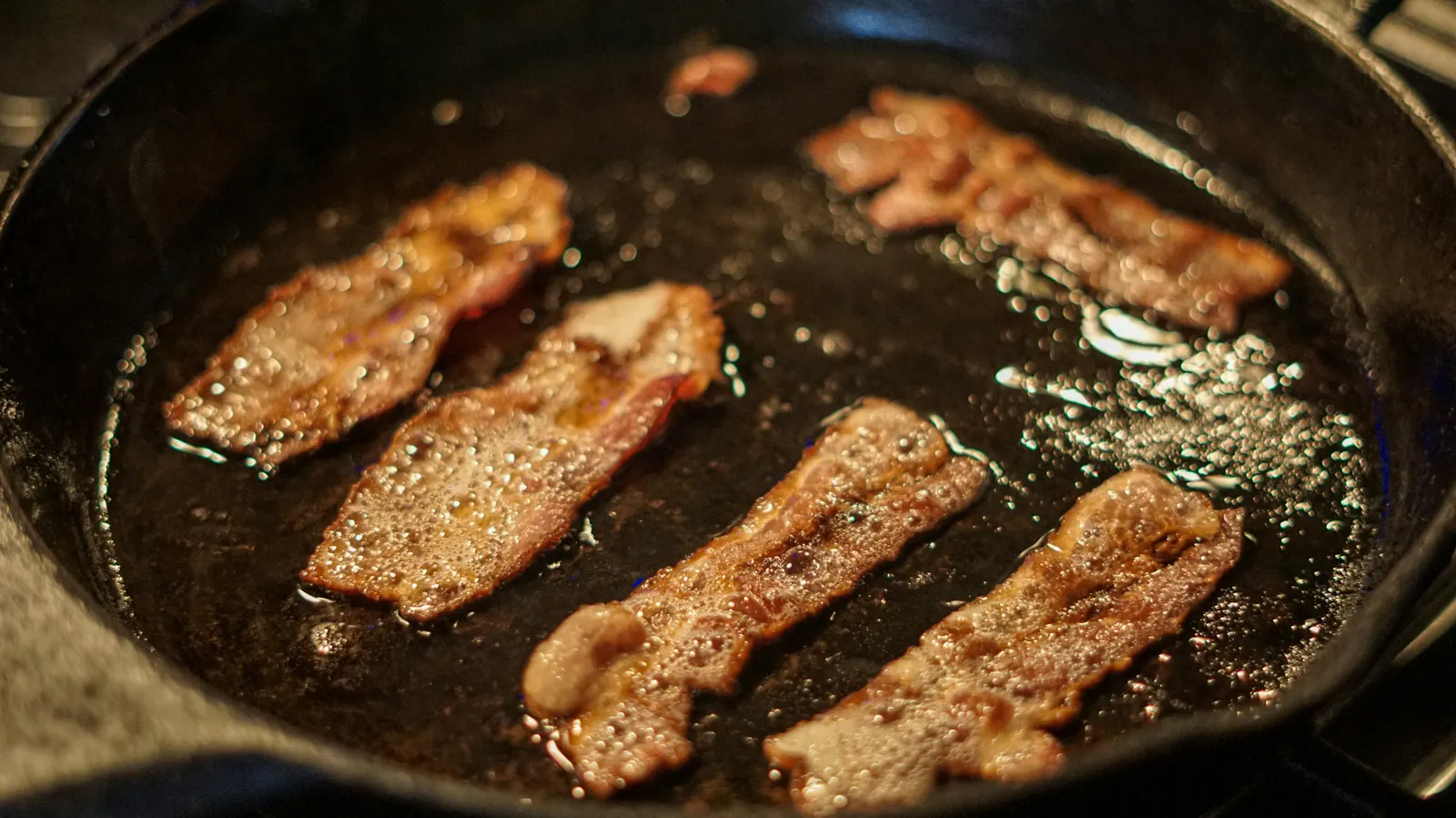
Most of a Mexican menu is written in verbs, and almost nobody reads them.
Charbroiled, braised, pan-seared, slow roasted, sautéed, breaded. Those words tell you more about what will arrive than the name of the dish does.
The short answer
Mexican menus describe six main methods: grilling over fire (asado, al carbón), cooking on a flat griddle (a la plancha, comal), stewing in sauce (guisado), slow roasting (barbacoa, pibil), frying (frito, capeado), and quick sautéing. The method usually predicts the texture and the richness of a dish more reliably than its protein does.
Over fire
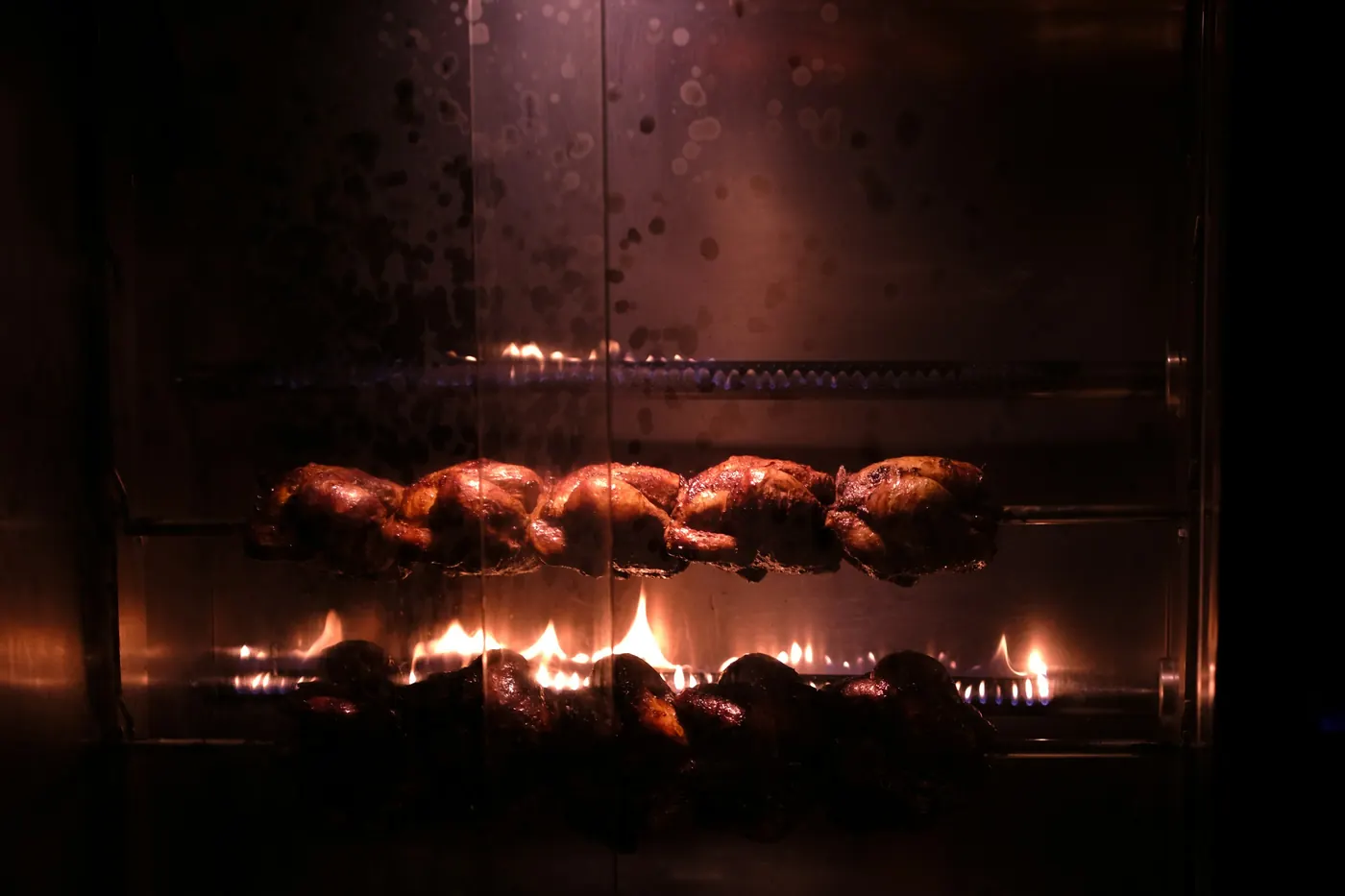
Asado means roasted or grilled. Al carbón means over charcoal. Al pastor is a vertical spit. Charbroiled is the English menu equivalent.
What it means on a plate: dry heat, char, and no sauce carrying the flavor. The seasoning is a marinade applied before cooking rather than a sauce added after, so the flavor sits on the surface.
It also means speed. Grilled dishes are cooked to order and arrive fast, which is why fajitas come out sizzling — the skillet is doing the last thirty seconds of cooking at your table, as our fajita guide describes.
On a flat surface
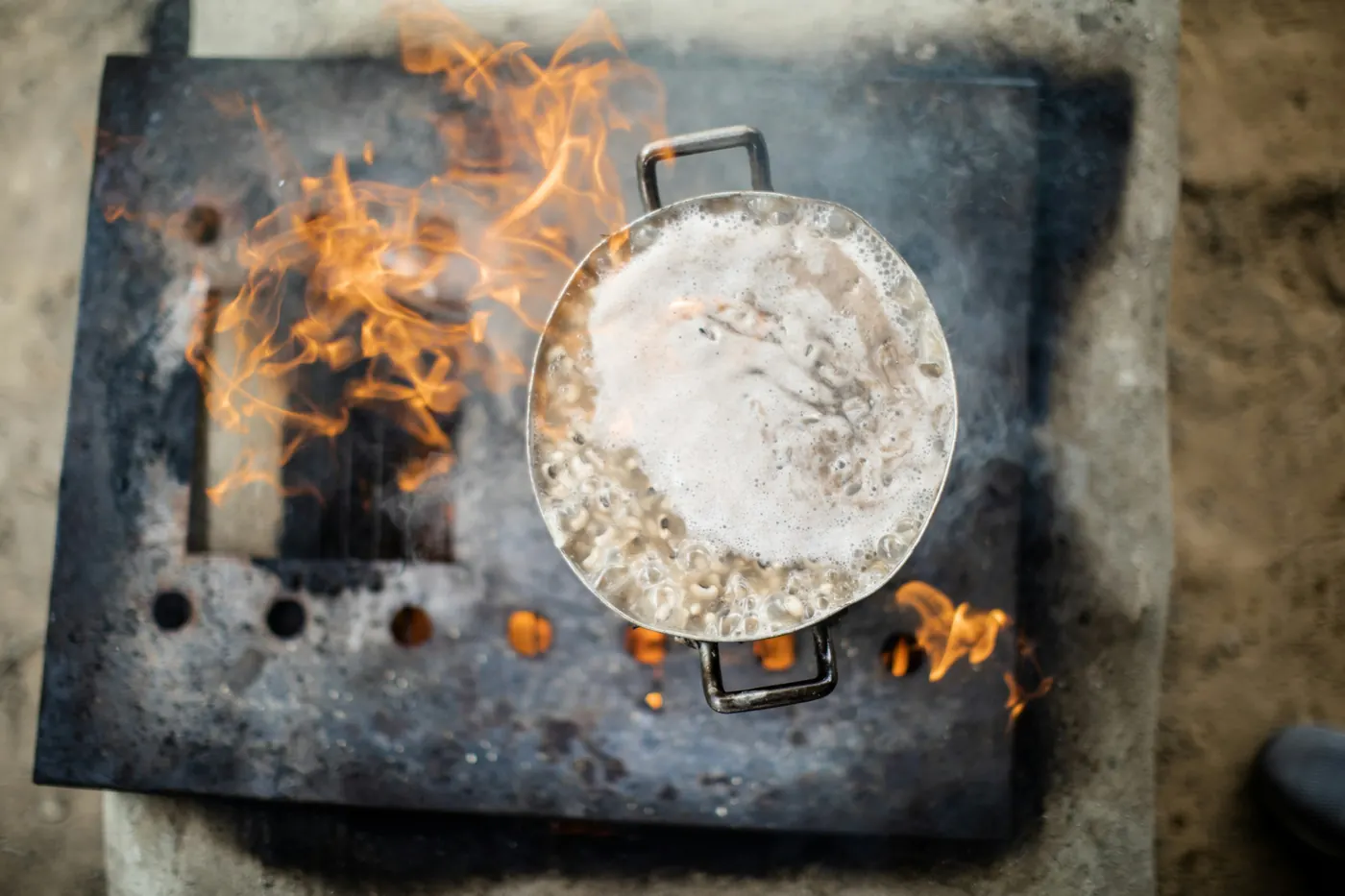
A la plancha means on a griddle — a flat steel plate rather than bars over flame.
The difference from grilling is real. A plancha gives full-surface contact, so you get an even brown crust rather than char marks, and nothing drips into a fire. It suits thin cuts, shrimp and vegetables.
The comal is the Mexican version: a flat, usually unoiled disc used for tortillas, for toasting dried chiles, and for charring tomatoes, onion and garlic before they go into a sauce. Almost every red or green salsa starts there, which our salsa guide covers.
Stewed: the guisado
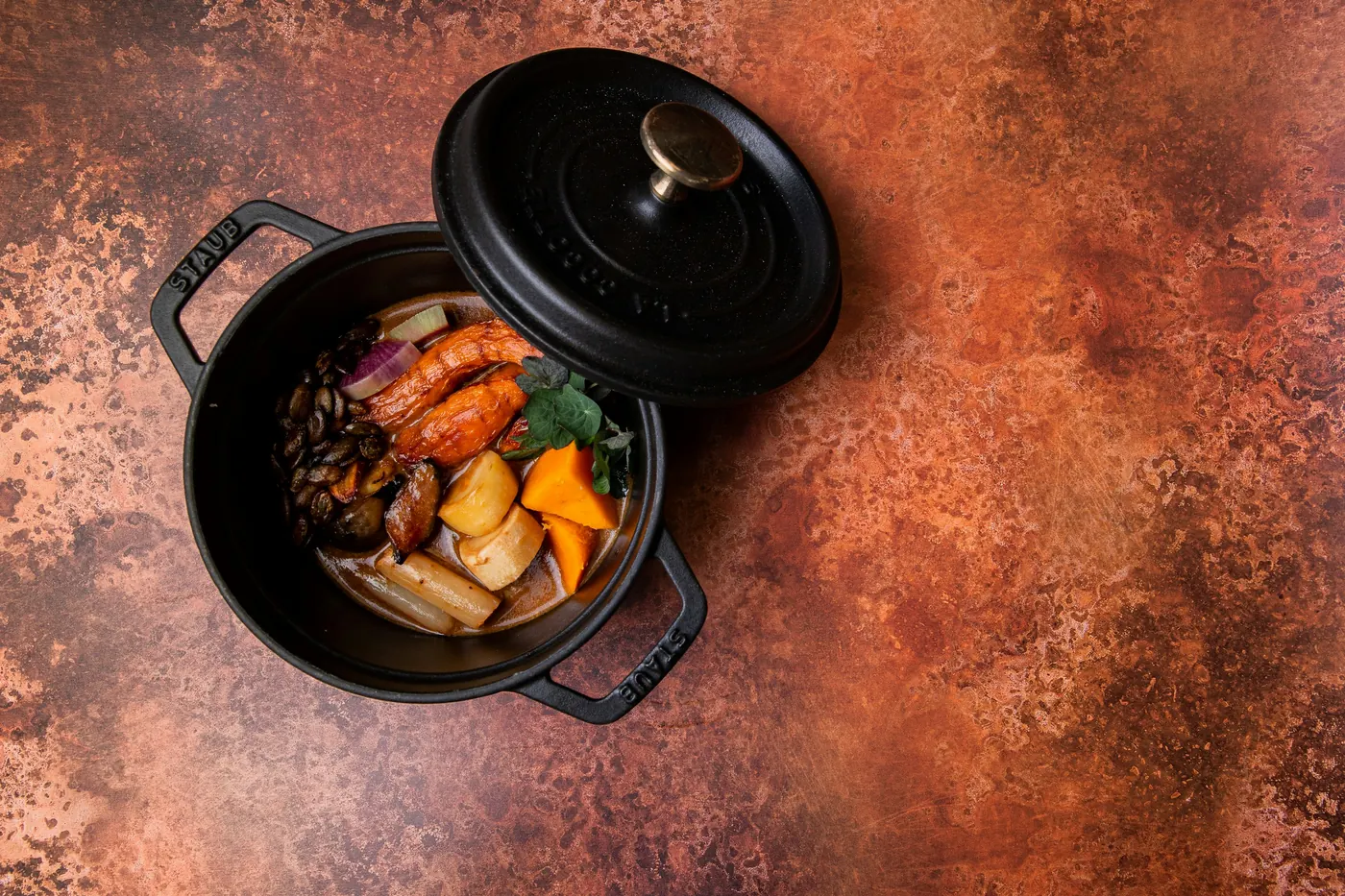
This is the category with no clean English equivalent, and it is the backbone of everyday Mexican cooking.
My Slice of Mexico, writing about guisados as versatile dishes, makes the point that defines them: a guisado may include meat or be entirely vegetarian, and the same pot can be served as a main with rice and beans, or set out with tortillas alongside several others as tacos de guisado.
That flexibility is the whole idea. A guisado is a filling and a dish at the same time. The same piece notes they keep well, which is why they are cooked in advance for taquizas — taco parties — a day or two ahead.
On a plate: soft, saucy, spoonable, and deeply seasoned rather than sharply so.
The method words, translated
| Menu word | Method | What arrives |
|---|---|---|
| Asado / al carbón | Grilled over fire or charcoal | Charred, dry-edged, sliced |
| A la plancha | On a flat griddle | Evenly browned, no char marks |
| Guisado | Stewed in its own sauce | Soft, saucy, spoonable |
| Barbacoa / pibil | Wrapped and slow cooked | Falling apart, very moist |
| Frito / capeado | Fried, plain or battered | Crisp outside, hot inside |
| Salteado | Quickly sautéed in fat | Just-cooked, still firm |
| Horneado | Baked or oven roasted | Browned, dry-surfaced |
Read the verb before the noun and you can predict the plate. That is the same trick our menu glossary applies to the nouns.
Wrapped and buried
The slow-cooking methods deserve separating out because they are the oldest ones.
Barbacoa and pibil both describe meat wrapped in leaves — maguey in central Mexico, banana in the Yucatán — and cooked for hours in a pit or, now, an oven. Pib is Maya for earth oven.
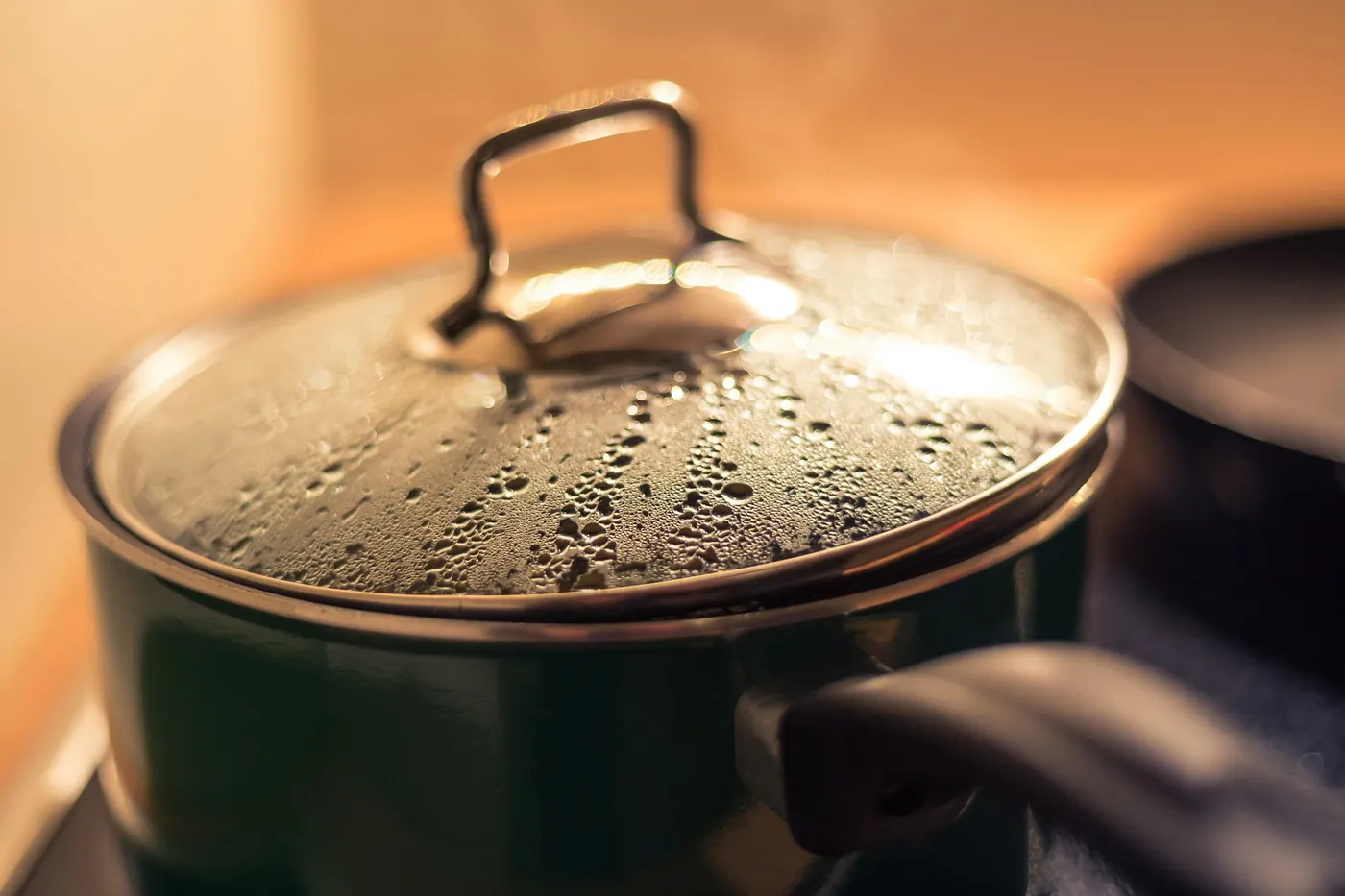
The wrapping is functional. It traps steam, so the meat cooks in its own moisture rather than drying out, and it keeps the surface from browning. That is why barbacoa shreds rather than slices.
The English word barbecue comes from the same root, which is a longer story than most people expect.
Reading it for practical reasons
Three things the method tells you before the food arrives.
Richness. Grilled and plancha dishes are the leanest. Fried and stewed carry more fat, because fat is the cooking medium in one and the sauce base in the other.
Timing. Grilled arrives fast; slow-roasted was cooked hours ago and is being portioned. Neither is worse, but it explains why one table gets food before another.
Wheat. Anything capeado or empanizado is battered or breaded, which our gluten-free guide flags as the main thing to ask about.
On Julia’s menu
Julia’s menu is unusually specific about method, and once you notice it the whole thing reads differently.
Charbroiled appears on the fajitas. Grilled covers the steaks, the salmon and the pollo Ixtapa. Both are the dry-heat category.
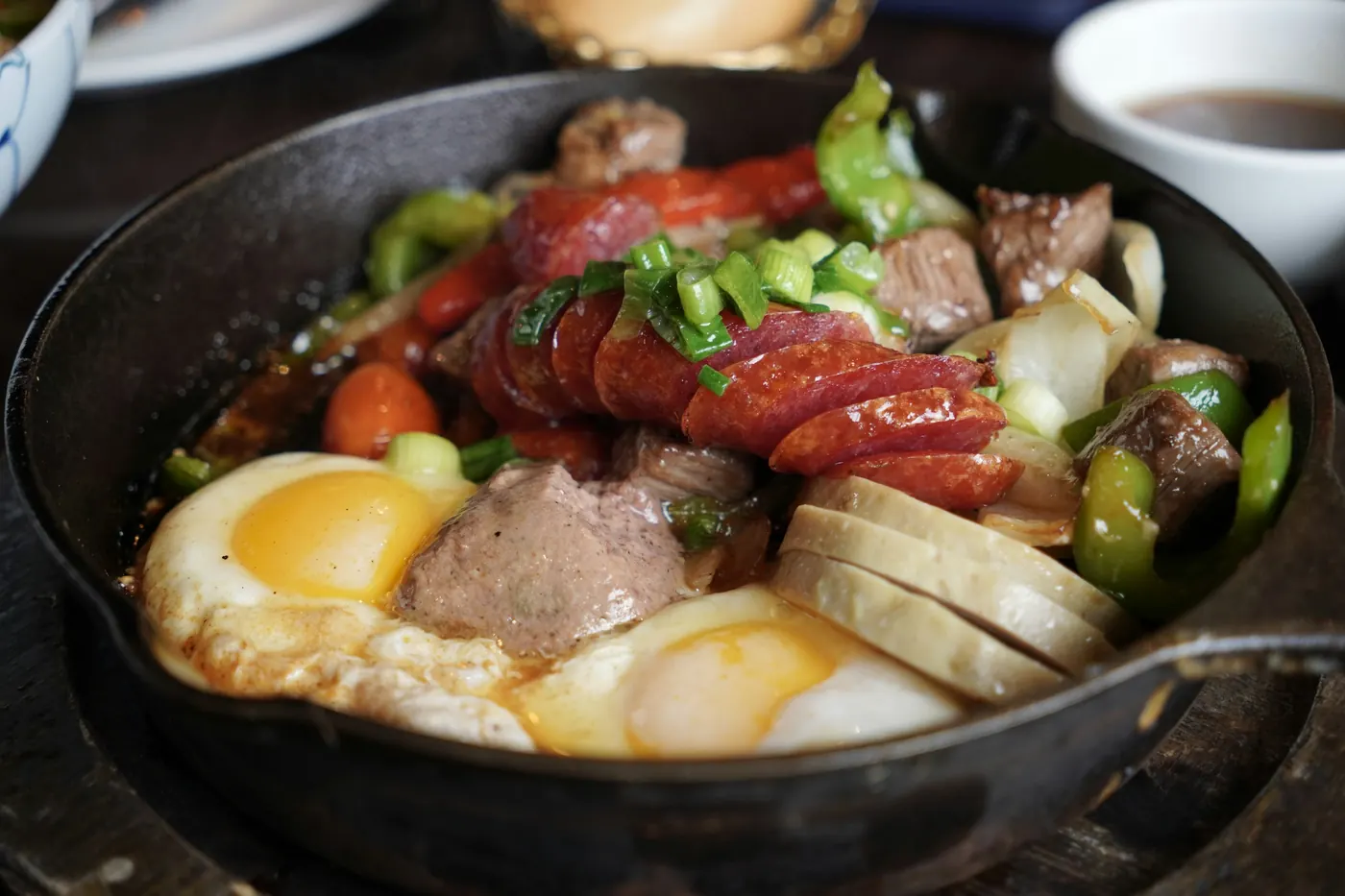
Pan-seared and braised appear together in the camarones chipotle — seared first, then braised in a roasted tomato-chipotle sauce, which is the two-stage guisado pattern. The carne guisada is seared and braised in tomato-serrano. The pollo en mole is braised outright.
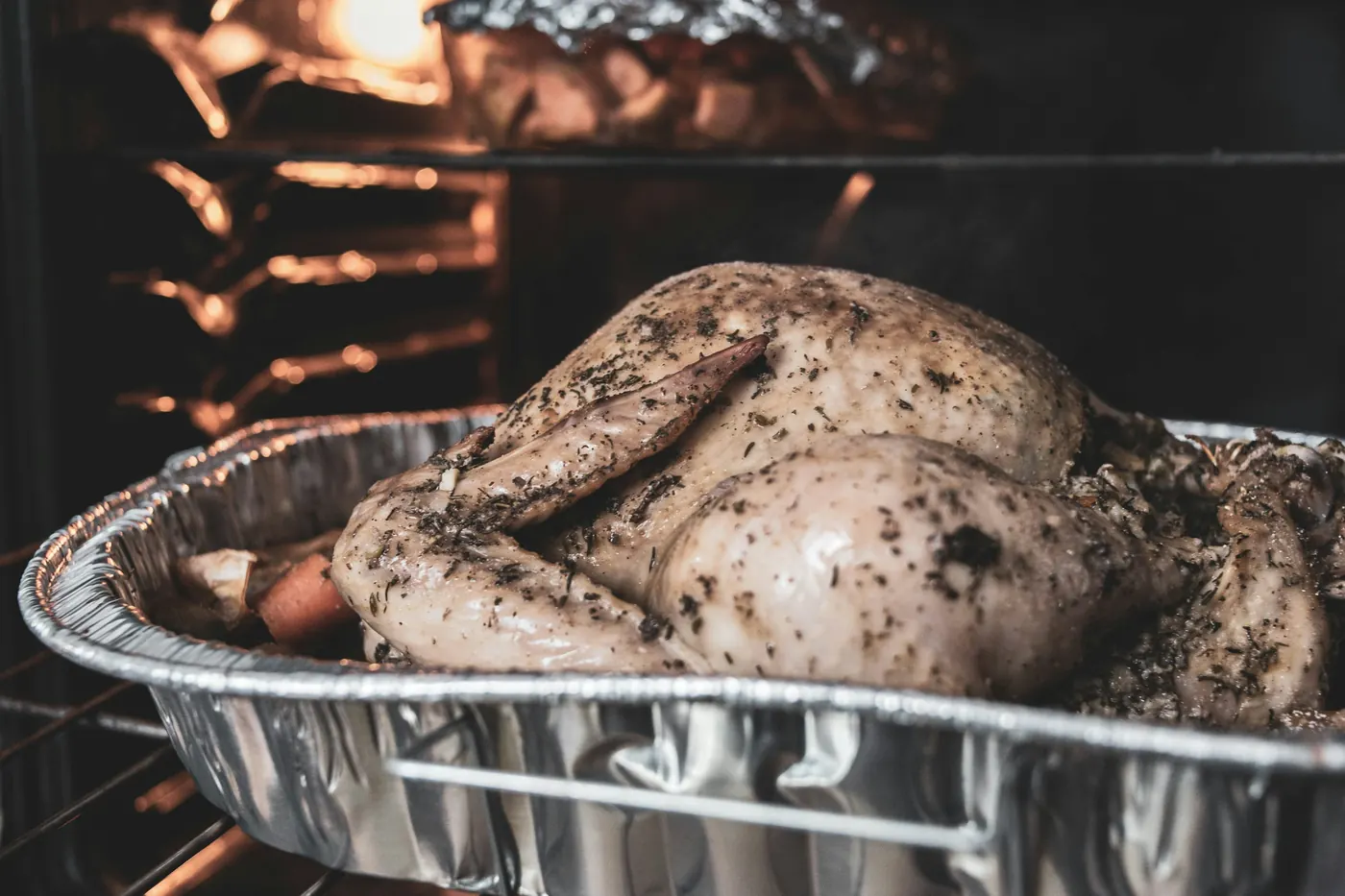
Oven roasted is the cochinita pibil, wrapped in banana leaves. Slow roasted covers the brisket birria and the brunch barbacoa.
Sautéed runs through the vegetable dishes — the Fiesta Plate, the queso fundido, the spinach in the Salmon Tropical. And lightly breaded is the chile relleno, the one fried item among the entrées.
The one that is not a cooking method
Two words on menus look like methods and are not, and both mislead people regularly.
Ceviche is often called “cooked in lime.” It is not cooked. Acid firms the proteins and turns the flesh opaque, which looks like cooking and is a different process. Our seafood guide covers it.
Suiza sounds like a technique and is a description of the sauce — it means Swiss, a reference to the dairy content, not to anything about how the dish was cooked.
The reverse trap also exists. Enchilada sounds like a dish name and literally means “chile-d” — something that has had chile applied to it. Half the menu is named after what was done to it rather than what it is.
Frequently asked questions
What does asado mean on a Mexican menu?
Grilled or roasted over fire. Al carbón narrows it to charcoal specifically.
What is a guisado?
A dish stewed in its own sauce. It can be a main with rice and beans or a taco filling, and it may be meat or vegetarian.
What does a la plancha mean?
Cooked on a flat steel griddle. Even browning rather than grill marks, and well suited to shrimp and thin cuts.
What is a comal?
A flat, usually unoiled cooking disc used for tortillas and for charring vegetables and dried chiles before they go into a sauce.
Which methods mean the dish contains wheat?
Capeado (battered) and empanizado (breaded). Both usually involve flour, so ask if it matters.
The short version
Fire, griddle, stew pot, pit, fryer, sauté pan. Six methods, and the menu names which one it used. The verb predicts the plate better than the noun does.
Julia’s names the method on nearly every dish on the menu, which makes it easier to read than most.