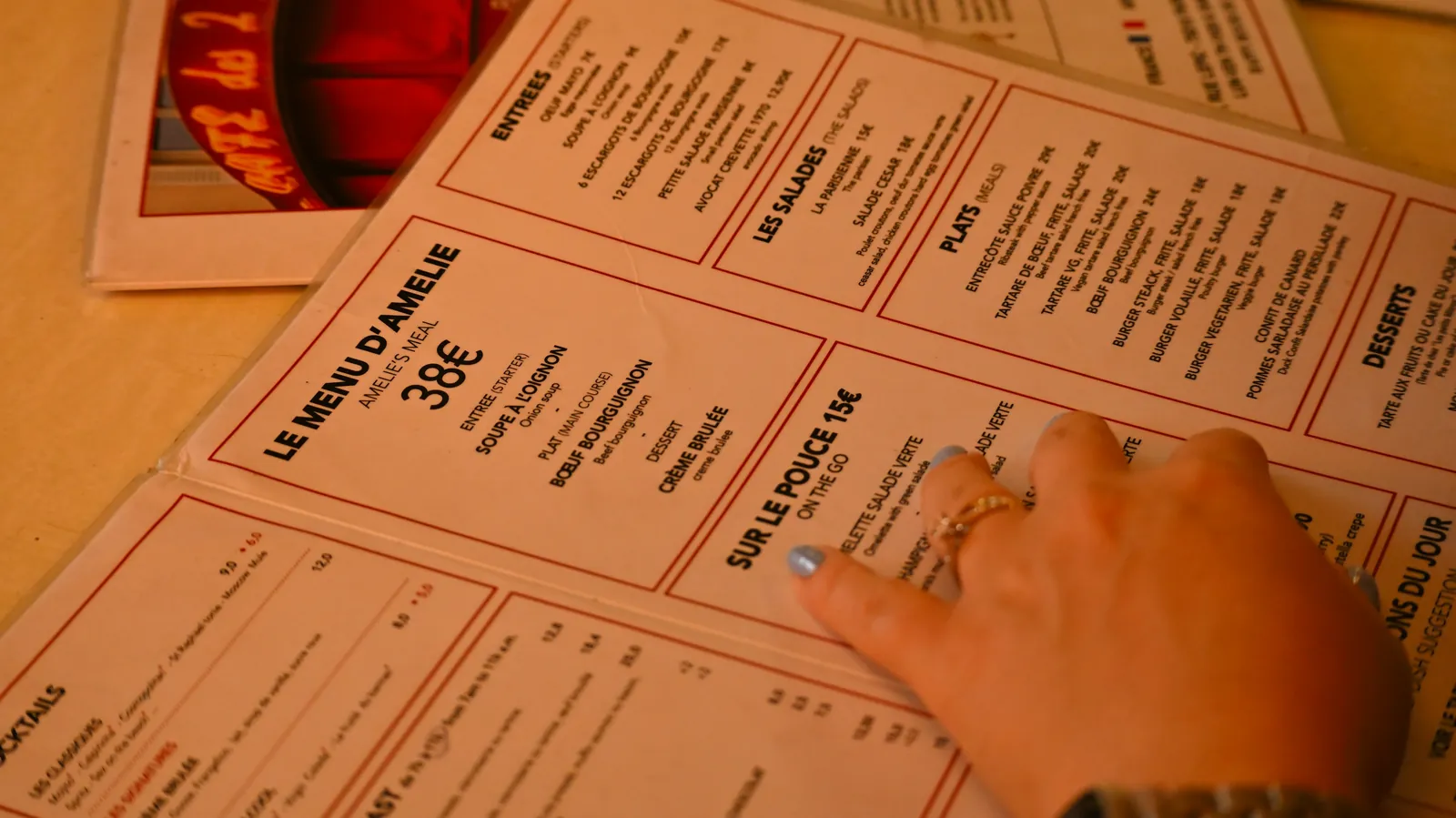
A full Mexican menu can run to eighty items across a dozen headings, most of them in Spanish, and a fair number of them variations on each other. If you do not eat Mexican food often, the sheer length of it is the problem — not the food.
The good news is that almost every Mexican restaurant menu is organized the same way. Once you can read the structure, ordering gets straightforward.
The short answer
Start with chips and salsa and one shared appetizer. For a main, pick from three formats: something in a tortilla (tacos, quesadillas), something rolled and sauced (enchiladas), or something grilled you assemble yourself (fajitas). Most mains already include rice and beans, so you rarely need sides.
How a Mexican menu is organized
Nearly all of them follow the same order: appetizers, soups and salads, then mains grouped by cooking method, then combination plates, then desserts and drinks.
Most menus also offer two portion sizes. The mains section stalls people, because dishes group by how they are made rather than by what protein is in them. Chicken appears under enchiladas, fajitas and specialties, three different ways. Choose format first, then protein.
Start with the table food
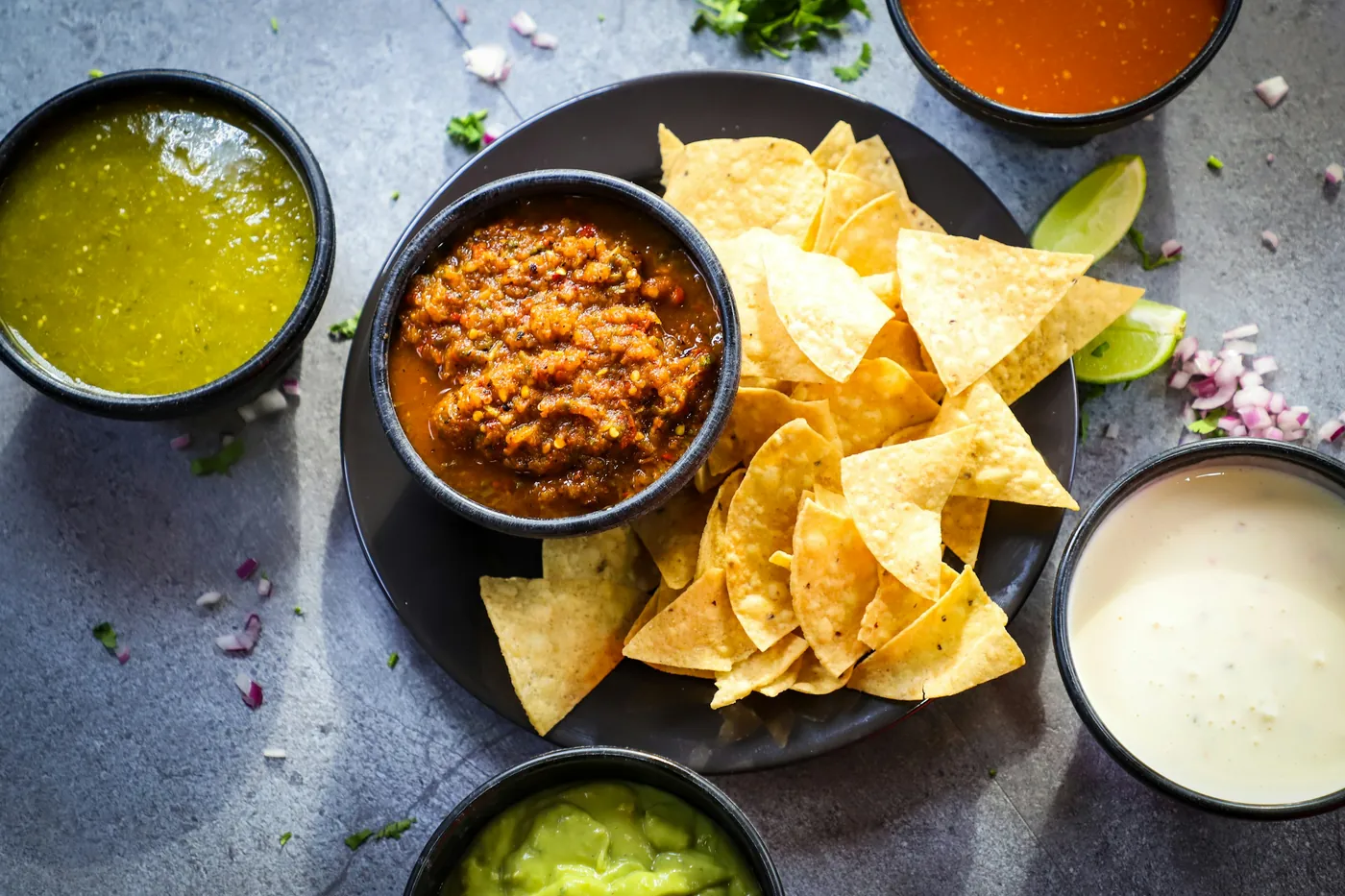
Chips and salsa usually arrive without being ordered. They are not the appetizer — they are what you eat while deciding.
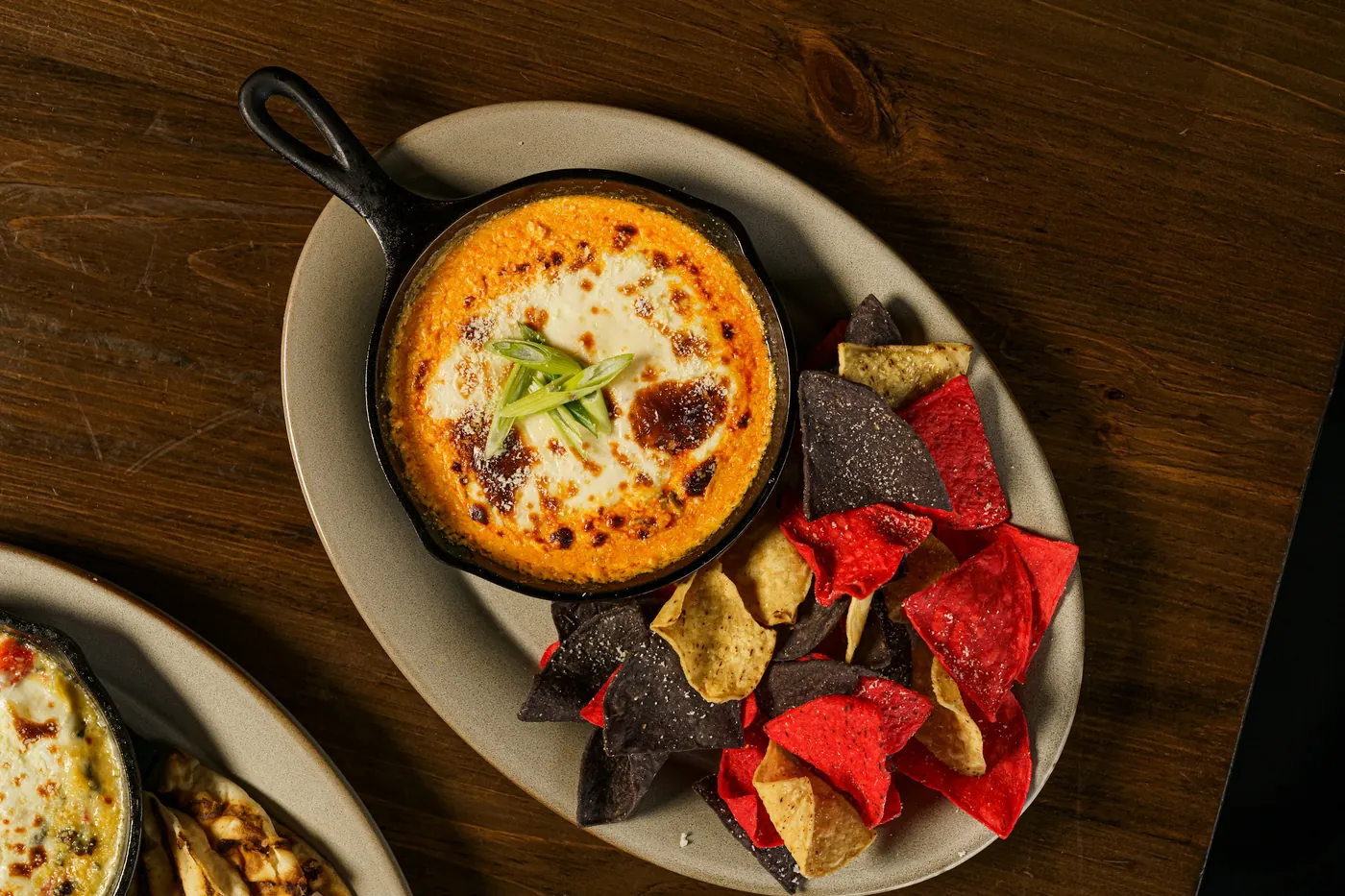
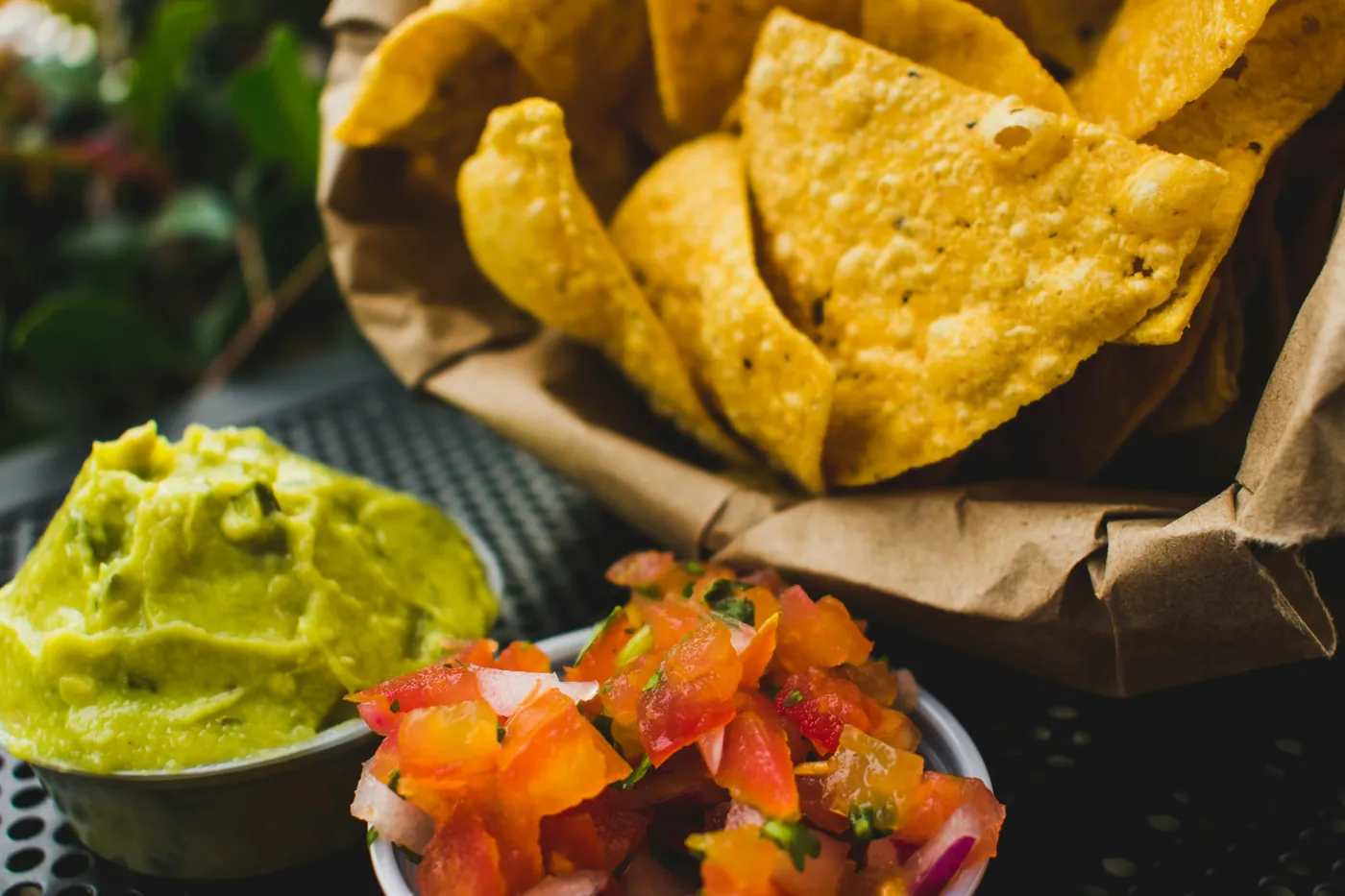
Our guide to spotting a good restaurant covers the menu. One starter is plenty. Guacamole, a cheese dip or nachos all work. Cheese dips come in two forms: smooth pourable queso for chips, and queso fundido, served hot in the dish it was cooked in.
If you are a larger group, a mixed platter of several appetizers is generally better value and saves everyone negotiating.
The three main formats
Almost every main dish on a Mexican menu is one of these three things. Pick the format that suits how you want to eat, then pick the filling.
1. Something in a tortilla
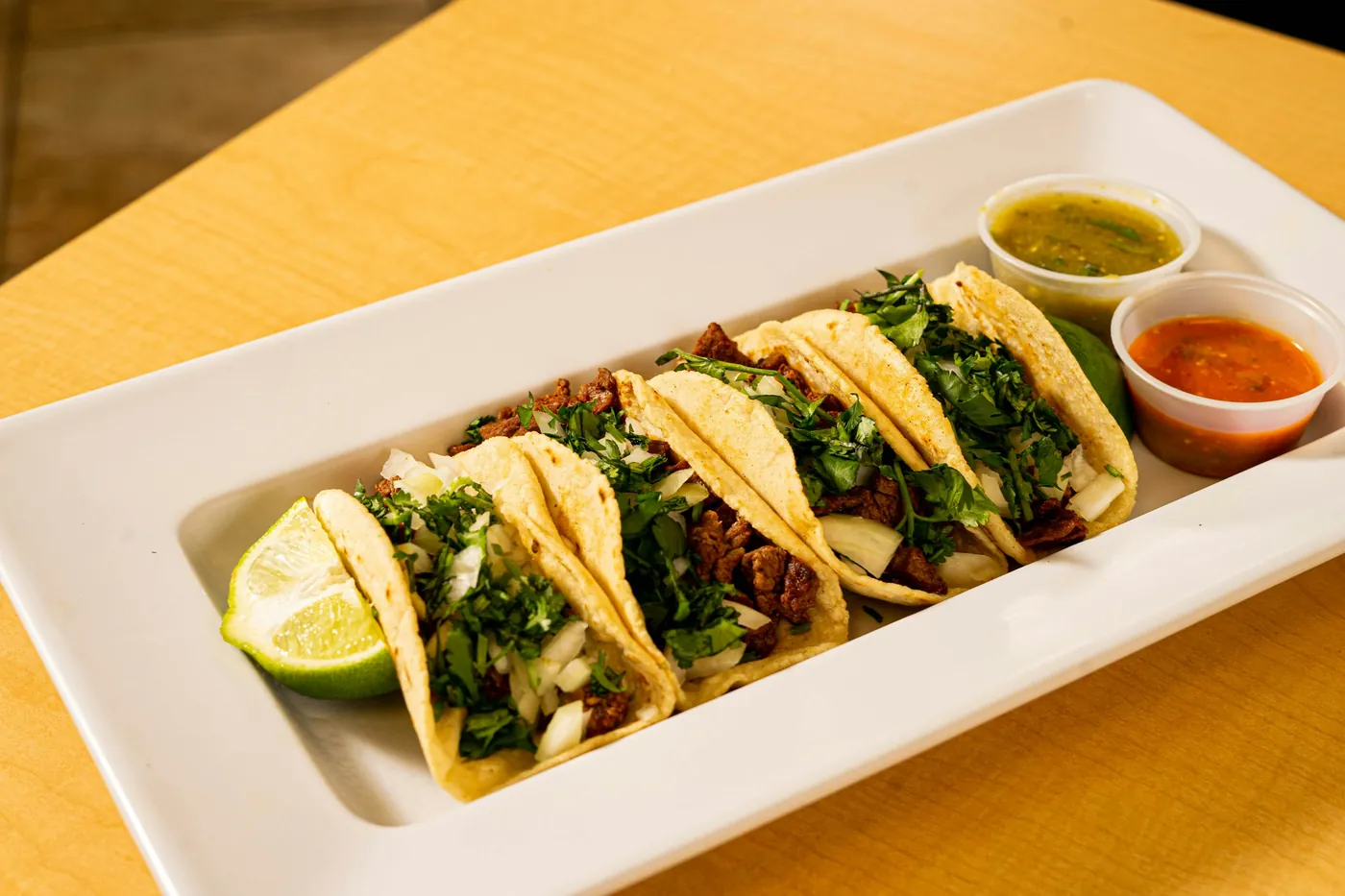
Tacos and quesadillas. These are the simplest orders: handheld, quick, and easy to judge. Tacos are sold individually so you can try more than one filling. Quesadillas are melted cheese folded into a large tortilla, usually with a meat added.
Good choice if you want a lighter meal, or if it is your first visit and you want something recognisable.
2. Something rolled and sauced
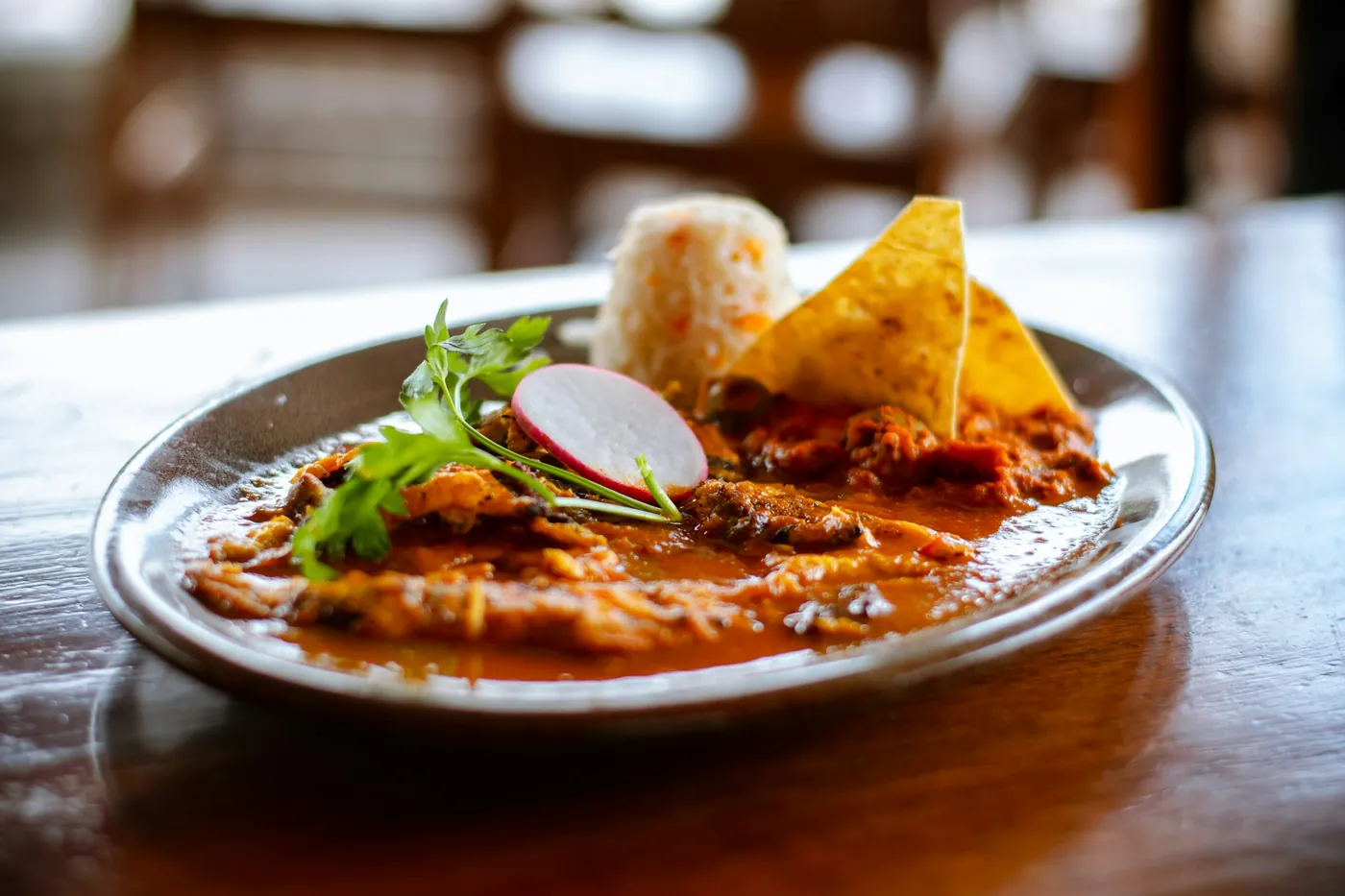
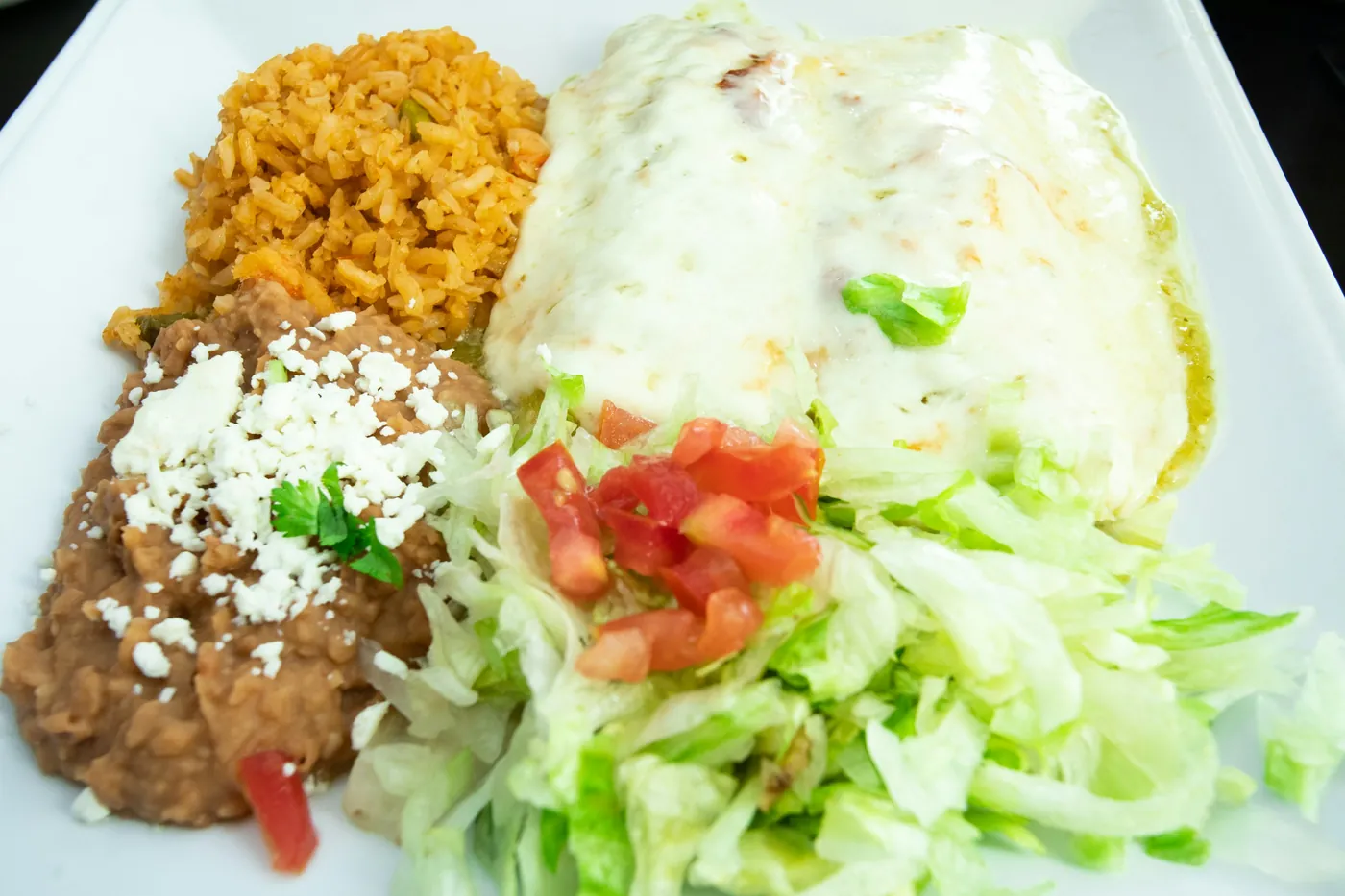
Enchiladas. Tortillas rolled around a filling, covered in sauce and baked. The filling matters less than the sauce, which is where the character of the dish comes from — a creamy tomatillo suiza, a dark mole poblano, a red guajillo, or a roasted tomato-habanero.
Good choice if you want something substantial and want to taste the kitchen’s actual cooking rather than a grilled protein.
3. Something grilled you build yourself
Fajitas. Grilled meat and vegetables arrive on one platter with tortillas and toppings alongside, and you assemble each one. Slower to eat, easy to share.
Good choice for a table with different preferences, since everyone builds their own. We go into the full difference between tacos and fajitas separately, because it is the question that trips people up most often.
What to order by situation
| If you are… | Order | Why |
|---|---|---|
| New to Mexican food | Tacos or a combination plate | Recognisable, and lets you sample several things |
| Eating lunch quickly | Tacos or a quesadilla | Handheld, no assembly, smaller portions |
| Sharing with a group | Fajitas plus appetizers | One platter feeds several, everyone customizes |
| Avoiding heat | Cheese enchiladas, quesadillas, grilled chicken | Mild by default — but still ask about the sauce |
| Wanting the kitchen’s best work | A house specialty | Slow-cooked dishes show more of what the kitchen does |
| Not very hungry | Soup, or appetizers as a meal | Pozole and caldo are full dishes in the large size |
Four things worth knowing before you order
- Rice and beans usually come with it, as our guide to ordering around the starch covers. Adding sides on top usually means more food than you want.
- Lunch and dinner portions differ. Many kitchens list the same dish twice at different sizes; at midday the lunch portion is normally right.
- Spice level is not uniform. Mole is rich rather than hot; a habanero sauce is genuinely hot. Ask about the sauce, not the cuisine.
- Ask questions. Staff field these constantly, and asking how something is prepared gets you a better meal.
Ordering for a group
Group meals go wrong in a predictable way: everyone orders their own large main, and half of it goes home in a box.
A better approach: two or three appetizers for the middle of the table, then fewer mains than there are people, weighted towards things that share well. Fajitas are the obvious candidate.
If you are feeding people at home rather than eating out, many restaurants sell family-sized portions designed for exactly that.

A note on allergies
Mexican kitchens use dairy, wheat, shellfish and nuts routinely, and often in places you would not expect — mole can contain nuts, and some corn tortillas include wheat flour — one of several reasons the corn-or-flour choice is worth understanding.
Do not infer what is in a dish from its name. Tell your server what to avoid and let them check with the kitchen. Traditional Mexican cooking is recognized by UNESCO for its regional complexity, which is exactly why the ingredient list is worth asking about.
How this maps to Julia’s menu
Julia’s follows the structure above closely, which makes it a reasonable one to practice on.
The appetizer section covers the shared starters — guacamole, chile con queso, queso fundido, nachos and a sampler platter. The enchiladas are listed as their own section and sorted by sauce, so you pick the sauce first.
The house specialties are where the slow-cooked dishes sit: cochinita pibil roasted in banana leaves, brisket birria, carne guisada. Family packs that serve four are listed on the events and gatherings page if you are feeding a crowd at home.
Frequently asked questions
What should I order on a first visit to a Mexican restaurant?
Tacos or a combination plate. Both let you try more than one thing without committing to a single large dish, and both are easy to judge by sight when they arrive. Add one shared appetizer for the table.
Is all Mexican food spicy?
No. Heat varies enormously by dish and by sauce. Cheese enchiladas, quesadillas and grilled chicken are usually mild; sauces built on habanero or serrano are not. Ask about the specific sauce rather than the dish.
Do I need to order sides?
Usually not. Most mains include rice and beans on the plate. Check the description before adding anything — portions tend to be generous.
What is the difference between a combination plate and a regular main?
A combination plate pairs two or three smaller items on one plate, often from different sections of the menu. It is the most efficient way to sample a kitchen if you cannot decide between dishes.
How much should I order per person?
One main each, plus one or two appetizers for every three or four people. If you are ordering fajitas, count one platter as roughly one and a half portions when other dishes are also on the table.
The short version
Read the menu by format rather than by protein, order one shared starter, and let the sauce guide you on enchiladas. Rice and beans are almost certainly included, and staff would rather answer a question than bring the wrong thing.
To try the structure on a real menu, Julia’s food menu is organized by course, or you can call ahead and ask.