Group meals at Mexican restaurants go wrong in a predictable way. Eight people order eight large plates, four of them go home in boxes, and nobody got to try anything except their own dinner.
Mexican food is unusually well suited to sharing. Ordering it as though it were not is the mistake.
The short answer
For a group, order two or three starters for the table, then fewer mains than there are people — roughly three mains for every four diners — weighted towards dishes that share well, like fajitas. Rice and beans usually come with the mains, so skip extra sides. Adjust after the first round rather than over-ordering upfront.
Why this food shares better than most
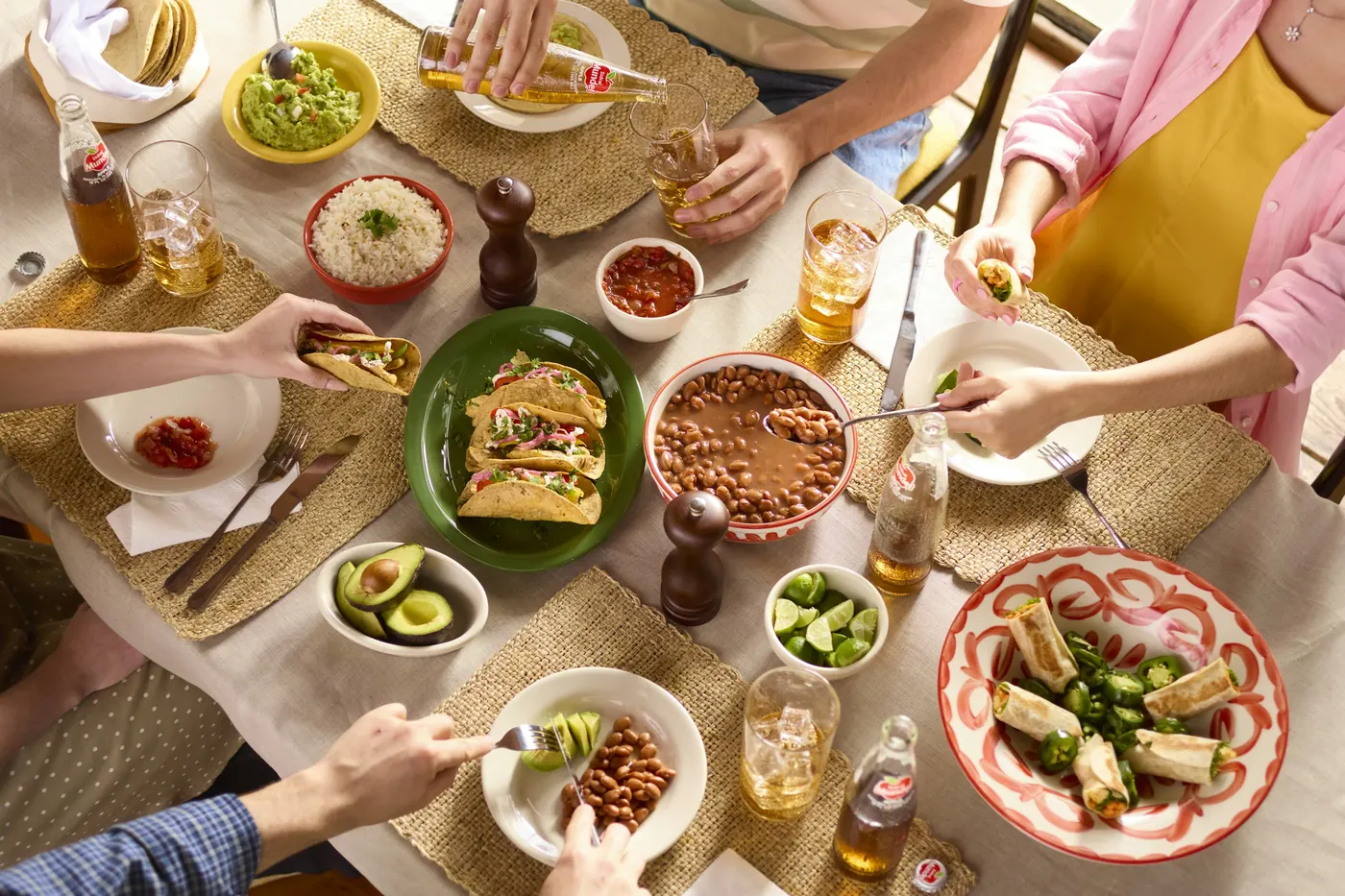
Traditional Mexican cuisine is built around communal eating. UNESCO, which lists it as intangible cultural heritage, describes it explicitly as a community culture — a set of practices tied to collective participation rather than individual plates.
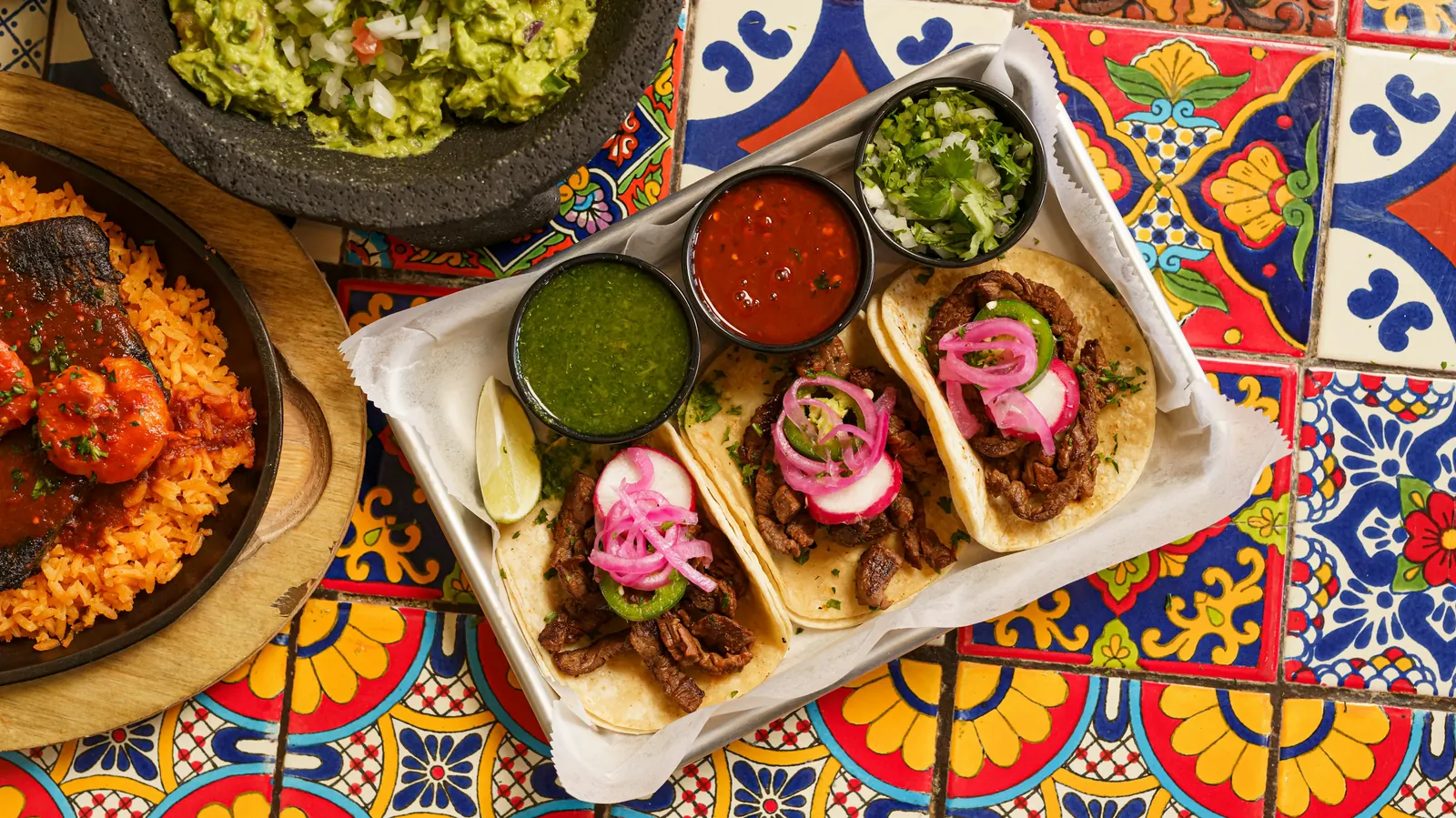
That shows up in the food itself. Tortillas are a delivery mechanism, salsas are communal, and several main dishes arrive as components rather than assembled meals. A fajita platter is not one person’s dinner unless you decide it is.
How much to actually order
| Group size | Starters | Mains | Notes |
|---|---|---|---|
| 2 people | 1 | 2 | Or one fajita platter and one starter |
| 4 people | 2 | 3 | Make one of them a fajita platter |
| 6 people | 2–3 | 4–5 | Add a soup or salad to break up the heavy plates |
| 8 people | 3–4 | 6 | Two fajita platters cover a lot of ground |
| 10+ | 4+ | 7–8 | Call ahead; this is where a set order helps |
The ratio matters more than the exact numbers. Ordering one main each is the default assumption and it is almost always too much, because Mexican mains arrive with rice and beans already on the plate.
Starters: two or three, not one each
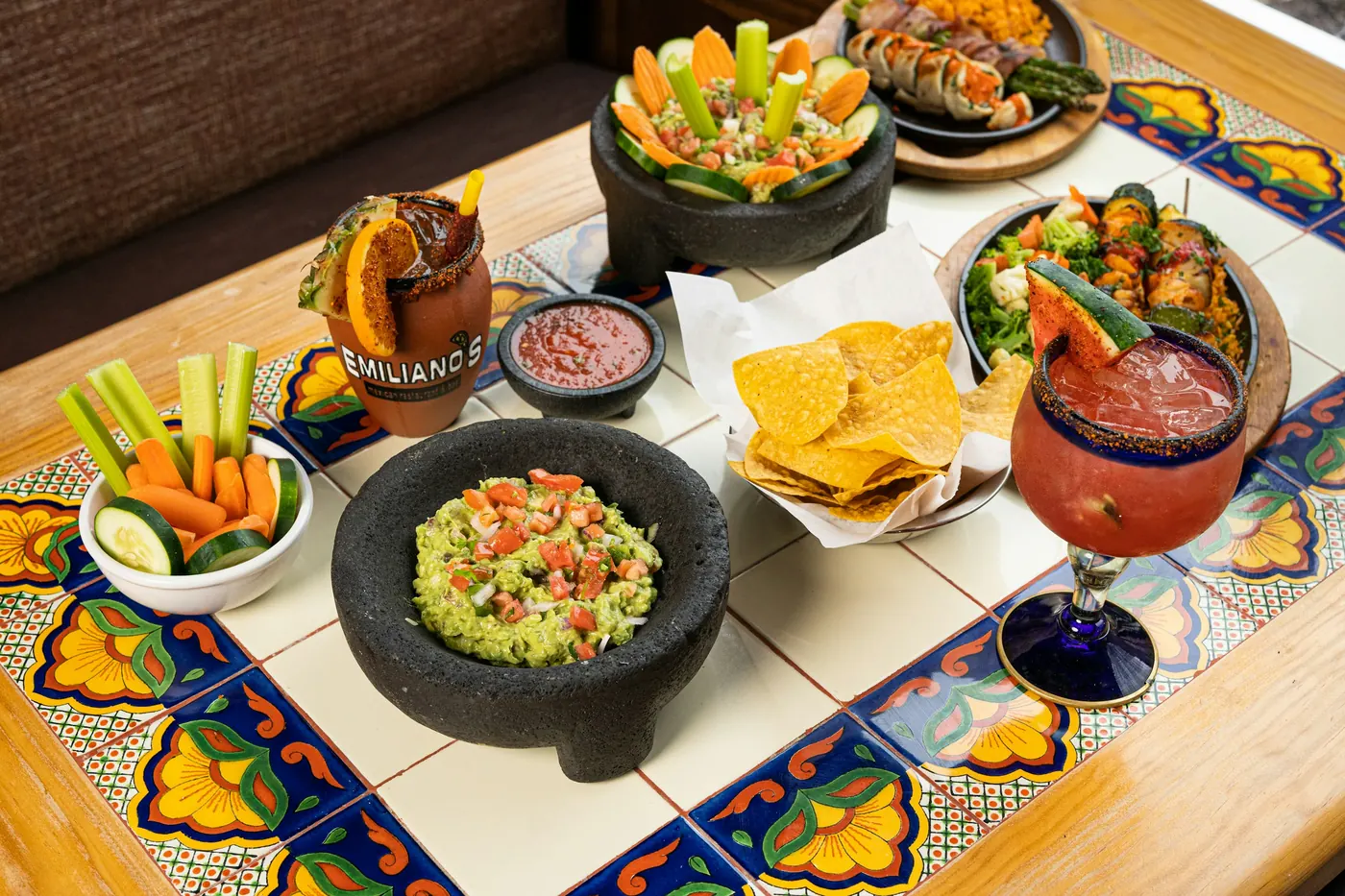
Chips and salsa usually arrive unasked, so they are not a starter — they are what you eat while deciding.
For actual appetizers, guacamole and a cheese dip cover most preferences between them. Add a third only if the group is six or more. A mixed sampler platter, where a kitchen offers one, is the efficient choice for a large table because it removes the negotiation entirely.
Resist ordering an appetizer per person. Three shared starters feed eight people comfortably before the mains arrive.
Fajitas are the group order
If one dish is going to anchor a group meal, it is fajitas.
Everything about the format suits a table: the meat and vegetables arrive on one platter, the tortillas and toppings come alongside, and every person builds to their own taste. Someone avoiding heat, someone who wants extra guacamole and someone who only eats chicken can all be satisfied from the same order.
Count one platter as roughly one and a half portions when other dishes are also on the table. Two platters plus a couple of other mains will feed six people well. Our comparison of tacos and fajitas explains why the format works this way.
Ordering for a mixed table
Most groups contain at least one person with a constraint. Plan around them rather than making them order separately.
- Someone avoiding heat. Make one main a quesadilla or cheese enchilada. Our guide to mild Mexican dishes covers what to look for.
- Someone eating light. A large soup or a grilled salad is a full meal and stops the table being uniformly heavy.
- Someone adventurous. Put one slow-cooked specialty in the middle. It gives the table something to talk about.
- Children. Quesadillas and plain rice and beans are reliable, and most kitchens will happily plate them simply.
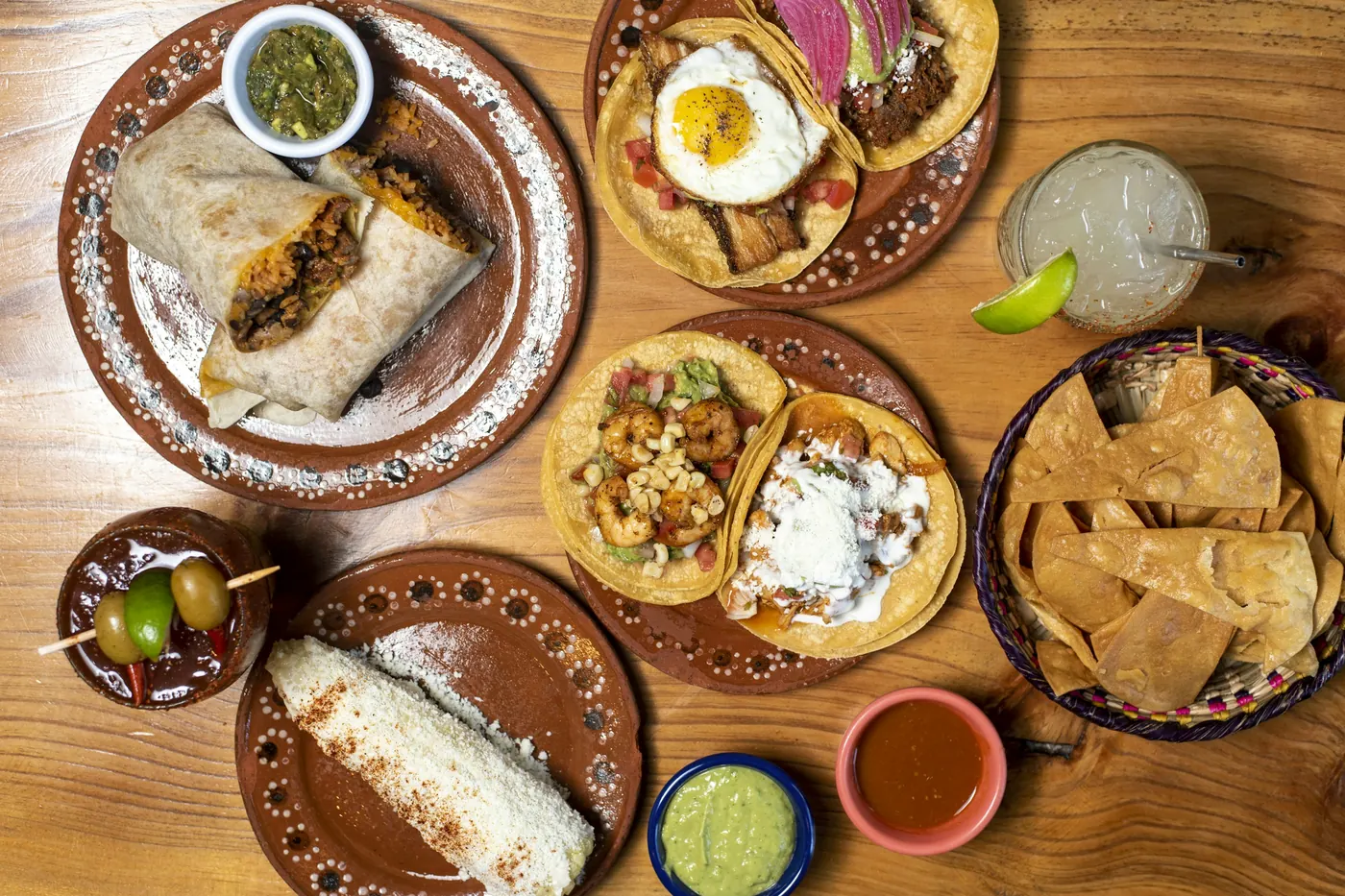
Feeding people at home instead
If the gathering is at someone’s house, restaurant family packs are usually better value and less work than ordering individual mains to go.
Julia’s sells family packs designed to serve four, across enchiladas, cochinita pibil, brisket birria, carne guisada, shrimp dishes, tamales and fajitas. Each comes with sides, which is what makes the arithmetic simple: one pack per four adults, plus a starter if you want one.
For a larger gathering, two packs of different dishes beat two of the same — you get variety on the table for the same outlay.
When the group is genuinely large
Above about ten people, stop treating it as a normal booking. Call ahead.
Restaurants can usually seat a large party far more comfortably with notice, and many — Julia’s included — take private bookings for birthdays, family gatherings and business lunches. A short conversation about numbers and timing beforehand tends to produce a better meal than turning up and hoping.
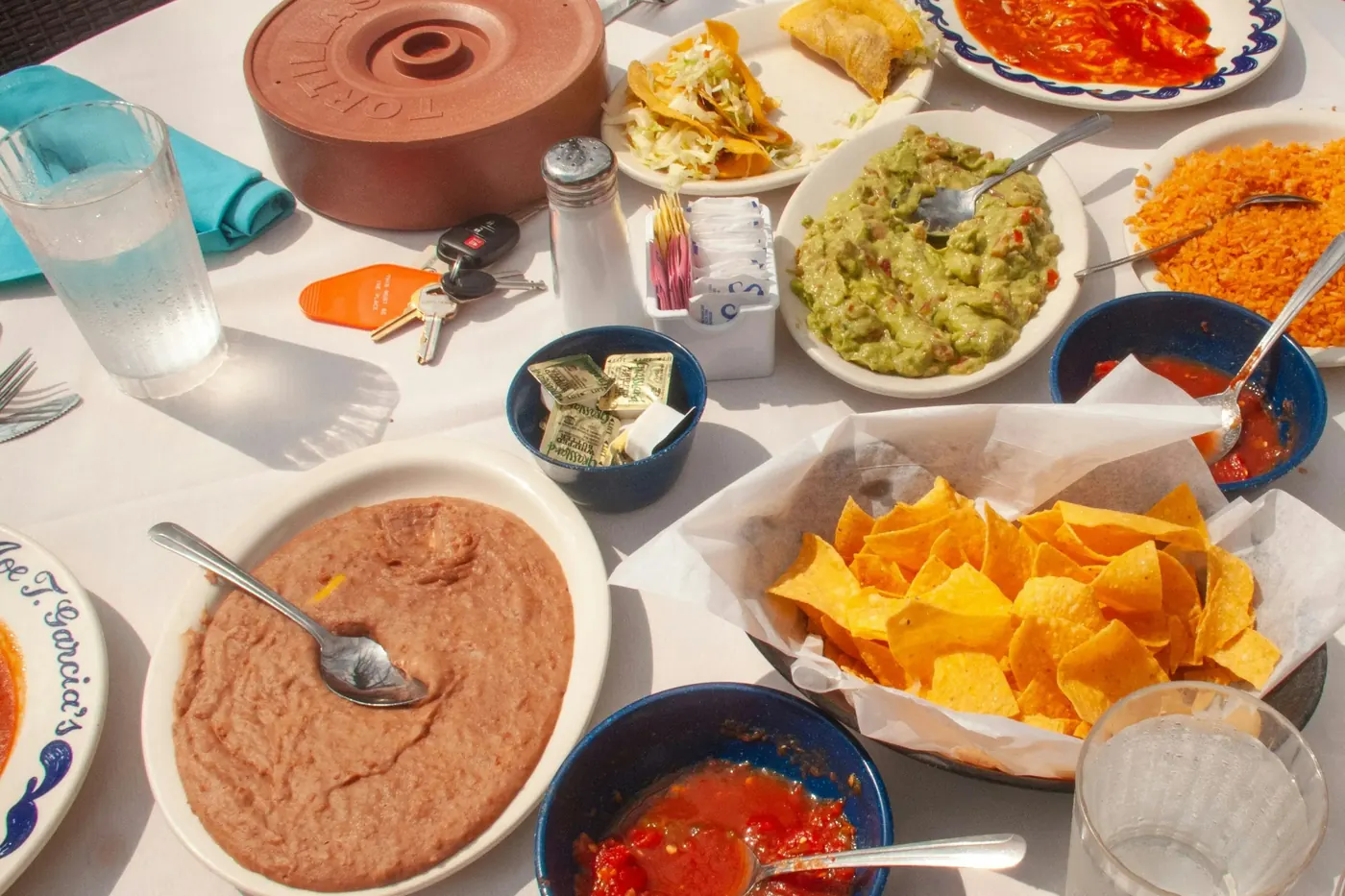
Timing matters more than people expect
With a large table, when food arrives matters almost as much as how much of it there is.
Order the starters first and let them land before anyone commits to mains. A group that has eaten guacamole and a cheese dip will order noticeably less afterwards, which is usually the right correction.
Anything served sizzling — fajitas above all — should be timed for when everyone is seated. A fajita platter that sits for fifteen minutes while two people park has lost the thing that makes it worth ordering. If some of the group is running late, hold the fajitas and start with the sharing plates.
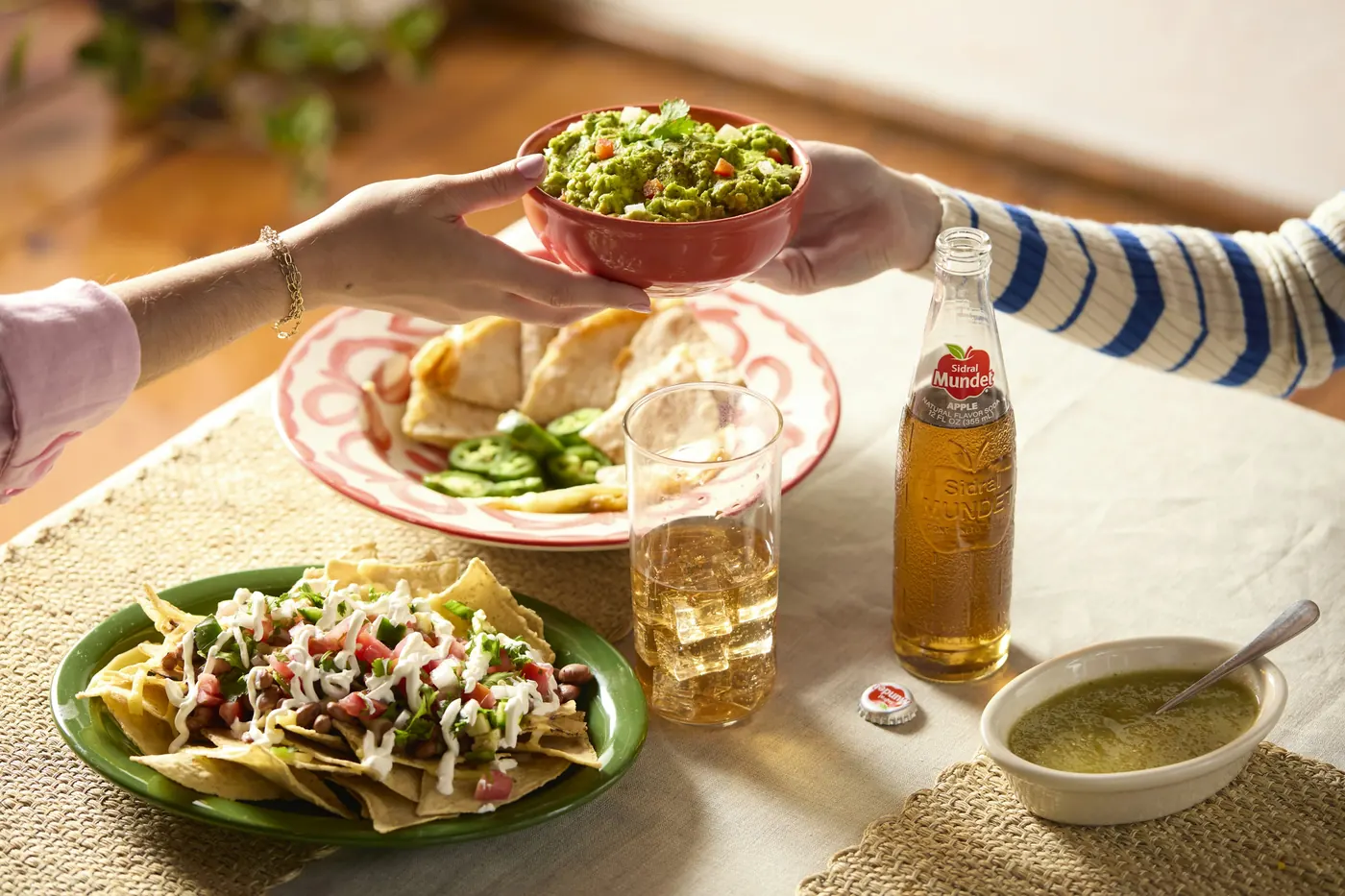
What travels well, and what does not
If the group is likely to take leftovers home, some dishes survive the trip much better than others.
Braised and stewed dishes — birria, carne guisada, cochinita pibil — are arguably better the next day, because the meat keeps absorbing the sauce. Enchiladas hold up well. Rice and beans reheat without complaint.
Anything fried or sizzling does not. Chips go soft, taquitos lose their crispness, and fajita meat that was charred and hot becomes ordinary once it cools. If leftovers are likely, weight the order towards the slow-cooked dishes and finish the sizzling ones at the table.
Frequently asked questions
How many people does a fajita platter feed?
Roughly one and a half people when other dishes are also being shared, or one hungry person on its own. For a table of four with starters, two platters is usually generous.
Do I need to order sides for a group?
Almost never. Rice and beans come with most mains, so a table of six will already have six portions of each. Extra sides are the most common source of leftovers.
How many appetizers for eight people?
Three, or four if the group is hungry and the mains are a while away. Guacamole, a cheese dip and one fried item covers most preferences. A sampler platter can replace two of them.
Should everyone order their own main?
Not if you want to try more than one thing. Three mains for every four people, plus shared starters, leaves everyone full and lets the table sample properly.
Is it better to order family packs or individual dishes for a party at home?
Family packs, in most cases. They are portioned for four, include sides, and travel better than plated mains. Two different packs give more variety than eight separate orders.
The short version
Fewer mains than people, two or three shared starters, at least one fajita platter, and no extra sides. Adjust upward after the first round if you need to — that is much easier than sending food home.
The full food menu shows which dishes come with sides, and the restaurant will take a call if your group is large enough to be worth planning.