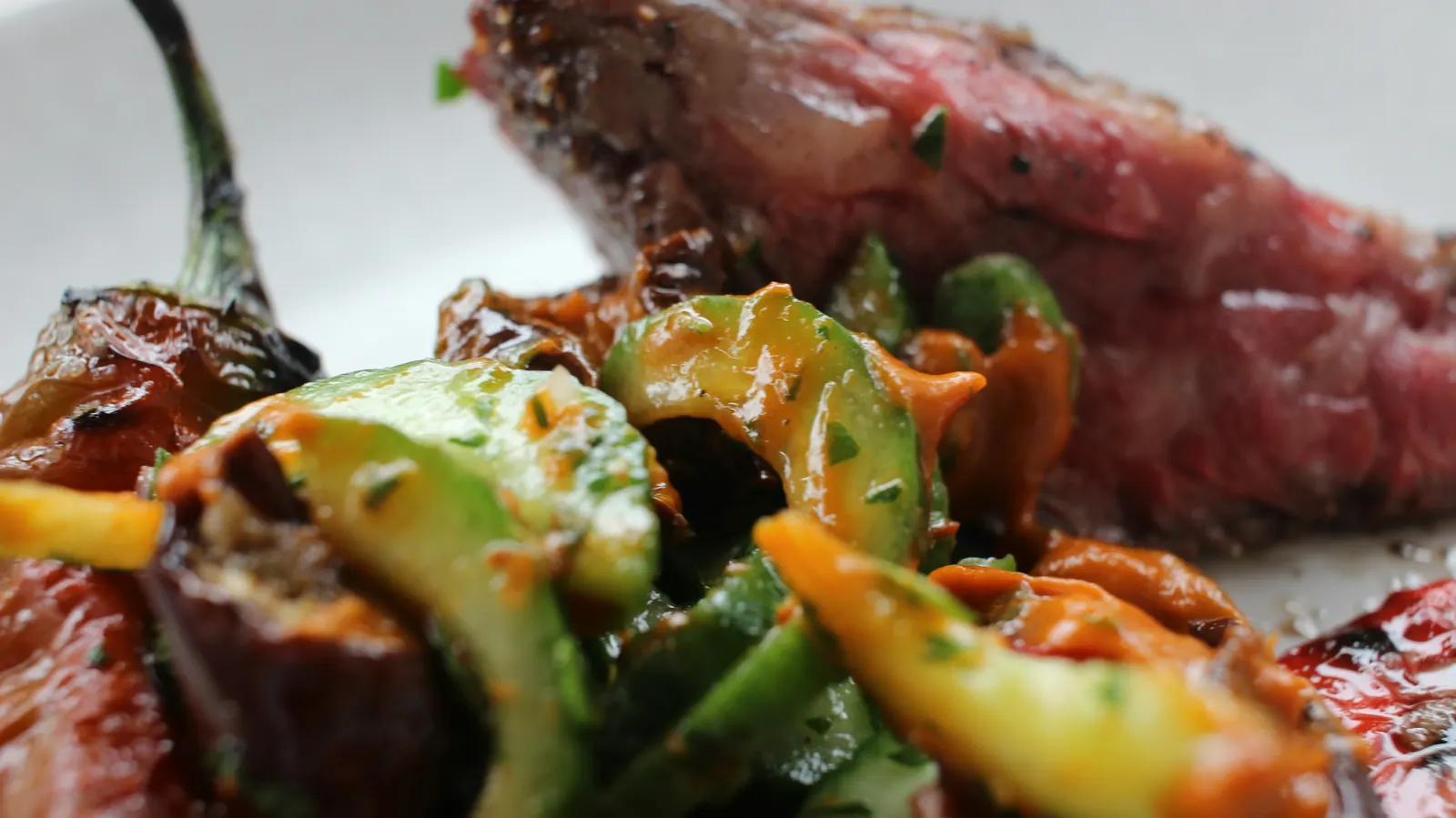
Mexican food has a reputation for being difficult if you are watching starch, and the reputation is only half earned.
The tortillas, rice and beans are real. They are also, on most menus, the part that comes alongside — not the part you ordered.
A note on what this is. This guide describes what dishes are made of and how restaurant plates are usually assembled. It is not dietary advice, and it does not give carbohydrate counts, which vary by kitchen and portion. If you are managing a medical condition, that is a conversation for a doctor or dietitian, not a restaurant blog.
The short answer
The starch on a Mexican plate is concentrated in five things: tortillas, rice, beans, chips and masa. Almost everything else — grilled meat, shrimp, sautéed vegetables, salsa, guacamole, cheese, eggs — is not. Ordering around it mostly means choosing dishes from the grill section and asking about the sides, which most kitchens will swap.
Where the starch actually is
The CDC, in its explainer on choosing carbohydrates, splits them into simple and complex, and puts starchy vegetables, legumes and whole grains in the complex category — foods that contain fiber and other starches.
Read a Mexican menu with that split in mind and the picture is clear. Corn and wheat tortillas, rice, and beans are the grain and legume load. Corn itself — whole, roasted, or ground into masa — belongs in the same group.
What is left over is most of the actual cooking.
The two lists
| Built on starch | Built on something else |
|---|---|
| Tacos, burritos, quesadillas | Fajitas, minus the tortillas |
| Enchiladas, tamales, sopes | Grilled steak, chicken, salmon, shrimp |
| Nachos, chips and salsa | Sautéed vegetable plates |
| Rice, refried and charro beans | Guacamole, salsa, pico de gallo |
| Chiles rellenos, if breaded | Ceviche, queso fundido, grilled salads |
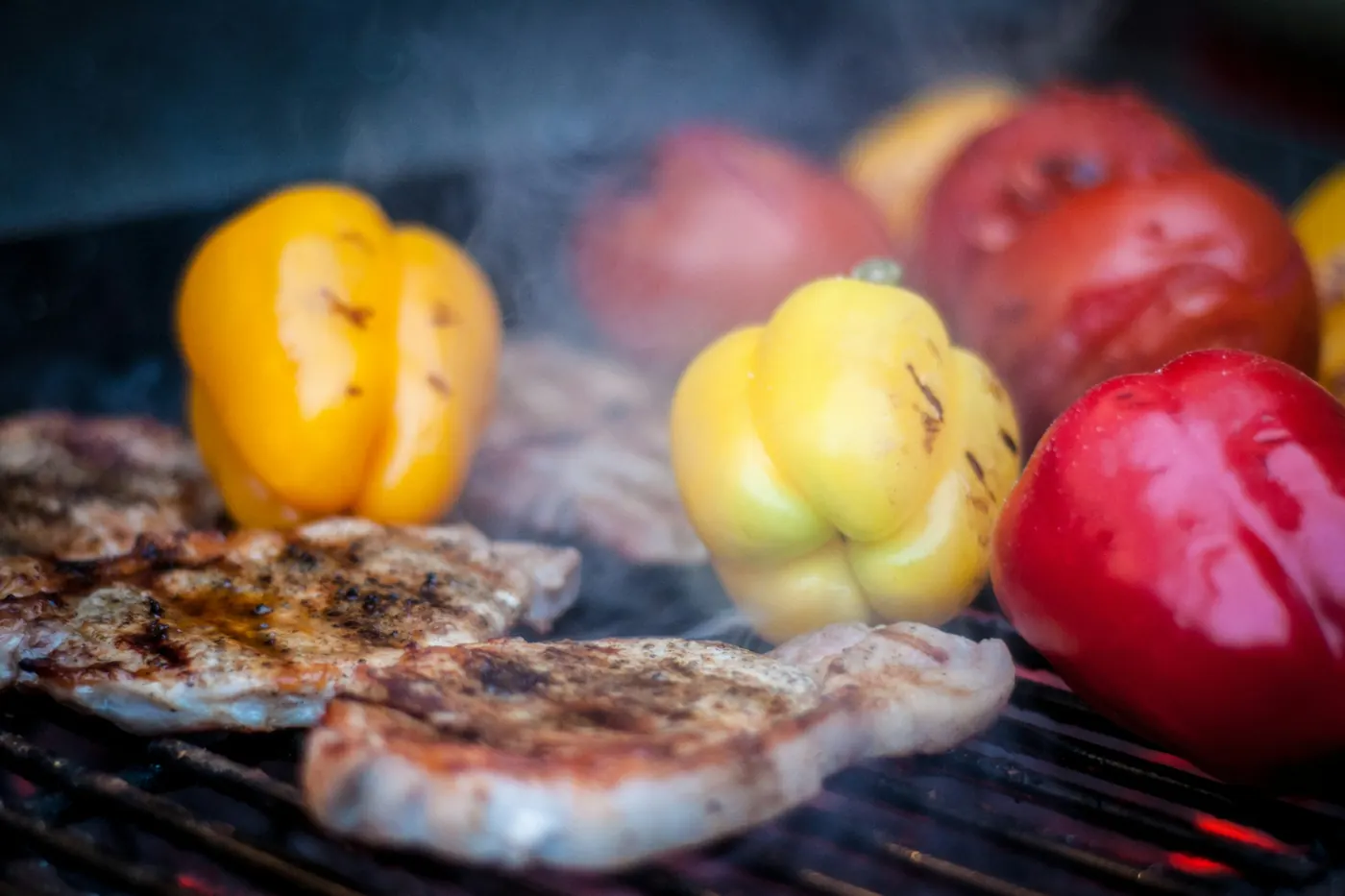
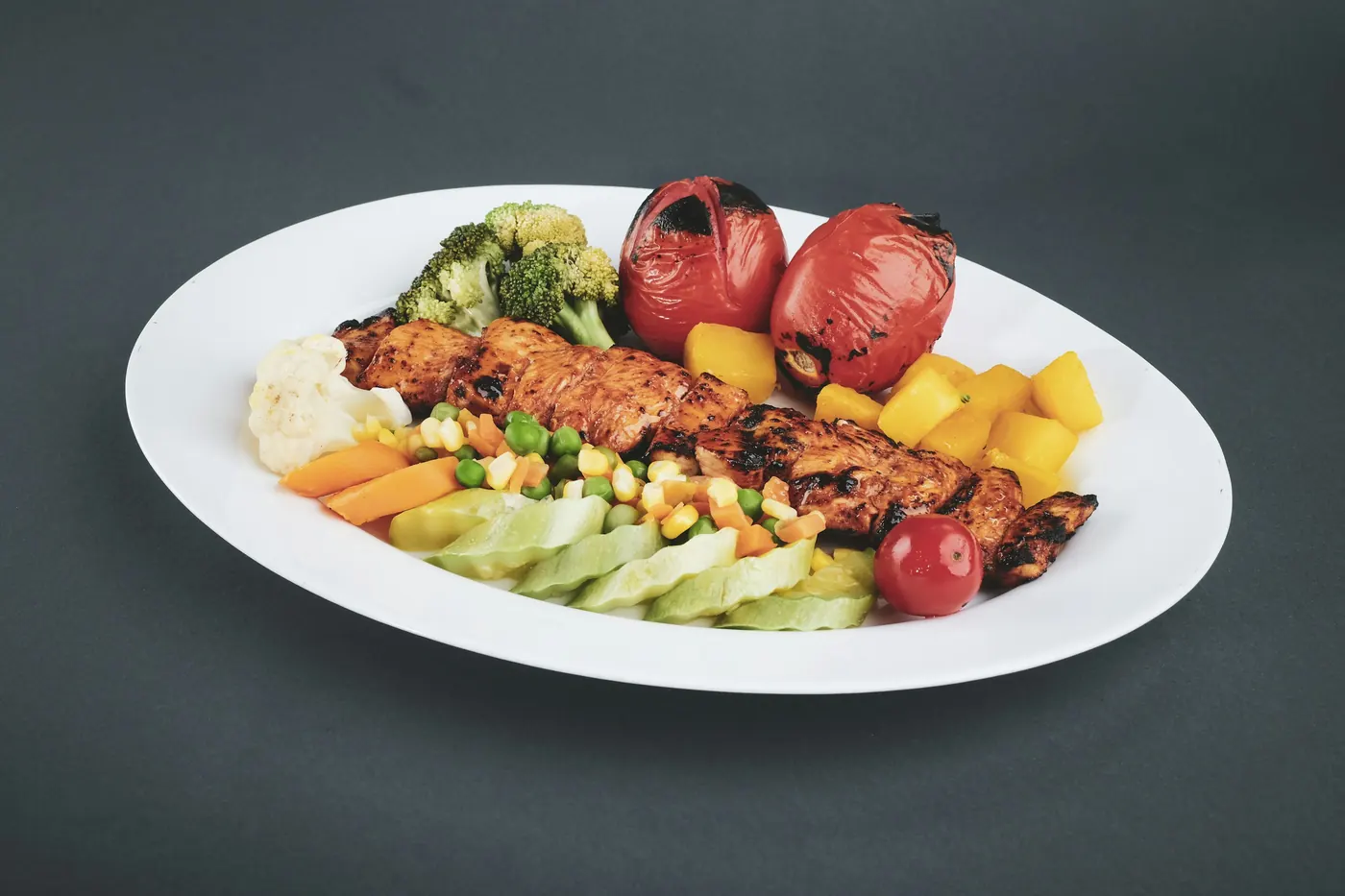
The right-hand column is not a short list, and that is the useful discovery. The grill and seafood sections of a Mexican menu are mostly protein and vegetables with a sauce.
Fajitas are the obvious move
Fajitas arrive as components rather than as an assembled dish, which means the starch is physically separate from everything else.
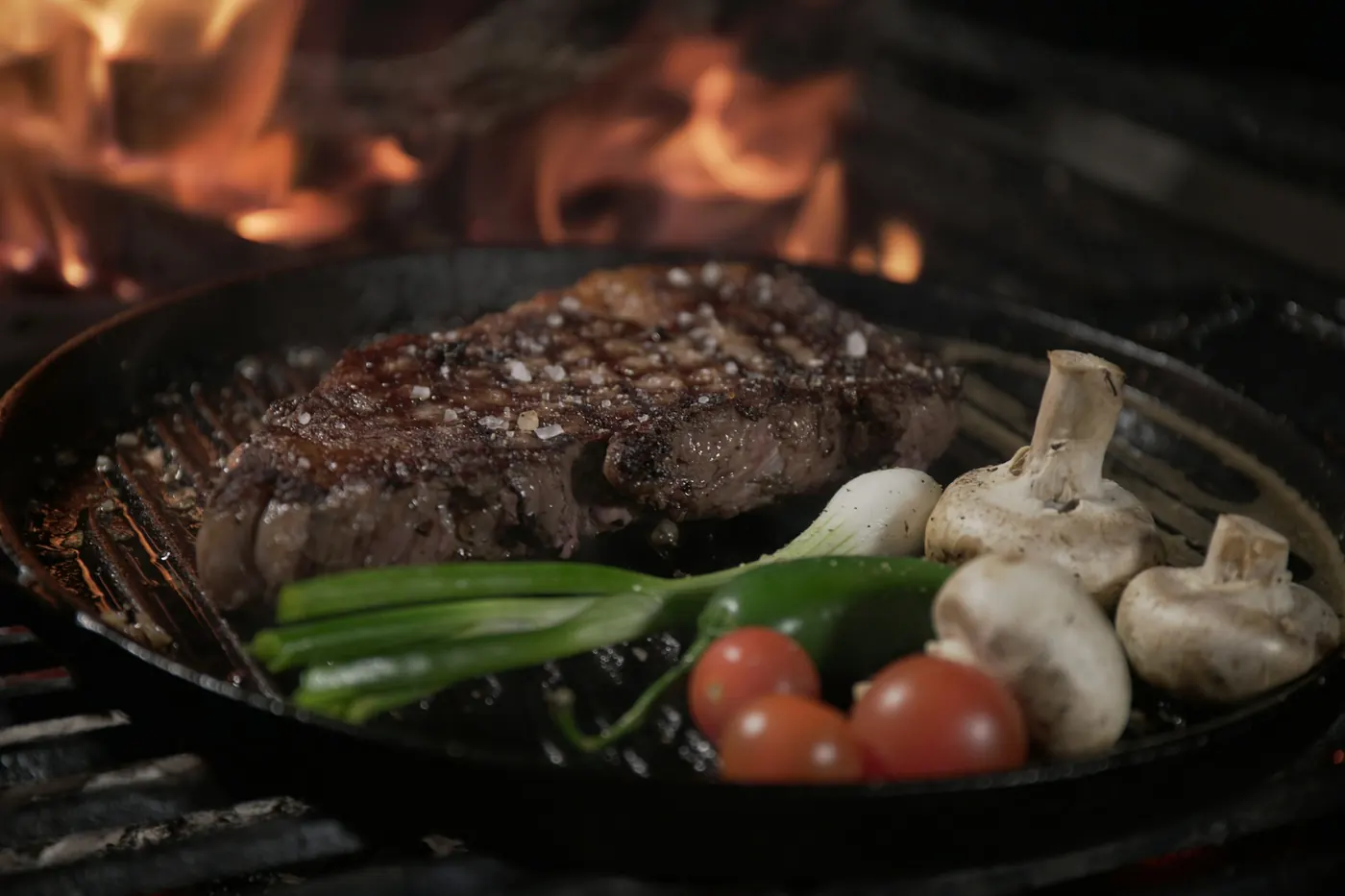
What comes sizzling is meat, onions and peppers. The tortillas arrive in their own basket. Rice and beans are on a side plate. Nothing needs to be picked apart — you just build or do not build, which is the whole premise of our guide to eating them.
The accompaniments that come with fajitas are also mostly not starch. Guacamole, pico de gallo, grilled onions and peppers, sour cream, cheese. That is a full plate before you touch the basket.
What to ask
Two questions cover nearly everything, and both are routine.
Can I swap the rice and beans for vegetables? Most kitchens that already sauté vegetables for other dishes will do this. Some charge for it. Ask when ordering, not after the plate lands.
Is anything breaded or floured? Chiles rellenos usually are. Some shrimp preparations are. This is the same question our gluten-free guide covers in more detail, and the answer serves both purposes.
One thing not to assume: that a sauce is starch-free. Some are thickened with masa or flour. If it matters, ask about the specific sauce rather than sauces in general.
The traps
Where a place brings chips to the table unprompted, that is the most common problem and the easiest to solve. Ask for them not to come, or move the basket out of reach.
Corn is the other one. Roasted corn appears in a lot of vegetable dishes, elote and esquites are corn outright, and masa is ground corn. A dish can be full of vegetables and still be built substantially on corn — our elote guide is a reminder of how central it is.
And drinks. Margaritas, sodas and aguas frescas all carry sugar. Our drinks guide covers the range, and the plainest answers are water, unsweetened iced tea, or a lime soda water.
On Julia’s menu
A few things on Julia’s menu stand out for this, and one of them is unusual.
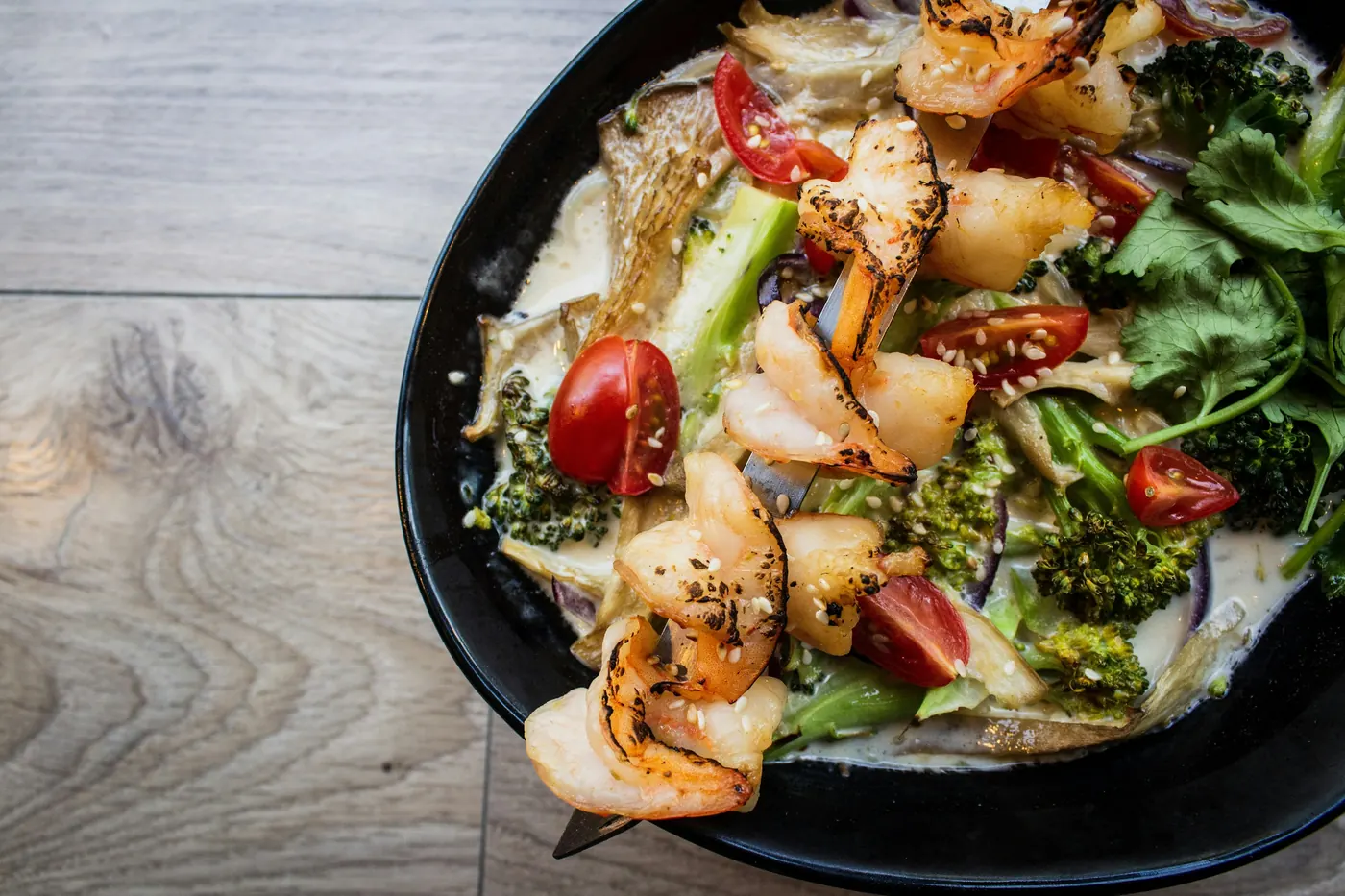
The Fiesta Plate is the notable one, because it is the only entrée whose description carries no rice, beans or tortillas at all. It is sautéed garlic, onions, zucchini, roasted corn, carrots and red bell peppers with avocado slices, and it comes with chicken or shrimp. Corn and carrots are still in there — but the grain and legume sides are not part of the dish.
The carnes section works the way the grill section usually does: choose a cut — sirloin, skirt steak or ribeye — then choose a cooking style. The al chipotle style comes with sautéed vegetables and white rice, which tells you the kitchen has sautéed vegetables on hand.
The grilled salad is romaine and iceberg with carrots, red cabbage, roasted corn, queso fresco and tortilla strips, with chicken, beef, shrimp or salmon. The tortilla strips are the one starch component, and they sit on top.
Salmon Tropical comes with white rice and sautéed spinach and mushrooms. Fajitas arrive with everything separate. And on the appetizer list, the ceviche is lemon-lime cured gulf shrimp with avocado, tomato, serrano, onion and cilantro, while the guacamole is avocado, diced tomato and onion.
Portion size is worth knowing too: much of the menu is offered in lunch and dinner sizes, which our portions guide explains.
Breakfast is different
The brunch end of a Mexican menu is more starch-dense than the dinner end, and it is worth being aware of before you sit down expecting otherwise.
Chilaquiles are fried tortillas. Tamales are masa. Pan dulce is bread. Most breakfast plates arrive with potatoes, beans, or both, and tortillas come with nearly everything.
The exceptions are the egg dishes taken plain. Huevos a la mexicana — eggs scrambled with tomato, onion and chile — is eggs and vegetables, and huevos rancheros is eggs and sauce on a tortilla you can leave. Our brunch guide covers the full range.
Frequently asked questions
What is low in carbohydrate at a Mexican restaurant?
Grilled meats and seafood, sautéed vegetables, salsa, guacamole, cheese and eggs. The starch is concentrated in tortillas, rice, beans, chips and masa.
Are fajitas a good option?
They are the easiest, because the meat, vegetables, tortillas and sides all arrive separately rather than assembled.
Can I swap rice and beans for vegetables?
Usually, at kitchens that already prepare sautéed vegetables. Ask when you order. Some places charge a small substitution fee.
Is guacamole a starch?
No — it is avocado, onion and tomato. The chips it arrives with are the starch, and you can ask for it without them.
What about the drinks?
Margaritas, sodas and aguas frescas all contain sugar. Water, unsweetened iced tea or soda water with lime are the plain alternatives.
The short version
Five things carry the starch: tortillas, rice, beans, chips and masa. Everything else on a Mexican menu — and it is most of it — is meat, seafood, vegetables and sauce.
On Julia’s menu, the Fiesta Plate, the carnes section, the grilled salad and the fajitas are where that plays out most clearly.