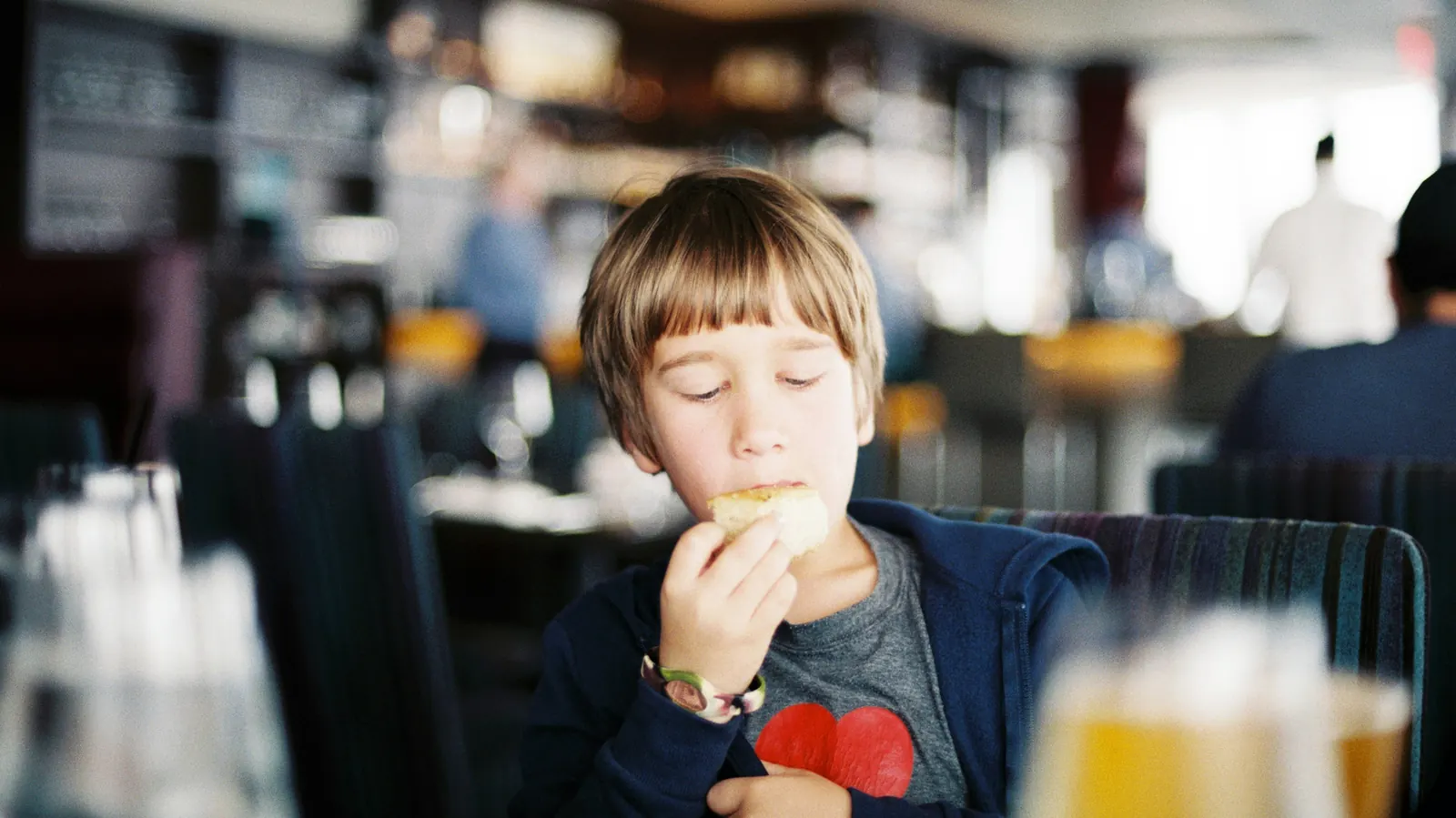
Parents often treat a Mexican restaurant as a gamble with children, on the assumption that everything will be too spicy or too unfamiliar. Both assumptions are usually wrong.
Most of the menu is mild, and almost all of it comes apart into pieces a child recognizes.
The short answer
Order a cheese quesadilla, plain rice and beans, or grilled chicken. Ask for salsa and pickled jalapeños on the side rather than on the plate. Fajitas are the best family order because everyone builds their own. The heat on a Mexican menu is almost always in the toppings and sauces, not in the base dishes.
Why this cuisine suits children
Three things work in your favor, and none of them are obvious from the door.
The base dishes are mild. Cheese, tortilla, rice, beans and grilled meat carry no heat at all. Where heat exists it usually arrives separately, in a bowl.
Everything deconstructs. A Mexican plate is components rather than a single composed dish, so a child who wants only the rice and the tortilla can have exactly that without the kitchen doing anything unusual.
It is finger food. A tortilla is a plate you can hold. That solves a large part of the cutlery problem before it starts.
The reliable orders
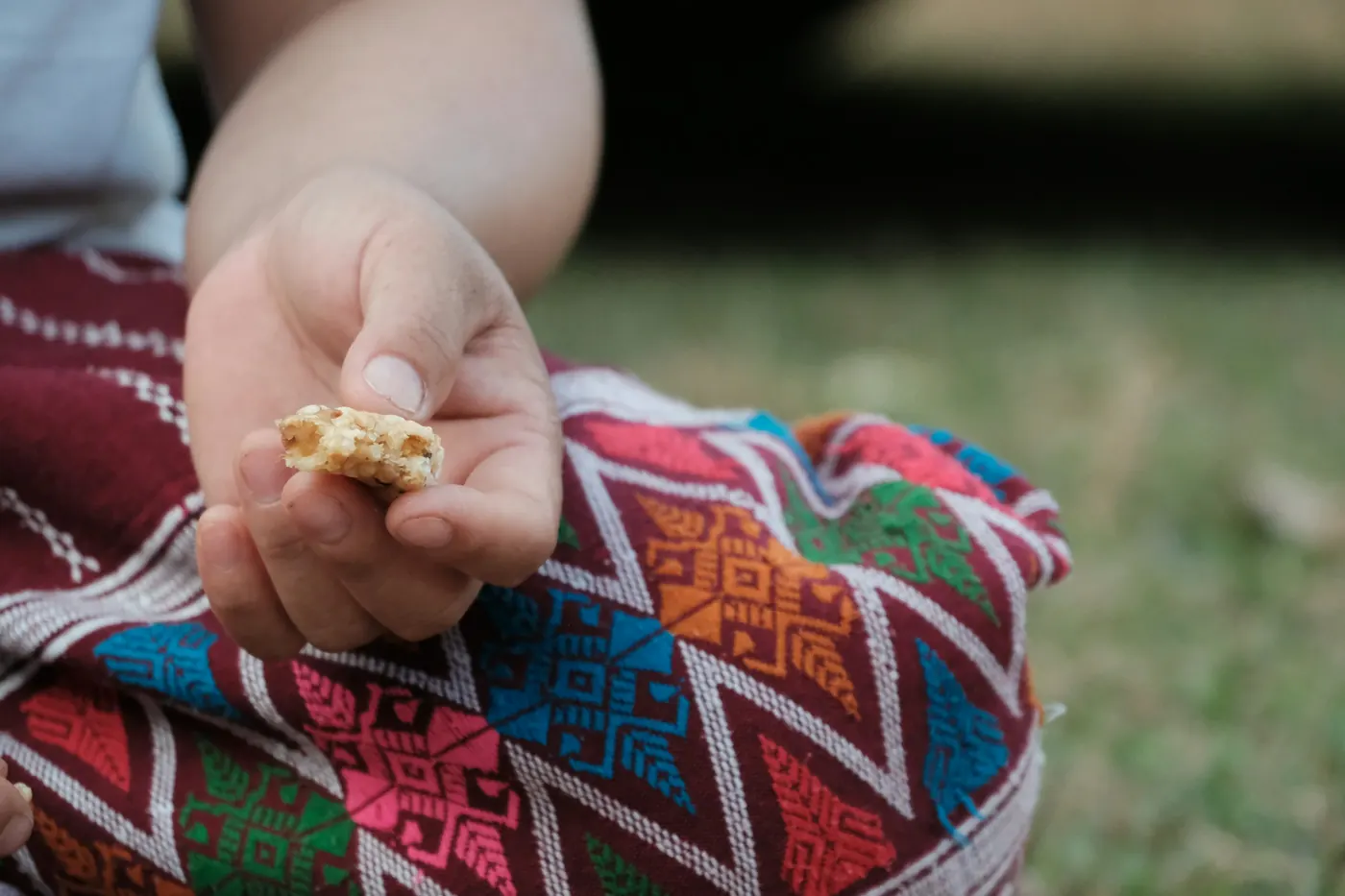
These work on almost any Mexican or Tex-Mex menu.
| Order | Why it works | Ask for |
|---|---|---|
| Cheese quesadilla | Cheese and tortilla, nothing else | Cut into strips |
| Plain rice and beans | Familiar, filling, no heat | Whole beans if refried are rejected |
| Grilled chicken | Seasoned rather than chile-spiced | Sauce on the side |
| Tamales | Masa and soft meat, mild by construction | The husk unwrapped for them |
| Chicken soup | Usually chicken, potato, carrot, corn | A small bowl to share |
| Guacamole and chips | Arrives fast, no waiting | Nothing |
Guacamole is the underrated one. It lands within minutes of ordering, which covers the hardest ten minutes of any restaurant meal with a small child.
The toppings, not the dishes
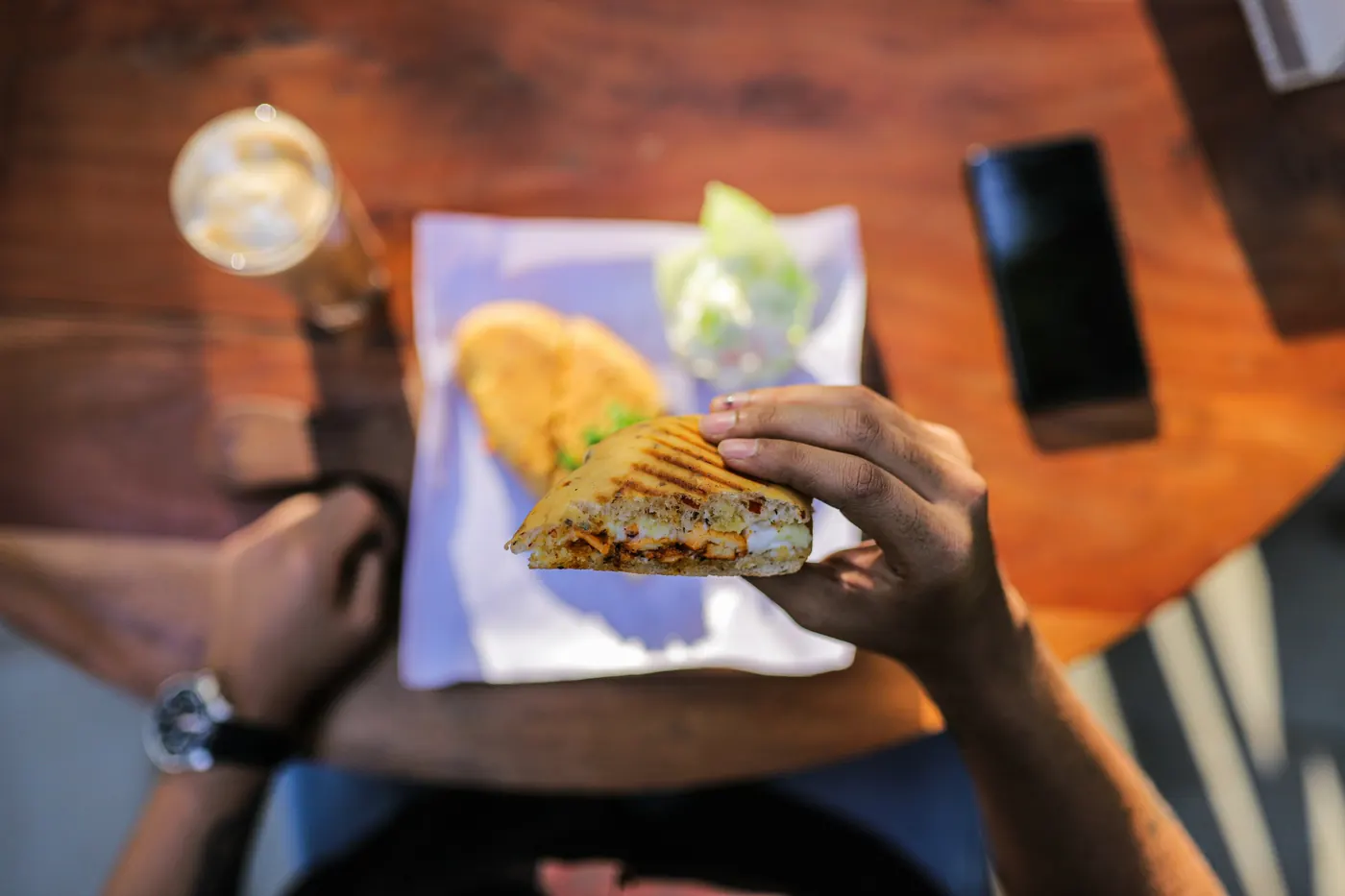
This is the single most useful thing to know: what catches children out is almost never the dish itself.
It is the pickled jalapeños scattered over the nachos, the salsa that arrives at the table by default, the chile-based sauce poured over an otherwise mild plate. Each of those can be moved to the side with one sentence when ordering.
“Can we have the salsa on the side?” is a normal request and changes nothing about the kitchen’s work. Our guide to mild Mexican dishes covers which chile names on a menu actually signal heat — habanero and serrano do, poblano and guajillo mostly do not.
Fajitas are the family order
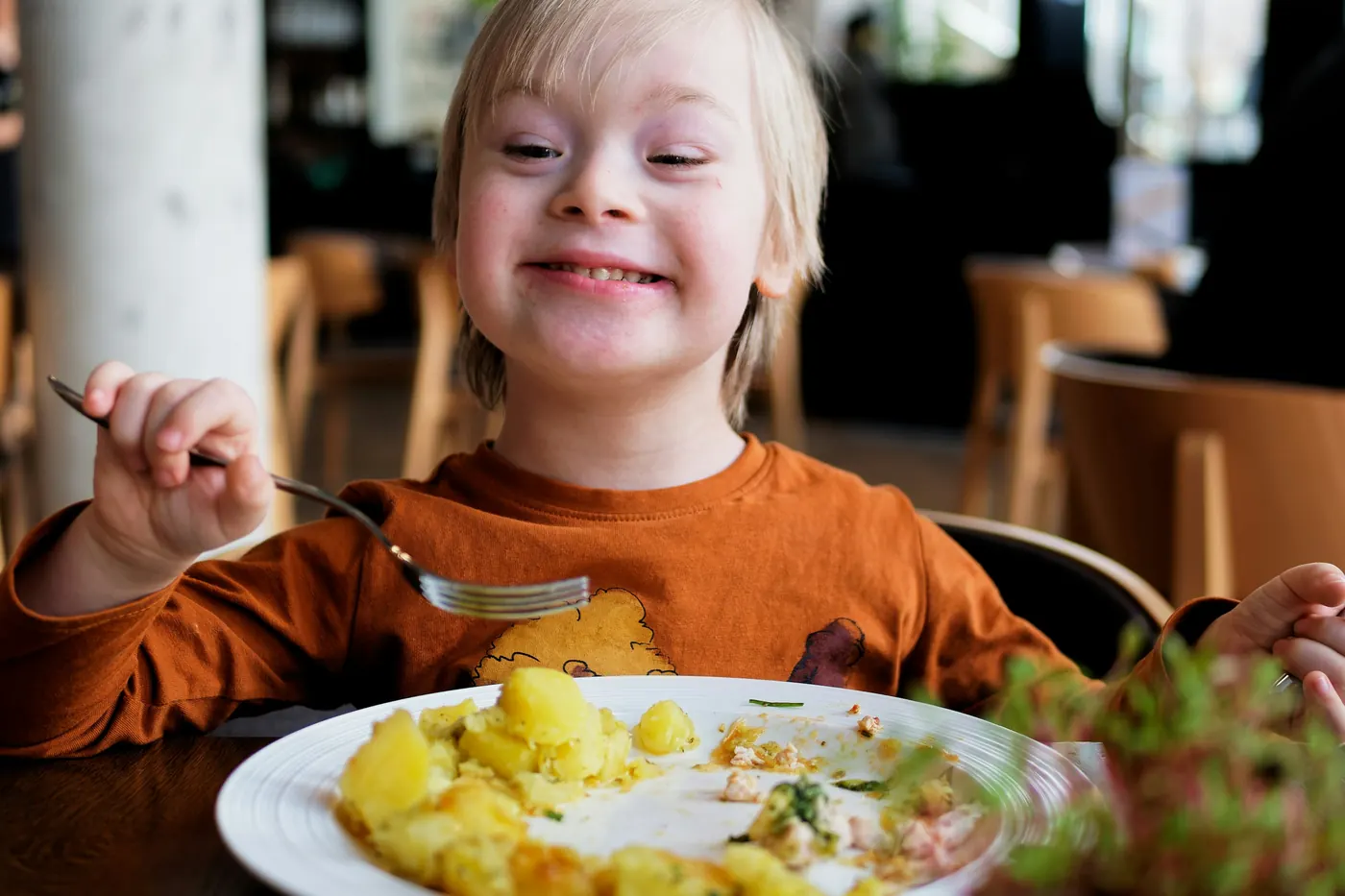
If one dish is going to make the meal work, it is fajitas, and the reason is structural rather than culinary.
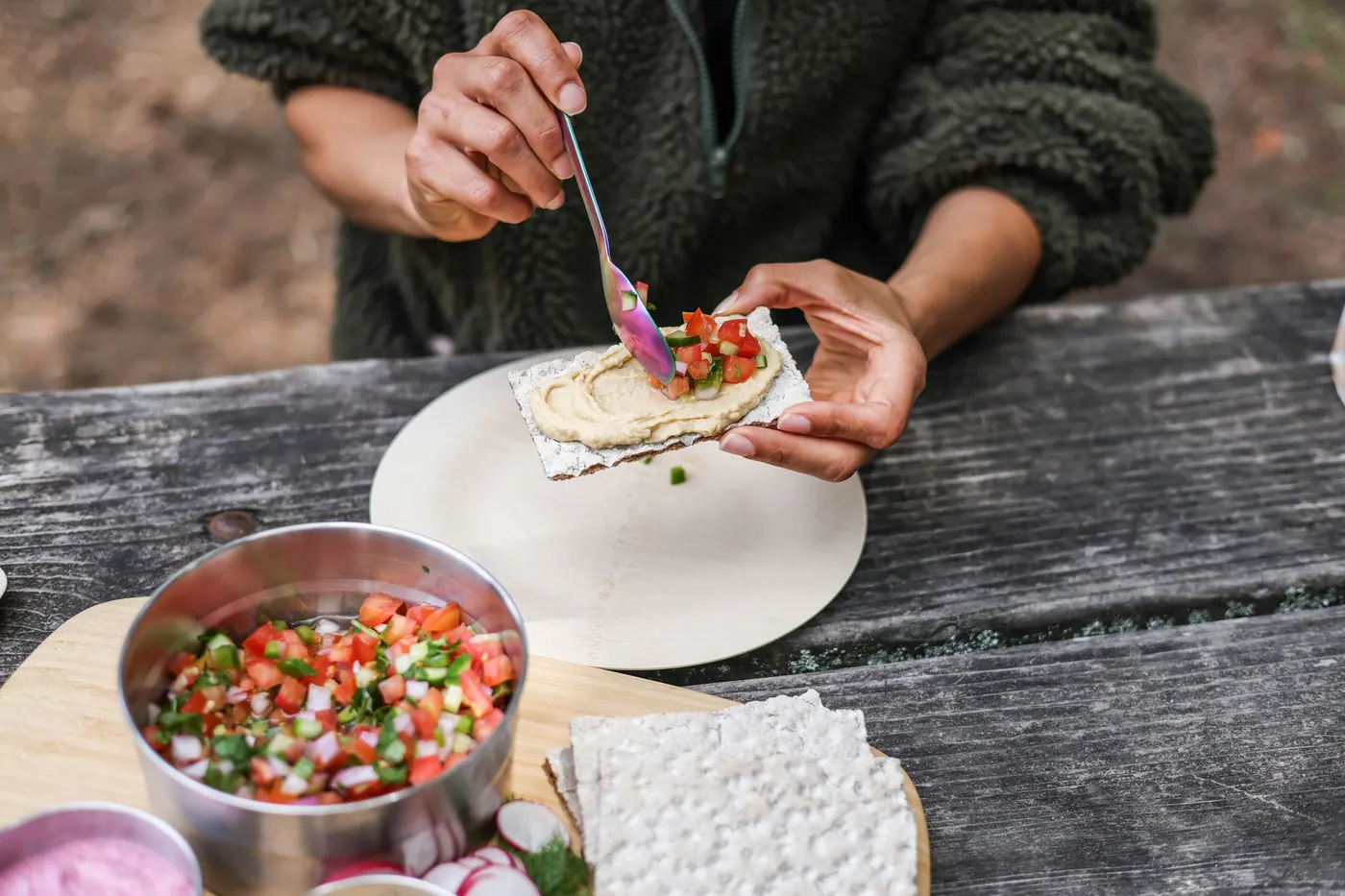
Everything arrives separately: meat and vegetables on one skillet, tortillas wrapped, toppings on a plate. Nothing is pre-assembled, so a child can take a tortilla with nothing but cheese on it, and an adult can build the same tortilla properly, from the same order.
It also lets a child do the assembling, which matters more than it sounds. Our guide to eating fajitas covers the build order — the same sequence works at any age, just with less filling.
On trying new things
A restaurant is a reasonable place for a child to meet an unfamiliar food, as long as nothing depends on it.
The American Academy of Pediatrics, in its guidance for parents of picky eaters, suggests offering new foods in small amounts alongside familiar ones and continuing to offer a rejected food on later occasions rather than pressing at the time. It also notes that young children respond well to foods that involve dipping and to things they can pick up.
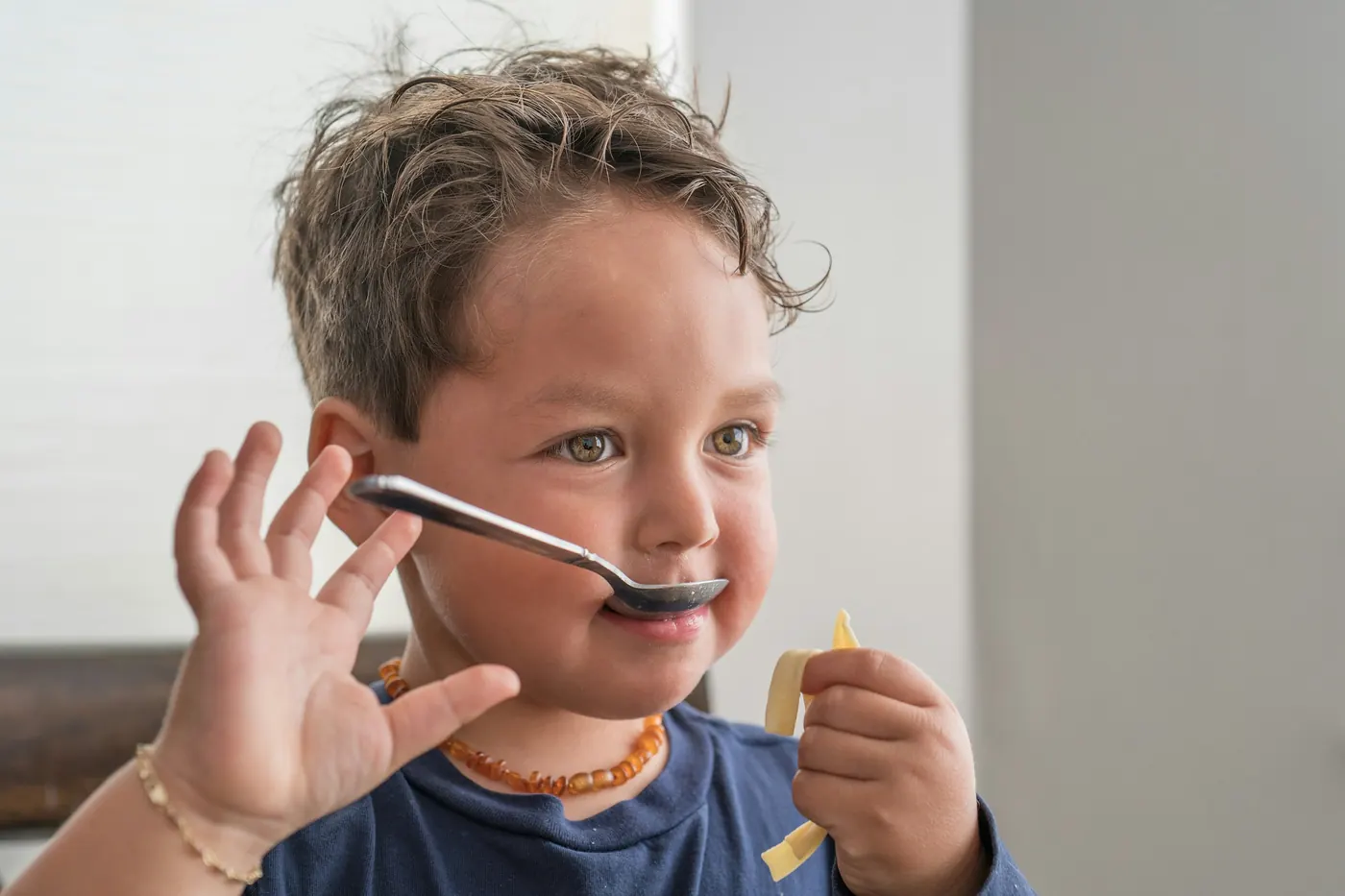
A Mexican table happens to be built for both. Guacamole is a dip. A tortilla is a handle. A small spoonful of something new on the side of a plate that already contains rice and cheese costs nothing if it is ignored.
The practical version: order what they will eat, add one new thing in a small quantity, and say nothing about it.
How Julia’s menu reads for this
Julia’s does not publish a separate children’s menu, so the orders below come from the regular one. That is workable, and in some ways better, because portions can be shared rather than fixed.
The quesadillas list cheese and spinach among the fillings alongside the meat options — a plain cheese quesadilla in a homemade flour tortilla is on the menu as written, served with guacamole and sour cream. The caldo de pollo is chicken, potato, carrot and corn, which is close to a chicken soup a child already knows.
The chile con queso is made with rajas — roasted poblano strips — rather than a hot chile, and the guacamole is avocado, tomato and onion. The tamales are mild by construction, and the fajitas come with everything separate.
Two things to steer around: the sopes come with a creamy jalapeño sauce, and anything described with a roasted tomato-habanero sauce is genuinely hot. Both say so in the description, which our menu glossary helps with.
On the sides, the beans that arrive depend on the dish — charro, refried or black. If a child has a preference, the difference between them is worth a quick look, and swapping is usually possible.

Practical notes
- Order the starter immediately. Chips, guacamole or a cheese dip buys you the whole wait.
- Ask for a plate to split. Adult portions are usually large enough that a separate order is unnecessary.
- Warn them about the fajita skillet. It arrives extremely hot and stays that way.
- Dessert is easy. Flan and tres leches are both mild and cold.
Frequently asked questions
Is Mexican food too spicy for kids?
Usually not. Most base dishes are mild, and the heat sits in salsas and specific named chiles. Ask for salsa on the side and the majority of the menu is straightforward.
What is the safest thing to order for a child?
A cheese quesadilla, with plain rice on the side. It is cheese and tortilla, and it comes apart into pieces easily.
What if the restaurant has no kids menu?
Order from the regular menu and share. A single adult portion of quesadillas or fajitas usually feeds an adult and a child, and sides can be ordered on their own.
How do I stop the plate arriving with jalapeños on it?
Say so when ordering. Pickled jalapeños and salsas are added as toppings rather than cooked in, so leaving them off or putting them on the side is straightforward.
Are refried beans mild?
Yes, in flavor. They are beans mashed and fried, with no chile heat. Whether they contain pork fat is a separate question worth asking.
The short version
Cheese quesadilla, plain rice, salsa on the side, and fajitas if the whole table is eating. The dishes are mild; the toppings are where the heat is, and toppings are easy to move.
Julia’s menu names the ingredients in every description, which makes it quick to scan for anything a child will refuse on sight.