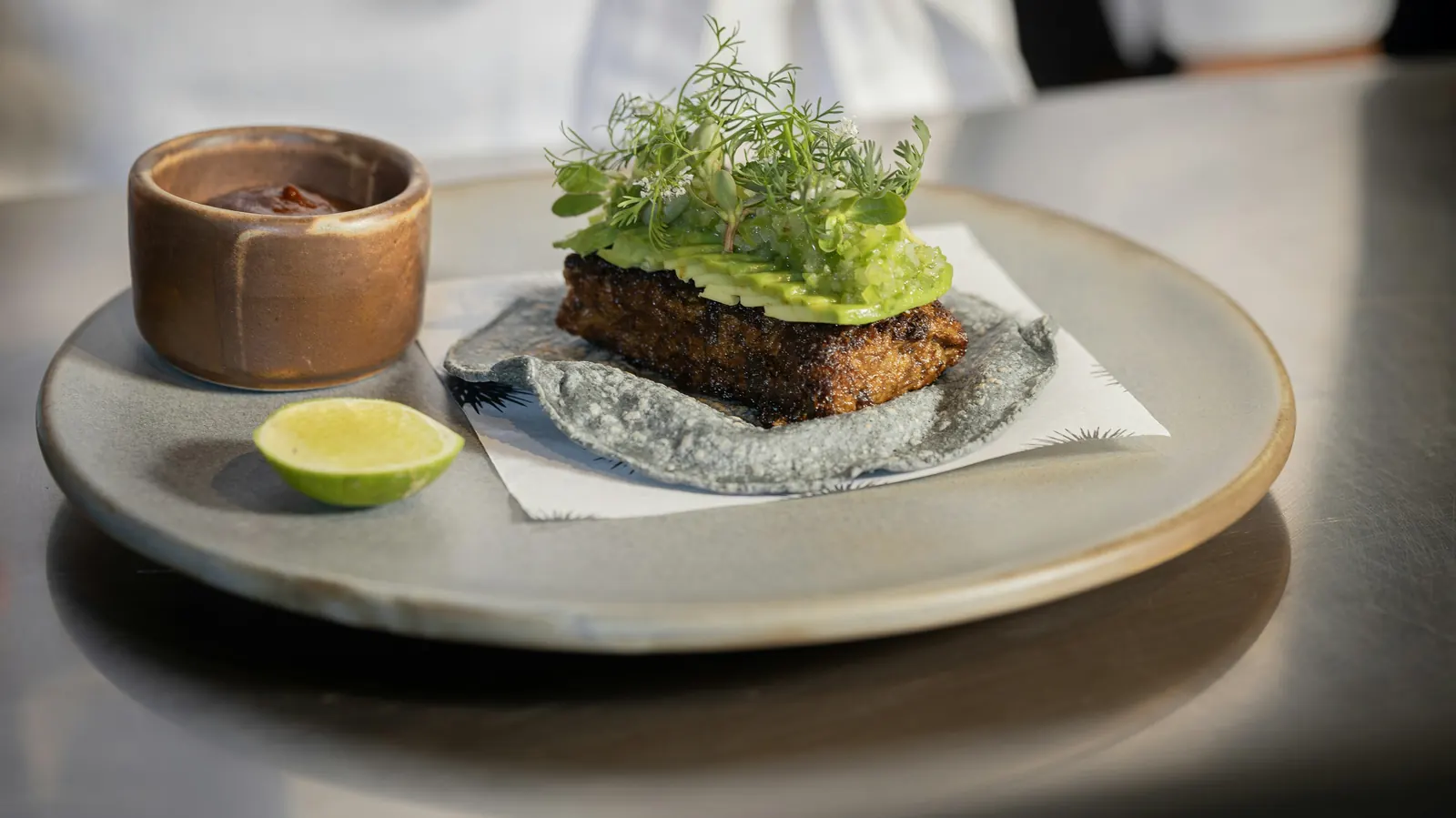
Mexican cooking is built on corn, and corn contains no gluten. On paper that makes a Mexican restaurant one of the easier places to eat if you avoid wheat.
In practice, the menu is the easy part. The kitchen is where the real question sits, and no menu can answer it.
Before anything else: this is general information about how Mexican dishes are usually made, not medical advice, and not a statement about any particular kitchen. Corn tortillas, rice, beans, grilled meat and most salsas are typically wheat-free. Flour tortillas, anything breaded, and flour-thickened sauces are not. If you have celiac disease, the deciding factor is cross-contact, which you can only resolve by speaking to the restaurant directly.
What usually contains wheat
The list is shorter than people expect, and it is fairly consistent across Mexican and Tex-Mex menus.
- Flour tortillas. Wheat, by definition. This covers burritos, most quesadillas and anything described as a wrap.
- Anything breaded or battered — fried fish, some chiles rellenos, taquitos in a wheat wrapper.
- Flour-thickened sauces. Tex-Mex chili gravy is the classic example; some cream sauces and cheese dips are thickened the same way.
- Some marinades and adobos, where soy sauce or beer has been used.
- Beer, and anything cooked in it.
- Sopaipillas, churros and most desserts.

What usually does not
Most of the rest of the menu, which is why the cuisine has the reputation it does.
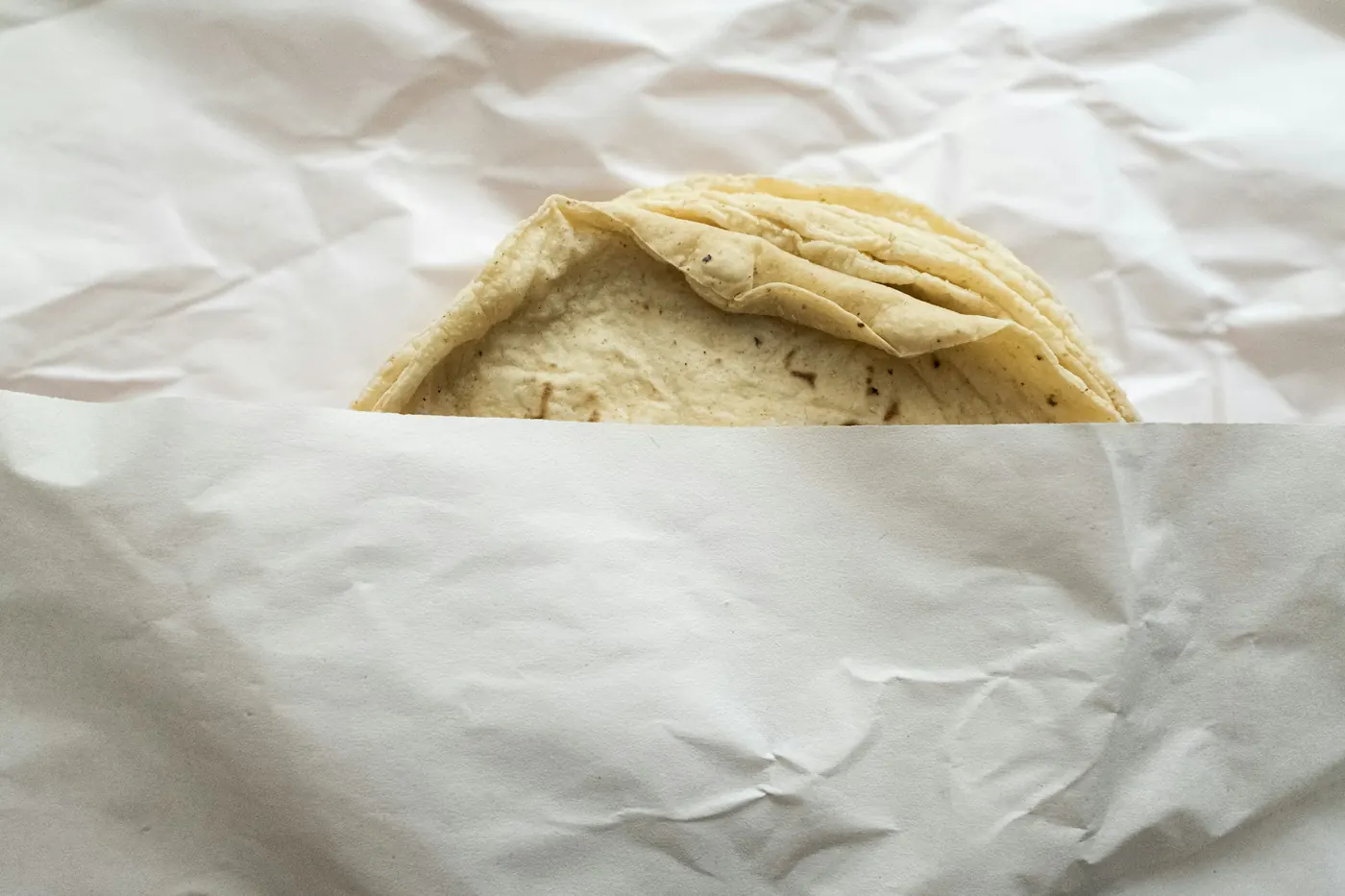
Corn tortillas are masa, water and lime — nothing else. Rice, whole beans, grilled and roasted meats, most salsas, guacamole, cheese and crema are all typically wheat-free. So are the dried-chile sauces that carry mole, birria and red enchilada sauce, which are thickened with chiles, nuts and seeds rather than flour.
Our guide to corn and flour tortillas covers how differently the two behave, which matters here for more than one reason.
The part a menu cannot tell you
This is the section that matters most, and it is why “the ingredients look fine” is not the end of the question.
The Celiac Disease Foundation’s guidance on dining out is built around cross-contact — gluten transferring to a naturally wheat-free food through shared equipment, surfaces or utensils. It recommends looking at the menu ahead of time, calling during quiet hours, telling staff you have celiac disease and asking whether they understand what that means, and escalating to a manager or chef if they do not.
In a Mexican kitchen specifically, there are three places this comes up:
- The fryer. Tortilla chips are corn, but if they share a fryer with anything breaded, the oil carries gluten.
- The tortilla press and comal. A kitchen making both corn and flour tortillas may use the same surfaces for both.
- The grill and prep area. Shared boards, tongs and grill space move gluten between dishes.
None of that is visible from the dining room, and none of it appears in a dish description. It is a conversation with the kitchen, not a reading exercise.
How to ask
Two questions cover most of it, and they work better in this order.
First: “I have celiac disease — is there someone who can tell me how you handle that?” The answer tells you a great deal immediately. A kitchen that has a process will say so. A server who is unsure but goes to check is a good sign. A quick, confident “everything’s fine” without checking is not.
Second, if the answer is encouraging: ask specifically about the fryer, the tortillas and the grill. Those are the three that matter, and they are concrete enough to get a real answer.
Calling ahead outside of a rush, as the Celiac Disease Foundation suggests, gets a far more careful answer than asking a server during a Friday dinner service.
Orders that are usually simplest
Not “safe” — that depends on the kitchen — but structurally simplest, with the fewest places for wheat to hide.
| Order | Why it is simpler | Still ask about |
|---|---|---|
| Grilled meat or fish, plainly cooked | No batter, no flour, no sauce | The marinade, and the grill surface |
| Corn tortillas | Masa, water and lime only | Whether corn and flour share a press |
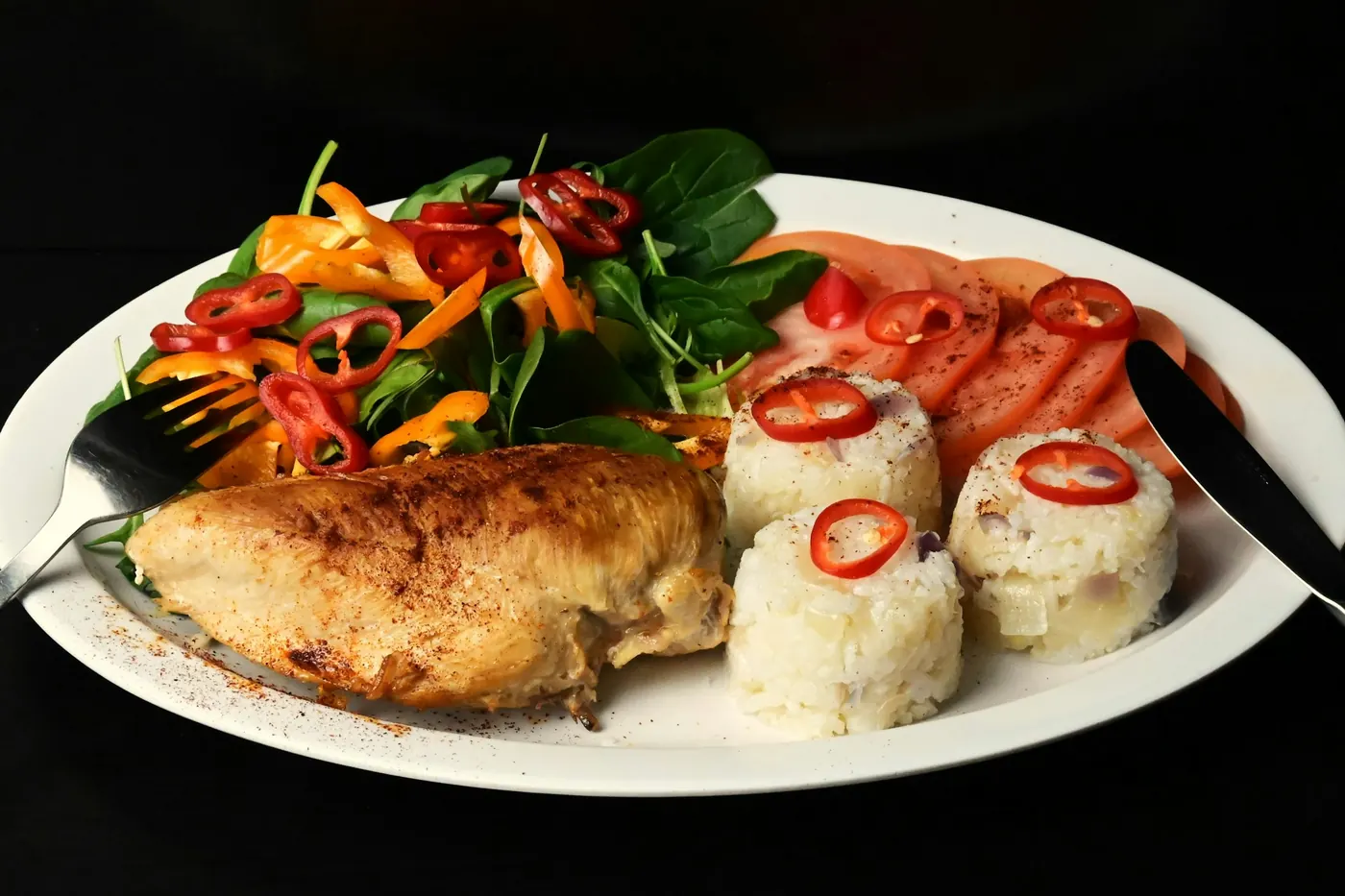
| Rice and whole beans | Rarely involve wheat | Nothing usually, but confirm |
| Guacamole and fresh salsa | Raw vegetables and lime | The chips served with them |
| Fillings without the wrap | Removes the tortilla question | The sauce it comes under |
Ordering a dish “without the tortilla” is a normal request and removes the single most common source of wheat in one move.
Things that catch people out
Three surprises come up repeatedly.
Chips are not automatically fine. They are corn, but the fryer is shared in many kitchens.
Corn tortillas are not always pure corn. Some commercial brands blend in wheat flour for flexibility. A kitchen that presses its own is a different situation from one buying them in, and it is worth asking which.
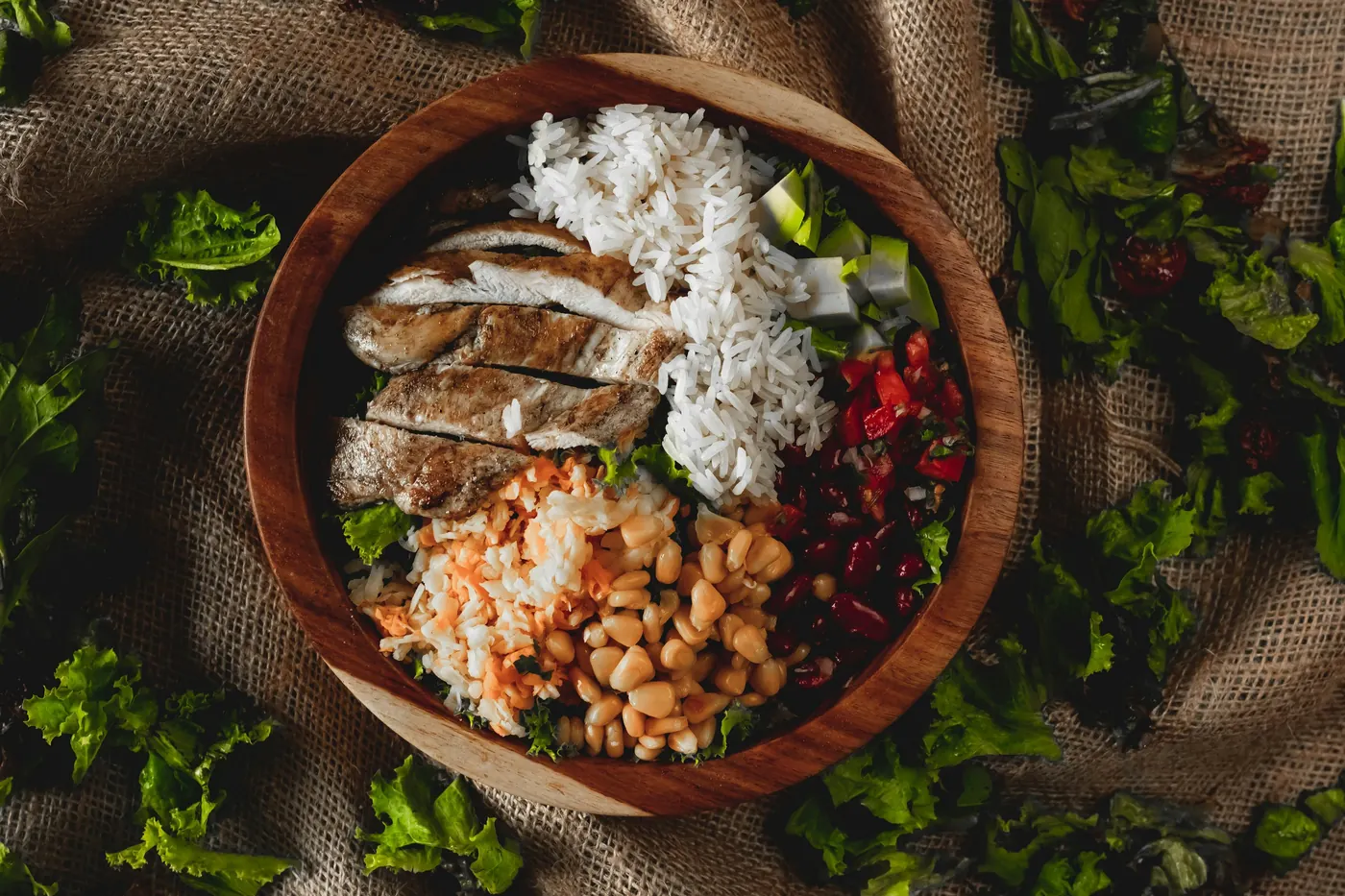
Beans and rice may be more complicated than they look. Not usually for wheat, but the same “ask about the sides” habit applies here as it does for vegetarian ordering and for ordering around the starch, and the bean question is covered in our guide to charro, refried and black beans.
Reading Julia’s menu
Julia’s does not publish a gluten-free menu, and nothing here should be read as a claim about what its kitchen can accommodate. What the menu does do is name ingredients, which is a useful starting point rather than an answer.
Several dishes offer a choice of corn or flour tortillas — the fajitas, the brisket birria style, the carne guisada. That choice is exactly the one this article is about, and it is made at the point of ordering.
The descriptions also say plainly when something is breaded: the chile relleno is described as lightly breaded, which answers that question before you ask it. Grilled items say charbroiled or grilled.
Everything beyond the ingredient list — fryers, presses, grill surfaces — is a question for the restaurant, and worth asking before you arrive.
Frequently asked questions
Are corn tortillas gluten free?
Traditional corn tortillas are made from masa, water and lime, with no wheat. Some commercial versions blend in wheat flour, so it is worth asking whether the kitchen presses its own.
Are tortilla chips gluten free?
The chips themselves are corn, but if they are fried in oil shared with breaded items, they carry gluten. Ask whether the fryer is dedicated.
Is Mexican rice gluten free?
Usually, since it is rice, tomato and stock. The more common concern with Mexican rice is chicken broth rather than wheat.
Is mole gluten free?
Traditional mole is thickened with chiles, nuts and seeds rather than flour. Some versions include bread or crackers as a thickener, so it is a dish worth asking about specifically.
Can I eat safely at a Mexican restaurant with celiac disease?
That depends entirely on the individual kitchen and how it handles cross-contact, not on the cuisine. Call ahead, explain, and ask about the fryer, the tortillas and the grill.
The short version
Corn tortillas, rice, beans, grilled meat and fresh salsa are the straightforward part. Flour tortillas, breading and flour-thickened sauces are not. Everything that actually decides the question happens in the kitchen, so ask there.
Julia’s menu names ingredients dish by dish, which makes it easy to see what is in something — and if the Spanish terms are slowing you down, our menu glossary works through them.