“Is this real Mexican food?” is a question that has been used as an insult for about fifty years, and it deserves a better answer than the one it usually gets.
Tex-Mex is not watered-down Mexican food. It is a regional cuisine with its own history, and the differences between the two are specific enough to spot on any menu.
The short answer
Mexican food is the cooking of Mexico’s regions, built on corn, chiles, beans and slow-cooked meat. Tex-Mex is a Texan cuisine that grew out of Mexican cooking in the 19th century, using ingredients that were available north of the border: yellow cheese, cumin, beef, wheat flour and canned tomatoes. Fajitas, nachos and chile con queso are Tex-Mex. Mole, cochinita pibil and pozole are Mexican.
Where the split came from
Both cuisines share an origin, and then diverge because of what each side of the border had in the pantry.
Rice University, writing about the distinction between the two, places Mexican cuisine’s origins with the Aztec, Maya and other indigenous civilizations, and dates Tex-Mex to the 19th century, when Mexican settlers and Anglo-American Texans began blending their culinary traditions.
That is the whole story in one sentence. Tejano families kept cooking the food they knew, in a place with cattle ranches instead of milpas, wheat instead of nixtamalized corn, and cheddar instead of queso fresco. What came out the other side was a distinct cuisine, not a bad copy of an older one.
The five tells
You can usually place a dish in one camp or the other with a quick look at five things.
1. The color of the cheese
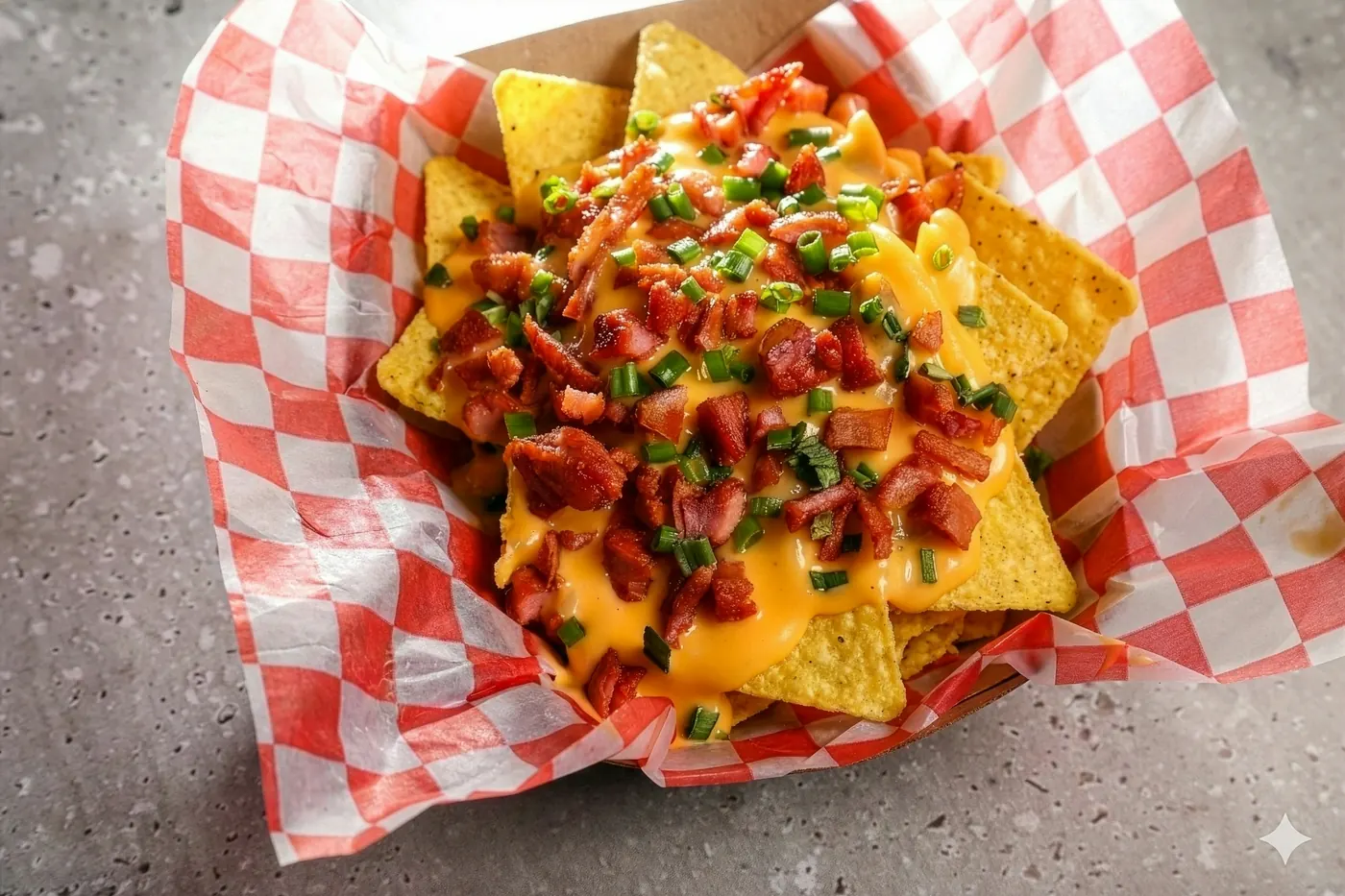
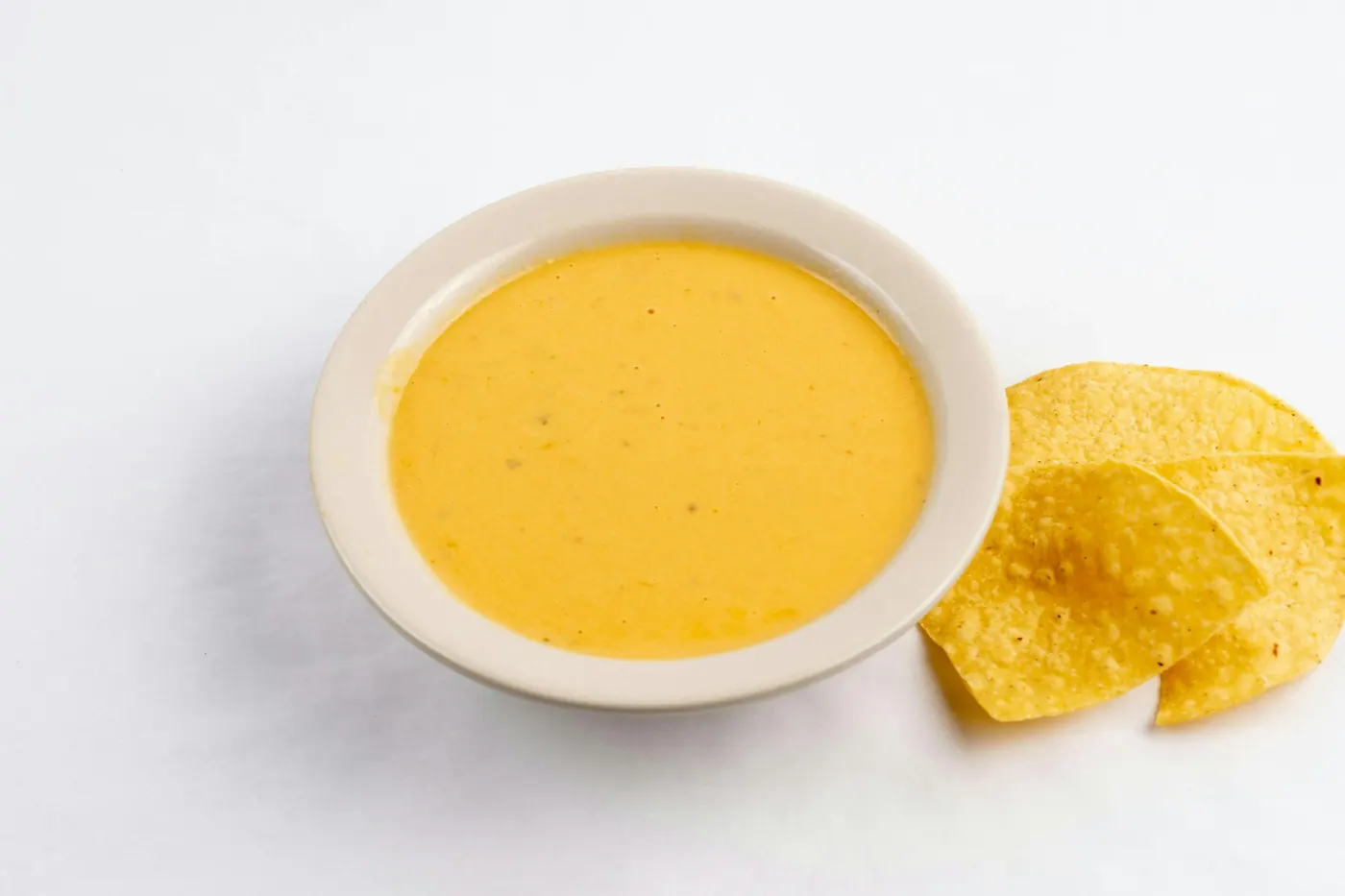
This is the fastest test. Yellow cheese — cheddar, or a cheddar blend — is Tex-Mex. Mexican cooking uses white cheeses: queso fresco, Oaxaca, cotija, panela. Rice University’s piece singles out melted cheese as one of the ingredients Tex-Mex uses heavily and traditional Mexican cooking does not.
2. Cumin
Cumin is the defining background flavor of Tex-Mex chili powder blends — not, incidentally, a Spanish marker either — and it is used only lightly in most Mexican regional cooking, where dried chiles, oregano, epazote and cacao carry more of the load. If a dish tastes warm and slightly earthy in a way you recognize from chili, that is cumin, and that is Texas.
3. Beef by default
Texas is cattle country, and it shows. Tex-Mex leans on beef where Mexican regional cooking is at least as likely to reach for pork, chicken or fish.
4. Flour tortillas
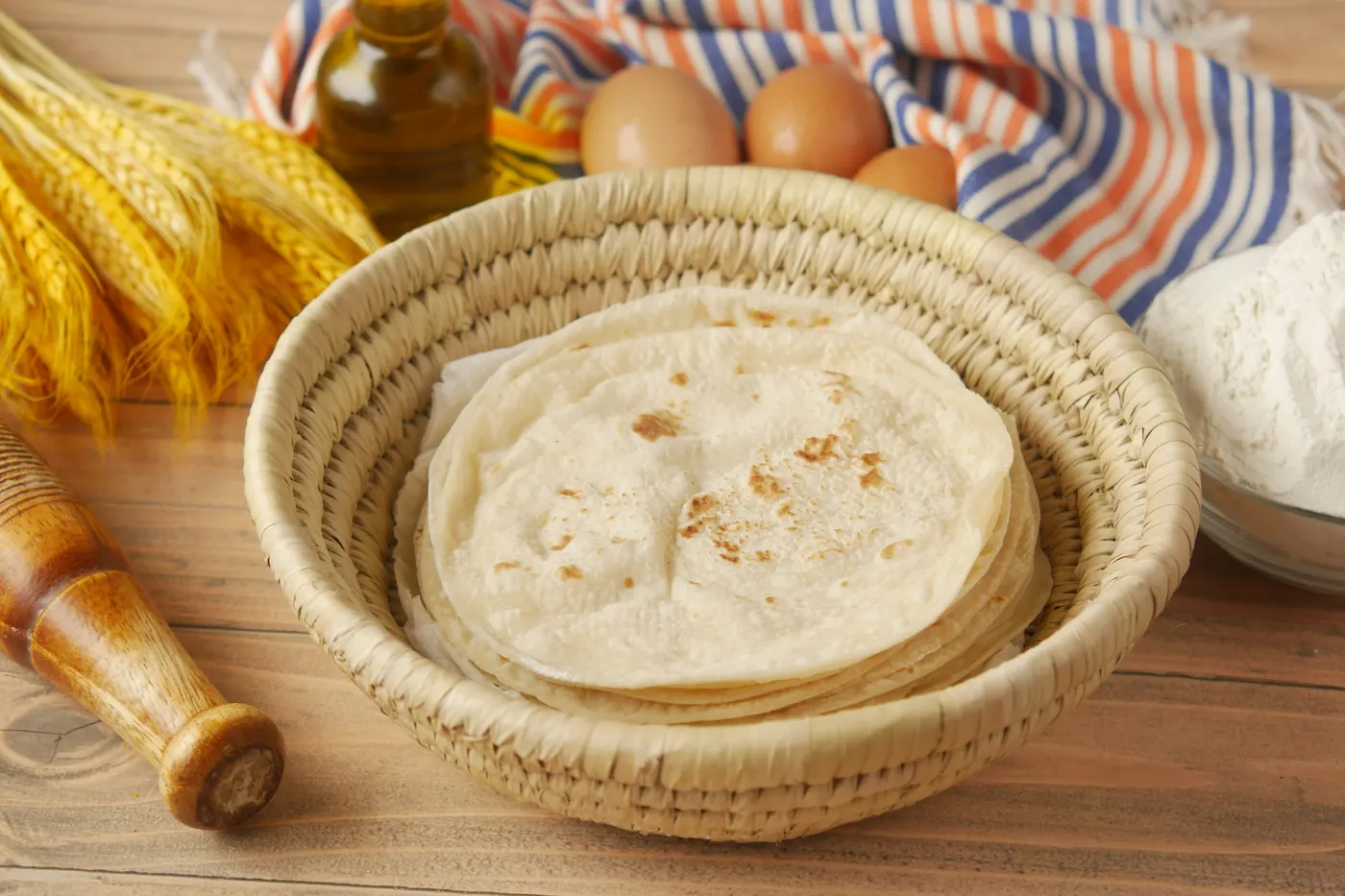
Wheat grows in northern Mexico and Texas, not in the corn heartland further south. Flour tortillas are common in Tex-Mex and in northern Mexican states, and rare almost everywhere else in Mexico. Our guide to corn and flour tortillas goes into why the two behave so differently on a plate.
5. The combo plate
The rice-and-beans-and-two-enchiladas format, with everything arriving on one oval platter, is a Tex-Mex restaurant convention. In Mexico, a plate is more often one dish with tortillas alongside.
Which dishes belong where
| Tex-Mex | Mexican |
|---|---|
| Fajitas | Cochinita pibil |
| Chile con queso | Queso fundido |
| Nachos | Chilaquiles |
| Hard-shell tacos | Soft corn street tacos |
| Chili con carne | Mole poblano |
| Burritos | Tamales |
| Cheese enchiladas in chili gravy | Enchiladas in salsa verde |
The pairs are not equivalents. Chile con queso and queso fundido are a good example: one is a smooth pourable dip built for chips, the other is melted cheese served hot in the pan. Our comparison of the two covers the difference in detail.
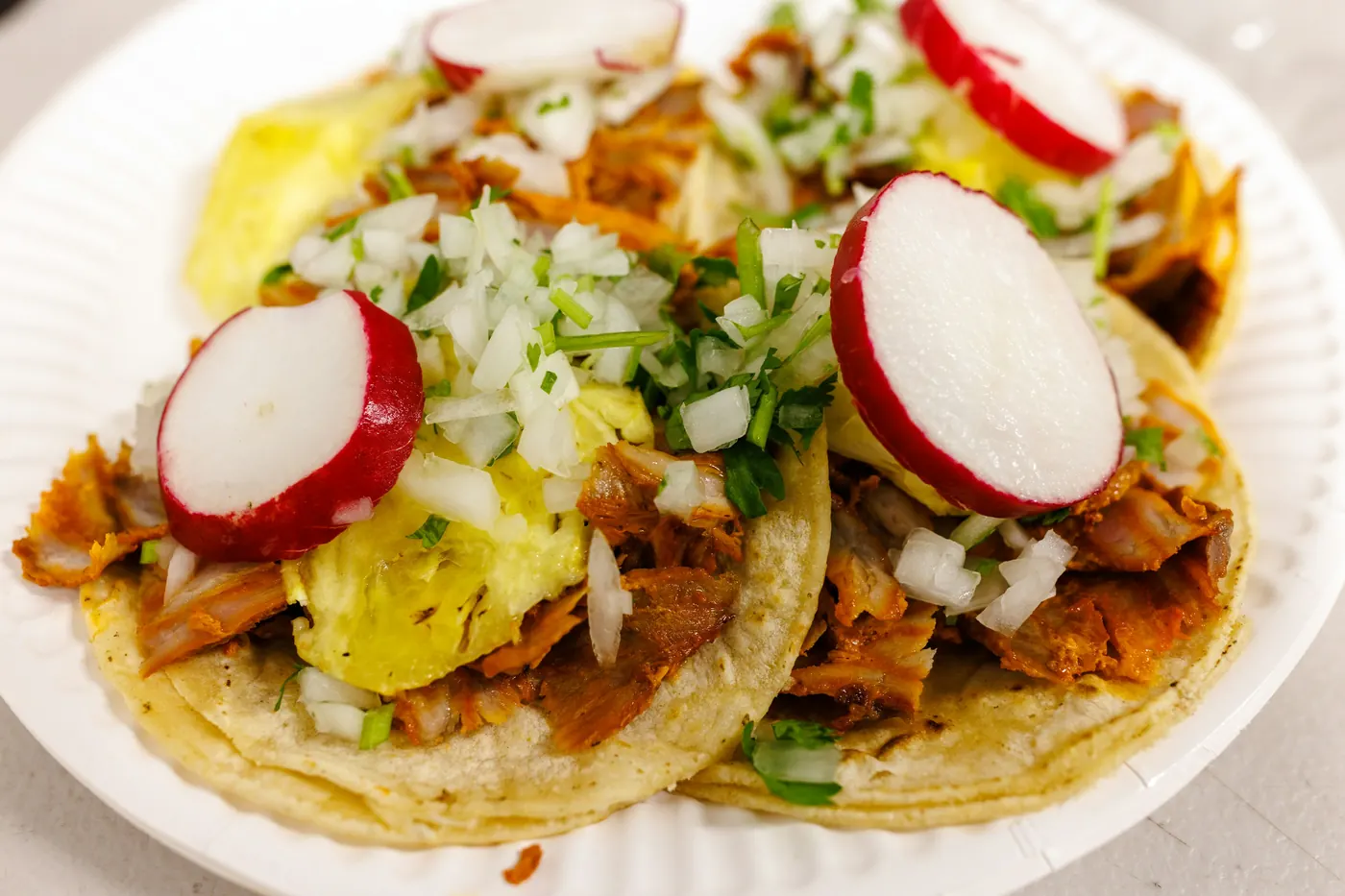
Tex-Mex is a real cuisine
The word was originally an abbreviation for the Texas Mexican Railway, and it did not become a food term until the 20th century. For a long stretch it was used dismissively.
That has largely turned around, and it should have. Fajitas, nachos and chile con queso were invented by specific people in specific places, they have documented histories, and they are eaten across the world. A cuisine that produces dishes with that reach is not an imitation of anything.
The useful framing is regional. Oaxacan food and Yucatecan food are both Mexican and taste nothing alike. Tex-Mex is a border regional cuisine that happens to sit on the northern side of a national line.
What a Houston menu actually looks like
In practice, almost no restaurant in Texas serves one and not the other, and the interesting ones do not pretend to.
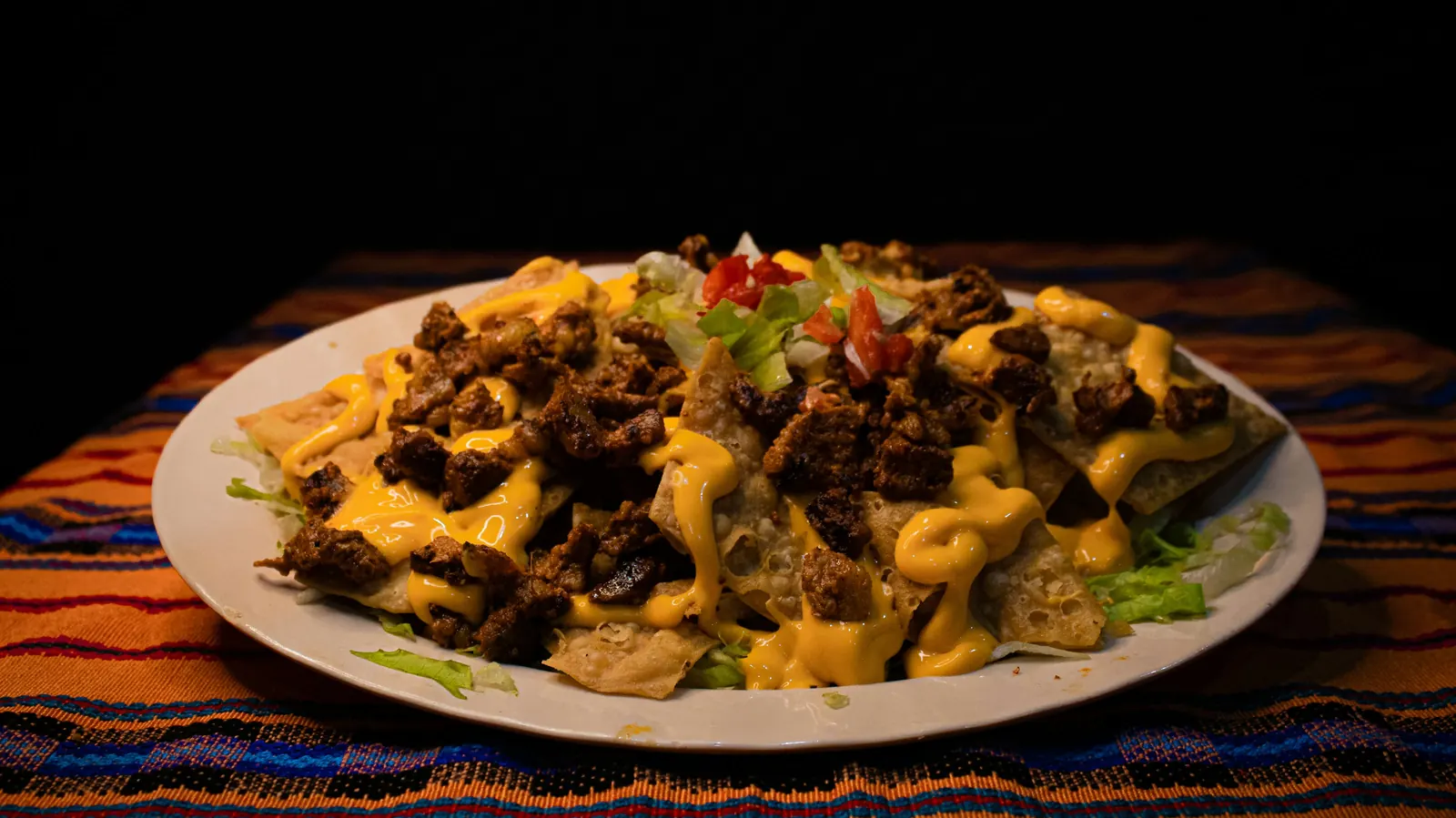
Julia’s menu is a clean example of the overlap. The Nachos Tejanos are exactly what the name says — ground beef, refried beans and melted cheddar — which is Tex-Mex down to the color of the cheese. The fajitas are charbroiled and served with charro beans and a choice of tortilla, which is the Tex-Mex format at its most standard.
Then the same menu carries cochinita pibil from the Yucatán, pollo en mole, pozole, menudo, barbacoa, and tamales made tierra caliente style, from Mexico’s hot lowlands. The aporreadillo on the brunch menu is a regional dish that rarely appears in Texas at all.
The cheeses tell the same story. Nachos Tejanos use cheddar; the quesadillas, the enchiladas and the queso fundido use Oaxaca cheese, and the taquitos come with queso fresco. Both traditions, on one page, labeled honestly.
So which should you order?
Whichever you actually want. But it helps to know what each is good at.
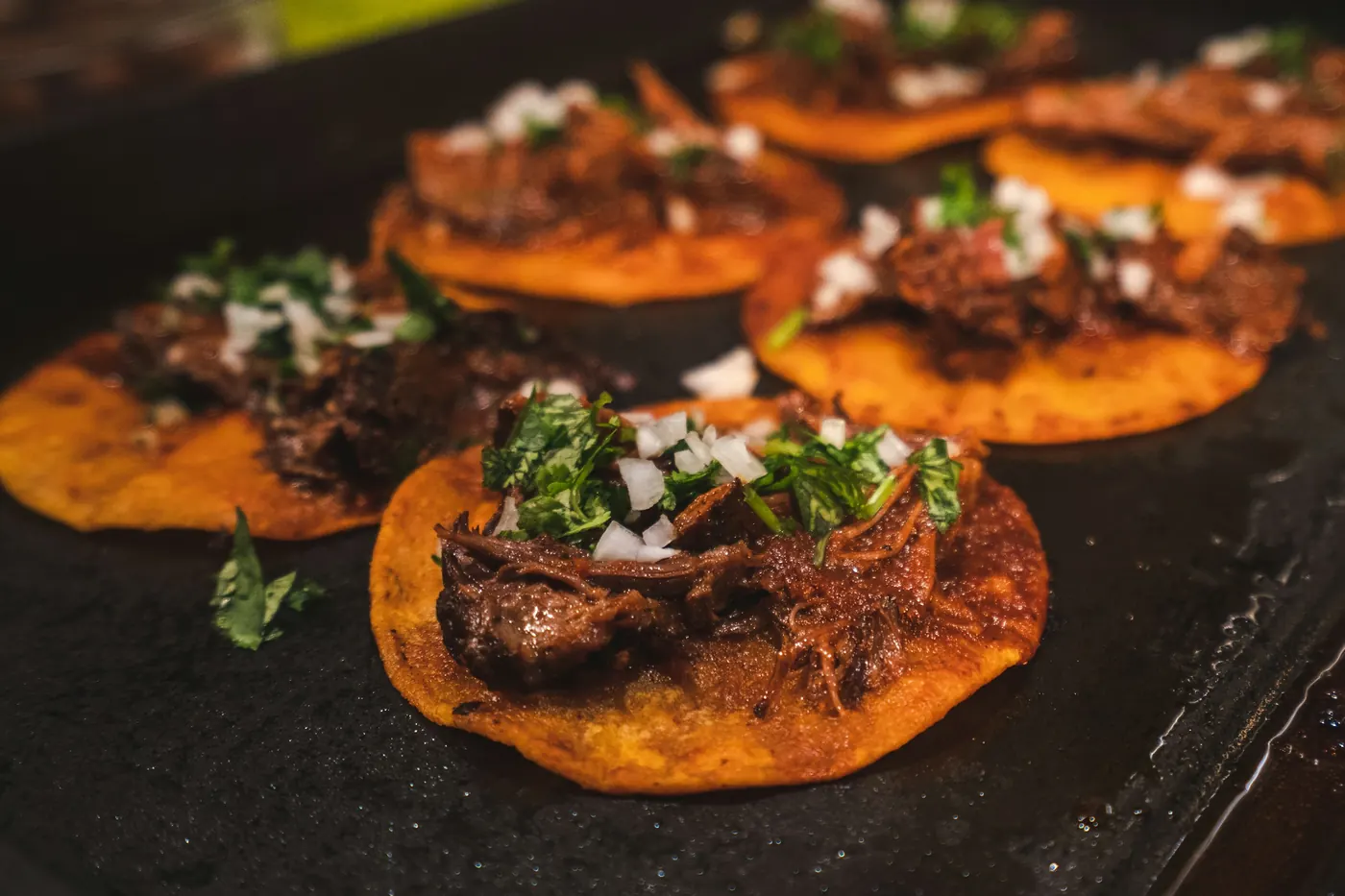
Order Tex-Mex when you want something rich, generous and familiar — melted cheese, grilled beef, a full plate with sides. Order the regional Mexican dishes when you want depth: a mole that took a day to build, a braise that has been going since morning, a broth like the one under birria.
A few other common assumptions are worth dropping too. The one thing worth avoiding is ordering by reputation. “Authentic” is not a flavor, and a well-made plate of cheese enchiladas beats a badly made mole every time.
Frequently asked questions
Is Tex-Mex real Mexican food?
It is a real cuisine with Mexican roots, developed by Tejano communities in Texas. It is not the same as the regional cooking of Mexico, and it does not claim to be. Both are legitimate; they are different traditions.
What is the easiest way to tell them apart?
Look at the cheese. Yellow cheddar means Tex-Mex. White cheeses — queso fresco, Oaxaca, cotija — mean the dish is closer to Mexican tradition.
Are fajitas Mexican or Tex-Mex?
Tex-Mex. They come out of South Texas ranch cooking, where skirt steak was part of the pay for vaqueros. The sizzling platter presentation is a Texas restaurant invention.
Is Tex-Mex spicier than Mexican food?
Usually less so. Tex-Mex tends toward cumin-forward warmth rather than chile heat, and much of the menu is mild. Our guide to mild dishes covers where the heat actually sits.
Which came first?
Mexican cooking, by centuries. Tex-Mex emerged in the 19th century as Mexican and Anglo-Texan cooking mixed along the border.
The short version
Yellow cheese, cumin, beef and flour tortillas mean Tex-Mex. Corn, dried chiles, white cheese and long braises mean Mexican. Most Texas restaurants serve both, and the good ones tell you which is which.
You can see the split on Julia’s full food menu. If you want the ordering side first, our guide to reading a Mexican menu works through it section by section.