If one chile does the most work on a Mexican menu, it is the poblano. It fills chiles rellenos, it becomes the strips in a cheese dip, it turns into a cream sauce, and when it dries it changes its name and becomes the backbone of mole.
It is also, reassuringly, one of the mildest chiles you will meet.
The short answer
A poblano is a large, dark green, heart-shaped chile from Puebla. It sits at 1,000 to 1,500 Scoville units — hotter than a bell pepper, milder than a jalapeño. It is almost always roasted and peeled before use. Dried, the same pepper becomes an ancho, which is the chile behind mole and most red sauces.
What it is
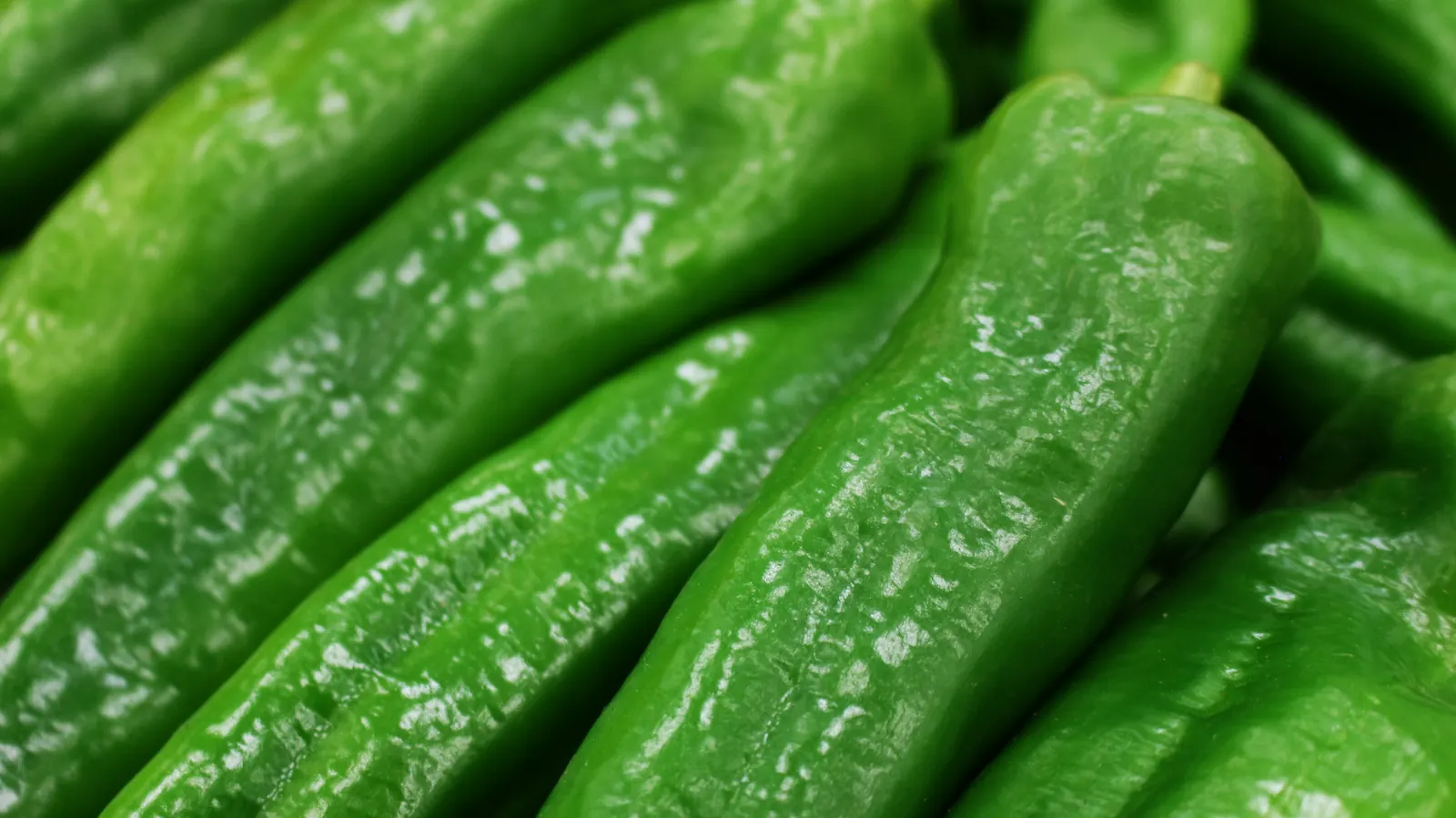
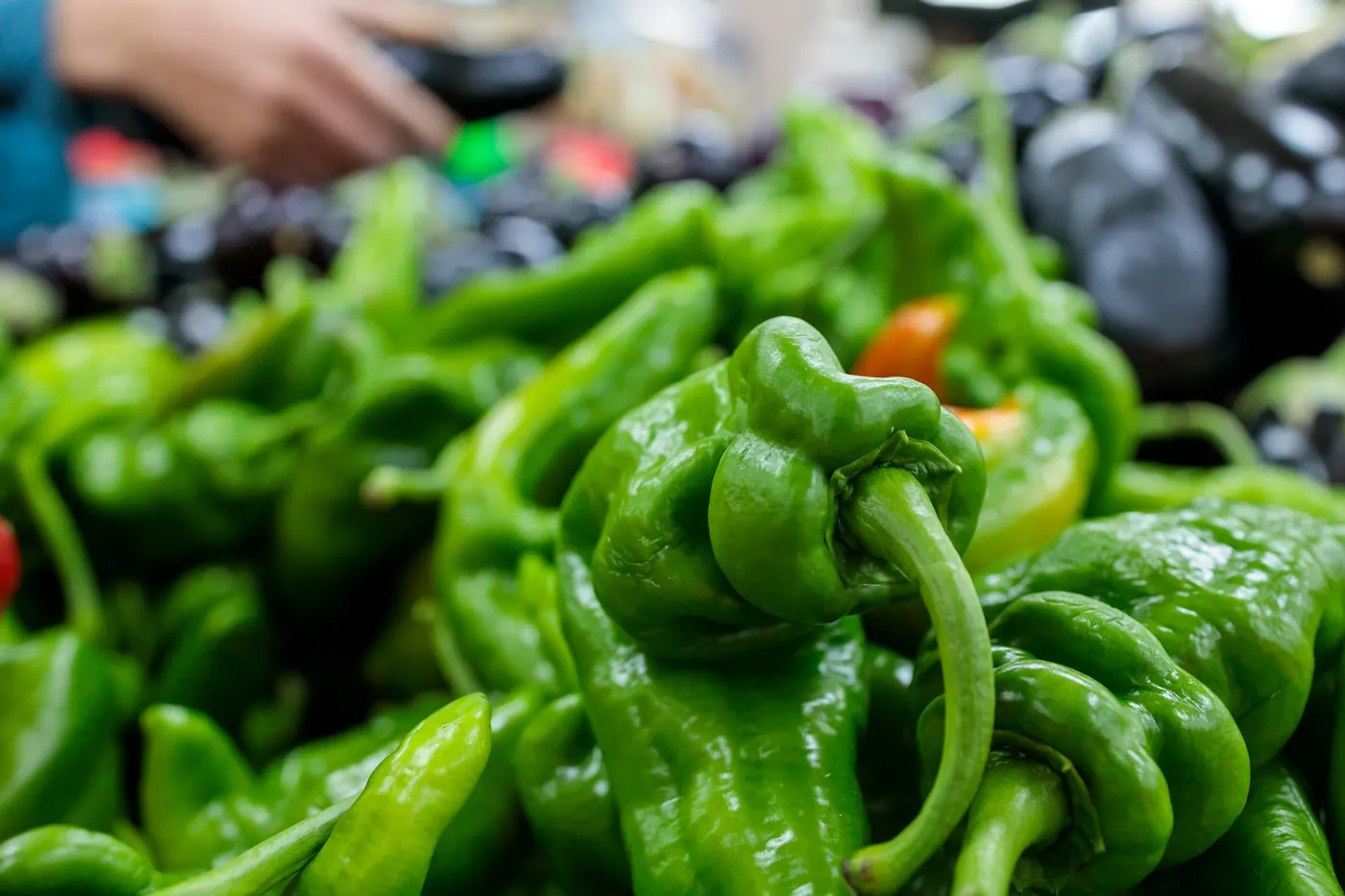
Poblanos are three to four inches long, broad at the shoulders and tapering to a point, with thick walls and glossy dark green skin. The name means “from Puebla”, the state where they originate and where the region’s most famous dishes use them.
Muy Bueno’s poblano guide makes the point that matters for ordering: they are picked while still dark green and unripe, which is when they are mildest. Left to ripen to red, they get noticeably hotter.
The heat is genuinely low. On the Scoville scale a poblano lands around 1,000 to 1,500, against a jalapeño’s 2,500 to 8,000. Individual peppers vary — occasionally one is sharper than expected — but the category is mild.
Why it is always roasted
This is the part that surprises people who try cooking with them.
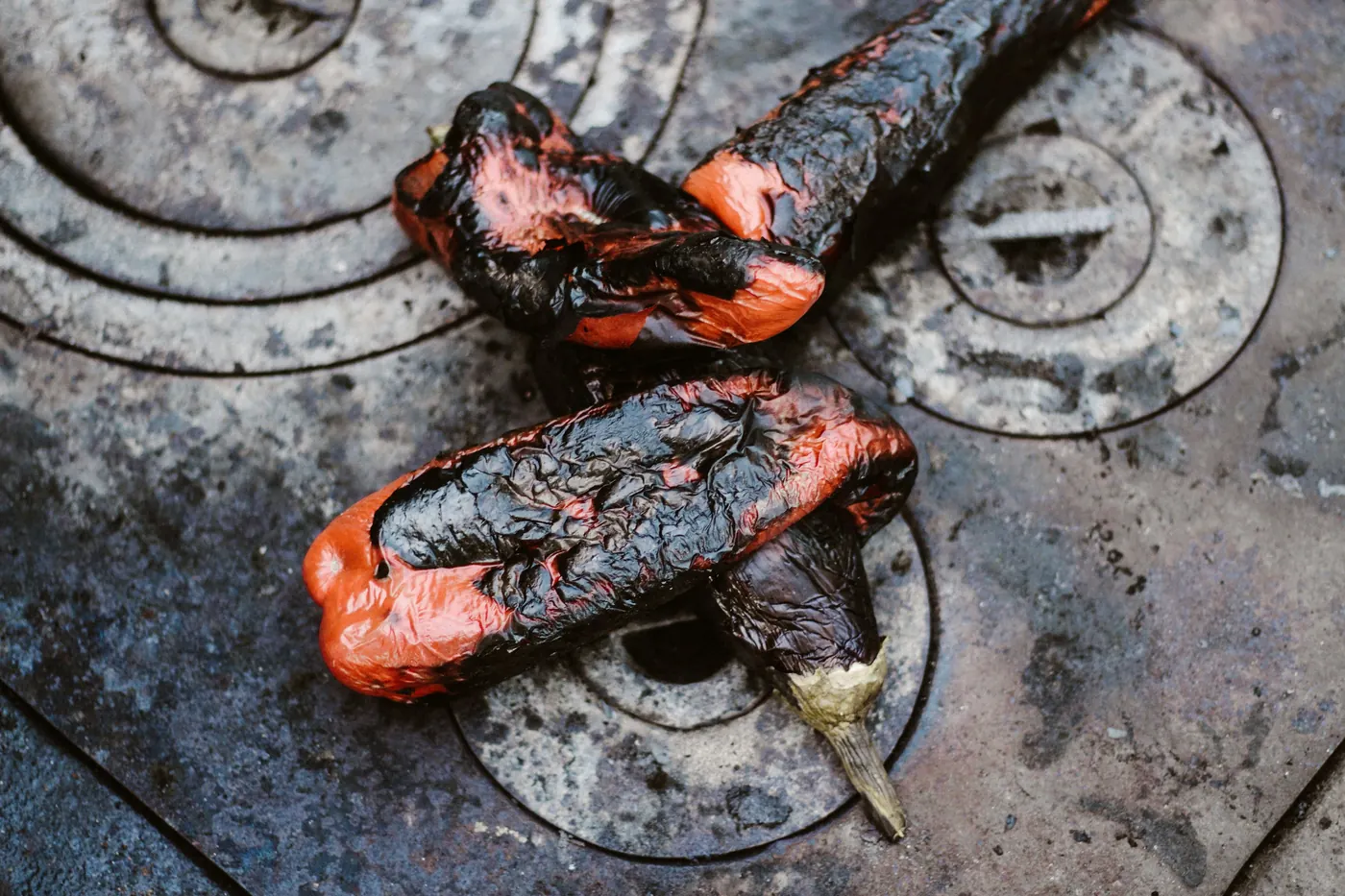
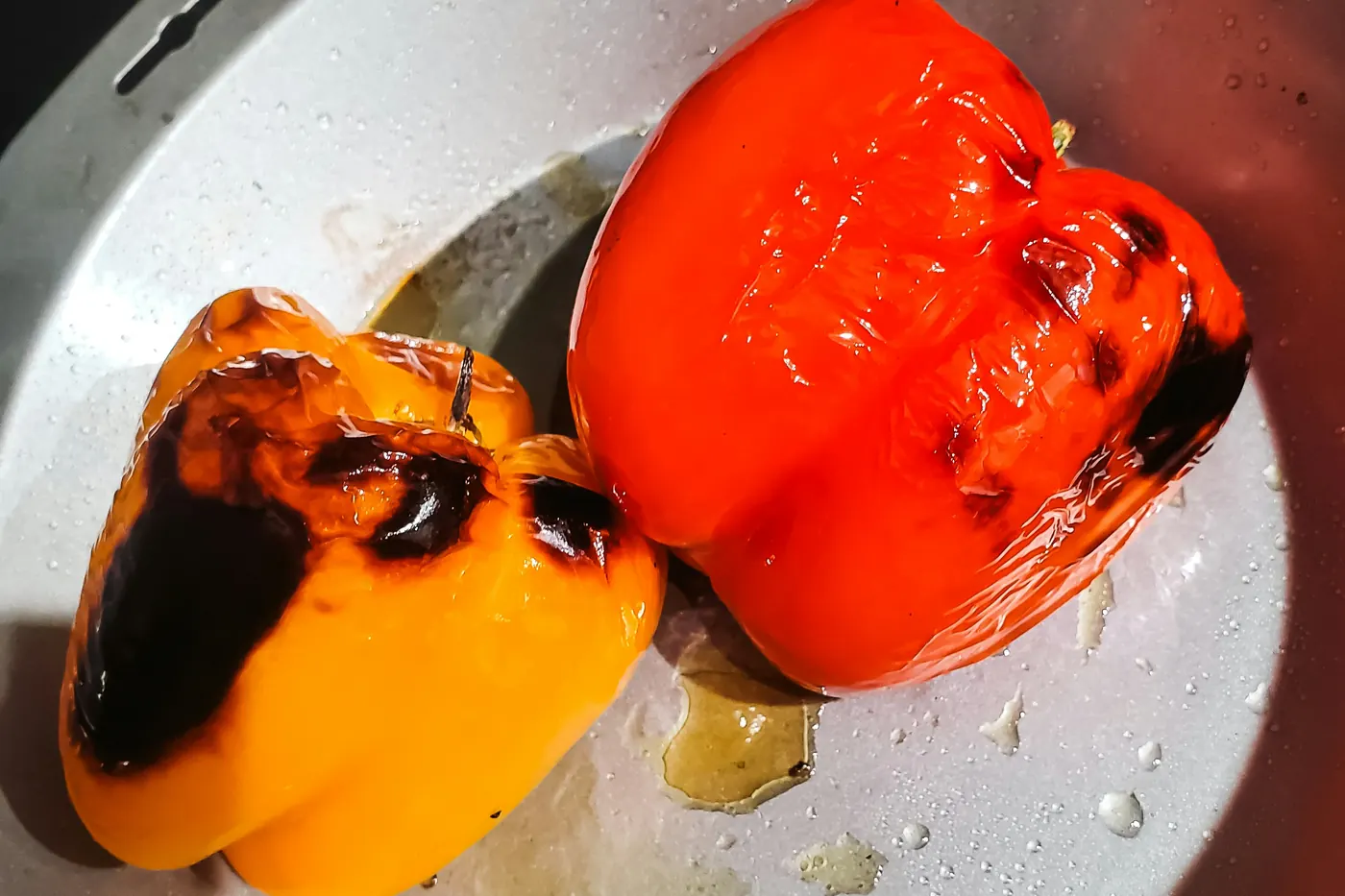
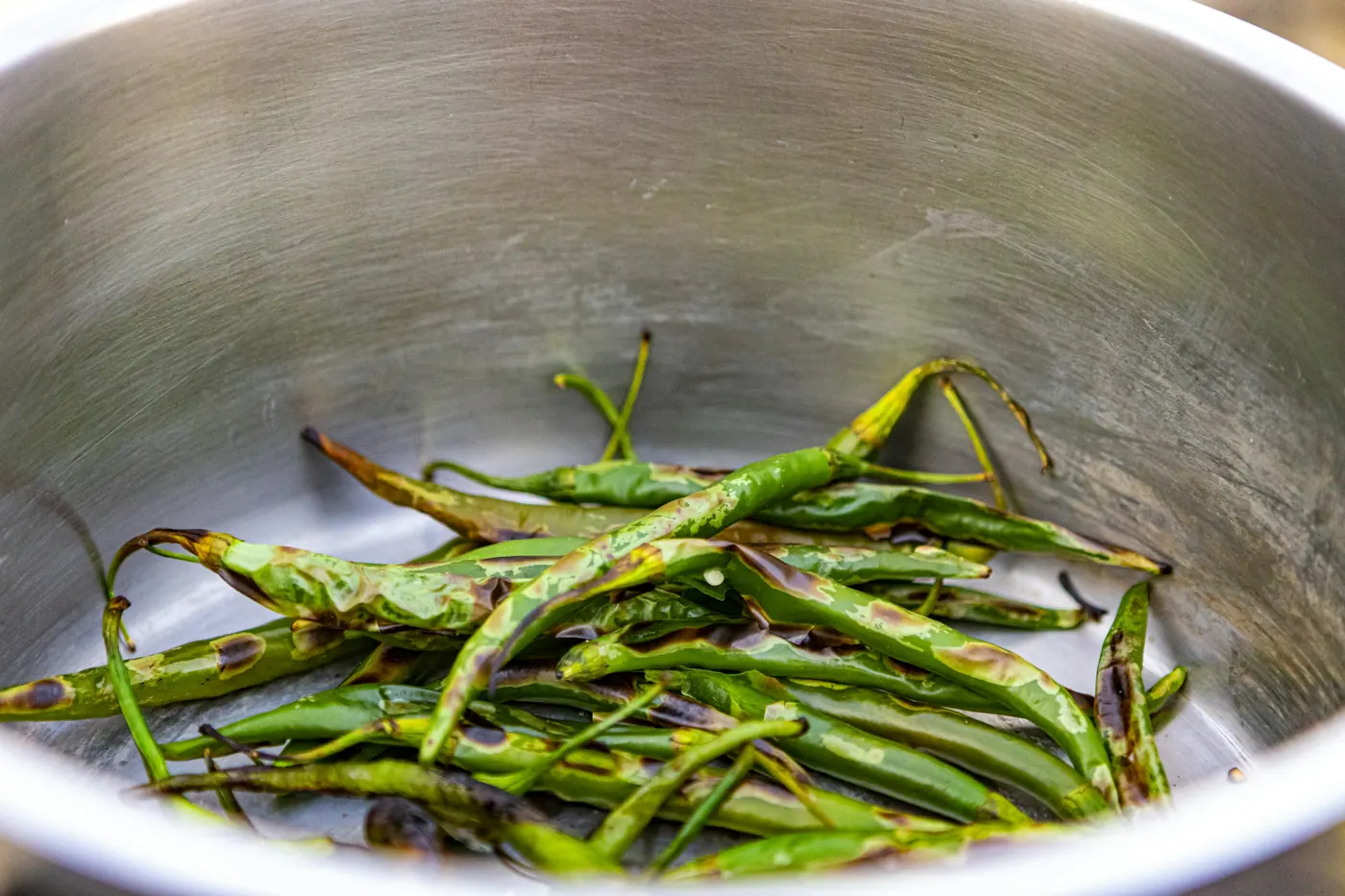
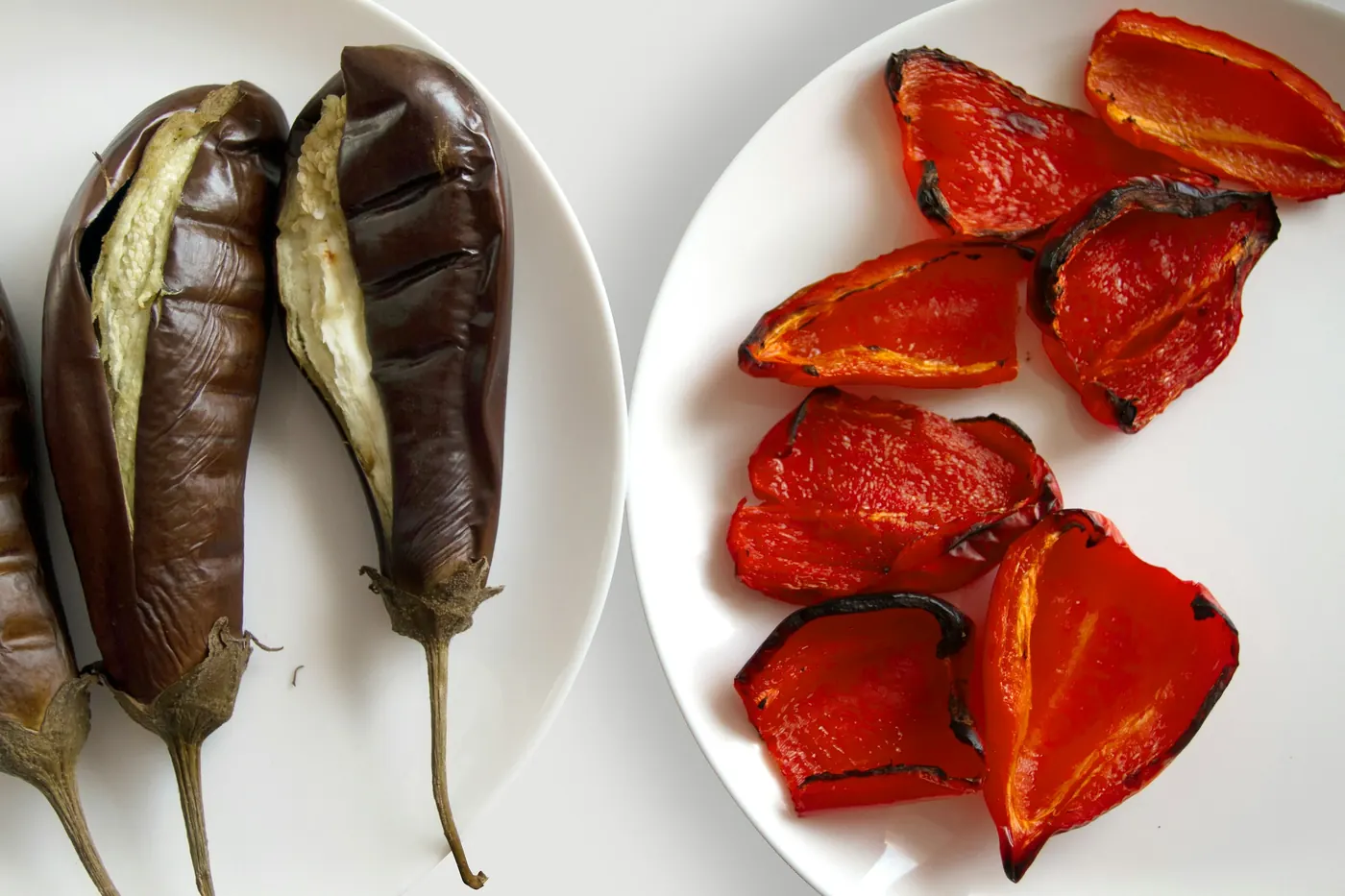
Poblano skin is tough, papery and does not soften with cooking. Left on, it comes away in unpleasant sheets in your mouth. So the pepper is charred directly over flame or under a broiler until the skin blisters black, then covered to steam for a few minutes, and the skin slips off.
Roasting does two things at once. It removes the skin, and it adds a smoky depth that raw poblano does not have. That smokiness is a large part of what the pepper contributes to a dish.
What it becomes
| Form | What it is | Where you meet it |
|---|---|---|
| Whole roasted | Peeled and stuffed | Chile relleno, chiles en nogada |
| Rajas | Roasted strips, usually with cream | Cheese dips, tacos, side dishes |
| Cream poblano | Blended into a cream sauce | Enchiladas suizas-style dishes |
| Ancho | The dried, ripened pepper | Mole, red sauces, adobos |
| Mulato | A darker dried variety | Mole negro and poblano |
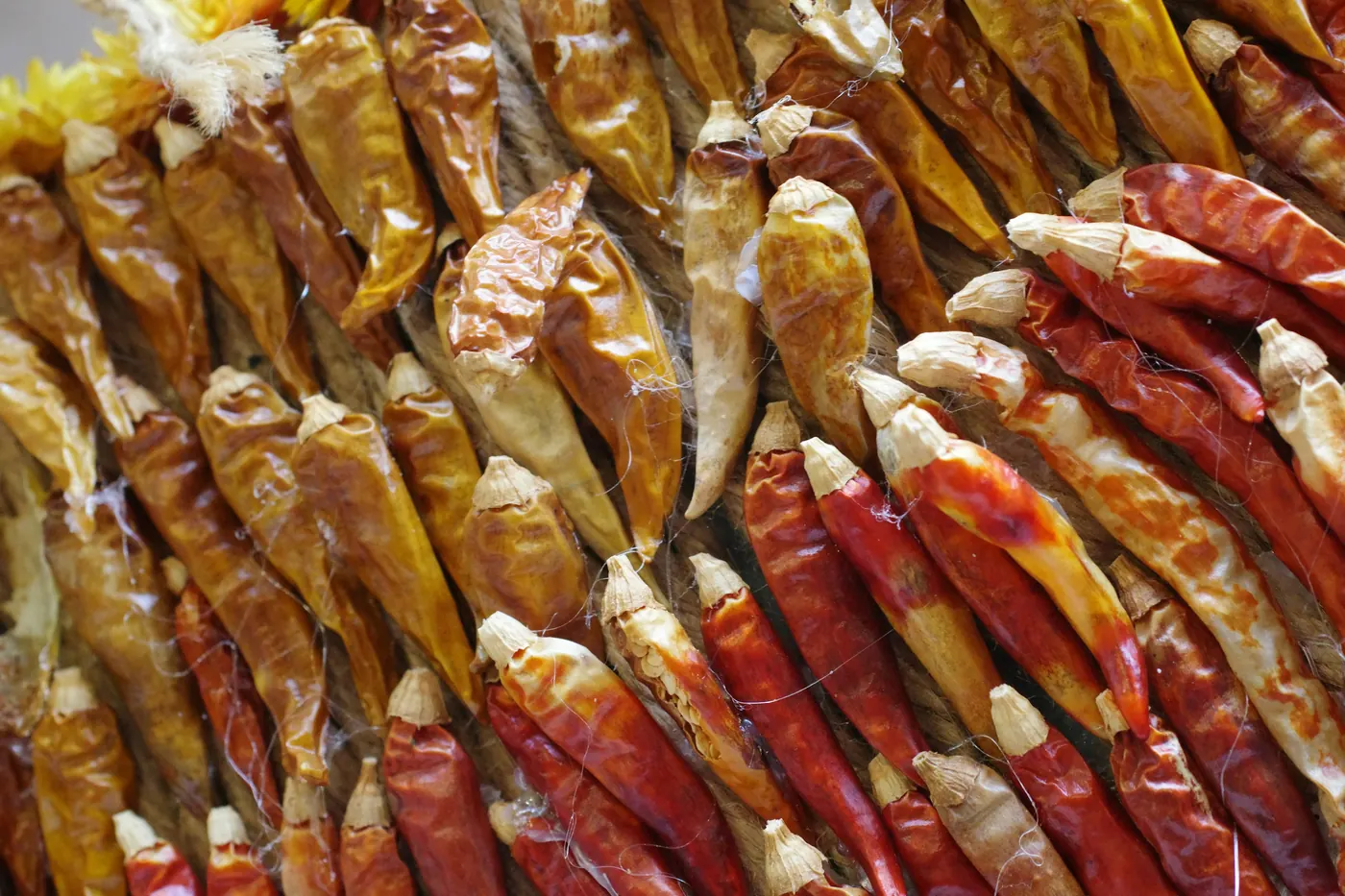
The ancho row is the one worth dwelling on. Dry a ripened poblano and it turns wrinkled, dark reddish-brown, and tastes of raisin, prune and tobacco rather than of green pepper. It is the single most important dried chile in Mexican cooking, and it is why mole tastes the way it does.
Same plant. Different name, different flavor, different job.
Rajas
Rajas simply means strips, and on a Mexican menu it nearly always means roasted poblano cut into ribbons.
Rajas con crema is the standard treatment: the strips sautéed with onion and finished with cream, sometimes with corn. It appears as a side, as a taco filling, and folded into melted cheese.
Seeing the word on a menu is useful information. It tells you the dish contains a mild roasted chile rather than a hot one, which our menu glossary covers alongside the other terms worth recognizing.
The naming confusion
Poblano is at the center of the most persistent chile-naming muddle in American kitchens, and it is worth untangling once.
Fresh, it is a poblano. Dried, it is an ancho — different name, same plant, and that part is straightforward. The trouble starts because a good number of American grocers label dried poblanos as pasilla, and some label fresh poblanos as pasilla too.
A true pasilla is something else entirely: the dried form of the chilaca, a long, thin, dark chile with a very different flavor — more herbal, less sweet. The word means “little raisin”, which describes the wrinkled appearance rather than the taste.
The practical consequence is that a recipe calling for pasilla and a bag labeled pasilla may not be the same ingredient. If the dried chile in front of you is broad-shouldered and squat, it is an ancho. If it is long, narrow and nearly black, it is a real pasilla.
Chile relleno
The dish the poblano exists for, and the one most people meet it in.
A whole roasted, peeled poblano is stuffed — with cheese, or with picadillo, or both — then usually battered in beaten egg and fried. It usually arrives under a red tomato sauce, though not every kitchen sauces it.
The pepper has to hold its shape through roasting, peeling, stuffing and frying, which is why a thick-walled chile is used rather than a thin one. Nothing else in the standard repertoire would survive it.
Fillings vary by region and by kitchen. Cheese is the most common, picadillo the most substantial, and the September dish, chiles en nogada, uses a sweet-savory picadillo with fruit in it. The batter varies too — some kitchens use a light breading rather than the egg foam.
On Julia’s menu
Poblano turns up in five places on Julia’s menu, which is more than any other chile.
The chile relleno is a lightly breaded roasted poblano stuffed with picadillo, Oaxaca cheese and a slice of avocado. The chile con queso is made with rajas and onions — those strips, in the dip. The queso fundido has poblano sautéed with mushrooms, onion and garlic under Oaxaca cheese.
Among the enchiladas, the spinach version comes under a cream poblano sauce, and the veggie enchiladas are stuffed with zucchini, roasted corn, poblano, carrot and red onion.
The poblano itself is mild in all five, which is the practical takeaway: the word on a description is a reassuring one. What it does not tell you is what else is in the sauce. The queso fundido and the veggie enchiladas both arrive under a roasted tomato-habanero sauce, and the habanero is the part that carries heat. Our guide to mild dishes covers which chile names do the opposite.
Frequently asked questions
How spicy is a poblano pepper?
Mild — roughly 1,000 to 1,500 Scoville units. Hotter than a bell pepper, several times milder than a jalapeño.
What is the difference between a poblano and an ancho?
None, botanically. An ancho is a poblano that has been left to ripen red and then dried. Drying changes the flavor completely, toward raisin and dried fruit.
Do you have to peel poblano peppers?
Effectively yes. The skin is tough and papery and does not soften in cooking, so the pepper is charred and peeled first.
What are rajas?
Strips of roasted poblano, usually cooked with onion and cream. The word means “strips” and on a menu it almost always means this.
Is a poblano the same as a pasilla?
No, though they are confused, particularly in the United States, where dried poblanos are sometimes mislabeled pasilla. A true pasilla is a dried chilaca, a different pepper.
The short version
Large, dark green, mild, and always roasted. Whole it becomes a chile relleno; in strips it becomes rajas; blended it becomes a cream sauce; dried it becomes ancho and ends up in mole.
Five dishes on Julia’s menu use it, and all five are mild.