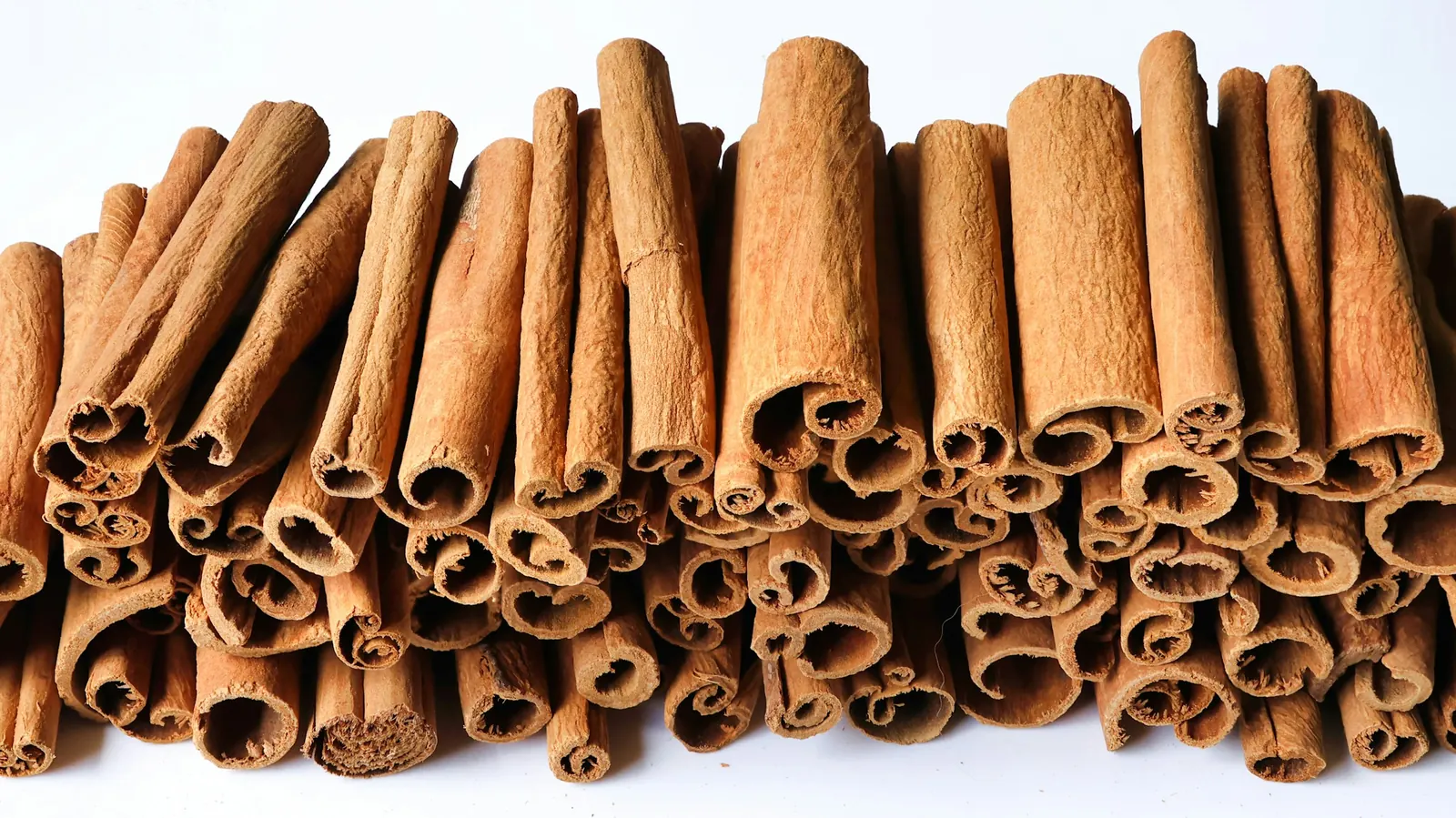
Ask for canela in a Mexican market and you get a bundle of soft, papery quills that crumble between your fingers. Buy “cinnamon sticks” in most American supermarkets and you get hard, hollow tubes that you could tap on the counter. Both are sold as cinnamon, both come from the bark of trees in the same genus, and both will flavor a pot of café de olla. They are not the same spice, though, and the difference matters more in a Mexican kitchen than in most.
Mexican cooking uses cinnamon by the stick and by the spoonful: in arroz con leche, champurrado, atole, Mexican hot chocolate, buñuelo syrup and some moles and adobos. This guide explains what separates Mexican cinnamon from cassia, using a U.S. government health agency, the German Federal Institute for Risk Assessment and a named study, then says when each one is worth buying and names two of each.
Julia’s earns a commission on purchases made through links on this page, at no cost to you. Recommendations are based on what a restaurant kitchen looks for, product specifications and verified buyer reports.
Quick verdict: canela or regular cinnamon?
For Mexican recipes, buy Ceylon cinnamon, sold as canela. It is the soft, layered bark Mexican cooks mean, it breaks up easily in a simmering pot, and it is the cinnamon Germany’s food-risk agency tells heavy users to choose because it contains only low levels of coumarin. Cassia, the ordinary supermarket cinnamon in North America, is fine for a sprinkle on toast or the occasional batch of cookies, and it tastes bolder. If you make arroz con leche, atole or café de olla every week, make the switch to canela.
The table sets the two side by side. The sections after it explain each row and name the source behind it.
Mexican cinnamon vs cassia, side by side
| Mexican cinnamon (canela, Ceylon) | Cassia | |
|---|---|---|
| Botanical name | Cinnamomum verum, also called C. zeylanicum (NCCIH) | C. cassia (C. aromaticum), plus Indonesian C. burmannii and C. loureiroi (NCCIH; Wang et al.) |
| Where it grows | Mainly Sri Lanka (NCCIH) | Southeastern Asia (NCCIH) |
| How common in the U.S. | Sold by name as “Ceylon” or “canela” | The most common type sold in North America (NCCIH) |
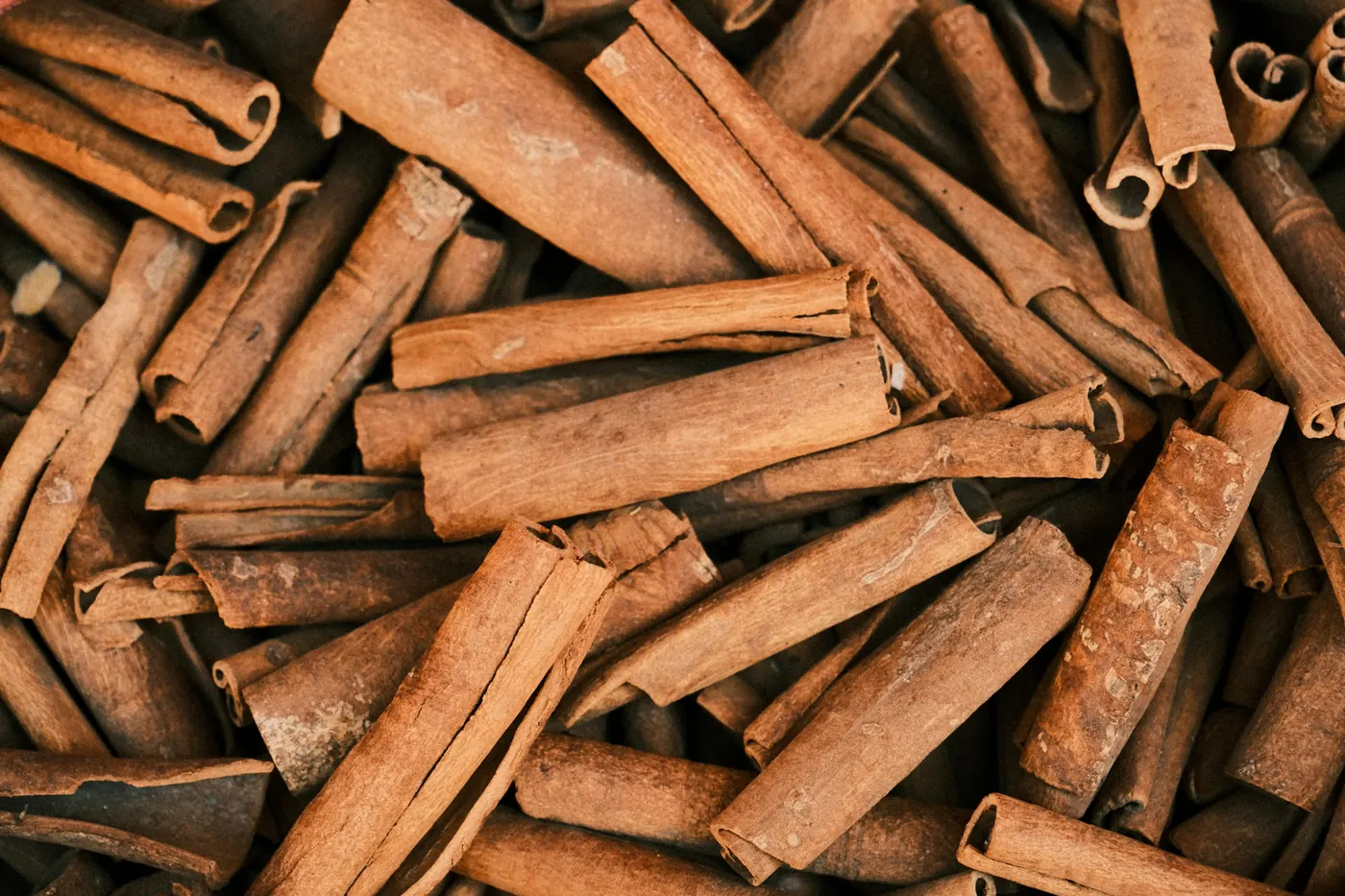
| Stick structure | Many thin layers rolled together; the end looks like a cut cigar (BfR) | One relatively thick layer rolled into a tube (BfR) |
| Flavor | Mild (Simply Organic); light, floral, hints of citrus (Slofoodgroup) | More intense than Ceylon (Simply Organic) |
| Coumarin | Only traces (Wang et al.); low levels BfR considers safe | About 3,000 mg per kg on average, up to 10,000 (BfR monitoring data) |
| Best use | Drinks, rice pudding, atole, frequent use | Occasional baking and sprinkling |
Two different trees, both sold as cinnamon
The National Center for Complementary and Integrative Health, part of the U.S. National Institutes of Health, describes Ceylon cinnamon, Cinnamomum verum, as the “true” cinnamon, grown mainly in Sri Lanka. Cassia, Cinnamomum aromaticum (also listed as C. cassia), is grown in southeastern Asia and, in NCCIH’s words, is the most common type sold in North America. A 2013 study in the Journal of Agricultural and Food Chemistry by Yan-Hong Wang and colleagues treats two more species as cassia too: C. burmannii, which it calls Indonesian cassia, and C. loureiroi.
The label is often the only clue. NCCIH notes that some cinnamon products do not say which species they contain, and a jar that says only “cinnamon” in a U.S. store is most likely cassia. The Wang study found that the locally bought cinnamon it analyzed was probably Indonesian cassia. Look for “Ceylon”, “canela” or Cinnamomum verum on the label if you want the Mexican type.
Mexico buys its canela largely from Sri Lanka: the Sri Lanka Export Development Board names cinnamon first among the country’s main exports to Mexico in 2025. That trade is why canela in a Mexican market is so often the soft Sri Lankan bark rather than cassia, though a bag labeled “canela” in a U.S. store can still be either, so read the label.
Sticks you can tell apart by eye
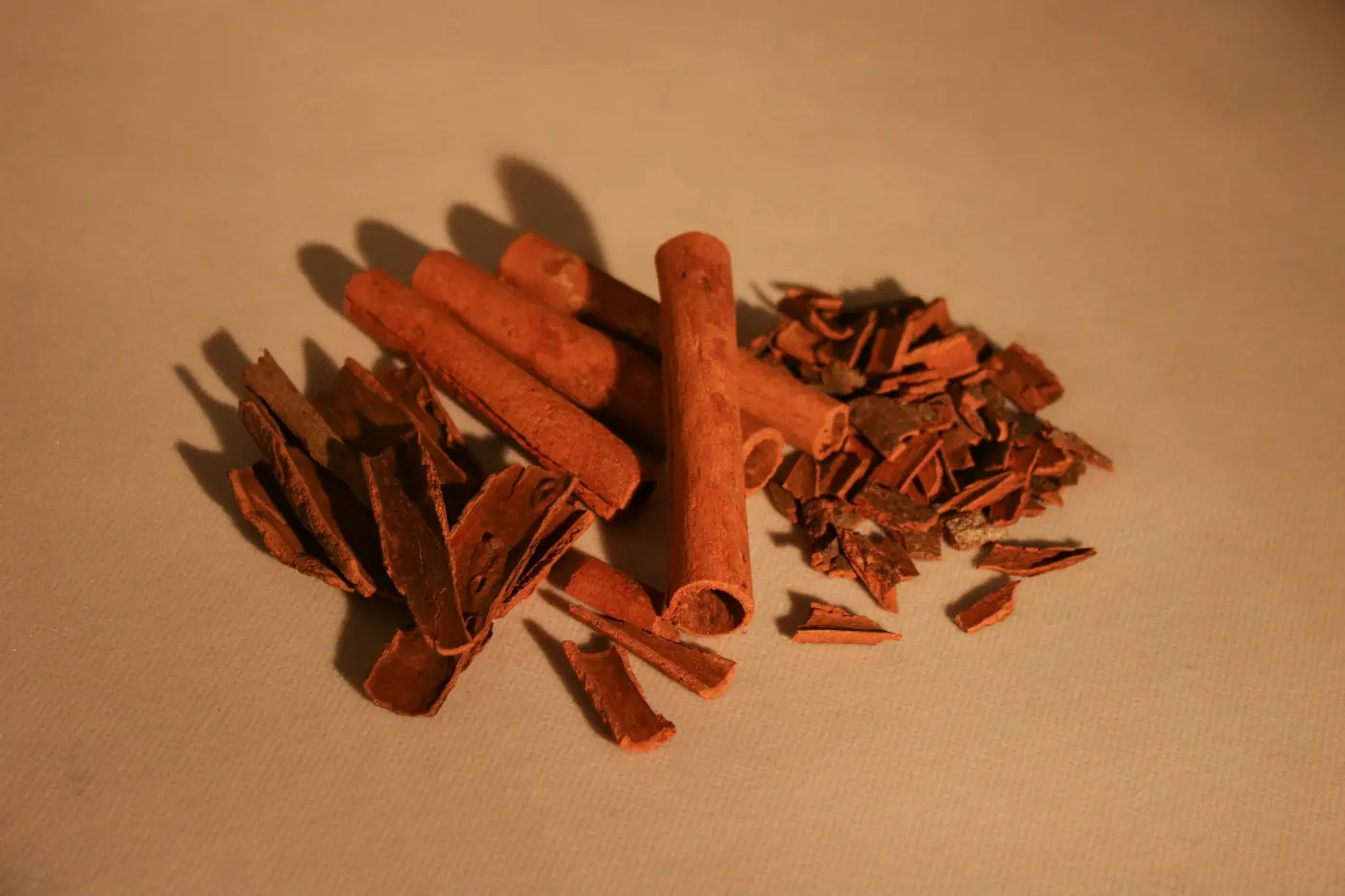
Whole sticks are the easy case. Germany’s Federal Institute for Risk Assessment (BfR) explains the difference in its coumarin FAQ: in cassia, a relatively thick outer layer forms a small roll, while the cross-section of a Ceylon stick “resembles a cut cigar”, with several fine layers rolled up together into a densely packed stick.
In the hand, that structure is the whole story. Slofoodgroup’s listing for its Ceylon quills describes a soft, delicate bark that breaks easily by hand, and that matches what Mexican recipes expect: you snap a piece of canela into a pot of coffee or milk, and it softens as it simmers. General kitchen sense says a cassia stick behaves differently, holding its shape through a long simmer and resisting a home spice grinder. It is easier to fish out of the pot afterwards, but harder to break into pieces.
Ground cinnamon is the hard case. The BfR says that in powder form it is “hardly possible” for a shopper to tell Ceylon from cassia, so the label is all you have. Buy ground cinnamon that names Ceylon if that is what you want.
Flavor: mild and floral against bold
The makers describe the two consistently. Simply Organic, a Frontier Co-op brand, says Ceylon cinnamon is buff-colored and mild compared with the “more intense” cassia. Slofoodgroup describes its Ceylon quills as having sweet, light floral notes with hints of citrus. The Spice Way sells its cassia sticks as “bold”.
In Mexican cooking, the milder bark is usually the point. A drink such as café de olla or champurrado simmers the stick for a long time, and canela gives a rounded, sweet warmth without turning sharp. Cassia’s stronger flavor can suit a cinnamon-sugar coating on churros or a pan of cinnamon rolls, where you want the spice to stand out. That is a matter of taste rather than a rule, and plenty of Mexican-American home cooks use supermarket cassia for everything. If you switch from cassia to canela, expect to use a little more for the same strength of flavor.
Coumarin: why heavy users should pick Ceylon
This is the difference with a health angle, so here is exactly what the authorities say and no more.
Coumarin is a natural flavoring found in high amounts in cassia. NCCIH says that interactions between coumarin and the liver have been reported, that prolonged use of cassia could be an issue for sensitive people such as those with liver disease, and that Ceylon may contain a trace amount. It also says cinnamon is likely safe in the amounts commonly used in food.
The BfR goes further and gives numbers. Its food monitoring data show cassia averaging about 3,000 mg of coumarin per kilogram, with the highest samples near 10,000 mg. The tolerable daily intake, which the European Food Safety Authority set at the same value, is 0.1 mg per kilogram of body weight. By the BfR’s arithmetic, a 60-kilogram adult reaches it with about 2 grams of cassia a day, and a 15-kilogram child with about half a gram. The BfR adds that going slightly over for one or two weeks can be seen as safe, and that it knows of no cases of liver damage from eating cinnamon in the scientific literature. Its advice is moderate use of cassia, and for anyone who regularly uses a lot of cinnamon at home, “for example for rice pudding with sugar and cinnamon,” to use Ceylon.
That example is arroz con leche in all but name. The Wang study backs up the distinction from the laboratory side: authenticated C. verum bark contained only traces of coumarin, while all three cassia species, especially C. loureiroi and C. burmannii, contained substantial amounts. The study also notes that adding coumarin to food is banned in the United States, but coumarin that comes naturally from an ingredient such as cinnamon is not regulated.
For most kitchens this means canela for the drinks and puddings you make often, and no need to throw out the cassia in the cupboard. This page is not medical advice; if you have liver disease or take medicines, ask your doctor about cinnamon.
Cooking with each in Mexican dishes
Canela fits the slow, wet dishes. A stick goes into the pot for café de olla with piloncillo, into the milk for arroz con leche and atole, and into the masa-thickened chocolate of champurrado. Our guide to masa harina for champurrado follows a recipe that uses a Ceylon stick, and piloncillo vs brown sugar covers the sugar that usually goes in with it. Because the bark is soft, many cooks leave the pieces in and strain at the end.
Ground canela suits buñuelo sugar, polvorones, Mexican wedding cookies and a dusting over arroz con leche, where you eat the spice rather than strain it. You can also grind whole quills just before use in a blade or burr grinder; our spice grinder guide covers the machines. Soft Ceylon bark grinds far more easily than hard cassia.
Cassia suits recipes written for it: American-style cinnamon rolls, snickerdoodles and anything where the recipe developer reached for the supermarket jar. It is also useful when you want a stick that holds its shape and can be lifted out of a pot of punch or ponche whole.
Choose Mexican cinnamon if… / Choose cassia if…
Choose Mexican cinnamon (canela) if…
- You cook Mexican drinks and desserts: café de olla, champurrado, atole, arroz con leche, buñuelos.
- You use cinnamon often or in large amounts, the case where the BfR recommends Ceylon.
- You want sticks you can snap by hand and grind at home.
- You prefer a mild, floral cinnamon flavor.
Choose cassia if…
- You use cinnamon now and then, a sprinkle at a time.
- You want a bold cinnamon flavor in baked goods made from American recipes.
- You need a hard stick that keeps its shape in a punch or mulled drink.
- You already have it in the cupboard; there is no reason to throw it out.
Our picks for Mexican cinnamon vs cassia
Two picks on each side, one whole and one ground. Every listing names its type of cinnamon. None of these four products appears on our other pages; our best Mexican spices guide has a different canela pick from 1400s Spices.
1. Slofoodgroup Ceylon Cinnamon Sticks, 1 lb – Soft Quills for Café de Olla

This is canela as a Mexican market sells it: Sri Lankan Ceylon cinnamon in five-inch quills. Slofoodgroup’s listing describes pale tan to light brown sticks with a delicate layered bark, hand rolled and graded by diameter, that break easily by hand and release sweet, light floral notes with hints of citrus.
A pound is a lot of cinnamon for most households, but a Mexican kitchen gets through it. One stick, or part of one, flavors a pot of coffee, a batch of arroz con leche or a pitcher of horchata, and whole quills keep their aroma longer than ground spice. The listing suggests crumbling or grinding the sticks just before use, which suits recipes that call for ground canela too.
The listing calls the sticks pure Ceylon cinnamon, says they are packed and sealed, and states kosher certification by EarthKosher. It also says the bark is “naturally lower in coumarin”; that is the seller’s wording, and it agrees with what the BfR and the Wang study say about Ceylon cinnamon in general. Transfer the sticks to an airtight jar once the bag is open.
Why we like it
- Ceylon cinnamon, grown in Sri Lanka (listing)
- Soft bark that breaks by hand
- Five-inch quills, graded by diameter
- Kosher certified by EarthKosher (listing)
Key specifications
| Type | Ceylon (true cinnamon) |
|---|---|
| Form | Whole quills, about 5 inches |
| Size | 16 oz (1 lb) |
| Ingredients | Ceylon cinnamon sticks |
| Origin | Sri Lanka |
| Certifications | Kosher (EarthKosher); gluten free per listing |
| Sold by | Slofoodgroup |
| Storage | Sealed bag; reseal or jar after opening |
Why we recommend it
It suits anyone who makes café de olla, champurrado or arroz con leche often and wants real canela by the pound.
Skip it if you use cinnamon a few times a year; a pound will lose its aroma before you finish it, and the small jar of ground Ceylon below is a better fit.
Pros and cons
Pros
- The canela Mexican recipes mean
- Origin and type stated
- Whole sticks keep longer than ground
Cons
- Large bag for occasional cooks
- Small specialist seller
- Coumarin claim is the seller’s, not a test result
2. Simply Organic Ground Ceylon Cinnamon, 2.08 oz – Labeled Ceylon in a Small Jar

Because the BfR says ground Ceylon and ground cassia are almost impossible to tell apart by eye, the most useful thing about a jar of ground cinnamon is a clear label. This one says Ceylon on the front. Simply Organic, a brand of Frontier Co-op, describes it as buff-colored and mild compared with the more intense cassia.
A 2.08-ounce glass bottle is the right size for a household that dusts arroz con leche, rolls buñuelos in cinnamon sugar or bakes polvorones now and then. Ground spice fades faster than whole sticks, so a small jar you finish is better than a large bag that goes flat.
The listing states that it is certified organic and kosher. It does not give a country of origin. When we checked, the lead offer was sold by Amazon.com.
Why we like it
- Ceylon named on the label
- Mild flavor, per the maker
- Certified organic and kosher (listing)
- Small glass jar
Key specifications
| Type | Ceylon |
|---|---|
| Form | Ground |
| Size | 2.08 oz |
| Ingredients | Organic ground Ceylon cinnamon |
| Origin | Not stated |
| Certifications | Certified organic; kosher |
| Sold by | Amazon.com |
| Storage | Glass bottle |
Why we recommend it
It suits a cook who wants ground canela for desserts and dusting, from a well-known organic spice maker, without buying in bulk.
Skip it if you mainly simmer cinnamon in drinks; sticks are better for that and keep longer.
Pros and cons
Pros
- Clearly labeled Ceylon
- Established maker
- Small size stays fresh
Cons
- Origin not stated
- Ground spice fades faster
- Small jar for heavy users
3. Frontier Co-op Ground Korintje Cinnamon, 1.92 oz – Classic Bold Cassia

Korintje is the Indonesian cinnamon behind much of the ground cinnamon sold in the United States. Frontier Co-op’s listing calls it “Gourmet Indonesian Cinnamon”; the Wang study identifies Indonesian cassia as Cinnamomum burmannii and found that the store-bought cinnamon it analyzed was probably this species. In other words, this is the familiar flavor of American cinnamon toast and cinnamon rolls, from a named co-op with its type on the label.
Use it where a bold cinnamon flavor is the goal and the amounts are small: a pan of cinnamon rolls, snickerdoodles, a cinnamon-sugar coating. The listing states that it is non-irradiated and kosher, in a 1.92-ounce container.
Because it is cassia, it is the kind the BfR suggests using in moderation. A sprinkle on toast is nowhere near the 2 grams a day the BfR uses as its adult example; a daily bowl of arroz con leche made with heaped spoonfuls would be closer, and that is where canela is the better choice.
Why we like it
- Type stated: Korintje (Indonesian)
- Established co-op maker
- Non-irradiated (listing)
- Sold by Amazon.com when we checked
Key specifications
| Type | Cassia (Korintje) |
|---|---|
| Form | Ground |
| Size | 1.92 oz |
| Ingredients | Ground Korintje cinnamon |
| Origin | Indonesia, per title |
| Certifications | Kosher; non-irradiated |
| Sold by | Amazon.com |
| Storage | Small container |
Why we recommend it
It suits a baker who wants the classic, bold American cinnamon flavor and uses it a little at a time.
Skip it if you want cinnamon for Mexican drinks and puddings you make often; that is a job for canela.
Pros and cons
Pros
- Bold, familiar flavor
- Type and origin on the label
- Small size
Cons
- Cassia, so higher in coumarin
- Not the canela of Mexican recipes
- Listing gives few details
4. The Spice Way Cassia Cinnamon Sticks, 3.5 oz – Hard Sticks That Hold Their Shape

These are the hard, tube-shaped sticks most Americans picture when they think of cinnamon sticks. The Spice Way’s listing says they are made from selected cassia cinnamon, describes them as bold, and suggests them for tea, coffee, mulling and rice, removing the stick after infusing.
That last point is where cassia sticks earn their place. A hard stick stays whole through a long simmer, so you can lift it out of a pot of ponche, mulled cider or rice and leave no splinters behind. The trade-off is that you cannot break it by hand the way you can with canela, and it is harder work for a home grinder.
The listing states no preservatives, additives or irradiation, says the sticks are packed in small batches in the United States, and states kosher certification. It does not say which cassia species or country the bark comes from. The Spice Way sold the lead offer itself when we checked.
Why we like it
- Cassia named on the label
- Single ingredient, no additives (listing)
- Sticks stay whole in a simmer
- Small 3.5-ounce resealable bag
Key specifications
| Type | Cassia |
|---|---|
| Form | Whole sticks |
| Size | 3.5 oz |
| Ingredients | Cassia cinnamon sticks |
| Origin | Not stated; packed in the U.S. |
| Certifications | Kosher; non-GMO per listing |
| Sold by | The Spice Way |
| Storage | Resealable bag |
Why we recommend it
It suits a cook who wants sturdy sticks for punch, mulled drinks or a pot of rice, to be removed before serving.
Skip it if you want sticks to crumble into café de olla or grind for desserts; canela does both far better.
Pros and cons
Pros
- Holds its shape in liquid
- No additives listed
- Sold by the maker
Cons
- Hard to break or grind
- Species and origin not stated
- Cassia, so higher in coumarin
Canela and cassia questions, answered
Is Mexican cinnamon the same as Ceylon cinnamon?
Usually, yes. Canela sold in Mexico and in Mexican groceries is generally Ceylon cinnamon, Cinnamomum verum, much of it from Sri Lanka, which names cinnamon first among its main exports to Mexico. Check the label: some bags sold as “canela” in the United States are cassia.
Can I use regular cinnamon instead of canela?
Yes. Regular supermarket cinnamon, usually cassia, works in any Mexican recipe. It tastes stronger, so start with a little less, and a hard cassia stick will not break up in the pot. If you make canela-heavy drinks or puddings often, the BfR’s advice is to use Ceylon.
How do I know if my cinnamon is cassia?
Look at a stick end-on. The BfR says cassia is one thick layer rolled into a tube, while Ceylon is many thin layers that look like a cut cigar. Ground cinnamon cannot be told apart by eye, so rely on the label; if it does not say Ceylon, assume cassia.
Is cassia cinnamon bad for you?
Not in normal food amounts; NCCIH says cinnamon is likely safe as a spice. Cassia contains much more coumarin than Ceylon, and the BfR recommends using it in moderation and switching to Ceylon if you use large amounts regularly. People with liver disease should talk to a doctor.
Is Saigon cinnamon cassia?
It is sold as a cassia type; listings such as Spicy World’s call their sticks “Cassia Saigon cinnamon from Vietnam”. McCormick describes its ground Saigon cinnamon as high in essential oils and deeply sweet. Either way, it is not canela, and as a cassia it falls under the BfR’s advice to use it in moderation.
Which cinnamon to keep for a Mexican kitchen
If you cook Mexican food at home, keep canela. A bag of Ceylon sticks covers café de olla, champurrado, atole and arroz con leche, and you can grind a few quills when a recipe calls for ground cinnamon. Keep a small jar of cassia only if you bake American recipes that want its bolder flavor. For the rest of the spice shelf, see our best Mexican spices guide and the wider list in Mexican pantry staples; for the chocolate that so often goes in the pot with canela, see the best Mexican hot chocolate. And when you would rather someone else made dessert, see the menu or call to order.