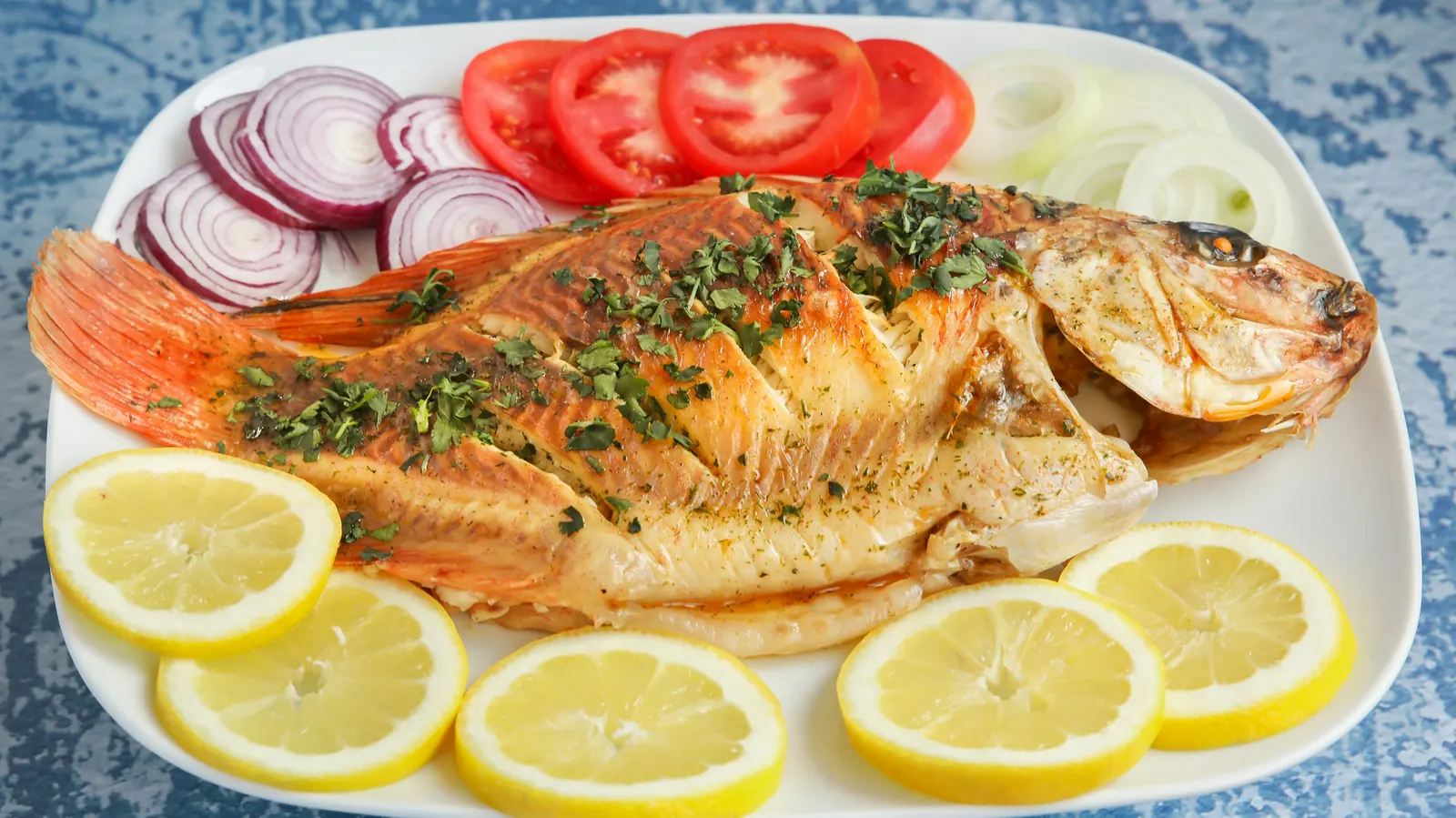
For six weeks in late winter, Mexican kitchens change what they cook. Red meat comes off the table on Fridays, seafood moves to the center of the menu, and a handful of dishes appear that you will not see the rest of the year.
If you have wondered why a Mexican restaurant’s fish section suddenly gets busy in March, this is why.
The short answer
Cuaresma is the forty days of Lent, ending with Semana Santa — Holy Week. Many Mexican households abstain from red meat on Fridays through that period, and often on Ash Wednesday and Good Friday too. The cooking shifts to fish, shrimp, vegetables and legumes. The signature dishes are tortitas de camarón, romeritos, pescado a la veracruzana and capirotada.
What is actually being observed
Lent runs the forty days before Easter, and Semana Santa is the week that closes it. The practice most commonly kept is abstaining from red meat on Fridays, which in a country where beef and pork carry most of the cooking is a genuine change rather than a technicality.
How strictly it is kept varies enormously by household and by generation. What is consistent is the food: the substitutions are traditional enough to have become a cuisine of their own rather than a set of workarounds.
The Yucatan Times, surveying the dishes that appear on Mexican tables during Lent and Holy Week, describes the same pattern: seafood and vegetable cooking taking over, with a specific and repeating set of dishes.
The dishes
| Dish | What it is | When |
|---|---|---|
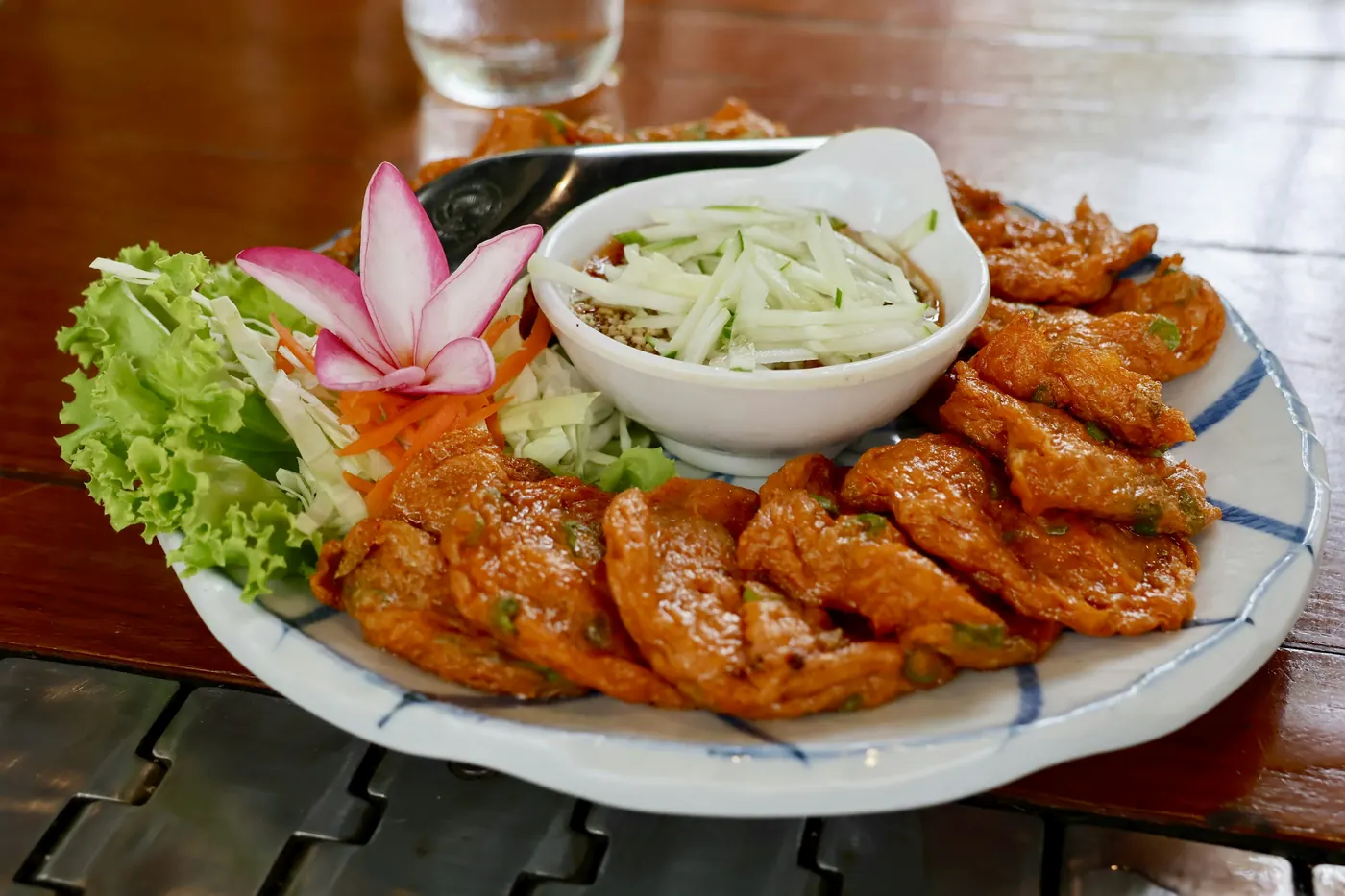
| Tortitas de camarón | Dried shrimp cakes in red chile sauce, with nopales | Lenten Fridays |
| Romeritos | A wild green cooked in mole with shrimp cakes | Lent and Christmas both |
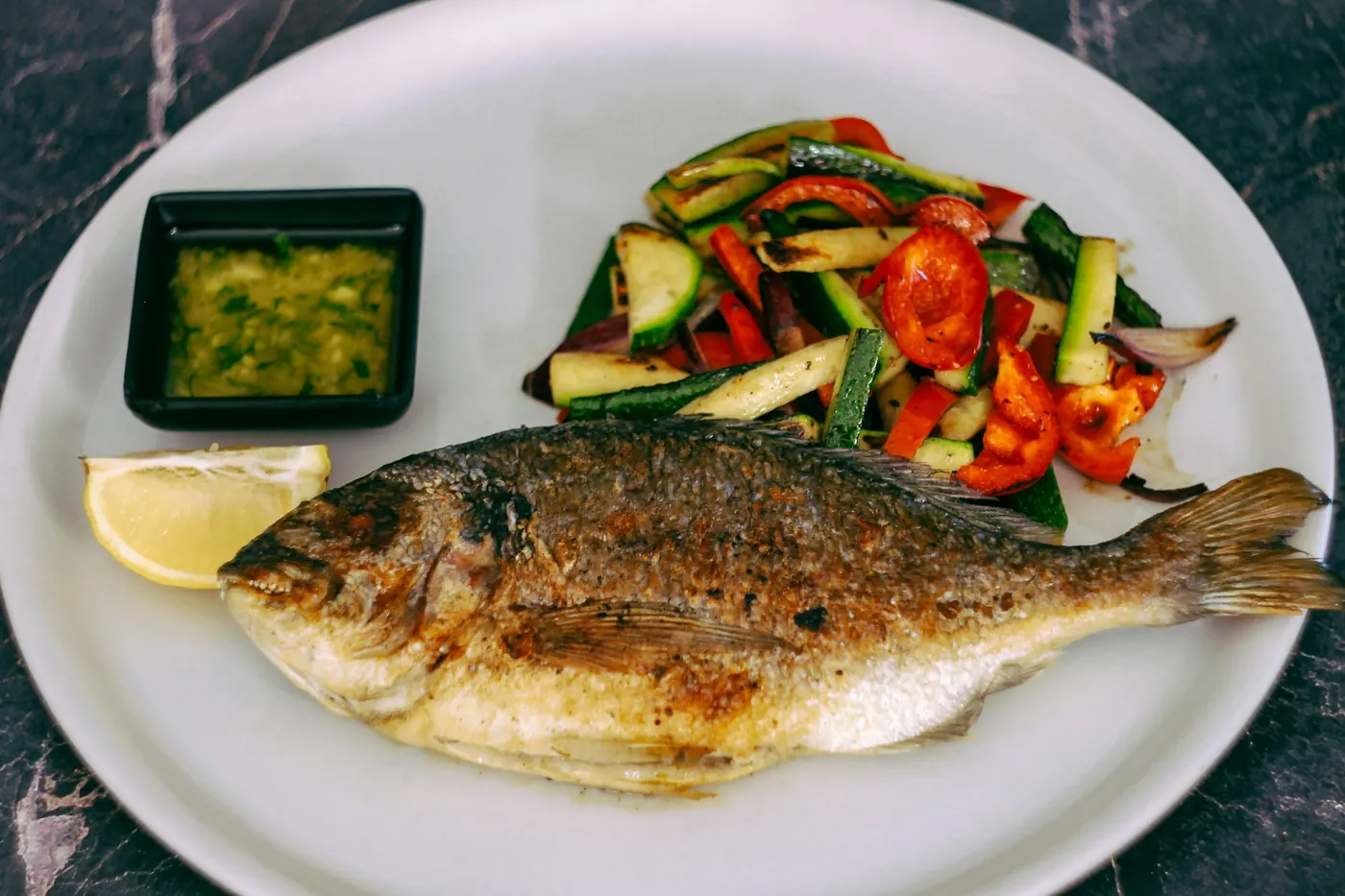
| Pescado a la veracruzana | White fish with tomato, olives and capers | Any Friday |
| Caldo de habas | Broad bean soup with nopales | Weekdays through Lent |
| Chiles rellenos de queso | Cheese-stuffed poblano, no meat | Fridays |
| Capirotada | Bread pudding with piloncillo, cheese and fruit | Holy Week especially |
Two of these are worth pulling out, because they are the ones you are least likely to have met.

Tortitas de camarón
The most distinctly Lenten dish on the list, and one that essentially disappears for the rest of the year.
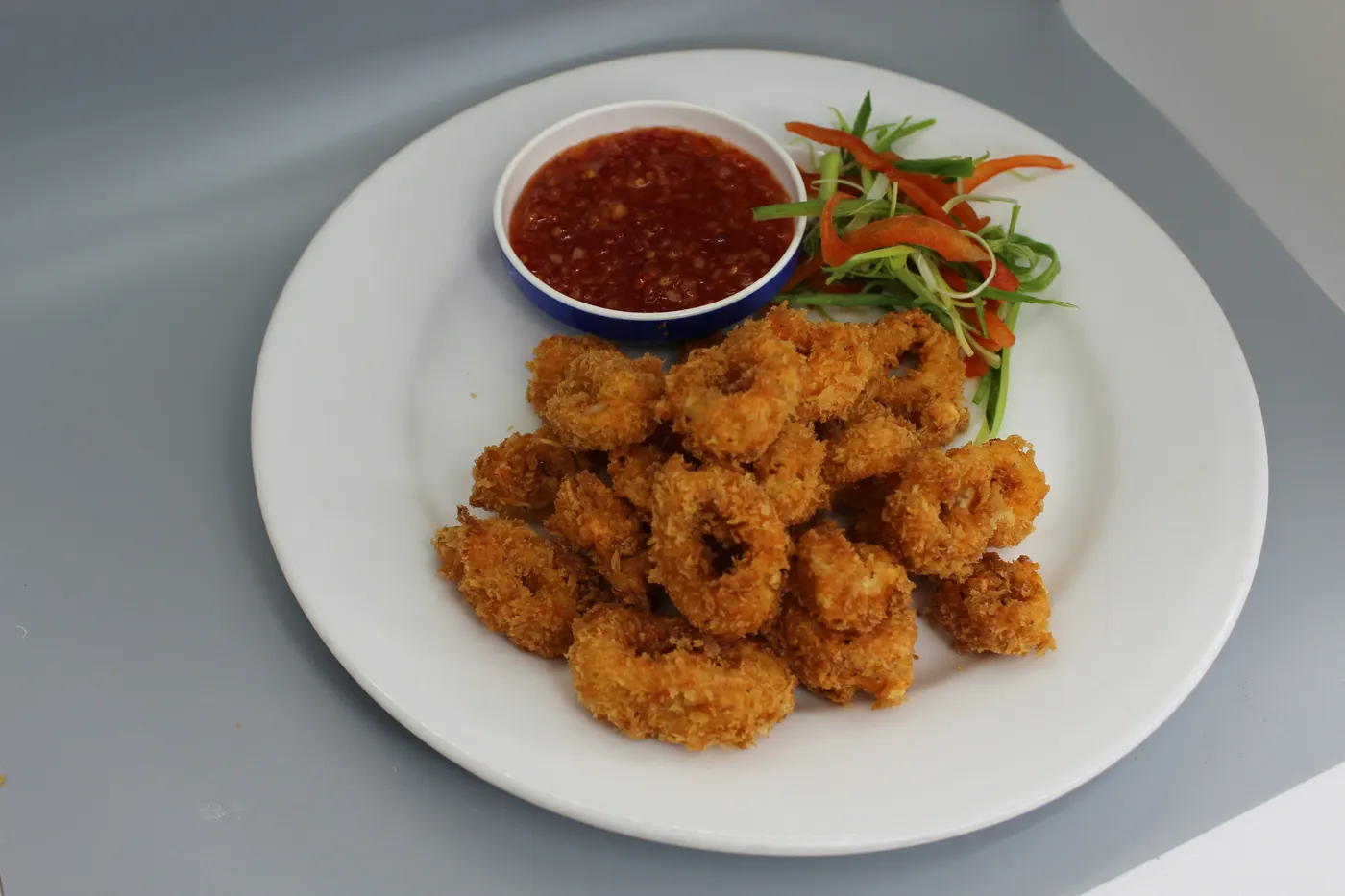
Dried shrimp is ground and folded into beaten egg, then fried into small cakes and simmered in a red chile sauce, usually with nopales — cactus paddles — alongside. The dried shrimp is doing something specific: it carries a concentrated, almost cured savoriness that stands in for the depth meat would otherwise provide.
It is not a light dish. That is deliberate. The point of a Lenten Friday meal is that it satisfies without red meat, not that it is austere.
Romeritos
Romeritos are a wild green that look like rosemary sprigs and taste nothing like it — closer to a tender, slightly sour spinach.
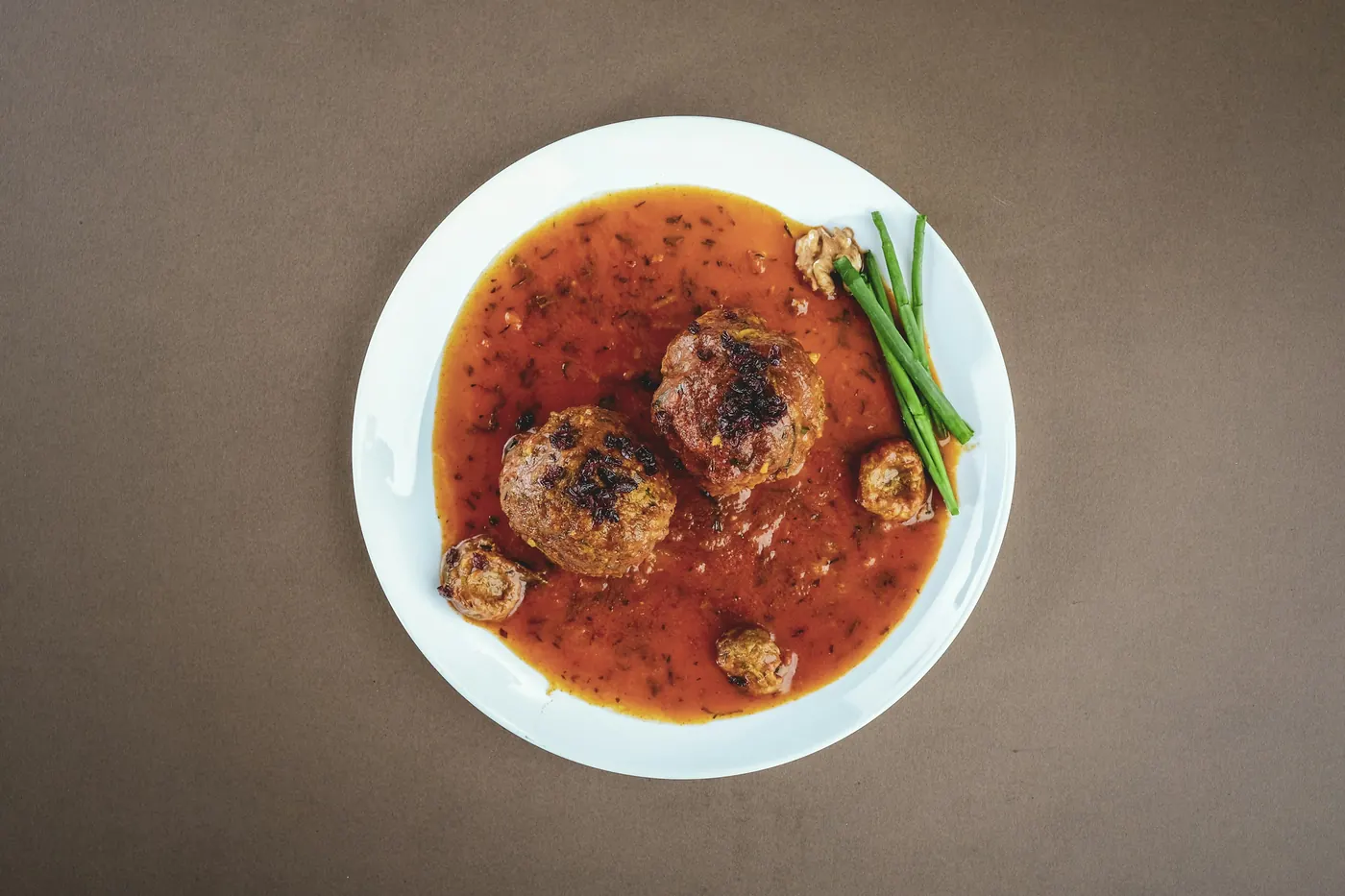
They are cooked in mole with potatoes and shrimp cakes, which makes the dish an unusual crossover: a green vegetable dressed in the most labor-intensive sauce in the country. Our guide to mole covers why that sauce is such an undertaking.
It appears at Christmas as well as Lent, which puts it on the table at both ends of the calendar.
Capirotada
The dessert, and the strangest thing on any Mexican menu to describe to someone who has not eaten it.
Layers of stale bread are soaked in a syrup of piloncillo, cinnamon and clove, then built up with raisins, nuts, dried fruit and — the part that stops people — cheese. It bakes into something between a bread pudding and a savory-sweet gratin.
The cheese is not a mistake or a regional oddity. It is traditional, and the whole dish is often read symbolically: the bread as the body, the syrup as blood, the cloves as nails, the cheese as the shroud. Whether a given family thinks about that while eating it is another matter.
It is a Lent dish specifically, which is why it does not appear in our general dessert guide as a restaurant item.
Why the coasts matter here
Lent is when Mexico’s coastal cooking gets its widest audience.
Veracruz on the Gulf contributes the most famous dish — whitefish under tomato, olives and capers, a sauce that shows its Spanish inheritance plainly. The Pacific side contributes shrimp in every configuration. Our regional guide covers how differently the two coasts cook.
Inland, the substitution goes vegetable rather than fish: nopales, broad beans, lentils, and cheese-stuffed chiles. That is the older pattern, from before refrigerated transport made coastal seafood available in the middle of the country.
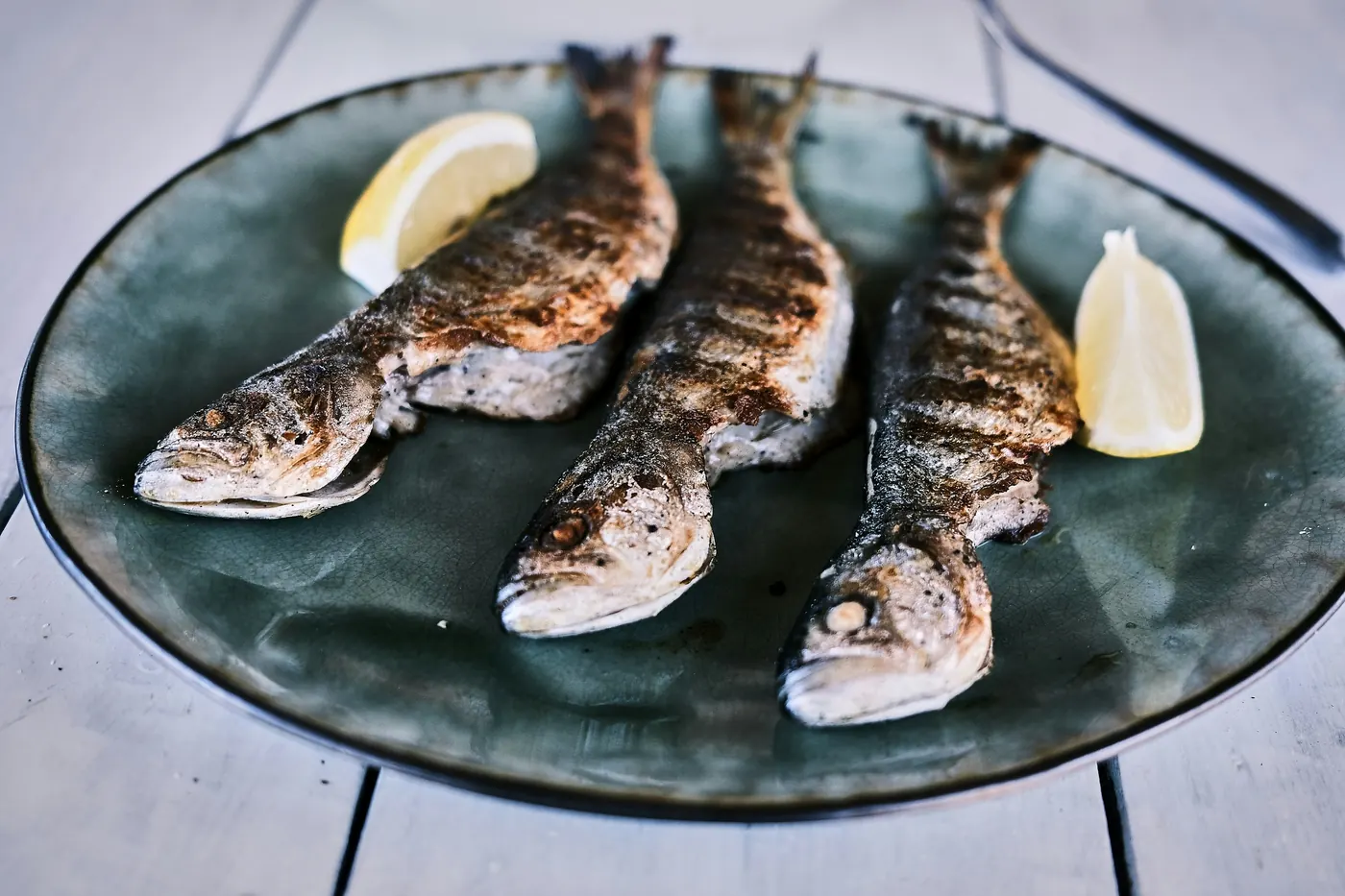
Ordering during Lent in Texas
Most Mexican restaurants in the United States do not run a separate Lenten menu. What they have instead is a seafood section that was already there, which becomes the relevant part of the menu for six weeks.
Julia’s menu carries an unusually deep one for a Tex-Mex kitchen. The ceviche is lemon-lime cured gulf shrimp with avocado, tomato, serrano and onion. There is a cóctel de camarón among the appetizers, camarones chipotle and camarones rellenos among the entrées, a salmon tropical, and enchiladas de camarón under a creamy chipotle sauce.
The shrimp fajitas and the shrimp quesadilla are the two that let you order a familiar format without the beef. Fiesta shrimp also appears among the family packs that serve four.
What is not on the menu is capirotada, romeritos or tortitas de camarón — those are home dishes tied to a season, and it would be unusual to find them on a year-round Texas menu.
If you are avoiding meat for the season rather than permanently, the same reading skills apply as in our vegetarian ordering guide: the beans and the rice are the two things worth asking about.
Frequently asked questions
What is Cuaresma?
The Spanish word for Lent — the forty days before Easter. Semana Santa, Holy Week, is the week that closes it.
What do Mexicans eat during Lent?
Seafood, vegetables and legumes in place of red meat, particularly on Fridays. Tortitas de camarón, romeritos, fish in the Veracruz style, bean and lentil soups, and cheese-stuffed chiles.
Is capirotada really made with cheese?
Yes. Bread soaked in piloncillo syrup, layered with dried fruit, nuts and cheese, then baked. The combination sounds wrong and works.
What are romeritos?
A wild green resembling rosemary in appearance only, cooked in mole with potatoes and shrimp cakes. Eaten at Lent and at Christmas.
Do Mexican restaurants have special Lenten menus?
In Mexico, often. In the United States, usually not — the existing seafood section serves the purpose, and the traditional Lenten dishes tend to stay in home kitchens.
The short version
Forty days, no red meat on Fridays, and a seafood repertoire that carries the season. Shrimp cakes in chile sauce, fish under Veracruz sauce, bean soups, and a bread pudding with cheese in it.
At a Texas restaurant the practical version is simpler: the seafood section is the part of the menu that matters for six weeks.