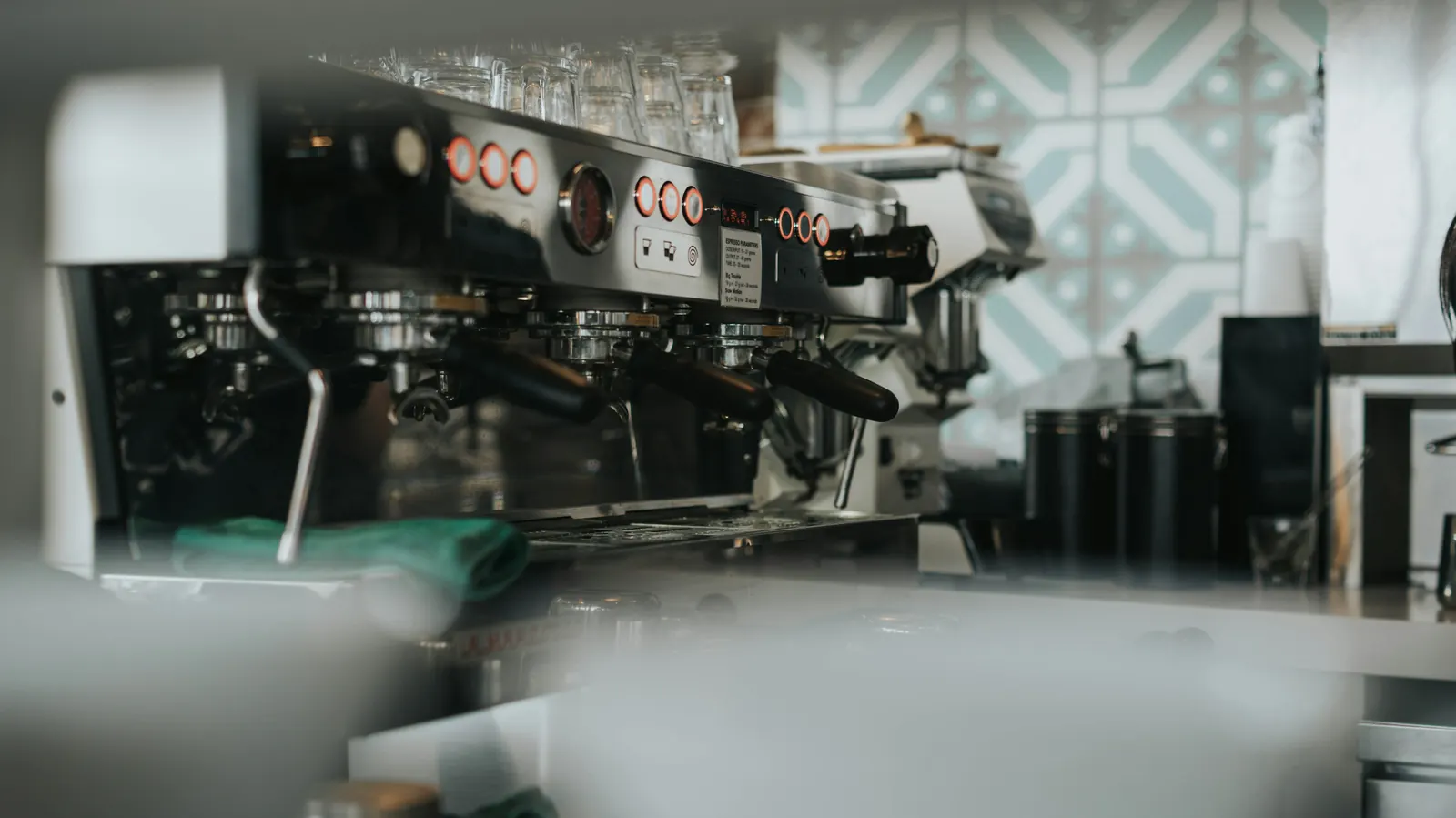
Both machines make real espresso with pressure, a hot shot of coffee with crema that you can drink straight or turn into a latte or a café con leche. The difference is who does the work. With a semi-automatic, you grind the beans, dose and tamp the coffee into a portafilter, start and stop the shot, and steam the milk. With a super-automatic, you press a button and the machine grinds, doses, tamps, brews and, on many models, froths the milk for you.
So the choice is less about which makes better coffee and more about how you want your mornings to go. This guide compares the two on control, the grinder, milk, consistency, cleaning, counter space and cost, using maker details and a named guide from Seattle Coffee Gear, then gives a pick for each side.
Julia’s earns a commission on purchases made through links on this page, at no cost to you. Recommendations are based on what a restaurant kitchen looks for, product specifications and verified buyer reports.
Quick verdict: do it yourself or push a button?
If you want good espresso and milk drinks every morning with no learning curve, buy a super-automatic: it grinds, tamps and brews at a button press and gives a consistent cup. Buy a semi-automatic if you enjoy the process and want control over every shot, and budget for a good grinder alongside it. For most busy households, the super-automatic is the machine that actually gets used every day; for coffee hobbyists, the semi-automatic is the one they’ll enjoy.
The table sums up the differences; each one is explained below.
Semi automatic vs super automatic espresso machine, side by side
| Semi-automatic | Super-automatic | |
|---|---|---|
| Grinding | Usually a separate grinder | Built-in grinder |
| Dosing and tamping | You do it | The machine does it |
| Starting and stopping the shot | You decide | Preset, adjustable within limits |
| Milk | Steam wand you control (some automatic) | Often a one-touch milk system |
| Learning curve | Moderate to steep | Minimal |
| Consistency | Depends on you | Very consistent |
| Daily cleaning | Portafilter, baskets, shower screen, wand | Brew group, milk parts, grounds bin |
| Cost | Lower to start (plus a grinder) | Higher |
Control: who makes the shot
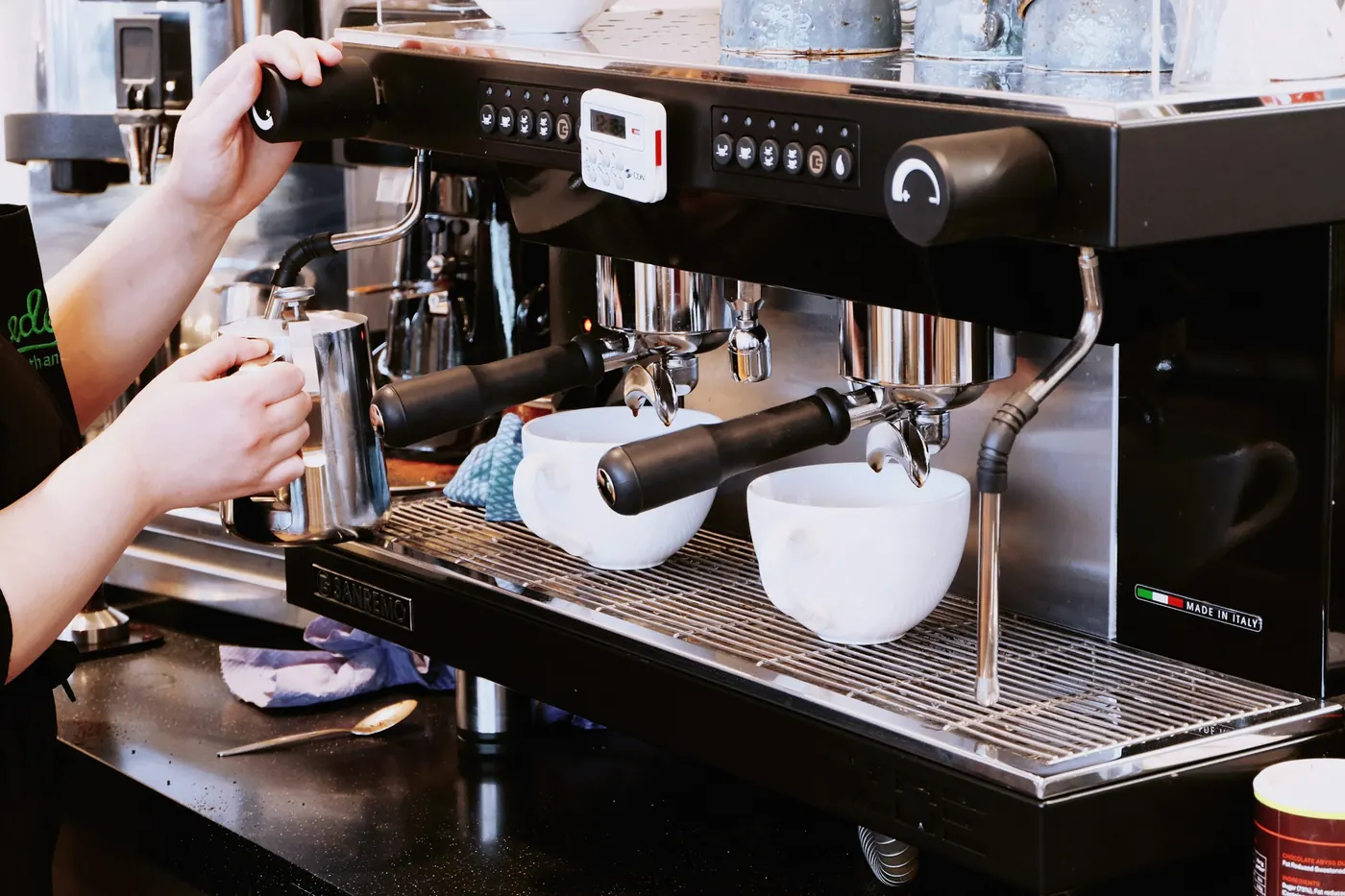
This is the heart of it. On a semi-automatic, the pump is automatic but you decide everything else. Seattle Coffee Gear’s guide puts it simply: with a semi-automatic, you have control over when the extraction begins and ends, and you can let a shot run longer if it’s pouring too fast. Many semi-automatics, including our pick, also have one- and two-cup buttons that stop the shot for you, so you can choose how much to do yourself.
On a super-automatic, the machine runs the whole shot. Seattle Coffee Gear notes that super-automatics usually end the shot on a preset, and while many let you adjust grind fineness and dose, the range of changes is limited. Philips’ 3300 Series, our pick, lets you set coffee strength, length and milk froth level through its My Coffee Choice function, according to its listing. That is enough tuning for most drinkers, but not the shot-by-shot control a hobbyist wants.
The grinder question
Espresso needs fresh, fine, even grounds, and the two designs handle it differently. Seattle Coffee Gear says most semi-automatics do not include a grinder, so you need a separate one or pre-ground coffee, and that non-pressurized baskets need a very precise grind and tamp. Breville’s page for the Bambino Plus lists a 54 mm portafilter, single- and dual-wall baskets, a tamper and a dosing tool in the box, but no grinder.
That matters for cost and counter space: a semi-automatic plus a good espresso grinder is two machines, and the grinder can cost as much as the machine. Our best burr espresso grinder guide covers the options. Dual-wall (pressurized) baskets, which Breville includes, are more forgiving of pre-ground coffee and an uneven tamp, so you can start with those and move to single-wall baskets once you have a grinder.
A super-automatic has the grinder built in. The Philips 3300 lists a 100% ceramic grinder. Seattle Coffee Gear adds two cautions: very oily, dark roasts can clog a super-automatic’s grinder, and many models have a bypass for pre-ground coffee if you want decaf now and then.
Milk drinks: steam wand or one-touch
For lattes, cappuccinos and café con leche, the milk system is as important as the shot. Seattle Coffee Gear notes that a traditional steam wand takes some practice but gives you more control over texture, which is what latte art needs.
Some semi-automatics now automate the wand. Breville’s Bambino Plus has a hands-free automatic steam wand that, according to Breville, makes microfoam with adjustable milk temperature and texture, and you can also texture by hand. On the super-automatic side, Philips’ LatteGo system froths milk into the cup automatically and, per the listing, has two parts and no tubes to clean. If you want a cappuccino at a button press for everyone in the house, a one-touch milk system is hard to beat.
Consistency and learning curve
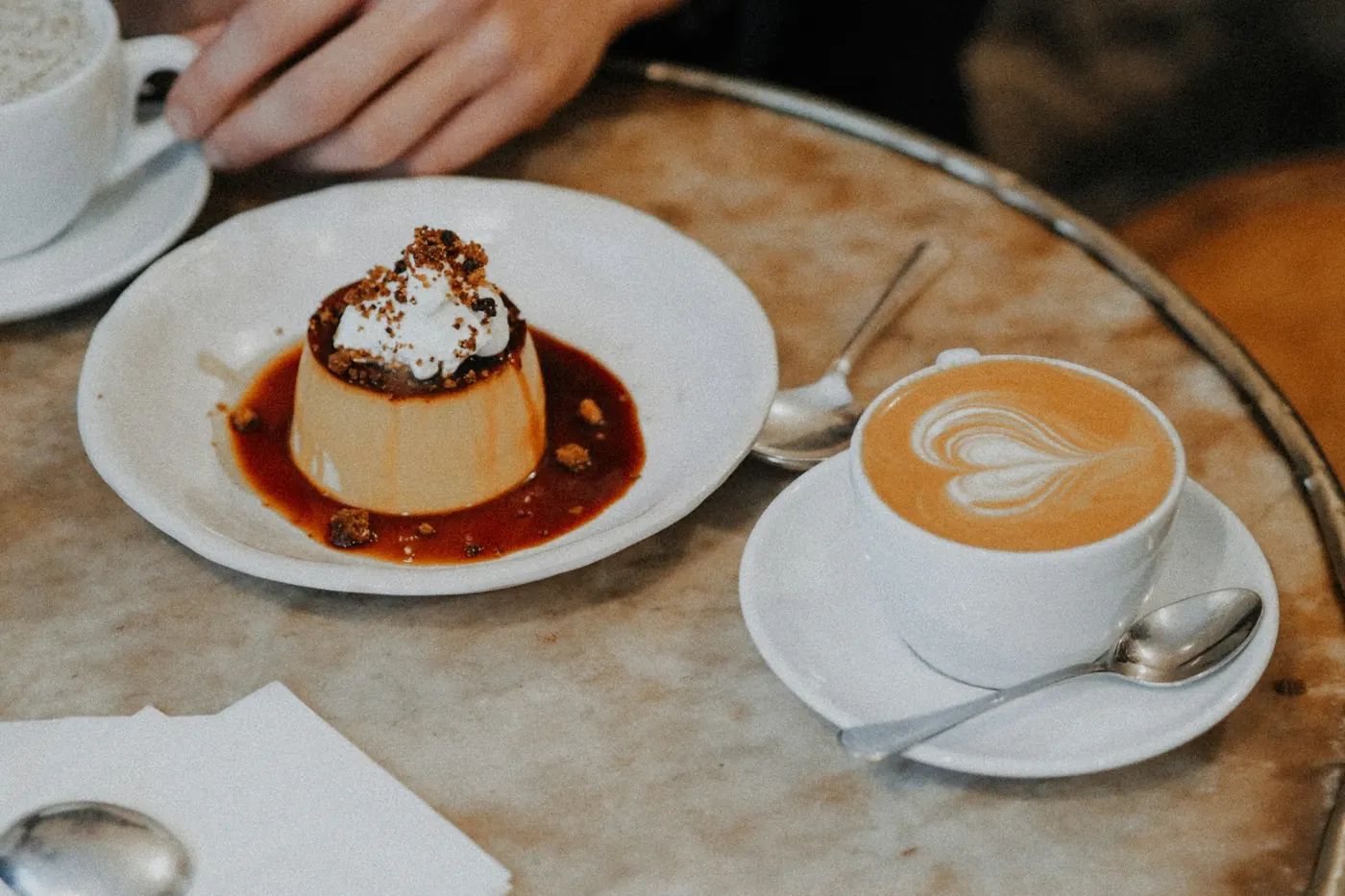
Seattle Coffee Gear calls super-automatics incredibly easy to use and says they will produce a consistent shot every time. That’s their big strength in a busy household: anyone can make the same drink, and nobody has to learn to tamp.
A semi-automatic is more technical. With single-wall baskets you dial in the grind, dose and tamp until shots taste right, and you adjust again when you change beans. Many people enjoy that, and a practiced hand can pull a better shot than a machine, but it takes time and a few wasted shots to learn. If you’re not sure you’ll enjoy it, our best espresso machine for beginners guide covers easier machines on both sides.
Cleaning and upkeep
Neither machine is maintenance-free. Seattle Coffee Gear says a semi-automatic needs its portafilter, baskets and shower screen cleaned, so it’s slightly more upkeep, while a super-automatic still needs regular care of the brew group, steam valve and steam wand. In general kitchen terms, the semi-automatic’s cleaning happens shot by shot (knock out the puck, rinse the basket, wipe the wand), while the super-automatic’s is a daily emptying of the grounds bin and drip tray plus regular rinsing of the brew group and milk parts.
Scale is the other job. Philips says its AquaClean filter, changed when the machine prompts, means you won’t need to descale for up to 5,000 cups. Breville’s Bambino Plus page doesn’t give a descaling interval; in general, plan on descaling regularly, more often with hard water. Our espresso machine cleaner guide covers the products.
Counter space and cost
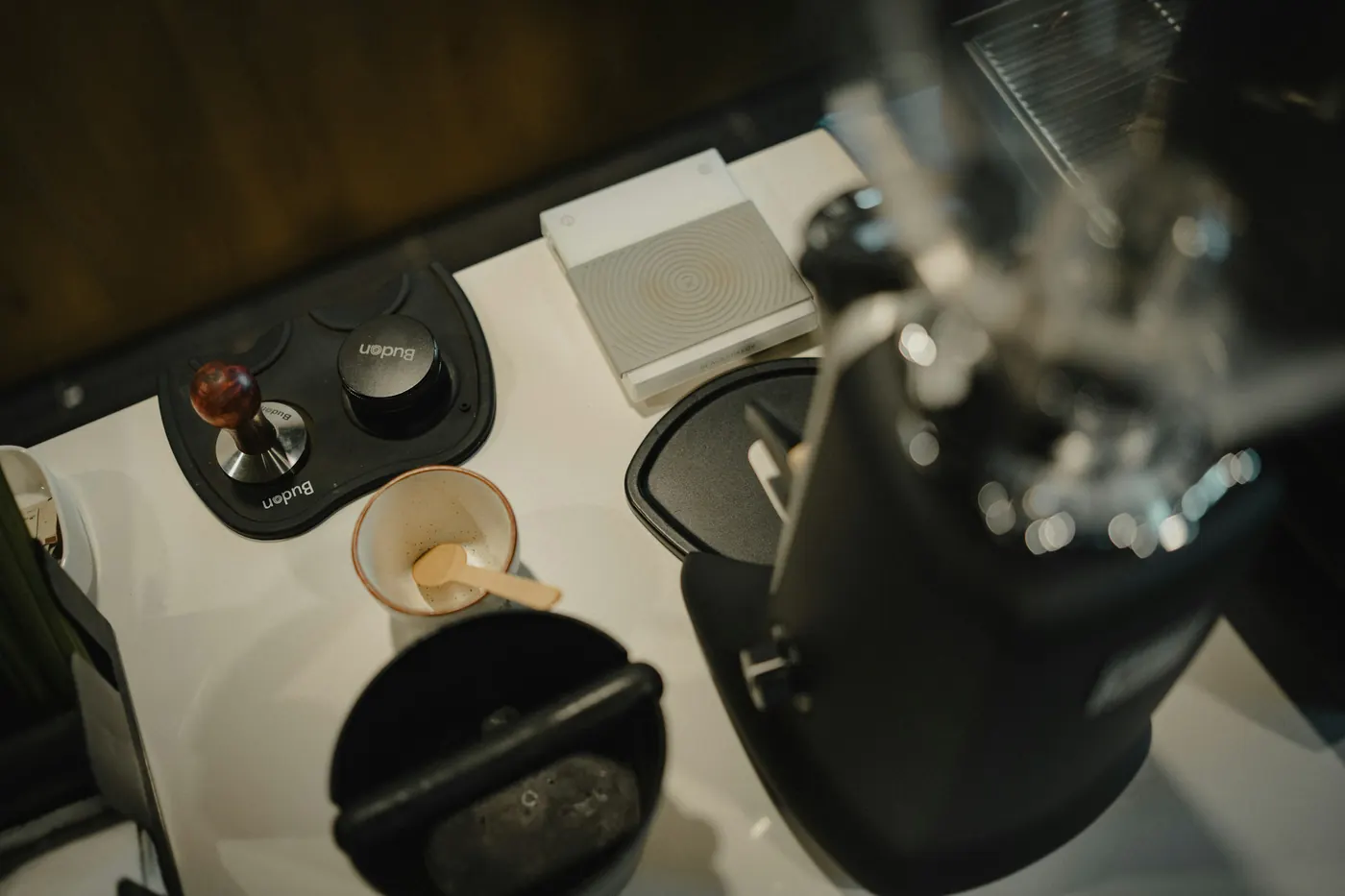
Semi-automatics can be very compact. Breville gives the Bambino Plus as 7.7 inches wide on its listing and 11.9 by 7.4 by 14.3 inches on its own page. Add a grinder beside it, though, and you’re using more space. The Philips 3300 is a single box with everything inside; its listing gives it as about 9.7 inches deep, 17 inches wide and 14.6 inches high, so measure the width and the height under your cabinets, since you’ll be filling a bean hopper on top.
Seattle Coffee Gear notes that single-boiler semi-automatics are generally less expensive, and super-automatics cost more to start because the grinder, tamping and milk system are built in. Once you add a good grinder to a semi-automatic, the gap narrows.
Choose a semi-automatic if… / Choose a super-automatic if…
Choose a semi-automatic if…
- You enjoy the ritual and want to control each shot.
- You want to learn milk texturing and latte art.
- You already own, or will buy, a good espresso grinder.
- You make one or two drinks at a time and don’t mind cleaning as you go.
Choose a super-automatic if…
- You want espresso and milk drinks at a button press.
- Several people in the house make coffee and want the same result.
- You don’t want to learn grinding, dosing and tamping.
- You’d rather have one machine than a machine and a grinder.
Our picks for the semi automatic vs super automatic espresso machine choice
One machine for each side, both in stock and sold new when we checked. Both are other colors or variants of models we cover elsewhere: the Breville Bambino Plus in Damson Blue is the same machine as the semi-automatic picks in our best espresso machine guide, included because it is the clearest example of a modern compact semi-automatic; the Philips 3300 Series LatteGo is the same series as a pick in our fully automatic espresso machine with grinder guide, included because it shows what a one-touch super-automatic does at an entry level.
1. Breville Bambino Plus – Compact Semi-Automatic With an Automatic Wand

The Bambino Plus is a small semi-automatic that takes some of the hard parts out of the job without taking away control. Breville says its ThermoJet heating system reaches extraction temperature in 3 seconds, digital temperature control (PID) holds the water at the right temperature, and low-pressure pre-infusion starts each shot gently. You dose and tamp into a 54 mm portafilter; Breville’s listing gives 19 grams as the dose.
Its steam wand is the standout. Breville describes it as hands-free and automatic, with adjustable milk temperature and texture, and the machine purges the system after steaming so your next shot brews at the right temperature. Breville’s page lists single- and dual-wall baskets, a tamper, a dosing tool and a 16-ounce milk jug in the box.
There is no grinder, so pair it with a burr espresso grinder or start with pre-ground coffee in the dual-wall baskets. The listing gives 1,560 watts and a two-year limited warranty.
Why we like it
- Ready to brew in 3 seconds, per Breville
- Automatic steam wand with adjustable texture
- Only 7.7 inches wide
- Single- and dual-wall baskets included
Key specifications
| Model | BES500DBL (Bambino Plus, Damson Blue) |
|---|---|
| Type | Semi-automatic, 1- and 2-cup buttons |
| Grinder | None; separate grinder needed |
| Portafilter | 54 mm, 19 g dose (listing) |
| Milk | Automatic steam wand, manual option |
| Size | 11.9 W x 7.4 D x 14.3 H in (Breville) |
| Power | 1,560 W (listing) |
| Warranty | 2 year limited (listing) |
Why we recommend it
It suits someone who wants to learn real espresso in a small kitchen and likes the idea of help with the milk.
Skip it if you want coffee at a button press with no grinder to buy or tamping to learn.
Pros and cons
Pros
- Fast heat-up and PID control
- Easy milk texturing
- Very compact
Cons
- No grinder included
- Learning curve for shots
- Small 54 mm basket
2. Philips 3300 Series LatteGo – Push-Button Espresso and Milk Drinks

The Philips 3300 is a bean-to-cup machine: fill the hopper and the water tank, choose a drink on the touch display, and it grinds with a ceramic grinder, brews and froths. The listing names six beverages: espresso, coffee, iced coffee, cappuccino, latte macchiato and hot water.
The LatteGo milk system is the reason to pick it. Philips says it froths several kinds of milk automatically and is its fastest milk system to clean, with two parts and no tubes. My Coffee Choice lets you set strength, length and froth level, and Philips says its SilentBrew technology makes it quieter. With the AquaClean filter changed when prompted, Philips says you won’t need to descale for up to 5,000 cups.
It takes more counter width than the Breville, about 17 inches by the listing, and you trade shot-by-shot control for convenience. The Amazon offer we saw was a new unit from a third-party seller rather than Amazon itself, so check the seller before buying. The listing we read doesn’t state a warranty term.
Why we like it
- Grinds, brews and froths at a touch
- Two-part milk system with no tubes
- Adjustable strength, length and froth
- AquaClean filter cuts descaling, per Philips
Key specifications
| Model | EP3347/90 (3300 Series, Glossy Black) |
|---|---|
| Type | Super-automatic (fully automatic) |
| Grinder | Built-in, 100% ceramic |
| Drinks | Espresso, coffee, iced coffee, cappuccino, latte macchiato, hot water |
| Milk | LatteGo automatic, 2 parts |
| Size | 9.68 D x 17.04 W x 14.6 H in (listing) |
| Power | Not stated on listing |
| Warranty | Not stated on listing |
Why we recommend it
It suits a household that wants lattes and cappuccinos every morning with no learning curve and a quick milk cleanup.
Skip it if you want to control each shot or pour latte art.
Pros and cons
Pros
- One machine, no separate grinder
- Consistent drinks for everyone
- Easy-clean milk system
Cons
- Limited shot control
- Wider footprint
- Sold by a third-party seller when checked
Semi-automatic and super-automatic questions, answered
Which makes better espresso?
It depends on the person using it. A practiced hand on a semi-automatic with a good grinder can pull a better shot, while a super-automatic makes a consistent, good shot every time with no skill. For most households, consistency wins.
Do I need a grinder for a semi-automatic?
Usually yes. Seattle Coffee Gear says most semi-automatics don’t include one, and Breville’s Bambino Plus doesn’t. You can start with pre-ground coffee in pressurized (dual-wall) baskets, but a burr grinder makes the biggest difference to the shot.
Can a super-automatic use pre-ground coffee?
Many can, through a bypass doser, according to Seattle Coffee Gear. Check the model’s details before buying if you want decaf from a bag now and then.
Is a super-automatic hard to clean?
Not hard, but it needs a routine: empty the grounds and drip tray, rinse the brew group and milk parts, and descale or change the water filter when the machine asks. Seattle Coffee Gear says the brew group, steam valve and wand need regular care.
Is a semi-automatic or super-automatic better for a beginner?
A beginner who wants coffee, not a hobby, should get a super-automatic. A beginner who wants to learn espresso can start with a forgiving semi-automatic like the Bambino Plus and its dual-wall baskets.
Our final word on manual control and push-button espresso
Decide whether you want a hobby or a habit. If making the shot is part of the pleasure, a semi-automatic and a good grinder will reward you. If you just want a good latte before work, a super-automatic does it at the press of a button, every day, for everyone in the house.
Still deciding between espresso and drip? See our espresso machine vs coffee maker comparison. And when you’d rather someone else did the cooking, see the menu or call to order.