Nachos have a named inventor, a documented date, a specific restaurant and a plaque. Very few dishes can say that, and almost nobody eating them knows it.
The story is also short, because the original recipe had three ingredients.
The short answer
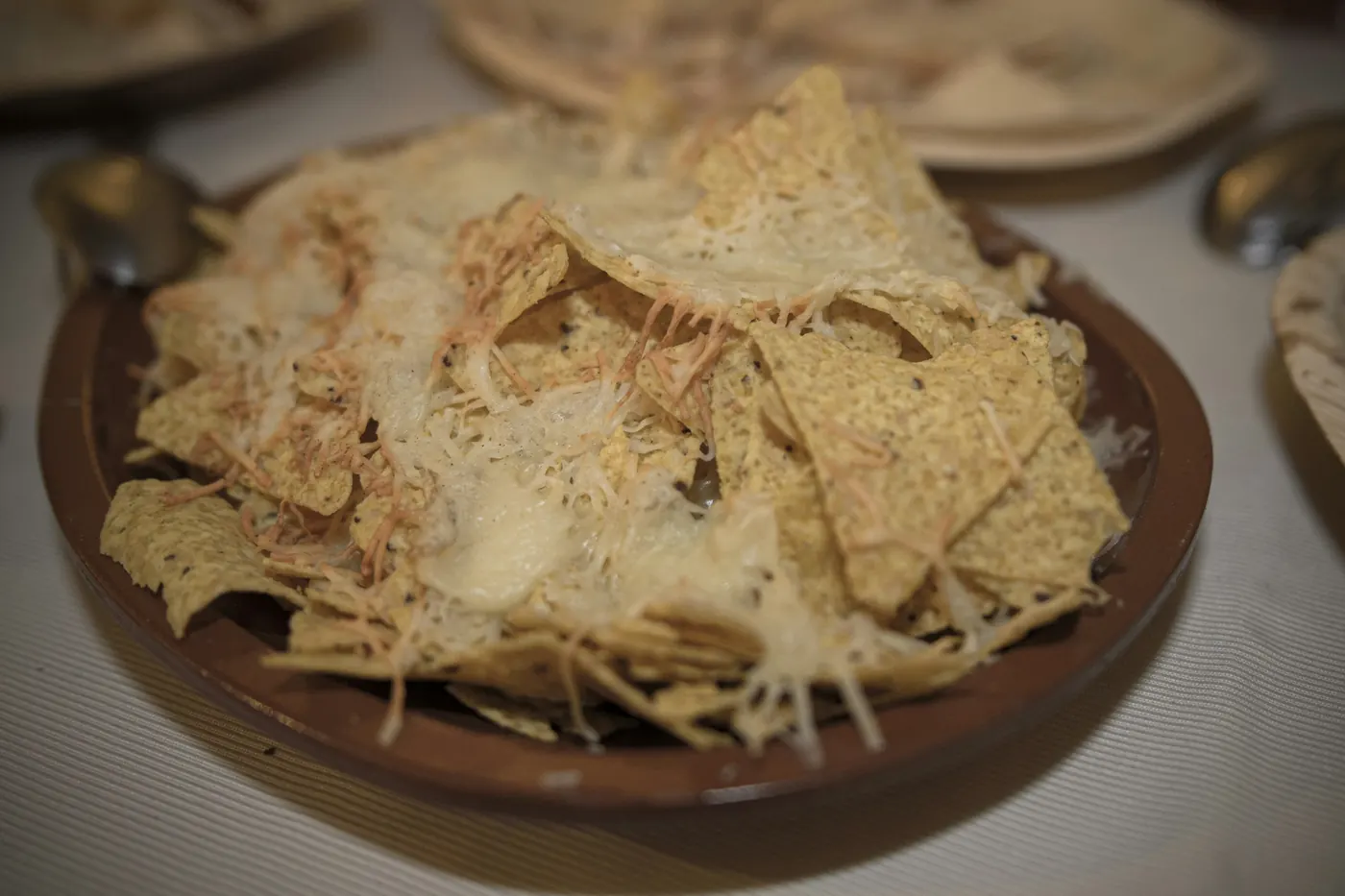
Nachos were invented by Ignacio “Nacho” Anaya, a maître d’ at the Victory Club in Piedras Negras, Coahuila — just across the Rio Grande from Eagle Pass, Texas. With the cook unavailable and a group of American customers waiting, he cut tortillas, fried them, covered them with grated cheese, melted it, and added pickled jalapeños. He called it Nacho’s Special. Sources date it to the early 1940s.
What actually happened
The setting matters, because it explains the dish.
Piedras Negras sits directly on the border. During the war years its restaurants served a steady stream of Americans from the Fort Duncan army post on the Texas side. A group of them arrived at the Victory Club outside normal service, the chef was not there, and Anaya went to the kitchen himself.
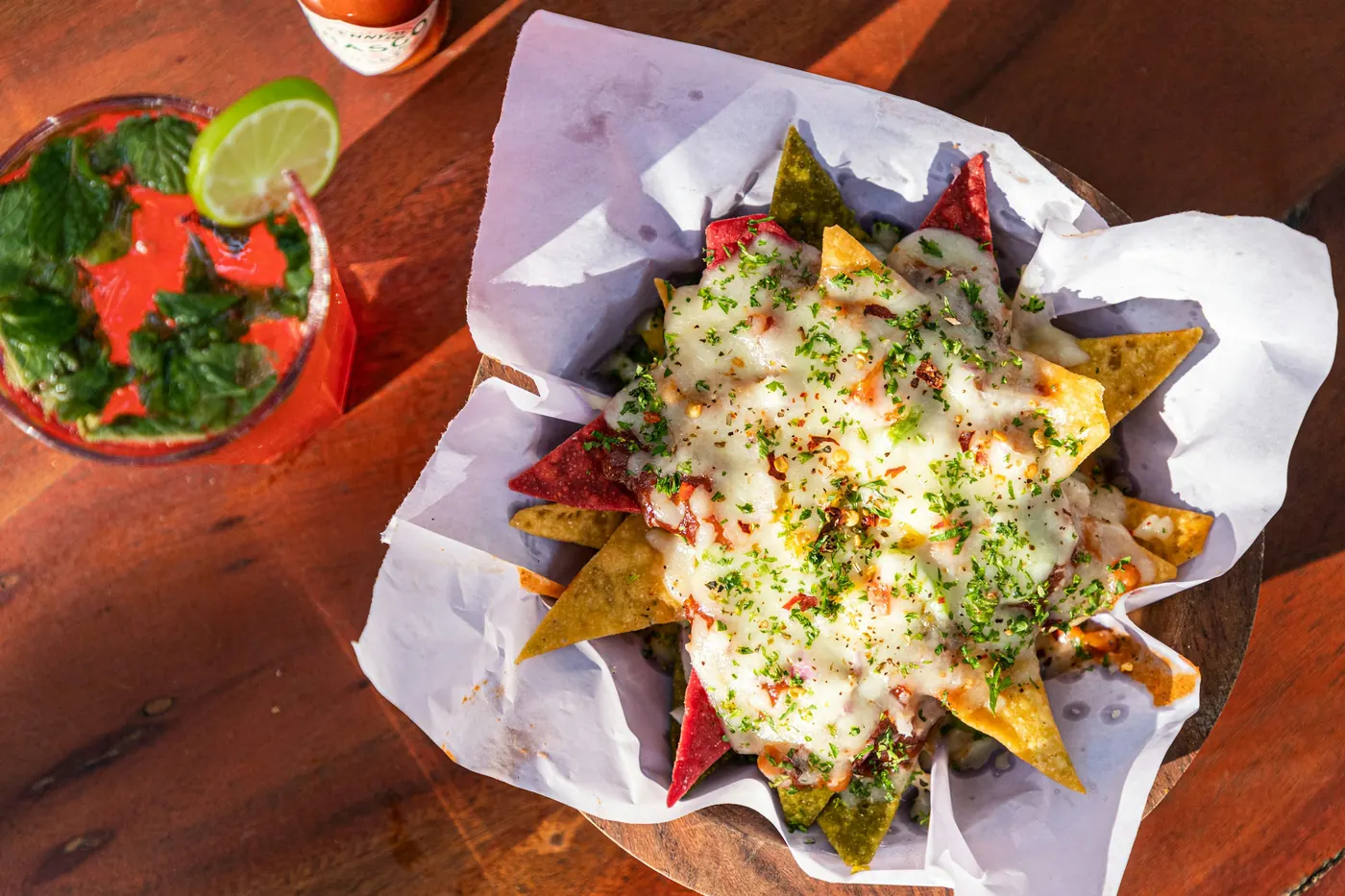
As Food Republic recounts the origin, what he assembled was tortilla pieces, shredded cheese melted under heat, and pickled jalapeños on top. He named it after himself, and it stayed on the menu.
One honest caveat: published accounts differ on the exact year, with 1940 and 1943 both widely cited. The place, the person and the dish are consistent across sources; the date is not.
Why it worked
Nothing in the dish was new. Fried tortilla pieces already existed as tostadas and as a way of using stale tortillas. Cheese existed. Pickled jalapeños existed.
What Anaya did was combine them in a format that could be made in under two minutes with no cook present, eaten with fingers, and shared across a table. That is a genuinely good piece of design, and it is why the thing spread.
It also happened to be built for an American palate at a moment when Americans were crossing the border in numbers — melted cheese, salt, and a little heat.
The original vs what arrives now
| Nacho’s Special, 1940s | A modern plate | |
|---|---|---|
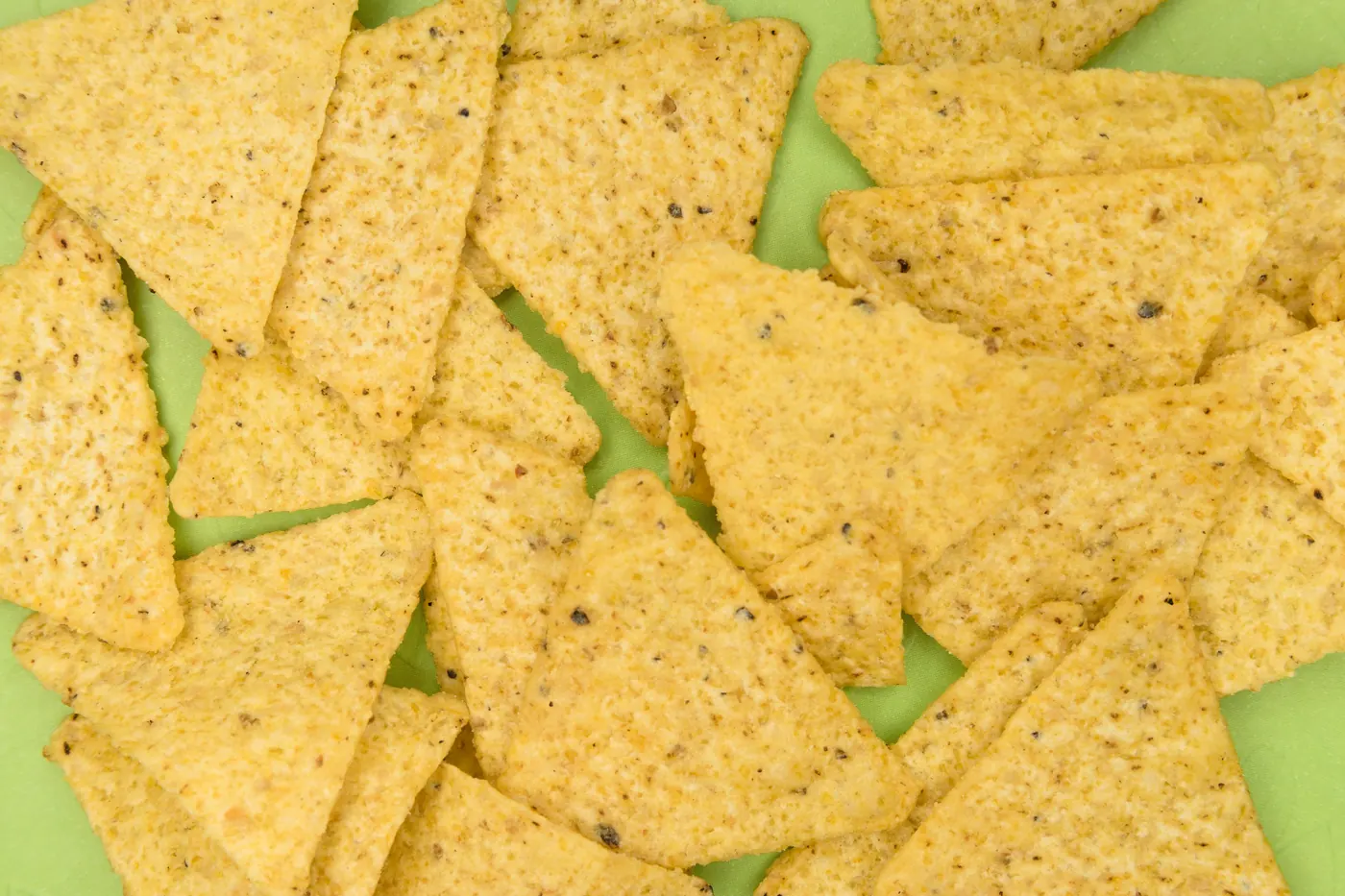
| Base | Tortilla quarters, fried to order | Bagged chips, usually |
| Cheese | Grated, melted under heat | Melted cheese or a poured sauce |
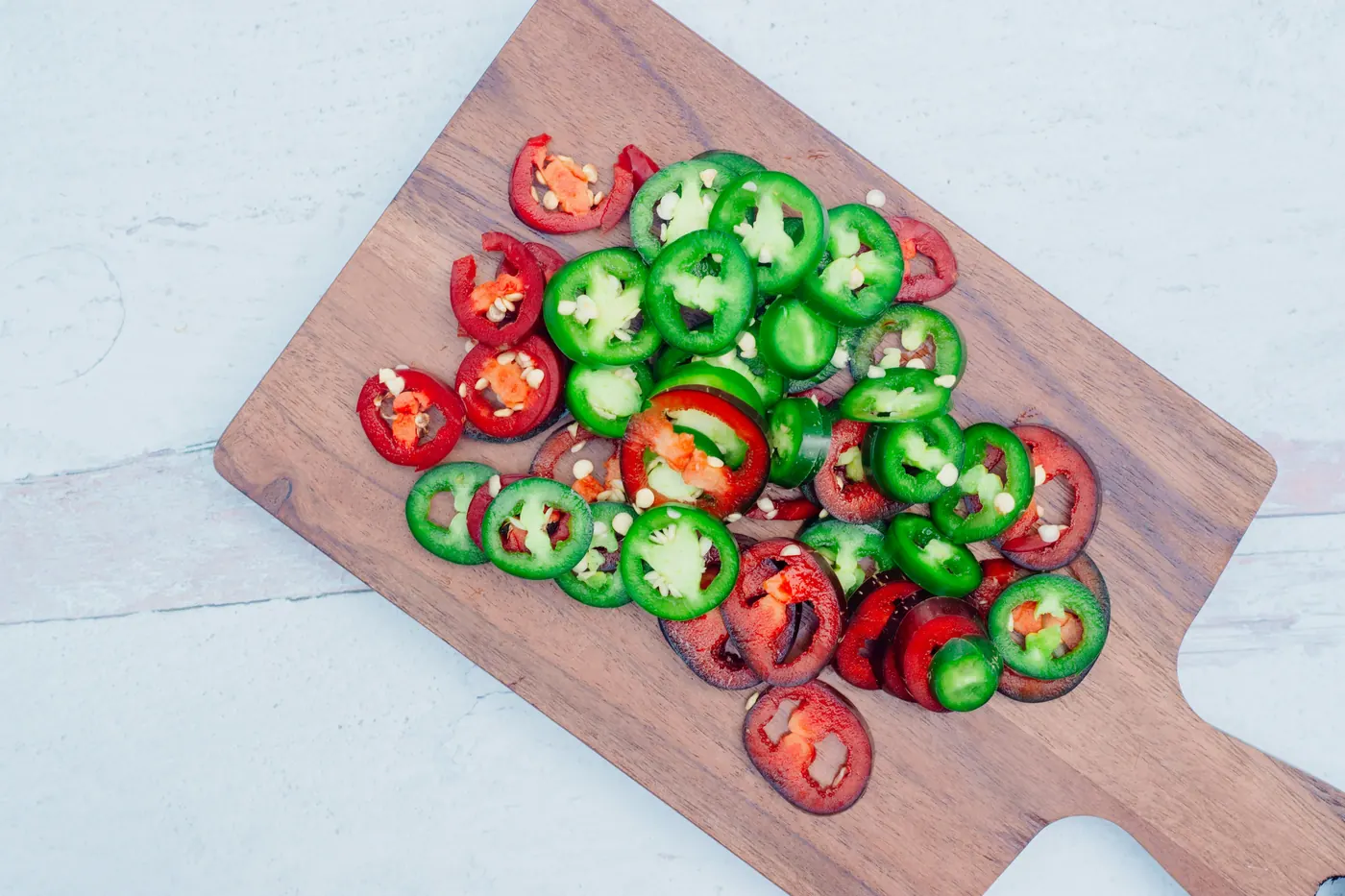
| Heat | Pickled jalapeño | Pickled jalapeño, still |
| Everything else | Nothing | Beef, beans, guacamole, crema, olives |
| Assembly | Each chip topped individually | Poured over the pile |
| Portion | A small plate | Frequently a main course |
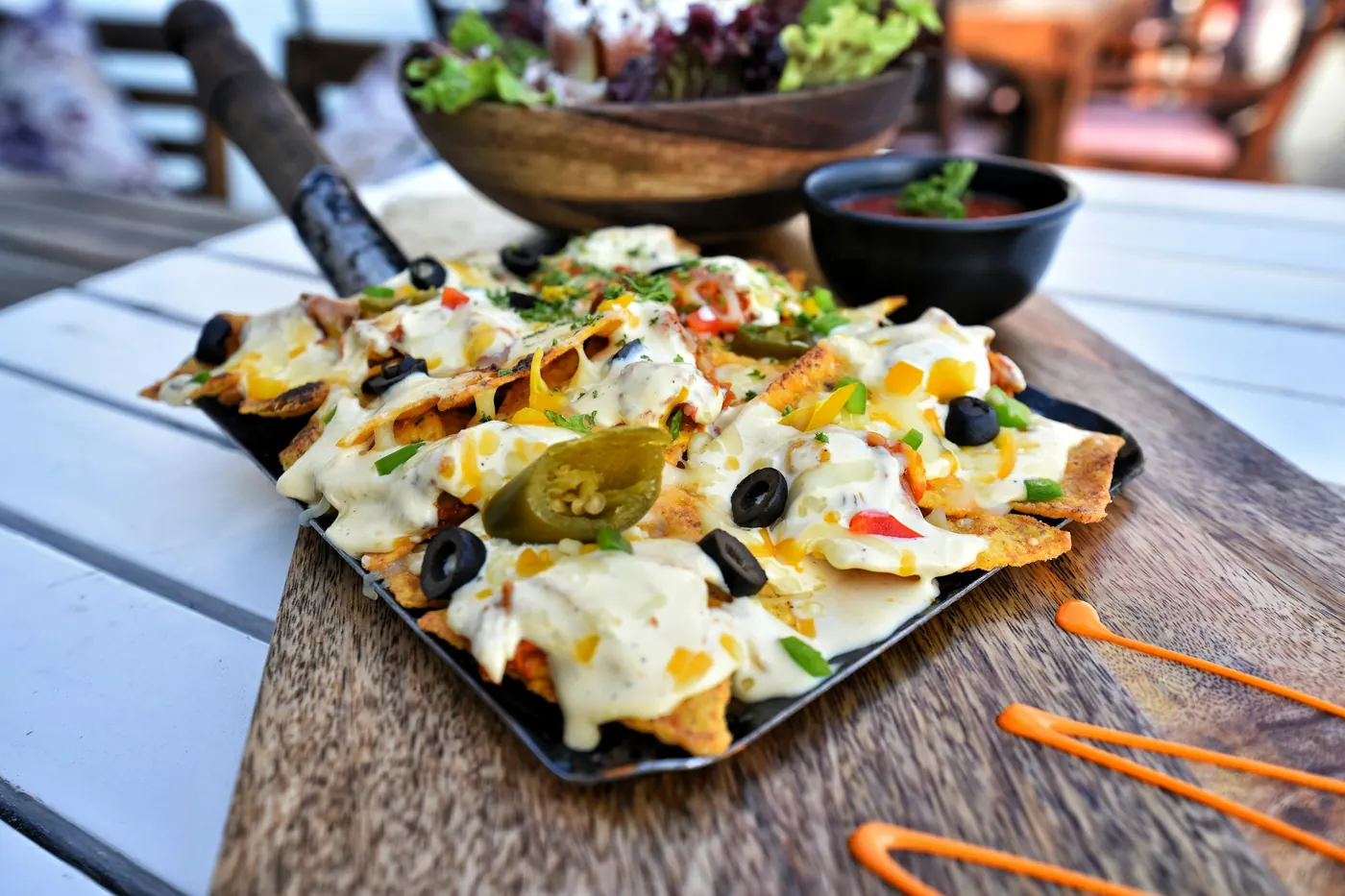
The row worth noticing is the last-but-one. In the original, each piece was assembled separately, which is why every bite worked. Pouring toppings over a heap produces the familiar problem: loaded chips on top, bare chips underneath.
How it spread
The dish moved north across the border first, into Texas, where it became a standard part of the Tex-Mex repertoire. That is the same route and roughly the same period as much of the rest of that cuisine, covered in our Tex-Mex and Mexican comparison.
The much bigger jump came later, with stadium nachos — chips and a pumpable cheese sauce sold at sports venues from the 1970s. That version is a different product built for a different problem, and it is what most of the world now pictures.
Both descend from a plate of tortilla chips in a border town, which is a reasonable claim to fame.
The recognition
Anaya died in 1975. There is a plaque in Piedras Negras marking the invention, and 21 October is observed there as an international nacho day.
The recognition is unusual. Most dishes have contested origins and no single author, which is why food history is mostly argument. Nachos have a place, a person and a reason, and the only thing anyone disputes is the year.
It is also unusual for the inventor’s name to survive in the food itself. Nobody eating a plate of them thinks they are saying somebody’s nickname, but they are.
His name also survives in the word itself, which is the part most people miss. Nacho is a common Spanish nickname for Ignacio. Every plate of nachos is named after a man.
What this means for ordering
Knowing the original is useful, because it tells you what a good plate of nachos still does.
The chips should be sturdy enough to hold weight. The cheese should be melted onto the chips rather than poured over the top as a sauce, which is the difference between nachos and chips-and-queso — a distinction our guide to queso works through.
And the plate should be built rather than heaped. If the bottom third is dry chips, the kitchen skipped the only step that mattered in 1943.
On Julia’s menu
Julia’s carries two versions, and the names tell you which is which.
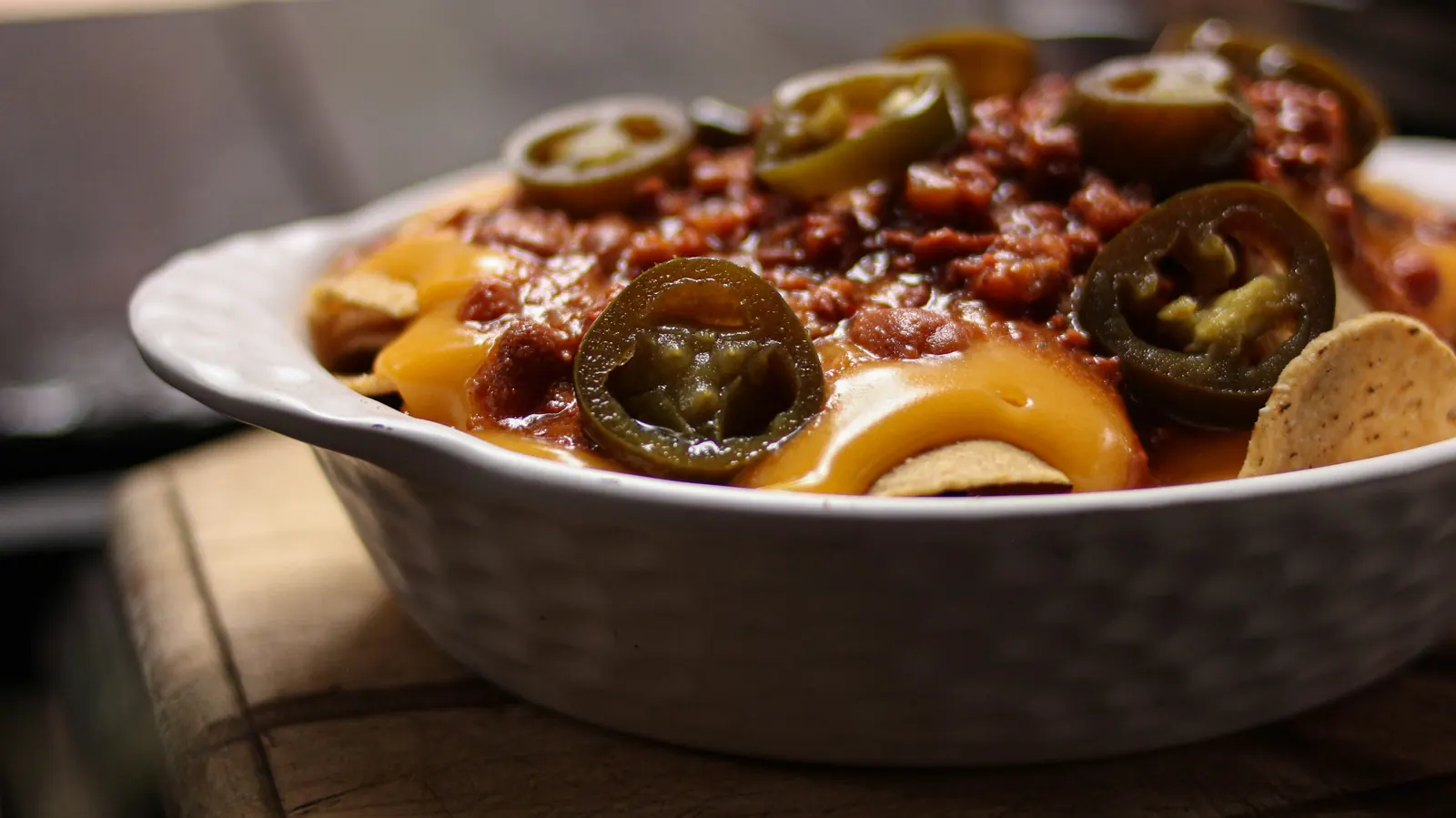
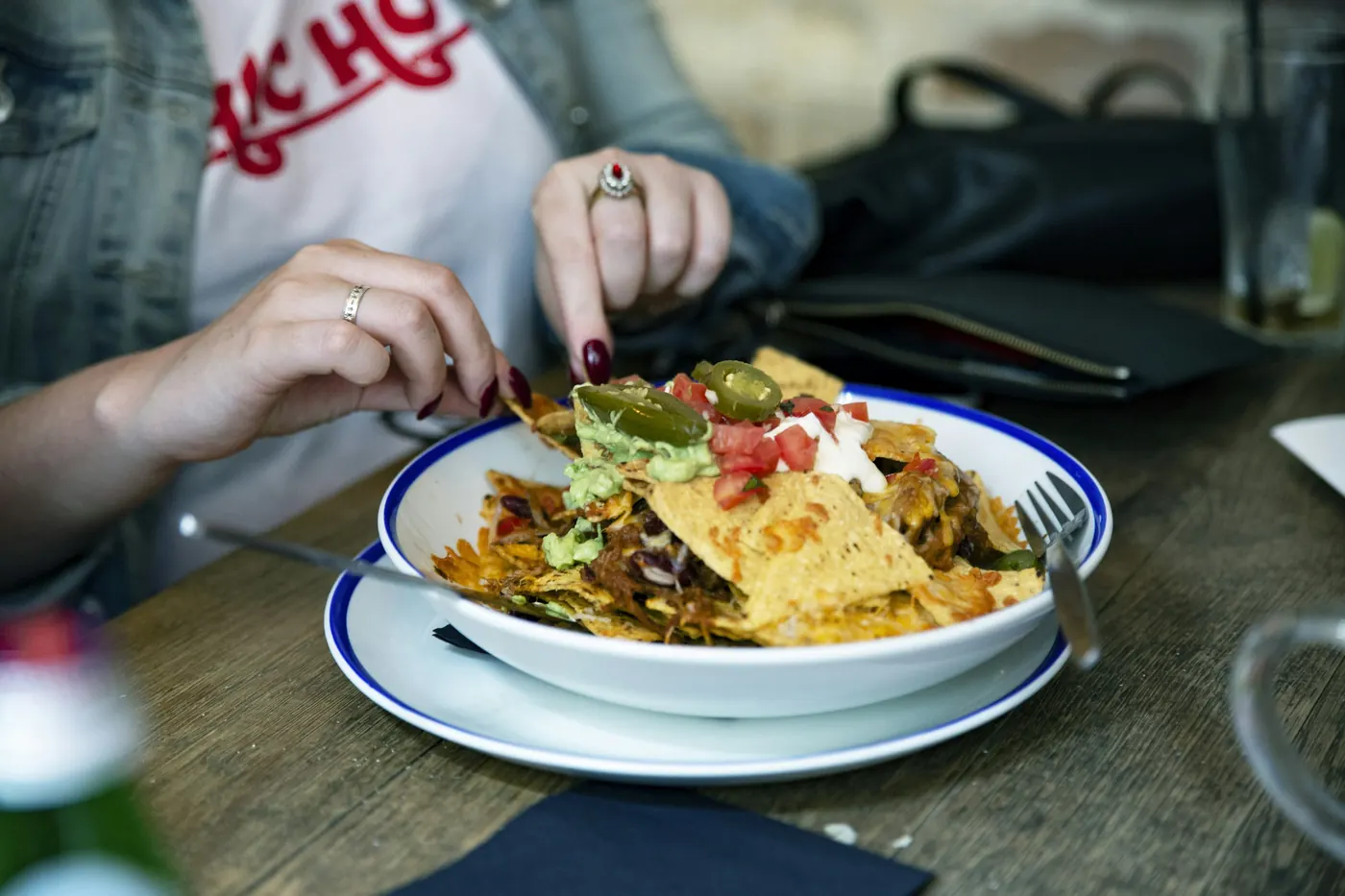
The Nachos Tejanos are ground beef, refried beans and melted cheddar, served with guacamole, sour cream and jalapeño. That is the Texan descendant, and the cheddar is the giveaway — yellow cheese is the Tex-Mex marker, as our cheese guide explains, and it puts this plate squarely on the northern side of the border.
The pickled jalapeño on top is the one element that has survived unchanged from Anaya’s plate. Everything else on it was added over eighty years.
Three dishes people mix up
Nachos sit next to two other tortilla-chip dishes, and the differences are real.
Chips and queso is a bowl of cheese sauce served alongside chips. The cheese never touches heat with the chips, so nothing melts onto anything — you dip.
Chilaquiles are fried tortilla pieces simmered in salsa until they soften, then topped with crema, cheese and often an egg. They are a breakfast dish and they are meant to go soft, which is the opposite of what nachos want. Our brunch guide covers where they sit on a menu.
Nachos are chips with cheese melted directly onto them under heat, eaten immediately while the chip is still crisp.
All three start with a fried tortilla. Only one of them is trying to stay crunchy.
Frequently asked questions
Who invented nachos?
Ignacio “Nacho” Anaya, a maître d’ at the Victory Club in Piedras Negras, Mexico, in the early 1940s. He made them for American customers when the cook was unavailable.
Are nachos Mexican or American?
Both, in sequence. They were invented in Mexico, in a border town, for American diners, and then developed further in Texas. They are usually classed as Tex-Mex.
What was in the original nachos?
Fried tortilla pieces, grated cheese melted under heat, and pickled jalapeños. Nothing else — no beans, no meat, no sauce.
Why are they called nachos?
Nacho is a Spanish nickname for Ignacio. Anaya named the dish Nacho’s Special after himself, and the name shortened.
What is the difference between nachos and chips with queso?
Nachos have cheese melted onto the chips under heat. Chips and queso is a separate bowl of cheese sauce for dipping. Different dishes, different textures.
The short version
One man, one border-town restaurant, three ingredients, the early 1940s. Everything since has been addition.
Julia’s Nachos Tejanos are on the appetizer menu, and if you want the wider picture of how border cooking became its own cuisine, our Tex-Mex guide covers it.