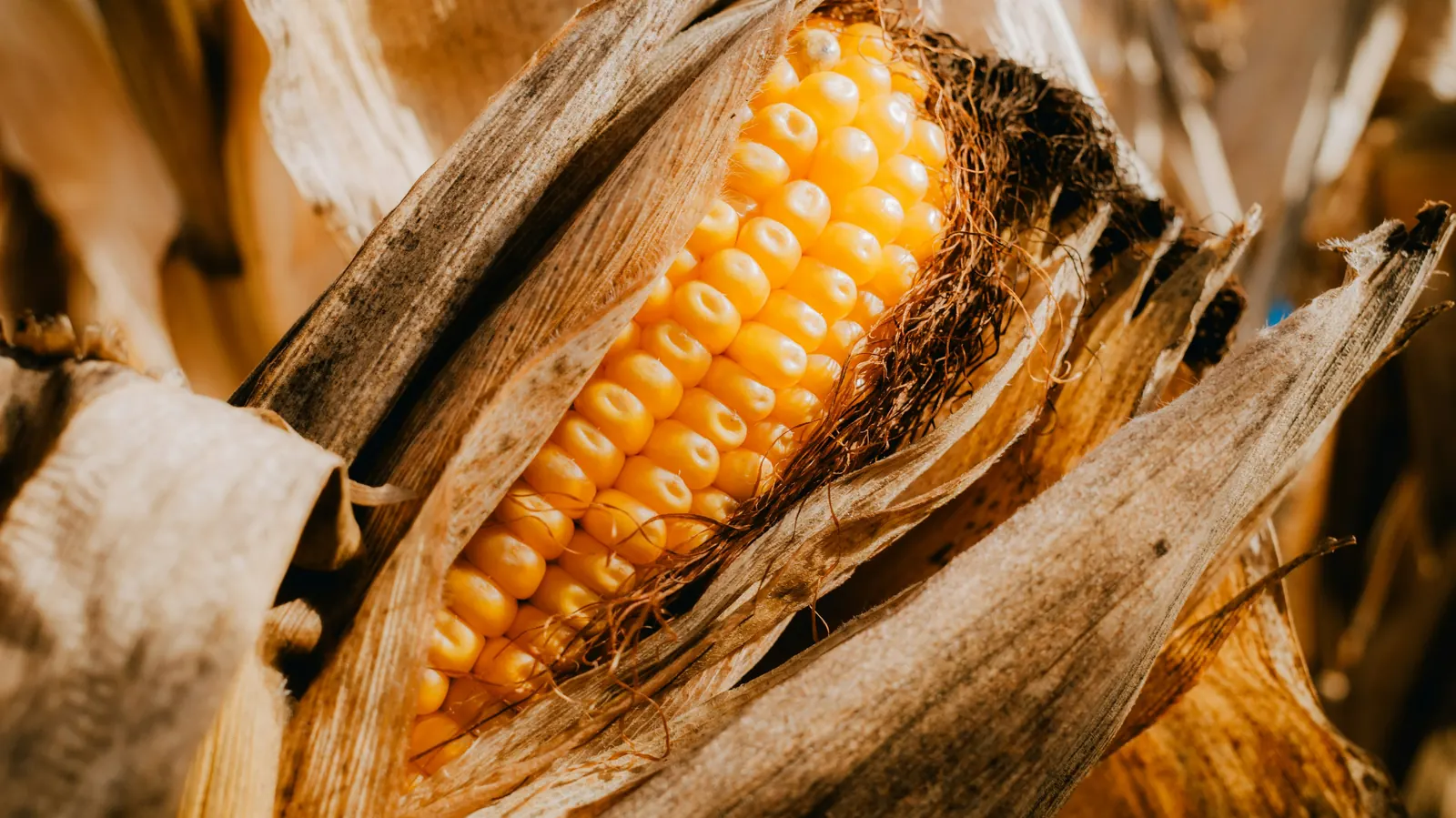
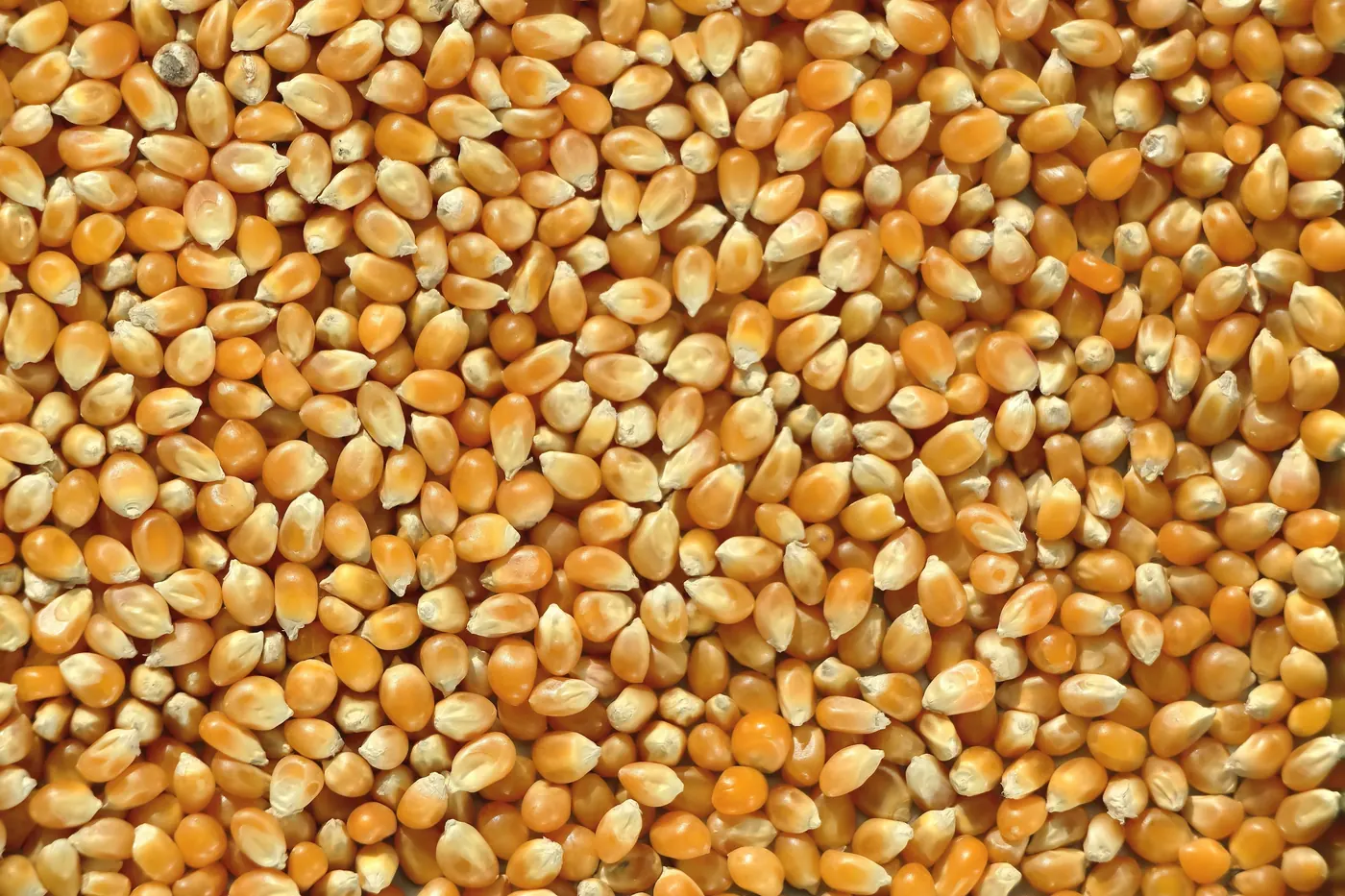
Every bag of masa harina starts as whole dried corn. The kernels are cooked and soaked in water with cal (calcium hydroxide, also sold as slaked or pickling lime), rinsed, ground into masa, then dried and milled into flour. That lime-cooking step is nixtamalization, and it is what turns corn into a dough that holds together as a tortilla. If you want to make masa from scratch, the first decision is which corn to buy.
It is not the corn you eat off the cob. Sweet corn is grown to be eaten fresh, while masa is made from field corn left on the stalk until the kernels are hard and dry. This guide explains which kinds of dried corn work for nixtamal at home, names the bags worth buying online, and covers the cal you will need alongside them.
Julia’s earns a commission on purchases made through links on this page, at no cost to you. Recommendations are based on what a restaurant kitchen looks for, product specifications and verified buyer reports.
Quick verdict: the corn and cal to buy
The best corn for masa harina at home is a dried dent or flour corn, and the best bag online for most cooks is Henry Moore Heirloom Yellow Dent Corn: an open-pollinated, organic dent corn whose listing names masa and hominy among its uses. For a smaller first batch, choose Country Life Natural Foods Organic Whole Yellow Corn, sold specifically for grinding into masa. For blue tortillas, use Food to Live Organic Blue Corn Kernels. Whichever corn you buy, add a bag of food-grade cal such as Mrs. Wages Pickling Lime: without it, you have cornmeal, not masa.
Below: the five standout picks side by side, then all seven reviewed in full, with how much cal to use and how the process works.
Five picks for homemade masa at a glance
Our five standout picks, one for each kind of home masa maker, with the details each listing or maker states. All seven picks are reviewed in full below.
| Corn or cal | Best for | Type & size | Organic / non-GMO (as stated) | Buy on Amazon |
|---|---|---|---|---|

Henry Moore Heirloom Yellow Dent Corn, 15 lbBest overall
|
Regular masa making | Heirloom yellow dent; 15 lb | Certified organic, non-GMO | View on Amazon |
| Trying nixtamal for the first time | Mature dried yellow corn; 5 lb | USDA organic, non-GMO verified | View on Amazon | |

Food to Live Organic Blue Corn Kernels, 3 lbBest blue corn
|
Blue tortillas | Whole dried blue corn; 3 lb | USDA organic, non-GMO | View on Amazon |

La Mazorca de Oro Organic Blue Corn, 5 lbBigger blue bag
|
Blue masa in larger batches | Whole blue corn; 5 lb | Organic, non-GMO, per listing | View on Amazon |
| The lime every batch needs | Food-grade calcium hydroxide; 1 lb | Not stated; kosher, no additives | View on Amazon |
Product images from Amazon. Details are as stated by each listing or maker; check the listing before you buy.
Our picks for the best corn for masa harina
Five of these picks are whole, dried field corn, the hard mature kernels that nixtamalize well; two are the cal that makes the process work. We could not find a well-identified white dent corn in stock on Amazon, the classic corn for Mexican tortillas, so the corn picks here are yellow and blue. Each one says what the listing states, who it suits, and one honest reason to pass on it.
1. Henry Moore Heirloom Yellow Dent Corn, 15 lb – Dent Corn Sold for Masa
Henry Moore is an heirloom, open-pollinated yellow dent corn, and the listing says plainly that it is appropriate for grinding into cornmeal or for making into masa or hominy. That is exactly the job, and dent is the right kind of corn for it: New Mexico State University describes dent kernels as having flinty sides and soft cores of starch, a middle ground between hard flint corn and soft flour corn. The soft core takes up the lime and water and grinds into a smooth masa.
The corn comes from a family farm. The listing says it is grown, harvested, stored, cleaned and bagged on a small farm in Grundy County, Illinois, by a family farming there since 1866, and that it is certified organic and non-GMO. Open-pollinated means the variety breeds true from saved seed, the way traditional corns are grown, rather than a hybrid.
Fifteen pounds is a lot of corn, and that is the point if you plan to make masa regularly. A typical home batch is a kilogram or two of dried corn, so this bag covers many rounds of tortillas and tamales. Store it sealed, somewhere cool and dry, to keep out moisture and pantry insects; the listing does not give its own storage advice.
Why we like it
- Listing names masa and hominy among its uses
- Heirloom, open-pollinated yellow dent corn
- Certified organic and non-GMO
- Grown and bagged on one family farm in Illinois
Key specifications
| Size | 15 lb |
|---|---|
| Corn type/color | Yellow dent |
| Variety | Henry Moore (heirloom, open-pollinated) |
| Organic/non-GMO | Certified organic; non-GMO |
| Use | Cornmeal, masa or hominy (listing) |
| Main ingredients | Whole yellow dent corn kernels |
| Shelf storage | Not stated |
| Origin | Family farm, Grundy County, Illinois |
Why we recommend it
Choose it if you have made masa once and want to keep doing it, or you want one bag of corn that covers masa, hominy and cornmeal. It is the only corn here that names masa and hominy outright and states its variety.
Skip it if you only want to try nixtamal once. Fifteen pounds is more than a first experiment needs, and the 5-pound bags below are a smaller commitment.
Pros and cons
Pros
- Dent corn, named for masa
- Named heirloom variety
- Organic, single-farm source
Cons
- Large 15 lb bag
- Yellow, not the classic white
- No storage guidance
2. Country Life Natural Foods Organic Whole Yellow Corn, 5 lb – Sold for Grinding into Masa

Country Life’s listing does something most whole-corn listings do not: it says what kind of corn this is and what to do with it. The kernels are fully mature, dried whole yellow corn, harvested dry, “not sweet corn”, with a firm texture and nutty flavor, and the listing names masa harina, tortillas and tamales among the uses.
That distinction matters more than any brand name. Sweet corn is bred to stay sugary, and New Mexico State University puts standard sweet corn at about 10 percent sucrose at the milky stage, against about 4 percent for field corn. Dried sweet corn will not give you a workable masa. A bag that tells you it is mature field corn takes the guesswork out.
The certifications are clear on the listing: USDA certified organic, non-GMO verified, kosher certified for the bulk product and non-irradiated, with a single ingredient, organic yellow corn, grown in the United States. At 5 pounds it is enough for several batches of tortillas without committing to a sack. The same corn comes in 50-pound bags if you get serious.
Why we like it
- Mature, dried field corn, clearly not sweet corn
- Masa harina, tortillas and tamales named on the listing
- USDA organic, non-GMO verified, non-irradiated
- Single ingredient, grown in the USA
Key specifications
| Size | 5 lb (also sold in 50 lb) |
|---|---|
| Corn type/color | Mature dried yellow field corn |
| Variety | Not stated |
| Organic/non-GMO | USDA organic; non-GMO verified |
| Use | Cornmeal, grits, masa harina, tortillas, tamales |
| Main ingredients | Organic yellow corn |
| Shelf storage | Not stated |
| Origin | USA |
Why we recommend it
Choose it for your first nixtamal. Five pounds is enough to learn the process twice or three times, and the listing confirms it is the right kind of corn for the job.
Skip it if you want a named heirloom variety or white corn; the listing does not state the variety.
Pros and cons
Pros
- Clearly mature field corn
- Masa named on the listing
- Manageable 5 lb bag
Cons
- Variety not stated
- No storage guidance
3. Food to Live Organic Blue Corn Kernels, 3 lb – For Blue Corn Masa
Blue corn masa makes tortillas with a dusky blue-gray color and an earthier flavor, and in-stock blue masa harina is hard to find online. Making it from whole kernels gets around that. Food to Live sells whole, dried organic blue corn kernels, and the listing names grinding for corn flour, cornmeal, grits and polenta, and making purple tortillas, among the uses.
The color is natural. The listing says it comes from anthocyanins in the kernels, not an additive, and New Mexico State University notes that blue corn flours and meals have traditionally been used for tortillas and corn chips. Chef and author Zarela Martínez’s nixtamal recipe calls for dried dent corn or starchy blue corn kernels, so blue corn is a traditional choice for nixtamal, not a novelty.
Expect the color to change. Lime-cooking shifts blue pigments, and some cooks use a little less cal for colored corns to help keep the color; start at the lower end of the usual ratio and adjust. The listing makes several broad nutrition claims, which we have not repeated. It is USDA organic, non-GMO, kosher and raw.
Why we like it
- Whole dried blue corn, a traditional nixtamal corn
- Natural color from anthocyanins, no additive
- USDA organic, non-GMO, kosher
- Tortillas and grinding named on the listing
Key specifications
| Size | 3 lb |
|---|---|
| Corn type/color | Blue corn, whole dried kernels |
| Variety | Not stated |
| Organic/non-GMO | USDA organic; non-GMO; kosher |
| Use | Corn flour, cornmeal, tortillas, stews, soups |
| Main ingredients | Organic blue corn kernels |
| Shelf storage | Not stated |
| Origin | Not stated |
Why we recommend it
Choose it if you want blue corn tortillas, sopes or atole and cannot find blue masa harina in stock. It is a small enough bag to try blue corn without a big commitment.
Skip it if you want to know the variety or where it was grown; the listing states neither, and leans on nutrition claims instead.
Pros and cons
Pros
- Blue masa from whole kernels
- Organic and non-GMO
- Small 3 lb bag
Cons
- Variety and origin not stated
- Color shifts during nixtamal
- Broad nutrition claims on the listing
4. La Mazorca de Oro Organic Blue Corn, 5 lb – A Bigger Bag of Maíz Azul
If blue masa becomes a habit, a 3-pound bag goes fast. La Mazorca de Oro sells dried whole-kernel maíz azul in a 5-pound bag, and the listing calls it organic, food grade, non-GMO and vegetarian.
That is nearly all the listing says. It does not mention masa, nixtamal, the corn variety or where it was grown, so read this as a plain bag of whole blue kernels. As the Food to Live section above explains, blue corn has a traditional place in tortillas and nixtamal.
Try a small batch first, and use the cal ratio below. The title has a typo, “Bue Corn,” which does not change what is in the bag, but it is a reminder that this is a small seller with a thin listing.
Why we like it
- Whole dried blue kernels, per the listing
- Organic and non-GMO, per the listing
- Food grade, per the listing
Key specifications
| Size | 5 lb |
|---|---|
| Corn type/color | Whole blue corn (maíz azul) |
| Variety | Not stated |
| Organic/non-GMO | Organic; non-GMO (listing) |
| Use | Not stated beyond food grade |
| Main ingredients | Organic blue corn, per the title |
| Shelf storage | Not stated |
| Origin | Not stated |
Why we recommend it
Choose it if you already like blue tortillas and want more corn than the Food to Live bag holds.
Skip it if you want a listing that confirms the corn type and masa use outright; Country Life and Henry Moore say more.
Pros and cons
Pros
- Larger bag of blue corn
- Organic, non-GMO
- Whole kernels
Cons
- Masa not named
- Variety and origin not stated
- Thin listing from a small seller
5. Mulberry Lane Farms Organic Whole Yellow Corn, 5 lb – Farm-Grown, Freezer-Friendly

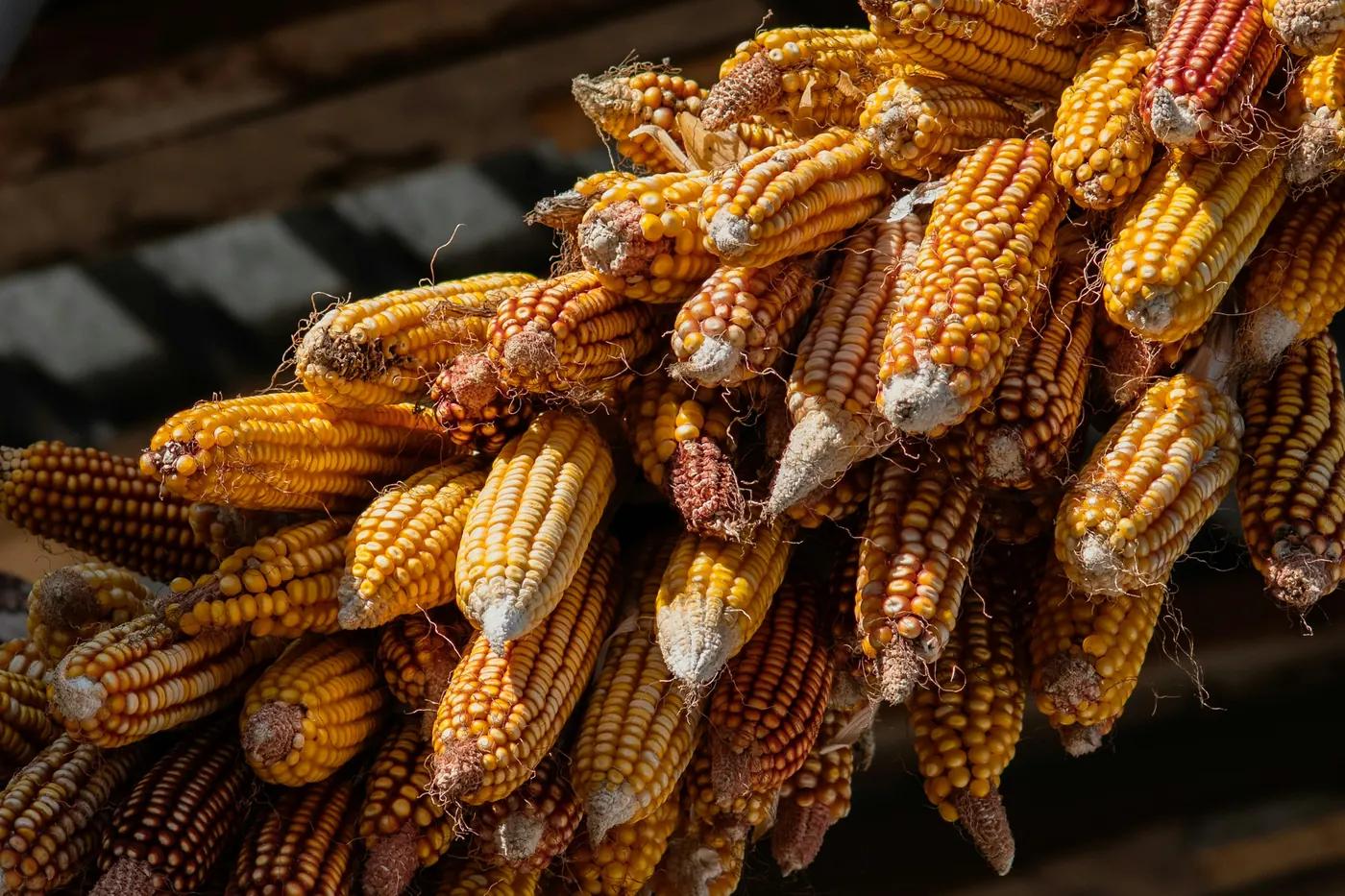
Mulberry Lane Farms sells its whole yellow corn as fresh from the farm, grown in the USA and packed with minimal packaging. It is 100 percent whole grain, USDA certified organic by the Global Organic Alliance and non-GMO, and the listing describes it as best used for grinding.
What sets it apart is the storage advice. The listing says to keep it in a cool, dry place and to freeze it for long-term storage, the only corn listing here that gives storage guidance at all. That is worth following with any whole corn you will not use within a few months, since stored grain attracts pantry moths and weevils. Freeze the bag for a few days when it arrives, then keep it sealed.
The listing also warns that some kernels may split in shipping. Split kernels still nixtamalize, but they cook faster than whole ones and can turn soft before the rest are done, so pick out any that are badly broken before a batch.
Why we like it
- Clear storage advice: cool and dry, freeze for long term
- USDA organic (Global Organic Alliance), non-GMO
- 100 percent whole grain, grown in the USA
Key specifications
| Size | 5 lb |
|---|---|
| Corn type/color | Whole yellow corn |
| Variety | Not stated |
| Organic/non-GMO | USDA organic (Global Organic Alliance); non-GMO |
| Use | Grinding into cornmeal |
| Main ingredients | Organic whole yellow corn |
| Shelf storage | Cool, dry place; freeze for long-term storage |
| Origin | USA |
Why we recommend it
Choose it if you will make masa now and then and want corn you can freeze and keep.
Skip it if you want masa named on the listing; Mulberry Lane sells it for cornmeal, and it overlaps closely with the other 5-pound yellow bags here.
Pros and cons
Pros
- Storage advice on the listing
- Organic and US-grown
- Simple whole-grain kernels
Cons
- Some kernels may split in transit
- Variety not stated
6. Mrs. Wages Pickling Lime (Cal), 1 lb – Food-Grade Calcium Hydroxide

Cal is the ingredient that makes nixtamal, and pickling lime is the same chemical: calcium hydroxide. Mrs. Wages states its pickling lime is food-grade calcium hydroxide with no additives or preservatives, kosher certified and made in the USA, in a resealable 1-pound bag.
The bag is sold for crisp pickles, and the recipe printed on it is for cucumbers, but the contents are what a masa maker needs. Masienda, which sells its own cal for nixtamal, suggests starting at 1 percent cal to the weight of the corn. That means 10 grams of cal for each kilogram of dried corn, so one pound of cal covers about 100 pounds of corn, which is years of home tortillas.
Handle it with care. New Mexico State University’s extension service describes lime as a strong alkaline chemical that can irritate skin or the lungs if inhaled, and advises following the label and avoiding the dust while mixing. Masienda warns that prolonged contact can cause irritation burns to wet skin. Measure it gently, stir it into the water before adding the corn, and keep it away from children.
Why we like it
- Food-grade calcium hydroxide, no additives
- Kosher certified, made in the USA
- Resealable 1 lb bag lasts for many batches
Key specifications
| Size | 1 lb |
|---|---|
| Corn type/color | Not applicable (cal) |
| Variety | Not applicable |
| Organic/non-GMO | Not stated; kosher certified |
| Use | Sold for pickling; cal for nixtamal at about 1% of corn weight |
| Main ingredients | Food-grade calcium hydroxide |
| Shelf storage | Resealable bag |
| Origin | Made in the USA |
Why we recommend it
Buy it with whichever corn you choose. It is a widely sold, clearly labeled food-grade calcium hydroxide, and one bag lasts a long time.
Skip it if you want cal sold specifically for nixtamal; Masienda sells its own on its website, though not on Amazon when we checked.
Pros and cons
Pros
- Food-grade, no additives
- One bag lasts many batches
- Resealable
Cons
- Labeled for pickling, not masa
- Caustic dust: handle with care
7. Modernist Pantry Pure Calcium Hydroxide, 400 g – Cal with Tortillas on the Label

Modernist Pantry sells ingredients for precise cooking, and its calcium hydroxide listing names corn tortillas as a use, saying it helps bind the corn flour and improve texture and taste. It also notes the product is known as slaked lime or pickling lime, so you know you are buying the same thing a recipe calls cal.
The 400-gram (14-ounce) container is smaller than a pound of pickling lime but still covers about 40 kilograms of dried corn at the 1 percent ratio Masienda suggests. The listing describes it as non-GMO, gluten-free and vegan, and lists other uses including pickling and adjusting pH in home brewing.
The same handling care applies as for any calcium hydroxide: avoid breathing the dust, keep it off wet skin, and store it sealed and out of reach of children. Keep it closed tightly between batches so it stays dry.
Why we like it
- Corn tortillas named among its uses
- Identified as slaked or pickling lime
- Non-GMO, gluten-free and vegan, per the listing
Key specifications
| Size | 400 g (14 oz) |
|---|---|
| Corn type/color | Not applicable (cal) |
| Variety | Not applicable |
| Organic/non-GMO | Non-GMO (listing); organic not stated |
| Use | Corn tortillas, pickling, pH adjustment |
| Main ingredients | Calcium hydroxide |
| Shelf storage | Not stated |
| Origin | Not stated |
Why we recommend it
Choose it if you want cal whose label mentions tortillas, in a smaller container.
Skip it if you want the most cal for your money; the Mrs. Wages bag holds more.
Pros and cons
Pros
- Tortillas named on the listing
- Clearly identified as slaked lime
- Covers about 40 kg of corn
Cons
- Smaller than a 1 lb bag
- “Food grade” not stated in the title
How to choose corn for masa at home
Five things decide whether a bag of corn will make good masa. Organic and heirloom labels are worth having, but they come after the basics.
1. Field corn, never sweet corn
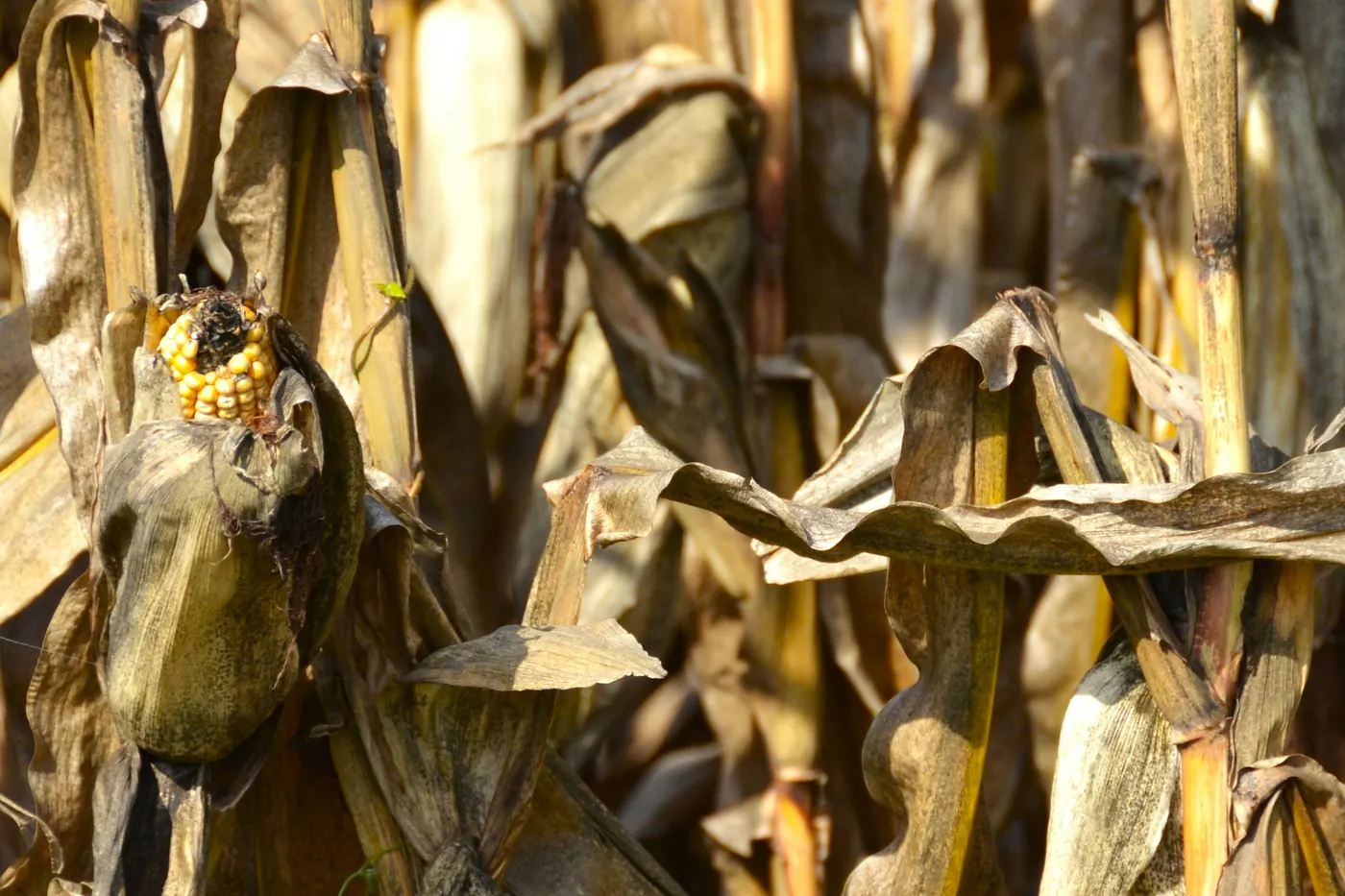
Buy mature, dried field corn. New Mexico State University notes that sweet corn is grown for fresh eating, not feed or flour, and holds far more sugar than field corn. Dried or freeze-dried sweet corn, sold as a snack or for casseroles, will not make masa.
2. Dent or flour corn, rather than flint or popcorn
Corn is grouped by its kernels. NMSU describes flint kernels as hard and glassy, flour corn as soft starch with thin skins, and dent as in between, with flinty sides and soft cores. Soft starch takes up lime and water readily and grinds smoothly, which is why dent and flour corns are the usual choices for masa; forager and cookbook author Hank Shaw ranks flour corn first, then dent, then flint, with popcorn last.
3. Color
White corn is the classic choice for Mexican tortillas and gives a pale masa; yellow gives a golden masa with a stronger corn flavor; blue gives blue-gray tortillas. Masienda notes that its heirloom colors all work for any masa recipe. Our masa harina for tortillas guide covers how each color behaves as a flour.
4. Whole, clean kernels
Whole kernels cook evenly. Broken ones soften faster than the rest, and debris or chaff should be picked out before cooking. Listings that say the corn is cleaned, as Henry Moore’s does, save you time.
5. How often you will make masa
A first batch needs a kilogram or two of corn. If you plan to make tortillas every week, a 15-pound bag makes sense; if not, buy 5 pounds and freeze what you do not use.
How we picked these seven
We started from what nixtamal asks of corn: mature, dried field corn with enough soft starch to take up lime, plus food-grade cal. We searched Amazon US for whole dried corn and calcium hydroxide and checked every pick was in stock through Amazon’s product data. We kept bags from identifiable farms, mills and brands whose listings state the kind of corn and its use, and we confirmed how the process works from the UN Food and Agriculture Organization’s account of lime-cooking, corn types from New Mexico State University’s guide to specialty corns, and cal handling from NMSU’s pickling guide. We left out sweet and freeze-dried corn, popcorn, distillers’ corn sold for whiskey, a 1-ounce heirloom sample, white and blue corn from sellers listed only as “Generic”, already-processed hominy, and cal from sellers with no identifiable brand. Masienda’s heirloom whole corn, a favorite of many masa makers, is sold on its own website rather than Amazon. We have not nixtamalized every corn listed here; where we describe how corn behaves, we say whose findings those are.
From kernel to masa: how nixtamal works
The FAO describes the traditional rural Mexican process like this: one part whole corn to two parts of roughly 1 percent lime solution, heated to about 80°C (176°F) for 20 to 45 minutes, then left to stand overnight. The next day the corn is washed two or three times to remove the loosened skins, tip caps and excess lime. The washed corn is nixtamal.
- Weigh the corn and cal. Masienda’s starting point is cal at 1 percent of the corn’s weight: 10 grams of cal for 1 kilogram of corn. Stir the cal into plenty of water in a non-reactive pot before adding the corn.
- Simmer, then rest. Bring it up to a gentle simmer and cook until the skins loosen and the kernels have softened on the outside but still have a firm center, then leave the corn in its liquid overnight. Masienda notes the corn brightens in color as the alkali works.
- Wash. Drain and rinse the corn, rubbing it between your hands to slip off the loosened skins, as the FAO describes. Some cooks leave a little skin on for flavor.
- Grind. Grind the damp nixtamal into fresh masa in a molino or a grinder made for wet corn, adding a splash of water as needed. A food processor works for small amounts but gives a coarser masa.
- Use or dry. Fresh masa is ready for tortillas, tamales or champurrado. Masa harina is that same nixtamal dried and milled to a fine flour, which takes a grain mill and patience; most home cooks make fresh masa and buy masa harina for the pantry.
Our guide to nixtamalization explains the history and why lime-cooked corn behaves so differently from cornmeal, and a tortilla press takes the fresh masa from there.
Corn for masa: questions, answered
What kind of corn is used to make masa harina?
Mature, dried field corn, usually dent or flour corn, cooked and soaked with lime (nixtamalized), then dried and ground. Large brands such as Maseca use hybrid dent corn, according to America’s Test Kitchen, while smaller makers such as Masienda use heirloom corn from Mexican farmers. Our masa harina versus Maseca comparison covers the difference.
Can I make masa from popcorn or sweet corn?
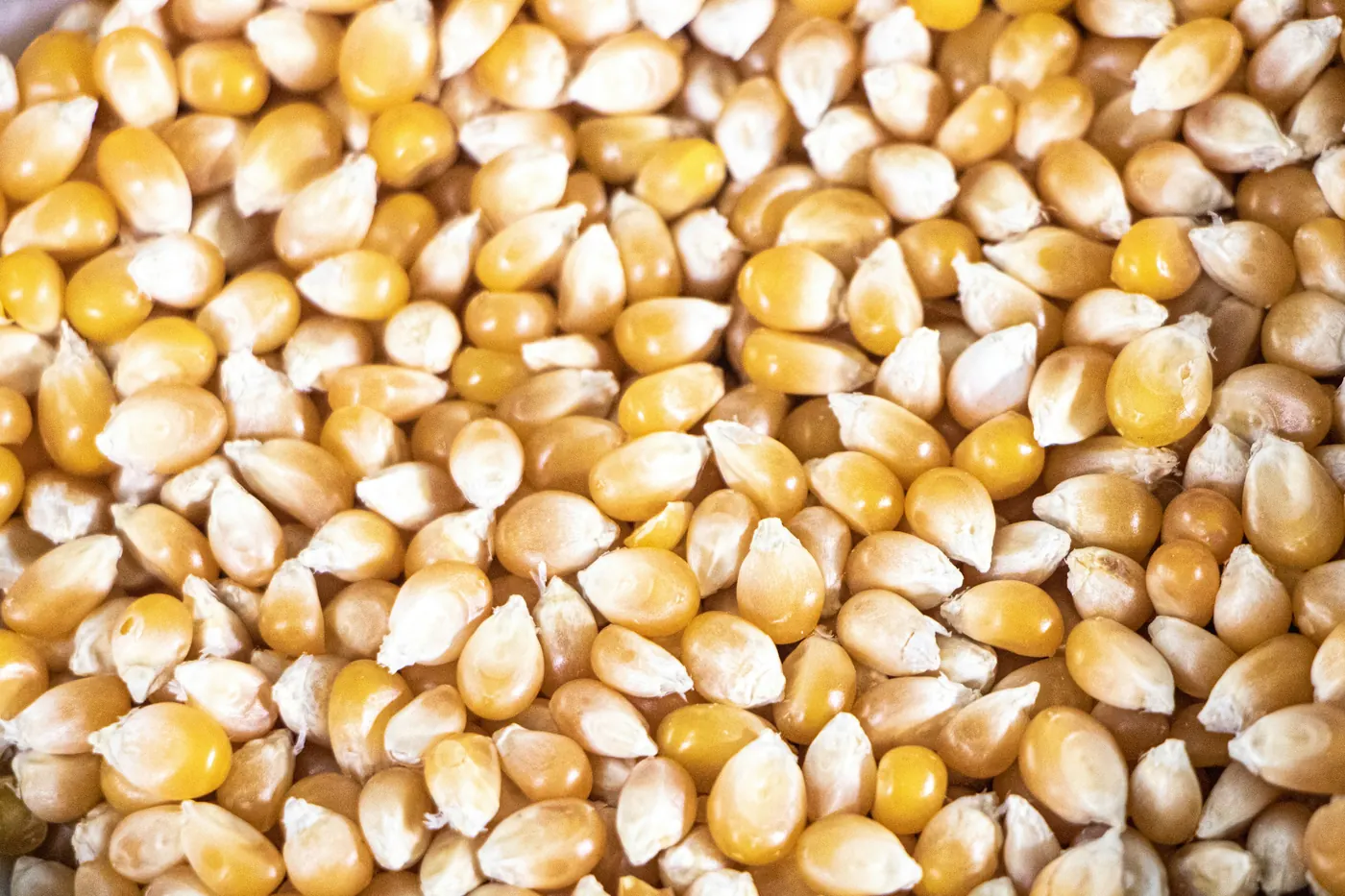
Sweet corn, no: it is bred for sugar, not starch. Popcorn is a small, hard flint-type corn, according to NMSU, and while it can be nixtamalized, it is the hardest to work with and the least forgiving. Use dent or flour corn.
Is pickling lime the same as cal?
Yes. Both are calcium hydroxide, also called slaked lime. Buy a food-grade product such as Mrs. Wages, which states it is food-grade calcium hydroxide, and never use builders’ lime or quicklime.
How much cal do I need?
Masienda suggests starting at 1 percent of the corn’s weight, so 10 grams of cal per kilogram of dried corn. Some cooks use a little less for colored corn to help keep its color. Weigh it rather than measuring by the spoon, so each batch comes out the same.
Can I use canned hominy or maíz pozolero?
Canned hominy is already nixtamalized corn, cooked for soups such as pozole, and dried hominy sold as maíz pozolero or maíz trillado has been processed too. They are made for soup, not masa. For masa, start from raw whole dried corn.
Is homemade masa the same as masa harina?
Not quite. Homemade masa is fresh, moist dough that keeps only a few days in the refrigerator. Masa harina is the same nixtamalized corn, dried and milled so it keeps in the pantry and comes back to dough with water.
Our final pick for homemade masa
Buy Henry Moore’s heirloom yellow dent corn if you plan to make masa regularly, or Country Life’s 5-pound bag for a first try. Pick Food to Live’s blue kernels for blue tortillas, and add a bag of Mrs. Wages pickling lime either way. Measure the cal, take the overnight rest seriously, and wash the corn well.
If you would rather start with flour, see our guides to the best masa harina for champurrado and the best masa harina for tamales.
And if you would rather someone else did the cooking tonight, see the menu or call to order.