“Masa harina or Maseca?” is one of the most common questions in the corn tortilla aisle, and it has a short first answer: Maseca is masa harina. It is a brand of instant corn masa flour, made by the Mexican company Gruma, and it is the masa harina most people in the United States have seen. Asking which is better is a little like asking whether to buy flour or a particular bag of flour.
The real choice is between Maseca and the other masa harinas on the shelf, above all the heirloom flours from small makers such as Masienda, which have become easy to buy online. They are made from different corn, at a different scale, and they are described very differently by the people who have cooked with both. This guide explains what each name means, then compares them on the corn, the nixtamalization, what else is in the bag, the grind, the flavor sources describe, and where you can buy them.
Julia’s earns a commission on purchases made through links on this page, at no cost to you. Recommendations are based on what a Mexican kitchen looks for in masa harina, the makers’ own specifications and published sources, which we name.
Quick verdict: Maseca or another masa harina?
Buy Maseca if you want the inexpensive, consistent masa harina that is sold almost everywhere, in white, yellow, blue and a coarser tamal version, with a mild corn flavor that stays in the background. Buy an heirloom masa harina such as Masienda Heirloom Yellow if corn flavor is the point of the meal: it is made from heirloom corn grown in Mexico with nothing but a trace of lime, and America’s Test Kitchen described Masienda’s tortillas as “very corny” and “sweet and toasty”. Both are nixtamalized, both are gluten-free, and both make good tortillas.
The rest of this page explains the differences one at a time.
Masa harina vs Maseca: what the two names mean
Masa harina is Spanish for “dough flour”. It is masa, the dough made from corn cooked with lime and ground, dried and milled into a shelf-stable flour. Mix it with warm water and it becomes masa again. America’s Test Kitchen, in its guide to masa, masa harina and masarepa, is careful to separate it from two flours it is often confused with: cornmeal, which is ground dried corn that has not been treated with lime, and masarepa, the precooked corn flour used for arepas. Neither will make a corn tortilla that holds together.
Maseca is a brand name. Gruma, the company behind it, says it was founded in 1949 in Cerralvo, Nuevo León, where the first plant, Molinos Azteca, set out to solve a simple problem: fresh nixtamal dough spoils within a day, while a dried nixtamal flour could be stored and “just had to be mixed with water to prepare the dough”. Gruma says the name comes from “masa” and “seca”, dry dough. The bags sold in the United States are labeled instant corn masa flour.
So every bag of Maseca is masa harina, but not every masa harina is Maseca. Other brands include Minsa, Bob’s Red Mill, Quaker and the heirloom makers. Our guide to the best masa harina for tortillas reviews seven of them.
Masa harina vs Maseca side by side
The table compares Maseca with Masienda, the heirloom masa harina we recommend for tortillas; the bag we link is its yellow flour. Details come from the makers, their Amazon listings, retailer ingredient panels and America’s Test Kitchen’s tasting of masa harinas; where nobody states a figure, we say so.
| Heirloom masa harina (Masienda) | Maseca | |
|---|---|---|
| What it is | Masa harina from a specialty maker | Masa harina from Gruma, sold as instant corn masa flour |
| Corn | Heirloom corn grown in Mexico | Hybrid dent corn, per America’s Test Kitchen |
| Nixtamalized | Yes; cooked, ground and slow-dried in small batches, per Masienda | Yes; industrial process not published in detail |
| Ingredients | Non-GMO heirloom corn, trace of lime | Corn treated with hydrated lime; the white flour adds folic acid |
| Grind | Fine, per Masienda | Fine; a coarser Tamal version exists |
| Flavor (as described) | “Very corny”, “sweet and toasty” (America’s Test Kitchen) | “Very subtle corn flavor” (America’s Test Kitchen) |
| Colors | White on Amazon; other colors come and go | White, yellow and blue |
| Where to buy | Online and some specialty grocers | Most US supermarkets and online |
| Gluten-free | Yes, per the listing | Yes, per retailer labels |
The corn: commodity dent corn against heirloom varieties
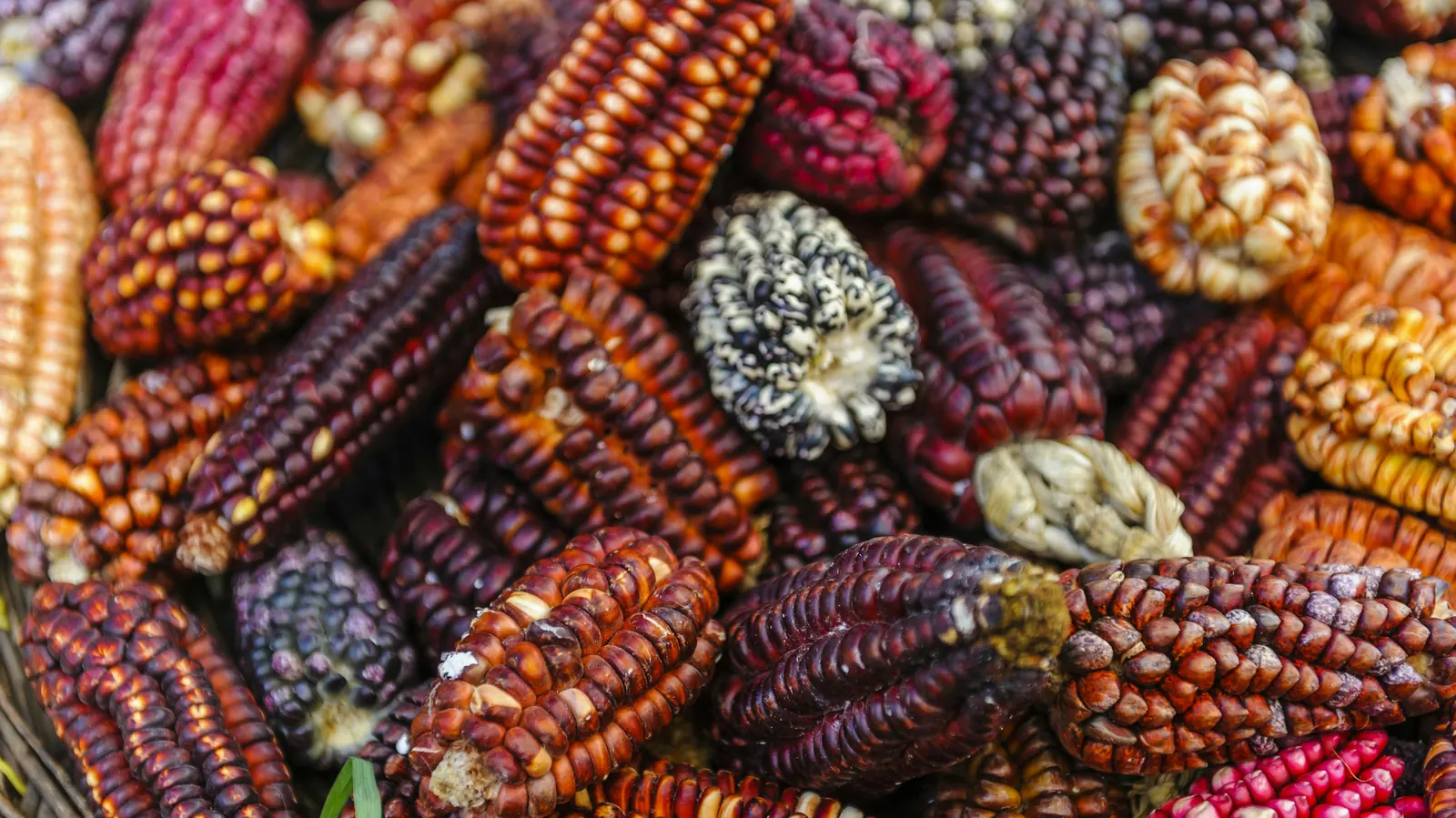
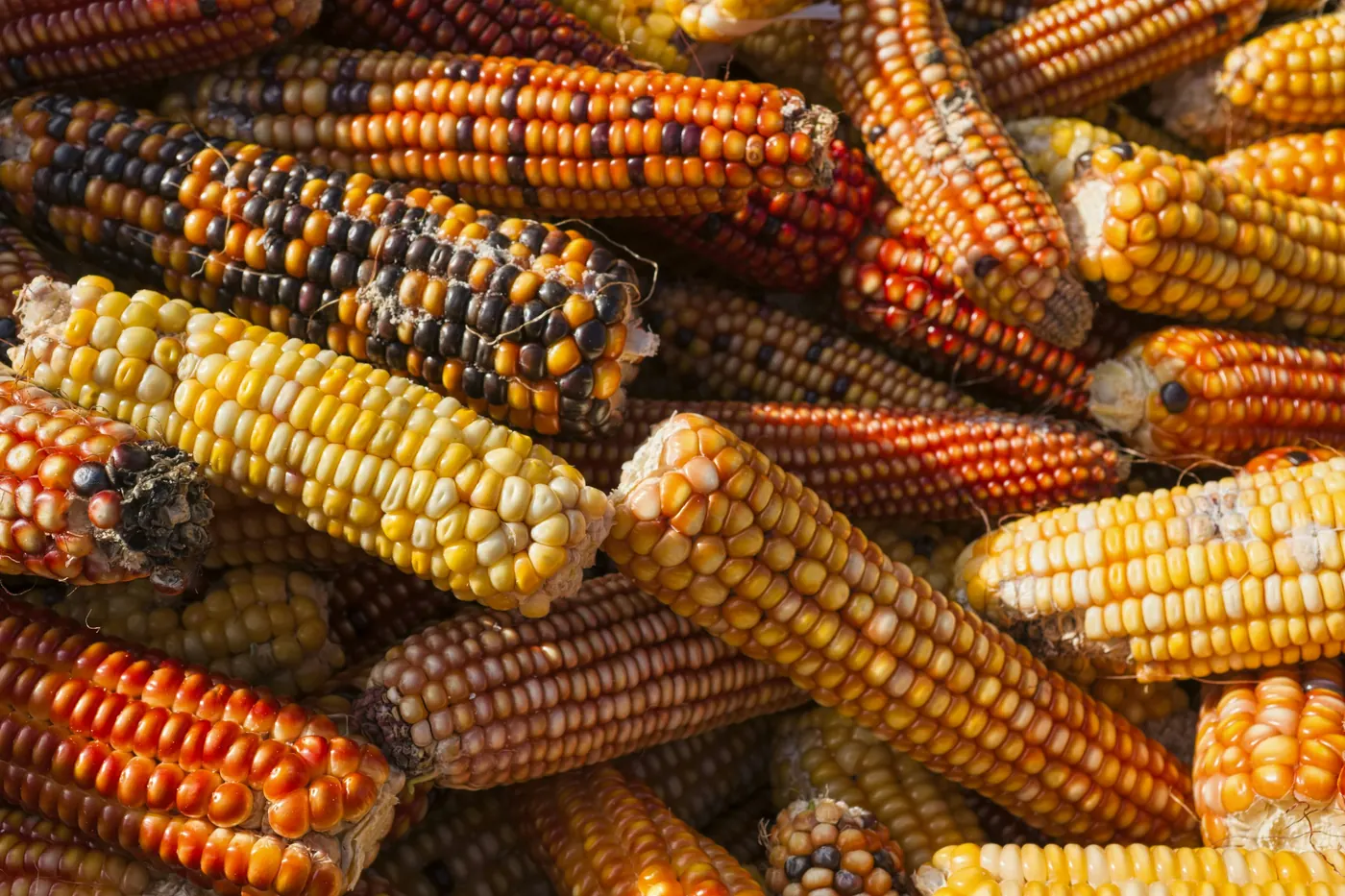
This is the biggest difference, and the one the others follow from. America’s Test Kitchen explains that the masa harina from big brands such as Maseca is made from hybrid dent corn, which is relatively inexpensive, while specialty companies such as Masienda use heirloom corn grown by smaller-scale farmers. Heirloom varieties take more work to grow and yield less, which is why the flour costs more.
Masienda describes the flour in its white masa harina as single-origin heirloom white corn sourced from its farmer partners in Mexico, and its chef-grade version as white olotillo corn from Oaxaca. Maseca does not name a variety or a region on its US bags; it simply says corn. For a cook, the practical point is that a bag of Maseca is designed to be the same every time, whereas an heirloom flour is closer to a farm product and can vary a little from batch to batch, as Masienda’s range of colors coming in and out of stock suggests.
Nixtamalization: the same idea at a very different scale
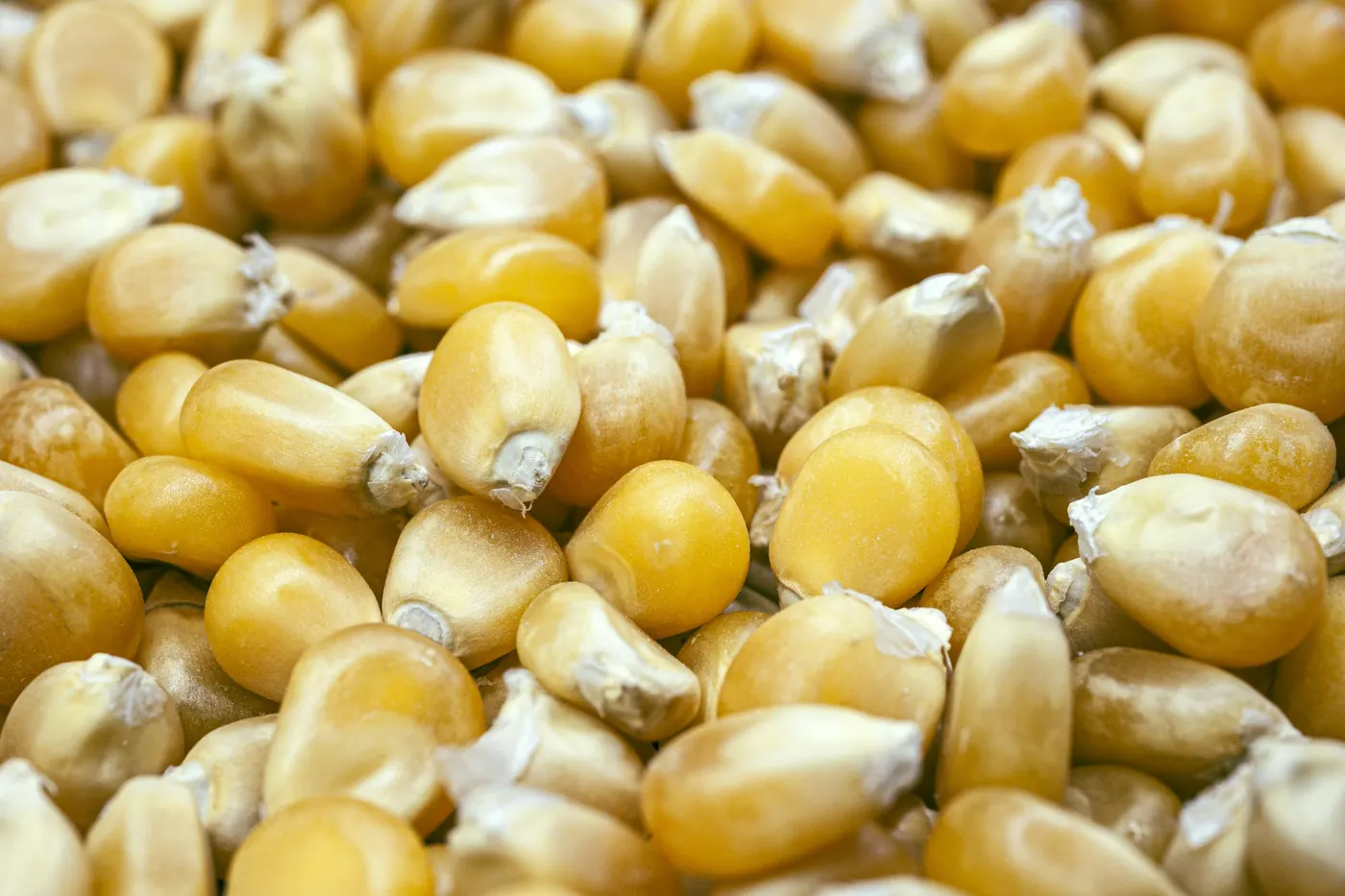
Both flours are nixtamalized, which is what makes them masa harina at all. Corn is cooked and steeped in water with lime (calcium hydroxide, not the fruit), which loosens the hull, changes the flavor and lets the ground corn form a dough. Our guide to what nixtamalization is explains the chemistry and why it matters for nutrition.
Masienda says it nixtamalizes whole kernels, then cooks, grinds and slow-dries the masa in small batches. Gruma’s own history says it “perfected” its nixtamalized corn flour in the 1950s, but the company does not publish the details of its modern industrial method. Elizabeth Dunn, reporting on Maseca for TASTE in 2018, described the process as tightly guarded and cited sources who said it departs from traditional overnight nixtamalization; we treat those details as unconfirmed. What is confirmed is the result: the ingredient panel lists corn treated with hydrated lime, which is nixtamalized corn by another name.
What else is in the bag
Masienda lists two ingredients: non-GMO heirloom corn and a trace of lime. Its Amazon listing adds gluten-free, non-GMO and preservative-free, and its own site says “no preservatives”.
Maseca is nearly as short. Retailer ingredient panels for the white Maseca instant corn masa flour list corn treated with hydrated lime and folic acid, and the yellow flour lists corn treated with hydrated lime. Retailers also label Maseca gluten-free and kosher. The folic acid is deliberate: in 2016 the U.S. Food and Drug Administration approved voluntary fortification of corn masa flour with folic acid, up to 0.7 milligrams per pound, to help reduce neural tube birth defects among people who eat a lot of corn masa products. It is not a preservative or a texture additive.
The bigger additive differences are with other instant flours, not Maseca. As our tortilla flour guide notes, some instant corn flours and tortilla mixes carry gums, oil or salt, so read the panel on anything labeled “mix”.
Grind and the texture of the tortilla
Both flours are sold as fine grinds. Masienda calls its masa harina fine-ground and says it makes a pillowy table tortilla. America’s Test Kitchen described Maseca tortillas as having “a soft, fine texture”. In the same tasting, it found that coarser grinds made more “nubbly” tortillas, and it described Masienda’s tortillas that way, so the heirloom flour may behave a little more coarsely in the hand than its label suggests.
For tamales, Maseca sells a separate, coarser flour. Rick Bayless notes that “Maseca also make a coarser masa harina for tamales”, sold as Maseca Tamal. Masienda sells one fine grind and, in its tamal recipe, suggests a way to coarsen the dough at home. Our guide to the best masa harina for tamales compares the two approaches.
Flavor: what the sources actually say
We have not cooked with either flour for this guide, so here is what others report, with names attached. America’s Test Kitchen described Maseca as having a “very subtle corn flavor”, mild enough to stay in the background. It described Masienda as “very corny”, “nuanced” and “sweet and toasty”, with “pronounced corn overtones”. In TASTE, Elizabeth Dunn found Masienda tortillas had a “noticeably purer, richer, toasty corn flavor” and wrote that Maseca tortillas “may be short on flavor, but they are hardly repugnant”. Masienda itself describes its white masa harina’s flavor as concentrated, with notes of buttered popcorn, which is a maker’s description rather than an independent one.
Maseca has its admirers too. Rick Bayless writes that most agree Maseca is the brand with the best taste and texture among the widely sold masa harinas. Read together, the sources say the same thing in different words: Maseca is mild and dependable, and heirloom flours taste more strongly of corn.
Water, rest and yield in the kitchen
Both flours are mixed the same way: masa harina, warm water and usually a pinch of salt, kneaded into a soft dough and rested before pressing. The ratios differ a little. The directions printed on Maseca bags, as reproduced by retailers, call for 2 cups of flour to 1½ cups of water, divided into about 19 balls of roughly an ounce each. Masienda’s tortilla recipe uses a little more water by weight, 150 grams of masa harina to 257 grams of water for about ten tortillas, and its listing says each bag makes 84 six-inch tortillas.
Whichever you use, the test is the same: if the edges crack when you press a ball, the dough needs a little more water. A sturdy press and a hot comal matter as much as the flour; our guide to tortilla making tools covers the rest of the kit.
Availability, colors and how far a bag goes
America’s Test Kitchen calls Maseca “the most widely available masa harina in the United States”, and that is its strongest argument. You will find it in most supermarkets in white, yellow and blue, plus Maseca Tamal, often in bags of about 4 pounds, which makes it the practical choice for a big tamalada or for anyone who makes tortillas every day.
Masienda is sold mainly online and through some specialty grocers; America’s Test Kitchen found it at Whole Foods Market. Its bags are smaller, and on Amazon its colors come and go: when we rechecked, the white and blue were out of stock, and the yellow and red were low in stock from third-party sellers. If you want blue corn from a widely sold brand, Maseca’s blue corn flour is the easier find. We do not list prices because they change, but expect the heirloom flour to cost noticeably more per tortilla.
Choose an heirloom masa harina if… / Choose Maseca if…
Choose an heirloom masa harina if…
- Corn flavor is the main event, as in table tortillas, tostadas or quesadillas.
- You want a flour with just corn and lime, and no added folic acid.
- You care where the corn was grown and by whom.
- You make tortillas now and then, and a smaller bag will stay fresh.
- You do not mind ordering online and paying more per tortilla.
Choose Maseca if…
- You make tortillas or tamales often, or in large batches.
- You want the same result from every bag and a flavor that lets the fillings lead.
- You want to buy it at the supermarket today.
- You want white, yellow, blue or a coarse tamal grind from one brand.
- You are feeding a crowd on a budget.
Our pick on each side
These are the two bags we recommend once you have decided. Both are also reviewed, with five other flours, in our guide to the best masa harina for tortillas.
1. Masienda Heirloom Yellow Corn Masa Harina, 2.2 lb – Corn and Lime, Nothing Else

Masienda is the best known of the heirloom masa harina makers in the United States, and its yellow flour is the one we link on this side, because its white flour was out of stock on Amazon when we rechecked. The Amazon listing describes it as nixtamalized masa harina made from high-quality heirloom corn from Mexico, and Masienda’s own ingredient list is non-GMO heirloom corn and a trace of lime. The listing labels it gluten-free, non-GMO and preservative-free.
It comes as a 2.2-pound bag. Masienda says each bag makes 84 six-inch tortillas, and its recipe uses 150 grams of flour to 257 grams of warm water for about ten. The listing title names tortillas, tamales, tostadas, pupusas and arepas as uses; on its site, Masienda adds that the flour absorbs little oil when fried, which suits tostadas and totopos.
Store it in a cool, dry place. Masienda gives a shelf life of up to a year for its bulk white flour; the retail listing does not give a date, so check the bag. Because the corn is a farm product, color and character can vary a little from one batch to the next.
Why we like it
- Two ingredients: heirloom corn and a trace of lime
- Heirloom yellow corn from Mexico
- Gluten-free, non-GMO, preservative-free, per the listing
- About 84 six-inch tortillas per bag, per Masienda
Key specifications
| Size | 1 bag, 2.2 lb |
|---|---|
| Corn | Heirloom yellow corn from Mexico |
| Ingredients | Non-GMO heirloom corn, trace of lime |
| Grind | Fine, per Masienda |
| Diet claims | Gluten-free, non-GMO, preservative-free |
| Yield | About 84 six-inch tortillas per bag |
| Storage | Cool, dry place |
| Added folic acid | No |
Why we recommend it
Choose it for tortillas you want to taste on their own: table tortillas, quesadillas, tostadas. It is the clearest example of what an heirloom masa harina is, sold in a size a home cook will finish while it is fresh.
Skip it if you make tamales for a crowd every December or tortillas every day: the smaller bags and higher cost add up quickly.
Pros and cons
Pros
- Corn and lime only
- Heirloom corn from Mexico
- Strong corn flavor, per America’s Test Kitchen
- Clear yield per bag
Cons
- Costs more per tortilla
- Mostly sold online
- Low in stock on Amazon when we checked
2. Maseca Instant Yellow Corn Masa Flour, 2-pack – The Familiar Bag, Easy to Restock

When we checked Amazon, the classic white Maseca was out of stock or sold only through scarce reseller bundles, so our Maseca pick there is the yellow corn flour, which is in stock and made the same way. Retailer ingredient panels list a single ingredient, corn treated with hydrated lime, and retailers label it gluten-free and kosher. Yellow corn gives tortillas a deeper color and, as our tortilla flour guide explains, it is a common choice for sturdy tortillas and tostadas.
The listing title describes two 2.2-pound bags, but its size field says 17.6 ounces per pack of two, and the part number belongs to a reseller, so check the quantity on the page before you order. Maseca’s bag directions, as reproduced by retailers, call for 2 cups of flour to 1½ cups of water, making about 19 tortillas from one-ounce balls.
If you prefer white corn, the white bag is in most supermarkets. For blue tortillas, Maseca’s blue corn flour is reviewed in our tortilla flour guide; for tamales, Maseca Tamal is the coarser grind, reviewed in our tamal flour guide.
Why we like it
- One ingredient: corn treated with hydrated lime, per retailers
- Gluten-free and kosher, per retailer labels
- Same flour you can restock at most supermarkets
- Clear water ratio on the bag
Key specifications
| Size | 2 bags of 2.2 lb per title (size field says 17.6 oz) |
|---|---|
| Corn | Yellow corn |
| Ingredients | Corn treated with hydrated lime (retailers) |
| Grind | Not stated |
| Diet claims | Gluten-free, kosher (retailers) |
| Yield | About 19 tortillas per 2 cups (bag directions) |
| Storage | Not stated |
| Added folic acid | Not listed for yellow (white Maseca adds it) |
Why we recommend it
Choose it for everyday tortillas, enchiladas, tostadas and anything where the fillings and salsa lead. It is the masa harina you can buy again anywhere, and it behaves the same each time.
Skip it if you want the corn to be the main flavor: America’s Test Kitchen found Maseca’s corn flavor very subtle compared with heirloom flours.
Pros and cons
Pros
- Widely available, easy to restock
- Short ingredient list
- Consistent from bag to bag
- Deep yellow color
Cons
- Mild corn flavor
- Pack size unclear on the listing
- Reseller listing, not Gruma’s own
How we compared the two flours
We compared Maseca and Masienda on what a kitchen asks of masa harina: the corn it starts from, how it is nixtamalized, what else is in the bag, the grind, how much water it takes and how easy it is to buy again. Product details come from the Amazon listings (checked for stock on the day we wrote this), Masienda’s website, Gruma’s company history and retailer ingredient panels. For flavor and texture, we relied on America’s Test Kitchen’s guide to masa harina, Rick Bayless and Elizabeth Dunn’s reporting in TASTE. We have not cooked with these flours for this comparison, and we say whose finding each description is.
Maseca and masa harina questions, answered
Is Maseca the same as masa harina?
Yes. Maseca is a brand of masa harina, sold in the United States as instant corn masa flour. “Masa harina” is the type of flour; Maseca, Minsa, Bob’s Red Mill and Masienda are brands of it.
Can I use Maseca in a recipe that calls for masa harina?
Yes, in any recipe that means nixtamalized corn flour. Start with the recipe’s water and adjust: if the dough cracks at the edges when pressed, add water a spoonful at a time. For tamales, Maseca Tamal is the coarser option.
Is Maseca gluten-free?
Retailers label Maseca’s instant corn masa flours gluten-free, and Masienda’s listing says the same of its flour. If you cook for someone with celiac disease, check the current bag, since labels can change.
Why does Maseca contain folic acid?
Because the FDA approved voluntary fortification of corn masa flour with folic acid in 2016, to reduce neural tube birth defects among people who eat a lot of corn masa. Retailer panels list it on white Maseca. Masienda does not add it.
Is masa harina the same as cornmeal or masarepa?
No. Cornmeal is ground corn that has not been treated with lime, and masarepa is precooked corn flour for arepas. Neither forms a dough like masa, according to America’s Test Kitchen.
Which bag to open first
If you have never made tortillas, start with a bag of Maseca: it is forgiving, cheap and easy to find again. Once you can press and cook a stack without cracks, buy a bag of heirloom masa harina and make the same recipe with it, side by side, so you can decide for yourself whether the stronger corn flavor sources describe is worth the price. Our guide to tortilla making tools covers the press, comal and warmer to go with either, and corn versus flour tortillas explains when each belongs on the table.
And if you would rather leave the masa to someone else tonight, see our menu or call to order.