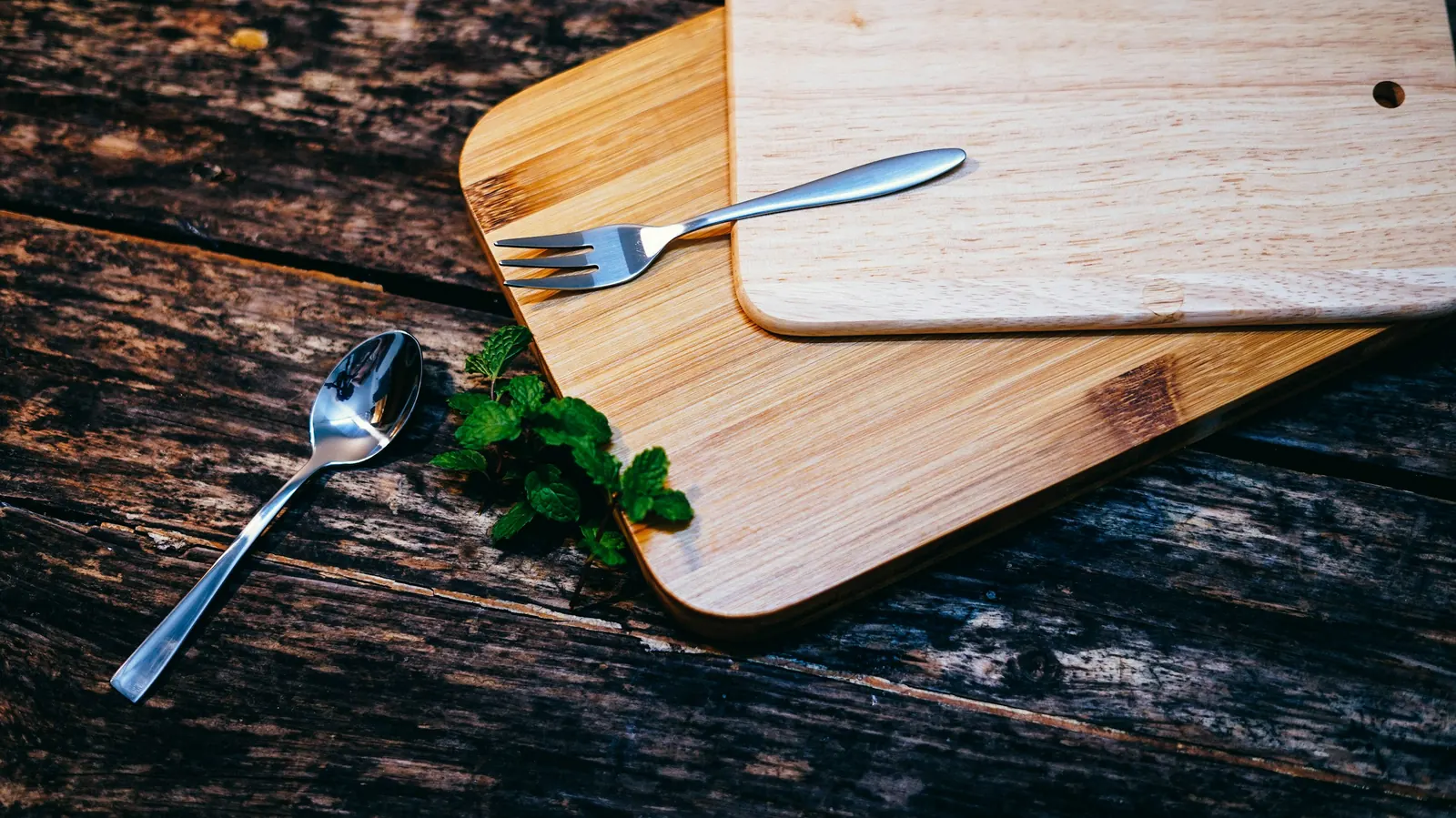
Plenty of cutting boards sold in the US carry an American flag on the box and a “made in” line nobody reads. If where your board was built matters to you, the only thing worth going on is what the maker or the listing actually says about origin. This guide keeps to boards where that statement is written down, and it tells you, pick by pick, exactly what was said and where.
Here are seven boards from seven makers: hard maple from Illinois, Vermont and Oregon, black walnut from two American workshops, a paper composite board and a plastic one for the dishwasher. We have not used them. Origin, sizes and care come from each Amazon listing, and we say so where the wording is thin. Three of the brands, Sonder Los Angeles, Mevell and Bevel & Bond, sell mainly online, and we flag them.
Julia’s earns a commission on purchases made through links on this page, at no cost to you. Recommendations are based on what a restaurant kitchen looks for, product specifications, maker information and the guidance we name.
Quick verdict: which American-made board to buy
For most kitchens, the best made in USA cutting board is the John Boos R-Board, 20 x 15 inch maple: a thick, reversible edge-grain block from a maker that has built boards in America since 1887, by its own account. For a lighter maple board, get the Vermont-made J.K. Adams Williston Large. If it has to go in the dishwasher, choose the Epicurean All-In-One.
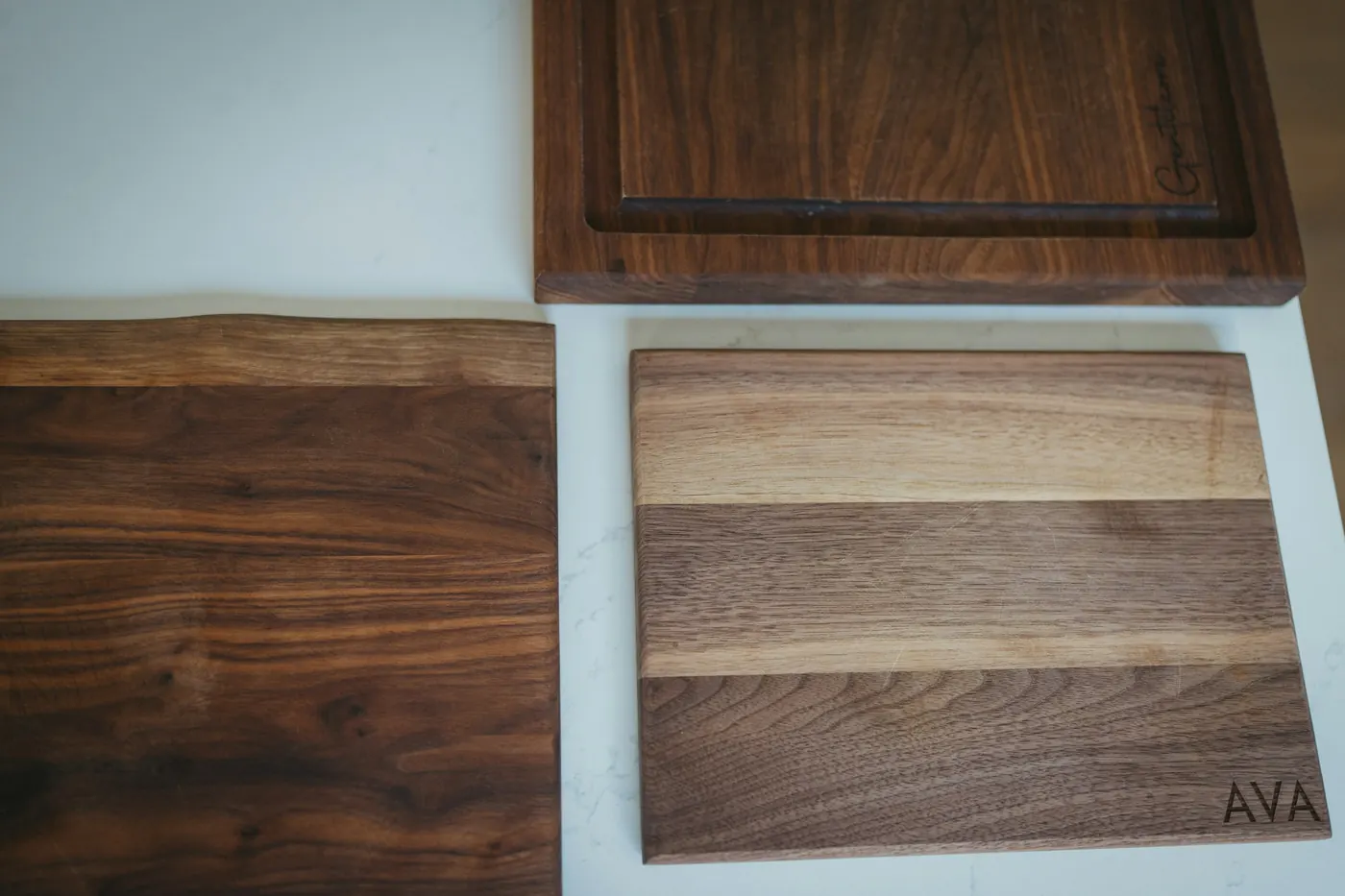
Five American-made boards compared
Five of the seven, one for each kind of cook, with the origin each listing states. All seven are covered in full below.
| Board | Best for | Material & size | Origin stated | Buy on Amazon |
|---|---|---|---|---|

John Boos R-Board Maple, 20 x 15 inchBest overall
|
Daily heavy prep | Maple, 20 x 15 x 1.5 in | Made in USA | View on Amazon |
J.K. Adams Williston Large Board with GrooveBest lighter maple
|
Easy to lift and wash | Maple, 16 x 12 x 0.75 in | Dorset, Vermont | View on Amazon |

Sonder Los Angeles Franklin Walnut BoardBest walnut
|
Carving and serving | Black walnut, 20 x 15 x 1.5 in | Made in USA | View on Amazon |

Epicurean All-In-One Board, 17.5 x 13 inchBest dishwasher safe
|
Machine washing | Paper composite, 17.5 x 13 in | Made in the USA | View on Amazon |

Dexas Superboard with Handle, 11 x 14.5 inchBest plastic
|
Raw meat, quick cleanup | Poly, 14.5 x 11 in | Made in the USA | View on Amazon |
Product images from Amazon. Materials, sizes and origin are as stated on each listing; check the listing before you buy.
Our picks for the best made in USA cutting board
Every board here has a written origin statement on its listing, and we quote it in each pick. That covers wood boards, which most people mean by an American-made board, plus two non-wood options for cooks who want a board that can go through the dishwasher. If you only want wood and don’t mind where it was made, our wood cutting board guide covers more makers.
1. John Boos R-Board Maple Cutting Board, 20 x 15 inch – A Thick Illinois Classic
John Boos is the name most people think of for an American wood board, and the listing for this one ends with “Made in USA.” Boos says on its other listings that it has offered American-made goods since 1887. The R-Board is a 20 by 15-inch block of edge-grain maple, 1.5 inches thick and about 12 pounds, so it stays put while you push a knife through a pile of onions.
It’s reversible, with recessed finger grips at the ends to lift it, and there’s no juice groove, so the whole surface is flat. That suits vegetable work, such as dicing tomatoes for salsa or chopping cilantro. For roasts that run juice, you’d want a groove, and Boos sells grooved boards in other lines.
Care is what you’d expect of solid wood: hand wash only, and oil it. Boos points you to its own Mystery Oil and Board Cream, sold separately, though any food-safe board oil will do the job (our cutting board oil guide covers them). The listing states a one-year guarantee against defects in workmanship and material. A note on the evidence: the Boos brand is recommended by experts quoted in an NBC Select cutting board guide, but that guide didn’t name this exact model.
Why we like it
- 1.5-inch-thick edge-grain maple
- Reversible, with finger grips
- Flat on both faces
- Long-running American maker
Key specifications
| Model | R03 |
|---|---|
| Material | Maple, edge grain |
| Size | 20 x 15 x 1.5 in |
| Weight | About 12 lb, per listing |
| Juice groove | No |
| Origin stated | “Made in USA” (listing title) |
| Care | Hand wash; oil regularly |
| Warranty | 1 year, defects in workmanship and material |
Why we recommend it
It suits a cook who preps most days and has counter room for a big board that never needs to move. It is the safe default if you want one American maple board to last.
Skip it if you need to lift it to the sink often. At around 12 pounds, it’s a board that lives on the counter.
Pros and cons
Pros
- Heavy and steady
- Large flat surface
- Clear origin statement
Cons
- Heavy to carry
- No juice groove
- Third-party seller on the offer we saw
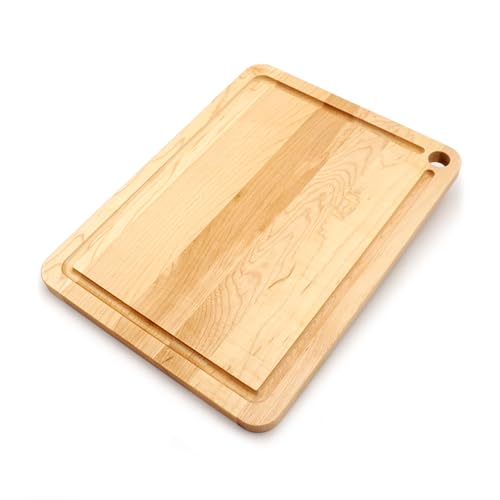
2. J.K. Adams Williston Large Cutting Board with Groove – Vermont Maple You Can Lift
This listing is the most specific on origin of any here. It says the board is “Handcrafted in Dorset, Vermont from sustainably grown and harvested North American hardwoods.” That names a town, not just a country, which is about as clear as an origin statement gets.
The Williston is 16 by 12 inches and three-quarters of an inch thick, in maple, with a juice groove. That makes it much lighter than the Boos and easy to carry to the sink or tilt a pile of chopped onion into a pan. There’s a hole in the corner if you’d rather hang it than store it flat.
J.K. Adams states a lifetime guarantee on the listing: if you ever have a problem with one of its products, the company says it will replace it. The brand also shows up in that NBC Select guide, where a J.K. Adams maple carving board, not this one, was suggested for carving. A thinner board can be more prone to warping than a thick block, so dry it standing on edge and keep it oiled.
Why we like it
- Town-level origin on the listing
- Light enough to carry
- Juice groove
- Lifetime guarantee stated
Key specifications
| Model | WLS-1612 |
|---|---|
| Material | Maple |
| Size | 16 x 12 x 0.75 in |
| Weight | Not stated |
| Juice groove | Yes |
| Origin stated | Handcrafted in Dorset, Vermont |
| Care | Not stated on listing; treat as hand wash wood |
| Warranty | Lifetime guarantee, per listing |
Why we recommend it
It suits a smaller kitchen, or anyone who moves the board between counter, sink and stove several times while cooking.
Skip it if you want a heavy board that won’t slide. At three-quarters of an inch it has none of the weight of a butcher block, so put a damp towel under it.
Pros and cons
Pros
- Specific origin
- Easy to handle
- Sold by Amazon
Cons
- Thin compared with a block
- No care details on the listing
- Weight not stated
3. Sonder Los Angeles Franklin Walnut Cutting Board – Large Walnut With Feet and a Deep Groove
Sonder Los Angeles sells mostly online, and not all of its boards are American-made: some of its other lines are teak or acacia, with no USA claim. This one is. The listing reads “Proudly made in America — Crafted right here in the USA with our selection of sustainably sourced American Black Walnut.” Buy this model by name, and check that the listing you land on still says so.
The Franklin is a big edge-grain walnut board, 20 by 15 inches and 1.5 thick. It has rubber feet to hold it in place and a juice groove that Sonder says holds 4.5 fluid ounces. That’s a board for a roast chicken or a rested brisket, and walnut’s dark color makes it a good-looking thing to carry to the table.
The rubber feet mean you use one side only, unlike the reversible boards here. Sonder says to hand wash and oil it every two to three weeks. The listing states that Sonder LA will replace a board with a manufacturing defect within one year of the order. It ships in a gift box, which matters if you’re buying it as a present.
Why we like it
- American black walnut
- Non-slip rubber feet
- Deep juice groove
- Gift box included
Key specifications
| Model | Franklin |
|---|---|
| Material | Black walnut, edge grain |
| Size | 20 x 15 x 1.5 in |
| Weight | Not stated |
| Juice groove | Yes, 4.5 fl oz stated |
| Origin stated | “Crafted right here in the USA” |
| Care | Hand wash; oil every 2 to 3 weeks |
| Warranty | Defect replacement within 1 year |
Why we recommend it
It suits someone who carves meat often or wants a walnut board that also serves at the table, and has the space for a full 20 by 15.
Skip it if you want a reversible board. The feet fix it to one working face.
Pros and cons
Pros
- Stays put on the counter
- Holds carving juices
- Clear origin wording
Cons
- One usable side
- Online-first brand
- Not every Sonder board is US-made
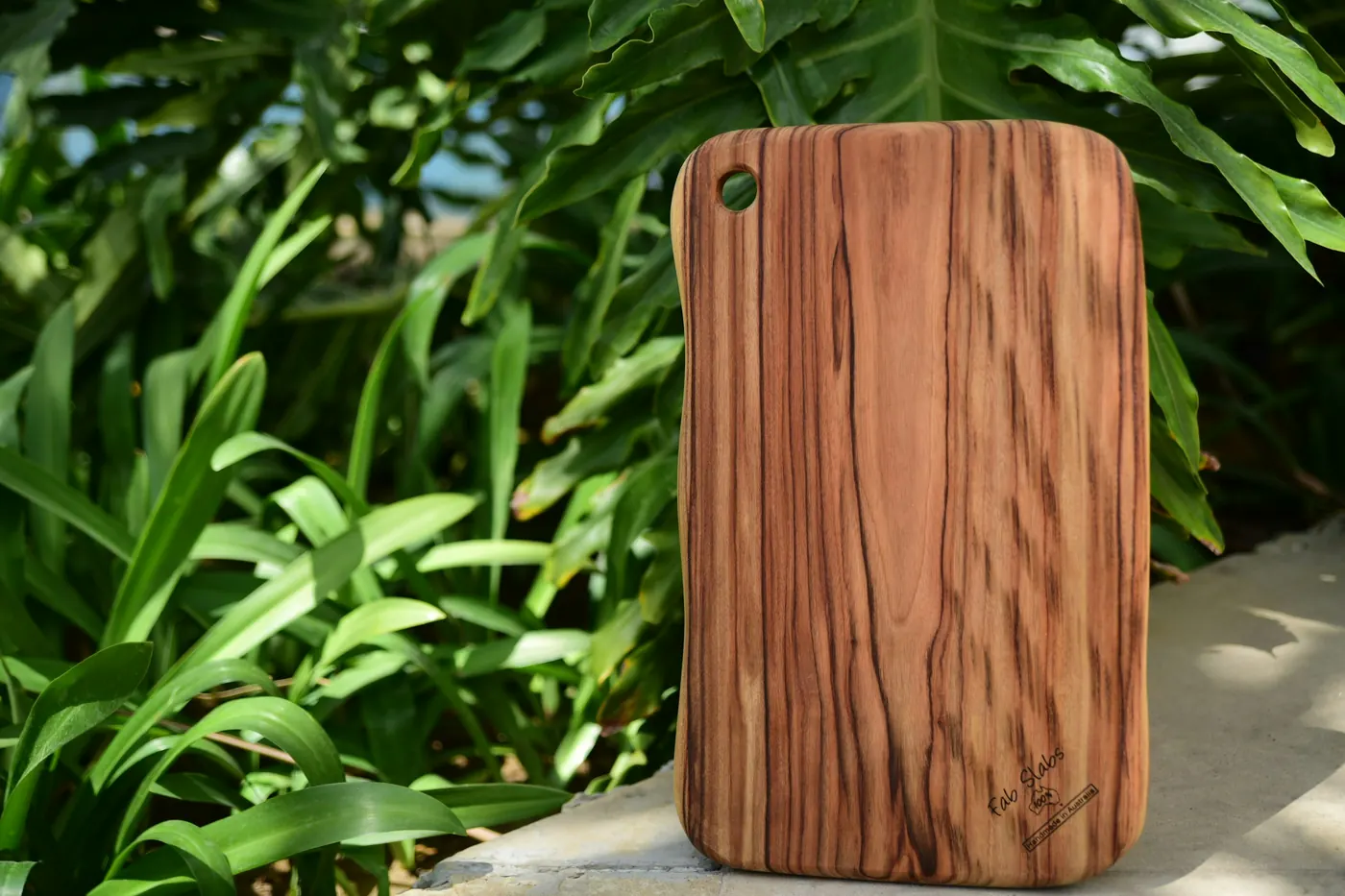
4. Epicurean All-In-One Cutting Board, 17.5 x 13 inch – American-Made and Dishwasher Safe
Epicurean boards aren’t solid wood. They’re a paper composite, wood fiber pressed with resin, and the listing ends its first feature line with “Proudly made in the USA.” The point of the material is that it goes in the dishwasher, which no wood board on this page can.
This All-In-One version is 17.5 by 13 inches, with non-slip feet and a juice groove. Epicurean says both faces can be used, which is a little unusual for a board with feet. It’s thin and light, with a thumb hole for hanging. The maker also expects your knives to lightly score the surface over time, and says the natural colors develop a patina, so it won’t look new forever.
Epicurean suggests measuring your dishwasher before you order, which is good advice at 17.5 inches. If the board is too big for the rack, it turns into a hand-wash board, and much of the reason for buying it goes away.
Why we like it
- Dishwasher safe, per maker
- Non-slip feet
- Juice groove
- Light and thin
Key specifications
| Model | 505-181303002 |
|---|---|
| Material | Paper composite |
| Size | 17.5 x 13 in |
| Color | Nutmeg |
| Juice groove | Yes |
| Origin stated | “Proudly made in the USA” |
| Care | Dishwasher safe |
| Warranty | Not stated on listing |
Why we recommend it
It suits a busy household that wants a large board it can sanitize in the dishwasher after raw chicken, without giving up an American origin.
Skip it if you want the feel and look of real wood. This is a composite, and it looks like one.
Pros and cons
Pros
- Machine washable
- Light to handle
- Sold by Amazon
Cons
- Not solid wood
- Scores visibly with use
- May not fit smaller dishwashers
5. Dexas Superboard Cutting Board with Handle, 11 x 14.5 inch – A Plastic Board Made in the USA
This is the plastic board on the page, for cooks who want one board they never have to oil. The Dexas listing says it’s “Proudly manufactured in the USA,” and the title repeats “Made in USA.”
It’s a high-density poly board, 14.5 by 11 inches, with a built-in handle. Dexas describes the surface as non-porous and says it resists stains and odors and is dishwasher safe. It’s also reversible, so you can keep one side for raw meat and the other for vegetables, though a second board is the cleaner way to do that.
This size is a mid-size board, good for slicing limes, trimming chicken thighs or cutting a few peppers. It won’t hold a whole brisket. Plastic boards wear and groove with use, and once they’re deeply scored they’re harder to clean, so plan to replace it rather than keep it forever. For more plastic options, see our plastic cutting board guide.
Why we like it
- American-made plastic
- Dishwasher safe, per maker
- Built-in handle
- Reversible
Key specifications
| Model | 451-50 |
|---|---|
| Material | High-density poly |
| Size | 14.5 x 11 in |
| Color | Midnight Granite |
| Juice groove | Not stated |
| Origin stated | “Proudly manufactured in the USA” |
| Care | Dishwasher safe |
| Warranty | Not stated on listing |
Why we recommend it
It suits anyone who wants a separate board for raw meat and fish that goes straight in the dishwasher, from a US factory.
Skip it if you want a board for big jobs. At 14.5 inches it’s for everyday tasks, not carving a roast.
Pros and cons
Pros
- Easy to clean
- Handle for hanging or carrying
- Sold by Amazon
Cons
- Plastic scores with use
- Mid-size only
- No warranty stated
6. Bevel & Bond Maple End-Grain Cutting Board, 17 x 13 inch – Oregon-Made End Grain

Bevel & Bond states its origin in two places. The listing says the board is “Made in the USA by local woodworkers,” and the maker’s own site says each board is made to its specifications “in Oregon, USA from US-grown hard maple,” with woodworking, sanding, engraving and oil finishing completed in the United States.
It’s the only end-grain board on this page. End grain puts the ends of the wood fibers up, so the knife edge slips between them rather than cutting across them, which is why butcher blocks are built this way. At 1.75 inches thick and a stated 10 pounds, with rubber feet and a juice groove, it sits still for carving a roast or breaking down a chicken.
Bevel & Bond is an online-first brand, and the offer we saw came from its own store, not Amazon. The listing states a 5-year warranty against defects in materials or craftsmanship. It’s hand wash only, never soaked, and the weight means it lives on the counter rather than moving to the sink.
Why we like it
- Oregon origin stated by the maker
- End-grain hard maple
- 1.75 inches thick
- Juice groove and rubber feet
- 5-year warranty stated
Key specifications
| Model | BB-MAPLE-END-17 |
|---|---|
| Material | Hard maple, end grain |
| Size | 17 x 13 x 1.75 in |
| Weight | 10 lb (listing) |
| Juice groove | Yes |
| Origin stated | “Made in the USA by local woodworkers” (listing); Oregon, USA (maker’s site) |
| Care | Hand wash only |
| Warranty | 5 years against defects (listing) |
Why we recommend it
It suits a cook who carves meat often and wants a heavy end-grain block made in America.
Skip it if you need to move the board around. It’s heavy, and Boos or J.K. Adams come from older makers.
Pros and cons
Pros
- Maker names the state
- End grain is gentle on edges
- Long stated warranty
Cons
- Heavy
- Online-first brand
- Hand wash only
7. Mevell Large American Black Walnut Cutting Board – Ohio-Cut Walnut With a Groove Side

Mevell is an online-first brand, and its listing gives a state: “Cut and finished in Ohio from sustainably sourced American black walnut.” It also says there’s no stain, dye or filler, so the dark color is the wood itself.
The board is 17 by 11 inches and three-quarters of an inch thick, with a juice groove on one side and a flat face on the other. Mevell explains that it rips the walnut into strips and glues them back with the grain alternating to keep the board flat, and that the adhesive is waterproof and rated for food contact.
The listing is candid that the grain can lift after the first wash. Its fix is a light pass with 150-grit sandpaper and a fresh coat of oil. Hand wash it and dry it on edge. The listing states a one-year warranty, refund or replacement. The offer we saw was sold by Mevell Group.
Why we like it
- State-level origin
- Groove on one side, flat on the other
- Honest care notes
- Lighter than the Franklin
Key specifications
| Model | 6000N |
|---|---|
| Material | American black walnut, edge glued |
| Size | 17 x 11 x 0.75 in |
| Weight | Not stated |
| Juice groove | Yes, one side |
| Origin stated | Cut and finished in Ohio |
| Care | Hand wash, dry on edge, oil |
| Warranty | 1 year refund or replacement |
Why we recommend it
It suits someone who wants walnut in a size that’s easy to lift, and who’s happy to give a new board a light sanding.
Skip it if you’d rather buy from a long-established maker. Mevell is an online-first brand.
Pros and cons
Pros
- Clear origin
- Reversible use
- Warranty stated
Cons
- Grain may lift at first
- Online-first brand
- Thin compared with a block
How to choose an American-made cutting board
Read the origin line, not the flag
The Federal Trade Commission’s standard for an unqualified “Made in USA” claim is “all or virtually all.” In its guidance, that means final assembly or processing in the US, all significant processing in the US, and all or virtually all components made and sourced in the US. A label like “Assembled in USA” is allowed for products with foreign parts when the main assembly is substantial and happens here. So the exact words matter. A flag graphic or “American designed” isn’t an origin claim at all.
Prefer a named place
The strongest statements here name a town or a state: J.K. Adams says Dorset, Vermont, Mevell says Ohio, and Bevel & Bond says Oregon. A bare “Made in USA” in a title is still a claim, but it tells you less. If origin is the reason you’re buying, favor the listings that say more.
Check the exact model, not the brand
Some brands make some boards here and import others. Sonder Los Angeles is the example on this page: the Franklin says it’s made in the USA, while other Sonder boards in teak or acacia make no such claim. Read the listing for the size and color you’re adding to the cart.
Decide on wood, composite or plastic
Wood (maple or walnut) is the classic choice and the one most American workshops make. It needs hand washing and regular oil. Paper composite, like the Epicurean, and plastic, like the Dexas, go in the dishwasher, which many cooks want for raw meat. Many kitchens use one of each.
Thickness and weight
A 1.5-inch block like the Boos or the Franklin sits still and resists warping, but you won’t want to carry it far. A three-quarter-inch board like the Williston or the Mevell is easy to lift and wash, but needs a damp towel underneath and careful drying. For end-grain blocks, see our end grain cutting board guide.
Groove or no groove
A juice groove catches liquid from carved meat and ripe tomatoes, but it takes up surface. If you mostly chop vegetables, a flat board gives you more room. A reversible board with a groove on only one side, like the Mevell, does both.
How we picked these seven boards
We started from boards whose listings make a written origin statement, and kept only those where the statement covers the exact listing, not just the brand. Each had to be in stock with a new offer, from an identifiable maker, and not an exact listing used anywhere else on the site. We held the page to one board per maker and three online-first brands (Sonder Los Angeles, Mevell and Bevel & Bond), which left out other American-made boards, including a Virginia Boys Kitchens maple board. We also left out a board whose title says “Made in USA” but whose maker we couldn’t confirm, and a Made In butcher block that states “Made in the USA with Imported Components,” a qualified claim.
For independent evidence, we read NBC Select’s cutting board guide by Sharon Franke, which quotes experts recommending John Boos and suggests a J.K. Adams carving board. Neither recommendation is for the exact models here. We didn’t find an independent review we could open for the other picks, so they rest on their listings and maker details. We have not tested any of these boards. We checked the US Consumer Product Safety Commission’s recall database by brand and found no recalls listed for these makers.

American-made cutting board questions, answered
Are John Boos cutting boards made in the USA?
The listing for the R-Board here says “Made in USA,” and Boos states on its listings that it has offered American-made goods since 1887. Check the listing of the exact board you buy, as with any brand.
Is “Made in USA” on a cutting board regulated?
Yes. The FTC’s guidance says an unqualified “Made in USA” claim means all or virtually all of the product is made in the US, including its components. We can’t audit any maker’s supply chain, so we report what each listing says.
Is there an American-made cutting board that goes in the dishwasher?
Two here. The Epicurean paper composite board and the Dexas plastic board are both stated as made in the USA and dishwasher safe. Wood boards, including every wood pick here, should be washed by hand.
Maple or walnut?
Both are American hardwoods. Maple is pale and shows stains more, while walnut is dark and hides them. On this page, the maple boards cover more sizes, and the walnut boards are the better-looking ones to serve on.
How do I care for a wood board so it lasts?
Every wood maker here says to hand wash, and Sonder and Mevell add to oil regularly and dry the board standing up. Never soak a wood board or leave it in the sink. Our board oil guide covers what to use.
Does an American-made board cut better?
Not by itself. Wood type, grain and thickness affect how a board cuts and how it treats your knives. Origin tells you who made it, which matters for many buyers, but it isn’t a measure of quality on its own.
Our final pick for an American-made board
The John Boos R-Board is the one we’d start with: big, thick and clearly labeled. The J.K. Adams Williston is the lighter maple choice with the most specific origin, and the Epicurean covers the dishwasher. And when you’d rather not chop anything at all, call to order or browse Julia’s menu.