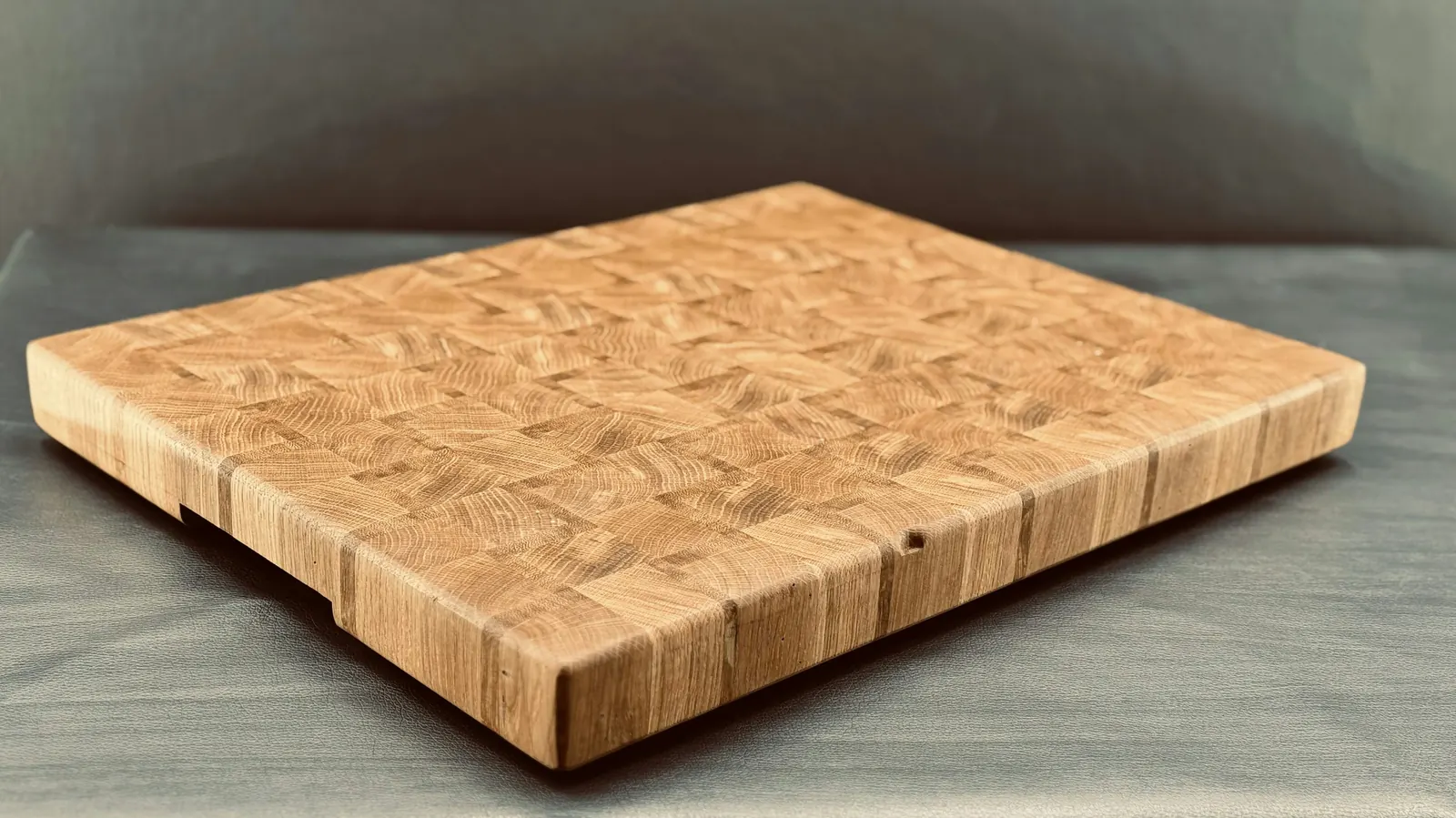
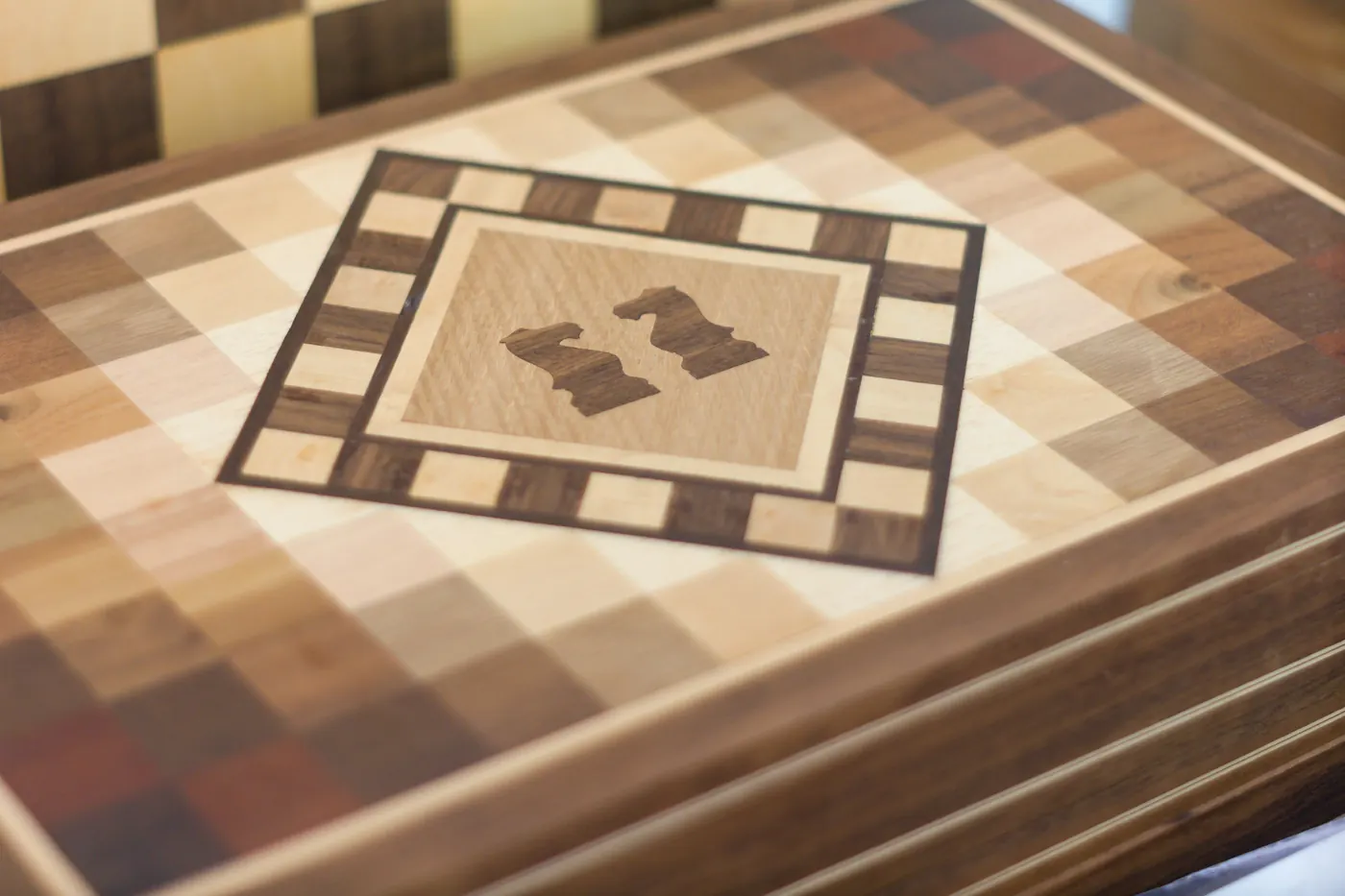
Look down at an end-grain board and you see a checkerboard of small squares, each one the cut end of a stick of wood with its growth rings facing up. That construction is the whole point. A knife edge lands on the ends of the wood fibers rather than slicing across them, which is why end-grain boards have a reputation for being kind to good knives and for hiding cut marks. It is also why they are thicker, heavier and more expensive than ordinary wooden boards.
In a kitchen that breaks down pork shoulder for al pastor, carves a brisket for barbacoa and chops onions and cilantro by the quart, a heavy end-grain block earns its counter space. This guide sticks to end grain only: why it works, which woods suit it, how thick and heavy a board should be, and the care it asks for. It then compares seven end-grain boards from John Boos, The Boardsmith, Teakhaus, Sonder Los Angeles and Ironwood Gourmet, using the specifications each maker or listing states.
Julia’s earns a commission on purchases made through links on this page, at no cost to you. Recommendations are based on what a restaurant kitchen looks for, product specifications and verified buyer reports.
Quick verdict: which end-grain board to buy
For most kitchens, the best wood cutting board in end grain is the John Boos CCB Series Maple End-Grain Board, 20 x 15 inch: 2.25 inches of American hard maple, reversible, with recessed finger grips, made in the USA by a maker that publishes clear care instructions. If you want a bigger maple block on feet, choose The Boardsmith Maple End Grain Board, Large. If you want the most room, the Teakhaus End Grain Butcher Block, Extra Large gives you 24 by 18 inches of teak with two flat faces.
Below, the five standouts side by side, then all seven end-grain boards in full.
Five end-grain boards compared
Our five standout picks, one for each kind of kitchen, with the specifications each maker or listing states. All seven are reviewed in full below.
| End-grain board | Best for | Wood and size | Weight (as stated) | Buy on Amazon |
|---|---|---|---|---|
| Everyday prep and heavy chopping | Maple, 20 x 15 x 2.25 in | 21 lb | View on Amazon | |

The Boardsmith Maple End Grain Board, LargeBest large maple
|
A big block that stays put | Maple, 22 x 16 x 2 in | About 18–19 lb | View on Amazon |

Teakhaus End Grain Butcher Block, Extra LargeLargest board
|
Big prep days and batches | Teak, 24 x 18 x 1.5 in | Not stated by Teakhaus | View on Amazon |
| Carving and serving at the table | Black walnut, 20 x 15 x 1.5 in | Not stated | View on Amazon | |

Ironwood Gourmet Charleston End Grain Board with Channel, 20 x 14 inchLightest end grain
|
End grain you can lift to the sink | Acacia, 20 x 14 x 1.125 in | 6.6 lb | View on Amazon |
Product images from Amazon. Sizes and weights are as stated by each maker or listing; check the listing before you buy.
Our picks for the best wood cutting board end grain
All seven boards here are end-grain construction; edge-grain boards are covered in our broader guide to the best cutting board wood. The list runs from a 15-inch teak round to a 24 by 18 inch teak block, in hard maple, black walnut, teak and acacia, with and without juice grooves and feet. Each pick gives the weight the maker states, where it states one, and one honest reason to skip it.
1. John Boos CCB Series Maple End-Grain Board, 20 x 15 inch – Thick, Reversible American Maple

John Boos has made American butcher blocks since 1887, according to the listing, and the CCB is its end-grain chopping block for home kitchens. This size measures 20 by 15 inches and 2.25 inches thick, and the listing gives its weight as 21 pounds. It is reversible, with recessed finger grips on the ends, an oil finish and a level surface that Boos says suits your finest cutlery.
Boos explains end grain plainly on its own site: its end-grain boards are built from short square pieces of maple, cherry or walnut, and when a knife cuts in, “it slides in between the wood fibers, the fibers separate, and then close back up.” That is why end grain is often called self-healing, and why Boos calls it the knife-friendly option.
The weight is a feature on a chopping block. A 21-pound board does not creep across the counter while you cut through a pork shoulder or rock a knife through a pile of onions, and with no feet you can flip it to keep one face for raw meat and one for everything else. Boos’s care instructions are the standard to follow: mild soap and water, never the dishwasher, wipe dry, and oil at least once a month with its Mystery Oil, sealing with Board Cream if you like.
Why we like it
- 2.25 inches of end-grain hard maple
- Reversible, with recessed finger grips
- Heavy enough to stay put, at 21 lb per the listing
- Made in the USA, with published care instructions
Key specifications
| Model | CCB2015-225 |
|---|---|
| Wood | Hard maple |
| Dimensions | 20 x 15 in |
| Thickness | 2.25 in |
| Weight (as stated) | 21 lb |
| Juice groove | No |
| Feet/handles | No feet; recessed finger grips; reversible |
| Finish | Oil finish |
Why we recommend it
It suits anyone who wants one serious board that stays on the counter for everything from chopping chiles to breaking down a chicken, and who will oil it once a month.
Skip it if you need to carry your board to the sink often; at 21 pounds it is meant to stay where it is, and there is no groove to catch juices from a roast.
Pros and cons
Pros
- Thick and stable
- Reversible
- Clear maker care guide
Cons
- Heavy to move
- No juice groove
- Needs monthly oiling
2. The Boardsmith Maple End Grain Board, Large – Big Maple Block on Wooden Feet
The Boardsmith’s boards are made by a team of artisans in Texas, according to the listing, and this is its large maple board: 22 by 16 inches and 2 inches thick, with an approximate weight of 18 to 19 pounds, according to the listing. It stands on wooden feet that the listing describes as shock-absorbing, which lift the board off the counter so air can get underneath.
The listing describes the process: the maple is sanded smooth, soaked in food-grade mineral oil, then buffed with mineral oil and natural beeswax. The joinery uses a waterproof, food-safe glue, and the edges and corners are beveled so the board is easier to pick up and handle.
The extra two inches each way over the Boos give you real working room: space to cube a pork shoulder for al pastor on one half and keep the trimmed pieces on the other. The feet mean it is a one-sided board, so keep that in mind if you like to reserve a face for raw meat.
Why we like it
- Large 22 x 16 inch surface, 2 inches thick
- Handmade in Texas, per the listing
- Wooden feet lift it for airflow
- Arrives oiled and waxed
Key specifications
| Model | BSEG001 (Large) |
|---|---|
| Wood | Maple |
| Dimensions | 22 x 16 in |
| Thickness | 2 in |
| Weight (as stated) | About 18–19 lb |
| Juice groove | Not stated |
| Feet/handles | Wooden feet; beveled edges |
| Finish | Food-grade mineral oil and beeswax |
Why we recommend it
Choose it if you have the counter for a big board and want a handmade maple block that stays put and dries well underneath.
Skip it if you want a reversible board; with feet fitted, only the top face is for cutting.
Pros and cons
Pros
- Big working surface
- Handmade in Texas
- Raised on feet
Cons
- One-sided
- Heavy at 18–19 lb
- Groove not stated
3. Teakhaus End Grain Butcher Block, Extra Large – The Most Room Here
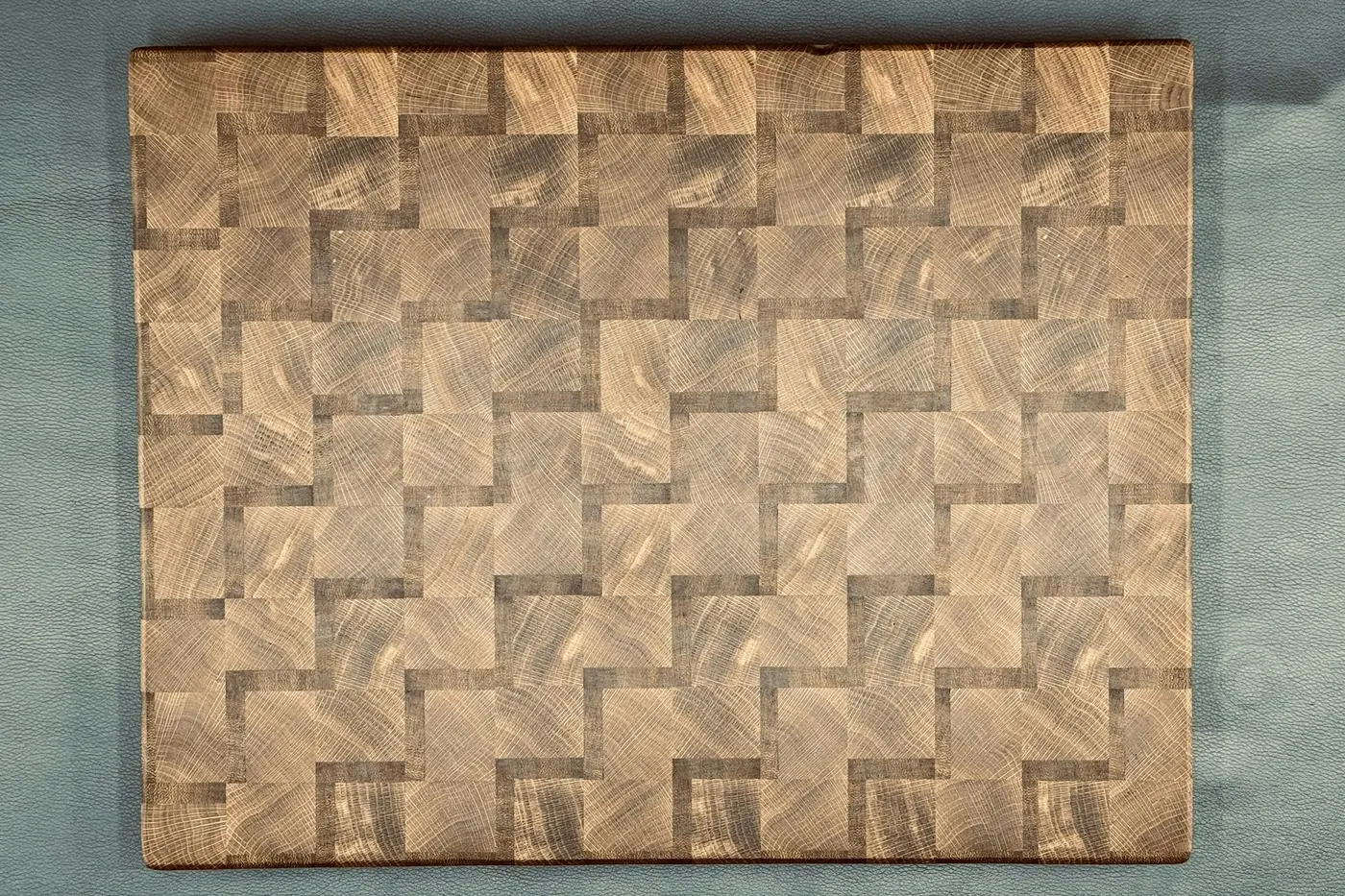
Teakhaus, whose boards have also been sold under the Proteak name, makes this extra-large end-grain block from FSC-certified teak. It measures 24 by 18 inches and 1.5 inches thick, reversible, with grip handles and no juice groove, according to the listing. We link the version without the groove because the grooved model was not available when we checked.
Teak is an oily tropical hardwood, and Teakhaus leans on that: it points to the wood’s moisture resistance and says the end-grain surface is gentle on knives. Without a groove this is a chopping and prep block more than a carving board. Use it for onions and cilantro by the quart, or for a big batch of anything; if you carve often, choose a grooved board below or set a sheet pan under the roast.
Teakhaus says to hand wash it with ordinary dish soap, keep it out of the dishwasher, and give it a few drops of oil to keep it looking new. Teakhaus does not state the weight; retailers list the grooved version at about 15 to 16 pounds, so expect a heavy board at this size.
Why we like it
- Largest board here, at 24 x 18 inches
- Two flat faces, reversible
- Grip handles
- FSC certified
Key specifications
| Model | 332 |
|---|---|
| Wood | Teak, FSC certified |
| Dimensions | 24 x 18 in |
| Thickness | 1.5 in |
| Weight (as stated) | Not stated by Teakhaus (retailers: 15–16 lb for the grooved version) |
| Juice groove | No |
| Feet/handles | No feet; grip handles; reversible |
| Finish | Not stated; oil to maintain |
Why we recommend it
Choose it for big prep days when you need the room, and for chopping that would crowd a smaller board.
Skip it if your counter or sink is small; a 24 by 18 inch block is hard to wash and store in a compact kitchen.
Pros and cons
Pros
- Huge surface
- Two flat working faces
- Teak handles moisture well, per Teakhaus
Cons
- Weight not stated by the maker
- Hard to wash in a small sink
- No juice groove
- Thinner than the maple blocks
4. Sonder Los Angeles Welton Walnut End Grain Board – Deep Groove, Rubber Feet

Black walnut is darker and a little softer than maple, and an end-grain walnut board is as much a serving board as a prep board. Sonder’s Welton is made in the USA from American black walnut, 20 by 15 inches and 1.5 inches thick, with non-slip rubber feet and an extra-deep juice groove that Sonder says holds 4.5 fluid ounces.
That groove makes it the board to carve on at the table: a whole roast chicken, a rack of ribs or a grilled flank steak for fajitas, sliced and served from the same board. Sonder describes how end grain works the same way Boos does, with the knife gliding between the fibers, which then reclose.
Sonder asks for more care than most makers: hand wash only, and oil every two to three weeks so the wood does not dry out. It covers manufacturing defects with a one-year replacement warranty if you register the board. Sonder does not state the weight on the listing.
Why we like it
- American black walnut, made in the USA
- Juice groove holds 4.5 fl oz, per Sonder
- Non-slip rubber feet
- Arrives in a gift box
Key specifications
| Model | Welton |
|---|---|
| Wood | American black walnut |
| Dimensions | 20 x 15 in |
| Thickness | 1.5 in |
| Weight (as stated) | Not stated |
| Juice groove | Yes, 4.5 fl oz |
| Feet/handles | Non-slip rubber feet |
| Finish | Not stated; oil every 2–3 weeks |
Why we recommend it
It suits cooks who want a dark wood board that goes from prep to the table, and who carve meat often enough to want a deep groove.
Skip it if you want low maintenance; Sonder’s oiling schedule is the most frequent on this list, and the warranty runs only one year.
Pros and cons
Pros
- Deep juice groove
- Rubber feet
- Made in the USA
Cons
- Oil every 2–3 weeks
- One-year warranty
- Weight not stated
5. Ironwood Gourmet Union Stock Yard End Grain Butcher Block, 20 x 14 inch – Nearly 3 Inches Thick

This is the closest thing on the list to a butcher’s chopping block. Ironwood Gourmet’s Union Stock Yard board is acacia end grain, 20 by 14 inches and listed at 2.75 inches thick (the listing’s own description rounds it to 3 inches). Ironwood says it is sized and built like a butcher block countertop, for jobs from breaking down a whole chicken to prepping vegetables for a full dinner.
That depth matters for heavy work. Splitting a chicken through the backbone, chopping through ribs or working with a cleaver puts real force into the board, and a thick end-grain block absorbs it rather than bouncing. Acacia is a dense hardwood with a varied grain, so every board looks different.
Ironwood asks for hand washing only and regular oiling. The listing does not give a weight, but at nearly 3 inches thick it is heavy, and it does not list feet or handles, so slide it rather than lift it.
Why we like it
- Thickest board here, at 2.75 inches
- End-grain acacia
- Built for cleaver and chopping work
- Sustainably sourced acacia, per Ironwood
Key specifications
| Model | 28199 |
|---|---|
| Wood | Acacia |
| Dimensions | 20 x 14 in |
| Thickness | 2.75 in (listing also says 3 in) |
| Weight (as stated) | Not stated |
| Juice groove | No |
| Feet/handles | Not stated |
| Finish | Not stated; oil regularly |
Why we recommend it
Choose it if you use a cleaver, split poultry or chop bones, and want a dedicated chopping block.
Skip it if you want a board with handles or a groove; this is a plain, heavy block and the listing gives few details beyond size and wood.
Pros and cons
Pros
- Very thick
- Takes cleaver work
- Distinctive acacia grain
Cons
- Weight not stated
- No grips or groove
- Thickness figures inconsistent
6. Ironwood Gourmet Charleston End Grain Board with Channel, 20 x 14 inch – End Grain You Can Lift
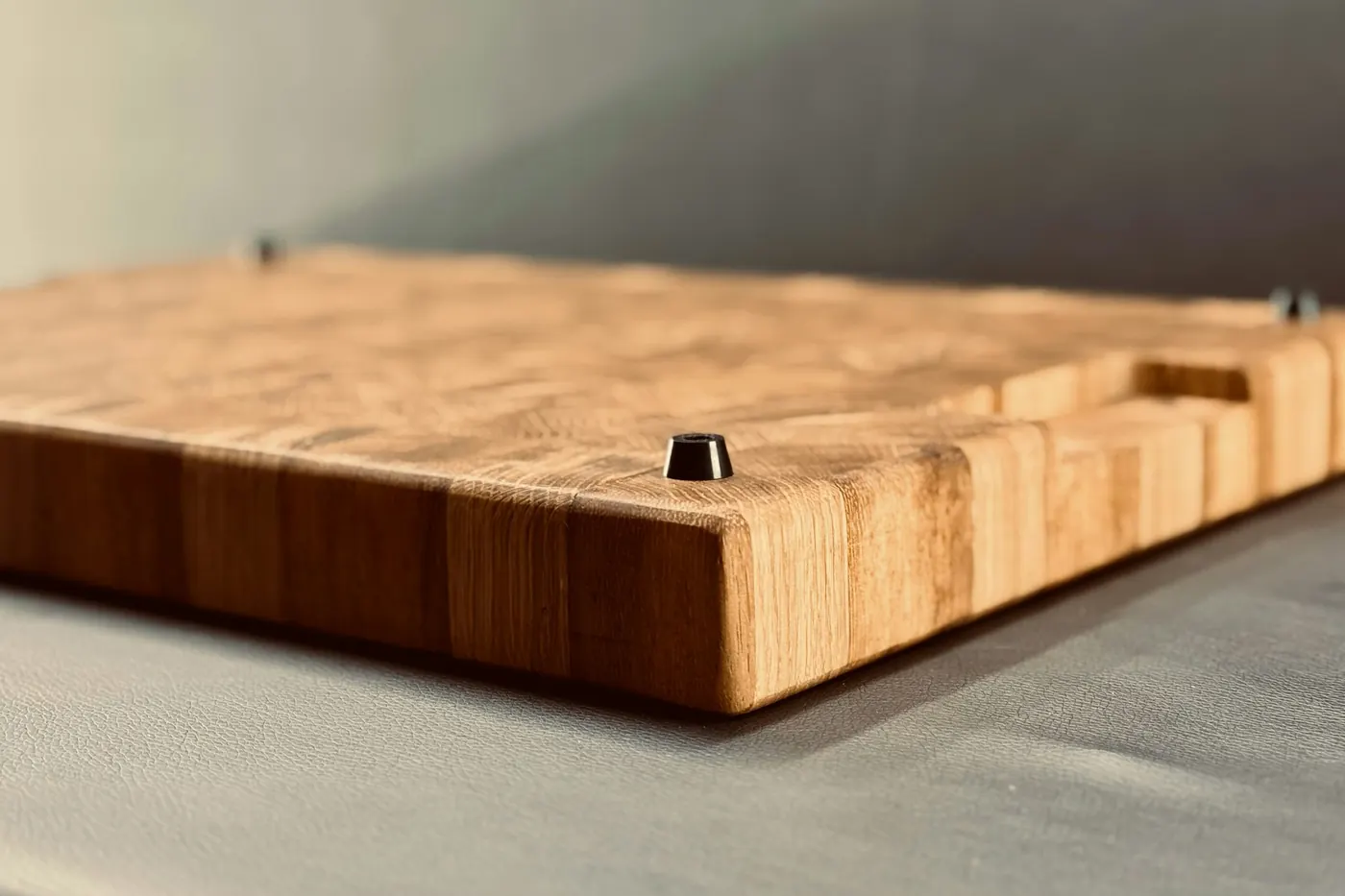
Most end-grain boards are heavy because they are thick. This Charleston board from Ironwood Gourmet is the exception: 20 by 14 inches but only 1.125 inches thick, and the listing gives its weight as 6.6 pounds, a third of the Boos. It is acacia end grain with a built-in juice channel that holds up to 4 fluid ounces.
The lighter weight changes how you use it. You can carry it to the sink to wash it properly, tip chopped onions and tomatoes into a pot, and put it away in a cupboard. For a weeknight kitchen that makes pico de gallo and slices grilled chicken, that convenience counts.
Ironwood’s care advice is specific: hand wash in warm, soapy water and dry it straight away, do not soak it or store it somewhere humid, and apply butcher block oil periodically to keep its luster and reduce the risk of cracking.
Why we like it
- Light for end grain, at 6.6 lb
- Juice channel holds 4 fl oz
- Large 20 x 14 inch surface
- Clear care instructions from Ironwood
Key specifications
| Model | 28669 |
|---|---|
| Wood | Acacia |
| Dimensions | 20 x 14 in |
| Thickness | 1.125 in |
| Weight (as stated) | 6.6 lb |
| Juice groove | Yes, 4 fl oz |
| Feet/handles | Not stated |
| Finish | Not stated; butcher block oil periodically |
Why we recommend it
It suits cooks who want end grain’s surface but need a board they can lift, wash and store every day.
Skip it if you do heavy chopping or cleaver work; at just over an inch thick it has less mass to absorb the blows than the blocks above.
Pros and cons
Pros
- Light enough to carry
- Juice channel
- Large surface
Cons
- Thin for end grain
- Needs care to avoid cracking
- No feet stated
7. Sonder Los Angeles Vincent Round Teak End Grain Board – Round Board for Pizza and Serving

A round board has no corners to work into, but it is the right shape for some jobs: cutting a pizza or a tlayuda into wedges, carving a whole roast chicken at the table, or serving a spread of cheeses and fruit. Sonder’s Vincent is a 15-inch round of end-grain teak, 1.5 inches thick, with a juice groove that Sonder says holds 3.5 fluid ounces.
Sonder describes the teak as high in natural oils, which it says makes the board resistant to water and warping, and states that the board is free of BPA, phthalates and formaldehyde. It arrives in a gift box.
The listing does not give the weight, feet or finish for this board, or say where it is made. Treat it like any end-grain board: hand wash, dry it standing on edge, and oil it whenever it looks dry.
Why we like it
- 15-inch round, end-grain teak
- Juice groove holds 3.5 fl oz, per Sonder
- Good for slicing pizza and serving
- Arrives in a gift box
Key specifications
| Model | Vincent |
|---|---|
| Wood | Teak |
| Dimensions | 15 in round |
| Thickness | 1.5 in |
| Weight (as stated) | Not stated |
| Juice groove | Yes, 3.5 fl oz |
| Feet/handles | Not stated |
| Finish | Not stated |
Why we recommend it
Choose it as a second board for carving and serving at the table, especially if you make pizza or flatbreads.
Skip it as your only prep board; a round shape wastes space for dicing, and the listing leaves out several basics.
Pros and cons
Pros
- Round shape for serving
- Juice groove
- Teak end grain
Cons
- Less efficient for prep
- Weight and finish not stated
- Origin not stated
Why end grain, and what it asks of you
There are two ways to build a wooden board. Edge-grain boards are strips of wood glued side by side, so the knife cuts across the long fibers. End-grain boards are short blocks glued with the fibers standing upright, like a bundle of straws, so the knife lands on their ends. John Boos describes what happens next: the knife “slides in between the wood fibers, the fibers separate, and then close back up.”
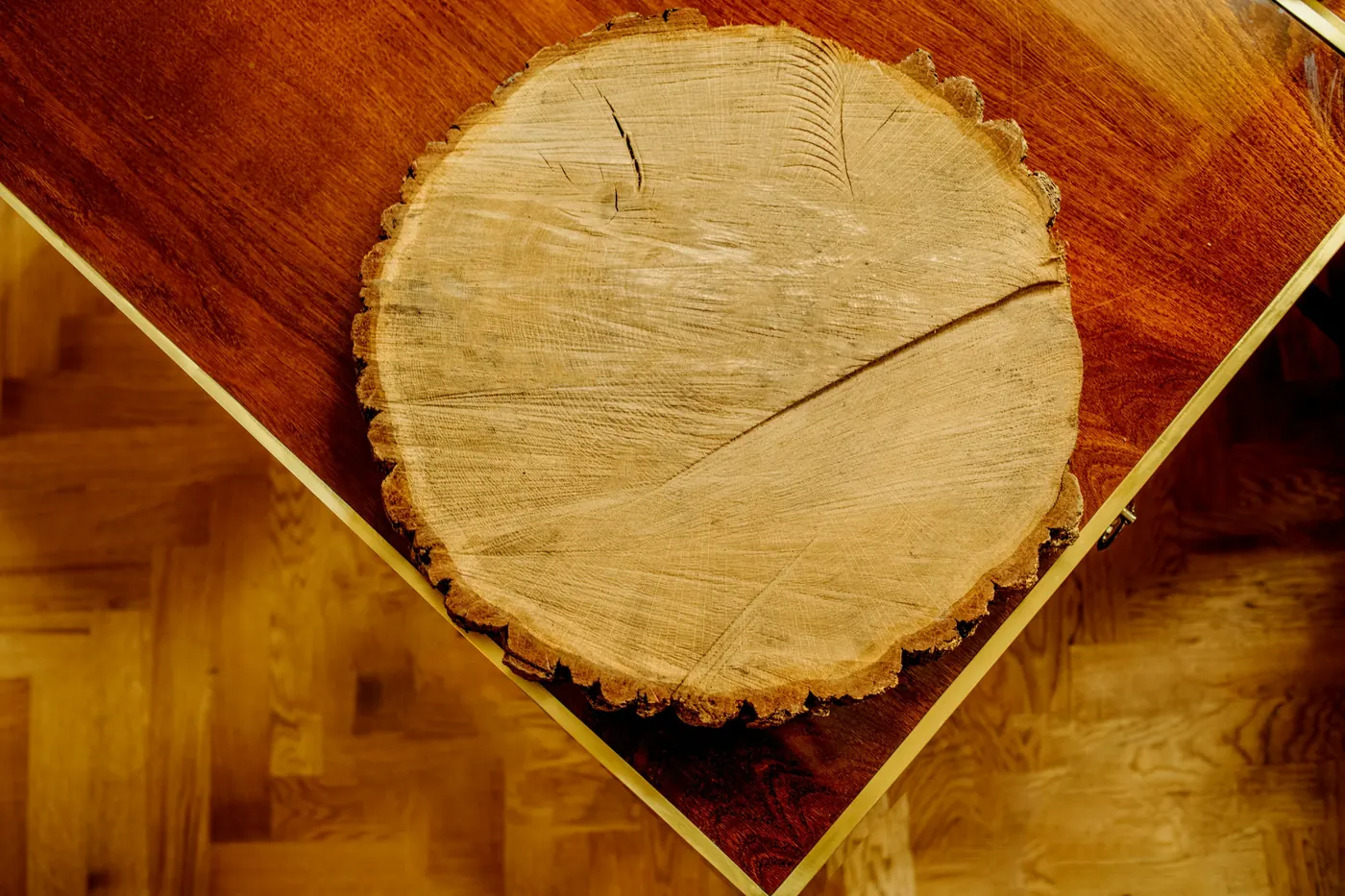
What you gain. A surface that is gentle on a sharp edge and hides knife marks, and usually a thick, heavy board that stays put. If you own good Japanese or German knives, see our guides to the best chef knife and the best boning knife, end grain is the kindest wooden surface to put them on.
What it costs. John Boos says end-grain construction is more labor-intensive, so the boards cost more, and that they “may need more oiling to maintain its appearance and to prevent drying out over repeated uses and washings.” The makers are consistent about what follows: keep the board out of the dishwasher, never soak it, and oil it regularly; Ironwood Gourmet links regular oiling to minimizing cracking.
The best wood for an end-grain board
- Hard maple is the traditional butcher-block wood: light colored, tight grained and hard-wearing. The Boos and Boardsmith boards are maple.
- Black walnut is darker and slightly softer, which makes a handsome serving board. Sonder uses it.
- Teak is naturally oily, and Teakhaus and Sonder both point to its resistance to moisture.
- Acacia is dense and less expensive, with a varied grain; Ironwood Gourmet uses it.
How to choose an end-grain board
1. Thickness
For end grain, thicker means heavier and steadier under the knife. Most of these picks are 1.5 inches or more, which gives a board real mass for heavy chopping. The 1.125-inch Ironwood Charleston is the trade-off for lighter weight.
2. Weight you can live with
A 20 by 15 inch end-grain board can weigh 20 pounds or more. That is good for stability and bad for washing in the sink. Decide whether the board will live on the counter or move every day, and buy accordingly.
3. Size for your counter and sink
Measure the counter where you prep and the sink you will wash it in. A board that does not fit the sink gets wiped instead of washed, which is not enough after raw meat.
4. Juice groove or flat
A groove is worth having if you carve roasts and grilled meats; it gets in the way when you scrape chopped vegetables off the edge. If you want both, chop on a flat block such as the Teakhaus and carve on a grooved board such as the Sonder Welton.
5. Feet or reversible
Feet lift the board so air dries the underside and fingers fit underneath; reversible boards give you two cutting faces, one for raw meat and one for everything else. You cannot have both on one board.
Caring for an end-grain board
End grain rewards a simple routine, and the makers agree on its basics. John Boos says to clean with mild soap and water, never use harsh detergents, never put the board in the dishwasher, wipe it dry with a clean towel and let it air dry before oiling. Oil it at least once a month, more often if it looks pale or dry: Boos recommends letting the oil soak in overnight and wiping off the excess, with an optional beeswax cream on top. Sonder asks for oil every two to three weeks on its walnut boards. Store the board on edge or on its feet so it dries evenly, and never leave it soaking. Our guide to the best cutting board oil covers what to use.
How we chose these seven end-grain boards
We started from what a working kitchen asks of a cutting board: a surface that is kind to sharp knives, a size that fits real prep work, enough weight or grip to stay put, and care that a busy cook will actually do. We then limited the list to true end-grain boards sold on Amazon in the United States and in stock when we checked, from makers who publish their specifications or state them on their own Amazon listing (each review says which). We covered the four woods that make sense for end grain, sizes from 9 by 12 inches to 24 by 18, thicknesses from just over 1 inch to nearly 3, and boards with and without grooves and feet, rather than repeating near-identical boards. We relied on John Boos’s explanation of end grain and edge grain and its published care instructions. We left out boards from sellers with no identifiable maker, and boards that were out of stock or low on stock, including John Boos’s larger 24 by 18 inch block and Proteak’s end-grain carving board. We have not cut on every board here; where we describe how a board performs, we say whose words those are.
End-grain board questions, answered
What is the best wood type for an end-grain cutting board?
Hard maple is the classic choice: hard-wearing, tight grained and easy to look after. Walnut is darker and slightly softer, teak is naturally oily and handles moisture well, and acacia is a dense, less expensive option.
Is end grain better than edge grain?
For knife edges, end grain is generally considered gentler, as John Boos explains. Edge grain is cheaper, lighter and needs less oil. If you own good knives and have the counter space, end grain is worth it; otherwise a good edge-grain board is fine. Our main guide to the best cutting board covers every material.
How thick should an end-grain board be?
Around 1.5 to 2.25 inches suits most kitchens. Thicker boards are heavier and steadier; thinner ones are lighter to carry.
Why is my end-grain board cracking?
Drying out and soaking are the usual suspects. John Boos says end grain may need more oiling to keep from drying out, and Ironwood Gourmet warns against soaking and links regular oiling to minimizing cracking. Keep it out of the dishwasher and the sink, dry it on edge, and oil it at least monthly, as Boos advises.
Is a heavy end-grain board worth it?
If it will stay on the counter, yes: weight keeps it still while you chop. If you need to wash it in the sink every day, a lighter board such as the Ironwood Charleston is easier to live with.
Our end-grain board for a busy counter
Buy the John Boos CCB maple board if you want one end-grain block that stays put, flips over and lasts with monthly oiling. Choose The Boardsmith large board for more room, the Teakhaus extra-large block for the most room, the Sonder Welton for walnut at the table, and the Ironwood Charleston if you need to lift your board every day. Wash it by hand, dry it on edge and keep it oiled, and it will be kind to your knives for years.
On a budget? See our guide to the best cheap end-grain cutting boards.
For edge-grain boards and other woods, see the best cutting board wood. And if you would rather someone else did the chopping tonight, see the menu or call to order.