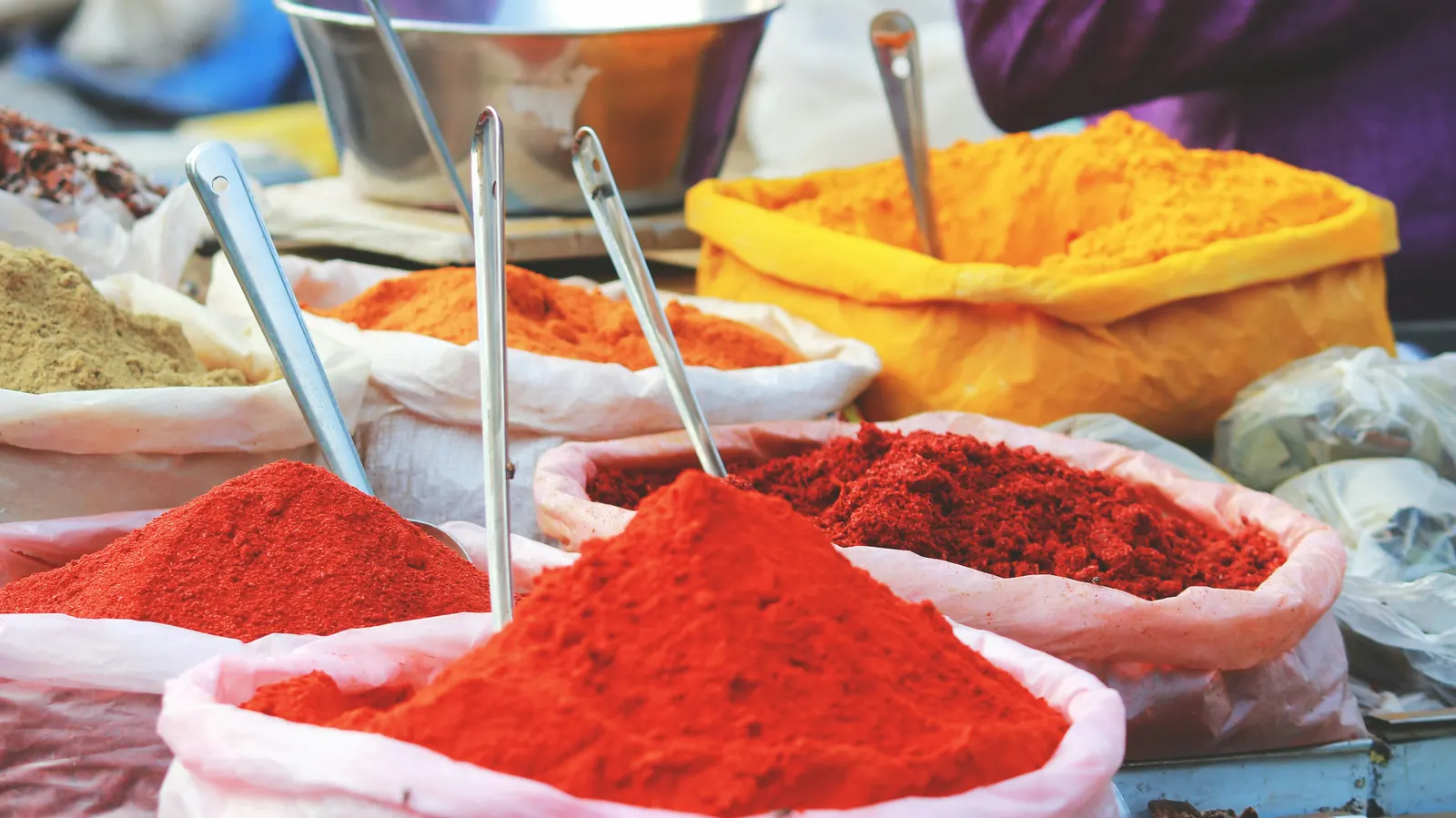
Two jars on the same shelf, one letter apart. One says “chili powder”, the other says “chile powder” or names a single pepper, such as ancho or New Mexico red. They look almost the same in the spoon, and plenty of recipes and shoppers treat them as one thing. They are not, and the difference decides whether a red enchilada sauce tastes of dried chiles or of cumin and garlic.
This guide explains what is in each jar, how they differ in flavor, heat, salt and use, when one can stand in for the other, and how to turn a pure chile powder into a chili powder blend at home. At the end there are two picks for each side, all sold on Amazon, each with its contents stated on the listing.
Julia’s earns a commission on purchases made through links on this page, at no cost to you. Recommendations are based on what a restaurant kitchen looks for, product specifications and verified buyer reports.
Quick verdict: which jar a recipe really wants
Chili powder (with an “i”) is a seasoning blend: ground chiles plus garlic, cumin, oregano and often salt. Chile powder (with an “e”) is a single dried chile, ground, with nothing added. Use the blend for a pot of Texas-style chili, taco meat and quick rubs, where you want the seasoning done for you. Use pure chile powder for Mexican red sauces, enchiladas, pozole rojo and adobos, where the chile should lead and you add the other spices yourself. If you keep only one, keep a pure chile powder such as The Spice Way Ancho Chile Powder: you can turn it into a chili powder blend in a minute, but you cannot take the cumin and salt back out of a blend.
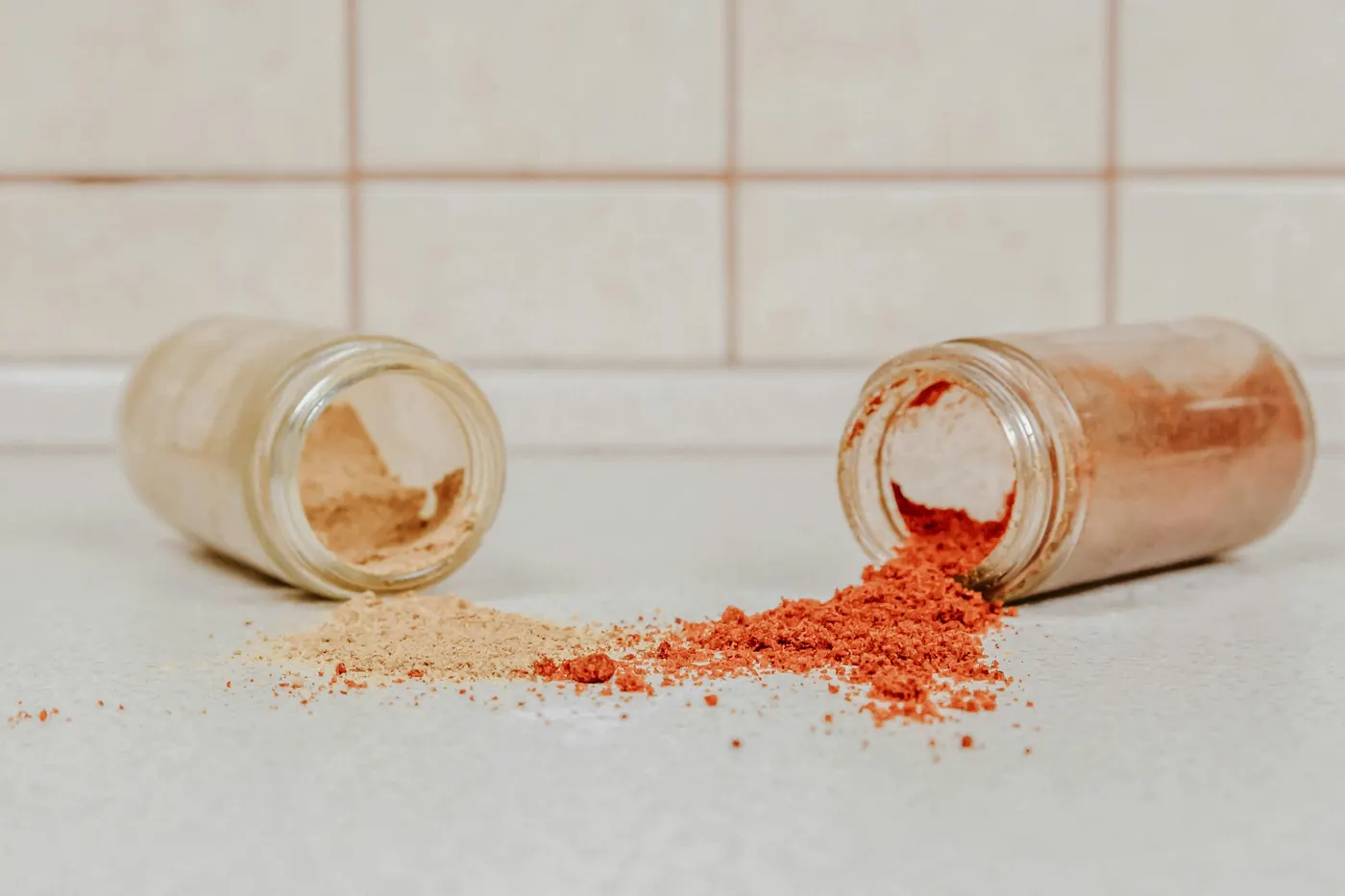
Chili powder vs chile powder, side by side
| Chili powder (blend) | Chile powder (pure) | |
|---|---|---|
| What it is | Ground chiles mixed with other spices | One dried chile variety, ground |
| Typical contents | Chile, garlic, cumin, paprika, oregano; salt in many (Savory Spice, McCormick) | Only the named chile (The Spice House) |
| Flavor | Savory, cumin-forward, “seasoned” | Depends on the chile: ancho is mild and fruity (The Spice House) |
| Heat | Mild to medium (McCormick) | From mild (ancho, mild Hatch) to hot (árbol, cayenne) |
| Salt | Often added; salt-free blends exist | None, if the label says pure |
| Best for | Chili con carne, taco meat, rubs, bean pots | Red chile sauces, enchiladas, adobos, pozole, moles |
| Swap | Can’t be “un-blended” | Add garlic, cumin and oregano to make a blend |
The spelling: why one letter matters
The Chile Pepper Institute at New Mexico State University draws the line plainly in its FAQ: chile refers to the plant or the fruit of the plant, while chili refers to a dish of meat, beans, tomatoes and chile powder. Read that way, chili powder is the seasoning for the dish called chili, and chile powder is the ground pepper itself.
Labels do not always follow the rule, so read the ingredient list rather than trusting the spelling. Some single-chile products are sold as “chili powder”, such as The Spice Way’s New Mexico chili powder, and in other countries “chilli powder” often means plain ground hot chile. The test is simple: if the ingredient list names one chile and nothing else, it is pure; if it names garlic, cumin, oregano or salt, it is a blend.
What goes into a chili powder blend
McCormick describes its chili powder as a blend of chili peppers, garlic and spices such as cumin and oregano, with salt to enhance the other flavors. The Savory Spice test kitchen gives the typical blend as five ingredients: dried chile peppers, garlic, cumin, paprika and Mexican oregano. The Spice House describes chili powder as a bittersweet blend of ground chiles with paprika, cumin, garlic and other spices.
The blend has an American history. Savory Spice says chili powder emerged in the American Southwest and Texas in the late 1800s as a convenient, pre-measured seasoning for chili con carne. That is still what it does best: a few spoonfuls season a whole pot, with no separate jars of cumin and oregano to open.
The catch is that the extra spices travel everywhere the blend goes. Our best Mexican spices guide puts it bluntly: a cook who uses supermarket chili powder in an enchilada sauce often wonders why the sauce tastes of cumin. In a Mexican red sauce, cumin is a supporting note at most, and many regional recipes leave it out.
What pure chile powder is
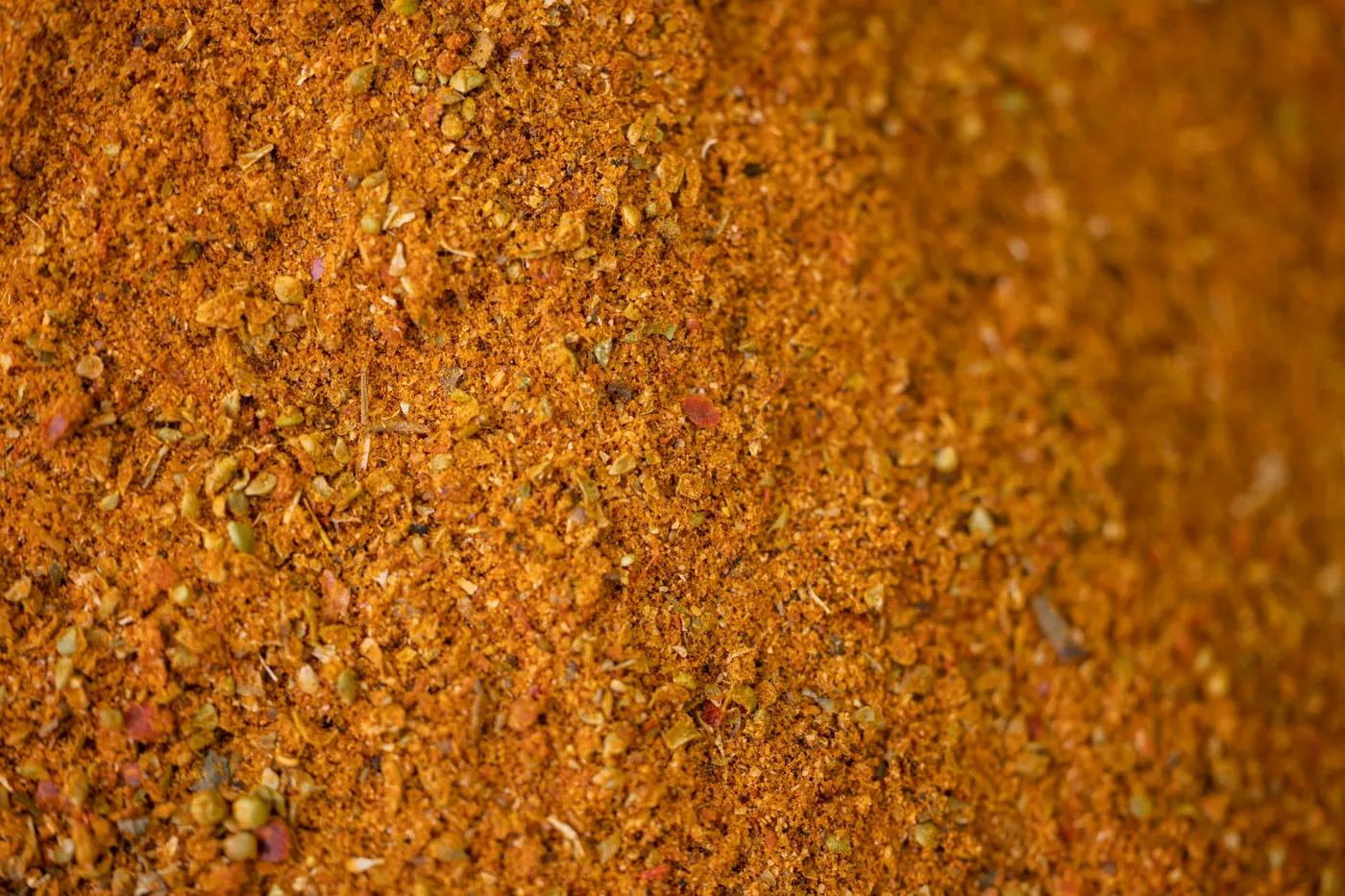
The Spice House defines chile powder as ground dried chiles with no added spices, and Savory Spice describes it as a single dried chile variety, ground. Each chile tastes different, which is the point. The Spice House calls ancho mild and fruity, chipotle smoky and hot, and cayenne pure heat. New Mexico red chile, sold under names such as Hatch or Chimayo, is the base of New Mexican red chile sauce.
This is closer to how Mexican cooks work. A recipe for adobo or a red pozole names its chiles, usually whole dried pods that are toasted, soaked and blended. Ground pure chile is the shortcut: it gives the same chile’s flavor and color without the soaking, though whole pods keep their aroma longer, as our guide to Mexican pantry staples notes. For a guide to which chile tastes like what, see Mexican chiles explained and our comparison of guajillo vs ancho chile.
Flavor: seasoned versus single-note
A spoonful of chili powder tastes finished. The garlic, cumin and oregano are already there, which is why it works in taco meat and on grilled chicken without anything else. The flip side is that every dish made with it tastes a little alike, because the same cumin-and-garlic profile comes along each time.
A pure chile powder tastes of one pepper. Ancho brings a mild, dried-fruit sweetness, according to The Spice Way’s listing; a smoky chipotle or a hot árbol tastes nothing like it. On its own it can taste flat, because there is no garlic, salt or herb to round it out. That is not a flaw: you add those in the amounts the dish needs.
Heat: closer than you might think
McCormick describes standard chili powders as mild to medium in heat, meant to add warmth rather than burn. Its Dark Chili Powder, one of our picks, is described on the listing as just a little hotter than McCormick’s regular chili powder.
Pure chile powders vary far more. Ancho and mild Hatch red are gentle; ground árbol or cayenne is hot. That range is a strength, because you choose the heat by choosing the chile. It is also the main trap in a swap: McCormick warns that cayenne cannot replace chili powder one for one without making a dish much hotter. Before swapping, check which chile is in the jar.
Salt: the hidden difference
Many chili powder blends contain salt. McCormick lists salt in its blend, and the Dark Chili Powder listing names salt among its ingredients. That matters when a recipe also calls for salt, or when you season a large pot with several spoonfuls of the blend. Salt-free blends exist: Savory Spice sells its own chili powders without added salt, so read the label.
A pure chile powder has no salt, so you control it completely. This is general kitchen sense rather than a sourced figure: when you replace a salted blend with pure chile powder, taste and add salt, because the dish will need some that the blend used to supply.
How each one is used
Where chili powder works
- Chili con carne and Tex-Mex chili. The dish the blend was made for, per Savory Spice.
- Taco meat. A blend with cumin and garlic gives ground beef familiar flavor fast. For a packet-style blend with starch to make a sauce, see our best taco seasoning guide.
- Rubs and bean pots. McCormick suggests rubs for beef and pork, bean dishes and barbecue sauce.
Where pure chile powder works
- Red enchilada sauce and chile colorado. The chile should lead, with garlic and a little oregano added by you.
- Adobos and marinades. Ancho or guajillo powder gives color and depth without the cumin edge.
- Pozole rojo, menudo and moles. Shortcuts for dishes that are normally built on whole dried pods.
- Your own chili powder. Pure chile is the base of every homemade blend.
Can you swap one for the other?
Pure chile powder in place of chili powder: yes, with additions. The Spice House gives a homemade chili powder of 2 parts chile powder (ancho, guajillo or similar), 2 parts garlic powder, 2 parts crushed Mexican oregano, 1 part ground cumin, 1 part cayenne, 1 part black pepper and half a part onion powder. Savory Spice suggests a simpler start: 2 parts ground ancho or another mild chile, 1 part cumin and 1 part garlic powder, with a little paprika and Mexican oregano. Leave out the cayenne if your chile is already hot, and salt the dish separately.
Chili powder in place of pure chile powder: it works in a pinch, but the dish changes. You will taste cumin and garlic where the recipe wanted only chile, and the blend’s salt adds to whatever the recipe already includes. This is general kitchen sense: use a little less than the recipe asks for, hold back some of the recipe’s salt until you taste, and skip any extra cumin the recipe lists. It is fine in chili or taco meat. In a red enchilada sauce or a mole it will be noticeable.
One pure chile for another: The Spice House suggests swapping one powdered chile for another, such as ancho or chipotle, one for one. Mind the heat: chipotle is much hotter and smokier than ancho.
Choose chili powder if… / Choose chile powder if…
Choose chili powder if…
- You cook Texas-style chili, taco meat or nachos and want one jar that seasons it all.
- You like a familiar cumin-and-garlic flavor.
- You want a quick dry rub for grilled meat.
- You don’t want to keep separate jars of cumin, garlic and oregano.
Choose chile powder if…
- You cook Mexican red sauces, enchiladas, adobos or pozole.
- You want to choose the heat and the chile yourself.
- You watch your salt.
- You’d like to mix your own chili powder blend.
For most cooks of Mexican food, pure chile powder is the better first buy. It does everything a blend does once you add garlic, cumin and oregano, and it does the jobs a blend cannot.
Our picks on each side of chili powder vs chile powder
Two blends and two pure chile powders. Every listing below states what is inside, and none of the four repeats a jar from our best Mexican spices guide.
1. The Spice Way Ancho Chile Powder, 4 oz – Pure Ancho, Not a Blend

The Spice Way’s listing says it plainly: this ancho powder is not a blend and contains 100% pure ancho chile powder, made from dried ancho chiles with no additives, no anti-caking agents and no preservatives. That makes it the clearest example of the “chile powder” side of this comparison.
Ancho is the dried form of the poblano, and a mild, sweet chile for Mexican red sauces. The listing describes it as mildly hot, with dried-fruit sweetness and earthy depth, and suggests it for enchiladas, salsa, soups, moles and sauces. The Spice House likewise calls ancho mild and fruity. It is also the base both The Spice House and Savory Spice name for a homemade chili powder, so one bag covers both jobs.
The 4-ounce resealable bag is a sensible size for a ground chile, which loses aroma once opened. The Spice Way says it has 30 years of experience growing spices and peppers, and packs in small batches.
Why we like it
- Listing states 100% ancho, not a blend
- No additives or anti-caking agents, per the listing
- Mild, so it adds color and depth without much heat
- Sold by The Spice Way itself
Key specifications
| Type | Pure chile powder |
|---|---|
| Size | 4 oz resealable bag |
| Ingredients | Ancho chile only (listing) |
| Salt | None (single ingredient) |
| Heat | Mildly hot (listing) |
| Allergens/diet | Single ingredient; kosher certified (listing) |
| Origin | Not stated |
| Model | TS0417-A700ML-M705 |
Why we recommend it
Choose it if you make red enchilada sauce, adobos or moles and want the chile to lead, or if you want a base for your own chili powder.
Skip it if you want heat: ancho is mild, and a hotter chile such as árbol does that job.
Pros and cons
Pros
- Clear single-ingredient label
- Works as a sauce chile and a blend base
- Resealable bag
Cons
- Origin of the chiles not stated
- Smaller brand with less published detail
2. Chile Revival Hatch Red Chile Powder, 4 oz – New Mexico Red, Mild

Chile Revival sells red chile powder grown in the Hatch Valley of southern New Mexico, according to its listing, which describes it as 100% pure red chile powder with no fillers. This is the mild version, a 4-ounce bag.
New Mexico red chile is the base of New Mexican red chile sauce, and the listing suggests it for red chile sauce, carne adovada, enchiladas, chile colorado and barbecue rubs. It suits a cook who wants a second pure chile alongside ancho, for the New Mexican dishes that are built on it.
The listing gives little detail beyond the origin and the pure-chile statement, so expect to judge the heat yourself. “Mild” on a New Mexico red is a grower’s description, not a measured figure, and crops vary year to year.
Why we like it
- Listing states 100% pure red chile, no fillers
- Growing region named: Hatch Valley, New Mexico
- Mild grade for everyday sauces
- Sold by Chile Revival itself
Key specifications
| Type | Pure chile powder |
|---|---|
| Size | 4 oz |
| Ingredients | Red chile only (listing) |
| Salt | None (single ingredient) |
| Heat | Mild (listing) |
| Allergens/diet | Single ingredient; no allergen statement on the listing |
| Origin | Hatch Valley, New Mexico (listing) |
| Model | Not stated |
Why we recommend it
Choose it if you cook New Mexican red chile sauce, carne adovada or red enchiladas and want a pure chile from a named growing region.
Skip it if you want detailed product information: the listing is short.
Pros and cons
Pros
- Single chile, no fillers
- Named origin
- Mild and versatile
Cons
- Small producer with a brief listing
- Heat level is a description, not a figure
3. Badia Chili Powder, 16 oz – Classic Blend With Cumin and Oregano

Badia’s chili powder is a textbook example of the blend. The listing says it combines ground chili peppers with garlic, cumin, paprika and oregano, which matches the five-ingredient blend Savory Spice describes, and calls it mildly spicy, smoky and aromatic.
The listing suggests it for tacos, enchiladas, burritos, chili con carne and quesadillas, and as a dry rub base for beef, chicken and pork. The one-pound container makes sense for a cook who makes big pots of chili or seasons taco meat every week. Badia, a family-owned company founded in 1967 according to the listing, is a long-established Latin spice brand found in many US supermarkets.
The listing does not mention salt either way, so check the label on the container you receive before you salt the pot.
Why we like it
- Listing names its spices: chile, garlic, cumin, paprika, oregano
- Mild heat for family cooking
- Large container for frequent use
- Sold by Amazon.com
Key specifications
| Type | Chili powder blend |
|---|---|
| Size | 16 oz container |
| Ingredients | Chili peppers, garlic, cumin, paprika, oregano (listing) |
| Salt | Not stated on the listing |
| Heat | Mild (listing) |
| Allergens/diet | No allergen statement on the listing |
| Origin | Not stated |
| Model | Not stated |
Why we recommend it
Choose it if you cook chili, taco meat and rubs often and want a classic, mild blend in a size that lasts.
Skip it if you cook only now and then: a pound of ground spice will fade before you finish it.
Pros and cons
Pros
- Spices named on the listing
- Mild, familiar flavor
- Good quantity
Cons
- Salt content not stated on the listing
- Large size for occasional cooks
4. McCormick Dark Chili Powder, 7.5 oz – Deeper Color, a Touch More Heat
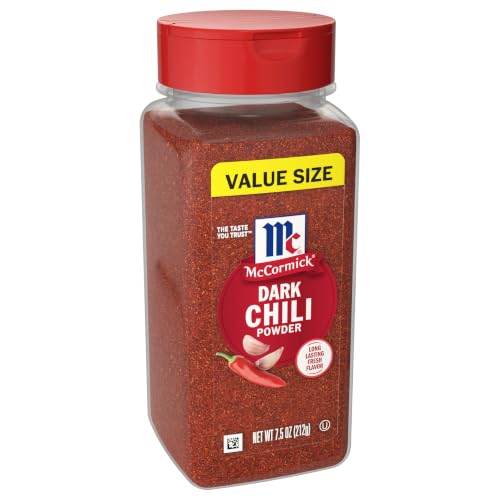
McCormick’s Dark Chili Powder is its richer variant of the supermarket blend. The listing describes it as a robust blend of ripe peppers, garlic, salt and spices, with a slightly sweet flavor that is just a little hotter than McCormick’s regular chili powder.
It is built for the Tex-Mex side of the kitchen. The listing suggests Southwestern chili, tacos, pinto beans and bean soups, and a rub for beef, pork or chicken before grilling, and says it adds earthy flavor and deep color. That deeper color is useful in a pot of chili, where regular chili powder can look pale.
Salt is in the blend, per the listing, so taste before adding the salt a chili recipe asks for. The 7.5-ounce container sits between a small jar and a bulk tub.
Why we like it
- Ingredients stated: peppers, garlic, salt, spices (listing)
- Deeper color and a little more heat than regular, per McCormick
- Widely sold supermarket brand
- Sold by Amazon.com
Key specifications
| Type | Chili powder blend |
|---|---|
| Size | 7.5 oz container |
| Ingredients | Ripe peppers, garlic, salt, spices (listing) |
| Salt | Yes (listing) |
| Heat | A little hotter than McCormick’s regular (listing) |
| Allergens/diet | No allergen statement on the listing |
| Origin | Not stated |
| Model | 052100038209 |
Why we recommend it
Choose it if you make Texas-style chili and want a darker, slightly sweeter blend than the standard jar.
Skip it if you need a salt-free seasoning or want to know every spice in the jar: the listing names “spices” without saying which.
Pros and cons
Pros
- Deep color for chili
- Widely sold, well-known maker
- Mid-size container
Cons
- Contains salt
- Spices not individually named
How we compared chili powder and chile powder
We compared the two on what a kitchen cares about: what is in the jar, how it tastes, how hot it is, how much salt it brings, and which dishes it suits. Definitions come from the Chile Pepper Institute at New Mexico State University, McCormick, The Spice House and the Savory Spice test kitchen; product details come from each Amazon listing, which we note. We checked that all four picks were in stock when we wrote this. We have not cooked with these jars; flavor notes follow the makers’ descriptions and the ingredient lists. Where we give our own kitchen rule of thumb, we say so.
Chili and chile powder questions, answered
What is the difference between chili powder and chile powder?
Chili powder is a blend of ground chiles with garlic, cumin, oregano and often salt. Chile powder is one dried chile, ground, with nothing added.
Can I use chili powder instead of ancho chile powder?
In chili or taco meat, yes. In an enchilada sauce or adobo you will taste the cumin and garlic, and the blend’s salt adds up, so use a little less and taste before salting.
How do I make chili powder from pure chile powder?
Savory Spice suggests 2 parts ground ancho or another mild chile, 1 part cumin and 1 part garlic powder, with a little paprika and Mexican oregano. The Spice House’s version adds more garlic, oregano, cayenne and black pepper.
Is chili powder spicy?
Usually not very. McCormick describes standard chili powders as mild to medium. Pure chile powders range from mild ancho to hot árbol and cayenne, so check the chile.
Is paprika the same as chile powder?
Paprika is a ground pepper too, and it is one of the spices in many chili powder blends. The Spice House suggests paprika with a pinch of cayenne and a little cumin as a stand-in for chili powder.
Which jar to buy first
If you cook Mexican food more than Tex-Mex, start with a pure chile powder such as The Spice Way’s ancho, and add garlic, cumin and Mexican oregano when you want a chili powder blend. If your cooking is mostly chili and taco night, a blend such as Badia’s saves time. Either way, read the ingredient list, not the spelling. For the rest of the shelf, see our best Mexican spices guide, and for whole dried chiles, our guide to the best place to buy dried chiles online.
And if you would rather someone else made the red sauce tonight, look through the menu or call to order.