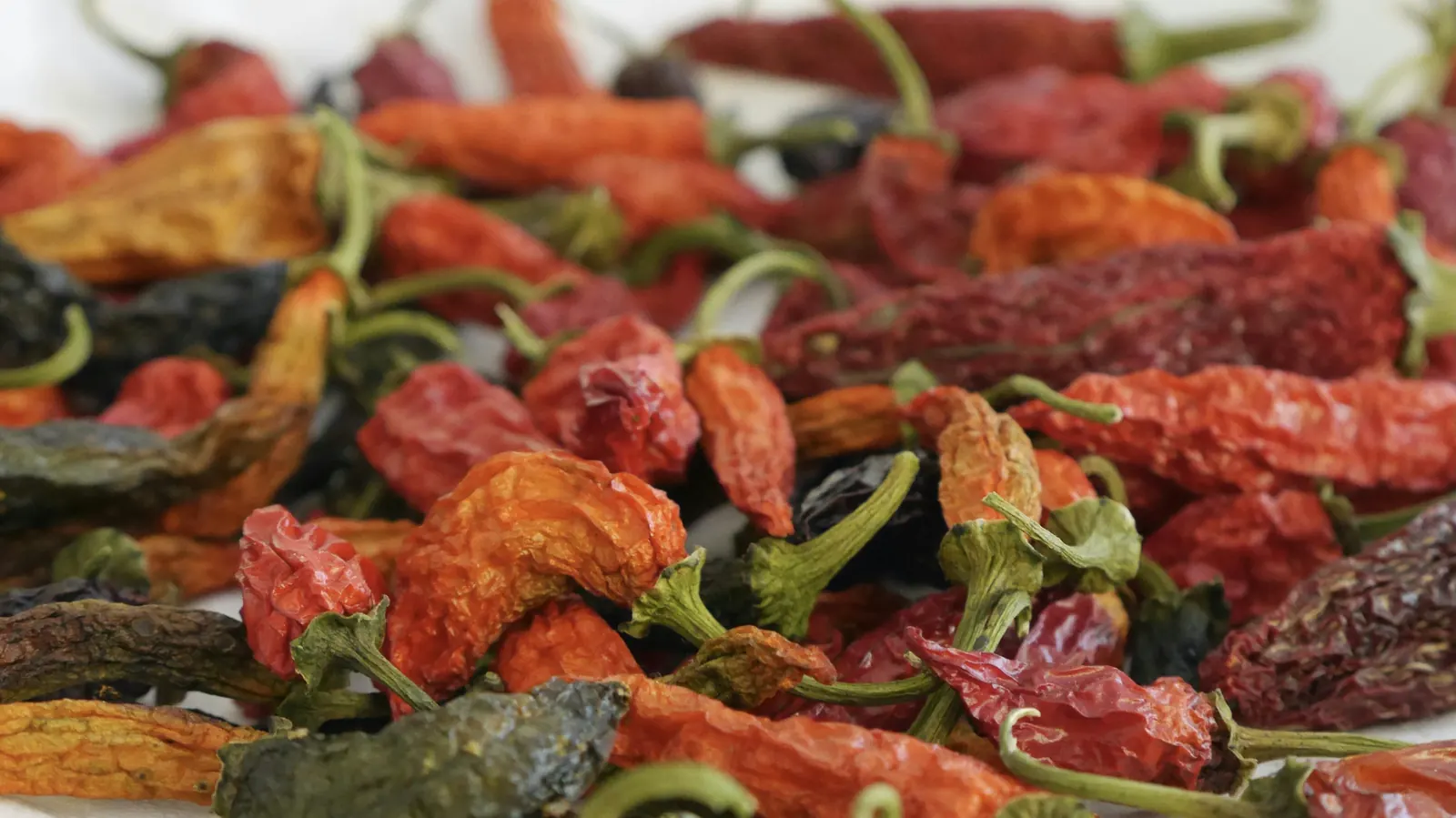
The recipe calls for two chipotles in adobo, and the cupboard has no can. It happens often, because a can of chipotles is the sort of thing you buy once, use a spoonful of, and forget to replace. The good news is that the flavor in that can comes from a short list of things: smoke-dried red jalapeños, and a tangy sauce of tomato, vinegar, garlic and spices. Rebuild those pieces and most dishes will never know the difference.
This guide explains what you are actually replacing, which dried chipotles, chipotle powders and smoked paprikas do the job best, how much of each to use for one canned chile, and how to stir together a quick stand-in adobo from pantry staples. It also says plainly where each swap falls short, because none of them is identical to the can.
Julia’s earns a commission on purchases made through links on this page, at no cost to you. Recommendations are based on what a Mexican restaurant kitchen looks for in smoked chiles, the makers’ own Amazon listings and product pages, and a named substitution guide, which we cite as we go.
Why people look for a chipotle in adobo substitute
The right swap depends on why you are looking. Most reasons fall into one of these groups.
- There is no can in the house. The most common reason by far. A jar of chipotle powder or a bag of dried chiles keeps for months on a spice shelf, so many cooks keep one of those instead and skip the can entirely.
- Waste. A can holds far more chiles than one recipe needs. Our chipotle explainer describes the usual fix, blending and freezing the rest, but plenty of people would rather measure out a teaspoon of powder.
- Heat control. The chiles in the can carry real heat, and the sauce is milder. Smoked paprika lets you have the smoke with little or no burn, which suits children, guests who avoid spice, and creamy sauces.
- Ingredients. Canned adobo usually brings oil, sugar and salt along with the chiles. La Morena’s listing for its chopped chipotles in adobo, for example, says it contains chipotle peppers, tomato paste, onion and a blend of spices. A single-ingredient powder or a whole dried chile lets you choose what goes in.
- Texture. A dry rub, a spice crust or a batch of roasted nuts needs a dry chipotle, not a wet one.
Before choosing, it helps to know what the can is doing. A chipotle is a ripe red jalapeño dried over wood smoke; the smoke is the defining flavor. The adobo adds acid from vinegar, body and sweetness from tomato, and a savory edge from garlic and spices, as our guide to what adobo is explains. A good substitute replaces the smoke first and then, if the dish needs it, the tang and body of the sauce.
Quick answer: the swap to reach for first
For most recipes, the best chipotle in adobo substitute is pure ground chipotle, such as Woodland Gourmet Chipotle Morita Chile Powder: about half a teaspoon per canned chile, stirred into a spoonful of tomato paste with a splash of vinegar. If you want the closest result and have twenty minutes, rehydrate whole dried morita chipotles and simmer them in a quick tomato-vinegar sauce. If you want smoke without heat, use smoked paprika, about a teaspoon per chile; Frontier Co-op’s is an easy everyday jar, and La Dalia’s trio lets you pick sweet, bittersweet or hot. Skip barbecue sauce and plain paprika.
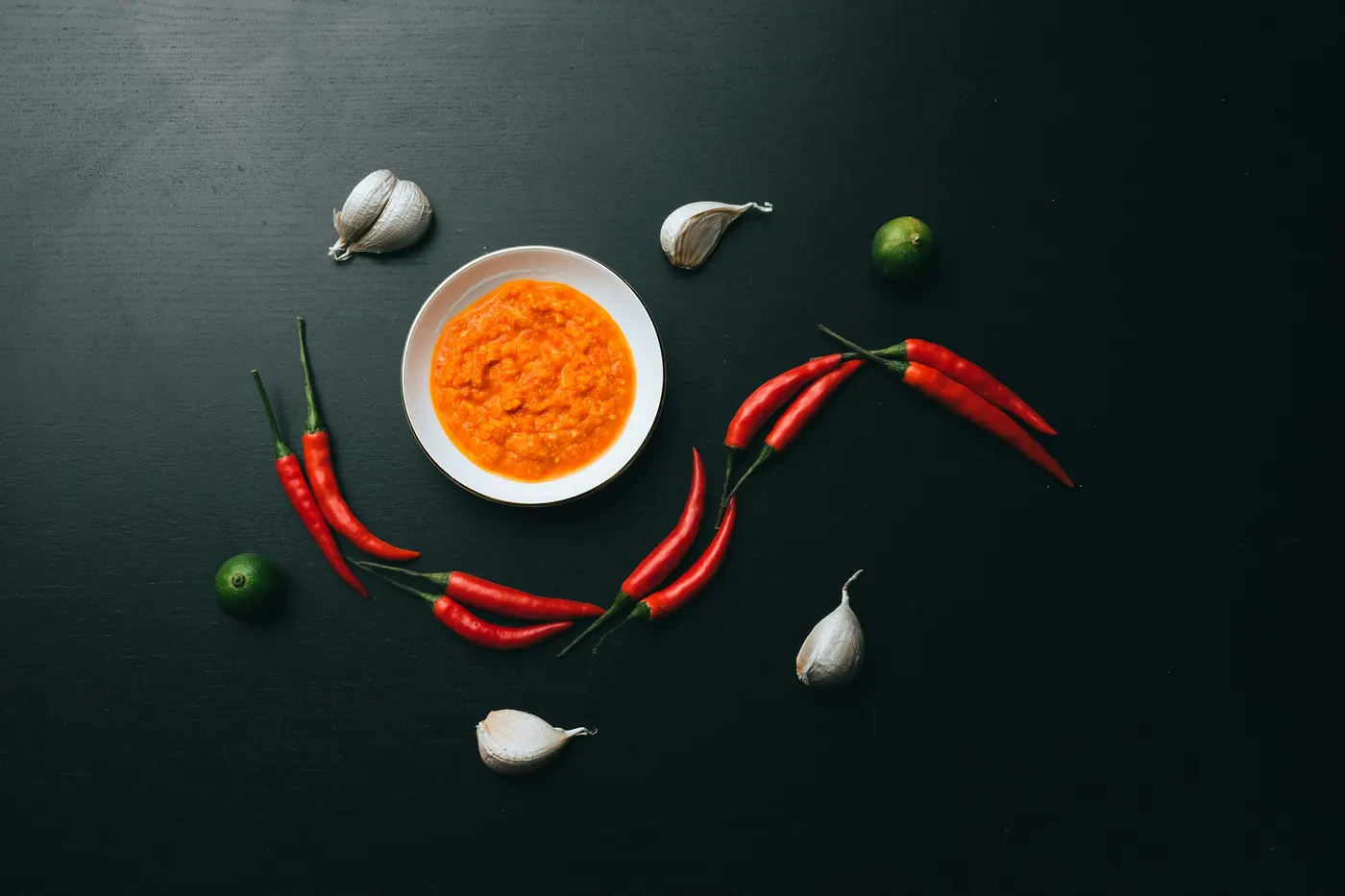
Five picks for a chipotle in adobo substitute, side by side
| Substitute | Best for | Heat | Ingredients (listing) | Buy on Amazon |
|---|---|---|---|---|
| Sauces, chili, marinades | Mild to medium (listing) | 100% dried chipotle chiles | View on Amazon | |

Amazing Chiles & Spices Dried Chipotle Morita Chiles, 4 ozClosest to the can
|
Homemade adobo, tinga | Medium (listing) | 100% natural chile peppers | View on Amazon |

Frontier Co-op Smoked Paprika, 1.87 ozSmoke without heat
|
Creamy sauces, mild cooks | Not stated; sweet paprika | Smoked Capsicum annuum peppers | View on Amazon |

La Dalia Smoked Paprika Trio, DOP, 3 x 2.46 ozPick your heat
|
Cooks who want options | Sweet, bittersweet, hot | Oak-smoked La Vera peppers | View on Amazon |
| Occasional chipotle cooks | Medium to high (listing) | Pure ground morita chiles | View on Amazon |
Product images from Amazon. Ingredients and heat are as each listing states them; none of these listings gives an allergen statement, so check the package if that matters to you.
Six substitutes worth keeping on the shelf
Every pick below is a single-ingredient smoked chile or smoked pepper product whose Amazon listing states what it is made of. They fall into three groups: whole dried chipotles, which come closest to the can; ground or granulated chipotle, which is the easiest swap; and smoked paprika, which gives the smoke with less heat. Ready-made chipotle pastes also exist, but the listings we checked did not give a full ingredient list, so they are not recommended here.
1. Woodland Gourmet Chipotle Morita Chile Powder, 20 oz – The Everyday Swap

Woodland Gourmet is the retail label of Woodland Foods, a specialty ingredient importer based in Waukegan, Illinois, and the listing says the company has been a source of global ingredients since 1989. This is ground chipotle morita, which the listing describes as made from ripe, smoke-dried jalapeños and as a single-ingredient product: 100% dried chipotle chiles with no additives.
That matters for a substitute. Because nothing else is in the jar, you control the tang, salt and sweetness yourself, and the powder disappears into a sauce without the chopping a soft canned chile needs. The listing notes that morita is smoked for less time than chipotle meco, which keeps a fruity character and a deep red color, and it suggests enchilada sauces, chili, stews, adobo, barbecue dishes and cornbread.
On heat, Woodland’s own page for its whole morita chiles gives 12,000 to 26,000 Scoville heat units, and this listing gives the same range and compares it to serrano warmth. That is well above the jalapeño range our chipotle guide uses, and sources disagree on chipotle heat, so start with less than you think. The 20-ounce bag is a lot for a home kitchen; split it into a small jar for the shelf and keep the rest sealed and away from light.
Why we like it
- Single ingredient: 100% dried chipotle chiles, per the listing
- Morita chipotle, the type most cans contain
- Fine, even grind that dissolves into sauces
- From an established ingredient importer with a public maker page
Key specifications
| Size | 20 oz (1.25 lb) bag |
|---|---|
| Form | Fine powder |
| Ingredients | 100% dried chipotle morita chiles (listing) |
| Heat | About 12,000 to 26,000 SHU (listing and maker page) |
| Allergens | Not stated |
| Swap per canned chile | About 1/2 teaspoon (see the chart below) |
Why we recommend it
Choose it if you cook with chipotle often and want one jar that covers sauces, soups, marinades and rubs without opening a can.
Skip it if you only need chipotle once or twice a year. The bag is large, and ground chiles lose aroma over time; the smaller bag at pick 3 suits you better.
Pros and cons
Pros
- Nothing added, per the listing
- Easy to measure
- Works wet or dry
Cons
- Very large bag
- No tang or body of its own
- Allergen statement not given
2. Amazing Chiles & Spices Dried Chipotle Morita Chiles, 4 oz – Closest to the Can
The chiles in a can of chipotles in adobo are simply dried chipotles that have been rehydrated in sauce. Start from the same dried chile and you get the closest result of any swap here. Pantry & Larder’s substitution guide, by Veronica Fletcher, puts homemade chipotles in adobo first on its list and says to replace the canned chiles in a one-to-one ratio.
This bag holds whole morita chipotles. The listing says they are grown in Mexico, describes them as 100% natural chile peppers with no additives or preservatives, and calls them non-GMO and gluten free. It describes a medium heat and a smoky mesquite flavor with hints of raisin and cherry, and suggests mole, sauces, tamales, salsa, meats and stews.
Whole chiles take a little more work. They need soaking in hot water until soft, about half an hour according to our chipotle guide, and then either simmering in a quick tomato-vinegar sauce or blending into one. The method is set out further down. The payoff is a soft, whole chile you can chop just like the canned kind, and the soaking water adds smoke to the sauce. Most of the heat sits in the seeds and veins, so removing them is the easiest way to tame a batch (general kitchen practice).
Why we like it
- The same chile the cans use, before the sauce
- Single ingredient, no preservatives, per the listing
- Resealable 4-ounce bag suits a home kitchen
- Grown in Mexico, per the listing
Key specifications
| Size | 4 oz resealable bag |
|---|---|
| Form | Whole dried morita chiles |
| Ingredients | 100% natural chile peppers, no additives (listing) |
| Heat | Medium (listing; no SHU given) |
| Allergens | Not stated; gluten free per listing |
| Swap per canned chile | 1 rehydrated chile |
Why we recommend it
Choose it if you want chipotles that look and behave like the canned ones, for chicken tinga, a blended salsa or a braise, and you have twenty minutes to spare.
Skip it if dinner is in ten minutes. A powder at pick 1 or 3 goes straight into the pan.
Pros and cons
Pros
- Closest flavor and texture to the can
- Keeps for months dry
- One-to-one swap once softened
Cons
- Needs soaking first
- Amazon-first brand
- Heat varies chile to chile
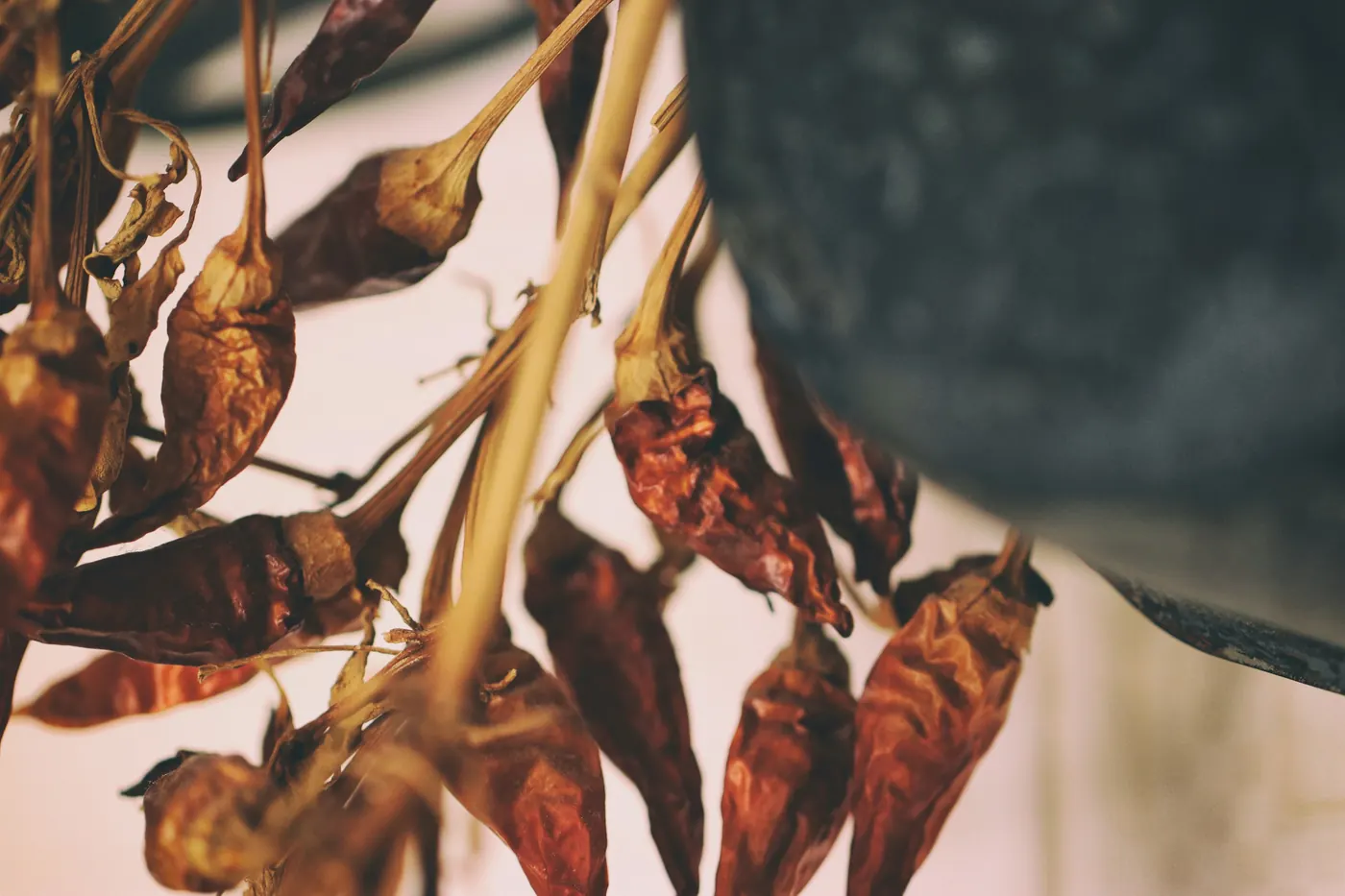
3. Amazing Chiles & Spices Chipotle Chili Powder, 4 oz – A Smaller Bag

This is the same idea as pick 1 in a size that suits a cook who reaches for chipotle now and then. The listing says it is made from pure ground chipotle (morita) chiles, picked ripe and smoked over wood, and describes a deep, smoky flavor with medium to high heat.
Note the word “chili powder” in the name. In American supermarkets, chili powder often means a blend of ground chile with cumin, garlic and oregano. This one is not a blend, by the listing’s own description, so use it as you would pure chipotle and add the other seasonings yourself.
It comes from the same seller as pick 2. If you want both a whole chile for weekend cooking and a powder for weeknights, the two bags together still take up less room than one large jar.
Why we like it
- Pure ground chipotle morita, per the listing
- Small 4-ounce bag stays fresher in light use
- Same easy half-teaspoon swap as pick 1
Key specifications
| Size | 4 oz bag |
|---|---|
| Form | Powder |
| Ingredients | Pure ground chipotle (morita) chiles (listing) |
| Heat | Medium to high (listing; no SHU given) |
| Allergens | Not stated |
| Swap per canned chile | About 1/2 teaspoon |
Why we recommend it
Choose it if you want pure chipotle powder in a modest quantity, for the odd pot of chili or a chipotle mayo.
Skip it if you cook with chipotle every week; the larger bag at pick 1 is from a better-documented maker.
Pros and cons
Pros
- Single chile, not a blend
- Sensible size
- No soaking needed
Cons
- Heat level only described in words
- Amazon-first brand
- Name can be confused with blended chili powder
4. Woodland Gourmet Granulated Chipotle Chiles, 14 oz – For Rubs and Finishing

Some recipes use chipotles in adobo for a wet rub or a marinade that later meets a hot grill. A coarse, granulated chipotle is the better substitute there: it clings to meat, shows as visible flecks, and does not turn to paste. The listing describes 100% pure chipotle morita chiles with no additives, coarsely ground so the flakes and seeds remain.
The listing gives a heat range of 10,000 to 30,000 Scoville heat units and suggests three ways to use it: toast it dry to bring out the aroma, rehydrate it in hot water, or stir it straight into anything that cooks for at least ten minutes. That last point is useful; the coarse pieces need a little time and liquid to soften in a sauce.
This is the same maker as pick 1. We include it because the texture does a different job, not as a second jar of the same thing.
Why we like it
- 100% chipotle morita, no additives, per the listing
- Coarse texture for rubs, crusts and finishing
- Clear usage advice from the maker
Key specifications
| Size | 14 oz bag |
|---|---|
| Form | Coarse granules (flakes and seeds) |
| Ingredients | 100% chipotle morita chiles (listing) |
| Heat | About 10,000 to 30,000 SHU (listing) |
| Allergens | Not stated |
| Best uses | Dry rubs, marinades, sprinkled over roasted food |
Why we recommend it
Choose it if your chipotle goes mostly into rubs, grilled meat and roasted vegetables.
Skip it if you want a smooth sauce or a chipotle mayonnaise; the flakes stay visible, and a fine powder is the better pick.
Pros and cons
Pros
- Texture holds up on a grill
- Nothing added
- Can be toasted or soaked
Cons
- Not smooth in sauces
- Large bag
- Seeds included, so heat runs high
5. Frontier Co-op Smoked Paprika, 1.87 oz – Smoke Without the Heat
Smoked paprika is the swap most people already own, and the parent guide’s short answer mentions it for good reason: it carries wood smoke without much burn. Pantry & Larder suggests one teaspoon of smoked paprika for each chipotle, mixed with tomato sauce to taste, and notes that it is less complex than chipotle, so add a pinch of cayenne if you want heat back.
Frontier Co-op is a member-owned co-op founded in 1976, according to its listing. The listing describes this as oak-wood smoked and ground Spanish paprika made from Capsicum annuum peppers, with no artificial ingredients or preservatives, kosher and non-irradiated. The jar is small, which suits a spice that loses its smoke over time.
Two cautions. Smoked paprika is made from sweet red peppers, not jalapeños, so the flavor is rounder and less fruity than chipotle. And plain paprika is not a substitute at all; the smoke is the whole point, so check that the label says smoked.
Why we like it
- Smoked pepper only, no artificial ingredients, per the listing
- Little heat, so it suits creamy sauces and mild cooks
- Small jar from a long-established co-op
Key specifications
| Size | 1.87 oz jar |
|---|---|
| Form | Powder |
| Ingredients | Oak-smoked ground paprika (Capsicum annuum) (listing) |
| Heat | Not stated |
| Allergens | Not stated; kosher |
| Swap per canned chile | About 1 teaspoon, plus cayenne for heat |
Why we recommend it
Choose it if you want the smoky note of chipotle in a cream sauce, deviled eggs, a dip for children, or anywhere heat would be unwelcome.
Skip it if the dish depends on chipotle’s heat and fruitiness, such as a chipotle salsa; a chipotle powder is closer.
Pros and cons
Pros
- Smoke with little heat
- Easy to find
- Small, fresh-keeping jar
Cons
- Not chipotle-flavored
- Needs cayenne for heat
- Small amount per jar
6. La Dalia Spanish Smoked Paprika Trio, DOP, 3 x 2.46 oz – Choose Your Heat
If smoked paprika is going to stand in for chipotle regularly, a set with a hot version is worth having. La Dalia’s trio holds three tins of pimentón de la Vera: sweet, made from dulce peppers; hot, made from picante peppers; and bittersweet, a traditional blend of the two, as the listing describes them.
The listing says the peppers are slowly smoked over oak wood and then ground, that every pepper is grown, smoked and ground in La Vera, Spain, and that the paprika carries the DOP protected designation of origin. It also describes La Dalia as Spain’s oldest paprika maker, producing pimentón since 1913.
For a chipotle substitute, the hot tin is the one to reach for: it brings smoke and some warmth together, so you may not need cayenne at all. The sweet tin covers the mild jobs that pick 5 does. Treat the heat as a guide only; the listing describes all three as smoky without overwhelming heat, and gives no Scoville figures.
Why we like it
- Three heat levels in one set
- Oak-smoked peppers from La Vera, DOP, per the listing
- The hot tin replaces both smoke and some heat
Key specifications
| Size | 3 tins, 2.46 oz each |
|---|---|
| Form | Powder |
| Ingredients | Oak-smoked dulce and picante peppers (listing) |
| Heat | Sweet, bittersweet and hot; no SHU given |
| Allergens | Not stated |
| Made in | La Vera, Spain (listing) |
Why we recommend it
Choose it if you like to adjust heat dish by dish, or you cook Spanish food too and will use all three tins.
Skip it if you only want one jar of smoke for the odd recipe; pick 5 is simpler.
Pros and cons
Pros
- Hot version adds warmth with smoke
- Protected-origin pimentón
- Tins keep out light
Cons
- Not jalapeño-based, so no chipotle fruitiness
- Three tins is more than some need
- Heat not quantified
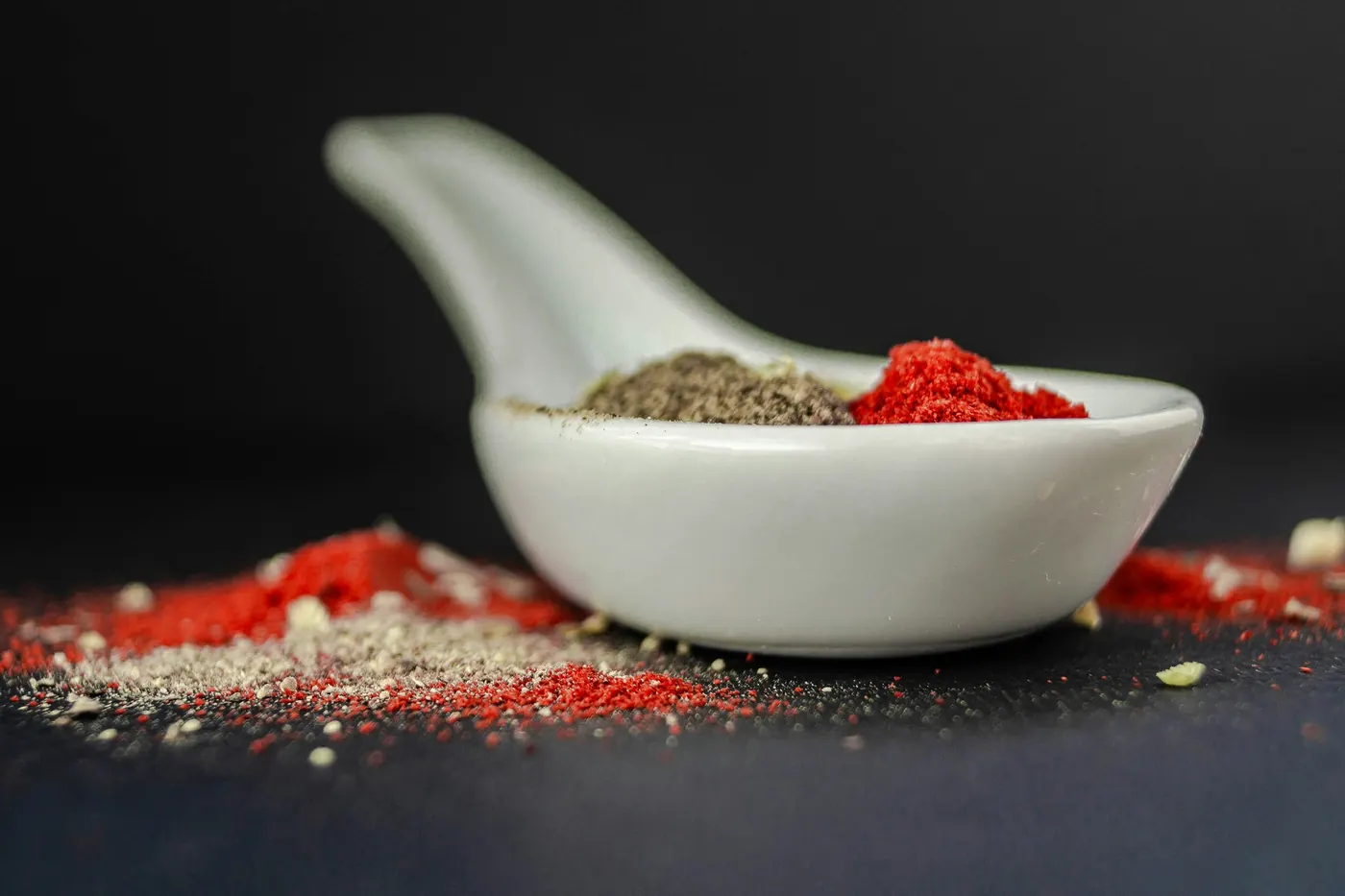
How much to use for one canned chipotle
Recipes usually count chipotles in adobo by the chile, sometimes adding a spoonful of the sauce. These starting points come from Pantry & Larder’s substitution guide; taste and adjust, because heat varies from bag to bag.
| Substitute | For 1 chipotle in adobo | What it brings | What to add |
|---|---|---|---|
| Dried chipotle, rehydrated | 1 chile | Smoke, heat, soft texture | Tomato paste and a splash of vinegar, or simmer in a quick adobo |
| Chipotle powder | About 1/2 teaspoon | Smoke and heat | Tomato paste, water and vinegar for the sauce |
| Smoked paprika | About 1 teaspoon | Smoke, little heat | Tomato sauce; a pinch of cayenne for heat |
| Ancho chile powder | About 1 teaspoon | Mild, fruity depth, no smoke | Tomato paste and vinegar; pair with smoked paprika |
| Chipotle hot sauce | A few drops, then more to taste | Smoke, heat, vinegar | Nothing for a splash; not enough body for a braise |
Two patterns are worth noticing. Powder replaces the chile, not the sauce, so for a recipe that wants “two chipotles plus a tablespoon of adobo”, the tomato and vinegar need replacing too. And smoked paprika alone gives the smoke but not the bite; pairing it with a little chipotle powder or cayenne gets closer. For more on how ancho, guajillo and the other dried chiles differ, see our guide to Mexican chiles explained.
Make a quick stand-in adobo
When a recipe leans on the sauce as much as the chiles, as chicken tinga and many braises do, rebuild the adobo too. Mexican adobo, as our adobo explainer sets out, is built on chiles, vinegar, garlic and spices, and the vinegar is what makes it adobo. The canned version adds tomato.
The ten-minute version (powder). For each chipotle the recipe asks for, stir about half a teaspoon of chipotle powder into a spoonful of tomato paste with a splash of vinegar and enough water to loosen it. Pantry & Larder suggests oregano, cumin or garlic powder for more complexity; a small pinch of sugar rounds it off if your can was a sweet one (our suggestion, from kitchen practice). Let it sit for a few minutes before using, so the powder hydrates.
The twenty-minute version (whole chiles). Stem the dried chipotles, toast them for a few seconds in a dry pan if you like, and soak them in hot water until pliable. Our adobo guide warns that toasting is seconds, not minutes, because a scorched chile turns bitter. Then either chop the soft chiles and simmer them for a few minutes in tomato paste thinned with soaking water, vinegar and garlic, or blend everything smooth. Pantry & Larder describes the same approach and puts the whole job at about twenty minutes.
Either version keeps in a covered jar in the fridge for a few days, and freezes well in a flat bag, the same trick our guide to the best chipotle peppers in adobo sauce recommends for leftover canned chiles.
Which substitute for which dish
- Chicken tinga, braises and stews. Rehydrated whole chipotles simmered in a quick adobo come closest. Powder works if you add tomato and vinegar.
- Salsas and blended sauces. Rehydrated chiles or chipotle powder. Smoked paprika lacks the fruit and heat a chipotle salsa depends on.
- Chipotle mayonnaise, crema and dips. Powder blends in smoothly. For a mild dip, sweet smoked paprika gives the smoke without the burn.
- Dry rubs and grilled meat. Granulated chipotle or powder. Wet substitutes burn on a hot grate.
- Chili and beans. Any of them. A teaspoon of hot smoked paprika plus a little chipotle powder is a good pairing.
- Marinades. Powder or a blended rehydrated chile, with vinegar or lime for the tang the adobo would have given.
Swaps to avoid
Pantry & Larder names three things not to use: barbecue sauce, ranchero sauce and chili garlic sauce. Each brings its own strong flavor and none brings chipotle’s smoke. Plain, unsmoked paprika belongs on the same list; it adds color and little else. Liquid smoke can stand in for the smoke in an emergency, but it is concentrated, and the same guide suggests smoked paprika as the gentler option.
Blended “chili powder” from the supermarket is another trap. It usually contains cumin, garlic and oregano as well as chile, and rarely any smoke, so it changes a dish more than it replaces chipotle. If you want to explore dried chiles beyond chipotle, our guide to where to buy dried chiles online and our pick of the best Mexican spices are good next stops.
Questions about a chipotle in adobo substitute
What is the best substitute for chipotle peppers in adobo?
Dried chipotles, rehydrated and simmered in a little tomato paste and vinegar, come closest. For speed, use about half a teaspoon of pure chipotle powder per chile, with tomato paste and vinegar if the dish needs the sauce.
Can I use chipotle powder instead of chipotles in adobo?
Yes. Pantry & Larder suggests about half a teaspoon of powder for each chipotle. Powder replaces the chile, not the sauce, so add tomato and a splash of vinegar when the recipe relies on the adobo.
Can I use smoked paprika instead of chipotle in adobo?
Yes, for the smoke. Use about a teaspoon per chipotle with some tomato sauce. It has much less heat, so add cayenne or use a hot smoked paprika if you want the bite.
Are morita and chipotle the same thing?
Morita is a type of chipotle. Our chipotle explainer describes two types: morita, smaller, darker and smoked for less time, and meco, smoked longer and more intensely smoky. Morita is the one most American kitchens meet, in cans and in bags.
Is chipotle powder hotter than chipotles in adobo?
It can taste hotter, because the sauce in a can dilutes the heat and there is no sauce with a powder. Heat figures vary by source and by bag, so start with less and add more.
What can I use instead of adobo sauce alone?
A spoonful of tomato paste with a splash of vinegar, garlic and a little chipotle powder or smoked paprika covers most recipes that ask for “a tablespoon of adobo sauce”.
Choosing your chipotle stand-in
For a pantry that never runs out of chipotle, keep one jar of pure chipotle powder, such as Woodland Gourmet’s, and mix it with tomato and vinegar when a recipe calls for the can. Keep whole morita chiles if you cook tinga and braises and want the real texture, granulated chipotle if you grill, and smoked paprika for the dishes where smoke matters and heat does not. And if you would rather stock the real thing after all, our guide to the best chipotle peppers in adobo sauce compares the cans, and our list of Mexican pantry staples covers the rest of the cupboard.
If you would rather someone else did the cooking, have a look at the menu or call to order.