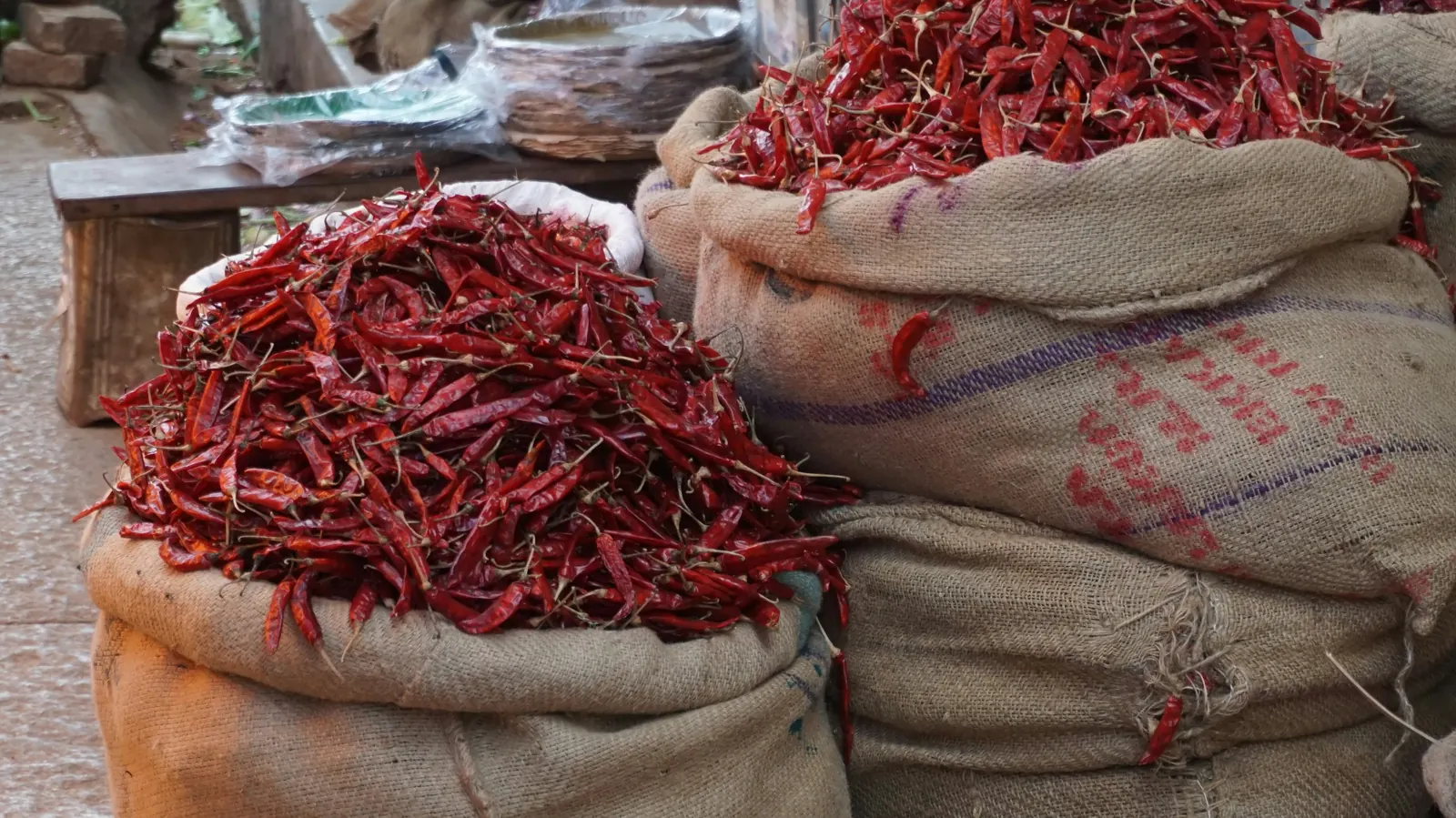
Dried chiles are the backbone of red Mexican cooking: enchilada sauce, pozole rojo, birria, adobo, mole and most table salsas start with a handful of them. Outside the Southwest, though, the supermarket often has one dusty bag of something labeled “California chiles”, and nothing else. That is why so many home cooks end up buying them online.
Buying online works well, as long as you know what you are looking at. A good bag of dried chiles is soft and pliable, deep in color, clearly labeled by variety and sealed so it stays that way. This guide explains where to buy, what to check on a listing, which sizes make sense for a home kitchen, and which bags on Amazon are worth ordering for the chiles most recipes call for.
Julia’s earns a commission on purchases made through links on this page, at no cost to you. Recommendations are based on what a restaurant kitchen looks for in dried chiles, the sellers’ own product information and published cooking references, which we name.
Quick verdict: where to buy dried chiles, and which bag
For most home cooks, Amazon is the easiest place to buy dried chiles online: several established chile sellers list whole ancho, guajillo, pasilla, árbol and chipotle there in sizes from 4 ounces to a pound. Start with the Amazing Chiles & Spices ancho, guajillo and pasilla pack, three 4-ounce bags of the chiles behind most red sauces. If you want heat and smoke as well, choose El Molcajete’s four-chile pack with árbol and chipotle. If you already cook with one chile every week, buy it by the pound, such as 1400s Spices stemless guajillos.
Specialist spice shops and Mexican grocers also sell dried chiles online, and a good local Mexican market is hard to beat if you have one. The picks below are the Amazon bags we would point a home cook to first.
Five dried chile buys at a glance
Our five standout picks side by side, one for each kind of cook. All eight bags are reviewed in full below; heat descriptions are the sellers’ own.
| Dried chiles | Best for | Chiles & size | Heat (as listed) | Buy on Amazon |
|---|---|---|---|---|

Amazing Chiles & Spices Ancho, Guajillo and Pasilla Pack, 3 x 4 ozBest starter pack
|
A first chile shelf, red sauces | Ancho, guajillo, pasilla; 12 oz | Mild to medium | View on Amazon |

Amazing Chiles & Spices Six-Chile Variety Pack, 24 ozWidest variety
|
Exploring, cooking mole | Six chiles incl. árbol, chipotle, cascabel; 24 oz | Mild to high | View on Amazon |
| Salsas with heat and smoke | Ancho, guajillo, árbol, chipotle; 16 oz | Mild to very hot | View on Amazon | |

1400s Spices Stemless Guajillo Chiles, 1 lbBest bulk bag
|
Birria, pozole, big batches | Guajillo only, stemless; 1 lb | 2,500–5,000 SHU | View on Amazon |

Amazing Chiles & Spices Chipotle Morita Chiles, 8 ozBest for smoke
|
Smoky salsas, adobo, tinga | Chipotle morita; 8 oz | Medium to high | View on Amazon |
Product images from Amazon. Sizes, heat and claims are as each seller lists them; crops vary from season to season, so check the bag you receive.
Eight bags of dried chiles worth ordering
These eight cover the choices a home cook actually faces: a starter pack, a wider sampler, a pack with heat, a pound each of the two workhorse chiles, and single bags of pasilla, árbol and chipotle morita. All come from sellers who name their brand on the bag, and all were in stock on Amazon when we checked.
1. Amazing Chiles & Spices Ancho, Guajillo and Pasilla Pack, 3 x 4 oz – The Red-Sauce Trio
If you are buying dried chiles for the first time, start with the three that appear together again and again in Mexican recipes. This pack holds one 4-ounce bag each of whole dried ancho, guajillo and pasilla chiles, 12 ounces in all, according to the listing. It is the same pack we suggest in our guide to Mexican pantry staples.
The listing describes the ancho as sweet and raisin-like, the guajillo as tangy and fruity, and the pasilla as dark and earthy with cocoa and dried-fruit notes, and it rates all three as mild to medium heat. Together they are the base of mole poblano, red enchilada sauce, tamales and pozole rojo.
Each chile comes in its own resealable bag, which matters more than it sounds: you can open the guajillos for a pot of pozole and leave the others sealed. The listing says the chiles are 100% chile with no additives or preservatives, non-GMO and gluten-free. It does not say where they are grown.
Why we like it
- The three chiles most red sauces call for
- Whole pods, which keep their aroma longer than powder
- A separate resealable bag for each chile
- 4 ounces of each, an amount a home kitchen uses while fresh
Key specifications
| Size | 12 oz (3 bags of 4 oz) |
|---|---|
| Chiles included | Ancho, guajillo, pasilla |
| Form | Whole dried pods |
| Heat (as listed) | Mild to medium |
| Stems | Not stated |
| Packaging | Three resealable bags |
| Diet claims | No additives or preservatives; non-GMO; gluten-free |
| Origin | Not stated |
Why we recommend it
Choose it if you are starting a chile shelf from nothing and want to cook enchiladas, pozole or a first mole without buying a pound of anything.
Skip it if you want heat: none of the three is hot, so add a bag of árbol for salsa.
Pros and cons
Pros
- Covers most red sauces
- Sensible home-size bags
- Resealable packaging
Cons
- No hot chile included
- Origin not stated
2. Amazing Chiles & Spices Six-Chile Variety Pack, 24 oz – Six Chiles in One Order
The same seller’s larger sampler adds three chiles to the trio above: árbol for clean heat, chipotle for smoke and cascabel, the small round chile that rattles when you shake it. The listing gives 24 ounces in total across six chiles, in resealable bags, and describes the range as mild to high heat.
Six chiles are enough to cook most of the regional red sauces and salsas you will meet in Mexican cookbooks, and to learn what each one adds by tasting them side by side in your own cooking. The listing describes the chiles as having no additives or preservatives, non-GMO and gluten-free.
Two things the listing does not say: the weight of each bag (24 ounces across six chiles suggests about 4 ounces each, but the seller does not state it), and where the chiles are grown. Expect to use the ancho and guajillo faster than the cascabel, so plan to restock those two by the bag.
Why we like it
- Six chiles, from mild to hot, in one order
- Includes árbol and chipotle for heat and smoke
- Cascabel, which is harder to find in supermarkets
- Resealable bags, per the listing title
Key specifications
| Size | 24 oz total (per-bag weight not stated) |
|---|---|
| Chiles included | Ancho, guajillo, pasilla, árbol, chipotle, cascabel |
| Form | Whole dried pods |
| Heat (as listed) | Mild to high |
| Stems | Not stated |
| Packaging | Six resealable bags |
| Diet claims | No additives or preservatives; non-GMO; gluten-free |
| Origin | Not stated |
Why we recommend it
Choose it if you like to cook from Mexican cookbooks and want the six chiles they name most often without six separate orders.
Skip it if you cook only enchiladas and pozole; the trio above costs less to keep fresh.
Pros and cons
Pros
- Broadest range here
- Mild and hot chiles together
- One bag per chile
Cons
- Per-bag weight not stated
- Some chiles may go stale before you use them
- Origin not stated
3. El Molcajete Ancho, Guajillo, Árbol and Chipotle Pack, 4 x 4 oz – Mild, Hot and Smoky

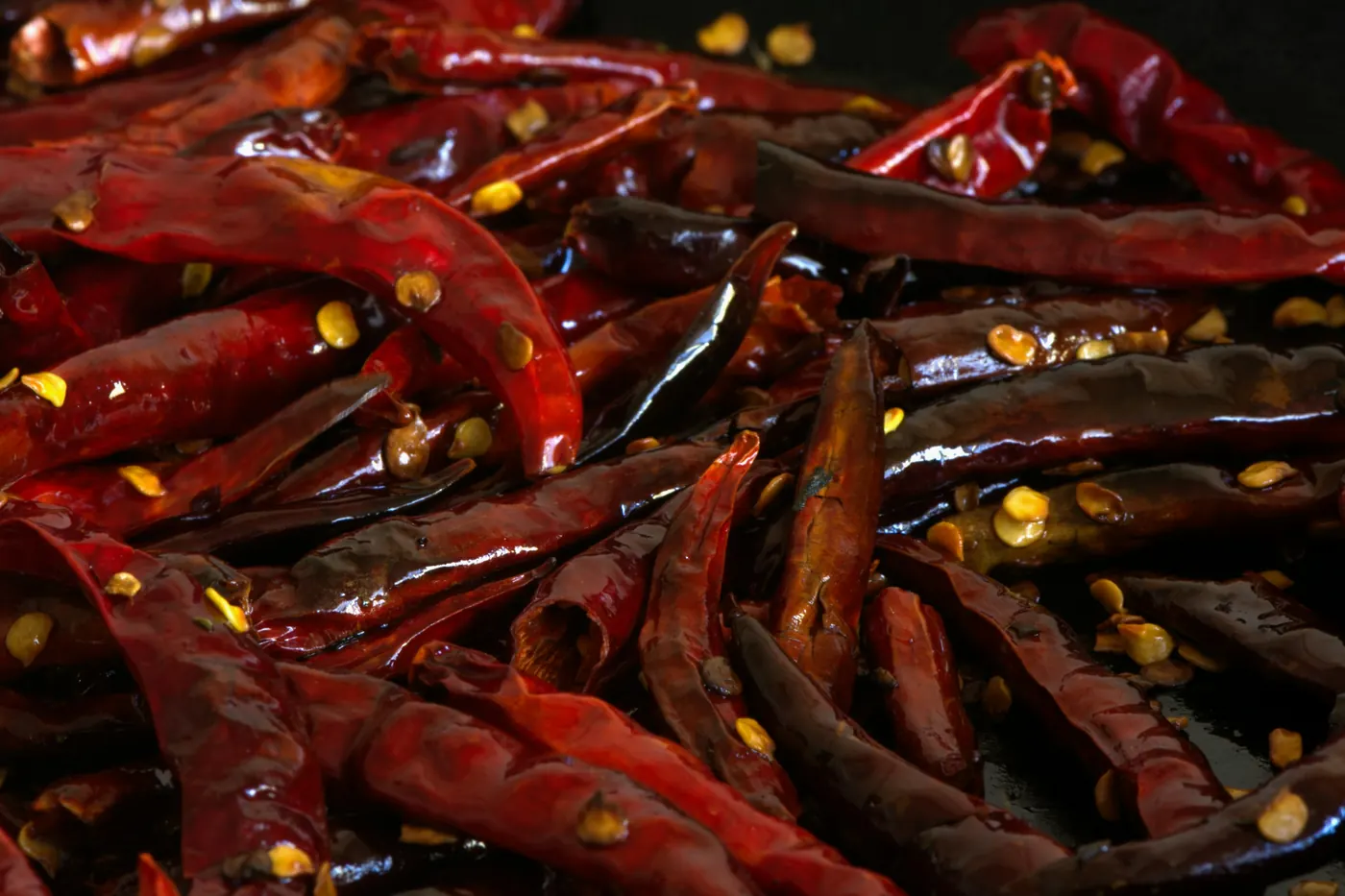
El Molcajete’s four-pack swaps pasilla for the two chiles that give salsas their bite. You get ancho and guajillo for body and color, árbol for heat and chipotle for smoke, each packed separately in a resealable bag, according to the listing. Amazon lists the size as four 4-ounce bags, a pound in total.
That combination suits a cook who makes salsa as often as sauce. A salsa roja of guajillo with a couple of árbols, or a chipotle salsa with roasted tomatoes, needs exactly these chiles. The listing describes the ancho as sweet and smoky, the guajillo as fruity and mild, the árbol as very hot and the chipotle as smoked.
The seller says the chiles are traditionally dried and hand selected, and the title calls them all natural. Neither the origin nor whether stems are removed is stated.
Why we like it
- Covers sauce chiles and salsa chiles in one pack
- Each chile packed separately, per the listing
- A pound in total, four ounces of each
- Chipotle and árbol, the two most-used hot chiles
Key specifications
| Size | 16 oz (4 bags of 4 oz) |
|---|---|
| Chiles included | Ancho, guajillo, árbol, chipotle |
| Form | Whole dried pods |
| Heat (as listed) | Mild (guajillo) to very hot (árbol) |
| Stems | Not stated |
| Packaging | Separate resealable bags |
| Diet claims | All natural (title) |
| Origin | Not stated |
Why we recommend it
Choose it if your household likes heat, or you make fresh salsa every week and red sauce now and then.
Skip it if you plan to make mole poblano, which needs pasilla or mulato; the Amazing Chiles trio or six-pack covers that.
Pros and cons
Pros
- Heat and smoke included
- Resealable bag for each chile
- A full pound across four chiles
Cons
- No pasilla
- Origin and stems not stated
4. Amazing Chiles & Spices Dried Ancho Chiles, 1 lb – Stemless, Grown in Mexico

Ancho is the dried poblano, the broad, wrinkled, dark chile that gives mole, adobo and many red sauces their sweetness. If you cook with it every week, a pound costs less per ounce and saves reordering. This bag is a pound of whole, stemless anchos in a resealable bag, according to the listing.
The listing describes the flavor as deep and fruity with hints of chocolate and raisin and the heat as mild, which matches how cooking references describe ancho. It is one of the few listings here that names the origin: the seller says the chiles are grown in Mexico and sourced from local farmers.
A pound of ancho is a lot of chile, since most sauces use only a handful of pods. Store what you will use in the next few months in the cupboard and freeze the rest in a sealed bag.
Why we like it
- Stemless, so less trimming per pod
- Origin stated: grown in Mexico, per the seller
- Resealable bulk bag
- Mild heat suits the whole family
Key specifications
| Size | 1 lb (16 oz) |
|---|---|
| Chiles included | Ancho (dried poblano) |
| Form | Whole dried pods |
| Heat (as listed) | Mild |
| Stems | Stemless |
| Packaging | Resealable bag |
| Diet claims | 100% natural, no additives (listing) |
| Origin | Mexico (seller) |
Why we recommend it
Choose it if ancho is your everyday chile, for enchilada sauce, chili or adobo, and you have freezer space for the surplus.
Skip it if you cook with dried chiles only occasionally; a pound will lose aroma before you finish it.
Pros and cons
Pros
- Stems already removed
- Origin named
- Good value per ounce for regular cooks
Cons
- Too much for occasional use
- One chile only
5. 1400s Spices Stemless Guajillo Chiles, 1 lb – A Pound of the Workhorse Chile
Guajillo is the chile Mexican kitchens go through fastest. It is the dried mirasol, long, smooth and deep red, and it gives birria, pozole rojo, adobo and red enchilada sauce their color and gentle, tangy flavor. Our guide to guajillo chiles explains it in full.
1400s Spices sells a pound of whole guajillos with the stems already removed (the “descolados” in the title means stemless). The seller gives the heat as 2,500 to 5,000 Scoville units, mild to medium, the same range our guajillo guide cites. A pound is the size to buy if you make birria for a crowd or a pot of pozole most months.
The listing says nothing about packaging, diet claims or origin, so plan to move the chiles into an airtight bag or jar once opened.
Why we like it
- Stemless, which saves trimming dozens of pods
- Heat range stated by the seller
- Bulk size for birria and pozole cooks
- Also sold in a 2-pound bag for heavy users
Key specifications
| Size | 1 lb (16 oz) |
|---|---|
| Chiles included | Guajillo |
| Form | Whole dried pods |
| Heat (as listed) | 2,500–5,000 SHU, mild to medium |
| Stems | Stemless |
| Packaging | Not stated |
| Diet claims | Not stated |
| Origin | Not stated |
Why we recommend it
Choose it if guajillo is in most of your red cooking and you would rather buy once a season than once a month.
Skip it if you need a resealable bag or a stated origin; the listing gives neither.
Pros and cons
Pros
- Stems removed
- Stated Scoville range
- Bulk quantity
Cons
- Packaging not described
- Origin not stated
- A lot for a small household
6. El Molcajete Pasilla Chiles, 8 oz – Dark, Earthy Depth for Mole

Pasilla is the long, nearly black dried form of the chilaca chile, and the listing names it as such. It is the chile that adds a dark, slightly bitter depth to mole and to some salsas, and it is one that supermarkets often mislabel: in parts of the United States the fresh poblano is sold as “pasilla”, so a dried bag labeled “pasilla” may in fact hold anchos. A listing that says chilaca removes the doubt.
El Molcajete’s 8-ounce bag describes the chiles as sun-dried, with no additives or preservatives, smoky and earthy in flavor with mild heat. The seller suggests mole, tamales, adobo, enchilada sauce, soups and stews, and says the bag is sealed for freshness, though it does not say it is resealable.
Eight ounces is a sensible amount: pasilla is a supporting chile, used two or three at a time alongside ancho and guajillo.
Why we like it
- Clearly labeled as dried chilaca
- No additives or preservatives, per the listing
- Half-pound bag suits a supporting chile
- Mild heat
Key specifications
| Size | 8 oz |
|---|---|
| Chiles included | Pasilla (dried chilaca) |
| Form | Whole dried pods |
| Heat (as listed) | Mild |
| Stems | Not stated |
| Packaging | Sealed bag; resealable not stated |
| Diet claims | All natural, sun-dried, no additives or preservatives |
| Origin | Not stated |
Why we recommend it
Choose it if you are cooking mole or want to add depth to a red sauce, and already have ancho and guajillo on the shelf.
Skip it if you only need a little; the starter trio includes 4 ounces of pasilla.
Pros and cons
Pros
- Unambiguous labeling
- Sensible size
- No additives
Cons
- Resealable bag not stated
- Origin not stated
7. La Fiesta Árbol Chile Pods, 12 oz – Small Chile, Serious Heat

Chile de árbol is the slim, bright red chile that does the heavy lifting for heat in Mexican salsas. La Fiesta, which says it has sold Latin herbs, spices and chiles since 1954, packs whole árbol pods in a 12-ounce bag. The listing gives the heat as 30,000 to 50,000 Scoville units, many times hotter than guajillo or ancho.
The seller suggests salsas, pozole and birria, marinades, stews and chile oil. In practice, two or three árbols toasted and blended into a tomato or tomatillo salsa are enough to make it properly hot, so 12 ounces lasts a long time. Small chiles like árbol keep well in a sealed jar.
The listing does not state the origin, whether stems are removed or whether the bag reseals. La Fiesta also sells a toasted árbol in a smaller bag; we prefer untoasted chiles, so you control the toasting yourself.
Why we like it
- A long-established brand, per the seller
- Scoville range stated on the listing
- Untoasted, so you control the flavor
- 12 ounces of a chile used a few at a time
Key specifications
| Size | 12 oz |
|---|---|
| Chiles included | Chile de árbol |
| Form | Whole dried pods |
| Heat (as listed) | 30,000–50,000 SHU, hot |
| Stems | Not stated |
| Packaging | Bag; resealable not stated |
| Diet claims | Not stated |
| Origin | Not stated |
Why we recommend it
Choose it if you make hot salsa, chile oil or salsa macha, or simply want a reliable hot chile on the shelf.
Skip it if you rarely want heat; a 4-ounce bag or the El Molcajete four-pack is plenty.
Pros and cons
Pros
- Clear heat rating
- Lasts a long time
- Known brand
Cons
- Origin not stated
- Very hot; handle with care
8. Amazing Chiles & Spices Chipotle Morita Chiles, 8 oz – Whole Smoked Jalapeños
A chipotle is a ripe red jalapeño that has been smoked and dried, and morita is the type most American kitchens see: smaller, purplish-black and a little fruitier than the long-smoked meco, as our guide to chipotle peppers explains. Whole dried moritas are what you rehydrate for a smoky salsa or grind into your own chipotle powder.
This 8-ounce bag of whole chipotle moritas comes in a resealable bag. The listing describes the flavor as smoky and slightly sweet, the heat as medium to high, and suggests mole, adobo, salsa, tamales, soups, stews, chili and marinades.
Dried chipotles are not the same as the canned kind in adobo, which are softened in a tomato and vinegar sauce. If you already keep a can of chipotles in adobo, a bag of dried moritas adds a cleaner smoke for salsas and spice rubs. The origin is not stated.
Why we like it
- Whole moritas, the classic dried chipotle
- Resealable bag, per the listing
- Half-pound size suits a strong chile
- Grind your own chipotle powder from it
Key specifications
| Size | 8 oz |
|---|---|
| Chiles included | Chipotle morita (smoked, dried jalapeño) |
| Form | Whole dried pods |
| Heat (as listed) | Medium to high |
| Stems | Not stated |
| Packaging | Resealable bag |
| Diet claims | Not stated |
| Origin | Not stated |
Why we recommend it
Choose it if you love smoky salsas or want to make your own adobo and chipotle powder from whole chiles.
Skip it if you only use chipotle in tinga or marinades; a can of chipotles in adobo is quicker.
Pros and cons
Pros
- Smoke and heat in one chile
- Resealable
- Versatile: whole, soaked or ground
Cons
- Origin not stated
- Heat varies; seller says medium to high
Is Amazon the best place to buy dried chiles online?
For most home cooks, it is the most practical one. Several established chile sellers list there, the range covers every common Mexican chile, sizes run from a 4-ounce bag to a 2-pound sack, and you can order several chiles from different sellers in one basket. The trade-off is that listings are written by the sellers themselves, so you have to read them carefully: a vague listing is a reason to buy elsewhere.
Specialist spice shops and Mexican grocers that sell online are worth a look if you want unusual chiles, such as chilhuacle, costeño or meco chipotle, or if you care about the region and harvest a chile comes from. A busy Mexican market near you is better still, because you can feel the chiles before you buy. For the everyday chiles in this guide, though, a well-labeled Amazon bag from a named seller does the job.
What good dried chiles look and feel like
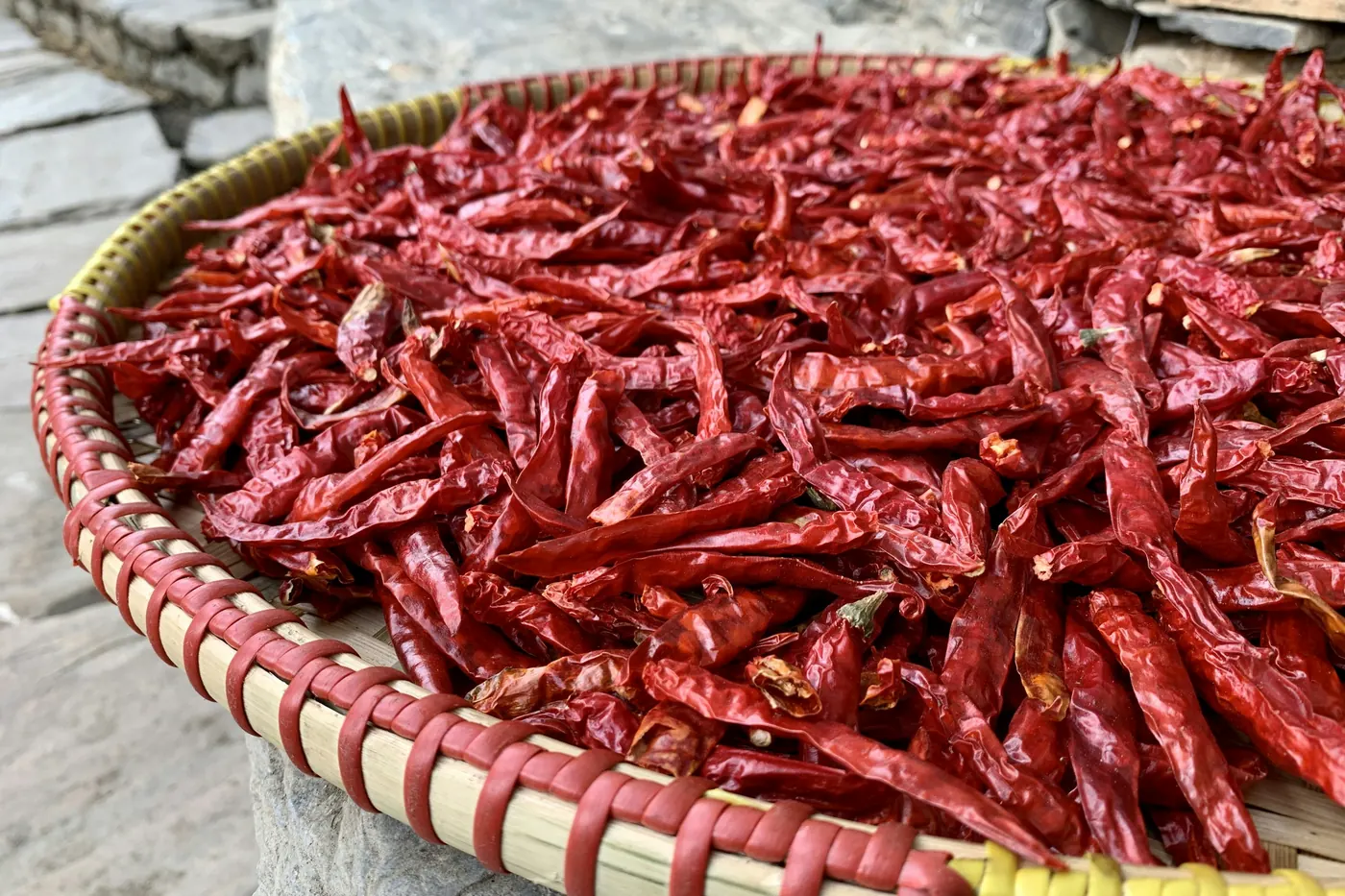
A dried chile is still a crop, and quality varies from bag to bag. When the bag arrives, check four things:
- They bend. Good dried chiles are leathery and pliable. Cook’s Illustrated advises choosing chiles that are pliable and smell slightly fruity, and avoiding ones that feel hard or crack when bent. A brittle chile is old and will taste dusty.
- The color is deep and even. Guajillos should be a glossy, translucent red, anchos a deep mahogany, pasillas almost black. Pale, faded or patchy pods have sat in the light.
- They smell of something. Open the bag and you should smell fruit, raisin, tobacco or smoke, depending on the chile. A musty smell, visible mold or a lot of dust and broken pieces are reasons to complain to the seller.
- They are whole. A few cracked pods are normal; a bag of fragments is not. Whole pods keep their aroma far longer than broken or ground ones.
Before cooking, wipe each chile with a damp cloth or paper towel to remove dust, as Cook’s Illustrated suggests, then stem and seed it, toast it for a few seconds on a dry comal, and soak it in hot water. Our guide to Mexican chiles explains what each chile adds to a dish.
How to read a dried chile listing
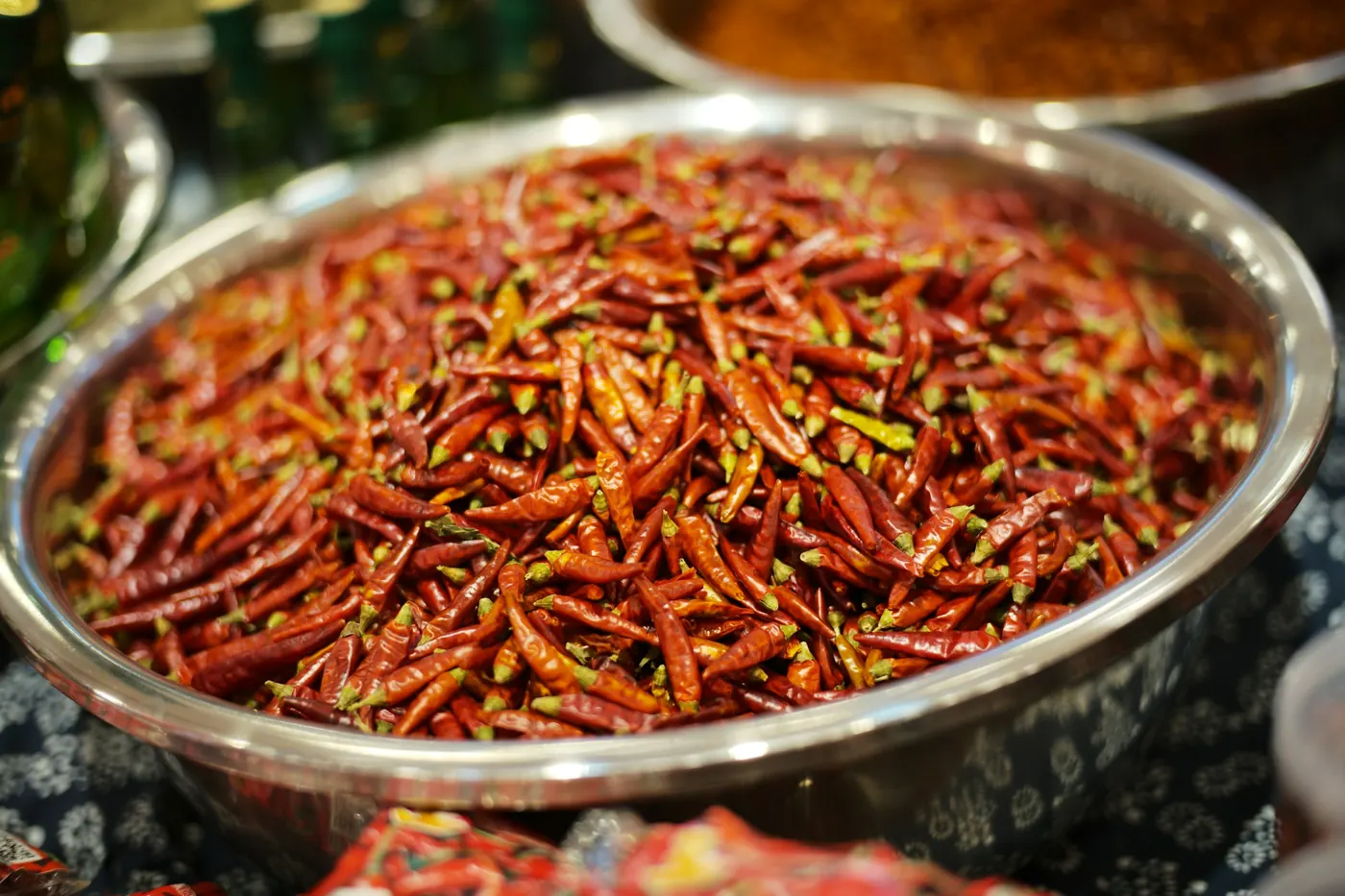
The listing is the only label you get before the bag arrives, so read it for these details:
The variety, named plainly
Look for ancho, guajillo, pasilla, árbol, morita and so on, not just “dried red chiles” or “Mexican chili peppers”. Watch for pasilla in particular: because fresh poblanos are often sold as “pasilla” in the United States, some dried bags labeled pasilla hold anchos. A listing that says chilaca, as El Molcajete’s does, is the real pasilla.
Whole, stemless or ground
Whole pods keep best. Stemless bags (“descolados”) save trimming when you cook in quantity, and the stems are not eaten anyway. Ground chile is convenient but loses aroma much faster; buy it in small amounts, or grind your own from whole pods.
Packaging
A resealable bag, or a separate bag for each chile in a variety pack, keeps air and moisture out after opening. If the listing does not mention resealing, plan to move the chiles into a jar or zip-top bag.
Untoasted, not pre-toasted
Pre-toasted chiles save a step but leave you with no control over how dark they go, and a burnt chile makes a bitter sauce. Buy them plain and toast them yourself for a few seconds per side.
Origin and heat
Few listings state where the chiles are grown, and none of the sellers here offers a harvest date. A stated origin and a Scoville range, as on the ancho, guajillo and árbol bags above, are signs of a seller who knows the product.
Which sizes make sense for a home kitchen
Whole dried chiles kept airtight in a cool, dark cupboard hold their flavor for many months, and longer in the freezer. Our guajillo guide puts it at six months to a year. Buy accordingly:
- 4 ounces of each chile is right for a cook who makes a red sauce or pozole once or twice a month.
- 8 ounces suits a chile you use often but a few at a time, such as pasilla, morita or árbol.
- 1 pound makes sense only for the chile you use most, usually guajillo or ancho, and only with freezer space for the surplus.
Freezing is the easiest way to keep a bulk bag fresh: press the air out of a freezer bag and take out what you need. The chiles stay supple.
Which chiles to buy first
Most home cooking needs only a few chiles. Guajillo for color and tang, ancho for sweetness and body, and pasilla for depth cover enchilada sauce, pozole, birria, adobo and most moles. Add árbol when you want heat and chipotle morita when you want smoke. Beyond that, cascabel, mulato and pasilla de Oaxaca are worth exploring once you know the basics. Our guide to mole shows how several chiles are layered in one sauce, and the guide to enchilada sauces shows how to build a red sauce from them.
How we chose these eight bags
We looked for what a Mexican kitchen wants from dried chiles: the right variety, clearly named, in whole pods, packed to stay fresh, in a size a household can use. We searched Amazon US for each of the common chiles and for variety packs, kept only listings from sellers who put a brand name on the bag, and checked that each one was in stock when we wrote this guide. We avoided generic sellers, pre-toasted chiles and listings whose details contradicted each other. Every size, heat rating and claim comes from the seller’s own listing, and we say so where something is not stated. Buying advice comes from Cook’s Illustrated and from our own published guides. We have not cooked with each of these bags; flavor descriptions are the sellers’ own.
Dried chile buying questions, answered
Where is the best place to buy dried chiles?
A busy Mexican market, where you can see and feel the chiles, is ideal. Online, Amazon is the most practical choice for the common chiles, with several established chile sellers and sizes from 4 ounces to a pound or more. Specialist spice shops are better for rare varieties.
How can I tell if dried chiles are fresh?
They bend without cracking, have deep, even color and smell fruity, smoky or raisin-like when you open the bag. Brittle, pale or dusty chiles with little smell are old.
How long do dried chiles last?
Kept airtight in a cool, dark place, whole dried chiles hold their flavor for many months, roughly six months to a year, and longer in the freezer. Ground chile loses its aroma faster.
Should I buy a variety pack or single bags?
A variety pack is the best way to start, because most recipes use two or three chiles together. Once you know which chile you use most, buy that one in a larger single bag.
Are whole chiles better than chile powder?
For flavor and shelf life, yes. Whole chiles keep their aroma longer and make smoother, deeper sauces when soaked and blended. Grind small amounts of powder from whole pods as you need it.
Our pick for a first chile order
If you are ordering dried chiles online for the first time, buy the Amazing Chiles & Spices ancho, guajillo and pasilla pack and you can cook most red Mexican sauces. Add El Molcajete’s four-pack if you want heat and smoke, and move to a pound of guajillo or ancho once you know which you reach for most. Check every bag when it arrives, store it airtight, and freeze what you will not use within a few months.
Related guide: Guajillo vs ancho chile.
Related guide: Ancho chile substitute.
Dried chiles are one shelf of a well-stocked kitchen; our guide to Mexican pantry staples covers the masa, spices and cans that go with them. And if you would rather someone else made the enchilada sauce tonight, see the menu or call to order.