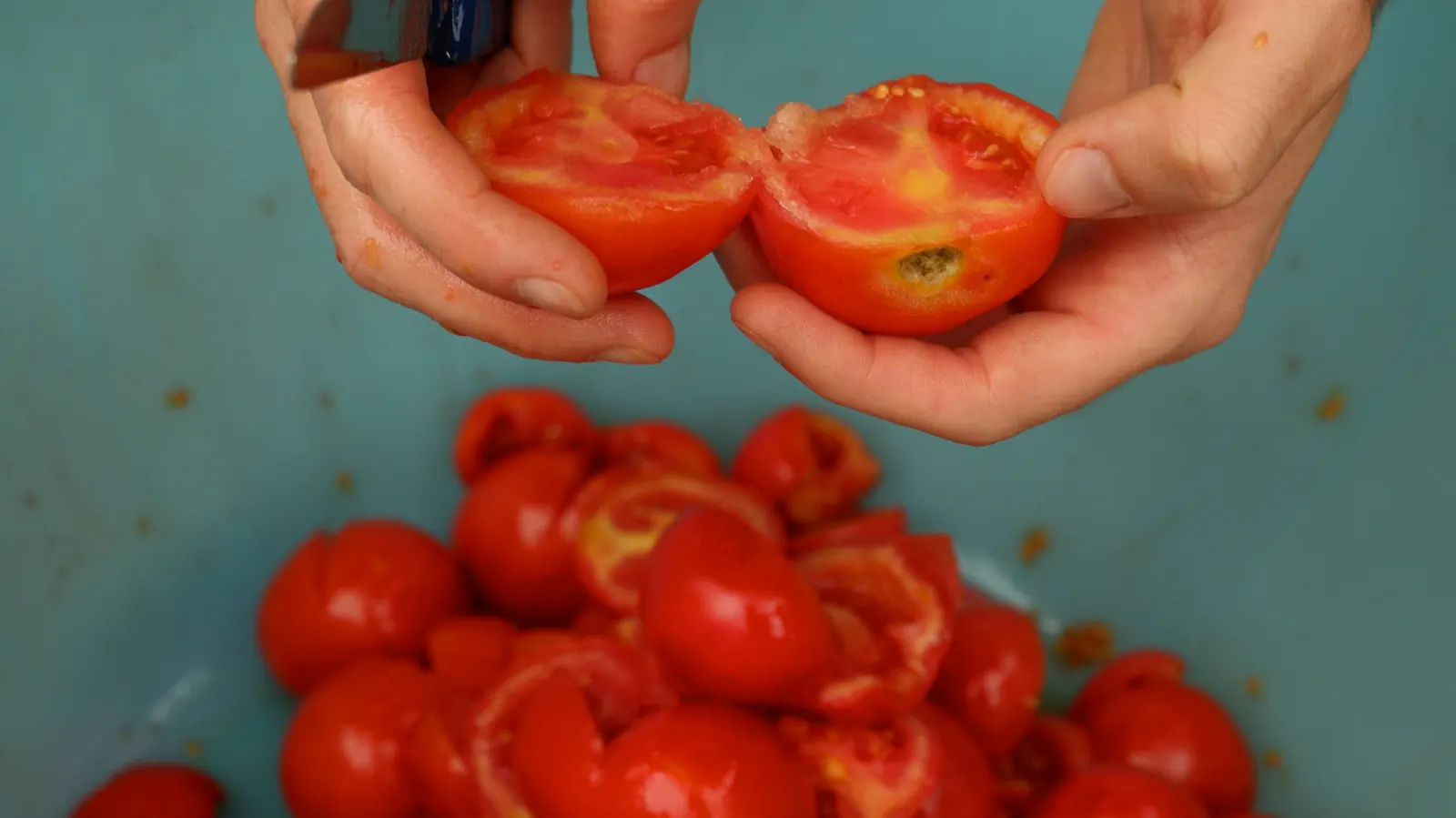
The paring knife is the hardest-working small knife in a Mexican kitchen and one of the cheapest to buy. It stems jalapeños, scrapes the veins out of dried guajillos, cores Roma tomatoes for salsa, trims tomatillos and cuts lime wedges by the dozen. Prep cooks lose them, drop them and wear them out, which is why restaurant kitchens tend to buy plain, inexpensive ones in quantity.
This guide looks only at the entry tier of each maker’s range: stamped blades, plastic, aluminum and wood handles, and two-packs, rather than forged or Japanese showpieces. We do not quote prices, because they change daily on Amazon. Instead we explain what makes a cheap paring knife good value, using makers’ specifications, the Amazon listings and America’s Test Kitchen’s published paring knife review.
Julia’s earns a commission on purchases made through links on this page, at no cost to you. Recommendations are based on what a restaurant kitchen looks for, product specifications and verified buyer reports.
Quick verdict: which budget paring knife to buy
For most kitchens, the best paring knife on a budget is the Victorinox Swiss Classic 4-inch Paring Knife: it comes from the same line as ATK’s Best Buy, it is NSF approved, it grips when wet and Victorinox says it is dishwasher safe. For a slim blade, the Mercer Culinary Millennia 3-inch Slim, which ATK rated Recommended. For a knife made in the United States, the Rada Regular Paring Knife two-pack; for tomatoes and limes, the Kuhn Rikon Colori Serrated with its sheath; and for carbon steel and a wood handle, the Opinel No. 102 pair.
The table shows our five standout picks, one for each kind of cook. All eight knives are reviewed in full below it.
Five budget paring knives side by side
Blade and care for our five standout picks, as each maker or Amazon listing states them.
| Paring knife | Best for | Blade | Care | Buy on Amazon |
|---|---|---|---|---|

Victorinox Swiss Classic 4-inch Paring KnifeBest overall
|
Everyday trimming and coring | 4 in, straight edge | Dishwasher safe; NSF approved | View on Amazon |

Mercer Culinary Millennia 3-inch Slim Paring KnifeBest slim blade
|
Seeding chiles, fine trimming | 3 in, high-carbon Japanese steel | Hand wash only | View on Amazon |

Rada Regular Paring Knife, Pack of 2Best made in USA
|
Peeling fruit, a spare for the drawer | 3.25 in, T420 high-carbon stainless | Hand wash only | View on Amazon |
| Tomatoes, limes and soft fruit | 4 in, serrated, non-stick coated | Sheath included | View on Amazon | |

Opinel No. 102 Carbon Steel Paring Knives, Set of 2Best carbon steel
|
Cooks who like a wood handle | 3.75 in, carbon steel | Wash and dry by hand | View on Amazon |
Product images from Amazon. Specifications as stated by each maker or Amazon listing; blade and spine measurements credited to America’s Test Kitchen are its own. Check the listing before you buy.
Our picks for the best paring knife budget buyers can trust
These eight knives are the entry-level paring knives from established makers: Victorinox, Mercer, Henckels, Rada, OXO, Kuhn Rikon, Cuisinart and Opinel. They cover straight and serrated edges, stainless and carbon steel, plastic, aluminum and wood handles, and three that come with a sheath or guard. We judged each one as a prep knife for the small, wet work of a salsa station, and on the things that decide value over years: sharpness, grip, care and what the maker promises.
1. Victorinox Swiss Classic 4-inch Paring Knife – A Restaurant Staple, a Little Longer
Victorinox’s Swiss Classic paring knives are the plastic-handled knives you find by the dozen in commercial kitchens. America’s Test Kitchen named the 3.25-inch Swiss Classic its Best Buy, calling it the lightest knife in its test and good value, though it wished the blade were “a touch sharper”. That 3.25-inch knife already leads the budget slot on our main paring knife guide, so here we feature the 4-inch straight-edge version (model 6.7709.C1) from the same line.
The extra length is useful on the board, for halving limes and cutting tomatoes into wedges, while ATK found 3 to 3.5 inches gave the most control for in-hand work. Keep that in mind if you mostly peel and trim in the air. ATK did not review this 4-inch size.
Victorinox says the textured polypropylene handle grips “even when wet”, that the knife is NSF approved and dishwasher safe, and that it is weighted and balanced for easy handling. This listing is orange; bright handles are easy to spot on a busy board or in a sink of soapy water. The listing does not state the steel grade or where it is made.
Why we like it
- Same Swiss Classic line as ATK’s Best Buy
- Textured handle, non-slip when wet
- NSF approved and dishwasher safe
- Bright handle is easy to spot
Key specifications
| Model | 6.7709.C1 |
|---|---|
| Blade length | 4 in (listing size 3.9 in) |
| Edge | Straight |
| Blade steel | Not stated |
| Construction | Not stated |
| Handle | Polypropylene, textured |
| Dishwasher safe | Yes |
| Made in | Not stated |
Why we recommend it
It suits a cook who wants one cheap, tough paring knife that handles board work as well as in-hand trimming, and that can go in the dishwasher.
Skip it if you mostly peel and trim in the hand; the shorter 3.25-inch Swiss Classic on our main guide gives a little more control.
Pros and cons
Pros
- Grippy when wet
- Dishwasher safe
- Longer blade for board work
Cons
- Steel and origin not stated on this listing
- This size not reviewed by ATK
2. Mercer Culinary Millennia 3-inch Slim Paring Knife – A Narrow Blade for Seeding Chiles
Mercer’s Millennia line is its everyday commercial range, and this slim paring knife (model M23900P) was rated Recommended in America’s Test Kitchen’s paring knife review. ATK measured a 3.25-inch blade with a 1.22 mm spine and a 4-inch handle, all close to what its testers preferred: short blades for control, spines under 1.5 mm so the knife does not wedge, and handles about 4 inches long.
ATK’s reservations were honest ones. The testers found the blade not as sharp as they wanted, and the handle broader and less grippy than the Victorinox’s. Mercer’s own listing calls out “seeding jalapenos” by name, along with garnishes, deveining shrimp and trimming beans, and a narrow blade does slip neatly inside a halved chile.
Mercer says the blade is one-piece high-carbon Japanese steel and that the handle has textured finger points. Care is strict: wash by hand, dry at once and keep it out of the dishwasher. (The listing’s size field reads 8 inches, which is plainly a listing error; the title and ATK both give a short blade.)
Why we like it
- Rated Recommended by ATK
- Thin 1.22 mm spine (ATK)
- Made for seeding jalapeños, per Mercer
- High-carbon Japanese steel
Key specifications
| Model | M23900P |
|---|---|
| Blade length | 3 in; 3.25 in measured (ATK) |
| Edge | Straight |
| Blade steel | One-piece high-carbon Japanese steel |
| Construction | One-piece blade |
| Handle | Textured finger points; 4 in (ATK) |
| Dishwasher safe | No; hand wash |
| Made in | Not stated |
Why we recommend it
It suits a cook who does a lot of fine work, such as seeding chiles and deveining shrimp, and wants a narrow, thin blade from a restaurant-supply maker.
Skip it if you want the sharpest edge out of the box; ATK found it less sharp than its favorites.
Pros and cons
Pros
- Thin, narrow blade
- Comfortable handle length
- Reviewed by ATK
Cons
- Not as sharp as ATK wanted
- Handle less grippy than Victorinox’s (ATK)
- Hand wash only
3. Rada Regular Paring Knife, Pack of 2 – Made in the USA, Two to a Box
Rada Cutlery makes its knives in the United States, and the listing says so plainly: “manufactured in the United States from raw materials all the way through construction”. This is Rada’s Regular Paring Knife (R101) in a pack of two, which is a sensible way to buy a small knife that tends to go missing.
The 3.25-inch blade is T420 high-carbon stainless steel, hollow ground for sharpness, according to Rada, and it is a plain edge rather than serrated. The handle is the part that stands out: permanently cast brushed aluminum with a satin finish. It is distinctive and durable, but it has two consequences. It is hand wash only, and a metal handle can feel slicker in wet hands than a textured plastic one.
Rada lists peeling and cutting fruit, removing seeds and separating meat from bones as favored uses. Its warranty promises to replace products returned for defects in material or workmanship, and it advises storing the knife in its box or sleeve to protect the edge. ATK did not review Rada knives.
Why we like it
- Made in the USA, per Rada
- Two knives in the pack
- T420 high-carbon stainless, hollow ground
- Replacement warranty for defects
Key specifications
| Model | R101 (pack of 2, R101PK2) |
|---|---|
| Blade length | 3.25 in |
| Edge | Straight, hollow ground |
| Blade steel | T420 high-carbon stainless |
| Construction | Not stated |
| Handle | Cast brushed aluminum, satin finish |
| Dishwasher safe | No; hand wash only |
| Made in | USA |
Why we recommend it
It suits a buyer who wants American-made knives and a spare in the drawer, and who washes knives by hand anyway.
Skip it if your knives go in the dishwasher; Rada says the aluminum handle is hand wash only.
Pros and cons
Pros
- American made
- Two knives per pack
- Steel grade stated
Cons
- Hand wash only
- Metal handle, no texture stated
- Not reviewed by ATK
4. Kuhn Rikon Colori 4-inch Serrated Paring Knife with Sheath – Bites Through Tomato Skins

A small serrated knife is the easiest way to cut a ripe tomato for pico de gallo without squashing it, and Kuhn Rikon lists tomatoes and other soft fruit and vegetables first among this knife’s jobs, along with bread, croissants and baguettes. It is the single serrated version of the Colori paring knife, with a black handle.
Kuhn Rikon says the 4-inch blade is hand-ground from Japanese stainless steel and has a non-stick coating that releases food from the blade. The handle is contoured to the hand, and the knife is lightweight. A matching sheath comes with it; Kuhn Rikon says it allows safe storage in a kitchen drawer and is useful for barbecues, camping and holidays, so it is a good knife to pack for a cookout where someone has to cut limes.
A serrated edge stays useful longer between sharpenings but is hard to sharpen at home and leaves a rougher cut than a straight edge, so treat it as a second paring knife rather than your only one. The listing does not state dishwasher use, a warranty or where the knife is made.
Why we like it
- Serrated for tomatoes and soft fruit
- Sheath included
- Hand-ground Japanese stainless steel
- Non-stick coated blade
Key specifications
| Model | Colori, serrated |
|---|---|
| Blade length | 4 in (10.16 cm) |
| Edge | Serrated |
| Blade steel | Japanese stainless, non-stick coated |
| Construction | Not stated |
| Handle | Contoured, black |
| Dishwasher safe | Not stated |
| Made in | Not stated |
Why we recommend it
It suits a cook who makes a lot of fresh salsa or wants a covered knife for picnics and grilling.
Skip it if you want one paring knife for everything; a straight edge is easier to keep sharp and cuts more cleanly.
Pros and cons
Pros
- Grips slippery tomato skins
- Covered for the drawer or a bag
- Light
Cons
- Serrations are hard to sharpen at home
- Care and warranty not stated
5. Opinel No. 102 Carbon Steel Paring Knives, Set of 2 – French Carbon Steel and Beechwood
Opinel has made knives in the French Alps since 1890, and its kitchen line includes simple paring knives with wooden handles. This set has two No. 102 knives with carbon steel blades and stabilized beechwood handles. Opinel gives a blade length of 3¾ inches and an overall length of 7½ inches, and the listing title says they are made in France.
Carbon steel is the reason to choose these. It is easy to bring back to a keen edge, but unlike stainless steel it can rust and darken if it is left wet, and acidic foods such as tomatoes and limes will mark it. Wash and dry these knives by hand straight after use. If that sounds like a chore, choose a stainless knife instead.
A fair warning: America’s Test Kitchen rated Opinel’s stainless No. 112 paring knife Not Recommended, finding it “exceptionally dull” with a bolster that left part of the edge unusable. ATK did not review this carbon steel No. 102, and the two are different knives, but buyers should know the verdict on its sibling. Opinel states a limited lifetime warranty.
Why we like it
- Carbon steel blades
- Two knives in the set
- Made in France, per the listing
- Opinel limited lifetime warranty
Key specifications
| Model | No. 102 (item 001222) |
|---|---|
| Blade length | 3.75 in; 7.5 in overall |
| Edge | Not stated |
| Blade steel | Carbon steel |
| Construction | Not stated |
| Handle | Stabilized beechwood |
| Dishwasher safe | Not stated; hand wash advised for carbon steel |
| Made in | France |
Why we recommend it
It suits a cook who likes wood handles and is happy to wipe a knife dry every time in exchange for carbon steel.
Skip it if your knives sit wet in the sink or go in the dishwasher; carbon steel will rust.
Pros and cons
Pros
- Carbon steel, easy to resharpen
- Two knives
- Made in France
Cons
- Rusts and stains if left wet
- ATK rated a sibling Opinel poorly
- Blade length is above ATK’s preferred range
6. Henckels Solution 4-inch Paring Knife – Stamped and Dishwasher Safe
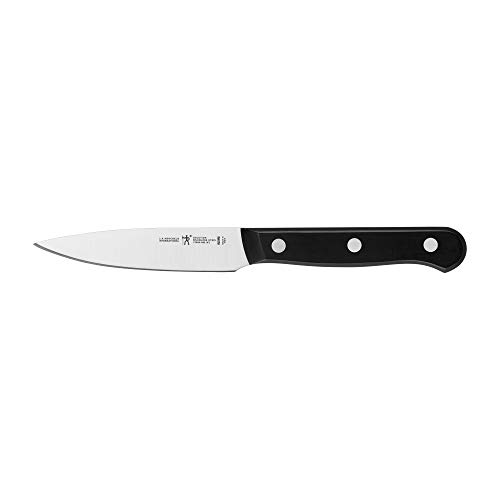
Solution is one of the entry-level knife lines from Henckels. The listing says this 4-inch paring knife has a single-piece, precision-stamped blade with a satin finish, finely honed for long-lasting sharpness, and that the blades are stain- and rust-free. Henckels pitches it at peeling, coring and slicing fruit, vegetables and meat.
Two things make it good value. Henckels says it can go in the dishwasher or be washed by hand, and the listing states a lifetime warranty against manufacturer’s defects. Note the wording “German engineered” rather than “made in Germany”: the listing does not say where the knife is made, what steel grade it uses or what the handle is made of.
At 4 inches it sits at the long end of a paring knife, the same length as the Victorinox above, which suits board work more than fine in-hand trimming. ATK did not review it.
Why we like it
- Dishwasher safe, per Henckels
- Single-piece, precision-stamped blade
- Stain- and rust-free
- Lifetime warranty against manufacturer’s defects
Key specifications
| Model | 17540-093 |
|---|---|
| Blade length | 4 in |
| Edge | Straight, finely honed |
| Blade steel | Stain- and rust-free; grade not stated |
| Construction | Single-piece, precision-stamped |
| Handle | Not stated |
| Dishwasher safe | Yes |
| Made in | Not stated |
Why we recommend it
It suits a home cook who wants a familiar brand, a stated lifetime warranty and a knife that can go in the dishwasher.
Skip it if you want full specifications; the listing leaves out the steel, the handle and the country of manufacture.
Pros and cons
Pros
- Dishwasher safe
- Lifetime warranty
- Matches other Solution knives
Cons
- Thin specifications on the listing
- Long for fine in-hand work
7. OXO Good Grips 3.5-inch Paring Knife – Soft Handle, Simple Knife

The Good Grips name says what OXO is selling here, and the handle is the reason to choose this knife. The listing describes a sturdy stainless steel blade and a “soft, comfortable, non-slip handle” that ensures a safe grip, and OXO pitches it at peeling and paring fruit and vegetables.
The 3.5-inch blade sits at the top of the range ATK found gave the most control. Care is hand wash with warm, soapy water and prompt drying, and OXO lists its usual “Satisfaction Guaranteed” promise in place of a formal warranty. The listing does not give the steel grade, the edge style or where the knife is made, and ATK did not review it.
Our main paring knife guide features OXO’s newer version with a locking sheath. This is the plain knife without a sheath, so store it in a block or on a strip to protect the tip.
Why we like it
- Soft, non-slip handle
- 3.5 in blade, a controllable length
- Stainless steel blade
- OXO satisfaction guarantee
Key specifications
| Model | 22081 |
|---|---|
| Blade length | 3.5 in |
| Edge | Not stated |
| Blade steel | Stainless steel |
| Construction | Not stated |
| Handle | Soft, non-slip |
| Dishwasher safe | No; hand wash |
| Made in | Not stated |
Why we recommend it
It suits cooks with sore hands or a weak grip who find hard plastic handles uncomfortable.
Skip it if you want detailed specifications or a sheath; the listing is brief and the knife has no cover.
Pros and cons
Pros
- Comfortable soft grip
- Good length for control
- Satisfaction guarantee
Cons
- Hand wash only
- Few published specifications
- No sheath
8. Cuisinart Triple Rivet 3.5-inch Paring Knife – Forged Style With a Blade Guard

If you want the look and heft of a forged German-style knife without leaving the budget tier, Cuisinart’s Triple Rivet Collection is the closest thing here. The listing describes a high-carbon stainless steel blade, a forged extra-wide safety bolster for stability and control, and a full tang secured to the handle with stainless steel rivets.
A blade guard comes with it, so it can live in a drawer, and Cuisinart states a lifetime warranty. The 3.5-inch blade is within the range ATK preferred for control. Bear in mind that a bolster can get in the way of the heel of the edge: ATK found the bolster on Opinel’s No. 112 left part of that knife’s edge unusable. ATK did not test this Cuisinart, so treat that as a point to check, not a verdict.
The listing does not state dishwasher use, the edge style, the steel grade or where the knife is made, and ATK did not review it.
Why we like it
- Forged bolster and full tang
- Triple stainless steel rivets
- Blade guard included
- Lifetime warranty, per Cuisinart
Key specifications
| Model | C77TR-3PR |
|---|---|
| Blade length | 3.5 in |
| Edge | Not stated |
| Blade steel | High-carbon stainless steel |
| Construction | Forged bolster, full tang, triple rivet |
| Handle | Ergonomic, black, riveted |
| Dishwasher safe | Not stated |
| Made in | Not stated |
Why we recommend it
It suits a cook who prefers a heavier, riveted knife with a bolster and wants a guard for drawer storage.
Skip it if you want the lightest, most nimble knife for in-hand work; the Victorinox and Mercer are lighter-built.
Pros and cons
Pros
- Forged-style build
- Blade guard
- Lifetime warranty
Cons
- Bolster may get in the way of the heel
- Care not stated
How to judge value in an inexpensive paring knife
A paring knife is small, so the steel in it costs little; what you pay for higher up the range is mostly forging, finish and handle materials. These are the points that decide whether a cheap paring knife is a good buy.
1. Sharpness and a thin spine
In ATK’s paring knife review, sharpness separated the good knives from the bad more than anything else, and the two knives it rated Not Recommended, the Dexter-Russell Sani-Safe and Opinel’s No. 112, were both marked down for dull blades. ATK also wanted spines under 1.5 mm, because thicker blades wedged into apples, cheese and shallots. Few budget listings give a spine thickness, which is one reason a knife ATK measured, like the Mercer slim, is a safer bet.
2. Length: three to four inches
ATK found that 3 to 3.5 inches “gave us a bit more control and precision”. A 4-inch knife reaches further on the board but is a little less nimble in the hand. If you only buy one, choose about 3.5 inches.
3. A handle that grips when wet
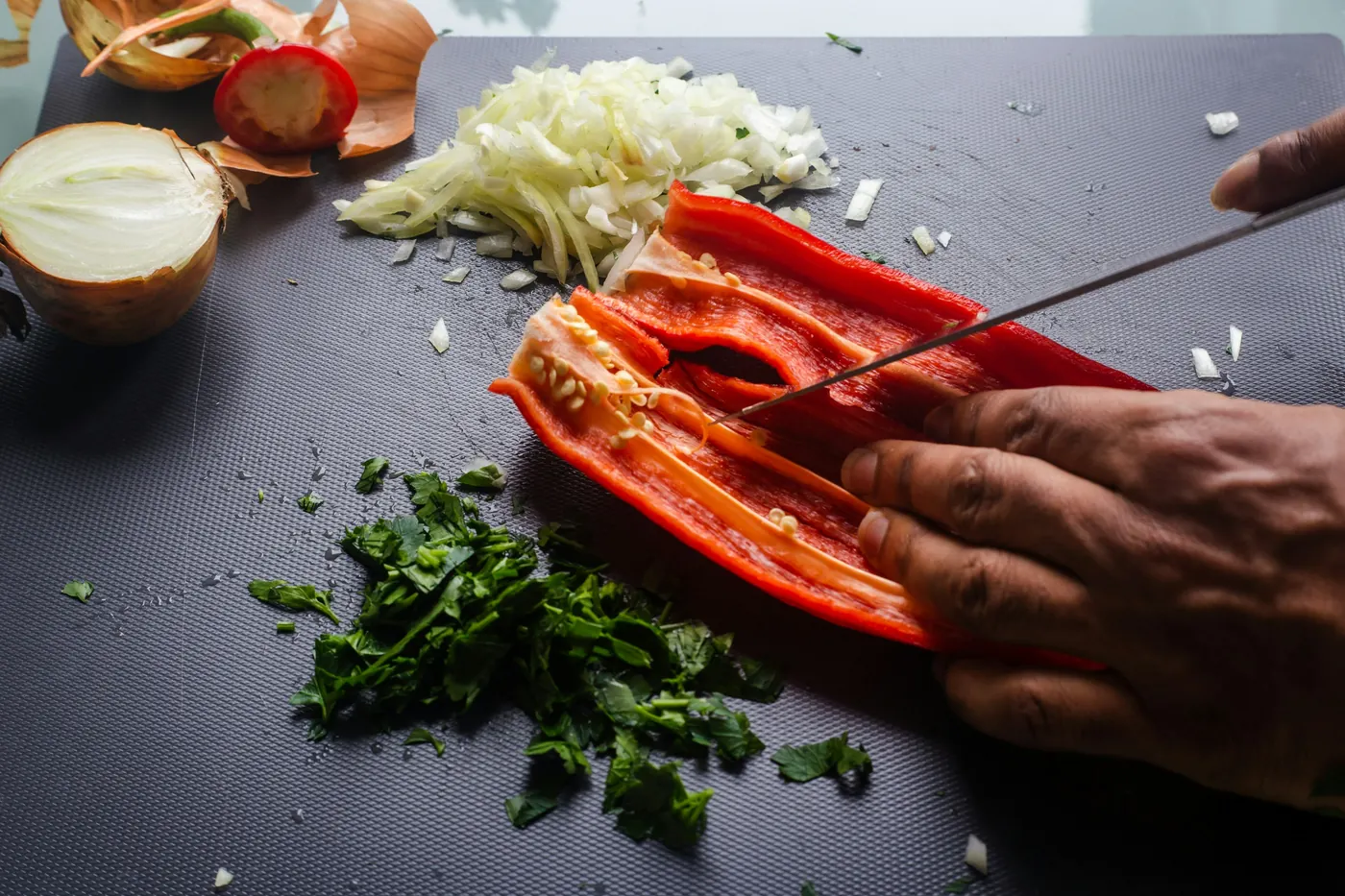
Your hands are rarely dry at a salsa station. ATK preferred handles about 4 inches long, in textured plastic or wood. Textured polypropylene, as on the Victorinox, and soft rubbery handles, as on the OXO, hold best; smooth metal is the slipperiest.
4. Care and warranty
Dishwasher-safe knives (Victorinox and Henckels here) are worth more to a busy kitchen than hand-wash-only knives that end up in the dishwasher anyway. A stated lifetime warranty, which Victorinox’s line, Henckels, Cuisinart and Opinel offer, is the best sign a cheap knife is meant to last. Carbon steel, as on the Opinel, must be dried every time.
5. Buy two
Paring knives go missing, get thrown out with the peelings and lose their tips in drawers. Two-packs like the Rada and Opinel, or a second knife with a serrated edge, often give better value than one pricier knife.
How we chose these eight budget paring knives
We started from what a prep station needs from a small knife: a sharp edge, control in the hand, a grip that holds when wet and care that suits a busy kitchen. We limited the field to the entry tier of each maker’s range: stamped, plastic-, aluminum- or wood-handled knives and multipacks rather than forged premium or Japanese lines. We kept only knives from identifiable makers that showed as in stock on Amazon in the United States when we checked, and confirmed each specification against the maker’s Amazon listing. Where a listing is silent we write “Not stated”.
We read America’s Test Kitchen’s paring knife review and cite its measurements and verdicts by name, and we say when ATK reviewed a different size or model. We do not quote prices because they change; we explain instead how to judge value. We have not used these knives ourselves for this guide. We left out the Dexter-Russell Sani-Safe 3¼-inch paring knife, which ATK rated Not Recommended for an “extremely dull” blade; Tojiro’s paring knife, which was not available to ship; and the Kiwi paring knife, whose listing gave too little detail to describe it fairly.
Budget paring knife questions, answered
What is the best cheap paring knife?
For most kitchens, a Victorinox Swiss Classic. ATK named the 3.25-inch Swiss Classic its Best Buy, and the 4-inch version here shares its handle, dishwasher-safe care and NSF approval. The Mercer Millennia slim is the other inexpensive knife ATK recommended.
What is the best value paring knife?
Value comes from a sharp, thin blade, a grippy handle, easy care and a stated warranty, not from the lowest price. Victorinox and Henckels tick most of those boxes; the Rada two-pack gives you a spare.
Is an inexpensive paring knife worth buying?
Yes. ATK’s Best Buy is an inexpensive knife, and restaurant kitchens buy cheap paring knives in quantity because they are replaced often. What you give up is mostly finish and, on some listings, published detail. Not every cheap knife is good, though: ATK rated two knives Not Recommended for dull blades.
Straight or serrated for a budget paring knife?
Start with straight. It peels, trims and cuts cleanly and is easy to sharpen. Add a serrated knife, such as the Kuhn Rikon Colori, if you cut a lot of tomatoes and limes.
Should I buy carbon steel?
Only if you will dry it every time. Carbon steel takes a keen edge but rusts and stains when left wet, and acidic foods like limes and tomatoes mark it.
Our final pick for a paring knife on a budget
If you buy one inexpensive paring knife, make it a Victorinox Swiss Classic: grippy, dishwasher safe and from the line ATK named its Best Buy. Add the Mercer Millennia slim for fine work, the Rada two-pack if you want American-made knives, and the Kuhn Rikon Colori Serrated for salsa day.
For forged and premium knives, see our full guide to the best paring knife. If your knives live in a drawer, our paring knives with a sheath guide covers covered options, and our Japanese paring knives guide covers harder steel. For what to do with the knife, our guide to Mexican chiles and salsa roja vs salsa verde are good places to start.
Related guide: Best tomato knife.
And when you would rather someone else did the chopping, see the menu or call to order.