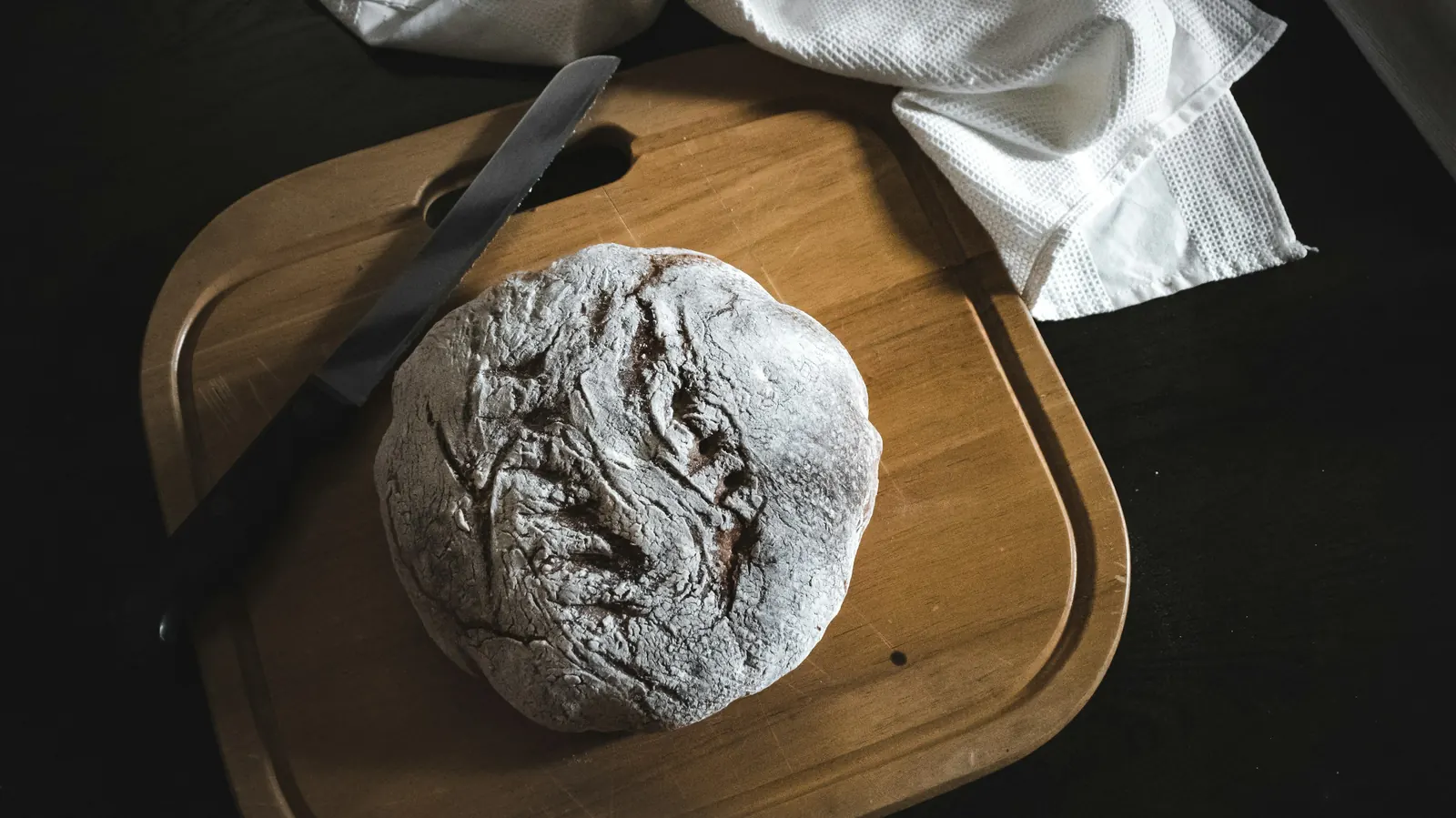
A bread lame is nothing more than a thin razor blade held on a handle, so it is no surprise that bakers without one reach for whatever sharp thing is in the drawer. Some of those swaps work nearly as well as a lame. Others drag through soft, proofed dough and leave a torn, flattened loaf.
This guide sorts the real options for scoring bread without a lame: a bare double-edged razor blade, a craft knife, a thin paring knife, a small serrated knife and a pair of sharp kitchen shears. For each one it says how well it scores, what goes wrong, and which loaves it suits, from a sourdough boule to the single long cut down a bolillo.
Julia’s earns a commission on purchases made through links on this page, at no cost to you. Recommendations are based on what a restaurant kitchen looks for, product specifications, makers’ statements and the named baking sources we cite.
Why bakers look for a bread lame alternative
- The loaf is proofed and the lame is missing. Scoring happens in the last minute before the oven, so the question is often what to use right now.
- Baking only now and then. If you bake bread a few times a year, a tool that does one job can feel like clutter.
- Shapes a lame cannot make. Some breads are snipped rather than slashed, and a blade is the wrong tool for those.
- Replacement blades. Most lames take standard double-edged razor blades, as our best bread lame guide explains, so a pack of blades is worth having either way.
Before choosing, it helps to know what a good score needs. King Arthur Baking’s Martin Philip explains that a lame’s thin, sharp blade cuts with little pressure, “entering only the thin surface of the dough”, which leaves the rest of the loaf free to rise. A kitchen knife, he writes, has a thicker and usually duller blade that needs more pressure, compresses the loaf and gives “jagged cuts that are deeper than necessary”. Every alternative below is judged against that: how thin and sharp is the edge, and how much will it drag?
Quick verdict: the best bread lame alternative
The best bread lame alternative is the blade a lame already uses: a double-edged razor blade, such as Derby Extra. It cuts as cleanly as a lame because it is the same blade; the trade-off is that you hold a bare razor. If that makes you nervous, an X-Acto #1 craft knife puts a thin, replaceable blade on a handle with a cap. A thin paring knife is the best kitchen-drawer option, a small serrated knife is the fallback for a firm, chilled loaf, and kitchen shears are for snipped shapes, not slashes. If you bake every week, buy a real lame.
Five ways to score bread, side by side
One pick for each kind of tool, with what each does well and where it falls short. All five are reviewed in full below.
| Alternative | Best for | Edge | Main limit | Buy on Amazon |
|---|---|---|---|---|

Derby Extra Double Edge Razor Blades, 100 CountBest overall
|
Lame-quality slashes and ears | Double-edged razor | No handle | View on Amazon |

X-Acto #1 Z-Series Precision KnifeBest blade on a handle
|
Fine patterns, careful control | Pointed #11 blade | Sold as a craft tool | View on Amazon |

Wüsthof Gourmet 3-Inch Spear Point Paring KnifeBest kitchen knife
|
Occasional loaves and rolls | Straight, laser-cut | Thicker than a razor | View on Amazon |

OXO Good Grips 5-Inch Serrated Utility KnifeBest serrated backup
|
Firm, chilled dough | Serrated, 5 in | Can snag soft dough | View on Amazon |

Shun Kitchen ShearsBest for snipped shapes
|
Snipped tops and patterns | Two 420J2 steel blades | Cannot slash a long line | View on Amazon |
Edges and models come from each listing. We keep prices off the page because they change; check them on Amazon.
How well each alternative scores
A bare razor blade: the same cut, without the handle
A lame holds a razor blade, so a razor blade on its own makes the same thin, shallow cut. King Arthur’s Martin Philip describes scoring as cuts made “with a razor blade (known as a ‘lame’)”, and a Foodie article by Gabriella Hernandez, drawing on Nathan Myhrvold’s bread research, names razor blades as a common scoring choice and calls sharpness the most important quality in any scoring tool. Thin blades, it adds, catch less on the dough and cut more cleanly than thick ones.
What you lose is the handle. A bare blade is harder to hold at a low angle, and your fingers are close to both the edge and the dough. The same Foodie article mentions a free fix: a wooden coffee stirrer threaded through the blade’s center slot makes a rough homemade lame. That is a method, not something to buy, and it is only as steady as the stirrer.
A craft knife: a thin blade on a handle
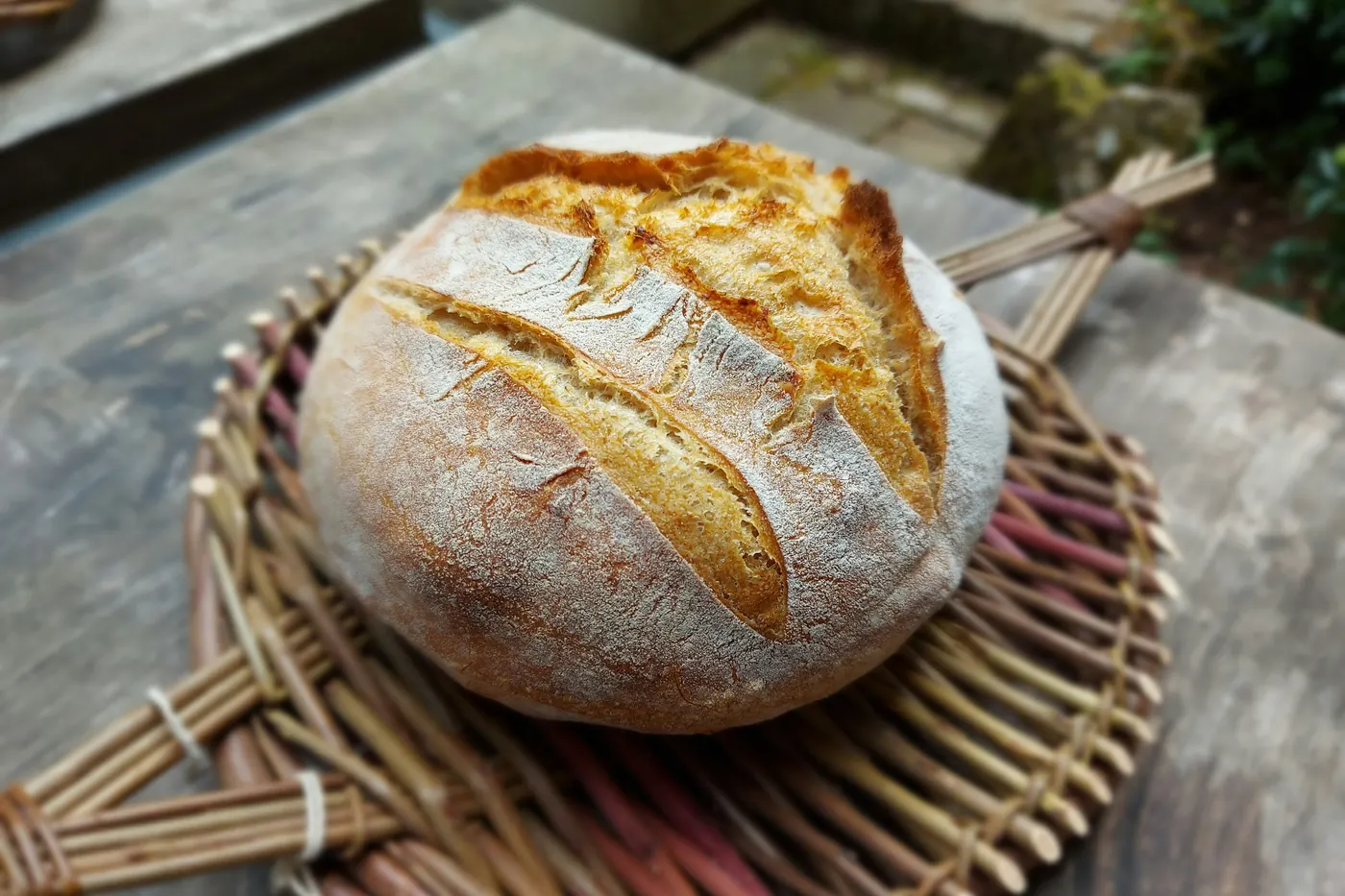
Hernandez’s article lists X-Acto blades alongside razor blades as common scoring tools, and scalpels as an option too, with Myhrvold’s warning that cheap scalpels may be less sharp. A craft knife gives you a handle, a fine point and replaceable blades, which is most of what a lame offers. It is not sold as a kitchen tool, though, so keep one only for dough and fit a fresh blade.
A paring knife: the drawer option, with limits
Tasting Table’s Joseph Hartwell suggests a paring knife as a stand-in for a lame, citing Made In’s view that paring knives give the baker precision when cutting. King Arthur’s Martin Philip is more cautious: he shows a knife-scored baguette next to a lame-scored one, and the knife version came out “bumpy because the blade dragged and cut too deeply”. Both can be true. A very sharp, thin paring knife works for an occasional loaf if you use the tip and a quick, confident stroke. A dull one tears.
A serrated knife: a fallback that can snag
Serrated knives are the most common swap, and the evidence is mixed. Hernandez’s article says serrated paring knives are usable but that thick blades may not cut cleanly and that serrations can snag the dough. Our reading: a small serrated knife is most useful on a loaf that has rested in the refrigerator, where Martin Philip notes the skin is thicker and needs a deeper cut, up to half an inch or more. On a soft, room-temperature proof, choose a straight edge.
Kitchen shears: a different kind of cut
Shears do not slash; they snip. Martin Philip mentions that scoring is sometimes done with a pair of scissors, and Hernandez’s article calls scissors good for shapes and patterns while warning that deep, wide cuts can make a loaf deflate. As general baking practice, shears are the classic tool for the snipped wheat-stalk baguette (épi) and for the small spiky tops on some rolls. For one long line down a bolillo, use a blade.
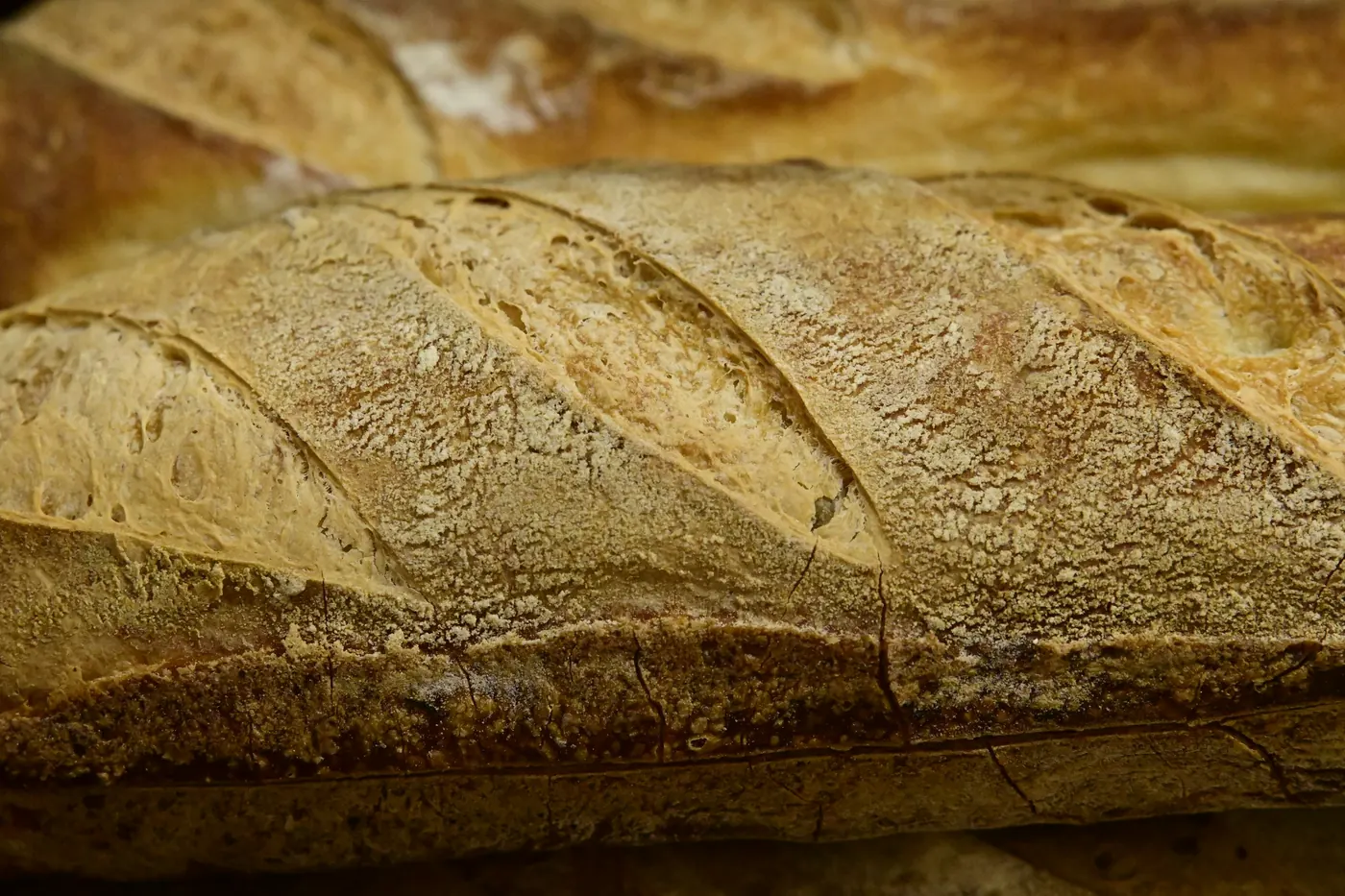
Our picks for a bread lame alternative
1. Derby Extra Double Edge Razor Blades, 100 Count – The Blade a Lame Uses
If the goal is a cut that looks like it came from a lame, use the blade a lame uses. Derby Extra blades are standard double-edged safety razor blades, sold here in a carton of 100, each one individually wrapped in wax paper, according to the listing. The listing says the edges are coated with chromium-ceramic, tungsten and platinum, and that the blades fit safety razors from Merkur, Wilkinson, Edwin Jagger, Mühle and others.
For bread, that standard shape matters twice. Held on its own, a blade gives the thin, low-pressure cut Martin Philip of King Arthur Baking describes, entering only the skin of the dough. And if you later buy a lame, most take this same double-edged blade, so a box of 100 doubles as a lifetime of refills.
The risk is your fingers. Hold the blade by its flat center, keep the cut quick and shallow, and wrap used blades before they go in the trash. The coffee-stirrer trick above gives you a rough handle for free.
Why we like it
- The same kind of blade most lames take
- Individually wrapped, so blades stay clean until used
- A pack of 100 also refills a lame later
- Thin edge, the quality Myhrvold ranks first for scoring
Key specifications
| Model | D114 |
|---|---|
| Blade | Double-edged safety razor blade |
| Edge | Coated with chromium-ceramic, tungsten and platinum |
| Handle | None |
| Blade cover | Each blade wrapped in wax paper |
| Count | 100 blades |
| Care | Not stated; single use |
| Made in | Not stated |
Why we recommend it
Choose this if you want the cleanest possible score tonight and are comfortable handling a razor carefully, or if you plan to buy a lame and want refills anyway.
Skip it if anyone in the kitchen is likely to pick up a loose blade, or if you do not trust your grip on a bare razor at a low angle.
Pros and cons
Pros
- As sharp and thin as a lame’s blade, because it is one
- Large pack, wrapped one by one
- From an established razor-blade maker
Cons
- No handle, so fingers sit close to the edge
- Lead offer came from a third-party seller (American Beauty Supply)
- Sold for shaving; the listing says nothing about food use
2. X-Acto #1 Z-Series Precision Knife – A Thin Blade With a Grip
A craft knife is the closest thing to a lame that is not sold as one. The X-Acto #1 Z-Series puts a classic #11 blade in a lightweight aluminum handle and comes with a safety cap, per the listing. X-Acto describes the Z-Series blade as its sharpest and most durable, with a zirconium nitride coating, made for delicate precision cutting and trimming.
Hernandez’s Foodie article on scoring without a lame names X-Acto blades among the common choices. The pointed #11 blade suits fine work: leaf patterns, wheat stalks and small decorative cuts on a sourdough round, where a fingertip on a bare razor would be awkward. For one long, bold slash, the short blade is less natural than a lame’s full edge, so pull it through at a shallow angle rather than stabbing.
It is a craft tool, and its listing talks about paper, plastic, balsa and cloth, not food. If you use one for dough, keep that knife and its blades for the kitchen only, start with a new blade, and wash the blade and handle after use.
Why we like it
- Handle and safety cap included
- Fine point for decorative patterns
- Replaceable blades, like a lame
- Sold by Amazon.com when we checked
Key specifications
| Model | XZ3601W |
|---|---|
| Blade | #11 craft blade |
| Edge | Zirconium nitride coated |
| Handle | Aluminum |
| Blade cover | Safety cap |
| Count | 1 knife, 1 blade |
| Care | Not stated |
| Made in | Not stated |
Why we recommend it
Choose this if you want a thin, replaceable blade on a handle for patterned sourdough and do not want to hold a bare razor.
Skip it if you would rather not use a tool that is not sold for food; a paring knife or a real lame avoids the question.
Pros and cons
Pros
- Thin, sharp blade on a proper grip
- Cap covers the blade in a drawer
- Good for fine, decorative cuts
Cons
- Listing does not mention food use
- Only one blade in the box
- Short point is less natural for long slashes
3. Wüsthof Gourmet 3-Inch Spear Point Paring Knife – A Knife That Earns Its Drawer Space
A paring knife is the alternative most kitchens already have, and the one Tasting Table’s Joseph Hartwell suggests as a lame substitute. Wüsthof’s Gourmet 3-inch spear point is a small, laser-cut stamped knife with a high-carbon stainless steel blade and a polypropylene handle, according to the listing, which calls it German made and says it carries a limited lifetime warranty.
For scoring, the short, sharp tip is what matters. Use only the first inch, hold the knife low and make each cut in one quick stroke. Martin Philip of King Arthur Baking is clear about the limits: a knife’s thicker blade needs more pressure than a lame, and that pressure can compress the loaf and drag. A sharp, thin paring knife keeps that to a minimum, which is why sharpness matters more here than the brand.
Unlike a razor or a craft knife, this is a knife you will use every day for peeling and trimming, so it is never clutter. Wüsthof says it is hand wash only. For other paring knives, see our best paring knife guide.
Why we like it
- Recommended type of knife for scoring in Tasting Table’s guide
- Short spear point for precise tip cuts
- German made, per the listing
- Limited lifetime warranty
Key specifications
| Model | 1025048108 |
|---|---|
| Blade | 3-inch spear point, laser-cut stamped |
| Edge | Straight, high-carbon stainless steel |
| Handle | Polypropylene |
| Blade cover | Not stated |
| Count | 1 knife |
| Care | Hand wash only |
| Made in | Germany, per listing |
Why we recommend it
Choose this if you bake bread now and then and would rather own one useful knife than a single-purpose tool.
Skip it if you want a sourdough ear or a crisp, swooping score every time; a razor or a lame cuts thinner.
Pros and cons
Pros
- Useful for far more than bread
- Well-known German maker
- Sold by Amazon.com when we checked
Cons
- Thicker than a razor, so more drag, as King Arthur explains
- Hand wash only
- Needs regular sharpening to score well
4. OXO Good Grips 5-Inch Serrated Utility Knife – A Toothy Backup for Firm Dough
A small serrated knife is what many people grab when the lame is missing, and it does work, with caveats. OXO’s 5-inch serrated utility knife has a serrated stainless steel blade, a nonslip grip and a locking sheath, according to the listing, which pitches it for tomatoes, bagels and crusty bread. It is hand wash only.
The teeth help the blade bite into a firm surface without pressing down, which suits dough that has proofed overnight in the refrigerator. Martin Philip of King Arthur Baking notes that chilled loaves develop a thicker skin and need a deeper cut, up to half an inch or even three-quarters of an inch. On soft, room-temperature dough, though, Hernandez’s Foodie article warns that serrated edges can snag, and thick blades may not cut cleanly. Draw it in one light, sawing pass rather than pressing.
The sheath is a real plus for a knife that lives in a drawer. If you want a longer serrated blade for slicing the finished loaf, our best bread knife guide covers those.
Why we like it
- Locking sheath protects the edge and your hand
- Serrations grip a firm, chilled crust
- Small enough to control for scoring
- Sold by Amazon.com when we checked
Key specifications
| Model | 11439900 |
|---|---|
| Blade | 5-inch utility blade |
| Edge | Serrated stainless steel |
| Handle | Nonslip grip |
| Blade cover | Locking sheath |
| Count | 1 knife |
| Care | Hand wash only |
| Made in | Not stated |
Why we recommend it
Choose this if you cold-proof your loaves, or want one small knife that slices tomatoes and bagels as well as scoring in a pinch.
Skip it if most of your dough is soft and proofed at room temperature, where serrations are more likely to snag.
Pros and cons
Pros
- Sheath included
- Handles crusty bread after baking too
- From an established kitchen-tool maker
Cons
- Serrations can snag soft dough
- Thicker than a razor blade
- Hand wash only
5. Shun Kitchen Shears – Snips for Shapes a Blade Can’t Make
Shears replace a lame only for certain breads, but for those they are the better tool. Shun’s kitchen shears have 420J2 stainless steel blades that come apart for cleaning, non-slip handles and a notch for flower stems or poultry bones, according to the listing, which also notes a limited lifetime warranty and free sharpening.
King Arthur’s Martin Philip mentions scissors as one of the tools bakers use to make the cuts that guide a loaf’s expansion, and Hernandez’s Foodie article says scissors are good for shapes and patterns. The classic case, from general baking practice, is the épi: a baguette snipped at an angle along its length, with each piece pulled to alternate sides so it looks like a wheat stalk. Small snips also give rolls a spiky, crusty top.
Hold the shears at a low angle and do not cut too deep: the same Foodie article warns that deep, wide cuts can make a loaf deflate. For a single long slash, use a blade instead. More shears are in our best kitchen shears guide.
Why we like it
- Blades come apart so dough residue washes off
- Listing describes the blades as razor-sharp
- Free sharpening and a limited lifetime warranty, per the listing
- Useful for every other kitchen snipping job
Key specifications
| Model | DM7240 |
|---|---|
| Blade | Two shear blades, 22.6 cm overall |
| Edge | 420J2 stainless steel |
| Handle | Non-slip grip |
| Blade cover | Not stated |
| Count | 1 pair |
| Care | Blades detach for cleaning |
| Made in | Japan, per listing |
Why we recommend it
Choose this if you want to bake épi baguettes or snipped rolls, or simply need good kitchen shears and want them to cover bread days as well.
Skip it if your goal is a sourdough ear or a straight bolillo cut; shears cannot make a long, shallow slash.
Pros and cons
Pros
- Makes cuts no blade can
- Comes apart for cleaning
- Sold by Amazon.com when we checked
Cons
- Not a substitute for slashing
- Deep snips can deflate a loaf
- More than you need if you only want scoring
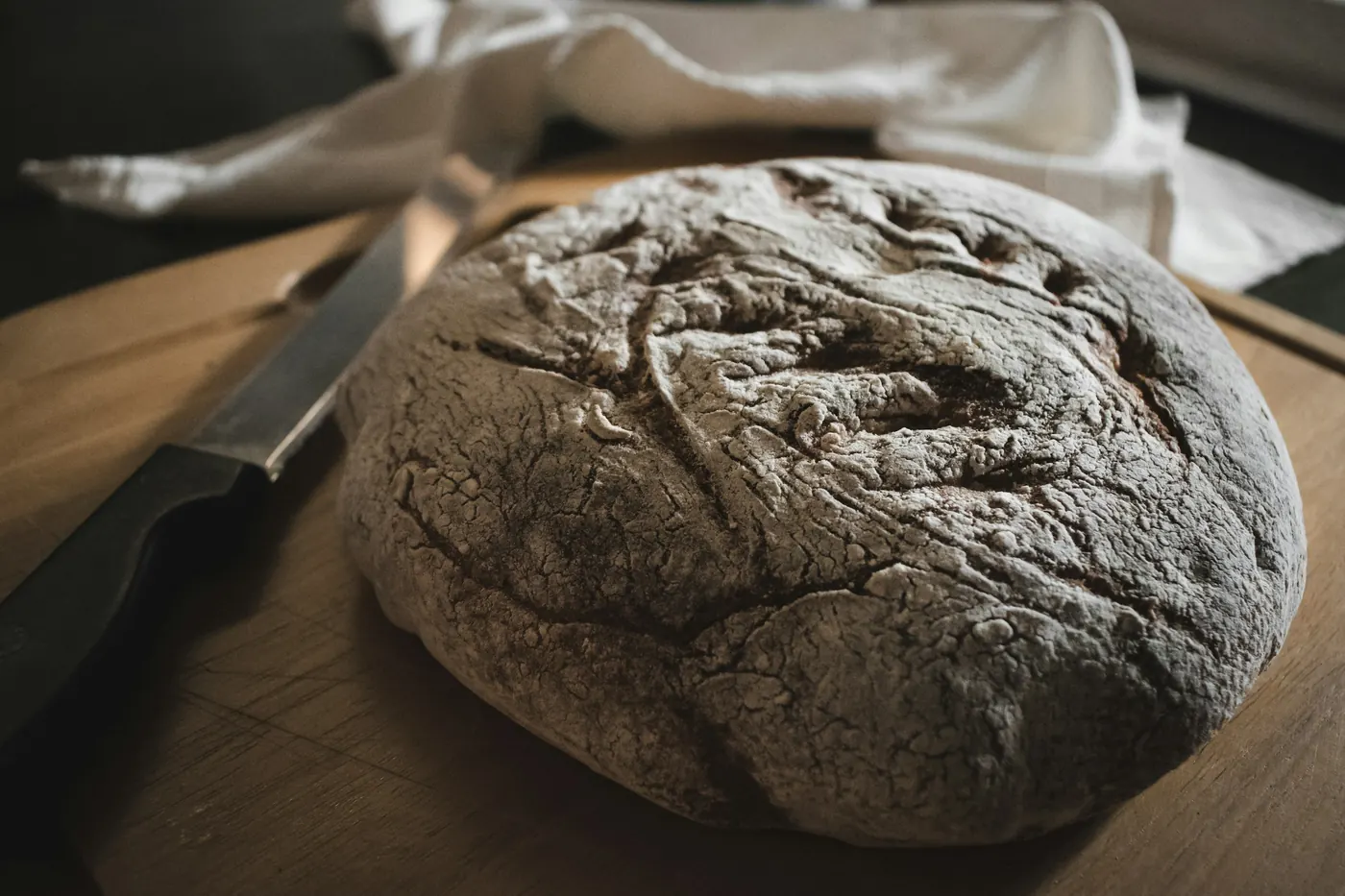
Getting a clean score with any tool
- Sharp beats everything. Myhrvold, via the Foodie article, ranks sharpness as the most important quality. A fresh razor or a freshly honed knife scores better than a dull lame.
- Cut through the skin, not much deeper. Martin Philip shows that a cut that is too shallow only etches the loaf, while one that is too deep makes it spread sideways. Room-temperature loaves need about a quarter inch; chilled loaves need more.
- Place the cuts with purpose. He suggests one lengthwise cut down the middle of a bâtard to start, symmetrical cuts on a round boule, and five to seven overlapping cuts along the midline of a baguette.
- Bolillos get one cut. The bolillo, Mexico’s everyday crusty roll, is cut once down its length before baking, which our lame guide explains in more detail.
- Move quickly. A slow cut drags. Make each stroke in one motion and get the loaf into the oven.
How we chose these five alternatives
We started from what the bakers we read say a scoring tool needs: King Arthur Baking’s scoring guide by Martin Philip, Tasting Table’s piece by Joseph Hartwell, and Foodie’s article by Gabriella Hernandez, which draws on Nathan Myhrvold. From those we took one pick for each kind of tool they name, a razor blade, a craft knife, a paring knife, a serrated knife and shears, chose makers we could identify, and confirmed each pick was in stock with a new offer. Every specification comes from the Amazon listing. We have not used these tools ourselves, and we left out every product already on our other guides. We also left out utility knives with snap-off blades and cheap scalpels, which none of our sources recommended for dough. If you bake often, the honest advice is to buy a lame; see our bread lame guide.
Scoring without a lame: questions, answered
What can I use instead of a bread lame?
A double-edged razor blade is the closest substitute, since it is the blade most lames hold. A craft knife, a very sharp paring knife, a small serrated knife and kitchen shears also work, each with limits explained above.
Can I score bread with a regular kitchen knife?
You can, but King Arthur’s Martin Philip explains that a knife’s thicker, usually duller blade needs more pressure, which compresses the loaf and gives jagged, overly deep cuts. Use the sharpest, thinnest knife you have, and only its tip.
Is a serrated knife good for scoring bread?
It is a fallback. The Foodie article warns that serrations can snag soft dough. It works better on a firm, chilled loaf than on a soft, freshly proofed one.
Can I score bread with scissors?
For snipped shapes like an épi baguette or spiky rolls, yes. For a long slash or a sourdough ear, no; use a blade.
Do I need to score bread at all?
A loaf will still bake without a score, but, as our lame guide explains, it tends to tear wherever its skin is weakest. Scoring decides where it opens.
Our final word on scoring without a lame
Buy a pack of double-edged blades first: they are the best stand-in today and the refills you will need if you buy a lame later. Add a craft knife if a bare blade worries you, and lean on a sharp paring knife or shears when the bread calls for it. Once the loaf is scored, a Dutch oven for bread helps it rise, and a proofing basket gives it shape before the cut.
And if you would rather leave the baking to someone else tonight, see the menu or call to order.