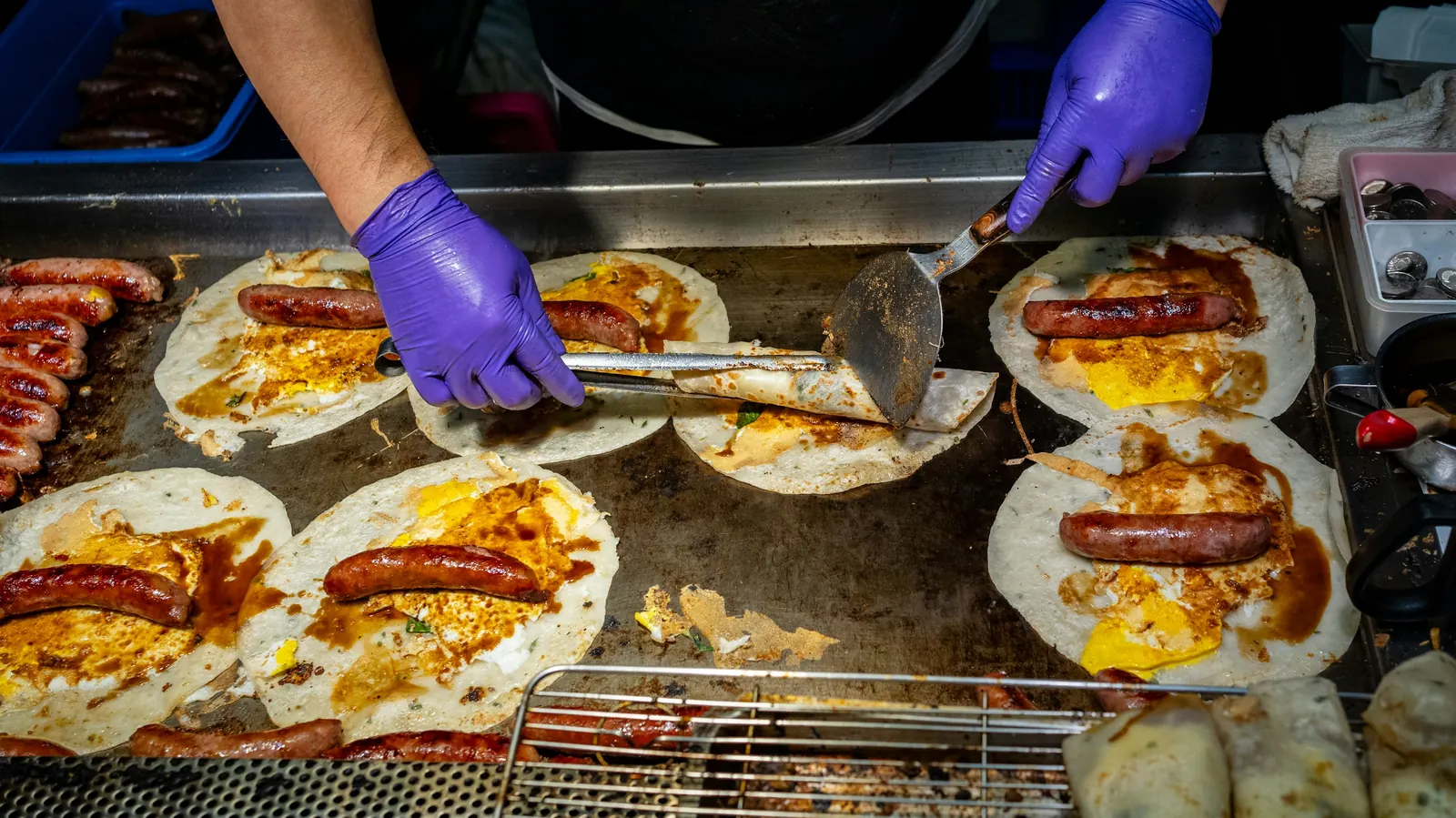
Two words start arguments in Texas faster than almost any others: breakfast tacos.
The fight is about who invented them. The more interesting question is why they took the exact shape they did.
The short answer
A breakfast taco is eggs and one or two other things — potato, chorizo, bacon, ham, cheese, beans — folded into a warm tortilla, usually flour, and often wrapped in foil to go. It is a Texas staple with roots in northern Mexico, and it is defined by being eaten with one hand on the way somewhere.
Where it comes from
The honest answer is Monterrey, and then Texas, with a lot of overlap in between.
CNN’s history of the long fight over breakfast tacos traces the dish to the early 1900s in Monterrey, in the state of Nuevo León, and credits Compañía Fundidora — a former iron and steel foundry dating to 1900 — with helping it get started. Shift workers needed food they could eat fast and standing up.
The article puts the dish in what it calls a long parade of foods whose fuzzy origins spark ferocious debate, and notes that a 2016 Eater article helped start a full-on Breakfast Taco War between Austin and San Antonio.
Which is the useful frame. Nobody invented breakfast tacos in a single place. Austin popularized the English phrase; the food itself came north with the people who had been eating it.
Why flour, and why foil
Both are engineering decisions, not preferences.
Flour tortillas fold without cracking and hold wet fillings — scrambled egg, melted cheese, refried beans — without falling apart in your hand. A corn tortilla under the same load tears. Our corn and flour guide covers why the two behave so differently.
Wheat also grows in northern Mexico and Texas in a way it does not further south, so flour was the local tortilla to begin with.
The foil is about steam. Wrapped tight, a taco stays hot for the length of a commute and the tortilla stays pliable. Unwrapped, it goes cold and stiff in about five minutes.
The standard fillings
| Filling | What it is | Note |
|---|---|---|
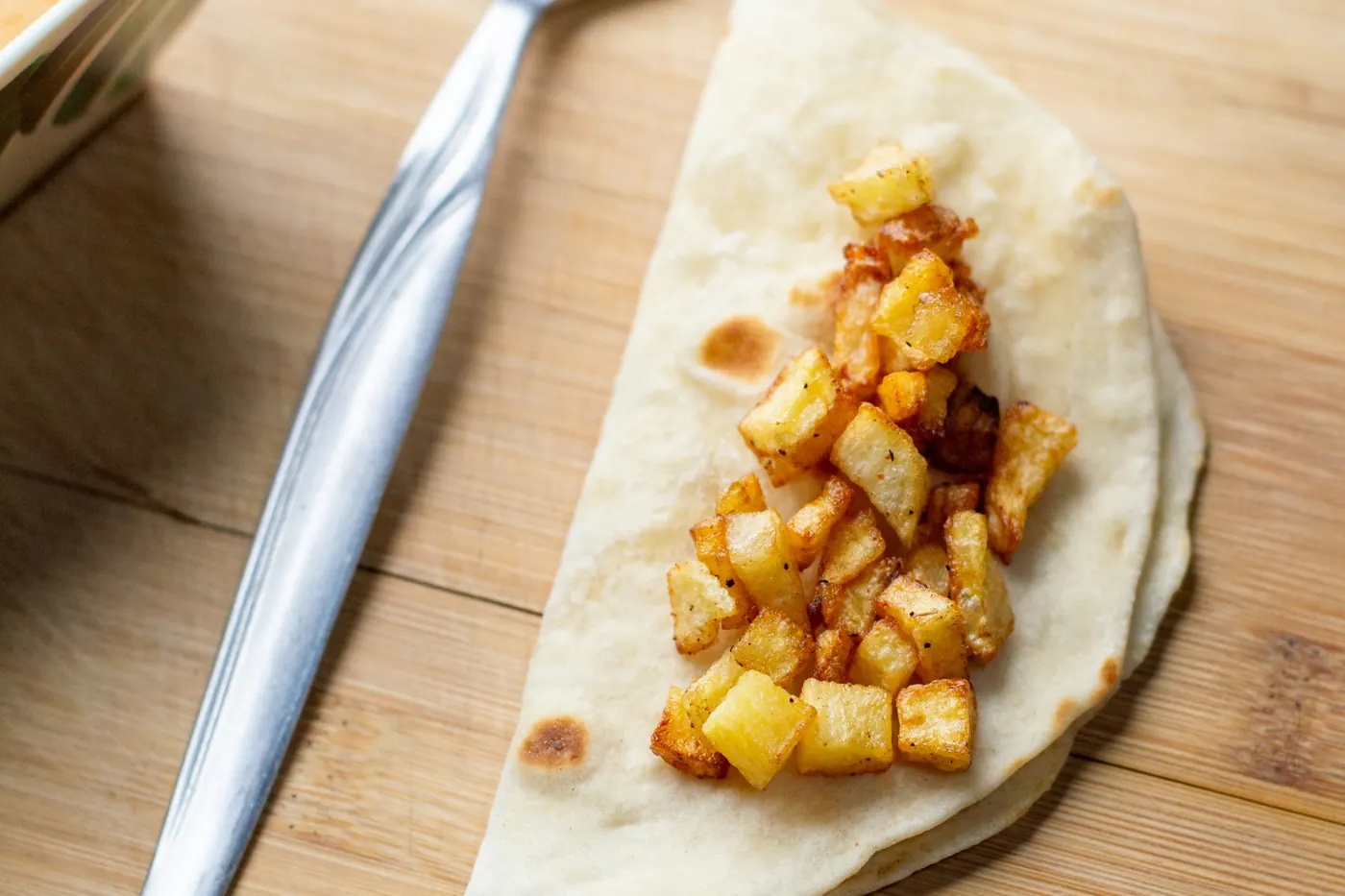
| Potato and egg | Diced fried potato, scrambled egg | The baseline order |
| Chorizo and egg | Fresh Mexican sausage, scrambled in | Renders red fat into the egg |
| Bacon and egg | Chopped bacon, scrambled egg | The most Anglo of the set |
| Ham and egg | Diced ham, scrambled egg | Mild, common at diners |
| Bean and cheese | Refried beans, melted cheese | The cheapest and often the best |
| Migas | Egg scrambled with fried tortilla strips | Texture rather than protein |
Notice how short the list is. A breakfast taco is two things and a tortilla, and adding a third usually makes it worse rather than better.
Chorizo is the one to understand
If you order one thing, this is the one that behaves unlike anything on an American breakfast menu.
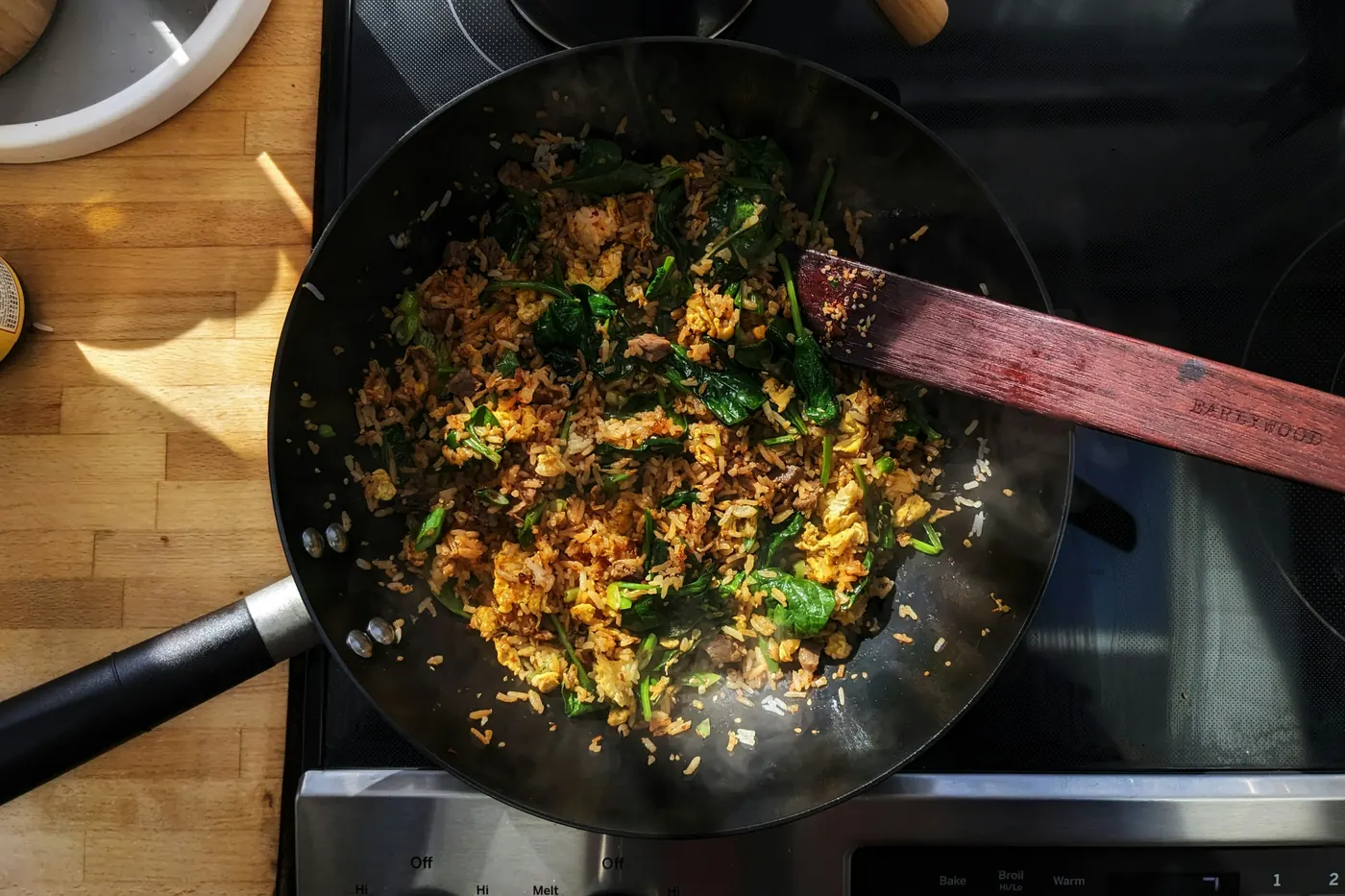
Mexican chorizo is a fresh sausage, not a cured one. It goes into the pan raw, breaks up like ground meat, and renders a deep red-orange fat that coats the eggs as they cook. That color is chile and paprika, not food coloring.
It is also the reason chorizo and egg tastes different from every other filling. The fat carries the seasoning into the egg, so the whole thing is flavored rather than just the sausage.
Spanish chorizo will not do this. It is dry-cured and firm, and it stays in discrete slices.
Taco or burrito
The line is size and geography, and it is genuinely regional rather than arbitrary.
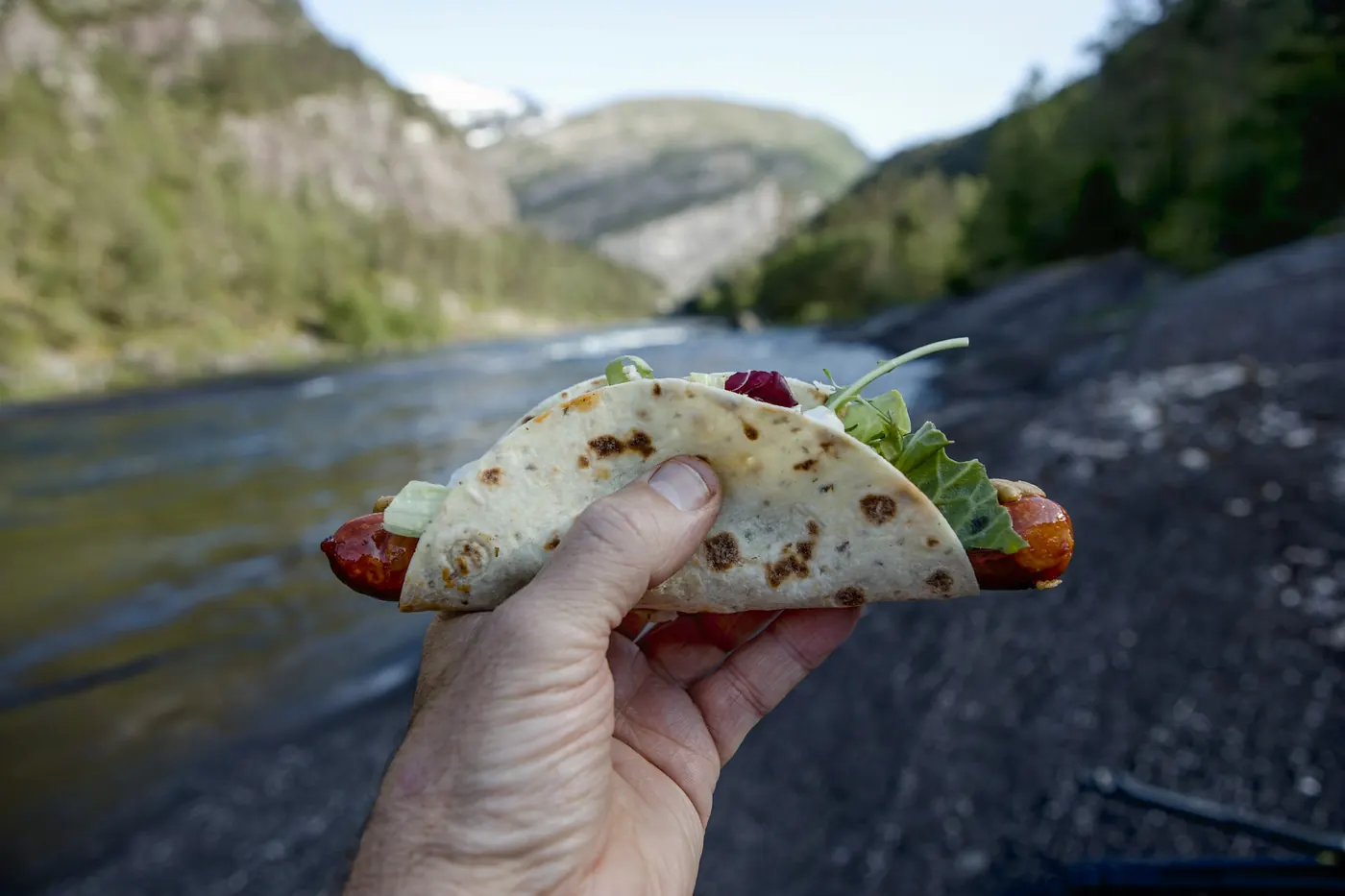
In South and Central Texas it is a breakfast taco: one small tortilla, folded, two fillings, and you order three. In West Texas, the Panhandle and California the same food in a larger tortilla, rolled and tucked at the ends, is a breakfast burrito, and one is a meal.
CNN’s piece also records a finer regional distinction: a flour tortilla in San Antonio tends to lean a bit puffier than its Rio Grande Valley and coastal counterparts. People do notice this.
Houston sits at the eastern edge of taco country and mostly says taco.
How to tell a good one
Three things, in order of how much they matter.
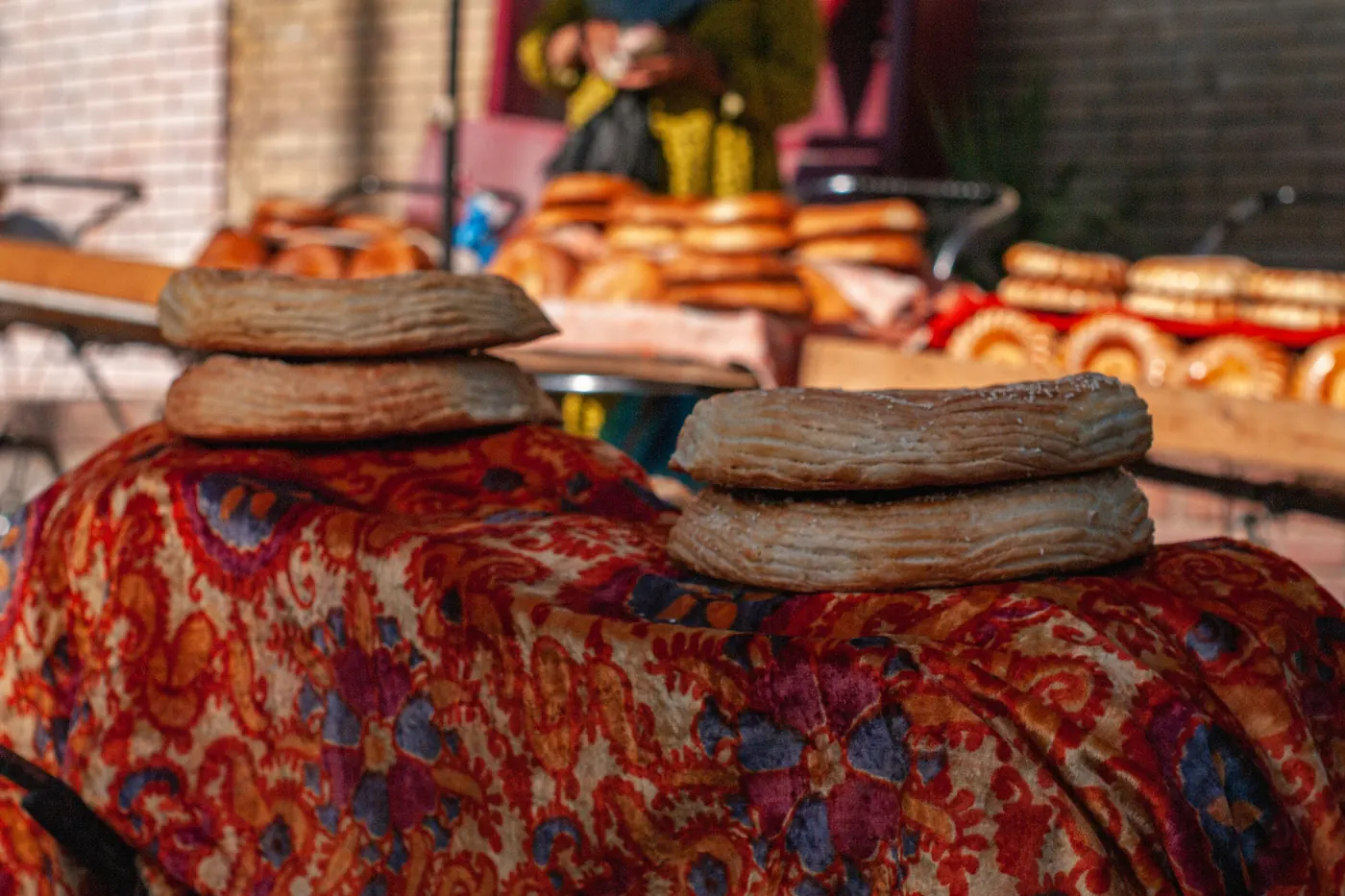
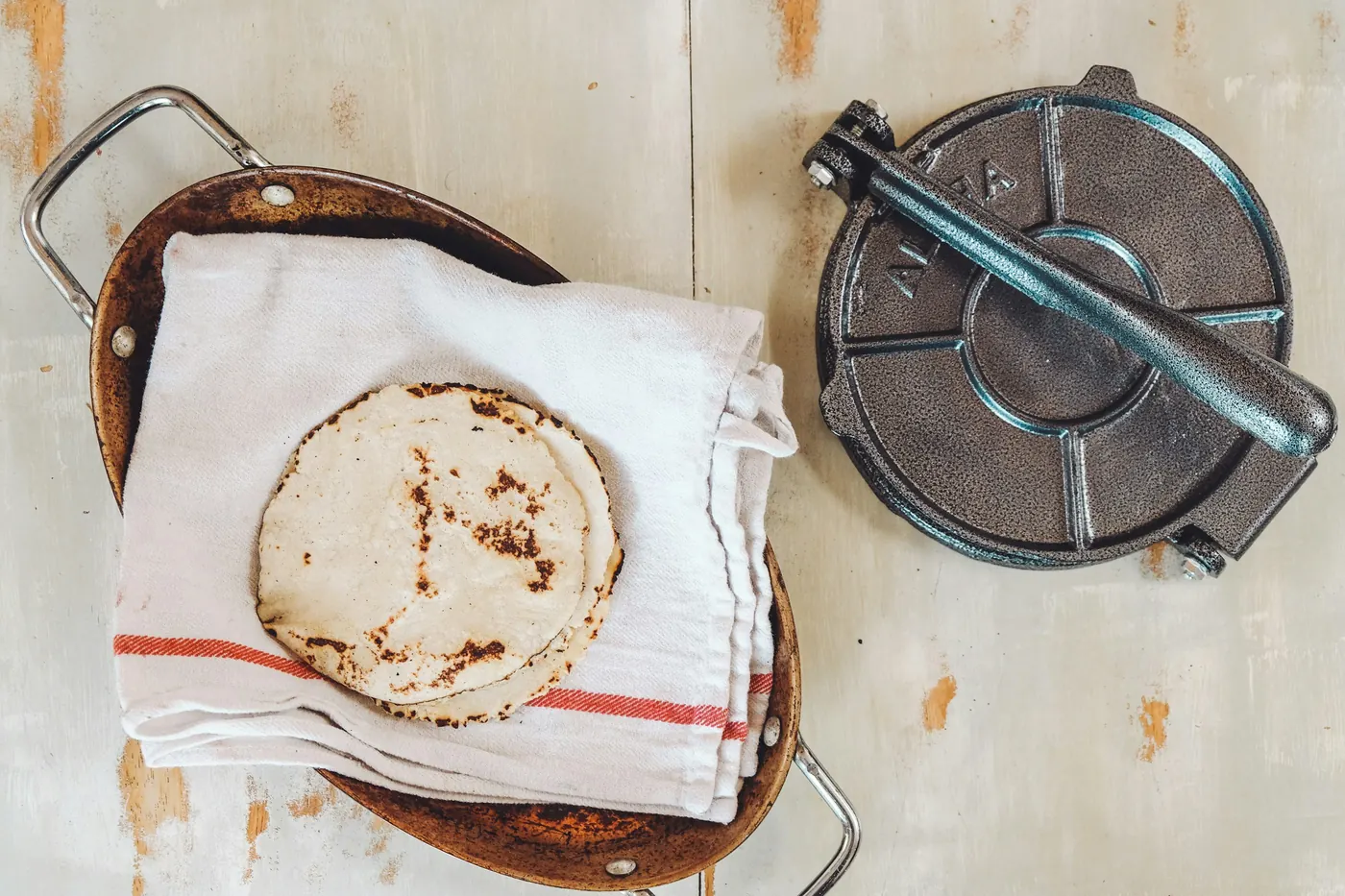
The tortilla. Made in house or bought in is the whole game. A house tortilla is uneven, slightly blistered, and soft in a way a packaged one never is. A place with a press behind the counter is telling you something.
The egg. Scrambled to order and still soft, not held in a hotel pan. Rubbery egg is the most common failure and it is unfixable at the table.
The salsa. Made on site or not. Our guide to spotting a good Mexican restaurant applies the same test to the table salsa.
On Julia’s menu
Breakfast tacos are on the brunch menu, which runs Saturday and Sunday from 10am to 2pm.
The breakfast taco plate offers four combinations: chorizo and eggs, potato and eggs, ham and eggs, or bacon and eggs. That is the classic four, and the absence of a fifth is a sign of a kitchen that knows the format.
Like the rest of the brunch menu, it comes with refritos and papas a la mexicana. Which means the potato-and-eggs version arrives with more potato on the side — worth knowing before you order it.
The rest of that menu is covered in our brunch guide, and the two dishes people usually weigh against tacos are the chilaquiles and the huevos rancheros.
Ordering them
A few conventions that are obvious to anyone raised on them and opaque to everyone else.
Order by filling, not by number: “one potato and egg, one chorizo and egg” rather than “two breakfast tacos.” Kitchens expect the combinations named.
Salsa is separate and usually free, in red and green. Take both — the tacos are deliberately plain, and the salsa is where the seasoning lives.
They do not keep. Even in foil, an hour is the limit before the tortilla goes gummy and the egg turns rubbery, which our reheating guide covers for Mexican food generally.
Frequently asked questions
What is a breakfast taco?
Eggs plus one or two additions — potato, chorizo, bacon, ham, cheese or beans — in a warm tortilla, usually flour, often wrapped in foil to travel.
Where did breakfast tacos originate?
Monterrey, Mexico, in the early 1900s, feeding foundry workers. The dish moved north into Texas, where the English name was coined.
Corn or flour?
Flour, usually. It folds without cracking and holds wet fillings. Corn is available almost everywhere and is a legitimate choice.
What is the difference between a breakfast taco and a breakfast burrito?
Size and region. Smaller folded tortillas ordered in threes are tacos, common in South and Central Texas. A single large rolled one is a burrito, standard further west.
How many should I order?
Two or three. They are small by design, and the point of the format is that you can mix fillings.
The short version
Eggs and one other thing in a flour tortilla, built to be eaten with one hand. Monterrey by origin, Texas by adoption, and still argued over.
Julia’s runs four combinations at weekend brunch.