Most people who search for a knife sharpener alternative are after one of two things. Some have a dull knife tonight and no sharpener in the drawer. Others have used a pull-through or electric gadget and want something that takes less metal off, gives more control or simply lasts longer. Both groups have good options, and some cost almost nothing.
This guide covers the tools that keep a kitchen knife sharp without a pull-through or electric sharpener: a whetstone, a diamond plate, a honing steel, a ceramic rod and a leather strop, plus two options that are not products at all, the bottom of a coffee mug and a professional sharpening service. For each we say what it actually does, how much skill it asks for and where it falls short.
Julia’s earns a commission on purchases made through links on this page, at no cost to you. Recommendations are based on what a restaurant kitchen looks for, product specifications and verified buyer reports.
Why cooks look for a knife sharpener alternative
First, a distinction that decides which tool you need. Shun, the Japanese knife maker, puts it simply: “Honing helps maintain your knife’s edge by realigning it when it begins to roll,” while “sharpening restores true sharpness by removing a small amount of metal.” Shun advises honing regularly and sharpening “only when honing no longer brings the edge back,” and says that for many home cooks, sharpening about once a year is often enough.
That matters because a lot of knives that feel dull only need honing. America’s Test Kitchen, in its June 2022 guide to choosing a sharpener, calls the honing rod “the first line of defense against a dull blade,” and says that once it “isn’t making the blade feel any keener, you’ll need to pull out a sharpener.” So if your knife was sharp a few weeks ago, start with a steel or a ceramic rod. If it has been years, or the edge is chipped, you need a stone, a diamond plate or a professional.
The other reasons people skip the pull-through gadget are control and wear. A stone or plate lets you choose the angle and how much metal comes off, which matters more on thin Japanese blades. Our knife sharpener vs whetstone comparison covers that trade-off in detail, and if you decide a sharpener suits you after all, our best knife sharpener guide covers the ones worth buying.
Quick verdict: the best knife sharpener alternative
For most home cooks willing to learn, the best knife sharpener alternative is a medium-grit whetstone such as the Naniwa Goken #1000: it sharpens any straight-edged kitchen knife and gives you full control of the angle. If you want something smaller that never needs flattening, the DMT DiaFold diamond paddle does the same job dry. For day-to-day upkeep, a Wüsthof Deluxe honing steel or a Kramer by Zwilling ceramic rod keeps the edge in line between sharpenings. If you would rather not learn at all, a professional sharpening service is the honest answer.
Five sharpening tools side by side
Our five picks, from a full sharpening stone to a finishing strop, with the abrasive and size each maker or listing states.
| Tool | What it does | Best for | Stated abrasive or size | Buy on Amazon |
|---|---|---|---|---|
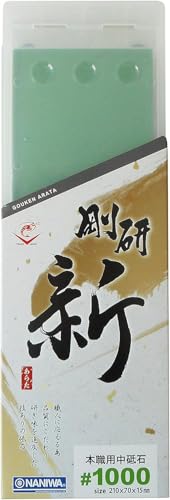
Naniwa Goken #1000 WhetstoneBest overall
|
Sharpens | Cooks willing to learn | #1000 grit, 210 x 70 mm | View on Amazon |

DMT DiaFold Diamond SharpenerBest compact sharpener
|
Sharpens and touches up | Small drawers, no water | Diamond, extra fine and fine | View on Amazon |

Wüsthof 10-Inch Deluxe Honing SteelBest for daily upkeep
|
Hones (realigns) | German-style knives | 10-inch steel | View on Amazon |

Kramer by Zwilling 10-Inch Ceramic RodBest ceramic rod
|
Hones, removes a burr | Between sharpenings | Ceramic, 10 inches | View on Amazon |

Hutsuls Leather Strop with CompoundBest finishing tool
|
Polishes the edge | After a stone | 3 x 8 in, green compound | View on Amazon |
Which tool for which knife problem
- The knife slides off a tomato skin, but it was sharp last month: hone it on a steel or ceramic rod first.
- Honing no longer helps: sharpen on a whetstone or diamond plate.
- The edge is chipped or badly rounded: a coarse stone, or a professional. America’s Test Kitchen notes that manual sharpeners “can’t repair severely damaged knives.”
- You want the last bit of polish: a leather strop after the stone.
- You have nothing at all tonight: the unglazed ring on the bottom of a ceramic mug, as a stopgap.
- You don’t want to learn: a professional service. America’s Test Kitchen says that “with a good pro, you get a sharper edge than you can at home.”
Five tools to use instead of a knife sharpener
1. Naniwa Goken #1000 Whetstone – Full Control of the Edge
A whetstone is the tool every other sharpener imitates, and a medium #1000 grit is where most kitchen knives need sharpening. The Naniwa Goken NA-0100 is a single #1000 stone measuring 210 by 70 by 15 millimeters (about 8.3 by 2.8 by 0.6 inches), per the listing, which names kitchen knives, scissors and other cutlery among its uses. The lead offer is sold by Amazon.
What you gain is control. You set the angle by hand, so the same stone works on a thick German chef’s knife and a thin Japanese gyuto, and you take off only as much metal as the edge needs. What you give up is ease. America’s Test Kitchen is blunt about it: “Whetstones are a great way to sharpen at home, but much practice is required,” and “there’s a learning curve and it can be tricky to get right.” It suggests practicing on a cheap knife first, which is good advice.
The listing does not say whether this stone needs soaking or only a splash of water, and it does not include a base, so you will need a damp towel or a stone holder under it. A #1000 stone sharpens; for a finer, more polished edge you can add a strop (pick 5) or a finer stone later.
Why we like it
- #1000 grit, the everyday sharpening grade
- Full-size 210 x 70 mm surface for long blades
- Works at any angle you choose
- Sold by Amazon on the lead offer
Key specifications
| Model | NA-0100 |
|---|---|
| Type | Whetstone (sharpening stone) |
| What it does | Sharpens (removes metal) |
| Abrasive | Not stated beyond “whetstone” |
| Grit | #1000 |
| Size | 210 x 70 x 15 mm |
| Care | Soaking and flattening not stated in the listing |
| Warranty | Not stated |
Why we recommend it
It suits a cook who wants to sharpen at home for good and is willing to spend a few sessions learning to hold an angle.
Skip it if you want a sharp knife tonight with no practice; a professional service or a pull-through sharpener is quicker.
Pros and cons
Pros
- Works on any straight-edged kitchen knife
- Removes only what you choose
- Large surface
Cons
- Real learning curve
- No base included
- Care instructions not in the listing
2. DMT DiaFold Diamond Sharpener – Sharpens Dry, Folds Into a Drawer
A diamond plate does a whetstone’s job with less fuss. The DMT DiaFold (model FWEF) is a folding paddle with a diamond surface on each side; the handles fold over to protect the plates. DMT says it uses micronized monocrystalline diamonds and that you can sharpen dry or with water, with no oil needed. DMT also says its sharpeners are made in the USA.
The listing bullets describe the two sides as extra fine and fine, which suits touching up and maintaining a kitchen edge rather than repairing a chipped one; note that the listing’s title calls one side coarse, so check the color coding when it arrives. Each side is a narrow paddle, so long chef’s knives take more strokes than on a full-size stone. The paddle weighs about 2.4 ounces, per DMT, and stores in a drawer or a knife roll.
You still hold the angle yourself, so there is a learning curve, but there is no soaking and no stone to flatten.
Why we like it
- Two diamond grits in one folding tool
- Sharpen dry or with water, no oil, per DMT
- Handles fold to protect the surface
- Made in the USA, per the listing
Key specifications
| Model | FWEF |
|---|---|
| Type | Folding diamond sharpener |
| What it does | Sharpens and touches up |
| Abrasive | Monocrystalline diamond |
| Grit | Extra fine / fine (title also says coarse) |
| Size | About 2.4 oz; folding paddle |
| Care | Dry or with water; no oil |
| Warranty | Manufacturer warranty (terms not stated) |
Why we recommend it
It suits a cook with little storage space who wants to keep good knives sharp without soaking or flattening a stone.
Skip it if you need to rebuild a badly damaged edge; these grits are for finishing and upkeep.
Pros and cons
Pros
- No soaking, no flattening
- Very compact
- Two grits
Cons
- Narrow surface for long blades
- Grit labels inconsistent in the listing
- Angle is still up to you
3. Wüsthof 10-Inch Deluxe Honing Steel – Straightens the Edge Between Sharpenings
If your knife was sharp not long ago, this may be all the “sharpener” you need. A honing steel pushes a rolled edge back into line; as Shun puts it, a “honing steel helps straighten that rolled edge.” It does not grind a new edge, so it will not rescue a knife that has been dull for years, but a few strokes before cooking keep a good edge working much longer between real sharpenings.
Wüsthof’s 10-inch Deluxe steel (model 3039700626) is German-made, per the listing, from the Solingen knife maker, and carries a limited lifetime warranty. Ten inches is long enough to hone an 8- or 10-inch chef’s knife in full strokes. The listing’s line that it will “sharpen dull knives” overstates what any steel does, so read it as honing.
Which rod suits which knife steel is covered in our honing steel vs ceramic rod comparison.
Why we like it
- 10-inch rod handles long chef’s knives
- Made in Germany, per the listing
- Limited lifetime warranty
- Quick to use before every cooking session
Key specifications
| Model | 3039700626 |
|---|---|
| Type | Honing steel |
| What it does | Hones (realigns the edge) |
| Abrasive | Steel |
| Grit | Not stated |
| Size | 10 inches |
| Care | Not stated in the listing |
| Warranty | Limited lifetime |
Why we recommend it
It suits a cook with German-style knives who wants to keep them cutting well week to week with almost no learning curve.
Skip it if your knife is truly dull; a steel cannot replace sharpening.
Pros and cons
Pros
- Fast and easy
- Removes almost no metal
- Lifetime warranty
Cons
- Does not sharpen a dull edge
- Listing overstates it as a sharpener
4. Kramer by Zwilling 10-Inch Ceramic Rod – Hones and Removes a Burr
A ceramic rod sits between a steel and a stone. Like a steel, it is used with quick strokes to keep an edge in line; because ceramic is abrasive, it also takes off a very small amount of metal. The Kramer by Zwilling rod (model 34957-260) is 10 inches long with a ceramic rod and stainless steel, per the listing, which says it keeps a blade honed between sharpenings and can “realign knife edge or remove any niche or burr.”
Because it abrades as well as aligns, a ceramic rod is a common choice for harder knife steels; our honing steel vs ceramic rod comparison covers that question with sources. Ceramic can chip or break if dropped, so hang it or store it in a drawer slot. That is general kitchen sense rather than a maker statement.
One seller note: the lead offer we saw was from a third-party seller rather than Zwilling or Amazon, so check the seller before you buy.
Why we like it
- 10-inch length suits all knife sizes, per the listing
- Hones and removes a light burr
- Abrasive surface, not just a smooth rod
- Ergonomic handle, per the listing
Key specifications
| Model | 34957-260 |
|---|---|
| Type | Ceramic honing rod |
| What it does | Hones; removes a light burr |
| Abrasive | Ceramic |
| Grit | Not stated |
| Size | 10 inches |
| Care | Not stated in the listing |
| Warranty | Not stated |
Why we recommend it
It suits cooks who want a quick upkeep tool between stone sessions.
Skip it if you have only soft German knives and a steel already; the gain is small.
Pros and cons
Pros
- Light abrasion as well as alignment
- Quick strokes, little learning
- Full 10-inch length
Cons
- Can break if dropped
- Grit and warranty not stated
- Third-party seller on the lead offer
5. Hutsuls Leather Strop with Compound – The Final Polish
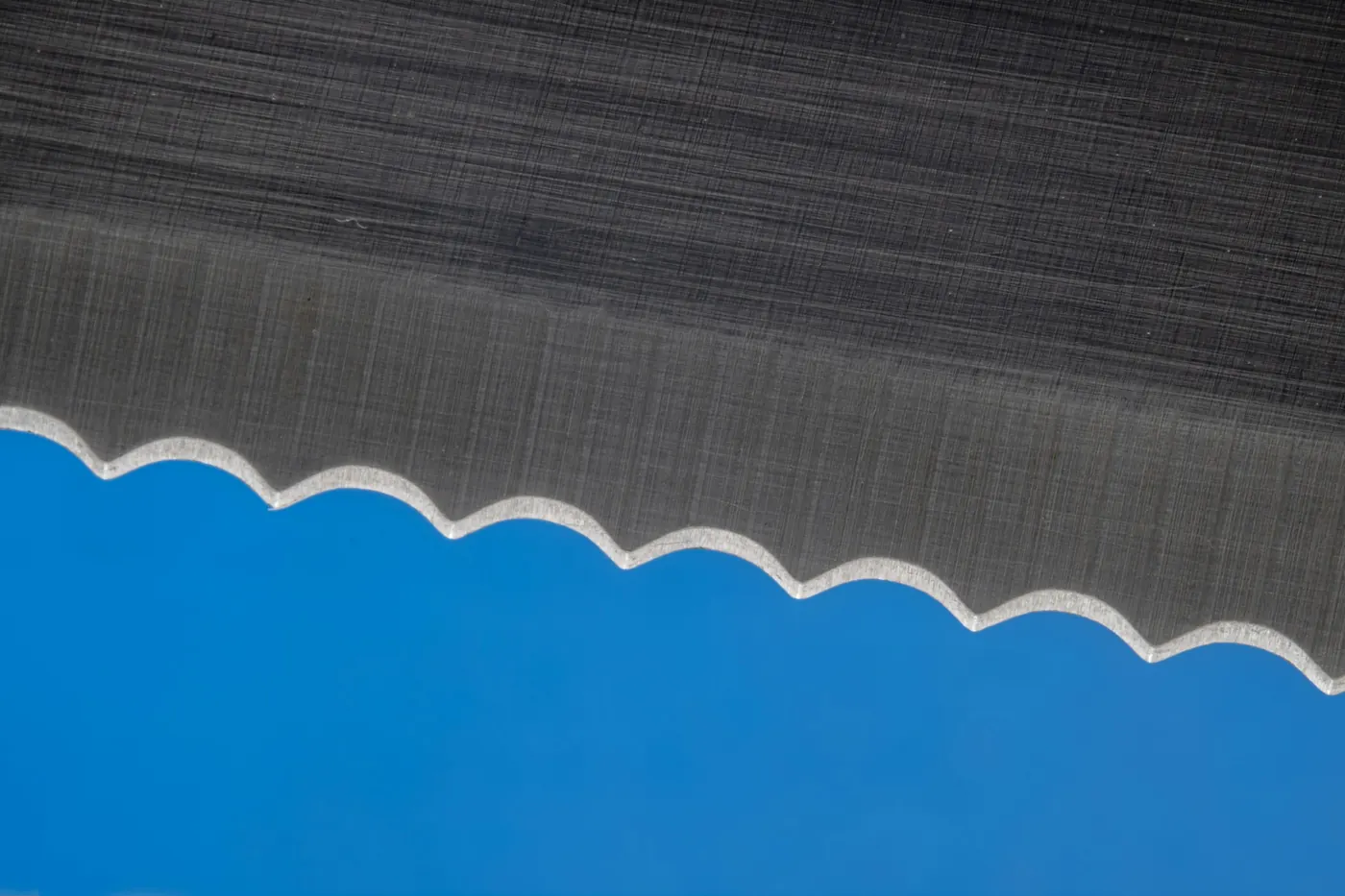
A strop is the oldest finishing tool there is: a strip of leather, usually loaded with a fine polishing compound, that you draw the edge across spine-first to remove the last of the burr and polish the edge. It does not fix a dull knife, but after a stone it makes a good edge feel noticeably keener.
The Hutsuls kit is a 3 by 8 inch, 4-millimeter thick leather strop with a smooth side and a rougher side, and it comes with a green stropping compound and a step-by-step guide, per the listing. The listing describes the leather inconsistently, so we won’t say which hide it is. Hutsuls sells mainly on Amazon and the lead offer came from the brand’s own store.
The key habit, which is general sharpening practice, is to pull the knife away from the edge, never into it, or you will cut the leather.
Why we like it
- Two working sides, smooth and rough
- Green compound included
- Step-by-step guide in the box
- Sold by the brand’s own store
Key specifications
| Model | 006H |
|---|---|
| Type | Leather strop with compound |
| What it does | Polishes and deburrs |
| Abrasive | Green stropping compound |
| Grit | Not stated |
| Size | 3 x 8 inches, 4 mm thick |
| Care | Not stated in the listing |
| Warranty | Not stated |
Why we recommend it
It suits a cook who already sharpens on a stone or plate and wants a more refined edge.
Skip it if you only own a honing steel; a strop polishes an edge but cannot create one.
Pros and cons
Pros
- Removes the last burr
- Compound included
- Low cost class
Cons
- Does not sharpen a dull knife
- Leather type unclear in the listing
- Amazon-first brand
Two options that cost nothing to try
The bottom of a ceramic mug
Most ceramic mugs have a ring of bare, unglazed clay on the bottom, and ceramic is a sharpening material. A reader tip in Fine Homebuilding (Aug/Sept 2019) points out that “on the bottom of most ceramic coffee mugs is an exposed ring of uncoated ceramic,” and is honest about the limit: it “might not bring a ruined blade back to surgical sharpness,” but it can refresh an edge. Draw the blade across the ring at a shallow angle, alternating sides, then wipe and rinse the knife. Treat it as a stopgap, and use a mug you don’t mind marking. The method details are general kitchen sense.
A professional sharpening service
If you don’t want to learn, pay someone who has. America’s Test Kitchen says pros “are probably going to be able to put a better edge on a knife than you will be able to at home.” As general kitchen sense, many knife shops offer sharpening, and some knife makers run their own service; Shun, for one, says sending knives in for free sharpening is the easiest option for its own knives. A steel or ceramic rod at home then keeps that edge going between visits.
How we chose these tools
We started from the jobs a knife sharpener does and the reasons cooks want something else, and looked for one tool from an identifiable maker for each step: sharpening, touch-up, honing and polishing. Every pick was listed in stock, sold new, when we checked. We used each maker’s specifications from the Amazon listing, America’s Test Kitchen’s guide to choosing a knife sharpener, Shun’s guide to honing and sharpening, and a Fine Homebuilding reader tip for the mug method. We did not use these products in our own kitchen.
We also checked the U.S. Consumer Product Safety Commission’s recall database for each brand and found no recall listed for any of these five models.
Knife sharpener alternative questions, answered
How can I sharpen a knife without a sharpener?
Use a whetstone or a diamond plate if you have one. In a pinch, the unglazed ring on the bottom of a ceramic mug will refresh an edge. If the knife was sharp recently, try honing it on a steel first; it may only need realigning.
Is a honing steel the same as a sharpener?
No. Shun explains that honing realigns an edge that has rolled, while sharpening removes a small amount of metal to restore it. A steel keeps a sharp knife sharp; it cannot make a dull one sharp.
Is a whetstone better than a knife sharpener?
It gives more control and suits more knife types, but it takes practice. Our knife sharpener vs whetstone comparison and our best whetstone for beginners guide go further.
Does sharpening on a mug damage the knife?
Used gently at a shallow angle, it removes very little metal. The risk is an uneven angle, the same as on any stone. It is a stopgap, not a routine.
How often should I sharpen my kitchen knives?
Shun says that for many home cooks sharpening about once a year is often enough, with regular honing in between. Heavy use calls for more.
Our final word on sharpening without a sharpener
You don’t need a pull-through gadget to keep a kitchen knife sharp. Hone often with a steel or ceramic rod, sharpen on a whetstone or diamond plate when honing stops helping, and polish on a strop if you like. If that sounds like too much, a good professional will do better than any home gadget. For more tools, see our best whetstone and best honing steel guides, or go back to the best knife sharpener guide if a sharpener still suits you best.
And if you would rather put the knife down tonight, see the menu or call to order.