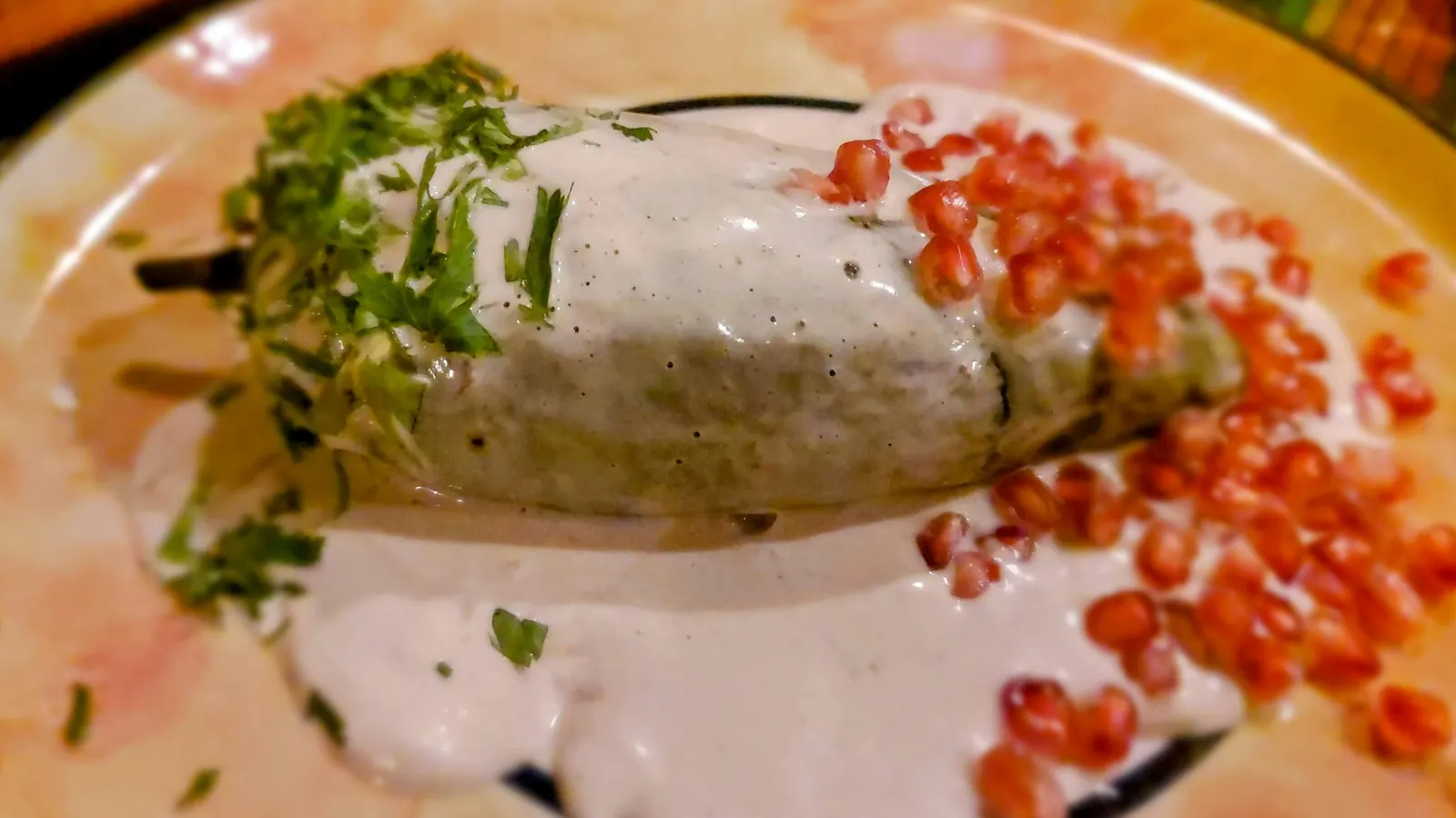
Mexican Independence Day is 16 September, and the food is unusually specific about it. One dish in particular exists almost entirely for this month, and then disappears.
The rest of the table is the same logic that governs every Mexican celebration: things that take a day and feed a crowd.
The short answer
Chiles en nogada is the emblematic dish — a poblano stuffed with picadillo under a walnut cream sauce, scattered with pomegranate, its green, white and red matching the flag. Pozole is the other constant, because it scales. Tamales, mole and pambazos fill out the table. The eating happens on the sixteenth; the shouting happens the night before.
The shape of the day
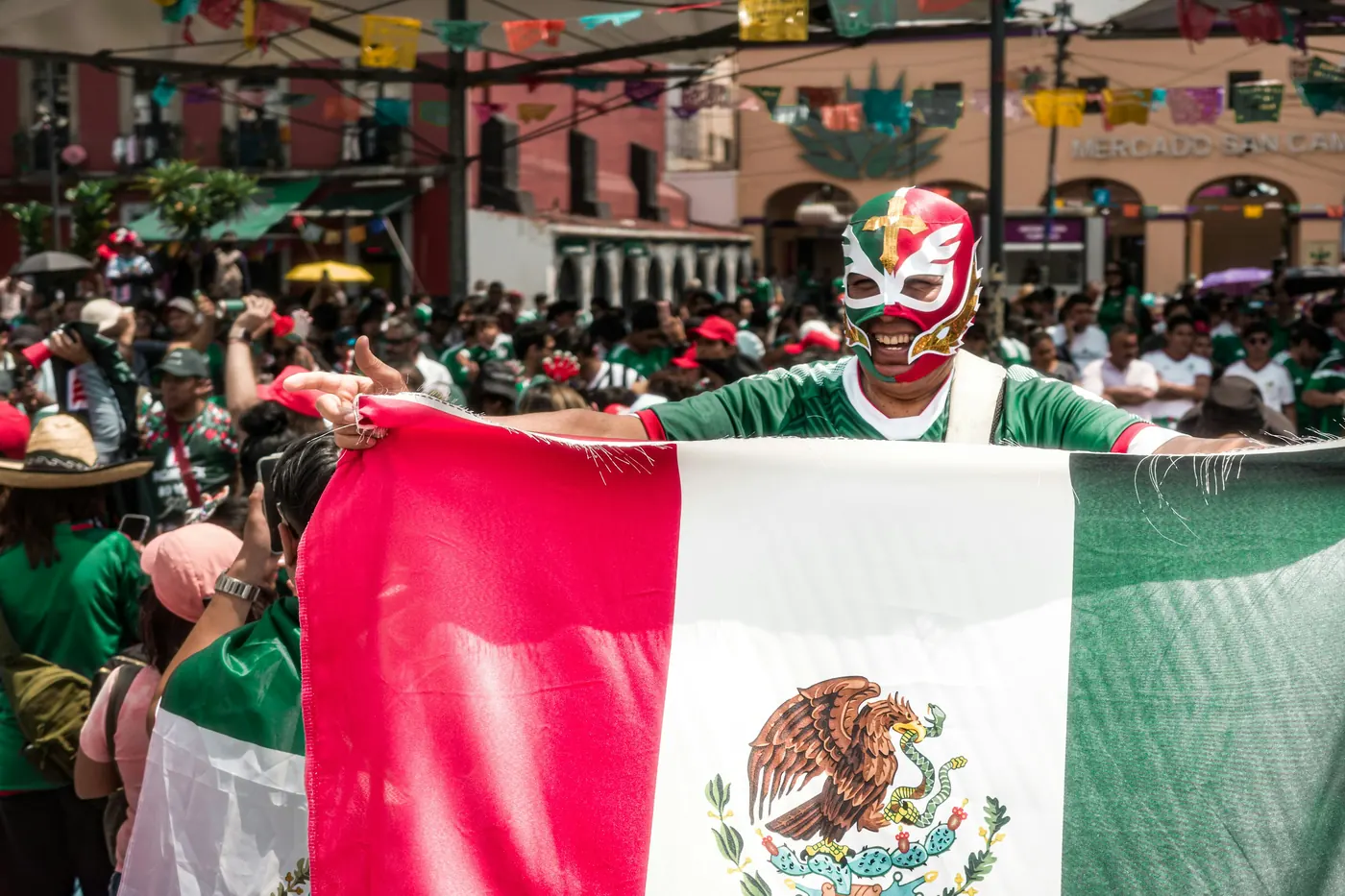
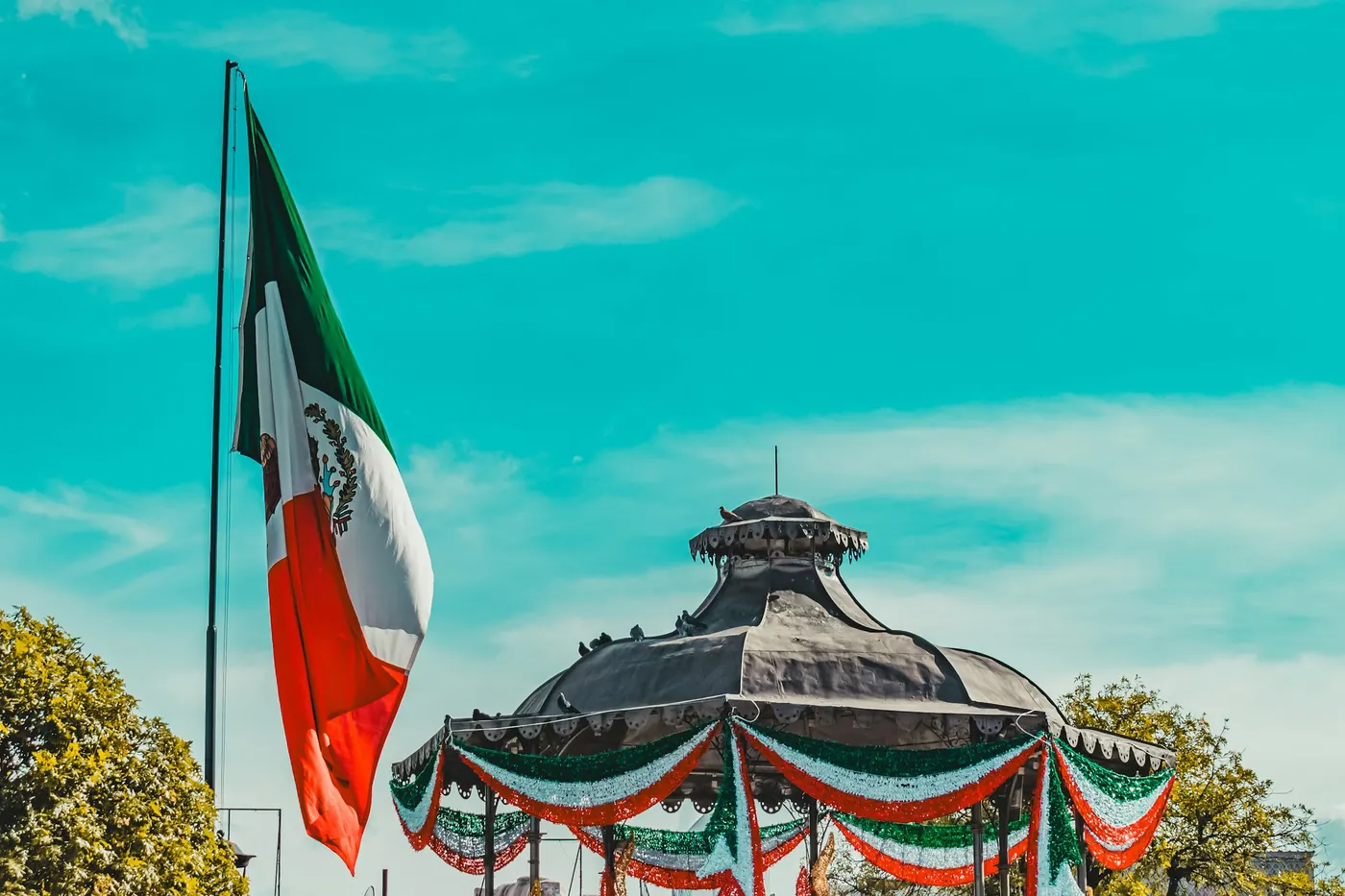
El Grito is the night of the fifteenth. The president rings the bell from the National Palace balcony in Mexico City, every town square does its own version, and the crowds answer. Our comparison with Cinco de Mayo covers why the two holidays get confused.
The sixteenth is the parade, and the long lunch. That is where the food sits.
Chiles en nogada
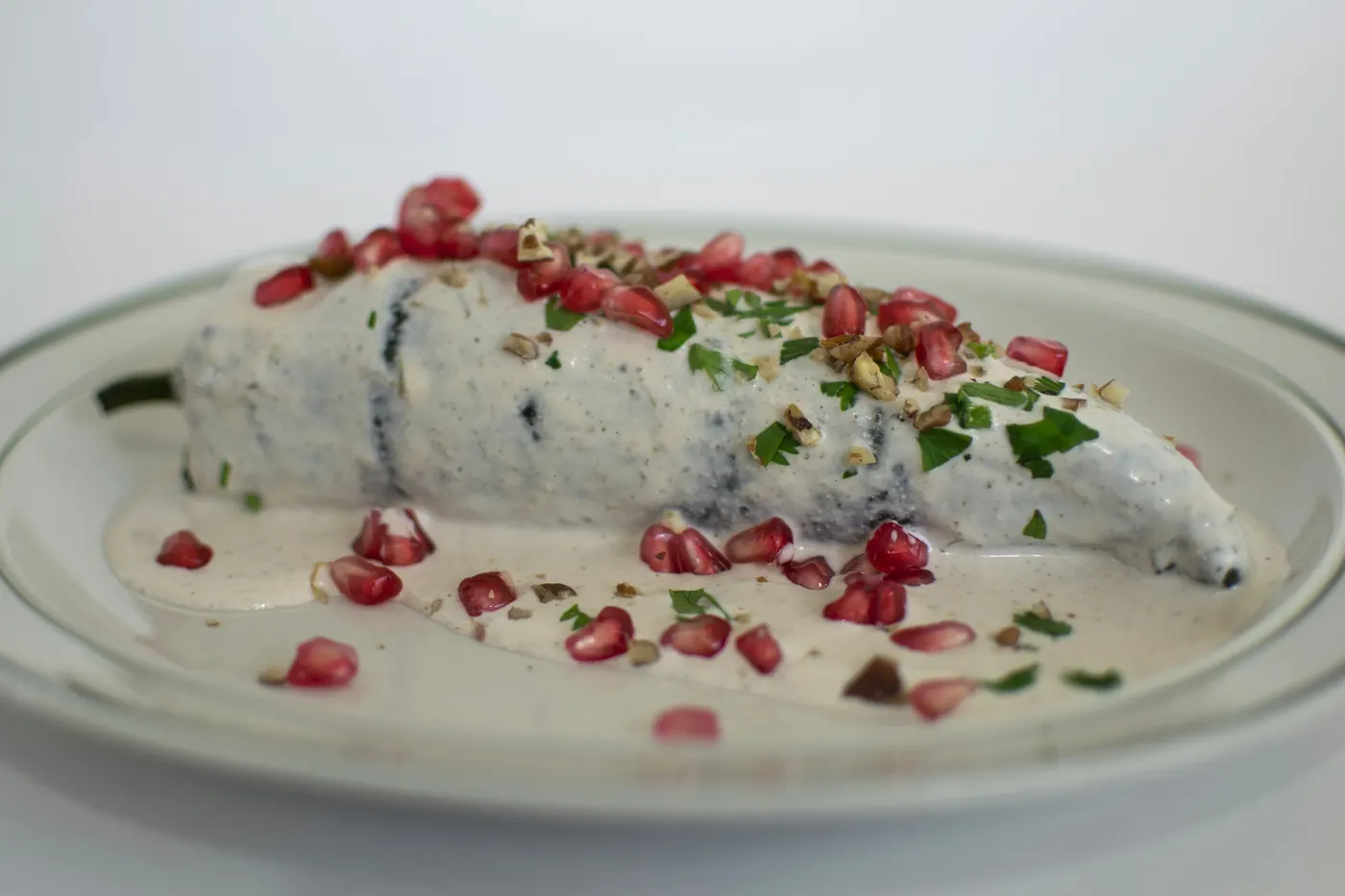
The dish that belongs to September, and it is unusual in being both seasonal and symbolic at once.
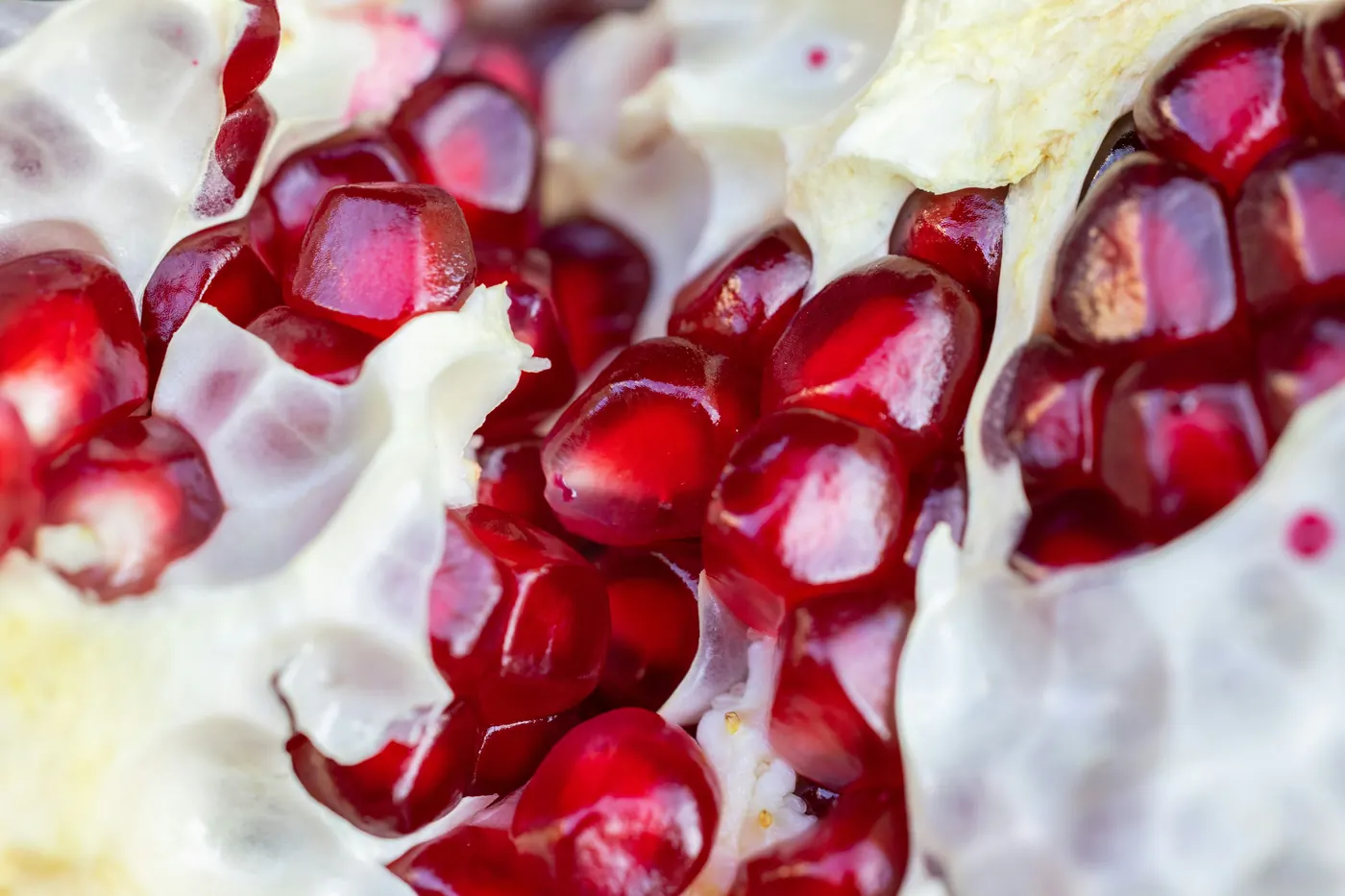
A roasted poblano is stuffed with picadillo — ground meat with fruit, typically apple, pear and peach — then covered in nogada, a sauce of fresh walnuts ground with cream or cheese, and finished with pomegranate seeds and parsley.
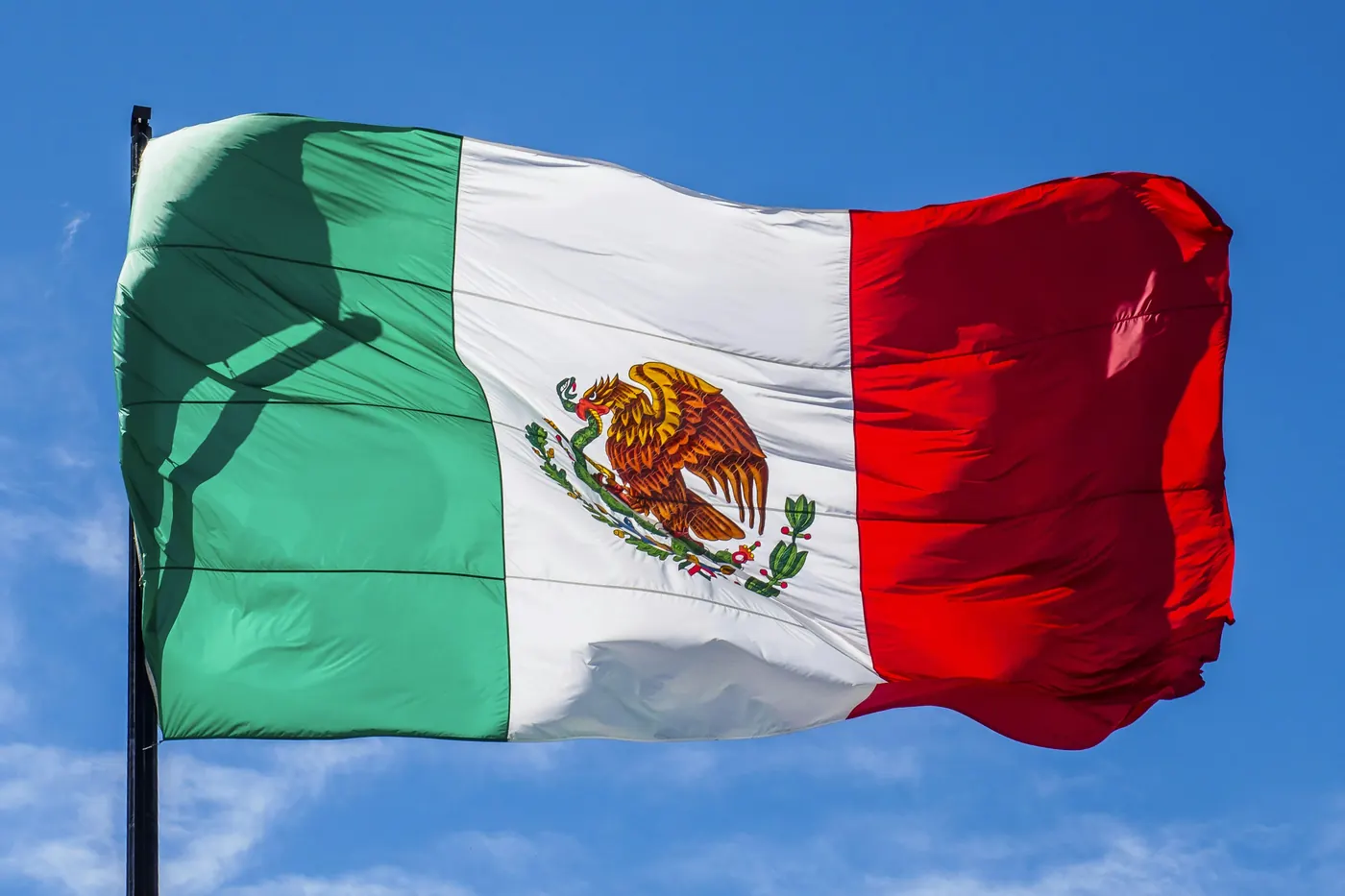
Green pepper, white sauce, red seeds. The flag, on a plate.
Mexico News Daily, comparing the two iconic Independence Day dishes, sets the version most commonly told: created in Puebla in 1821 to honor Agustín de Iturbide after independence was secured.
The seasonality is not marketing. Fresh walnuts and pomegranate are both at their peak in central Mexico in late summer and early autumn, which is why the dish appears in August and is gone by October.
Pozole
The other constant, and the more practical one.
A pot of hominy and pork scales in a way plated food does not, and it arrives with a garnish plate that lets twenty people each finish their own bowl differently. Our guide to pozole and menudo covers the difference between the two.
Pozole verde — the tomatillo version — turns up more than usual in September, for the obvious reason that it is green.
What else is on the table
| Dish | What it is | Why it appears |
|---|---|---|
| Chiles en nogada | Stuffed poblano, walnut cream, pomegranate | The flag, and the season |
| Pozole | Hominy soup with pork or chicken | It scales to a crowd |
| Tamales | Masa steamed in husks | Made by the dozen, eaten by hand |
| Mole | Long-cooked chile sauce over chicken | Effort reads as celebration |
| Pambazos | Bread dipped in guajillo sauce, fried, filled | Street food, red and messy |
| Agua de jamaica | Hibiscus water, deep red | Color, and it is not alcoholic |
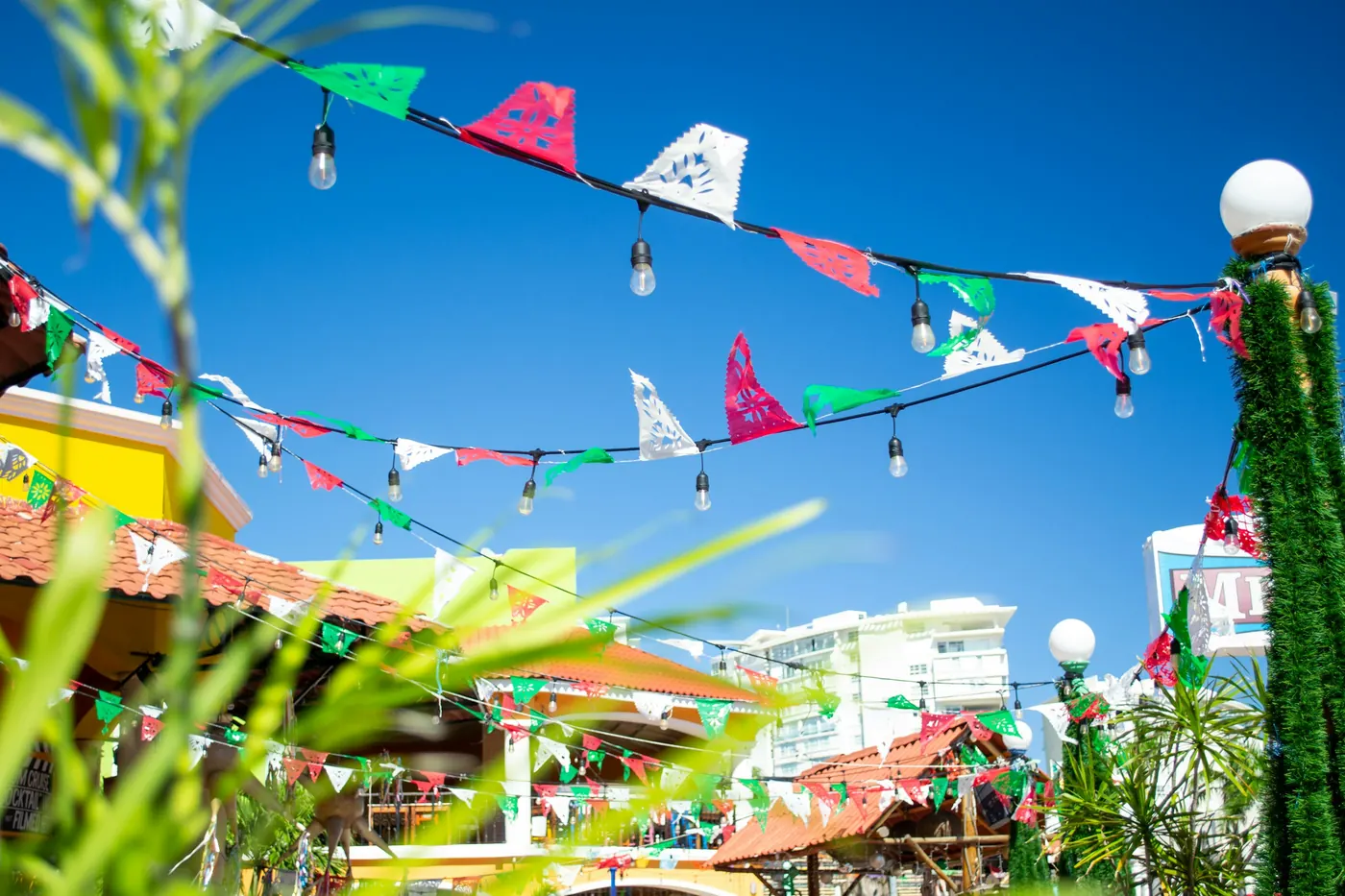
The flag-color logic runs through more of it than people notice. Green from herbs and tomatillo, white from cream and onion, red from pomegranate, hibiscus and chile.
The street food side
Not all of it is cooked at home. The plazas fill with puestos on the night of the fifteenth, and that end of the menu is worth knowing.
Pambazos are the signature. A soft white roll is dipped whole in guajillo chile sauce, griddled until the outside crisps, then filled with potato and chorizo, lettuce, cream and crumbled cheese. It comes out stained deep red and it is impossible to eat neatly, which is part of the appeal.
Esquites go alongside — corn kernels cut off the cob and served in a cup with mayonnaise, chile powder, lime and cheese. Elotes are the same thing left on the cob. Both are sold from carts year round, but the plaza on the fifteenth is where they are eaten by the thousand.
Buñuelos, fried dough discs dusted with cinnamon sugar, cover the sweet end, and atole — warm, thickened masa drink — is what people hold while they wait for the bell. None of it is elaborate. It is food for standing up in a crowd at eleven at night.
Why the food is not what Americans expect
Independence Day in Mexico is not the holiday Americans associate with Mexican food, and the menu shows it.
There are no nachos, no fajitas, no margarita specials. What appears instead is the regional and labor-intensive end of the repertoire — the dishes our regional guide covers, cooked at home for a family gathering rather than ordered in a bar.
That is a real difference from the fifth of May, which in the United States is largely a commercial occasion. Both are legitimate; they are just not the same event.
The other difference is who is cooking. Independence Day food is overwhelmingly domestic — a family kitchen working through the morning of the sixteenth, not a restaurant service. Even the street food in the plaza is small-scale and made to order in front of you.
What Julia’s has of this
Chiles en nogada is a home dish with a six-week season, and it would be unusual to find it on a year-round Texas menu. It is not on Julia’s menu.
What is there is most of the rest. The pozole sits among the soups, in small and large. The pollo en mole and the enchiladas de mole cover the mole side, and the tamales are made in house.
The chile relleno is the closest relative of the September dish: a roasted poblano stuffed with picadillo and Oaxaca cheese, lightly breaded. Same pepper, same filling logic, and none of the September dressing — it comes lightly breaded, with Mexican rice, charro beans and tortillas rather than under a walnut cream.
If you are marking the date with a group, the family packs serve four, which is the format the day actually calls for.
Frequently asked questions
What food is eaten on Mexican Independence Day?
Chiles en nogada above all, plus pozole, tamales, mole and pambazos. Dishes that feed a crowd or carry the flag colors.
What are chiles en nogada?
Roasted poblano peppers stuffed with a fruit-and-meat picadillo, covered in a walnut cream sauce and topped with pomegranate seeds. Green, white and red.
Why are chiles en nogada only served in season?
Because fresh walnuts and pomegranates are only available for a short window in late summer and early autumn. Outside it, the dish cannot be made properly.
Is Independence Day the same as Cinco de Mayo?
No. Independence Day is 16 September and marks the 1810 call to arms against Spain. Cinco de Mayo marks an 1862 battle against France.
What is El Grito?
The reenactment of the 1810 call to arms, performed on the night of 15 September from balconies across Mexico, with crowds responding.
The short version
Chiles en nogada for the flag and the season, pozole because it feeds a crowd, tamales and mole because effort is the point. El Grito on the fifteenth, lunch on the sixteenth.
Most of that list is on Julia’s menu year round — the nogada being the one that genuinely cannot be.