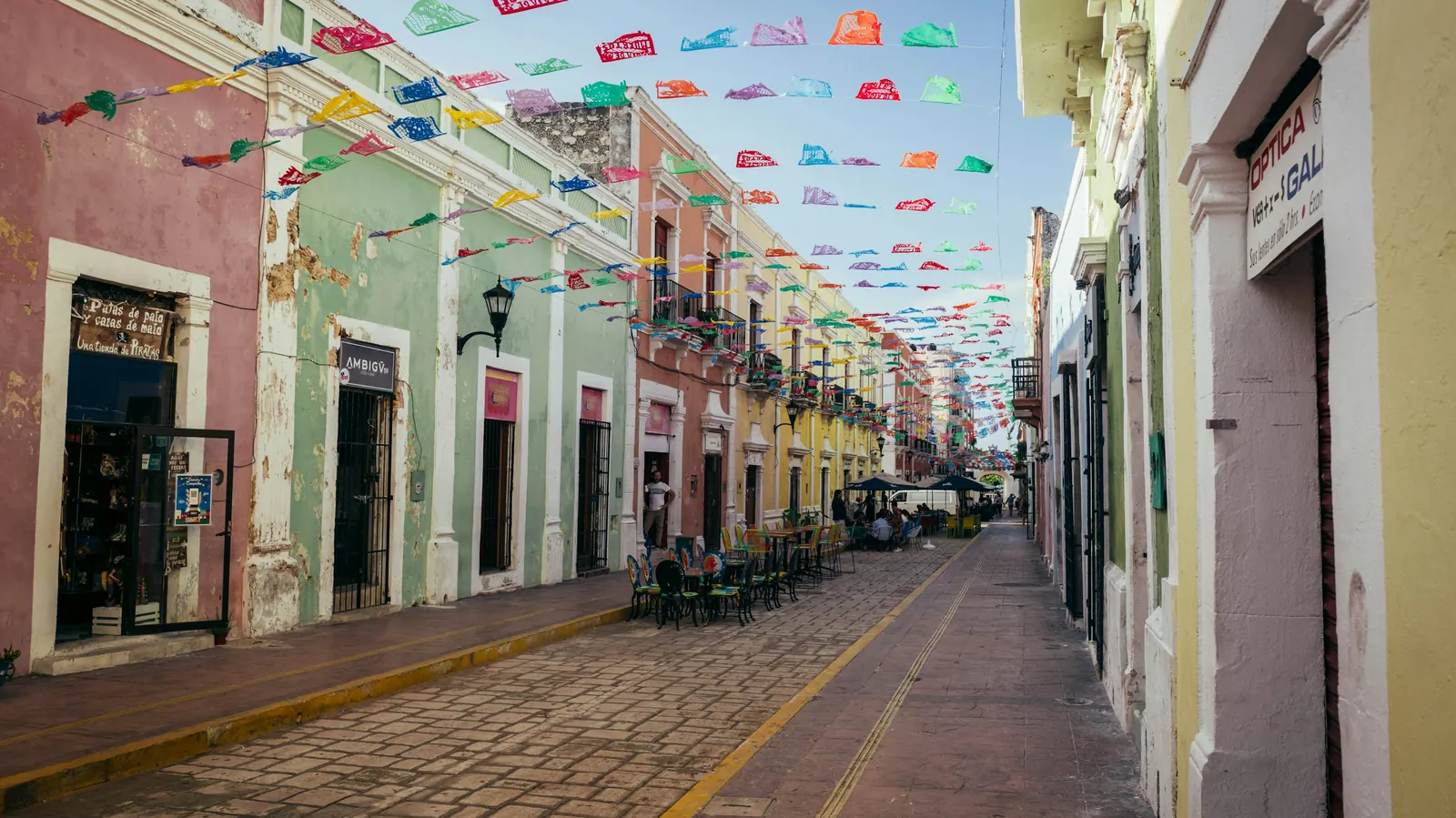
“Mexican food” is a category roughly as useful as “European food”. The country runs two thousand miles from desert to rainforest, with two coastlines, and the cooking changes completely as you move across it.
A menu that carries dishes from four different regions is not being inconsistent. It is being specific.
The short answer
Oaxaca is the mole heartland and the most complex cooking in the country. The Yucatán is closest to Maya tradition, built on achiote, sour orange and banana leaf. Puebla produced mole poblano and chiles en nogada. Jalisco gives you birria, pozole and tequila. The north is cattle country, which means beef and flour tortillas. Veracruz cooks Gulf seafood with Spanish influence.
Why the regions diverged
Geography did most of it. Corn, beans and chiles are the shared foundation, but everything layered on top depended on what grew nearby and who arrived.
UNESCO recognized traditional Mexican cuisine as intangible cultural heritage in 2010, and the case was built around Michoacán as the exemplar — a whole system running from planting through cooking through eating. The Morelia Film Festival’s account of Michoacán as the cradle of Mexican cuisine sets out why that state was chosen to stand for the whole.
The important part of that framing is that the cuisine is regional and communal by definition. There is no national standard version, and there never was.
The regions, in brief
| Region | Known for | The distinguishing note |
|---|---|---|
| Oaxaca | Moles, tlayudas, mezcal | Seven moles, chocolate, chapulines |
| Yucatán | Cochinita pibil, papadzules | Achiote, sour orange, banana leaf, habanero |
| Puebla | Mole poblano, chiles en nogada | Colonial convent cooking, heavy on spice |
| Jalisco | Birria, pozole, tortas ahogadas | Goat and beef, and tequila |
| Veracruz | Huachinango a la veracruzana | Olives, capers, tomato — Spanish and Caribbean |
| The north | Cabrito, machaca, carne asada | Beef and wheat flour tortillas |
| Michoacán | Carnitas, corundas | The UNESCO exemplar |
| Mexico City | Tacos al pastor, street food | Everything from everywhere, at speed |
Oaxaca
If Mexican chefs are asked where the deepest cooking is, most say Oaxaca. Its indigenous traditions survived colonization more intact than most, and the results are correspondingly complicated.
The state is conventionally credited with seven moles — negro, coloradito, amarillo, verde, chichilo, rojo and manchamanteles — and mole negro alone runs past thirty ingredients. Our guide to mole covers what that actually involves.
Beyond mole: tlayudas, the enormous crisp tortillas; quesillo, the string cheese better known as Oaxaca cheese; and mezcal.
The Yucatán
The peninsula is geographically separate from the rest of Mexico and tastes like it. Its cooking sits closest to Maya tradition and shares more with the Caribbean than with central Mexico.
The signatures are specific: achiote, the annatto seed that turns things brick orange; sour orange, not lime, as the acid; banana leaf rather than corn husk as the wrapper; and habanero, which is genuinely hot and used freely.
Cochinita pibil is the dish that carries all four — pork marinated in achiote and sour orange, wrapped in banana leaf and cooked in a pit. The word pibil comes from the Maya pib, meaning earth oven, and it is the same idea behind barbacoa.
Puebla and central Mexico
Puebla sat on the trade route between the port of Veracruz and Mexico City, which made it a place where ingredients from three continents met.
Mole poblano came out of that, and so did chiles en nogada — a stuffed poblano under a walnut cream sauce with pomegranate, its green, white and red matching the flag. It is eaten around Independence Day in September.
Jalisco and the west
Jalisco exported more of Mexico’s international image than any other state: mariachi, tequila, charro culture.
Its cooking is hearty and meat-forward. Birria is Jaliscan, traditionally goat. Pozole is claimed here and in Guerrero. The torta ahogada — a sandwich drowned in chile sauce — belongs to Guadalajara specifically.
South and inland lies the tierra caliente, the hot lowlands running through Michoacán and Guerrero, which has its own repertoire including aporreadillo, a dried-beef and egg dish that rarely leaves the region.
The coasts and the north
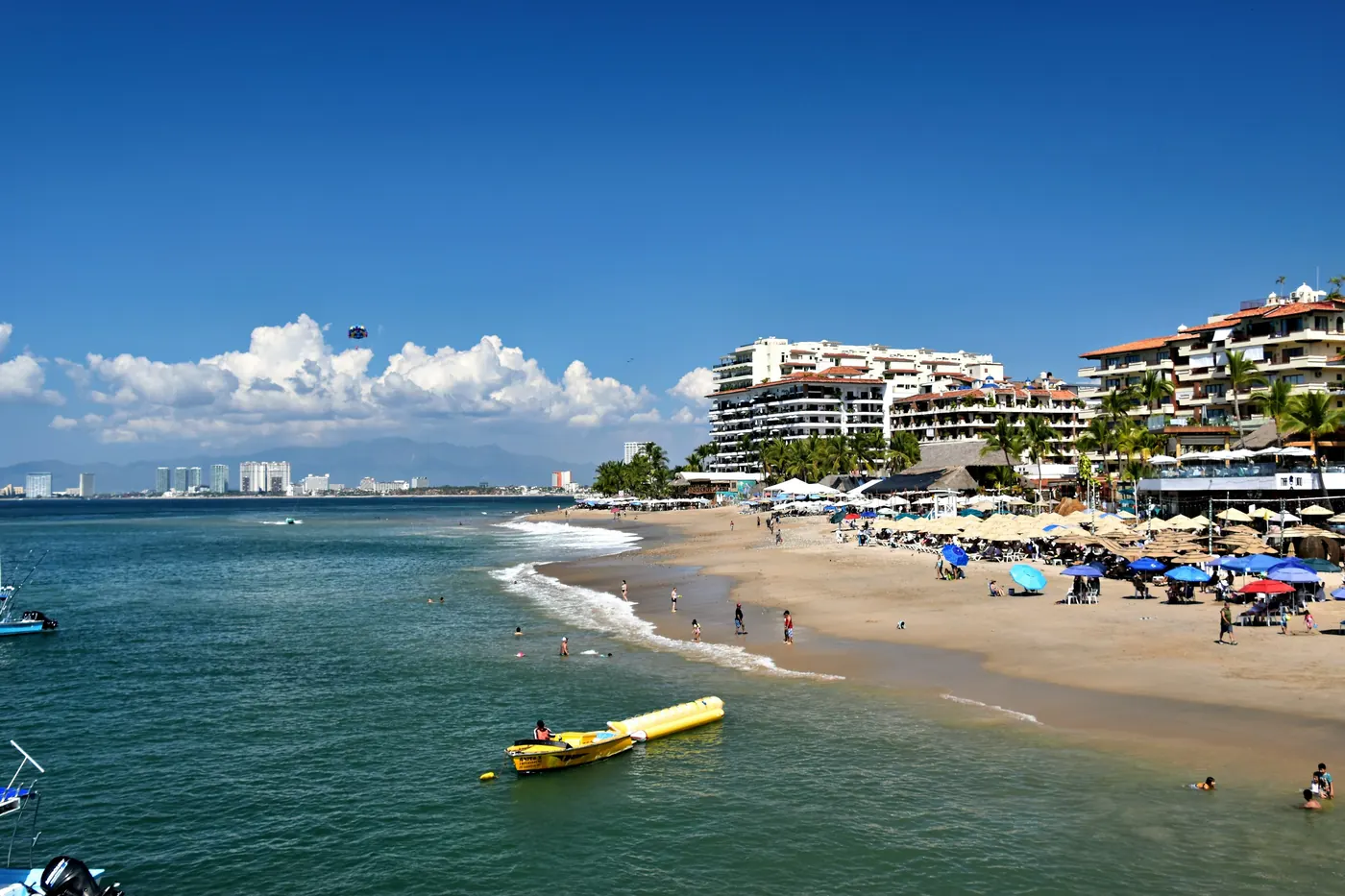
Veracruz on the Gulf is the most European-influenced kitchen in the country — olives, capers and tomato in the sauce that bears its name. Baja and the Pacific gave the world fish tacos and a lighter, citrus-driven seafood tradition.
The north is cattle country, and the food follows: beef, cabrito, machaca, and wheat flour tortillas rather than corn. That is the same logic that produced Tex-Mex on the other side of the border, as our comparison explains. The border is a political line, not a culinary one.
Reading a menu regionally
Once you know the map, a menu stops being a list and becomes a set of decisions.
Julia’s menu spans four regions at once, which is more range than most. Cochinita pibil is Yucatecan. Pollo en mole and the enchiladas de mole are Pueblan. Brisket birria style borrows a Jaliscan method. The tamales are described as tierra caliente style, which names the hot lowlands of the west, and the aporreadillo on the brunch menu comes from the same place.
Meanwhile the fajitas, the Nachos Tejanos and the chile con queso are northern-border cooking. Both traditions on one page, each labeled.
A menu that names regions is doing something useful, and it is one of the signals in our guide to spotting a good Mexican restaurant.
Why some regional dishes travel and others do not
The regional dishes that became common outside Mexico are not the most loved ones. They are the most portable ones.
Tacos, enchiladas and fajitas export easily: short cooking times, ingredients available anywhere, and formats that scale to a busy service. They are on every Mexican menu in the United States for that reason.
The dishes that stayed home did so for two reasons. Some need ingredients that are hard to source — Yucatecan cooking wants sour orange and banana leaf, neither of which is a standard delivery item in Texas. Others need time nobody can spare: a mole negro is a full day of work before service, which is why the restaurants that carry one tend to carry only one.
So a menu with a genuinely regional dish on it has usually made a deliberate decision to absorb that cost.
Frequently asked questions
How many regional cuisines does Mexico have?
There is no fixed number. Most accounts divide the country into six to eight culinary regions, but states and even towns maintain distinct dishes within those.
Which region has the most famous food?
Oaxaca and Puebla are the two most often named — Oaxaca for its moles and indigenous depth, Puebla for mole poblano and chiles en nogada.
What makes Yucatecan food different?
Achiote for color, sour orange rather than lime for acid, banana leaf for wrapping, and habanero for heat. It also draws on Maya technique more directly than other regions.
Is northern Mexican food the same as Tex-Mex?
Related but not identical. Both lean on beef and flour tortillas because of shared geography. Tex-Mex developed separately in Texas with its own ingredients, including yellow cheese.
Why is Michoacán singled out by UNESCO?
It was used as the exemplar for the whole tradition — a complete system from farming through cooking to communal eating, rather than a list of dishes.
The short version
Oaxaca means mole. Yucatán means achiote and sour orange. Puebla means mole poblano. Jalisco means birria and tequila. The north means beef and flour. The coasts mean seafood.
A menu carrying several of those at once is telling you where each dish came from, which is worth reading rather than skimming.