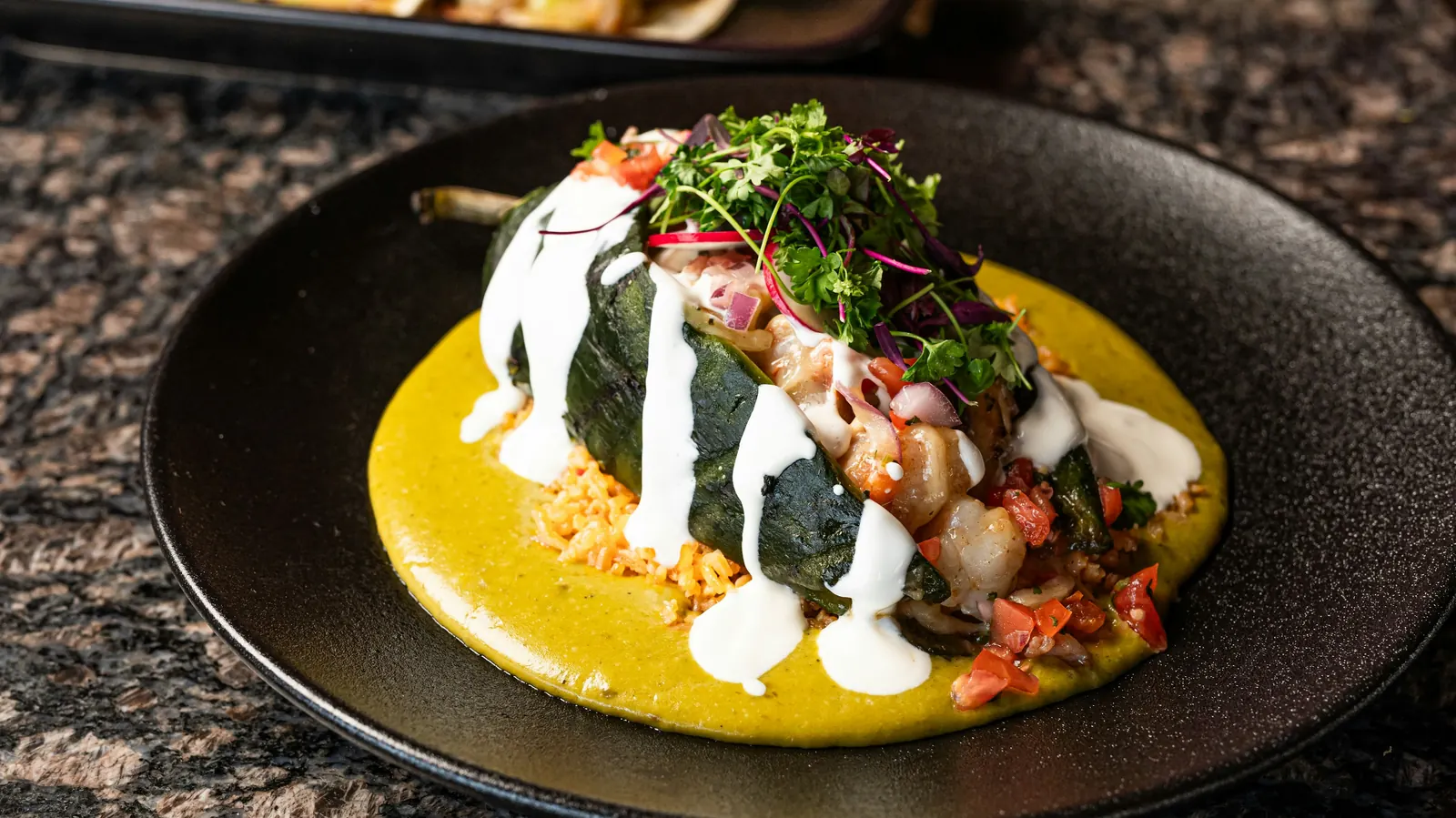
A chile relleno is a whole pepper that has been roasted, peeled, stuffed, coated and fried, and then usually sauced. Five operations on one vegetable.
It is the most labor-intensive thing on most Mexican menus, which is exactly why it is worth ordering.
The short answer
Chile relleno means “stuffed chile.” A poblano is charred, peeled, filled with cheese or picadillo, coated in either an egg batter or a light breading, and fried. It usually arrives under a red tomato sauce. The dish is associated with Puebla, though its history is murkier than the popular story suggests.
How it is built
Each step exists to solve a problem created by the step before it.
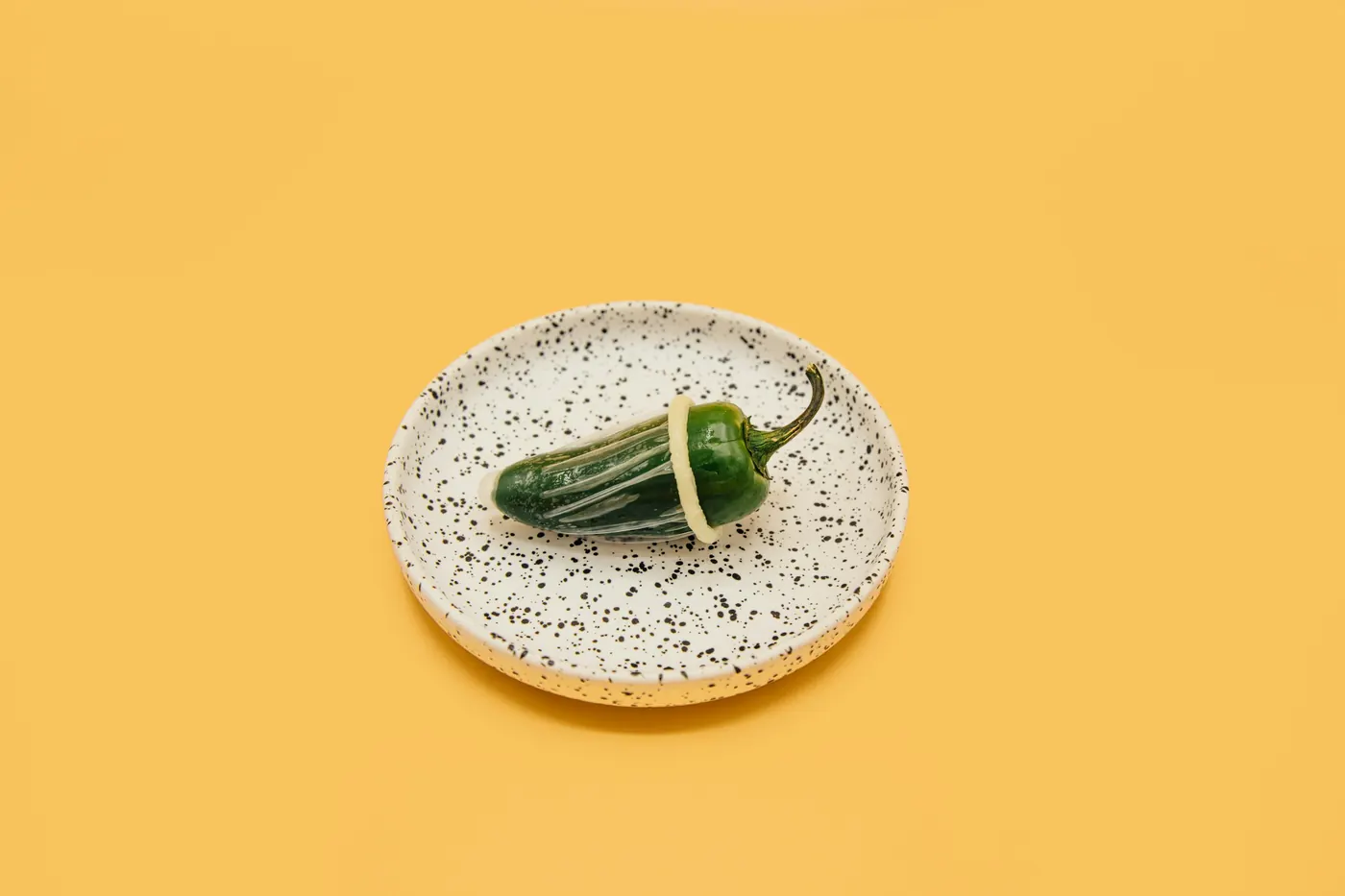
Roast. The pepper goes over flame until the skin blackens and blisters. This is not for flavor alone — poblano skin is tough and papery and will not soften in cooking.
Peel. Steamed in a covered bowl for a few minutes, the skin slips off. The pepper is now soft and fragile, which is the central difficulty of the dish.
Stuff. A slit is cut down one side and the seeds come out, leaving the stem attached so the pepper holds together. Filling goes in through the slit.
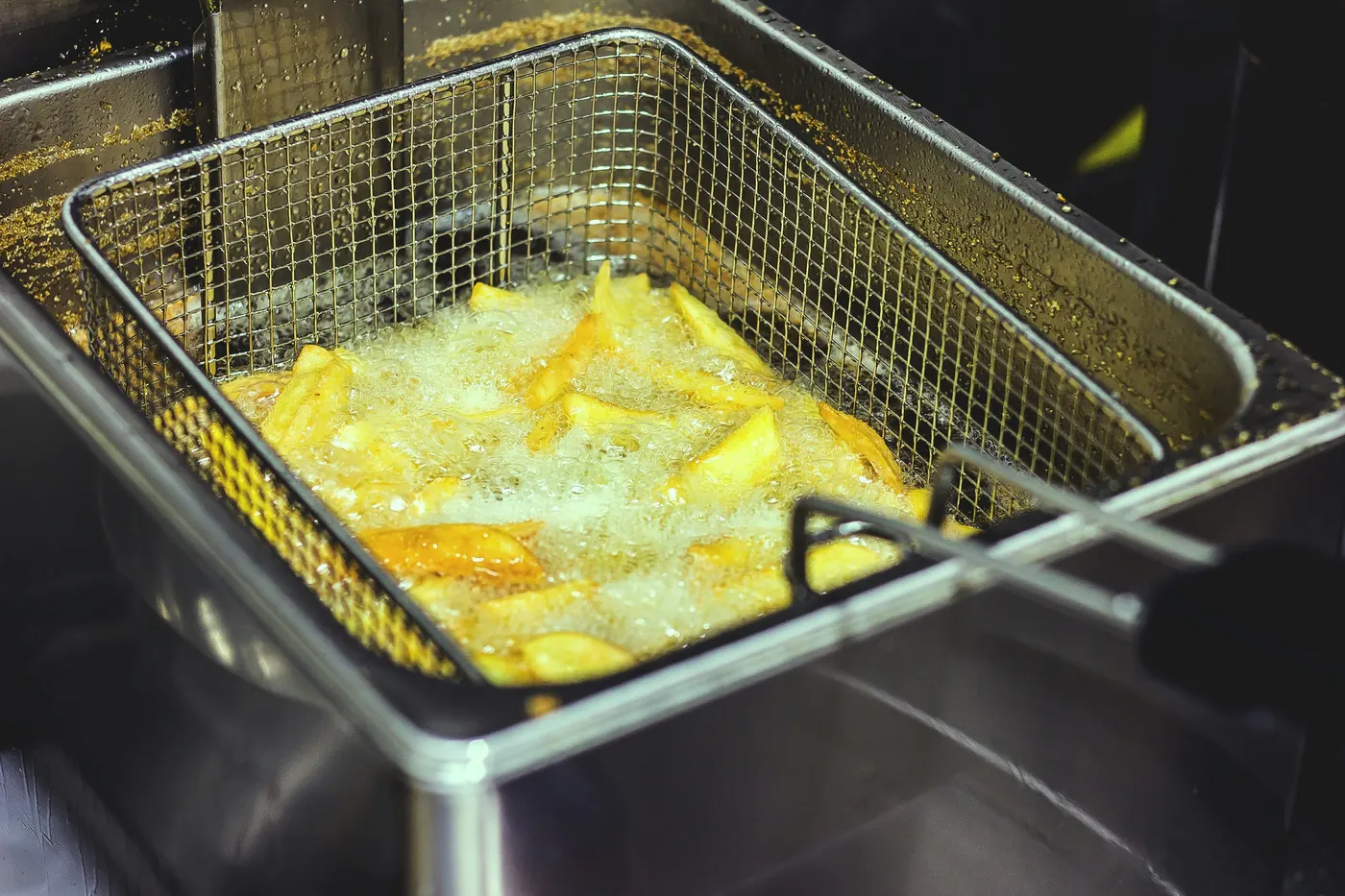
Coat and fry. The coating is structural. Without it the pepper collapses and the filling escapes.
The coating is the fork in the road
Two traditions, and they produce genuinely different dishes.
Capeado is the classic: egg whites whipped to soft peaks, yolks folded back in, the floured pepper dipped and dropped into hot oil. It puffs into a pale golden shell that is light, slightly eggy, and soft. It is also fragile and has to be eaten immediately.
Breaded is the other: flour, egg wash, then breadcrumbs. It fries to a firmer, browner, crunchier crust that holds up longer on a plate and travels better.
Neither is wrong, and a menu that says “lightly breaded” is telling you which one you are getting. That is a detail worth reading.
What goes inside
| Filling | What it is | Note |
|---|---|---|
| Cheese | Oaxaca, asadero or Chihuahua | The most common; melts and stretches |
| Picadillo | Ground beef with tomato, often potato or fruit | Substantial, and not vegetarian |
| Shrimp | Sauteed, sometimes with cheese | A coastal and Tex-Mex variation |
| Vegetable | Zucchini, corn, mushroom, cheese | The genuinely meatless option |
| Nogada | Fruit picadillo, walnut cream, pomegranate | September only, and not fried |
The picadillo row is the one that catches vegetarians out. A chile relleno sounds like a vegetable dish and frequently is not, which our guide to vegetarian ordering flags.
The history is contested
The popular story credits nuns at the Santa Mónica convent in Puebla, who supposedly created chiles en nogada in August 1821 for Agustín de Iturbide.
The Bite, in a brief and admittedly uncertain history of the dish, pushes back on that in two ways. Indigenous and mestizo cooks had been making versions of stuffed chiles for possibly hundreds of years before independence. And documentation of the Puebla nun story does not appear until 1925 — a century after the events it describes.
The same piece notes the dish only became common in the 1930s, which suggests the particular recipe we recognize may be less than a hundred years old.
So: stuffed chiles are old, this specific dish is probably not, and the convent origin story is a story. Our Independence Day guide covers chiles en nogada, which is the September relative.
The New Mexico version
Worth separating out, because it is a different dish wearing the same name.
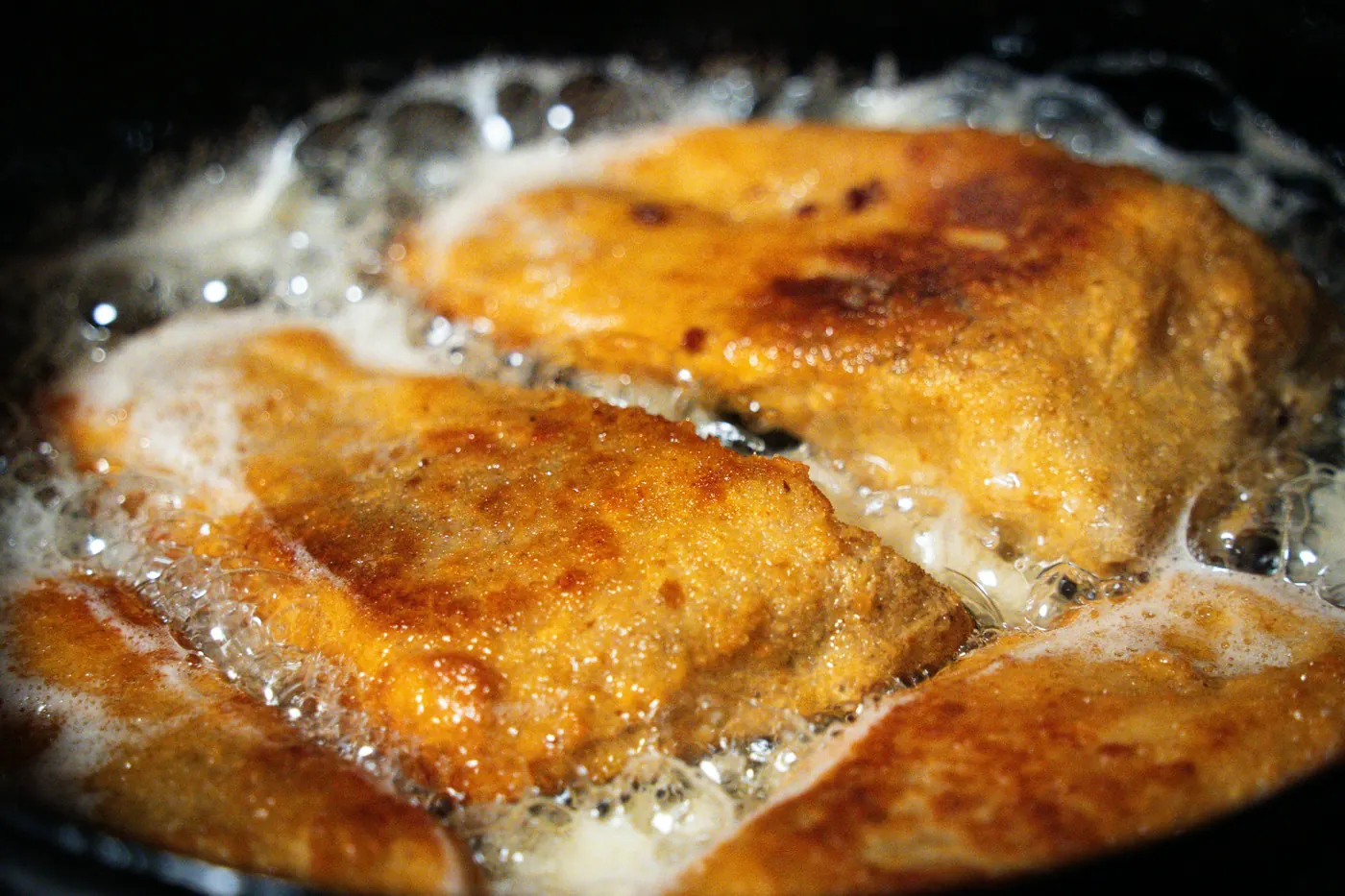
New Mexican chiles rellenos use roasted local green chile rather than poblano, are stuffed with cheese rather than meat, and are coated in flour and a frothy egg batter. The Bite traces comparable dishes back to a San Francisco restaurant in the 1890s, made with bell peppers.
The pepper is the real difference. New Mexico green chile is thinner-walled and hotter than a poblano, so the finished dish carries more heat and less flesh.
How to tell a good one
Three things, and the first is the one people miss.
Is it actually peeled? A relleno with skin still on it is a shortcut, and you find out when a sheet of papery skin comes away in your mouth.
Does it hold together? The pepper should keep its shape when cut. One that has collapsed into a puddle was overcooked before the coating went on.
Is the coating crisp? A capeado shell goes soggy fast under sauce, which is why some kitchens sauce underneath rather than over the top. Sauce on the plate rather than on the pepper is a sign of care, not laziness.
On Julia’s menu
The chile relleno on Julia’s menu is a lightly breaded roasted poblano stuffed with picadillo, Oaxaca cheese and a slice of avocado, served with Mexican rice, charro beans and tortillas.
Two details in that description are doing real work. Lightly breaded means the firmer crust rather than the egg-batter shell — the sturdier of the two traditions. And the avocado slice is unusual; it is not part of the standard build, and it adds a cool, fatty element against the fried coating.
Three fillings are offered: veggie, picadillo or shrimp, in both lunch and dinner portions. The veggie one is the genuinely meatless choice, since the picadillo version contains ground beef.
Because it is breaded, it contains wheat — the point our gluten-free guide makes about rellenos generally.
Eating one
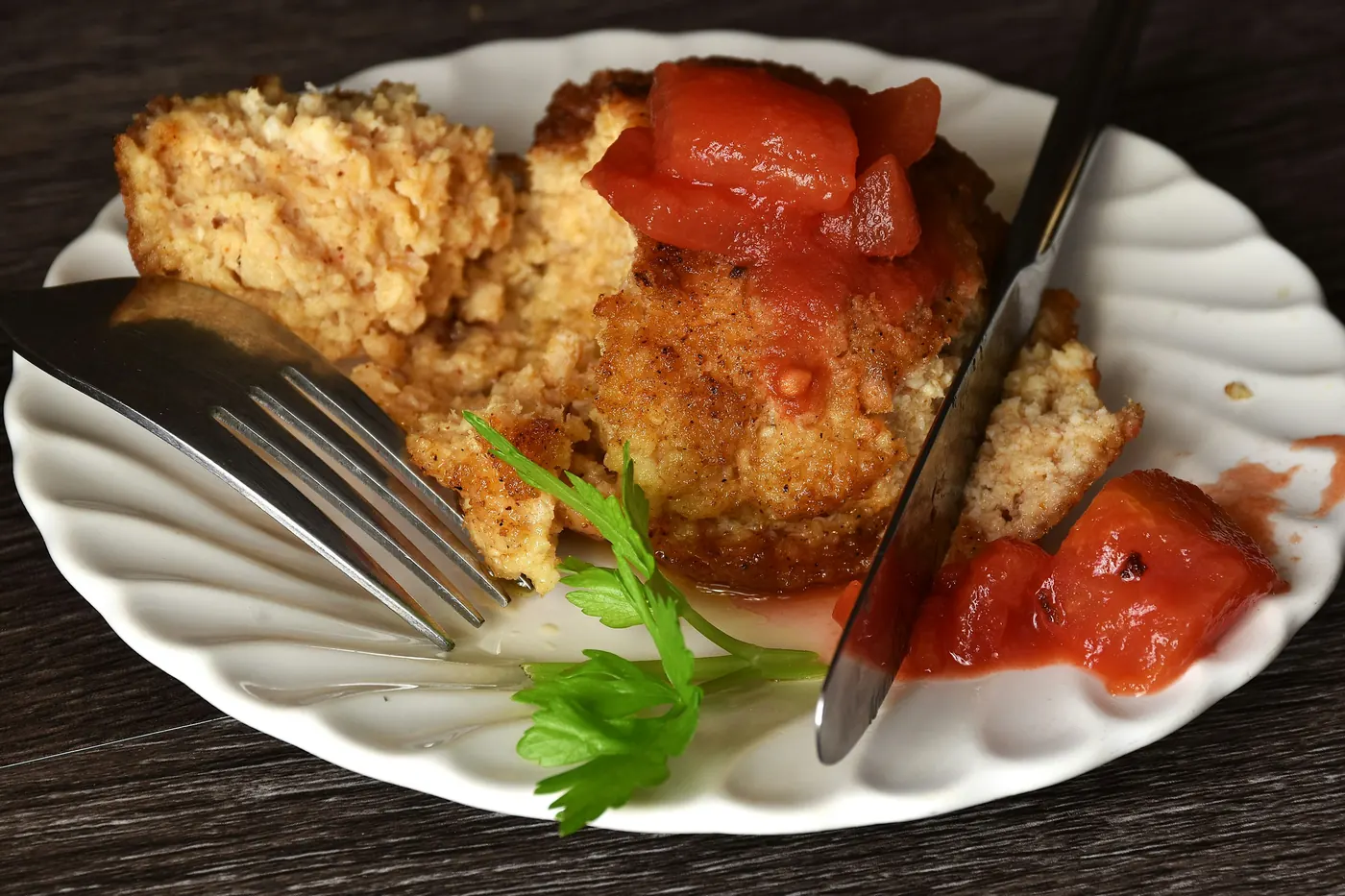
Cut across the pepper rather than down its length. A lengthwise cut opens the slit the filling went in through and the whole thing empties onto the plate.
If it comes sauced, take some with each piece. The pepper is mild and the coating is neutral, so the sauce is carrying most of the seasoning. Where a kitchen serves it unsauced, the rice and beans on the plate are doing that job instead.
Eat it first if you have ordered more than one thing. A fried coating under sauce has a short window, and it is at its best in the first few minutes.
Frequently asked questions
What is a chile relleno?
A roasted, peeled poblano pepper stuffed with cheese or meat, coated in egg batter or breading, and fried. Usually served with a red tomato sauce.
Is a chile relleno spicy?
Rarely. Poblano runs 1,000 to 1,500 Scoville units, which is mild. New Mexico green chile versions are hotter.
Is it vegetarian?
Only if the filling is. Cheese and vegetable versions are; picadillo is ground beef. Always check which filling you are ordering.
What is the difference between capeado and breaded?
Capeado is a whipped egg batter that fries into a light, puffy shell. Breaded uses breadcrumbs and produces a firmer, crunchier crust that holds longer.
Are chiles rellenos and chiles en nogada the same?
Related but not the same. Chiles en nogada are stuffed with a fruit picadillo and served cold under walnut cream, unfried, and only in late summer.
The short version
Roast, peel, stuff, coat, fry, sauce. The most work of anything on the menu, and the coating tells you which tradition the kitchen is cooking in.
Julia’s serves a lightly breaded poblano with three fillings on the menu.