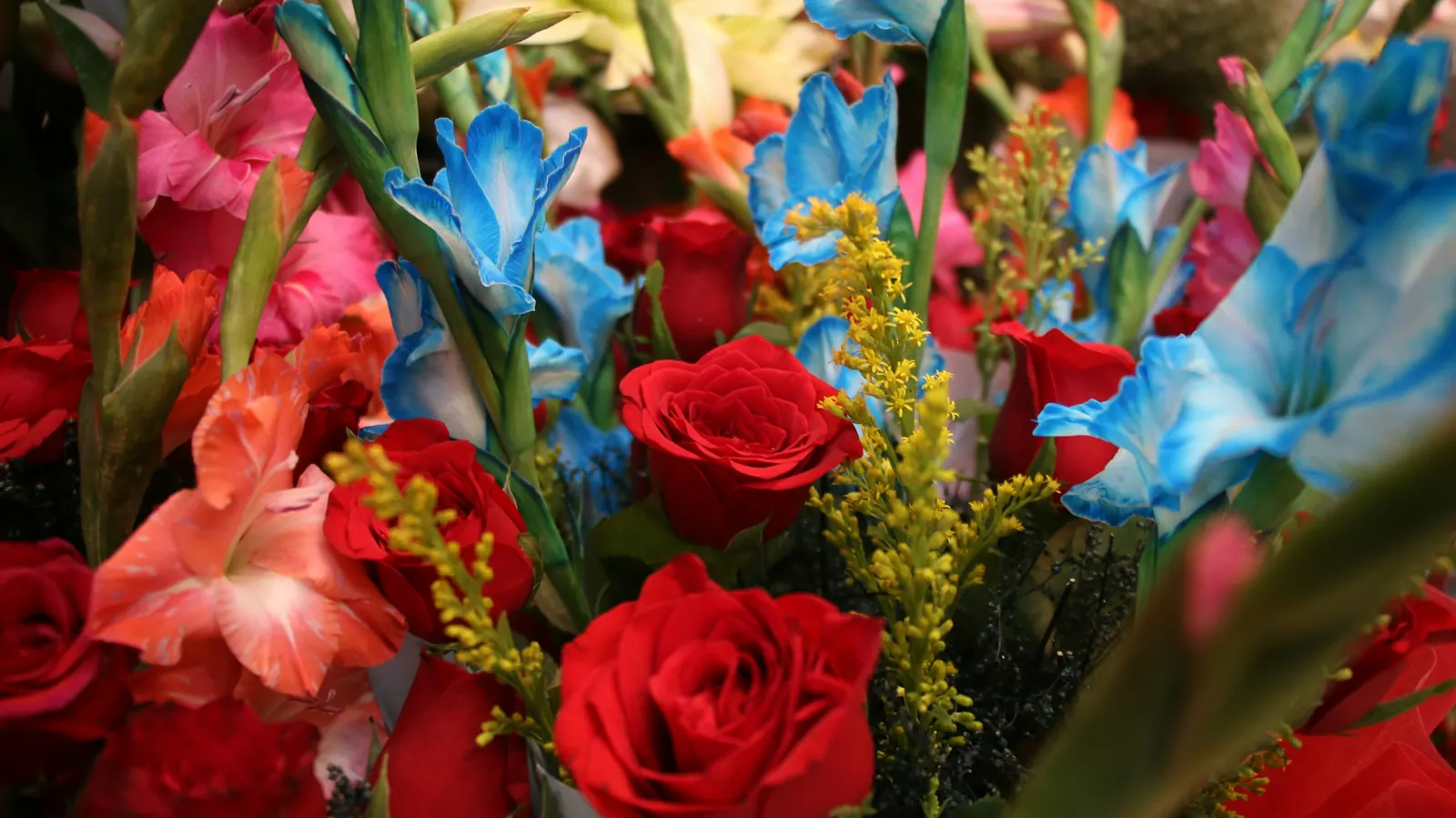
Mexican Mother’s Day is on 10 May. Not the second Sunday of May, not a weekend at all — the tenth, whatever day of the week that turns out to be.
That single fact explains most of what is different about it, including why restaurants across Texas fill up on a Tuesday.
The short answer
Día de las Madres falls on 10 May every year, a fixed date rather than a floating Sunday. It began in 1922, started by a newspaper campaign. The day runs on a pattern: flowers and a serenade in the morning, often mariachi, then a long family lunch built on dishes that feed a crowd — mole, tamales, pozole. It is one of the busiest restaurant days of the year in Mexico.
Where the date came from
It is more recent and more traceable than most holidays.
In April 1922, the journalist Rafael Alducin — founder of the Mexico City newspaper Excélsior — published a call for a national day honoring mothers, proposing 10 May. The first celebration followed weeks later, on 10 May 1922. Excélsior’s own account of the centenary traces the campaign and its reception.
The idea was borrowed from the American observance, which had been established a few years earlier. What did not carry over was the floating date. Mexico fixed it to the tenth and left it there.

Why a fixed date changes everything
A holiday on a set calendar day behaves differently from one that always lands on a Sunday.
Schools hold festivals during the day. Many workplaces let people go early. And because the date frequently falls midweek, the celebration reshapes an ordinary working day rather than fitting neatly into a weekend.
It also means the two versions rarely coincide. In most years, Mexican Mother’s Day and American Mother’s Day fall on different days in the same week — which matters in Houston, where plenty of families observe both.
| Mexico | United States | |
|---|---|---|
| Date | 10 May, fixed | Second Sunday of May |
| Since | 1922 | 1914 as a federal holiday |
| Morning | Serenade, often mariachi | Usually breakfast |
| Main meal | A long lunch | Brunch or dinner |
| Flowers | Gladiolas and roses | Mixed, often carnations |
| Falls on | Any weekday | Always a Sunday |
How the day runs
There is a fairly consistent shape to it.
Early morning: the serenade. Las Mañanitas is sung — the same song used for birthdays — sometimes by the family, often by a hired mariachi group. It is one of the busiest days of the year for mariachis, and the booking happens weeks ahead.
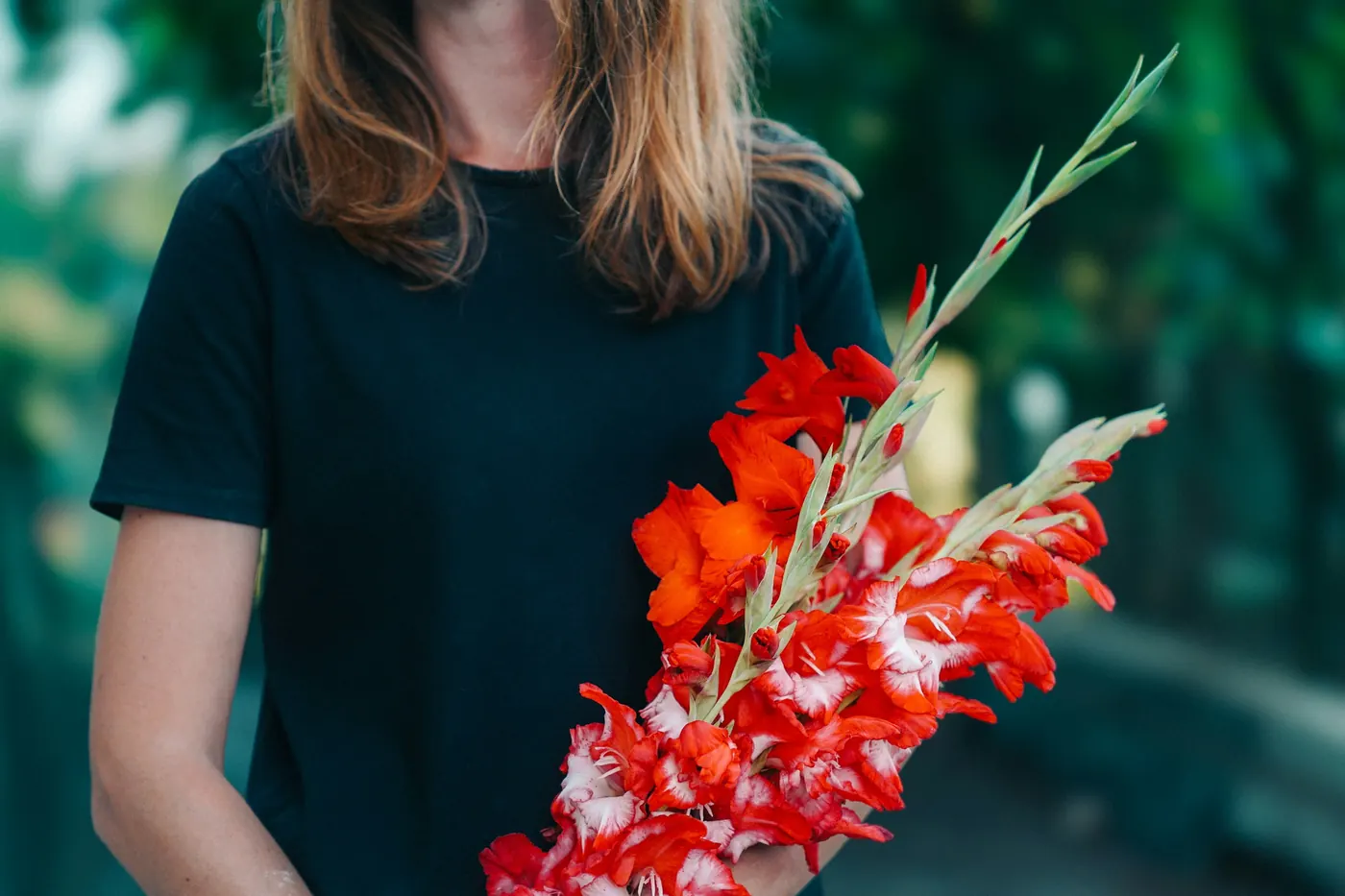
Flowers: gladiolas above all, and roses. Gladiolas are the flower most specifically associated with the day in Mexico, which is a small difference from the American version worth knowing if you are buying.
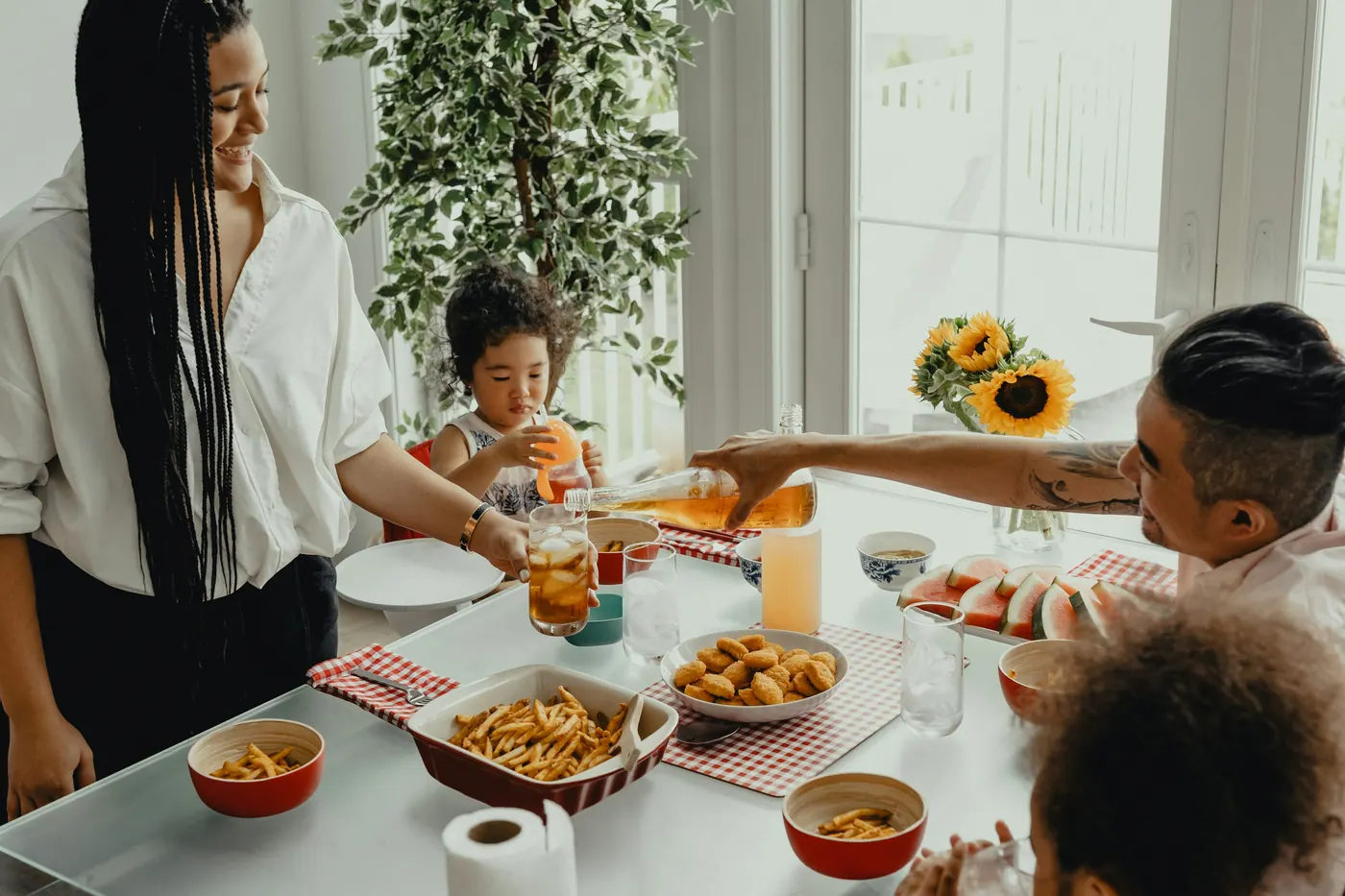
Afternoon: the meal, and it is long. The governing principle is that she does not cook and does not clean, so it either happens at a restaurant or the rest of the family handles it entirely.
Las Mañanitas
The song is not a Mother’s Day song. It is the Mexican birthday song, and it is used here too.
Las Mañanitas is sung early — genuinely early, often before the household is properly awake — and the lyrics are about the morning itself, the day breaking and the singer arriving to greet someone. Waking the person up is the point rather than a side effect.
Where a mariachi group is hired, they arrive at the house and play it outside. Where one is not, the family sings it badly and that is also correct.
The school festivals
The other half of the day happens at school, and it is the part visitors do not expect.
Schools across Mexico hold Mother’s Day festivals in the days around 10 May, with children performing songs, dances and recitations for an audience of mothers. Many workplaces release parents early so they can attend.
It is a significant production, rehearsed for weeks, and it means the celebration is public and collective rather than only domestic.
What gets cooked
The dishes are the ones that feed a crowd and signal effort, which is the same logic behind every other Mexican gathering.
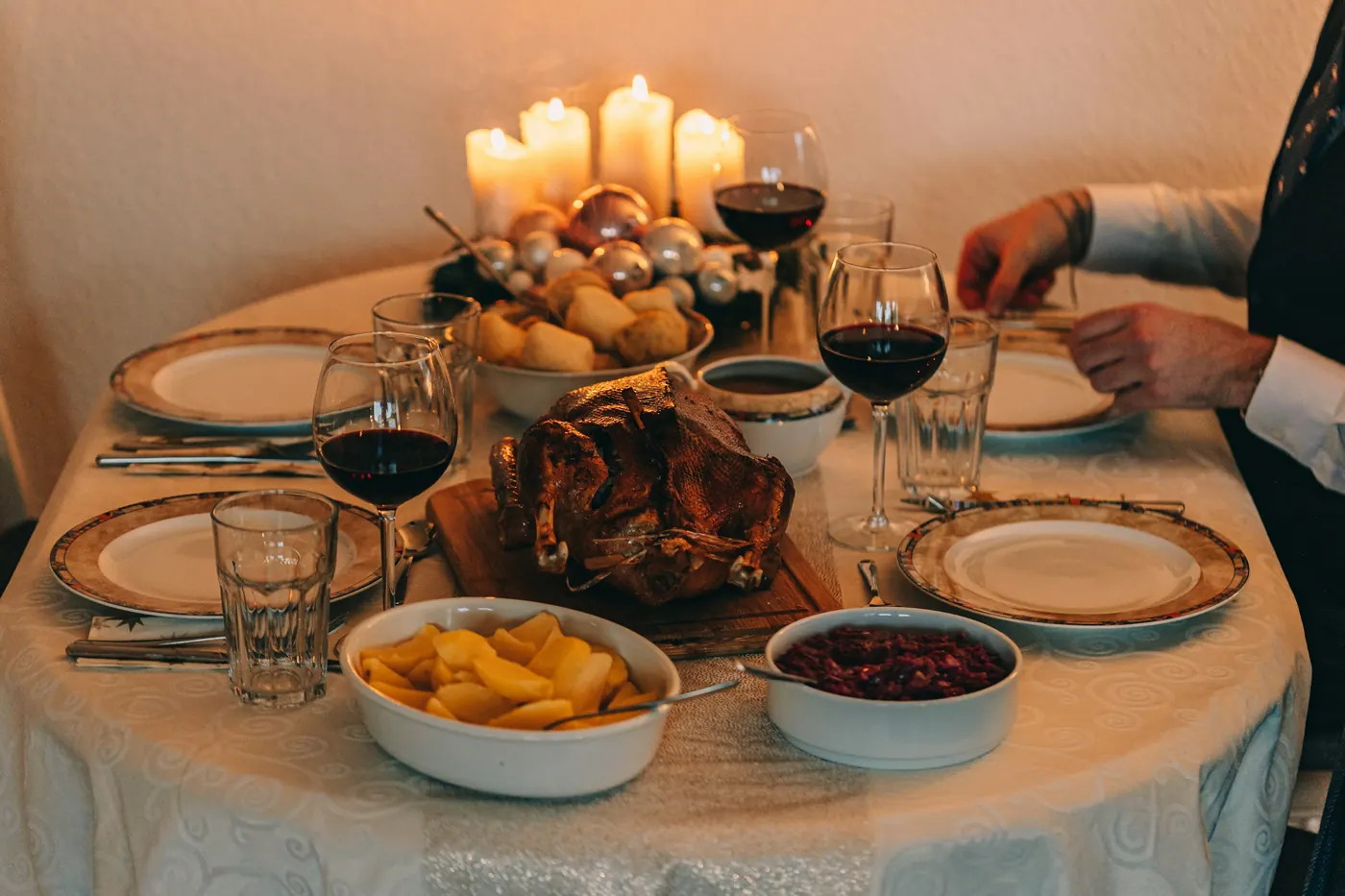
Mole is the classic choice, because it takes a day to make and reads as a serious undertaking. Poured over chicken or turkey, with rice and tortillas.
Tamales appear for the practical reason they always do: made by the dozen, they suit a household expecting a crowd.
Pozole is common where a lot of people are coming, since a pot scales in a way plated food does not. Cochinita pibil turns up in the Yucatán and among families with roots there.
The pattern is consistent: nothing quick, nothing individually plated, everything shareable.
Why restaurants fill up
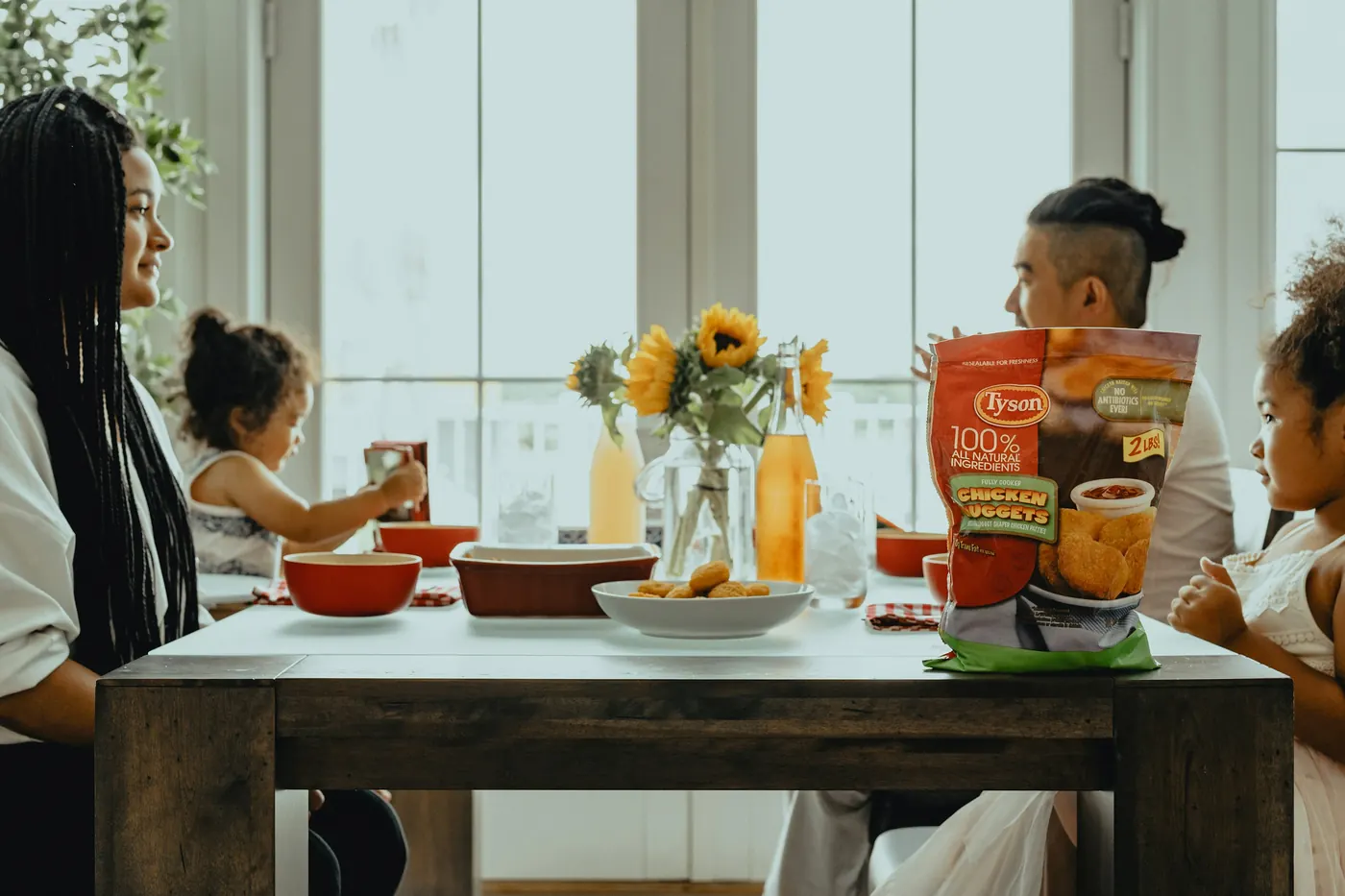
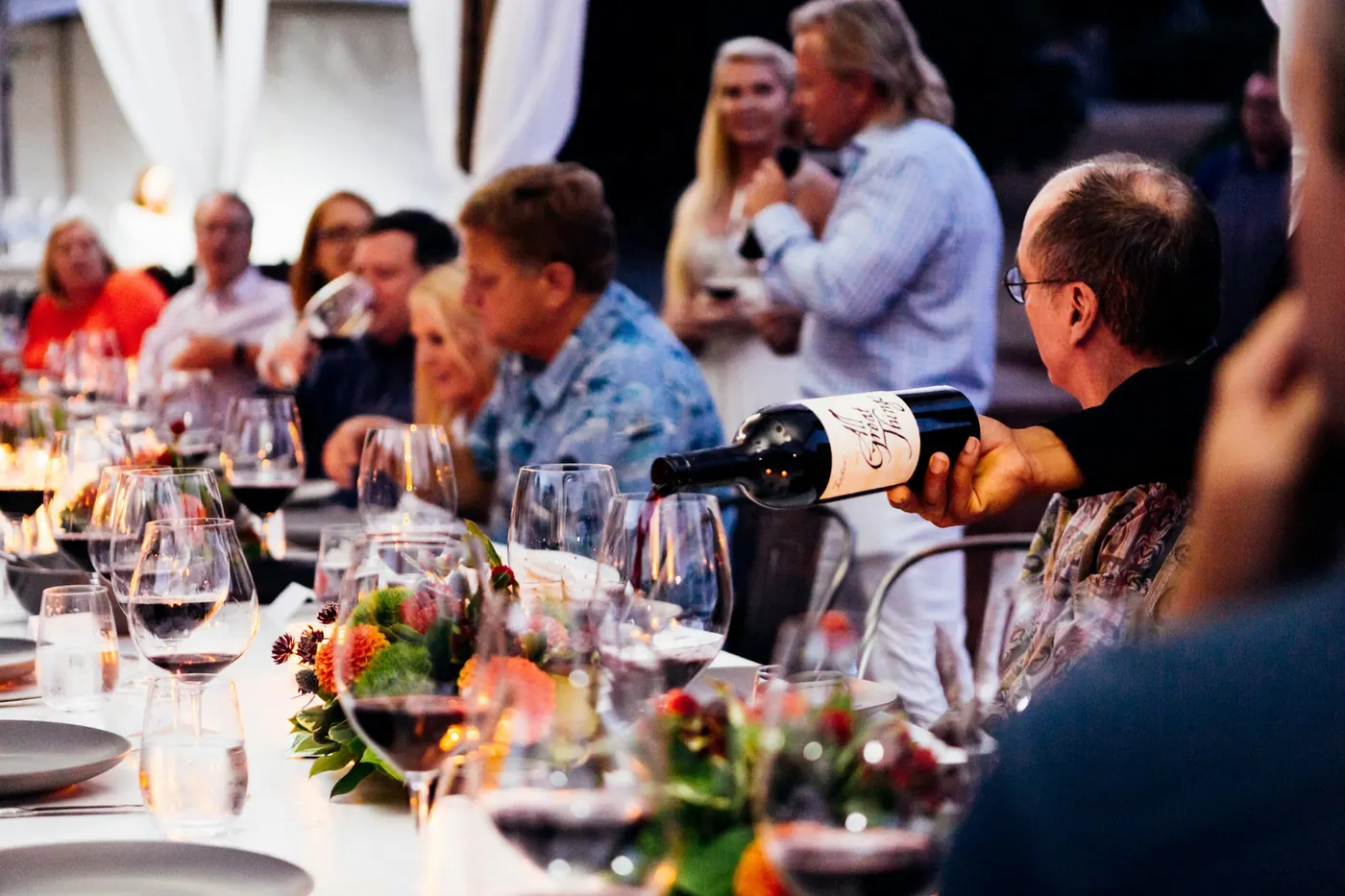
Because the whole point is that one person does not cook, and because the meal is large and multigenerational.
Tables run to eight, ten and twelve. Reservations go weeks in advance in Mexico, and in cities with large Mexican-American populations the same pressure applies. If you intend to eat out on 10 May, booking early is not caution, it is necessary.
The alternative pattern is a large order taken home, which is why family-sized formats exist at all.
Ordering for it
If the plan is a group, the arithmetic matters more than the menu. Our guide to ordering for a crowd works through quantities.
Julia’s carries all four of the dishes named above on the regular menu: pollo en mole and enchiladas de mole, tamales made in house, pozole among the soups, and cochinita pibil among the specialties. None of that is seasonal — they are there year round.
The family packs serve four, across enchiladas, cochinita pibil, brisket birria, carne guisada, shrimp dishes, pork tamales and fajitas. For a table of eight that is two packs, and it removes the cooking entirely, which is the actual objective of the day.
Frequently asked questions
When is Mexican Mother’s Day?
10 May, every year, regardless of the day of the week. It does not move to the nearest Sunday.
Why is it on 10 May?
The date was proposed in 1922 by Rafael Alducin, founder of the newspaper Excélsior, in a national campaign. The first observance was 10 May of that year.
Is it the same day as American Mother’s Day?
Rarely. The US observance is the second Sunday of May, so the two usually fall in the same week but on different days.
What flowers are traditional?
Gladiolas most specifically, and roses. Both are given in the morning, often alongside a serenade.
What food is served?
Dishes that feed a crowd and take effort: mole, tamales, pozole, and cochinita pibil in the southeast. Lunch is the main meal and it runs long.
The short version
The tenth of May, fixed. Flowers and Las Mañanitas in the morning, then a long lunch of mole, tamales or pozole that somebody else cooks.
If that somebody is a restaurant, book early — and if it is a large order taken home, the family packs are the format built for it.