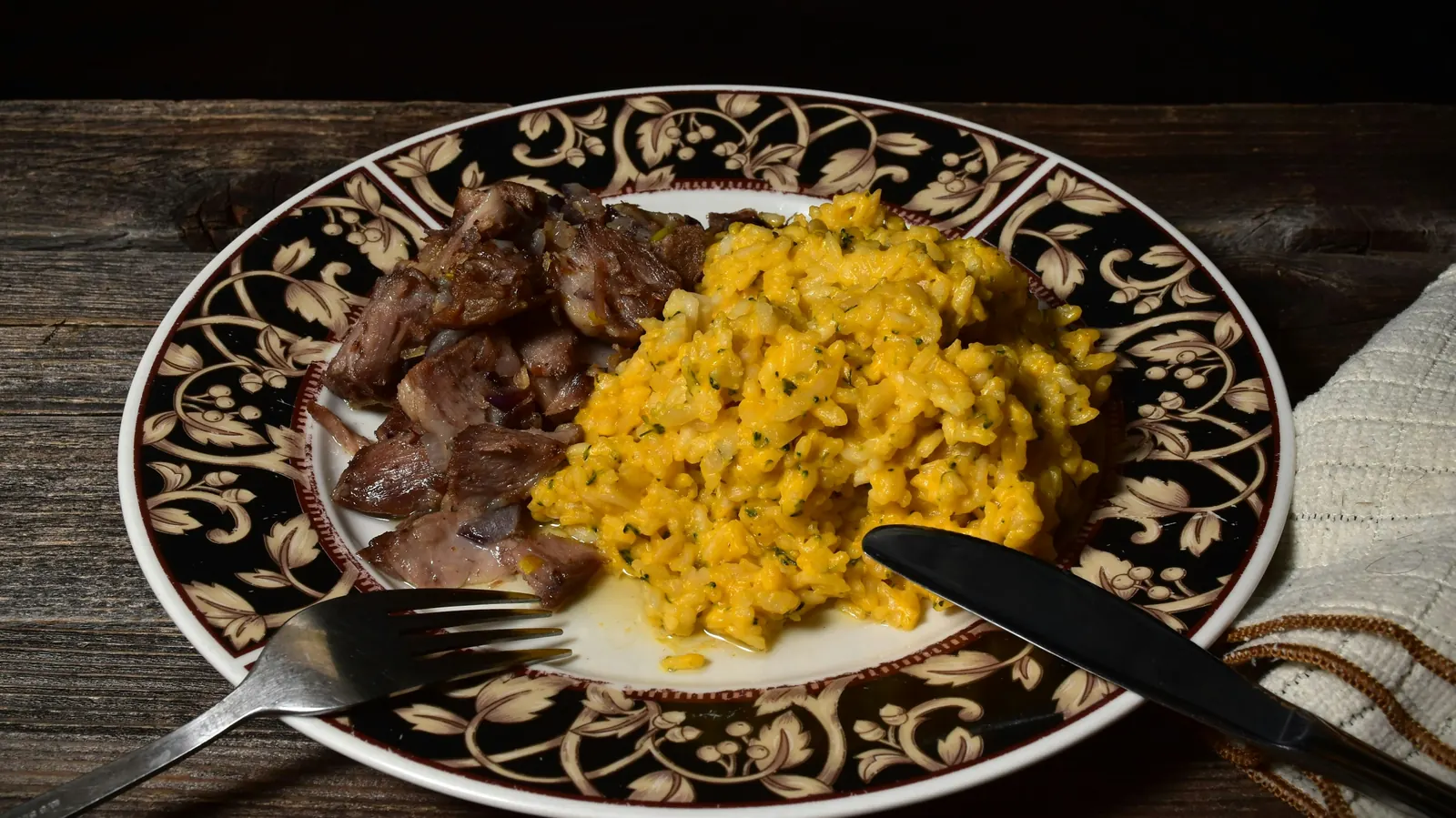
There is a region of Mexico whose cooking almost never appears on an English-language menu, and two of its dishes are on Julia’s.
Tierra Caliente means hot land. The name is not decorative — it describes the terrain, and the terrain decided the food.
The short answer
Tierra Caliente is a hot, dry, low-lying region straddling Michoacán, Guerrero and the State of Mexico. Its cooking is built around preserved meat, eggs, chile sauces and corn, because the climate rewarded food that kept. Its best-known dish is aporreadillo — dried beef pounded, shredded, scrambled with egg and cooked in chile sauce. Almost none of it traveled north.
Where it is
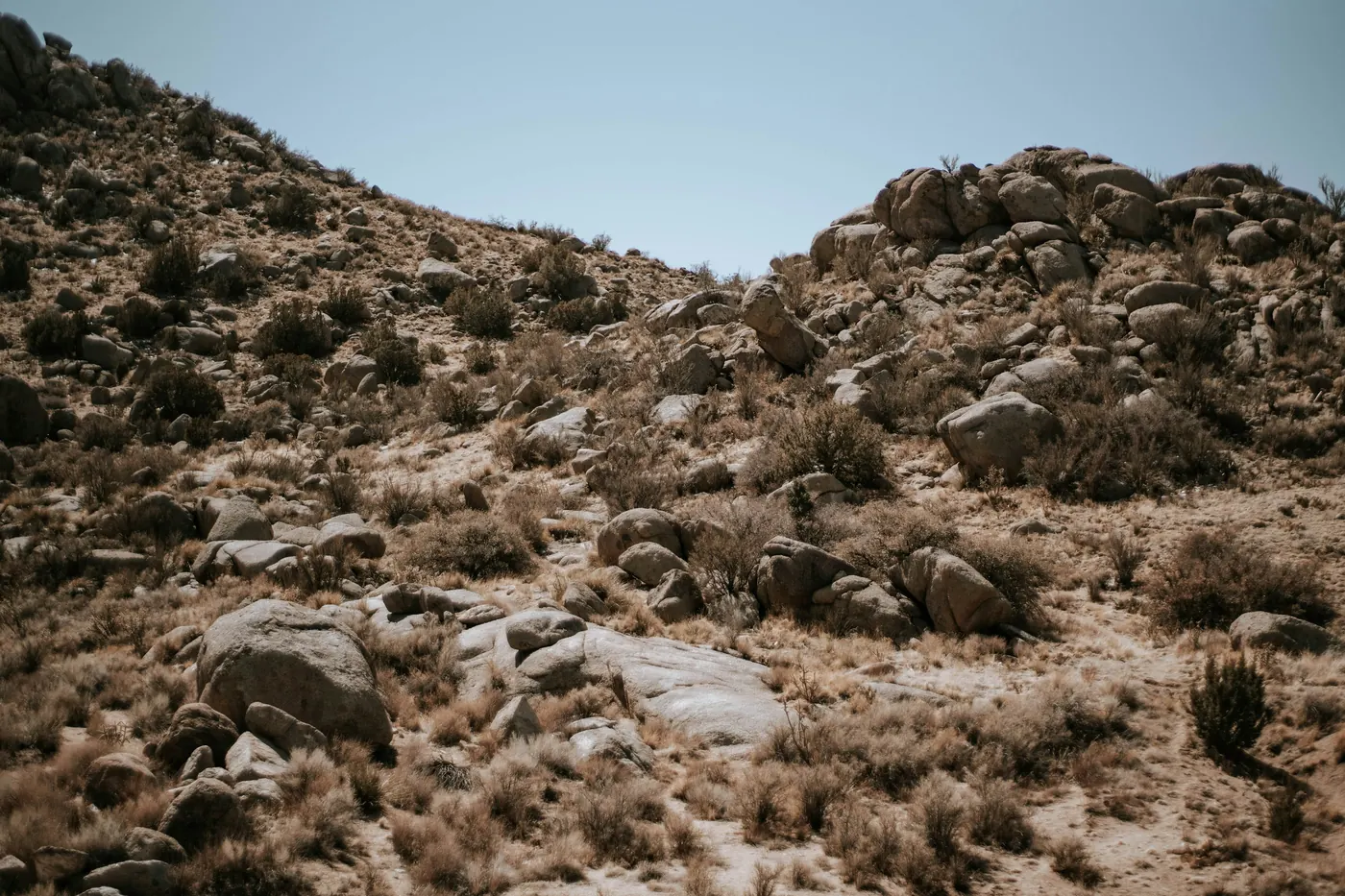
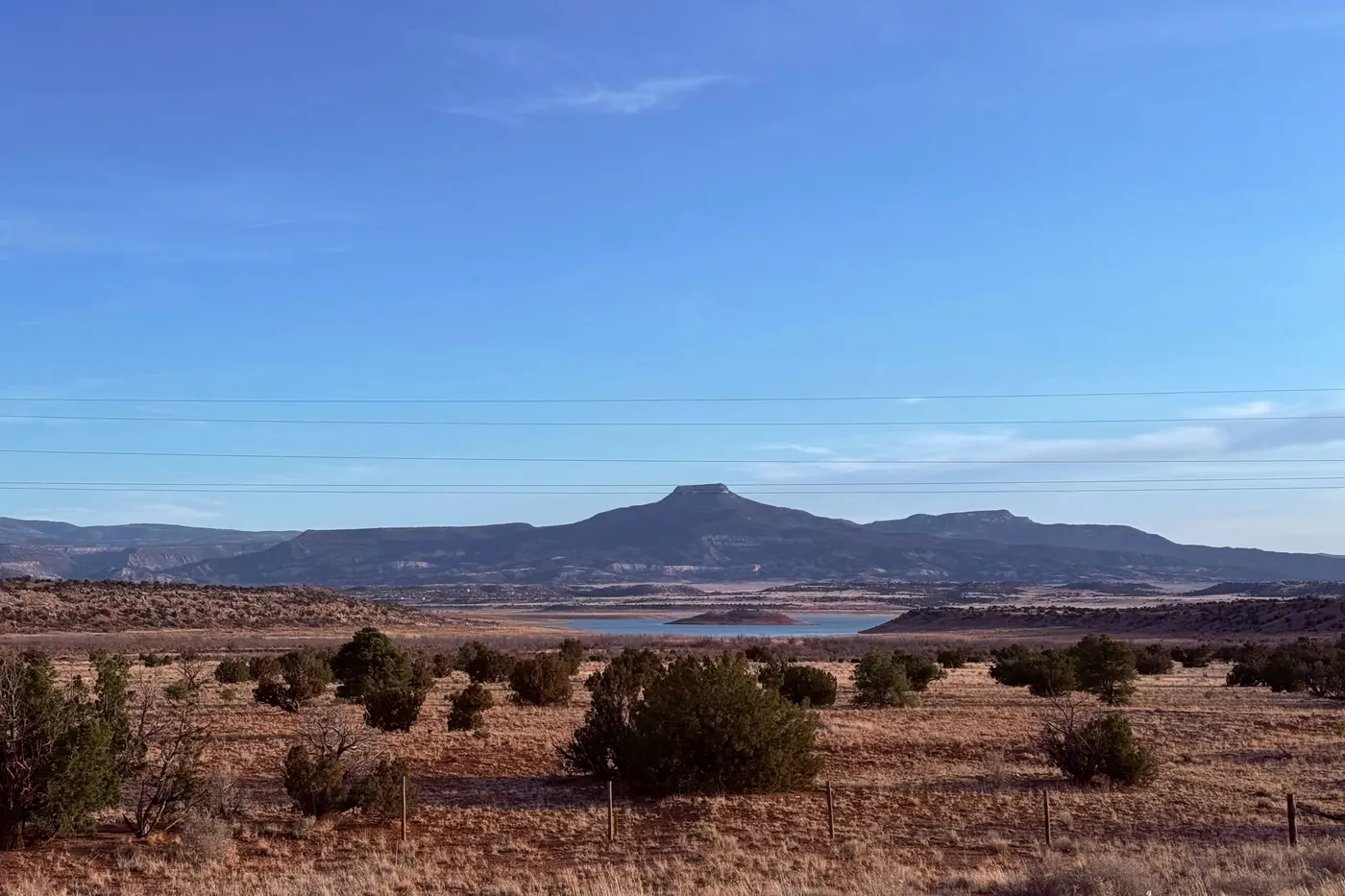
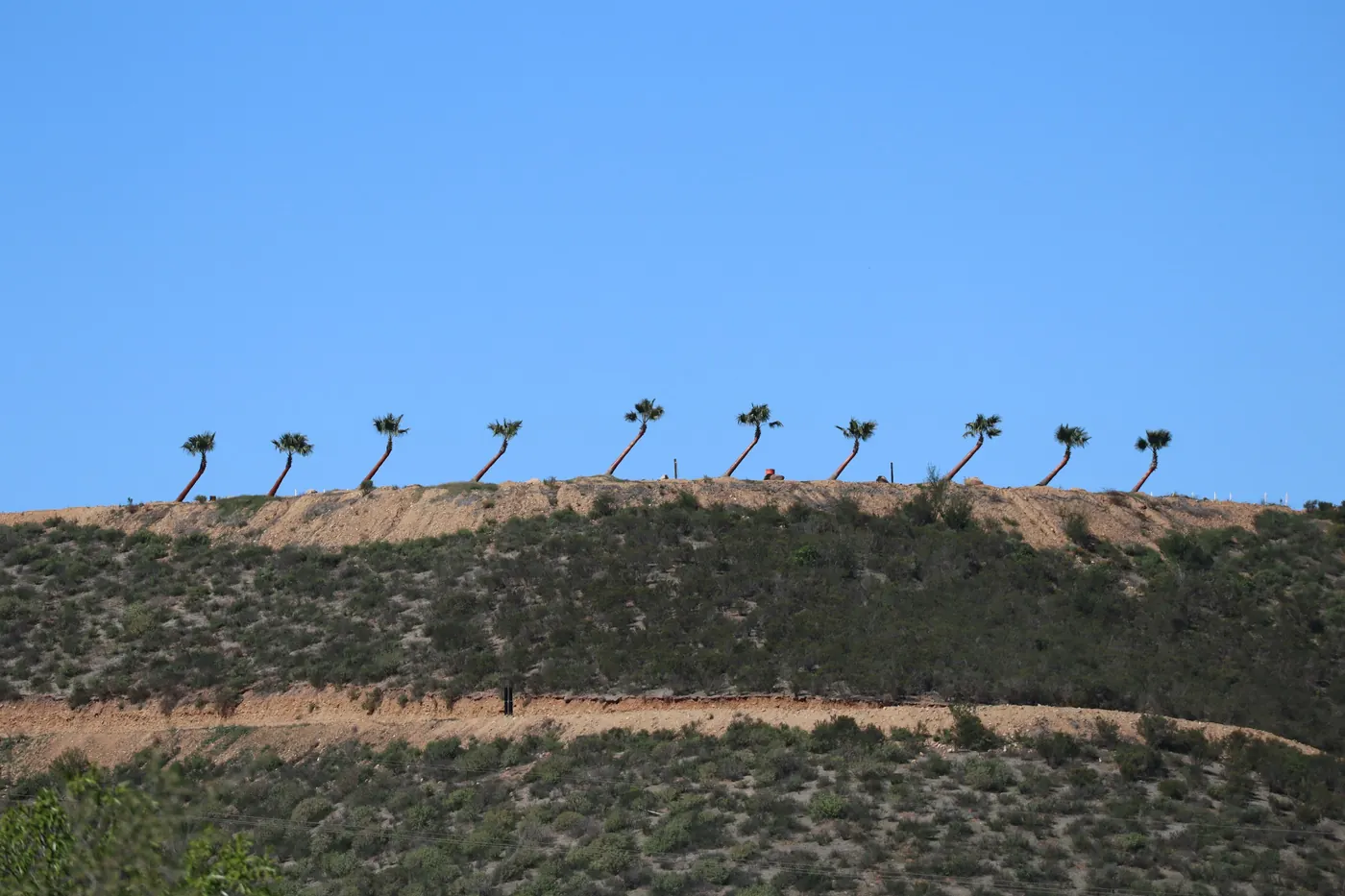
The depression of the Balsas river, running between the mountain ranges of western and southern Mexico. Low altitude, little rain, and heat that sits over it most of the year.
That matters because Mexican regional cooking tracks altitude more closely than it tracks state lines. The highlands around Mexico City and Puebla are cool and grow different things from the hot country a few hours away, which our regional guide covers.
Tierra Caliente is cattle country and mango country. It is not a place with a long tradition of fresh dairy or delicate vegetables, and the food shows that.
Aporreadillo
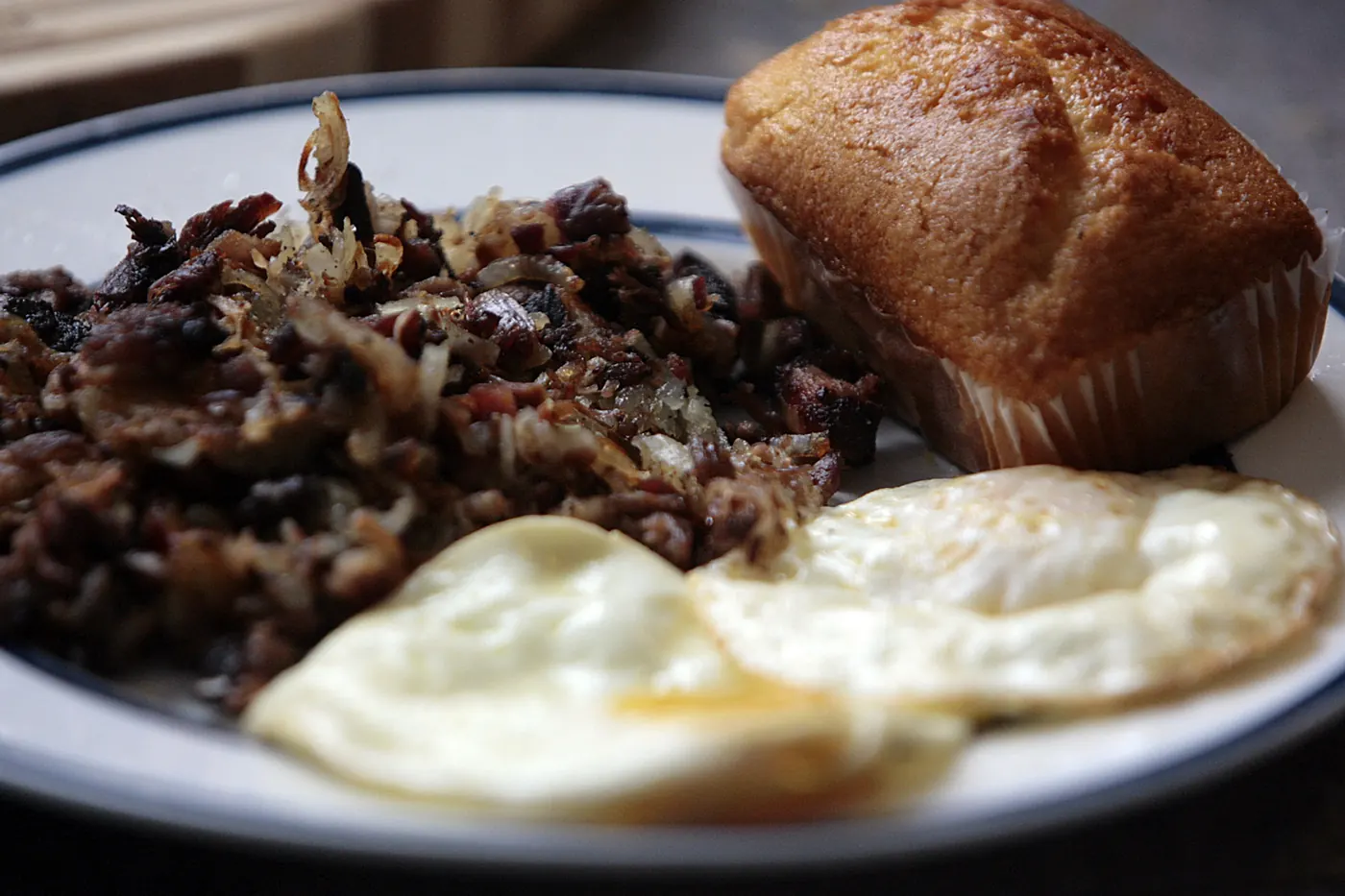
The regional signature, and it is a genuinely unusual dish.
It starts with cecina — beef salted and dried, a preservation method older than refrigeration and still the reason the dish exists. The dried meat is pounded to break the fibers, shredded, and then cooked with egg and a chile sauce.
Quadratín, reporting on aporreadillo as a dish that showcases the flavors of Tierra Caliente, records both the name debate and the method. On the name: there is a standing argument with the town of Huetamo over whether it is aporreado or aporreadillo, and the piece concludes both are valid, since the term comes from aporrear — to beat, to pound the meat.
On the method, it describes the older way: the meat shredded and fried, with tomato and serrano chiles, garlic and onion, eggs, and slices of onion added.
The name, in other words, is a cooking instruction. You pound it.
Why the food looks like this
| Constraint | What it produced |
|---|---|
| Heat, no refrigeration | Cecina, dried and salted meat |
| Cattle, little dairy | Beef-forward, cheese-light cooking |
| Dry season | Dried chiles rather than fresh |
| Corn everywhere | Tamales, corundas, atole |
| Long working days | Egg dishes eaten at any hour |
Read down that table and aporreadillo stops looking eccentric. It is dried meat because meat had to be dried, eggs because eggs were there, and chile sauce because that is what makes salted beef taste of something.
The rest of the repertoire
A few other things belong to the region, and most have never left it.
Morisqueta is plain white rice served with beans and a sauce — rice as the base of a plate rather than a side, which is unusual in Mexican cooking.
Uchepos are fresh corn tamales from Michoacán, sweet and soft, made from young corn rather than dried masa. Corundas are the triangular Michoacán tamal, folded in a corn leaf rather than a husk.
Carne de res enchilada and other dried-and-chiled beef preparations run through the region.
And the tamales are their own tradition — the tierra caliente style is distinct enough that kitchens name it, which our tamales guide touches on.
Why you have not heard of it
Two reasons, and neither is that the food is bad.
Mexican food reached the United States along particular migration routes — heavily from the north, from Jalisco, and later from Puebla and Oaxaca. Tierra Caliente sent fewer people, so fewer kitchens.
The second reason is that the food resists translation. Cecina is hard to source in Texas, uchepos need fresh field corn, and a dish of pounded dried beef with egg does not photograph well or explain itself on a menu. It is home cooking rather than restaurant cooking.
The result is that a region larger than several European countries has almost no presence in English-language food writing, while Oaxaca and the Yucatán are well covered.
On Julia’s menu
Two items on Julia’s menu name this region, and one of them names it outright.
The tamales are described as homemade pork tamales, tierra caliente style, served with charro beans and Mexican rice. Naming a regional style on a tamal is unusual on a Texas menu; most say “tamales” and stop.
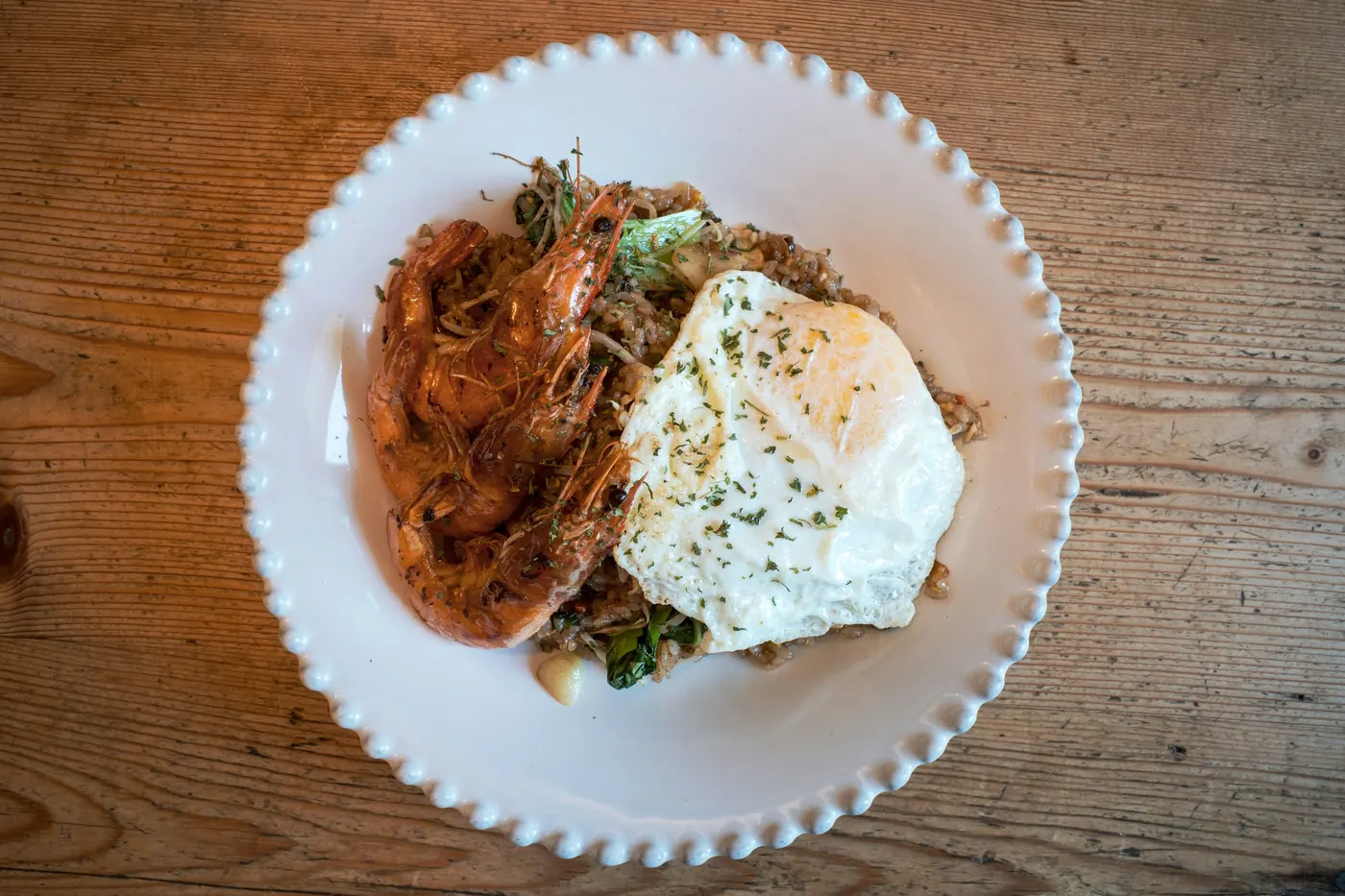
The aporreadillo is on the brunch menu: lean, tender shredded meat, pan seared and stirred with egg, braised with serrano-tomato salsa. That is the dish described above, and the serrano-tomato element matches the older method Quadratín records almost exactly.
It is genuinely rare to find on a menu in Houston. If you have been ordering huevos rancheros at brunch, this is the one to try instead — our brunch guide covers the rest of that section.
The carne guisada sits nearby in spirit: beef, seared and braised in tomato-serrano. Same instincts, different cut and a longer cook — the guisado method our cooking guide describes.
Cecina, and why it matters
The ingredient the whole regional style rests on, and it is worth separating from the dish it goes into.
Cecina is beef cut into very thin, wide sheets, salted, and air-dried. Not cured with nitrites like a European ham — salted and dried, and generally eaten within days rather than aged for months.
The thinness is the point. A thin sheet dries fast enough that it does not spoil in heat, which is exactly the problem a hot lowland climate poses. It also rehydrates quickly when it hits a pan.
Cecina turns up across central and southern Mexico, and each region does something different with it. Tierra Caliente pounds it and scrambles it with egg. Elsewhere it is grilled whole and served with beans and nopales.
It is closely related in logic to the dried-meat traditions our barbacoa guide touches on: both are answers to keeping meat without refrigeration, arrived at from opposite directions.
Frequently asked questions
Where is Tierra Caliente?
A hot, low-lying region along the Balsas river depression, spanning parts of Michoacán, Guerrero and the State of Mexico.
What is aporreadillo?
Dried salted beef, pounded and shredded, cooked with egg in a chile sauce of tomato and serrano or guajillo. Eaten at any meal.
Why is it called aporreadillo?
From aporrear, to beat or pound — a reference to pounding the dried meat to break up the fibers. Some places call it aporreado; both are used.
Is it spicy?
Moderately. The chile is doing flavor work against salted beef. Heat depends on whether serrano or the milder guajillo is used.
What else is the region known for?
Morisqueta, uchepos, corundas and its own style of tamal, plus a range of dried and chile-rubbed beef preparations.
The short version
Hot, dry, low country between three states. Preserved beef, eggs, chile sauces and corn, because that is what the climate allowed. Almost invisible outside Mexico.
Julia’s names it on the tamales and serves aporreadillo at weekend brunch — both on the menu.