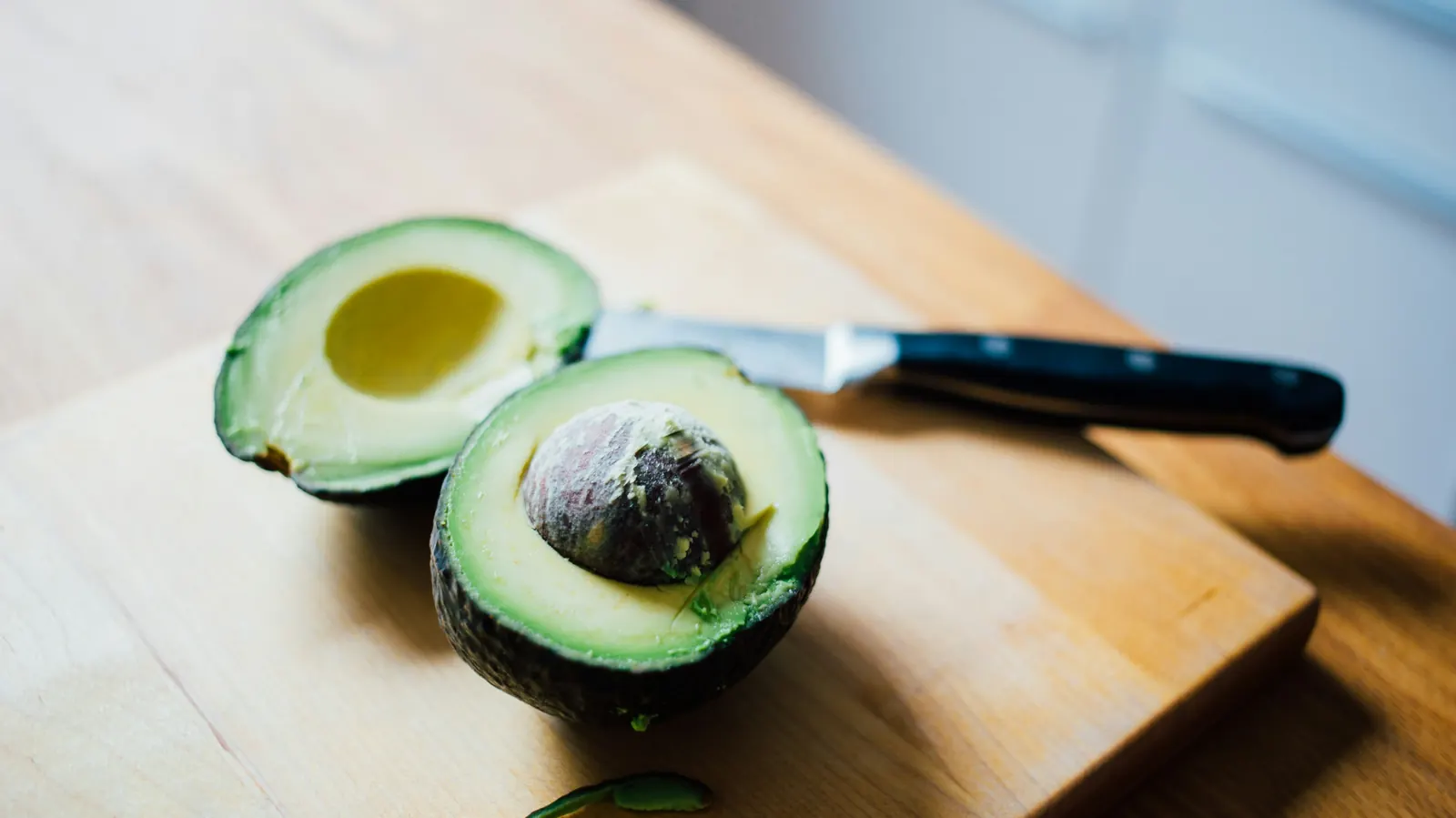
An avocado tool cuts, pits and slices in one gadget, and it does make guacamole night a little tidier. But you can do every one of those jobs without it. The California Avocado Commission’s own cutting guide uses nothing more than a chef’s knife, a spoon and a cutting board, and a few other drawer tools handle the jobs a 3-in-1 slicer cannot, such as fine dice, avocado balls and paper-thin ribbons.
This guide covers the avocado tool alternatives that actually do the job, how to use each one safely, and where each falls short. If you would rather buy the gadget, our best avocado tool guide reviews eight of them.
Julia’s earns a commission on purchases made through links on this page, at no cost to you. Recommendations are based on what a restaurant kitchen looks for, product specifications and verified buyer reports.
Why cooks skip the avocado tool
- Avocados now and then. Our own avocado tool guide says it plainly: if you buy avocados only occasionally, a knife and a spoon do the job.
- One more gadget in the drawer. An all-in-one slicer does three small jobs that tools you already own can do.
- It slices one way. A slicer gives you one cut. A knife gives you halves, quarters, slices or dice, and an egg slicer, melon baller or peeler gives you shapes a slicer cannot.
- Plastic blades and firm fruit. Many avocado tools use a plastic blade, which suits ripe fruit but struggles with firm fruit.
Quick verdict: the best avocado tool alternative
For most cooks, the best avocado tool alternative is a medium chef’s knife and an ordinary spoon, which is exactly what the California Avocado Commission recommends. Our pick is the Mercer Genesis 8-inch Granton Edge chef’s knife with an Oneida Colonial Boston dinner spoon to lift out the pit and scoop the flesh. If you prefer a shorter, lighter blade, the Wüsthof Gourmet 7-inch Hollow Edge santoku is the scalloped-edge santoku the commission names. For even slices or fine dice, a Westmark wire egg slicer works on halved, peeled avocado. A Cat Cora melon baller makes avocado balls for salads, and a Kuhn Rikon peeler shaves thin ribbons. Whatever you use, keep the avocado flat on a board, not in your hand.
Five ways to do the job, side by side
Our five standout picks, one per job, with the details each maker or listing states. All six alternatives are reviewed in full below.
| Alternative | Job it does | Material | Care (per listing) | Buy on Amazon |
|---|---|---|---|---|
| Halve, quarter, slice, dice | Forged high-carbon German steel | Hand wash; no dishwasher | View on Amazon | |

Oneida Colonial Boston Dinner Spoons, Set of 4Best for pitting and scooping
|
Lift the pit, scoop the flesh | 18/0 stainless steel | Dishwasher safe | View on Amazon |

Westmark Multipurpose Stainless Steel Wire Egg SlicerBest for even slices
|
Even slices or fine dice | Cast aluminum, stainless wires | Dishwasher safe | View on Amazon |

Cat Cora 10/15 mm Stainless Steel Melon BallerBest for avocado balls
|
Small round scoops | 18/8 stainless steel | Dishwasher safe | View on Amazon |

Kuhn Rikon Original Swiss Peeler, RedBest for thin ribbons
|
Paper-thin ribbons | Carbon steel blade | Hand wash and dry only | View on Amazon |
Cutting and pitting an avocado without an avocado tool
The California Avocado Commission, the growers’ marketing body, publishes a step-by-step cutting guide built around a knife, a spoon and a cutting board. America’s Test Kitchen and Tasting Table describe the same basic steps, with one important difference about the pit. Here is the method, with the safety points that matter.
Wash, then keep it on the board
The commission says to wash the avocado and dry it with a towel first. Our avocado tool guide cites FDA guidance for the same reason: washing keeps dirt on the skin from being carried into the flesh by the blade. Then put the avocado on a cutting board and leave it there. The commission’s first safety rule is not to hold the avocado in your hand while you cut it.
Halve it with a medium knife
Cut down until the blade meets the seed, hold the knife level, and turn the avocado against the blade until you have cut all the way around. Twist the halves apart. The commission recommends a medium chef’s knife or a santoku with scalloped edges, and says a steak knife will do if you have neither. It advises against a paring knife, because a short blade may not reach the seed on a large avocado. It also notes that a ripe avocado does not need a very sharp knife, since you only have to get through the skin.
Take out the pit with a spoon, not the knife
This is where the sources part ways. America’s Test Kitchen’s dicing guide tells you to strike the pit sharply with a chef’s knife, twist and pull it off with a towel. The California Avocado Commission tells you not to strike the seed with a knife, or poke at it with the tip, while you hold the avocado, and to remove the seed with a spoon instead. Tasting Table’s Claire Redden makes the same point in a piece on the safest ways to pit an avocado: slide the edge of a spoon under the narrow end of the pit and lift it out, and leave the knife out of this step. The piece notes that “avocado hand”, a cut to the hand, usually happens when the knife slips or misses the pit while someone is trying to remove it. We follow the commission and Tasting Table: use a spoon.
Tasting Table also describes a no-tool trick: cut the avocado into quarters, put two fingers either side of the pit and push it out with your thumb from behind. The commission says the same for quartered fruit: lift the seed out with your fingers.
Peel, scoop, slice or dice
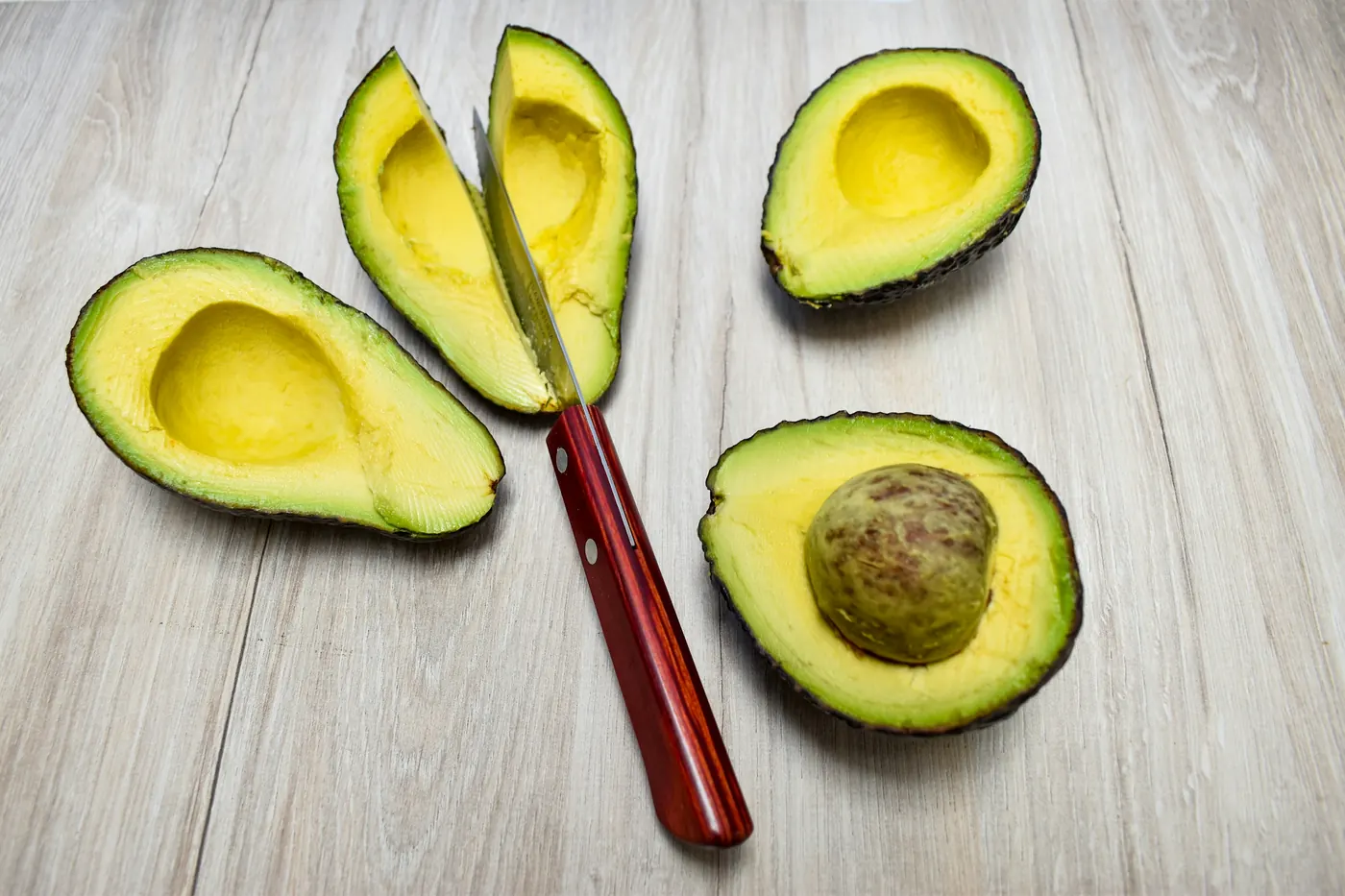
The commission prefers peeling the skin off quarters, though it notes scooping is faster. For slices or dice, lay the halves or quarters cut side down on the board and cut there. Do not slice or dice inside the shell while you hold it in your palm, the commission says. America’s Test Kitchen’s crosshatch method, scoring the flesh in the shell and scooping out the cubes with a spoon, is fine if the half is resting on a towel or board, which is how ATK shows it.
Other shapes
Tasting Table’s Fred Decker suggests a wire egg slicer for even slices or a fine dice of soft avocado. He also mentions pushing avocado through a cooling rack for large batches, though he finds the egg slicer gives a finer dice and is easier to clean. In a melon salad recipe from Giusti, the Modena balsamic vinegar maker, avocado is shaved into very thin slices with a peeler and scooped into small balls with a melon baller.
Our picks for the best avocado tool alternative
Every pick was in stock with a new lead offer when we checked, and none appears as the same listing on our other pages. None of them is an avocado tool; each one also earns its keep for other jobs.
1. Mercer Culinary Genesis 8-Inch Granton Edge Chef’s Knife – The Knife the Growers Recommend

The California Avocado Commission’s first choice for cutting an avocado is a medium chef’s knife, and an 8-inch blade is long enough to reach the seed of a big avocado as you turn it against the blade. Mercer’s listing describes the Genesis M21077 as precision-forged from high-carbon German steel with a taper-ground edge, and a handle that keeps a non-slip grip even with wet hands, which matters when avocado gets slippery.
The Granton edge, the row of hollows along the side of the blade, is Mercer’s version of the scalloped edge the commission mentions for santokus. The hollows are meant to keep soft food from clinging to the blade. Use it to halve and quarter the fruit, then to slice or dice the halves face down on the board. Leave the pit to the spoon.
Mercer says to wash it by hand with warm water and mild soap, dry it straight away, and keep it out of the dishwasher. It was sold by Amazon.com when we checked. For more chef’s knives at every budget, see our best chef knife guide.
Why we like it
- 8-in blade reaches the seed on large fruit
- Forged high-carbon German steel (listing)
- Non-slip handle, even when wet (listing)
- Granton hollows along the blade
Key specifications
| Model | M21077 |
|---|---|
| Type | Chef’s knife, Granton edge |
| Material | Forged high-carbon German steel |
| Size | 8 in blade |
| Avocado job | Halve, quarter, slice, dice |
| Care | Hand wash and dry; not dishwasher safe |
| Sold by (when checked) | Amazon.com |
Why we recommend it
It suits any cook who wants one knife for avocados and everything else on taco night: onions, cilantro, tomatoes and limes.
Skip it if you already own a decent chef’s knife. Any medium chef’s knife does this job, and the commission says even a steak knife will do.
Pros and cons
Pros
- The tool the commission names first
- Cuts every shape a slicer can and more
- Sold by Amazon.com when checked
Cons
- Doesn’t pit or scoop on its own
- Hand wash only
- A sharp blade needs a careful hand
2. Wüsthof Gourmet 7-Inch Hollow Edge Santoku Knife – The Scalloped Santoku

The commission’s other recommended knife is a santoku with scalloped edges, and this Wüsthof is exactly that. Wüsthof’s listing says the blade is thinner than a traditional chef’s knife, with a 10-degree cutting edge, and that the hollow edge has evenly spaced indentations that create small air pockets which gently push food off the blade. On a soft, sticky avocado, that is the point.
A santoku curves up only at the very end, so it is better at straight-down slicing and dicing than at rocking. That suits avocado halves laid flat on a board. At 7 inches, it is a little shorter than our top pick and still long enough to reach the seed of most avocados.
Wüsthof makes it in Solingen, Germany, says it is hand wash only, and gives a limited lifetime warranty. It was sold by Amazon.com when we checked. Our best santoku knife guide covers other santokus.
Why we like it
- Hollow edge helps food fall off the blade (listing)
- Thin blade with a 10-degree edge (listing)
- The knife style the commission names
- Limited lifetime warranty (listing)
Key specifications
| Model | 1025046017 |
|---|---|
| Type | Hollow edge santoku |
| Material | High-carbon stainless steel, laser-cut stamped |
| Size | 7 in blade |
| Avocado job | Halve, slice, dice |
| Care | Hand wash only |
| Sold by (when checked) | Amazon.com |
Why we recommend it
It suits a cook who prefers a lighter, straighter blade for slicing and dicing, and who chops more than they rock.
Skip it if you already own the chef’s knife above; you do not need both for avocados.
Pros and cons
Pros
- Scalloped edge, as the commission suggests
- Thin blade for clean slices
- Lifetime warranty
Cons
- Doesn’t pit or scoop
- Hand wash only
- Same job as pick 1
3. Oneida Colonial Boston Dinner Spoons, Set of 4 – The Pitter and Scoop You Already Know
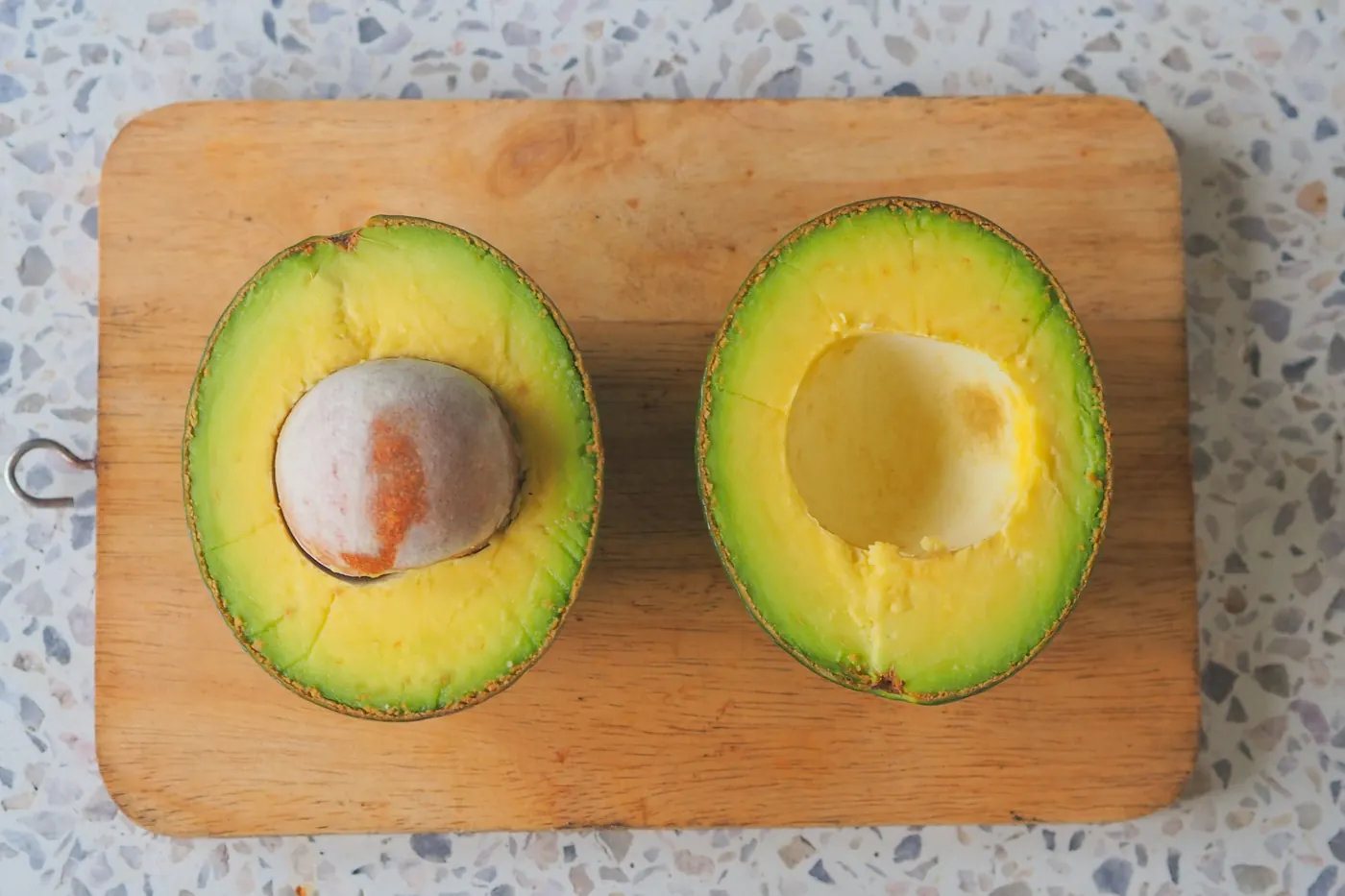
A spoon does two of the three jobs an avocado tool does. The California Avocado Commission and Tasting Table both use one to take out the pit, sliding the edge under the narrow end and lifting, and America’s Test Kitchen uses one to run between skin and flesh and scoop out diced avocado. Tasting Table adds that a smaller spoon with a pointed tip may work better than a round soup spoon, so a dinner spoon is a sensible size.
Any sturdy spoon will do. If you want a set for the kitchen, Oneida’s listing describes these as four 18/0 stainless steel tablespoons from its Colonial Boston line, designed for casual restaurants and everyday home meals, heavy in the hand and dishwasher safe. A heavy spoon will not bend when you lever out a stubborn pit.
Oneida gives a limited lifetime warranty, and the set was sold by Amazon.com when we checked. For a full set of flatware, see our best flatware sets guide.
Why we like it
- Pits and scoops, the method the commission uses
- Four 18/0 stainless steel tablespoons (listing)
- Heavy in the hand (listing)
- Dishwasher safe (listing)
Key specifications
| Model | B750004C |
|---|---|
| Type | Dinner spoons (tablespoons), set of 4 |
| Material | 18/0 stainless steel |
| Size | Length not stated on the listing |
| Avocado job | Lift out the pit; scoop the flesh |
| Care | Dishwasher safe |
| Sold by (when checked) | Amazon.com |
Why we recommend it
It suits anyone who makes guacamole, where all you need is pitted flesh in a bowl, and anyone whose drawer spoons are flimsy.
Skip it if you already have a solid spoon; the one in your drawer does the same job.
Pros and cons
Pros
- Keeps the knife away from the pit
- Scoops halves clean for guacamole
- Useful at every meal
Cons
- Doesn’t cut or slice
- Round bowl is less precise than a pointed tip
- Length not stated on the listing
4. Westmark Multipurpose Stainless Steel Wire Egg Slicer – Even Slices in One Press
The slicing blades on a 3-in-1 avocado tool do one thing: fan out a half into slices. A wire egg slicer does the same, and it can give you dice too. Tasting Table’s Fred Decker says small avocados are often just the right size for an egg slicer, and that larger ones will usually fit if they are halved and scooped, then cut crosswise into quarters. He finds it gives a finer dice than pushing avocado through a cooling rack, and that it is easier to clean.
Halve and pit the avocado first with a knife and spoon, scoop the half out of its skin, lay it flat in the cradle and press. Turn the slices 90 degrees and press again for dice. Decker’s one rule is that the food must be reasonably soft, so this works on ripe avocados, not firm ones.
Westmark’s listing describes a cast aluminum base and handle with stainless steel wires, says it handles mushrooms, strawberries and kiwis as well as eggs, calls it dishwasher safe and gives a 5-year guarantee. It was sold by a third-party seller, QuickDealsShop, when we checked. Our best egg slicer guide covers more.
Why we like it
- Even slices or fine dice in one or two presses
- Cast aluminum with stainless steel wires (listing)
- Dishwasher safe (listing)
- 5-year guarantee (listing)
Key specifications
| Model | 10202260 |
|---|---|
| Type | Wire egg slicer, multipurpose |
| Material | Cast aluminum; stainless steel wires |
| Size | Not stated on the listing |
| Avocado job | Slices or dice from a peeled half or quarter |
| Care | Dishwasher safe |
| Sold by (when checked) | QuickDealsShop (third-party seller) |
Why we recommend it
It suits a cook who wants neat, even avocado for tostadas, tortas or salads, and who would use an egg slicer for eggs and mushrooms too.
Skip it if your avocados run large and firm. You will be quartering them anyway, and a knife is quicker.
Pros and cons
Pros
- Uniform slices without knife work
- Dices in two presses
- Dishwasher safe, 5-year guarantee
Cons
- Doesn’t halve or pit
- Large avocados need cutting first
- Third-party seller when checked
5. Cat Cora 10/15 mm Stainless Steel Melon Baller – Avocado Balls for Salads
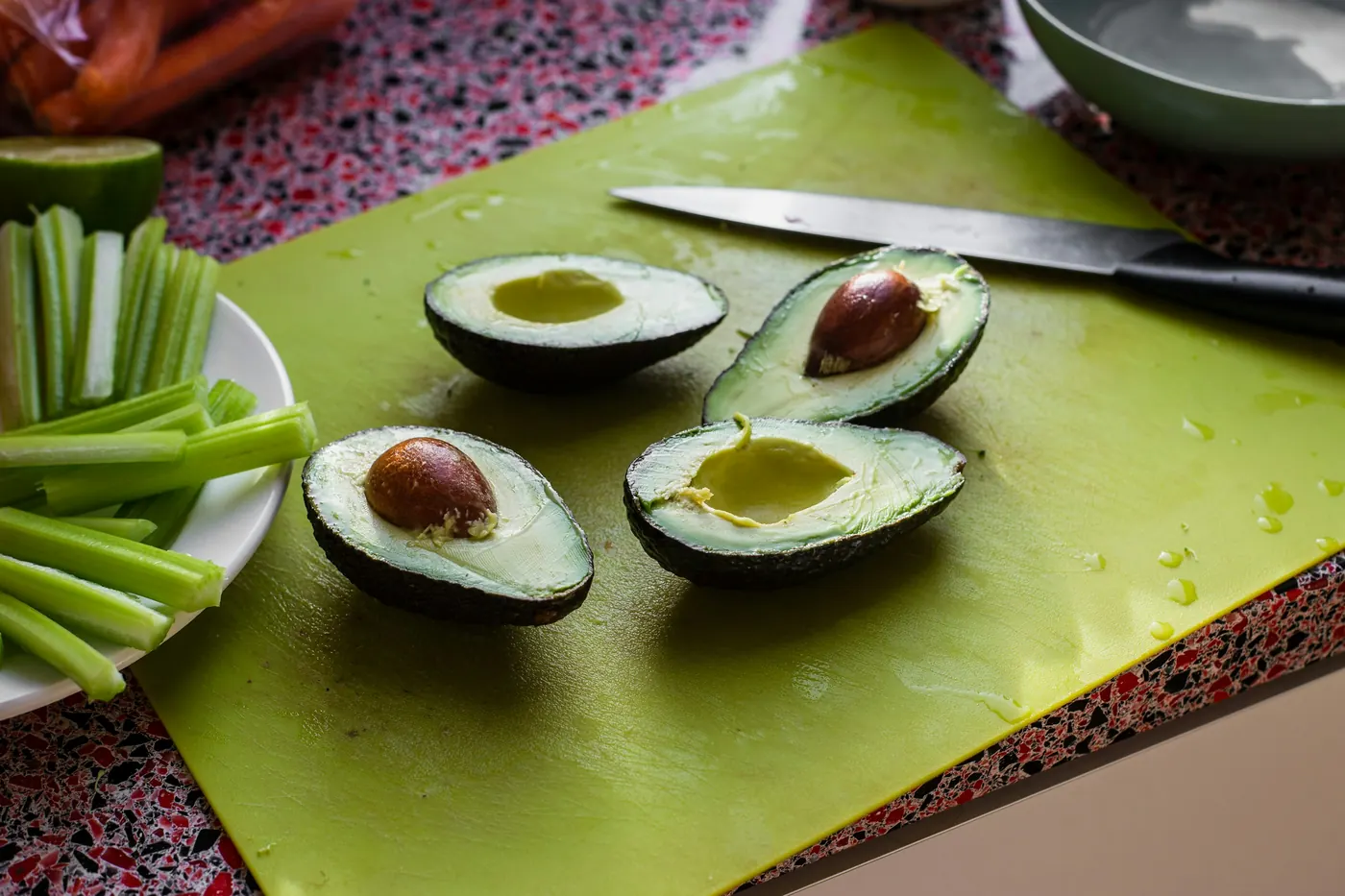
An avocado tool cannot make neat round scoops, and a melon baller can. In a melon, mozzarella and mint salad, Giusti, the Modena balsamic vinegar maker, uses the smaller of two melon ballers to make avocado balls that sit alongside the melon. It is a garnish technique, not a way to process a whole avocado quickly, but it makes a salad or a tostada look finished.
The listing describes dual 18/8 stainless steel scoops of 10 and 15 millimeters on a Santoprene soft-grip handle, about 5.75 inches long, and says it is dishwasher safe. Small scoops suit avocado better than large melon scoops, because they fit inside a half and keep their shape. Use halved, pitted avocado on a board, press in and turn.
The baller carries the name of chef Cat Cora, and it was sold by Cooking on Mars when we checked. The listing doesn’t say who makes it. Our best melon baller guide covers other sizes.
Why we like it
- Small 10 mm and 15 mm scoops (listing)
- 18/8 stainless steel (listing)
- Soft, non-slip grip (listing)
- Dishwasher safe (listing)
Key specifications
| Model | 38022 |
|---|---|
| Type | Double-ended melon baller |
| Material | 18/8 stainless steel; Santoprene handle |
| Size | 10 and 15 mm scoops; about 5.75 in long |
| Avocado job | Small round scoops for salads and garnish |
| Care | Dishwasher safe |
| Sold by (when checked) | Cooking on Mars (third-party seller) |
Why we recommend it
It suits a host plating salads, ceviche or tostadas who wants avocado to look neat, and who will ball melon in summer.
Skip it if you only make guacamole; a spoon is quicker for flesh you are going to mash.
Pros and cons
Pros
- A shape no avocado tool makes
- Two sizes in one tool
- Dishwasher safe
Cons
- Slow for a whole avocado
- Leaves scraps behind
- Maker not named on the listing
6. Kuhn Rikon Original Swiss Peeler, Red – Paper-Thin Avocado Ribbons
For a delicate salad or a topping that drapes over a tostada, a peeler gives thinner avocado than any slicer. Giusti’s recipe cuts the avocado in half, removes the skin and shaves very thin slices with a peeler. It works best on avocado that is ripe but still firm enough to hold together; a very soft one will tear, which is general kitchen sense.
Kuhn Rikon’s listing describes a carbon steel blade that starts sharper and stays sharper, and says it peels paper thin. It also has a potato-eye remover on the base of the handle. Kuhn Rikon says the peeler is not dishwasher safe: wash it by hand and dry it, since carbon steel can rust if it is left wet.
The same peeler model appears on two of our other pages in other listings; we chose this single red listing because it was sold by Amazon.com, with a new lead offer, and no other page uses it. Kuhn Rikon gives a 1-year guarantee against defects. Our best vegetable peeler guide covers more.
Why we like it
- Peels paper thin (listing)
- Carbon steel blade (listing)
- Potato-eye remover on the handle (listing)
- Sold by Amazon.com when checked
Key specifications
| Model | 2782 |
|---|---|
| Type | Vegetable peeler, single |
| Material | Carbon steel blade |
| Size | Not stated on the listing |
| Avocado job | Thin ribbons from a peeled half |
| Care | Hand wash and dry; not dishwasher safe |
| Sold by (when checked) | Amazon.com |
Why we recommend it
It suits a cook who plates salads and wants avocado as a light, thin layer, and who needs a sharp peeler for carrots, cucumbers and potatoes anyway.
Skip it if your avocados are very ripe; soft flesh tears under a peeler, and a knife or egg slicer is the better tool.
Pros and cons
Pros
- Thinnest slices of any tool here
- An everyday peeler too
- Sold by Amazon.com when checked
Cons
- Needs firm-ripe fruit
- Carbon steel: hand wash and dry
- Doesn’t cut, pit or scoop
Which alternative fits which dish
| What you are making | Best tools | What to watch |
|---|---|---|
| Guacamole | Knife to halve; spoon to pit and scoop | No slicing needed; mash in a bowl or molcajete |
| Sliced avocado for tacos or tortas | Chef’s knife or santoku, halves face down | Never slice in the shell in your palm |
| Even slices or fine dice | Wire egg slicer | Ripe fruit only; quarter large ones |
| Salads and plated garnish | Melon baller | Slow; save the scraps for guacamole |
| Thin layer on a tostada or salad | Peeler | Firm-ripe fruit; soft fruit tears |
What we left out
We left out avocado slicers and 3-in-1 tools of every kind, since our best avocado tool guide covers them. We left out paring knives: they are often suggested, but the California Avocado Commission advises against them because a short blade may not reach the seed of a large avocado. We left out bean and potato mashers, because mashing is a separate job from cutting and pitting; for guacamole, see our best molcajete guide. And we left out cooling racks: Tasting Table mentions pressing avocado through one, but any clean rack you own will do, and the egg slicer gives a finer dice.
Avocado tool alternative questions, answered
What can I use instead of an avocado tool?
A medium chef’s knife or a scalloped santoku to halve the avocado, and a spoon to take out the pit and scoop the flesh. That is the California Avocado Commission’s own method. An egg slicer, melon baller or peeler adds slices, balls or ribbons.
How do you get the pit out without a knife?
Slide the edge of a spoon under the narrow end of the pit and lift it out, as the commission and Tasting Table describe. If you have quartered the avocado, push the pit out with your fingers and thumb.
Is it safe to whack the pit with a knife?
The California Avocado Commission says not to strike the seed with a knife, or poke it with the tip, while you hold the avocado, and Tasting Table links knife slips at the pit to “avocado hand” injuries. Some cooking guides, including America’s Test Kitchen, still show the knife method. We recommend the spoon.
What knife is best for cutting avocados?
The commission recommends a medium chef’s knife or a santoku with scalloped edges, and says a steak knife will do if you have neither. It advises against a paring knife, which may not reach the seed of a large avocado.
Can you slice an avocado with an egg slicer?
Yes, if it is ripe. Tasting Table’s Fred Decker says small avocados often fit whole once halved and scooped, and larger ones fit once quartered crosswise. Turn the slices and press again for a fine dice.
Our last word on cutting avocados without the gadget
You don’t need an avocado tool. A medium chef’s knife and a spoon, with the avocado flat on a board, do everything a 3-in-1 slicer does, and that is how the people who grow avocados cut them. Add an egg slicer for even slices, a melon baller for garnish or a peeler for ribbons if you plate food often. If you go through avocados every day and want one gadget for the lot, our best avocado tool guide is the place to start, our best cutting board guide covers the board to cut on, and our best guacamole bowl guide picks something to serve it in.
And when you would rather someone else made the guacamole, see the menu or call to order.