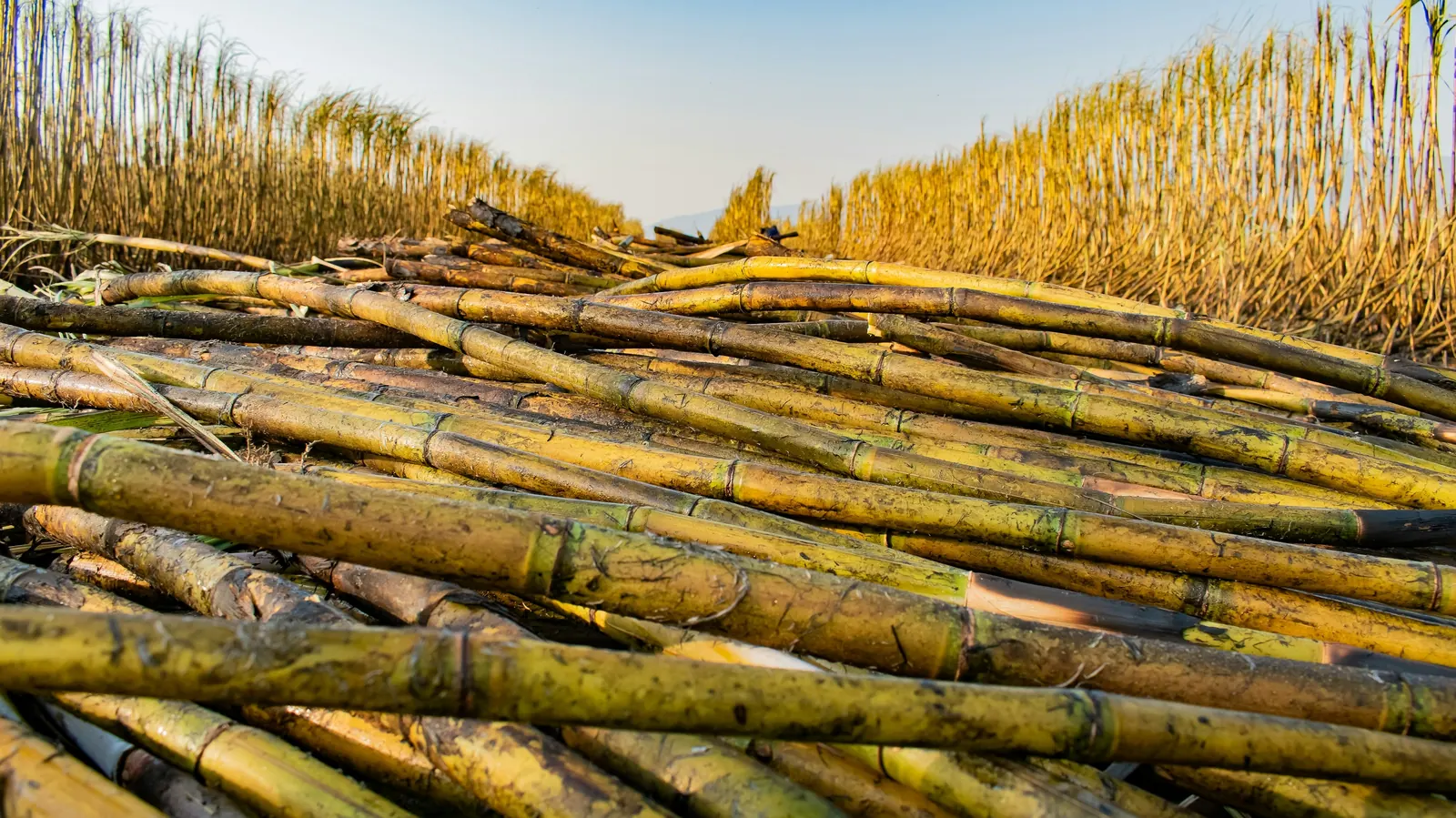
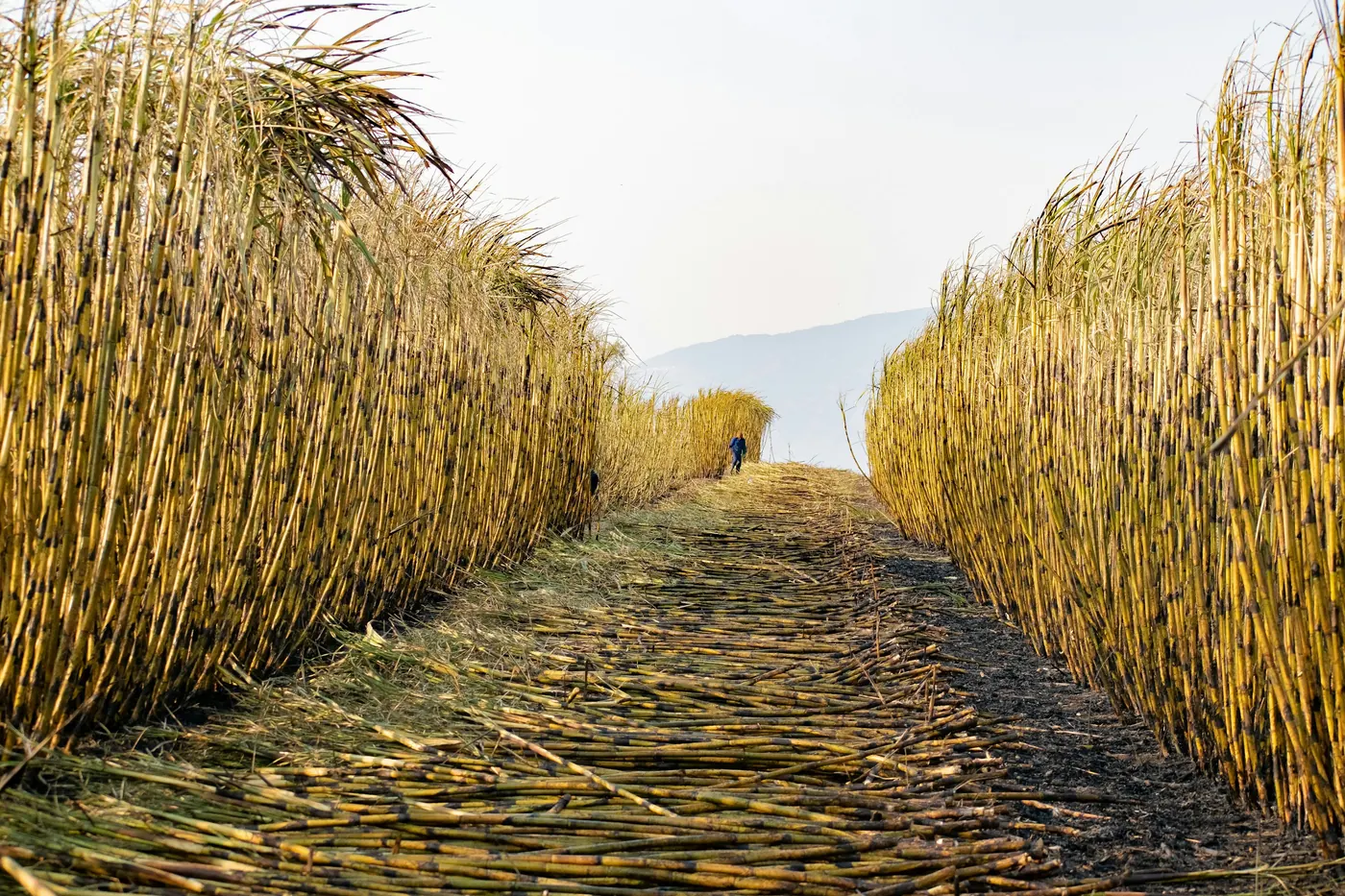
Piloncillo is the hard brown cone of sugar that sweetens café de olla, capirotada and the Christmas ponche. It is unrefined cane sugar: sugar cane juice boiled down and poured into molds, with the molasses never taken out, so it tastes deeper and rounder than white or brown sugar. Across Latin America the same kind of sugar goes by panela, and it is sold as cones, round blocks, small pieces and loose granules.
That variety is the hard part of buying it online. A cone, a block and a bag of granulated panela all come from the same cane juice, but they behave differently in the kitchen. This guide names the brands worth buying in each form, says where each one comes from where the maker tells you, and explains how to grate, melt and store it.
Julia’s earns a commission on purchases made through links on this page, at no cost to you. Recommendations are based on what a working Mexican kitchen looks for in piloncillo, the makers’ own product details and published sources, which we cite.
Quick verdict: which piloncillo brand to buy
For most home cooks, the best piloncillo brand is Fela: a 32-ounce bag of Colombian panela tejitos, small pre-portioned rounds with a stated origin and no cone to grate. If you want the classic Mexican shape for café de olla and capirotada, choose COBASA’s four 8-ounce cones. If you would rather spoon it than grate it, choose a granulated panela such as Just Panela Organic.
Below, the eight brands side by side, then how to choose the form that suits your cooking.
Five piloncillo and panela picks compared
Our five standout picks side by side, one for each kind of cook, with the details each maker or listing gives. All seven are reviewed in full below.
| Piloncillo | Best for | Form & size | Origin (as stated) | Buy on Amazon |
|---|---|---|---|---|

Fela Panela Tejitos, 32 ozBest overall
|
Frequent use, holiday cooking | Small solid rounds, 32 oz | Colombia (Cauca Valley cane) | View on Amazon |
| Café de olla, capirotada, ponche | Solid cones, 4 x 8 oz | Not stated | View on Amazon | |

Iberia Panela Round, 16 ozBest solid block
|
Syrups and big pots | Round block, 16 oz | Not stated | View on Amazon |
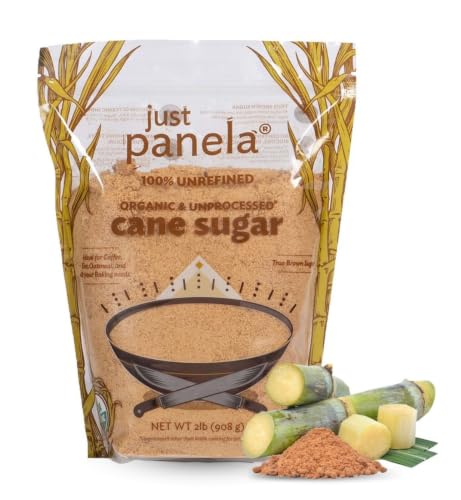
Just Panela Organic Granulated Panela, 2 x 1 lbBest organic
|
Spooning into coffee, no grating | Granulated, 2 x 1 lb | Colombia (retailers) | View on Amazon |

Wholesome Organic Sucanat Panela, 32 ozBest for baking
|
Cup-for-cup baking swaps | Granulated, 32 oz bag | Costa Rica | View on Amazon |
Product images from Amazon. Origins and ingredients are as stated by each maker, listing or retailer we cite; check the package you receive.
Our picks for the best piloncillo brand
These seven cover every form piloncillo comes in: Mexican-style cones for café de olla, Colombian panela cones and blocks, quick-dissolving pieces, and granulated panela for anyone who would rather not grate. Each pick says what the maker states, what it does not, and one honest reason to choose something else.
1. Fela Panela Tejitos, 32 oz – Colombian Panela in Ready-to-Use Rounds
Fela is a Colombian panela brand, and this bag holds its tejitos: small, ready-portioned rounds of solid panela, the same boiled-down cane sugar Mexico shapes into piloncillo cones. The listing says the sugar comes from cane grown in Colombia’s Cauca Valley and that Fela has made panela for decades using traditional methods.
At 32 ounces, two pounds in all, it is a good size for frequent use, and there is no cone to grate or chip. The listing describes a rich, caramel-like flavor and says the rounds dissolve readily: drop one into hot water for aguapanela, the Colombian drink, or into coffee, or melt it into sauces and desserts. That makes it a natural fit for café de olla and ponche too.
Colombian panela and Mexican piloncillo are made the same way, from boiled-down cane juice, so in a recipe the difference is mostly the shape and the depth of flavor of a particular batch. The listing also makes nutrition claims about minerals in unrefined sugar; we do not repeat them, since sugar is sugar.
Why we like it
- Two pounds of panela in ready-portioned rounds
- Cane from Colombia’s Cauca Valley, per the listing
- Dissolves easily in hot drinks
- Made by an established panela brand
Key specifications
| Size | 32 oz bag |
|---|---|
| Count | Not stated (small rounds) |
| Form | Small solid rounds (tejitos) |
| Ingredients | Cane sugar (panela) |
| Additives | Not stated |
| Certifications | Not stated |
| Origin | Colombia (Cauca Valley, per listing) |
| Shelf storage | Not stated; keep wrapped and dry |
Why we recommend it
Choose it if you go through piloncillo quickly, for weekly café de olla, holiday ponche or a capirotada in Lent, and want a known origin.
Skip it if you want a Mexican-made piloncillo in the classic cone shape, or only need a cone or two. Two pounds is a lot of sugar for occasional use.
Pros and cons
Pros
- No grating; pre-portioned rounds
- Origin stated
- Dissolves easily
Cons
- Colombian rather than Mexican
- Large pack for occasional cooks
2. COBASA Piloncillo Pura Caña, 4 x 8 oz Cones – Mexican-Style Cones in a Bigger Pack

Sold under the COBASA name by Dulces Tortugita, these are four 8-ounce cones labeled “piloncillo pura caña”, pure cane. The listing describes them as 100% raw sugar cane that keeps all its natural molasses, sold as Mexican brown sugar for traditional recipes.
The listing points out what the cone shape is good for: grating, chopping or dropping into a pot to dissolve. It suggests them for coffee, tea, baking and cooking, and says they suit both desserts and savory dishes, which fits the way piloncillo turns up in Mexican cooking, from café de olla to a touch in a mole or a pot of beans.
With 32 ounces in the pack, it is the only cone pack here, and four cones will last most homes a good while. The listing does not say where the cones are made or name any certification.
Why we like it
- Pure cane sugar with its molasses kept, per the listing
- Four 8 oz cones
- Sold as Mexican-style piloncillo
Key specifications
| Size | 8 oz per cone |
|---|---|
| Count | 4 cones |
| Form | Solid cones |
| Ingredients | Sugar cane (100% raw sugar cane, per listing) |
| Additives | Not stated |
| Certifications | Not stated |
| Origin | Not stated |
| Shelf storage | Not stated; keep wrapped and dry |
Why we recommend it
Choose it if you want Mexican-style cones for a season of café de olla or holiday baking.
Skip it if you want to know where your sugar comes from. The listing names neither the country nor the mill, and we found no maker information beyond it.
Pros and cons
Pros
- Four cones in the pack
- Pure cane, molasses kept
- Easy to portion
Cons
- Origin not stated
- Little maker information
3. Iberia Panela Round, 16 oz – One Solid Block for Syrups
Iberia’s panela comes as one round 16-ounce block rather than a cone. The listing describes it as 100% pure sugarcane, unrefined, with its molasses content kept, and the Kroger listing for Iberia’s 16-ounce round panela gives a single ingredient: sugar cane juice. Kroger also marks it gluten-free and vegan-friendly.
A round block is the most practical shape when you are making syrup. Drop the whole disc, or a few large chunks, into a saucepan with water and let it melt for capirotada or a pot of calabaza en tacha. The listing also suggests grating it into coffee, tea or hot chocolate.
Neither the Amazon nor the Kroger listing states where the panela is made.
Why we like it
- Single ingredient: sugar cane juice (Kroger listing)
- One 16 oz block melts down easily for syrup
- Gluten-free and vegan-friendly, per Kroger
Key specifications
| Size | 16 oz |
|---|---|
| Count | 1 block |
| Form | Round solid block |
| Ingredients | Sugar cane juice |
| Additives | None listed |
| Certifications | Not stated (gluten-free, vegan-friendly per Kroger) |
| Origin | Not stated |
| Shelf storage | Not stated; keep wrapped and dry |
Why we recommend it
Choose it if you mostly turn piloncillo into syrup, for capirotada or calabaza en tacha, where a single block is the easiest shape to melt.
Skip it if you want small amounts for coffee. Breaking a pound-sized disc takes a heavy knife or a few seconds in the microwave first.
Pros and cons
Pros
- Single ingredient
- Good shape for syrups
- Widely sold brand
Cons
- Hard to portion small amounts
- Origin not stated
4. Iberia Panela Fraccionada, 3 x 32 oz – Small Pieces That Dissolve Fast

“Fraccionada” means the panela comes already broken into small pieces, so there is nothing to grate or chop. Iberia’s listing describes it as pure, unrefined sugar cane with a molasses-like flavor, and says the fractioned form dissolves quickly and easily in hot or cold drinks.
That makes it the most convenient solid panela here for café de olla made one pot at a time, or for sweetening atole and hot chocolate. Drop in a piece or two, stir, and taste.
This listing is a pack of three 32-ounce bags, six pounds in all, so it suits a large household or a cook who uses panela daily. The listing does not state the origin; a retailer listing for Iberia’s smaller fraccionada bag describes the panela as sourced from Colombia.
Why we like it
- Pre-broken pieces: no grating
- Dissolves quickly in hot or cold drinks, per the listing
- Unrefined cane sugar with a molasses-like flavor
Key specifications
| Size | 32 oz per bag |
|---|---|
| Count | 3 bags |
| Form | Small broken pieces |
| Ingredients | Unrefined sugar cane |
| Additives | Not stated |
| Certifications | Not stated |
| Origin | Not stated (a retailer says Colombia for the 16 oz bag) |
| Shelf storage | Not stated; keep sealed and dry |
Why we recommend it
Choose it if you want solid panela without the grating, mainly for drinks, and you use enough to get through six pounds.
Skip it if you want a single bag. This listing is a three-pack, and once opened, small pieces can pick up moisture and stick together, so reseal the bag well.
Pros and cons
Pros
- Nothing to grate
- Fast to dissolve
- Large supply
Cons
- Six pounds is a lot
- Origin not stated in the listing
5. Just Panela Organic Granulated Panela, 2 x 1 lb – Organic and Ready to Spoon
Just Panela is a small US company that imports organic panela made in Colombia, according to its brand profile on Nosh and retailers such as Milk Street. This listing is two 1-pound bags of granulated panela: the same unrefined cane sugar as a cone, already ground, so it pours and measures like brown sugar.
The listing says it is organic certified, made from unprocessed sugar cane, and has no added chemicals, preservatives or artificial colors. It suggests it for baking, cooking and drinks, and the title leads with sweetening coffee, which is where granulated panela is most convenient: a spoonful in a mug of café de olla without breaking out the grater.
Like Fela, the listing leans on claims about minerals in unrefined sugar. We leave those aside; what matters in the kitchen is the flavor and the form.
Why we like it
- Organic certified, per the listing
- Granulated: measures like brown sugar
- No additives or artificial colors
- Made in Colombia, per retailers
Key specifications
| Size | 1 lb per bag |
|---|---|
| Count | 2 bags |
| Form | Granulated |
| Ingredients | Organic unrefined cane sugar |
| Additives | None (listing) |
| Certifications | Organic (listing) |
| Origin | Colombia (brand profile and retailers) |
| Shelf storage | Not stated; keep sealed and dry |
Why we recommend it
Choose it if you want organic panela in a form you can spoon straight into coffee, oatmeal or a batter.
Skip it if you want the cone for a traditional recipe or a gift. Granulated panela does the same job but loses the look of a piloncillo cone on the counter.
Pros and cons
Pros
- Organic
- No grating needed
- Two bags: one open, one sealed
Cons
- Not cone-shaped piloncillo
- Listing’s health claims are marketing
6. Wholesome Organic Sucanat Panela, 32 oz – Certified Organic and Fair Trade
Wholesome sells this granulated whole cane sugar as Sucanat panela, and its listing carries the longest list of certifications here: USDA Organic, Fair Trade Certified, Non-GMO Project Verified, kosher, gluten-free and vegan. The one ingredient is organic whole cane sugar, grown and harvested in Costa Rica.
The listing explains the process plainly: sugarcane juice is heated and dried, so each granule keeps its natural molasses. That is the same idea as piloncillo, just finished as granules instead of poured into a mold.
Wholesome says it can replace white or brown sugar one-for-one, which makes it the easiest of these to bake with, in cookies, pan dulce or a quick syrup. The texture is coarser than refined brown sugar, so it dissolves more slowly in cold mixtures.
Why we like it
- USDA Organic, Fair Trade, Non-GMO Project Verified
- Kosher, gluten-free and vegan, per the listing
- One-for-one swap for white or brown sugar
- Grown and harvested in Costa Rica
Key specifications
| Size | 32 oz bag |
|---|---|
| Count | 1 |
| Form | Granulated |
| Ingredients | Organic whole cane sugar |
| Additives | None |
| Certifications | USDA Organic, Fair Trade, Non-GMO Project Verified, kosher |
| Origin | Costa Rica |
| Shelf storage | Not stated; keep sealed and dry |
Why we recommend it
Choose it if you want panela flavor in baking and value certifications you can check, from organic to fair trade.
Skip it if you want a cone or block for a traditional Mexican recipe. This is granulated whole cane sugar from Costa Rica, sold under the Sucanat name, rather than Mexican piloncillo.
Pros and cons
Pros
- Most certifications here
- Easy one-for-one baking swap
- Origin stated
Cons
- Not cone or block piloncillo
- Coarse granules dissolve slowly in cold mixtures
7. Dolca Granulated Panela, 32 oz – One Ingredient, No Anti-Caking Agents

Dolca’s panela is granulated unrefined cane sugar made from evaporated cane juice, in a 2-pound bag. The listing is unusually specific about what is not in it: one ingredient, granulated panela, with no additives, anti-caking agents or artificial sweeteners.
It describes the flavor as rich and caramel-forward and suggests it as a one-for-one replacement for brown sugar or cane sugar in coffee, tea, oatmeal, baking, sauces and cocktails. The listing also calls it vegan, gluten-free and non-GMO, without naming a certifying body.
This is a newer listing than the others here, and it does not say where the panela is made. If you want a granulated panela with no organic premium and nothing added, it is a straightforward choice.
Why we like it
- Single ingredient, no anti-caking agents
- One-for-one swap for brown sugar, per the listing
- Vegan, gluten-free, non-GMO, per the listing
Key specifications
| Size | 32 oz bag |
|---|---|
| Count | 1 |
| Form | Granulated |
| Ingredients | Granulated panela (evaporated cane juice) |
| Additives | None, no anti-caking agents (listing) |
| Certifications | Not stated (described as vegan, gluten-free, non-GMO) |
| Origin | Not stated |
| Shelf storage | Not stated; keep sealed and dry |
Why we recommend it
Choose it if you want granulated panela for everyday coffee and baking, without paying for organic, and want nothing added.
Skip it if you want a known origin or third-party certification. The listing gives neither, and the brand is new to Amazon.
Pros and cons
Pros
- Nothing but panela
- Easy brown-sugar swap
- Useful 2 lb bag
Cons
- Origin not stated
- No named certifications
- New listing with little track record
How to choose piloncillo or panela
All of these start as the same thing, sugar cane juice boiled down until it sets. The choice comes down to four questions.
1. Cone, block, pieces or granules
Cones are the Mexican form and the one recipes for café de olla and capirotada assume. Round blocks are best when you melt the whole thing into syrup. Pre-broken pieces (fraccionada) dissolve fastest in drinks. Granulated panela is the most convenient for baking and coffee, at the cost of the traditional shape.
2. Piloncillo, panela and brown sugar
Piloncillo and panela are made the same way; piloncillo is the Mexican name, usually for cones, and panela the name used across much of Latin America for cones, blocks and granules. Brown sugar is different: it is usually refined white sugar with some molasses added back, which is why it tastes lighter. Piloncillo itself comes in a light style (blanco) and a dark one (oscuro); CooksInfo notes that the light kind is made from green sugar cane and the dark from purple cane.
3. Cone size
Cones vary a lot in size. CooksInfo puts the range at about three-quarters of an ounce to nine ounces. The cones here are 8 ounces each, a convenient size for a pot of café de olla. If a recipe calls for “one cone”, check what size it means.
4. Origin and certifications
Most cone listings do not say where the sugar is made. If origin matters to you, Fela (Colombia) and Wholesome (Costa Rica) state it. If you want organic, Just Panela and Wholesome are the certified options here, and Wholesome is also fair trade.
How to grate, chop and melt piloncillo
A piloncillo cone is hard, and the right method depends on what you are making.
- For drinks and syrups, do not cut it at all. Drop the whole cone, or a few large chunks, into the pot of hot water or coffee and let it dissolve as it simmers. For syrup, put it in a saucepan with a splash of water over medium-low heat and stir now and then until it melts, as Ale Cooks describes.
- For measured amounts, grate it. The coarse side of a box grater, as Ale Cooks recommends, turns a cone into loose sugar that melts quickly into drinks and batters.
- For chunks, use a serrated knife. Set the cutting board on a damp cloth so it does not slide, and saw from the tip of the cone down. Take your time; the sugar is hard and the knife can slip.
- To soften it first, wrap the cone in a damp paper towel and microwave it for 15 to 20 seconds, the method Ale Cooks gives. Do not overdo it: overheated piloncillo melts and sets hard again as it cools.
Store cones in an airtight container in a cool, dark cupboard. Ale Cooks says piloncillo lasts for years kept that way, and CooksInfo says a sealed container keeps it indefinitely. Dry air makes them harder still, humid air makes them sticky, and granulated panela keeps best in a sealed bag or jar.
What to make with piloncillo
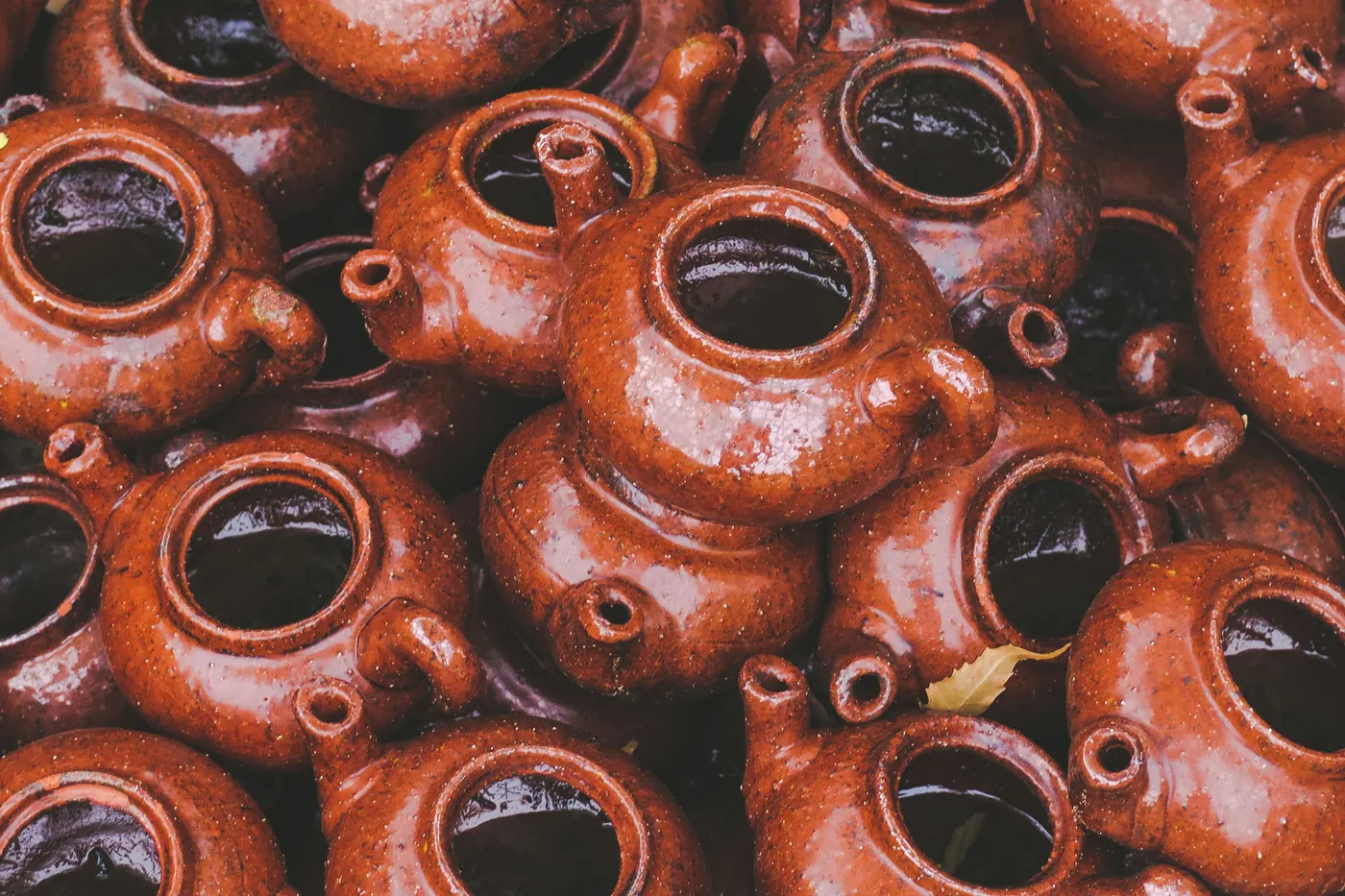
Café de olla. Coffee brewed with cinnamon and piloncillo, traditionally in a clay pot, as our guide to Mexican desserts describes. Simmer water with a cinnamon stick and a piece of piloncillo until the sugar dissolves, add coarse ground coffee, let it steep off the heat, then strain.
Capirotada. The Lenten bread pudding: layers of bread soaked in piloncillo syrup with cheese, raisins and nuts. A round block or a whole cone melted with water and cinnamon makes the syrup.
Ponche navideño. The hot Christmas fruit punch of tejocote, guava, sugarcane, cinnamon and piloncillo, which is what makes it taste of molasses rather than plain sugar. Our guide to Mexican Christmas food covers it.
Calabaza en tacha. Pumpkin simmered slowly in piloncillo syrup uses the same melted-down cone. Piloncillo also sweetens Mexican hot chocolate; see the best Mexican hot chocolate.
How we compared these piloncillo brands
We started from what a Mexican kitchen needs from piloncillo: pure cane sugar with its molasses kept, a form that suits the recipe, and an honest label. We then looked only at piloncillo and panela sold on Amazon in the United States that were in stock when we checked, from brands we could identify. For each one we took the details from the maker’s listing and, where they exist, from the maker’s own profile or a grocery retailer’s listing (Kroger for Iberia’s round panela; Nosh and Milk Street for Just Panela), and each review says which. Several familiar names were missing or nearly gone: Badia, Goya’s cones, Loma Vista and Tampico Spice cones were all showing low stock or none, and Goya’s panela-piloncillo listing gives no detail at all. We also left out bulk packs from unnamed “Generic” sellers. That left eight honest picks across every form, rather than ten with near-identical listings. We have not cooked with every brand here; flavor descriptions are the makers’ own, and we say so.
Piloncillo questions, answered
What is the best piloncillo brand?
Fela is our overall pick, for its two-pound bag and stated origin (Colombia). For traditional cones, COBASA: four 8-ounce cones labeled pure cane, per its listing. Just Panela is the pick if you want organic granulated panela.
Is piloncillo the same as panela?
Essentially, yes. Both are unrefined cane sugar made by boiling down sugar cane juice. Piloncillo is the Mexican name, usually for cones; panela is used across much of Latin America for cones, blocks and granules.
What can I use instead of piloncillo?
Dark brown sugar is the usual substitute, sometimes with a little molasses added. It is close, but piloncillo has a rounder, more caramel-like flavor because its molasses was never removed in the first place.
How do you break up a piloncillo cone?
Grate it on the coarse side of a box grater, saw it with a serrated knife on a board set on a damp cloth, or soften it for 15 to 20 seconds in the microwave wrapped in a damp paper towel. For drinks and syrups, just drop the whole cone into the hot liquid.
Does piloncillo go bad?
Not quickly. Kept in an airtight container in a cool, dark place, it lasts for years, according to Ale Cooks. It may harden or turn sticky depending on the humidity; neither stops it from melting into a recipe.
Our final pick for café de olla
Buy Fela’s 32-ounce bag of tejitos for most cooking and for frequent use. Choose COBASA’s four-cone pack if you want piloncillo the way Mexican recipes picture it, for café de olla, capirotada and ponche, Iberia’s round block if you mostly make syrup, and Just Panela or Wholesome if you would rather spoon granulated panela than grate a cone.
Piloncillo belongs on the sweet shelf of a Mexican pantry, alongside chocolate, canela and vanilla; our guide to Mexican pantry staples covers that shelf, and for the other great Mexican sweet, see the best cajeta brand.
Related guide: Piloncillo substitute.
And if you would rather someone else made dinner tonight, see the menu or call to order.